





One year ahead of the parliamentary elections, there is a low level of political participation among young people in Morocco. Despite overall economic progress and gradual democratic reforms under King Mohammed VI since 1999, many young Moroccans feel excluded from political decision-making, distrust parliamentary institutions, and see limited personal opportunities. Around four million first-time voters – about 15 percent of the electorate – could play a decisive role, yet only 33.6 percent registered for the 2021 elections, indicating persistently weak youth engagement.
While Morocco has expanded democratic mechanisms, including constitutional reforms in 2011 and plans to reintroduce youth quotas on party lists, political power remains highly centralized in the monarchy, and parties are widely perceived by youth as unresponsive. As a result, many young people neither vote nor participate in parties, often citing lack of political knowledge, disinterest, and poor communication from political elites.
Recent nationwide “Gen Z” protests in autumn 2025 marked a shift toward extra-institutional participation. Triggered by deaths in a hospital and amplified via social media, the protests voiced frustration over social inequality, corruption, and underfunding of health and education, contrasting with large investments in sports infrastructure. These movements show that youth are politically aware but prefer informal, digital channels with low barriers to entry.
In response, the government is considering electoral reforms, including quotas of up to 50 percent for candidates under 35 years and financial incentives for parties and young independent candidates. But youth inclusion will depend not only on institutional
reforms but also on strengthening political education and improving political communication, particularly through social media and schools.

Media library
#11: Hannah Lim on Legal Technology in South East Asia
As Head of Rule of Law and Emerging Markets at LexisNexis in Singapore, Hannah identifies areas where LexisNexis can, leveraging on technology, support the rule of law.
Read now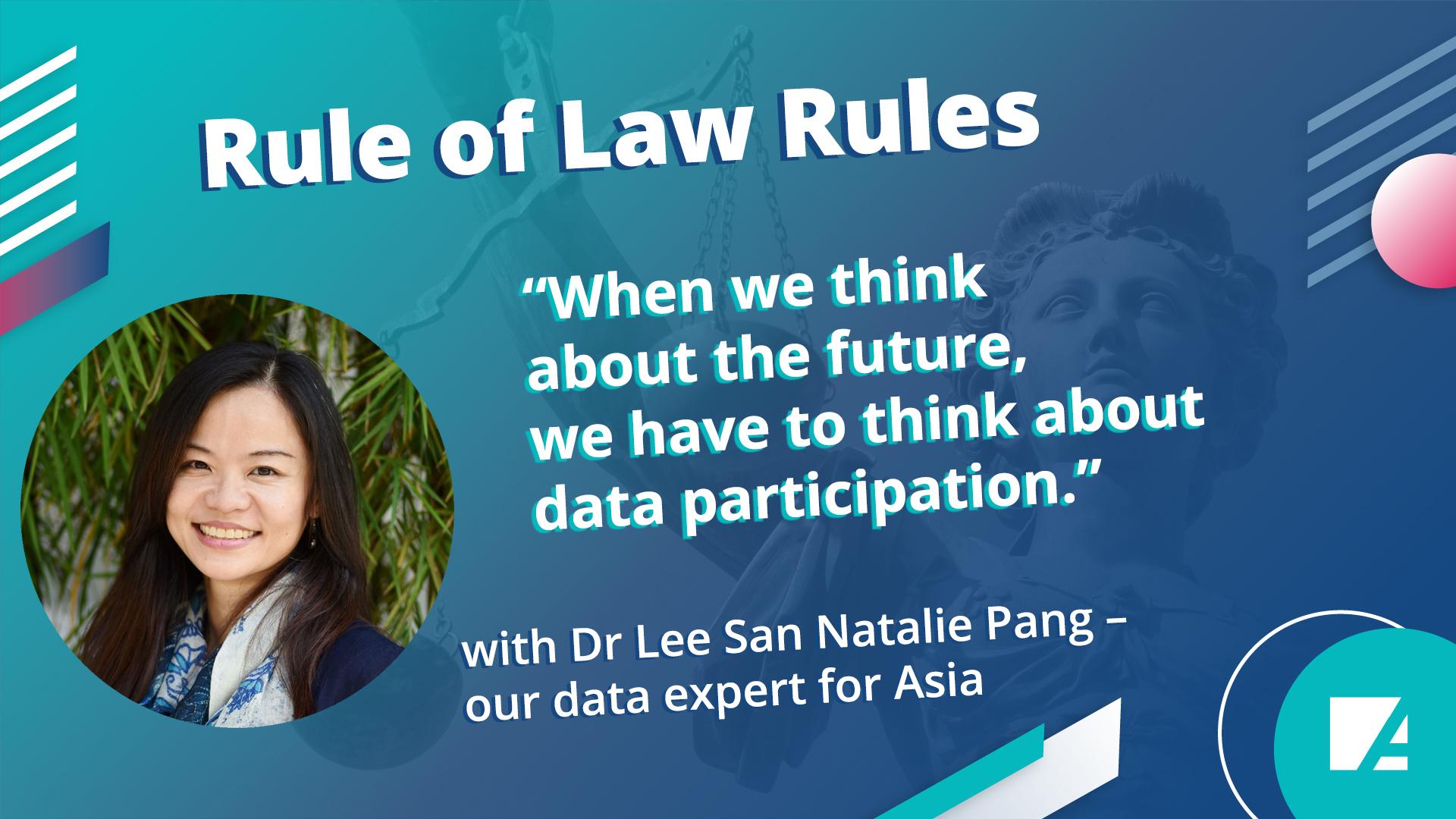
#6: Lee San Natalie Pang on the General Data Protection Regulation & its influence in Southeast Asia
For the last episode of our first series “Data Protection” we go to Asia and take a closer look at the Southeast with Dr Lee San Natalie Pang, our expert on Data Protection.
Read now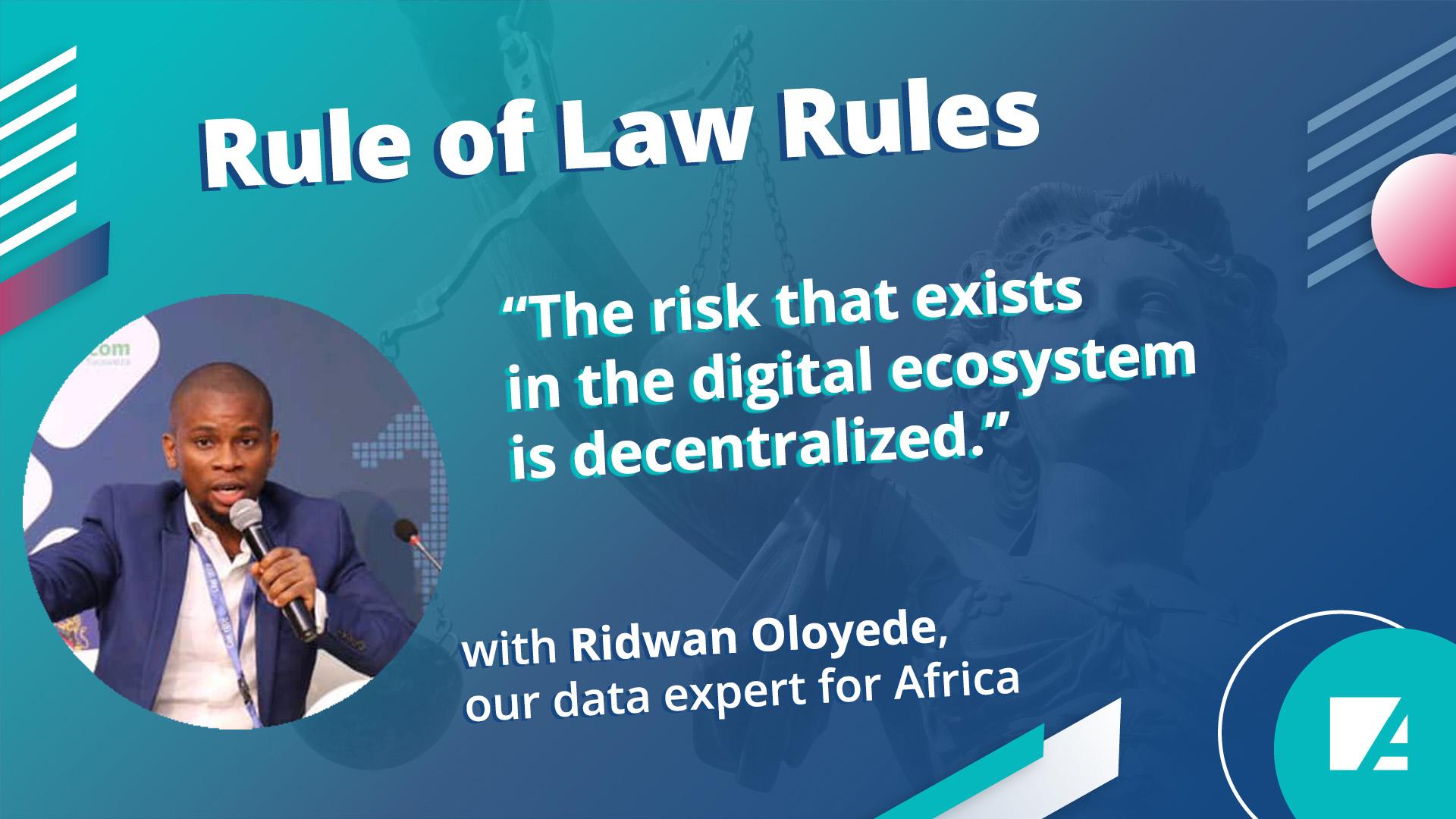
#5: Ridwan Oloyede about the GDPR and its influence in African legal framework
Ridwan Oloyede is co-founder of a Nigerian start-up, that helps businesses to achieve operational excellence through the reliable and efficient application of technology.
Read now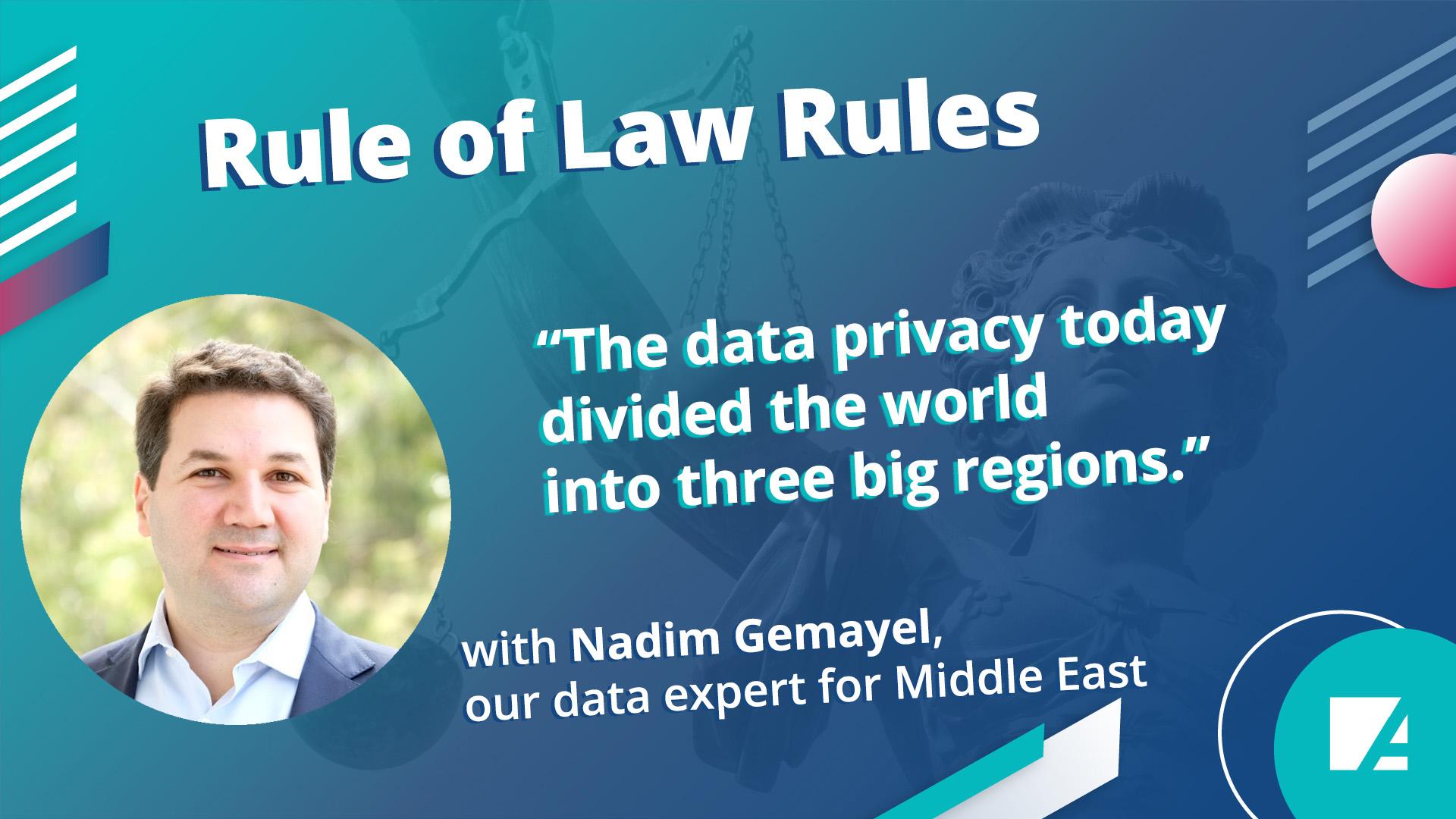
#4: Nadim Gemayel on the General Data Protection Regulation and its influence in Middle East
Nadim Gemayel is a politician and lawyer based in Lebanon and Qatar. He was a member of the Lebanese Parliament between 2009 and 2020.
Read now
#3: Eduardo Magrani on Data Protection in Latin America
We speak with Eduardo Magrani about the General Data Protection Regulation and its influence in Brazilian and Latin American legal framework.
Read now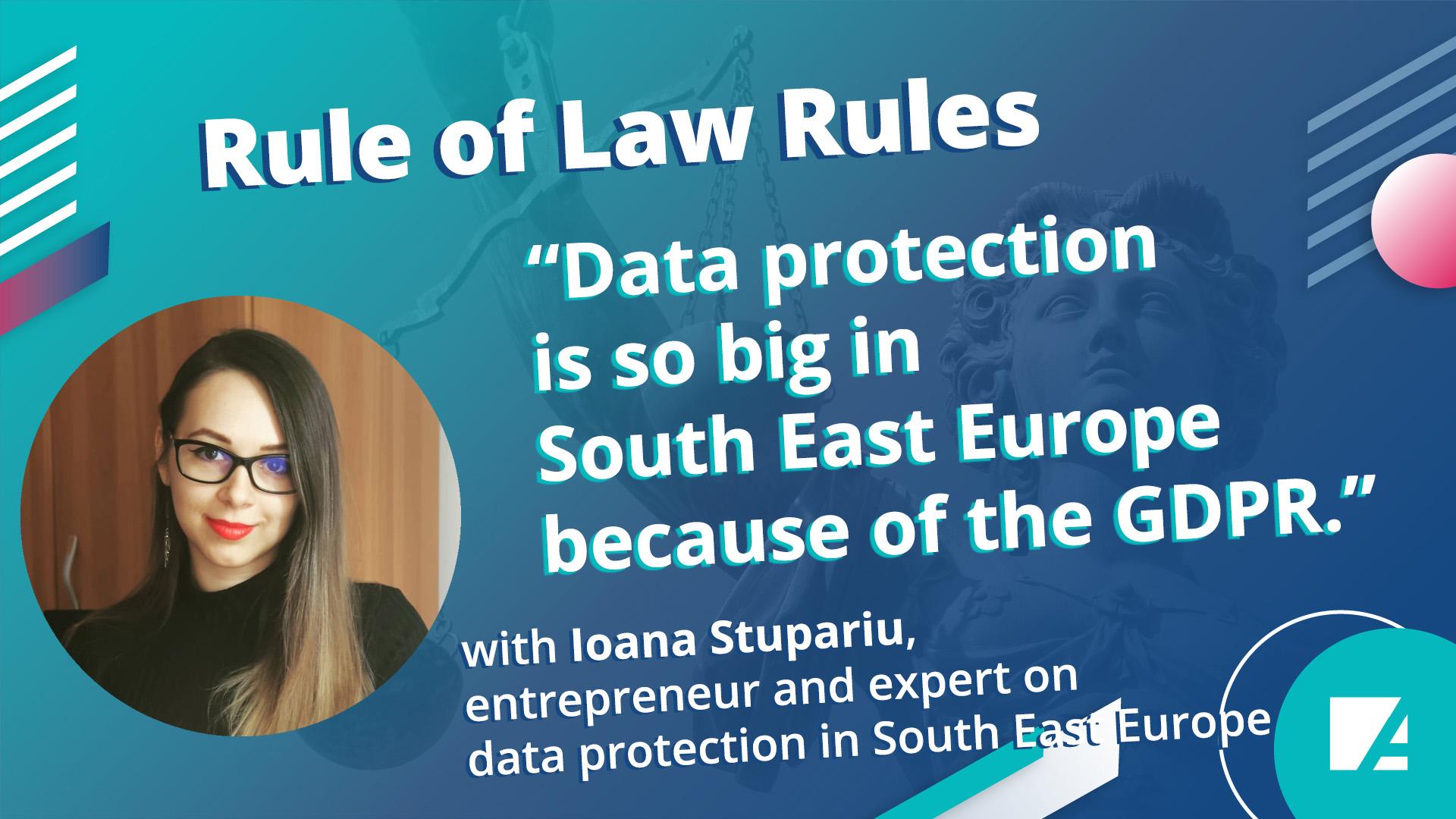
#2: Ioana Stupariu on the GDPR's influence in South East Europe
Ioana Stupariu works with tech and healthcare start-ups and companies across Central and Eastern Europe. And she researches on Data protection & Privacy.
Read now