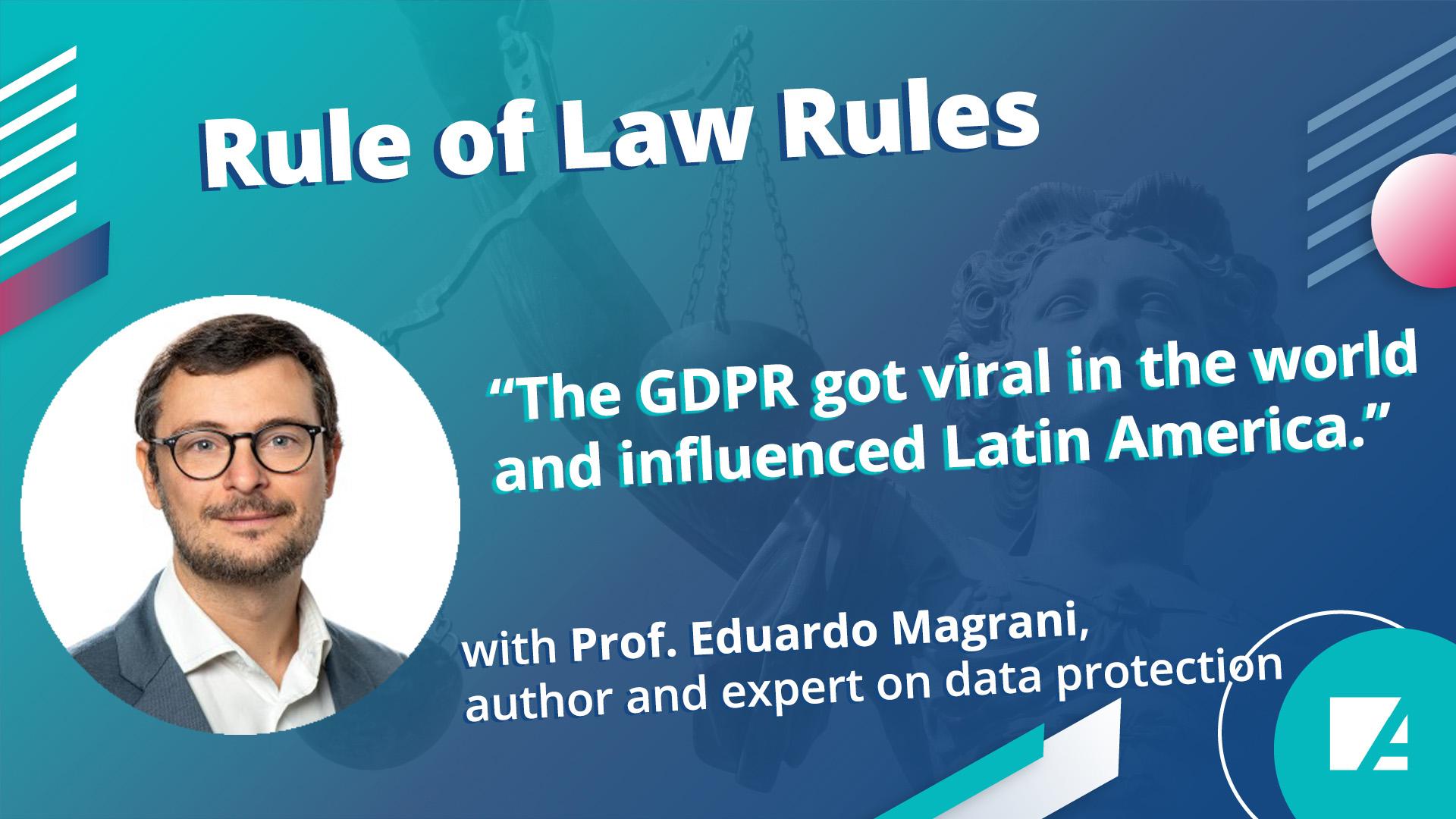






Centre-right parties are given the mandate to govern, right-wing populists are strengthened
On 3 October, Latvia elected the 15th Saeima, the country's parliament. In total, over 1.5 million people were eligible to vote in Latvia's five constituencies of Riga, Vidzeme, Latgale, Kurzeme and Zemgale. Fourteen party lists ran for 100 seats with 1,428 candidates. The election result produced a clear winner: Andris Kulbergs' United List (APVIENOTAIS SARAKSTS) received 35.3% of the vote, or 41 seats – a significant increase from the 15 seats it won in 2022. They were followed by the right-wing populists Latvia First (LATVIJA PIRMAJĀ VIETĀ) with 13.1% and Sovereign Power / Alliance of Young Latvians (Suverēnā Vara / Apvienība Jaunlatvieši, SV / AJ) with 11.7%, the national-conservative National Alliance (Nacionālā apvienība) with 8.9%, the (social democratic) Progressives (PROGRESĪVIE) with 7.9% and the EPP party New Unity (Jaunā VIENOTĪBA) with 6.5%. This means that six political forces are moving into the new Saeima. The election took place against a tense international and domestic political backdrop. The Russian war of aggression against Ukraine continues. At the same time, Latvia is facing hybrid pressures ranging from the instrumentalization of migration on the border with Belarus to cyber threats and repeated violations of Latvian airspace by drones. During the 14th legislative period after 2022, the country had three governments under Prime Ministers Krišjānis Kariņš, Evika Siliņa, and Andris Kulbergs since May 2026. The latter thus took office a few months before the election.
Or adjust your cookie settings under privacy policy.
A Closer Look: The New Tunisian Draft Constitution
On the 25th July 2022 Tunisia will be voting on a new draft constitution. What can we expect? We asked the experts: Prof. Salsabil Klibi, Saïd Bernabia and Dr. Malte Gaier.
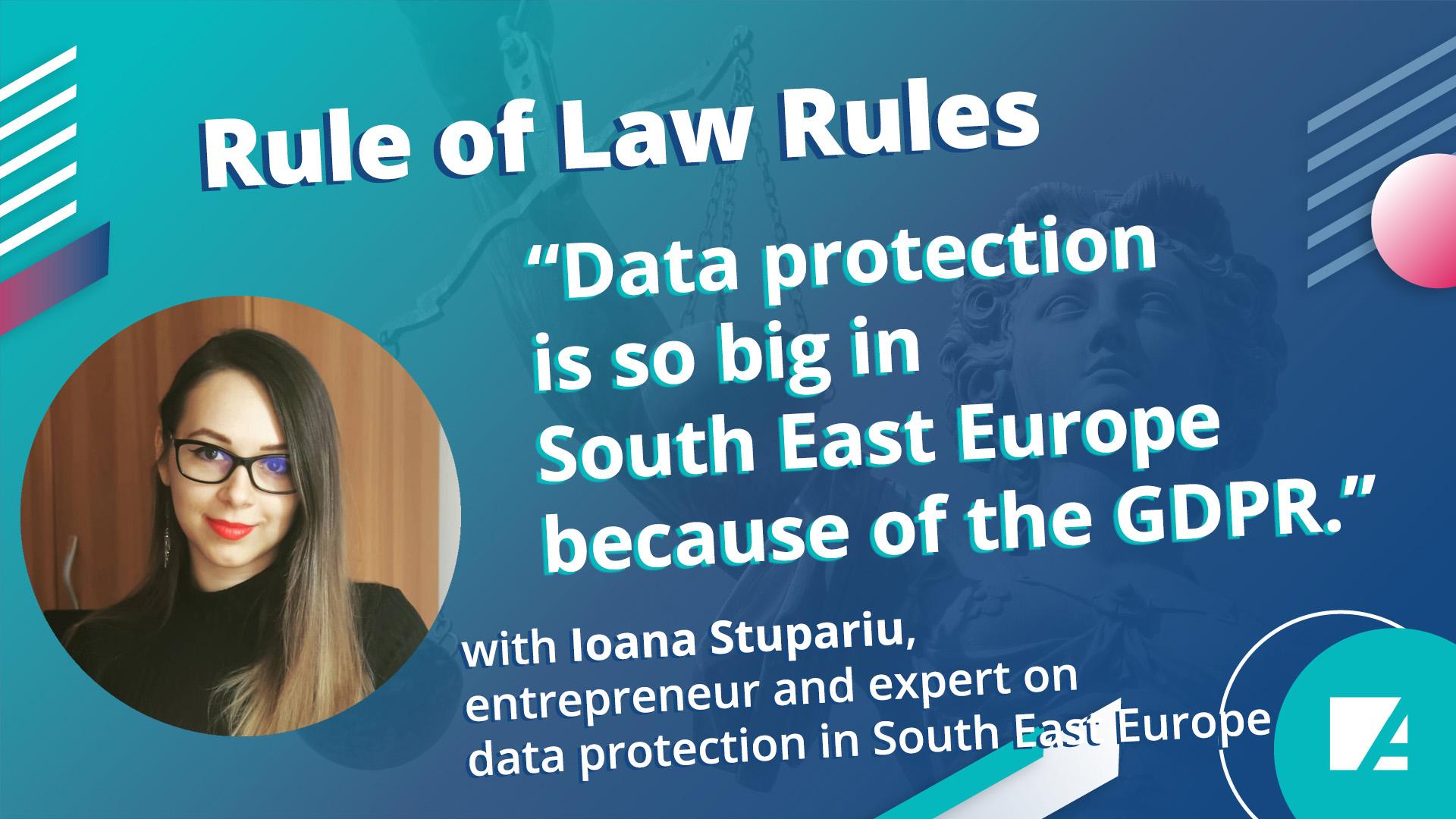
#2: Ioana Stupariu on the GDPR's influence in South East Europe
Ioana Stupariu works with tech and healthcare start-ups and companies across Central and Eastern Europe. And she researches on Data protection & Privacy.
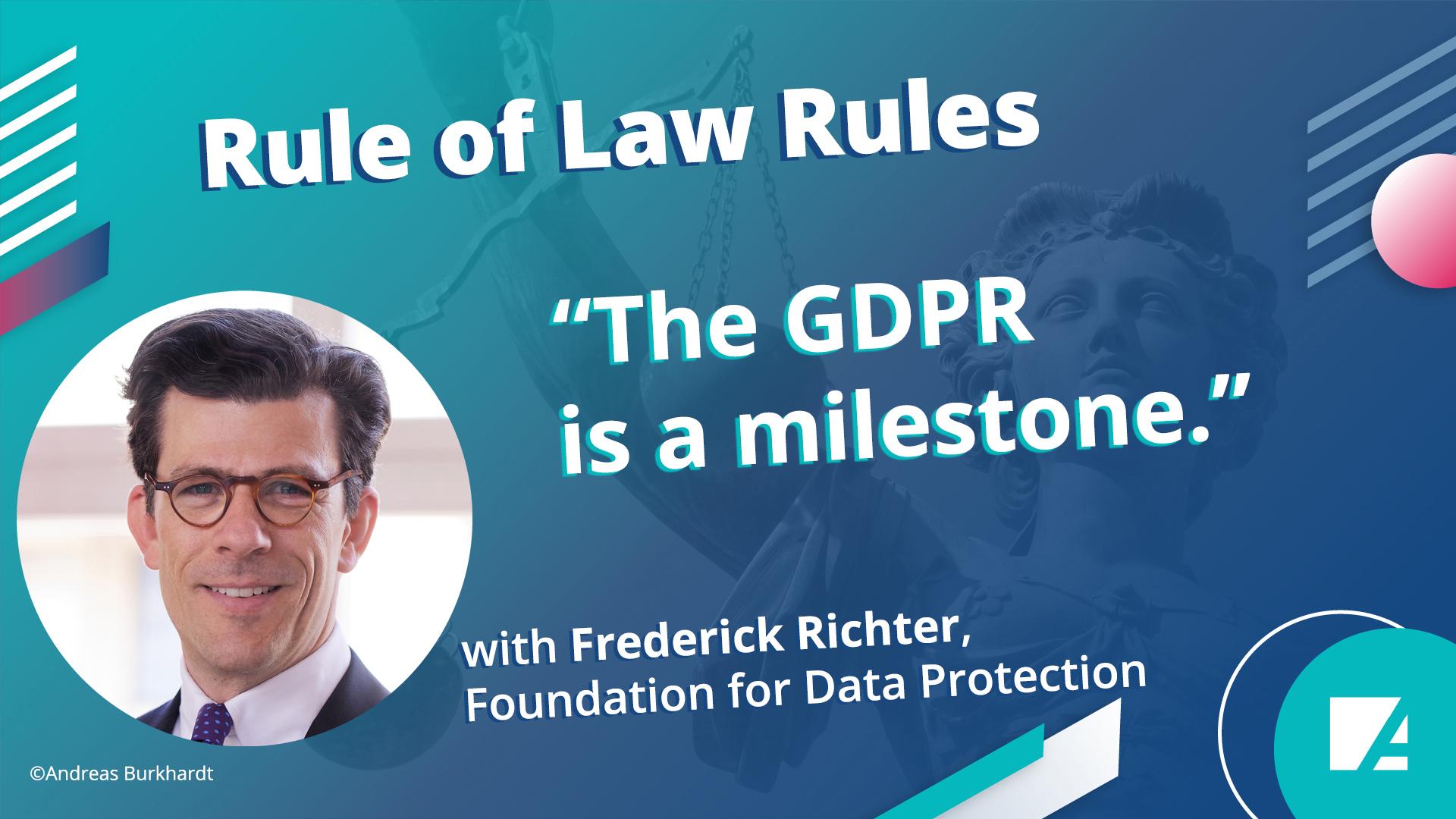
#1: Frederick Richter on the the EU’s GDPR and data protection worldwide
We look at the EU’s GDPR: How is data protection handled in other parts of the world? How can we establish international standards? And what will happen next?