






The continuity of ‘Chavismo’ as an epoch-making turning point
Laura Fernández of the Pueblo Soberano (‘Sovereign People’) party wins the presidential election in the first round with 48.33% of the vote and secures a majority of seats in parliament for her party. The candidate of the long-established Partido Liberación Nacional (PLN) achieved a historically good result, but was still significantly behind the frontrunner. The presidential and parliamentary elections on 1 February 2026 thus mark a historic turning point in Costa Rica's political history. The country, which for decades was considered a democratic exception in Central America, has experienced an election that goes far beyond the decision on individuals and party colours. At stake was the fundamental question of how Costa Rica should be governed in the future: through institutional dialogue, separation of powers and consensus – or through power-concentrated politics based on confrontation and structural system change.
Or adjust your cookie settings under privacy policy.
A Closer Look: The New Tunisian Draft Constitution
On the 25th July 2022 Tunisia will be voting on a new draft constitution. What can we expect? We asked the experts: Prof. Salsabil Klibi, Saïd Bernabia and Dr. Malte Gaier.
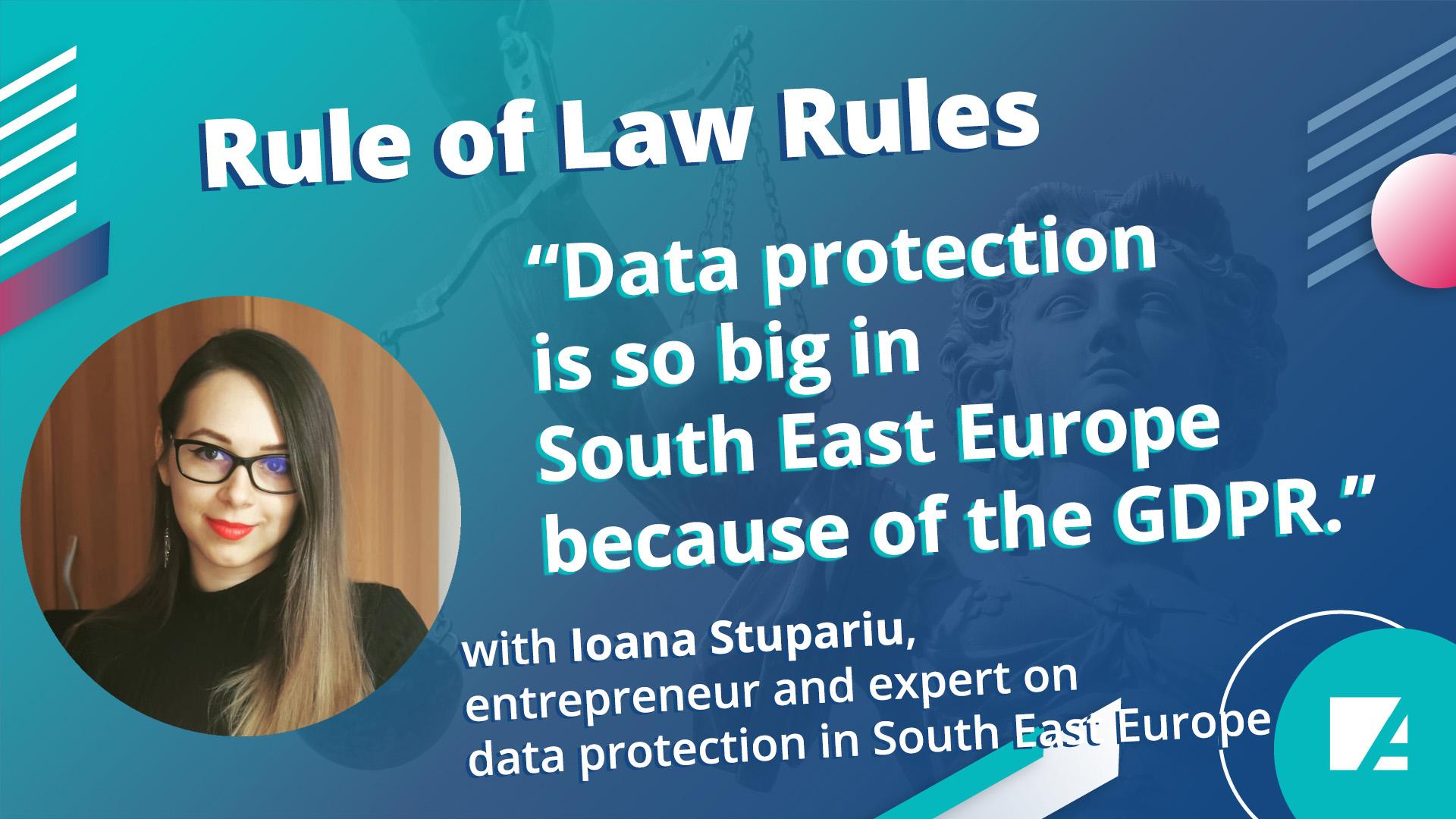
#2: Ioana Stupariu on the GDPR's influence in South East Europe
Ioana Stupariu works with tech and healthcare start-ups and companies across Central and Eastern Europe. And she researches on Data protection & Privacy.
#1: Frederick Richter on the the EU’s GDPR and data protection worldwide
We look at the EU’s GDPR: How is data protection handled in other parts of the world? How can we establish international standards? And what will happen next?