Wir retten das Klima nur in einer intelligenten gemeinsamen Kraftanstrengung von Politik und Wissenschaft.




Auf einen Blick
- Eine nachhaltige Entwicklung bringt ökonomische, ökologische und soziale Aspekte zusammen. Das Eintreten für mehr Nachhaltigkeit bedeutet daher vor allem die Übernahme von Verantwortung für die Zukunft.
- Innovative Technologien, Verfahren und Verhaltensänderungen können perspektivisch ein wichtiger Schlüssel für den nachhaltigeren Umgang mit Ressourcen und unseren natürlichen Lebensgrundlagen sein.
- Ein Wandel zu mehr Nachhaltigkeit muss national und international auf allen politischen Ebenen herbeigeführt werden. Dies erfordert die Festlegung von Prioritäten, die Überwindung von Umsetzungsdefiziten und das Schaffen von Vertrauen in die Fähigkeit des Staates, diesen Wandel zu bewältigen.
- Für die Konrad-Adenauer-Stiftung ist Nachhaltigkeit ein Kernanliegen. Wichtig ist uns dabei, dass ein ökologischer Wandel ökonomisch tragfähig ist und sich an den Lebensrealitäten der Menschen orientiert.
Inhalt
1. Nachhaltigkeit bedeutet, Verantwortung für die Zukunft zu übernehmen
2. Resilienz entsteht durch Bewahrung und Erneuerung
3. Nachhaltigkeit in der multipolaren Welt
4. Mit einem breiten Angebot zu mehr Nachhaltigkeit im In- und Ausland
5. Unsere Angebote und Projekte zum Thema
6. Publikationen, Veranstaltungen und Medienbeiträge zum Thema
Klimawandel, Kriege und Konflikte haben die geopolitisch zerklüftete Welt in eine Wirtschaftskrise mit schwindendem gesellschaftlichem Zusammenhalt manövriert. Diese zentralen Herausforderungen unserer Zeit werfen uns auf grundlegende Fragen zurück: worauf bauen wir unsere Zukunft? Wie müssen wir jetzt leben, damit das Leben auf der Erde auch für künftige Generationen noch lebenswert bleibt und sie es weiterhin in Ausübung ihrer Grundrechte gestalten können?
Nachhaltigkeit bedeutet, Verantwortung für die Zukunft zu übernehmen
Nachhaltigkeit wird verstanden als systemische Balance aus ökologischer, ökonomischer und sozialer Entwicklung, die in einer komplexen Wechselwirkung stehen. Der Begriff der Nachhaltigkeit ist in politischen Debatten, in Wissenschaft und Forschung wie auch in Forderungen der Zivilgesellschaft, auf nationaler und auf internationaler Ebene weiterhin präsent. Er polarisiert aber insbesondere mit Blick auf seine soziale Dimension auch hierzulande angesichts einer wachsenden tatsächlichen oder zumindest wahrgenommenen sozialen Ungleichheit. Diese Polarisierung ist auch auf eine oft moralisch überfrachtete, defizitorientierte Diskussion zurückzuführen. Wirtschaftliche Fragen um Wachstum, Wohlstand und Wettbewerbsfähigkeit – auch die Wettbewerbsfähigkeit der Idee eines nachhaltigen Wandels – rücken in den Vordergrund.
Dabei bleibt Nachhaltigkeit ein Querschnittsthema, für das es keine einfachen Lösungen gibt. Letztlich geht es um verantwortliches Gestalten unserer Zukunft.
Resilienz entsteht durch Bewahrung und Erneuerung
Zukunftsfähigkeit und -festigkeit sind auch Leitmotive im Wettbewerb der politischen Ideen auf den verschiedenen Ebenen – in Bund, Ländern und Kommunen, im europäischen Haus und im globalen Dorf. Welche Entscheidungen müssen heute getroffen werden, um Erreichtes zu bewahren, gewünschte Entwicklungen anzustoßen und um auf Widerstandsfähigkeit von Natur, Wirtschaft und Gesellschaft gegen Disruptionen hinzuwirken? Prioritäten müssen gesetzt und dabei auch Zielkonflikte bedacht werden. Zumeist mangelt es nicht an (wissenschaftlichen) Erkenntnissen, sondern es gilt Umsetzungsdefizite mit gesundem Pragmatismus zu überwinden und Vertrauen dafür zu schaffen, dass der demokratische Rechtsstaat den grundlegenden Wandel meistert.
Die erforderliche Dekarbonisierung und angestrebte Klimaneutralität von Wirtschaft und Gesellschaft bringen zweifellos Herausforderungen mit sich. Innovationen – seien es Technologien, Verfahren oder Verhaltensänderungen – können ein Schlüssel zu einem schonenderen Umgang mit den natürlichen Lebensgrundlagen sein und zugleich der Anpassung von Lebens- und Geschäftsmodellen an die Auswirkungen des Klimawandels dienen.
Der Ausbau von Erneuerbaren Energien und der dazugehörigen Infrastruktur, die Förderung klimaneutraler Technologien, Diversifizierung von Rohstoff- und Energieimporten, Maßnahmen für höhere Energieeffizienz sowie geschlossene Produktkreisläufe und Recycling (zirkuläres Wirtschaften) sind als Anpassungsmaßnahmen von grundlegender Bedeutung. In der Landwirtschaft muss die Produktion von Nahrungsmitteln mit Arten- und Klimaschutz zusammengedacht werden. Mobilität muss in vielerlei Hinsicht neu gedacht werden, wobei die Belange der Städte und ländlichen Räume gleichermaßen berücksichtigt und durch innovative und nachhaltige Ansätze miteinander verbunden werden müssen.
Luftverschmutzung und Klimawandel gehören laut Weltgesundheitsorganisation (WHO) zu den größten Gefahren für die Gesundheit weltweit. Ein zunehmend hohes Risiko stellen ebenfalls Zusammenhänge zwischen der menschlichen Gesundheit und der von Tieren und der Umwelt dar: Zoonosen, also zwischen Tier und Mensch übertragbare Krankheitserreger sind potenzielle Quelle für künftige Pandemien. Überverabreichung von Antibiotika an Nutztiere steigert die Zahl antimikrobieller Resistenzen. All dies wird im „One Health“-Ansatz erfasst, der solche Wechselwirkungen zwischen Mensch, Tier und der natürlichen Umgebung berücksichtigt und bei der Stärkung von Gesundheitssystemen sowie bei der Pandemieprävention betont.
Nachhaltigkeit in der multipolaren Welt
Die geopolitische Fragmentierung, für die Russlands Krieg gegen die Ukraine ein besonders gravierender Ausdruck ist, vergrößert die Aufgaben, verstärkt die Zielkonflikte und wirft eine Reihe von Fragen auf: wie ist die Energieversorgungssicherheit zu gewährleisten, für die man derzeit mangels ausreichender Verfügbarkeit und Steuerbarkeit erneuerbarer Energien noch teilweise von fossilen Energieträgern abhängig ist? Welche Rolle sollte die EU mit ihrem Clean Industrial Deal hier spielen? Wie kann eine dauerhafte Verfehlung der Klimaschutzziele verhindert werden, zumal sich die Auswirkungen der Erderwärmung weltweit in aller Dringlichkeit manifestieren? Wie lässt sich der globale Rohstoff- und Energiehunger für den Einsatz neuer Technologien sozial- und umweltgerecht stillen? Wie können Entwicklungsländer bei einem klimafreundlichen Auf- und Umbau ihrer Wirtschaft in der kriselnden Welt unterstützt werden? Und nicht zuletzt: erkennen die Industrieländer, dass Klimafragen nicht nur eine ethische, sondern auch eine wirtschaftliche und eine sicherheitspolitische Dimension haben?
Mit einem breiten Angebot zu mehr Nachhaltigkeit im In- und Ausland
Diese Fragen sind auch für die Konrad-Adenauer-Stiftung bei ihrer Arbeit im In- und Ausland von zentraler Bedeutung. Mit Veranstaltungen, Studien und Analysen begleiten wir die politische und gesellschaftliche Diskussion zu den aktuellen Fragestellungen und bieten Plattformen für den interdisziplinären Erfahrungsaustausch in Deutschland, Europa und in den Partnerländern weltweit.
Nachhaltigkeit ist für uns dabei nicht nur eine ordnungspolitische Herausforderung, sondern auch ein Kernanliegen zur Bewahrung der Schöpfung und zur Wahrung der Menschenrechte weltweit. Nach unserem Verständnis ist nachhaltige Entwicklung Wohlstandsvoraussetzung und ein Prinzip der sozialen Marktwirtschaft.
Uns ist wichtig, dass der Wandel zu mehr Nachhaltigkeit ökonomisch tragfähig ist und sich an der Lebenswirklichkeit der Menschen orientiert, damit sie bei ihnen Akzeptanz findet und der gesellschaftliche Zusammenhalt nicht erodiert. Neben der ökologischen, der ökonomischen und der sozialen Dimension hat Nachhaltigkeit auch eine politische Komponente. Denn Nachhaltigkeit lebt von der aktiven Partizipation der Bürgerinnen und Bürger, die die Zukunftsfähigkeit des Landes mitgestalten sollen. Demokratien sind daher besonders prädestiniert, die tiefgreifenden Veränderungen entlang ihrer Wertestruktur, aber auch mit dem erforderlichen Pragmatismus voranzutreiben. Neben der gesellschaftlichen Akzeptanz ist der politische Wille zur Umsetzung von Nachhaltigkeit entscheidend, um die notwendigen Rahmenbedingungen dafür zu schaffen.
Politischen Entscheidungsträgern im In- und Ausland möchten wir daher Anregungen für die Auseinandersetzung mit den Herausforderungen rund um Umwelt, Ressourcen und weitere Nachhaltigkeitsfragen geben. Daher setzen wir uns auch ein für Allianzen zwischen Staaten, die hohe Nachhaltigkeitsstandards anstreben und diese mit ihren Bürgern gestalten.
Unsere Angebote und Projekte zum Thema
Publikationsreihen und Publikationsprojekte
Die Entwicklung hin zu einer nachhaltigen Lebensweise ist eines der wichtigsten Ziele für Politik, Wirtschaft und Gesellschaft. Wie kann es gelingen, ein Gleichgewicht zwischen der menschlichen Art zu leben und dem globalen Ökosystem Erde herzustellen, ohne flächendeckend auf alles verzichten zu müssen? Unsere Publikationsprojekte liefern hierzu Denkanstöße und gewähren Einblicke in Innovationen, die bei diesem Entwicklungsprozess helfen können.
Monitor Nachhaltigkeit

Mit der Reihe Monitor Nachhaltigkeit greifen wir aktuelle Nachhaltigkeitsthemen zumeist anlassbezogen aus Perspektive der Konrad-Adenauer-Stiftung auf, um sie einer interessierten Öffentlichkeit in Politik, Wissenschaft und Zivilgesellschaft zugänglich zu machen und einen Beitrag zur Positionierung der Stiftung zu diesem wichtigen Querschnitts- und Zukunftsthema zu leisten.
Kooperation
Um eine markt- und innovationsorientierte Strategie für Klimaneutralität zu fördern, hat die Konrad-Adenauer-Stiftung eine Kooperation mit EPICO Klimainnovation – Denkfabrik und Netzwerk für nachhaltige, marktbasierte und innovationsorientierte Klima- und Energiepolitik – geschlossen.
Kooperation mit EPICO Klimainnovation
Seit dem Jahr 2021 pflegt die Konrad-Adenauer-Stiftung eine Kooperation mit EPICO KlimaInnovation. Die Denkfabrik hat es sich zum Ziel gesetzt, nachhaltige, markt- und innovationsorientierte Strategien für Klimaneutralität aus der gesellschaftlichen Mitte heraus zu entwickeln und zu deren Umsetzung beizutragen. Herzstück der Kooperation zwischen der KAS und EPICO ist der „Policy Accelerator for Climate Innovation“.
In diesem Projekt wurden im Rahmen eines agilen Design-Thinking-Prozesses klare Handlungsempfehlungen zu Schlüsselthemen der Energiepolitik und Zielbildern zur Erreichung von Klimaneutralität erarbeitet, die auch in Zukunft begleitet und über ein starkes Netzwerk in Politik, Wirtschaft, Wissenschaft und Gesellschaft in der Umsetzung vorangetrieben werden sollen.

Publikationen zum Thema

Der Südkaukasus im Fokus globaler Rivalitäten: Herausforderungen und Chancen für die Ukraine
Stärkung analytischer Kapazitäten für außenpolitische Entscheidungsprozesse
 CIS
CIS
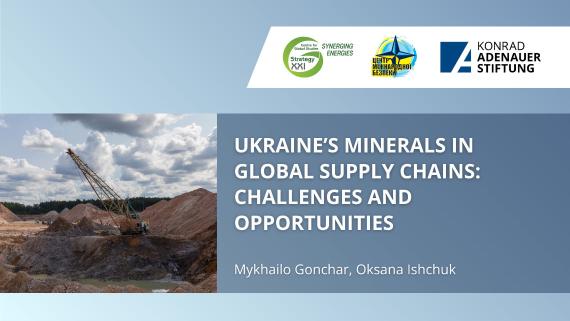
Kritische Rohstoffe aus der Ukraine in Globalen Lieferketten: Herausforderungen und Chancen
Stärkung analytischer Kapazitäten für außenpolitische Entscheidungsprozesse
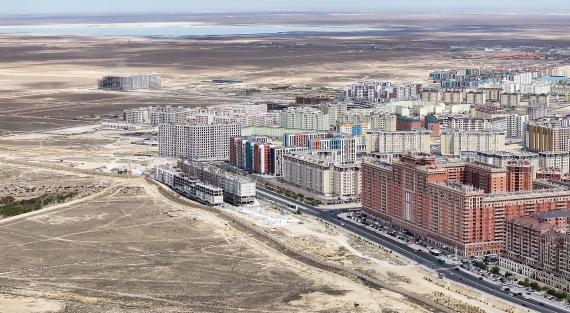 Anadolu Agency, Imago
Zentralasien zwischen Russland, China und dem Westen
Im Zentrum der Machtinteressen
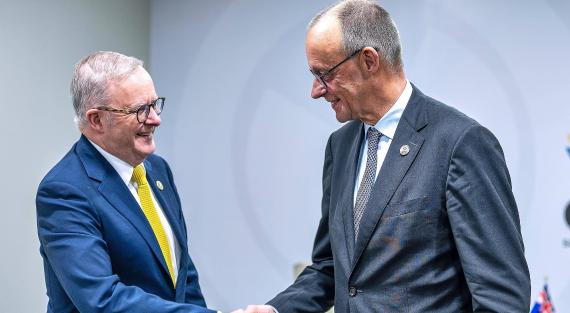 dts Nachrichtenagentur, Imago
Warum Australiens neues außenpolitisches Rollenverständnis Chancen für Deutschland bietet
Partnerschaftliche Zeitenwende
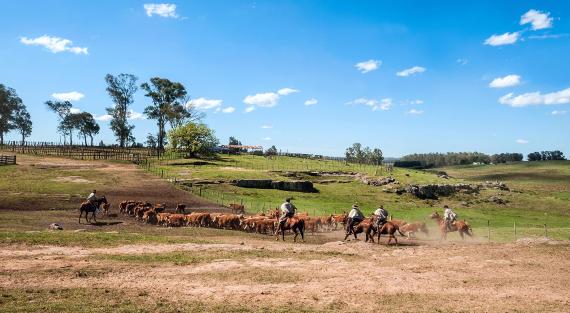 Depositphotos, Imago
Perspektiven einer deutsch-argentinischen Zusammenarbeit im Kontext globaler Diversifizierung
Pampa und Partnerschaft
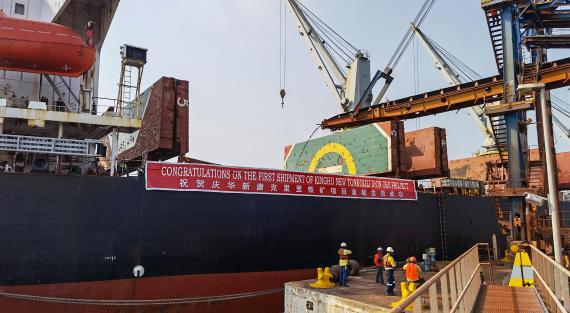
 Anadolu Agency, Imago
Die Partnerschaftspolitik der EU im Wandel
Anpassung und Neuausrichtung in geopolitisch turbulenten Zeiten
 Xinhua, Imago
Der Pakt für den Mittelmeerraum als Baustein europäischer Partnerschaftsdiversifizierung
Mehr als ein neues Etikett?

Constitutionalism, Sustainable Economic Development, and the African Continental Free Trade Area
Constitutionalism, Development & Africa’s Future

Interview: „Mehr Demut wäre hilfreich“
André Hoffmann über wirtschaftliche Macht und Verantwortung, die Themen des Weltwirtschaftsforums und einen nachhaltigen Kapitalismus
 IMAGO / photothek
Warum eine Lithiumpartnerschaft mit Bolivien für Deutschland und Europa strategisch entscheidend ist
Wann, wenn nicht jetzt?
Advancing Protection under Article I(2) of the 1969 OAU Refugee Convention
Interpretative clarity, operational support and pathways forward for African States Parties
 IMAGO / VectorFusionArt
Der Wert von Globaler Gesundheit
Eine Studienvorschau über die wirtschaftliche Dimension des deutschen Engagements für Globale Gesundheit
 IMAGO / Jürgen Ritter
Der Super-GAU von Tschernobyl und die deutsche Atomangst
Der Geschichtspodcast von Frankfurter Allgemeine Zeitung und Konrad-Adenauer-Stiftung - Folge #7
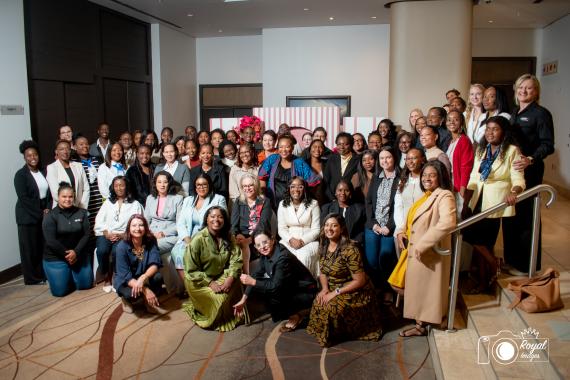
Gipfeltreffen für Unternehmerinnen und Führungskräfte im Technologiebereich 2026
Frauen stärken Innovation, Führung und digitale Transformation in Namibia
Veranstaltungsberichte zum Thema
 KAS/Gerd Markert
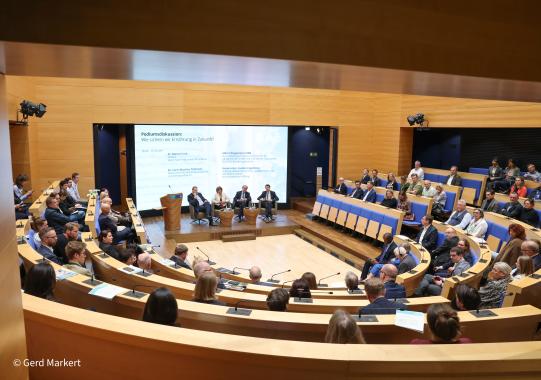
Ernährungssicherheit: Grundvoraussetzung für gesellschaftliche Stabilität
Interdisziplinäre Fachkonferenz zu Zielkonflikten, Resilienz und Zukunftsperspektiven
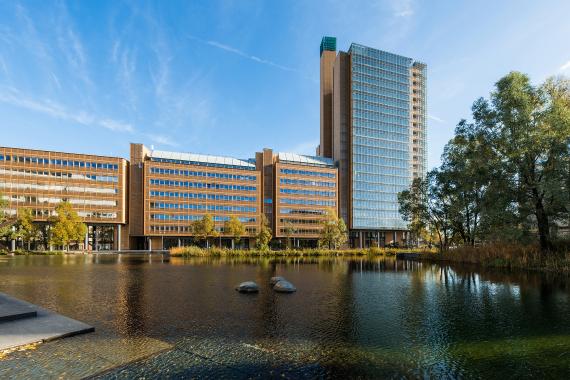
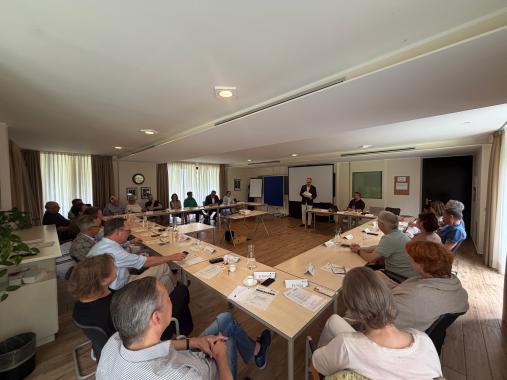
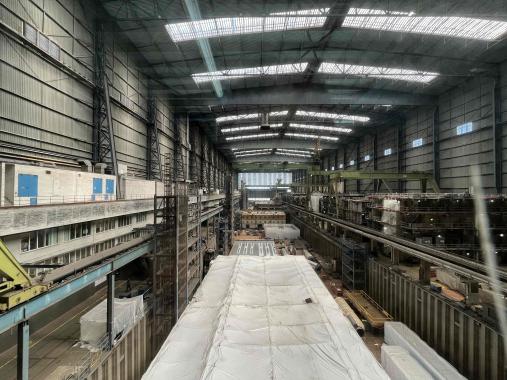
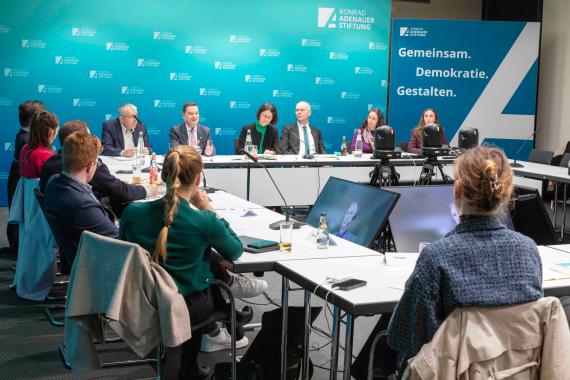
Berlin als Schwammstadt: Mit dem Fahrrad auf den Spuren der klimaresilienten Stadt
3 Fahrradtouren mit der Berliner Regenwasseragentur zeigten, wie Regenwassermanagement, Stadtgrün und innovative Infrastruktur Berlin auf die Folgen des Klimawandels vorbereiten.
 Edgar Nemschok
Biodiversitätsschutz für Wohlstand, Sicherheit und Zukunftsfähigkeit
Partnerschaftliche Verantwortung für die Natur stärkt die Wirtschaft und ihre Grundlagen
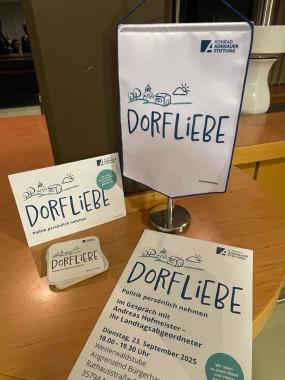
Dorfliebe – Politik persönlich nehmen
Ein Bericht über unsere Dorfliebe-Station in Mengerskirchen-Waldernbach.
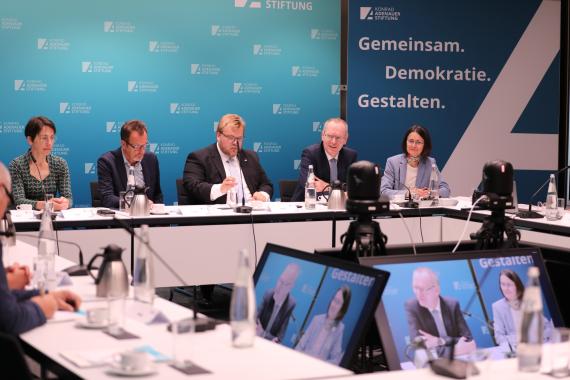 Jana Reimann-Grohs/KAS
„Die Herausforderungen beim Thema Wasser schaffen wir nur zusammen!“
Wassermanagement in Deutschland, Europa und Asien
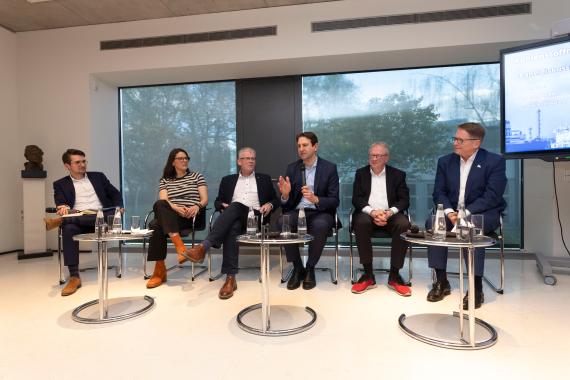 Edgar Nemschok/KAS
Kohlenstoffmanagement 2.0 – Integraler Bestandteil einer klimaneutralen Wirtschaft
Wichtige Instrumente zur Erreichung der Klimaneutralität
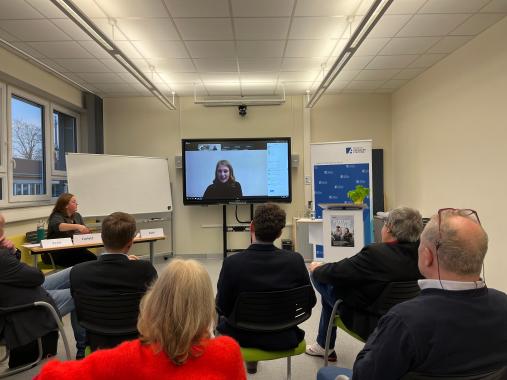
Wie sehen die ländlichen Räume der Zukunft aus?
Eine Bilanz des hybriden Alsfelder Gespräches am 06.03.2025
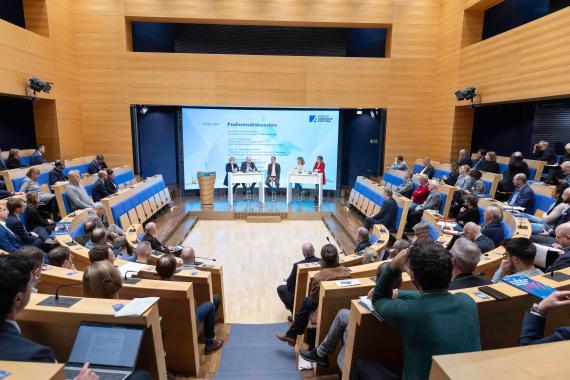
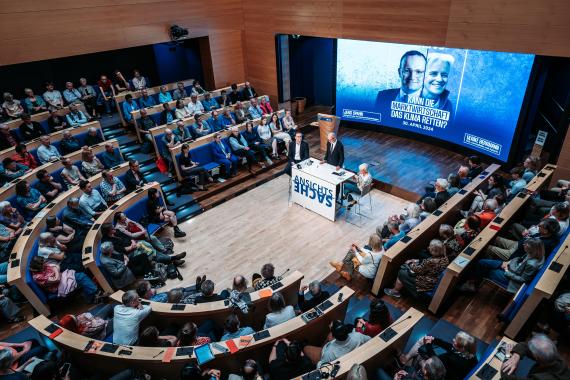
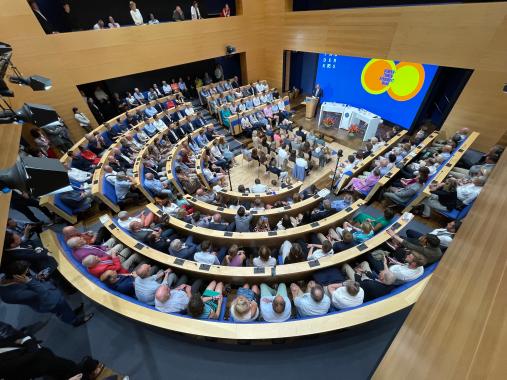 KAS
KAS
Das Miteinander der Generationen ist die Grundlage unserer Demokratie
Tag der Konrad-Adenauer-Stiftung 2023
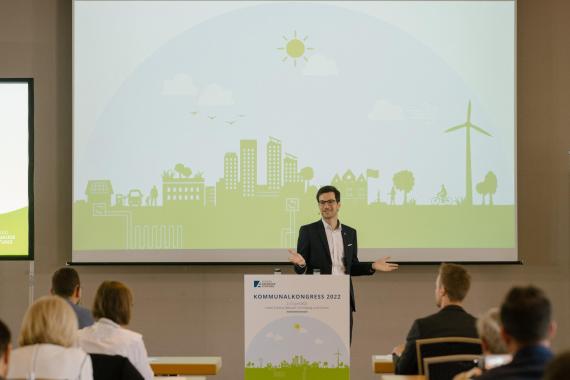
Mediathek
💚🌱5th "OpenGov for Citizen" in Bang Kachao, Samut Prakan
Local residents come together to envision a shared future, driving Bang Kachao towards a sustainable future that respects every voice in the community.
Merz besucht Golfstaaten: "Wichtige Wirtschaftspartner"
Angesichts des Kanzler-Besuchs in Saudi-Arabien, Katar und den VAE erläutert Philipp Dienstbier die Bedeutung der Golf-Staaten für Gasimporte und zukuenftige erneuerbare Energien
Jetzt lesen
INFORME DE GESTIÓN KAS 2024
📊Te invitamos a explora los logros y avances en esta edición especial de nuestro informe de gestión.
Jetzt lesen