








 KAS Kapstadt
 KAS Kapstadt
 KAS Kapstadt
 KAS Kapstadt
 KAS Kapstadt
 KAS Kapstadt
KAS Kapstadt
KAS Kapstadt
KAS Kapstadt
KAS Kapstadt
KAS Kapstadt
KAS Kapstadt
KAS Kapstadt
KAS Kapstadt
KAS Kapstadt
KAS Kapstadt
KAS Kapstadt
KAS Kapstadt
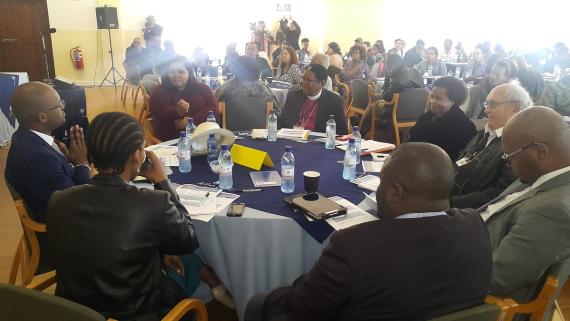
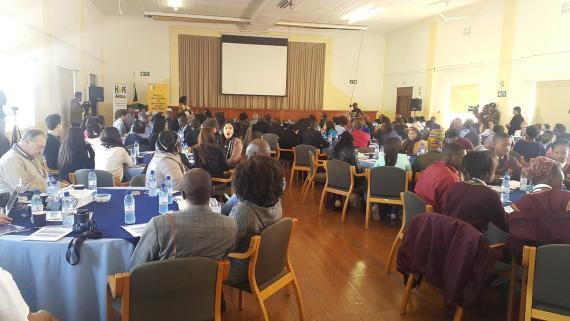
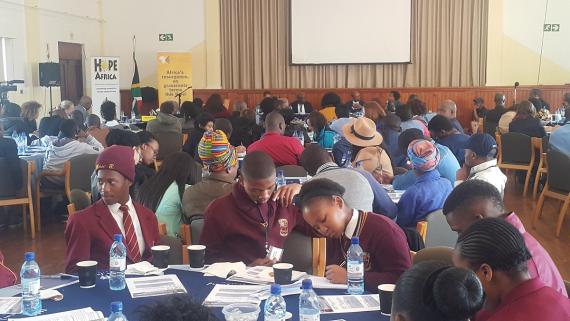
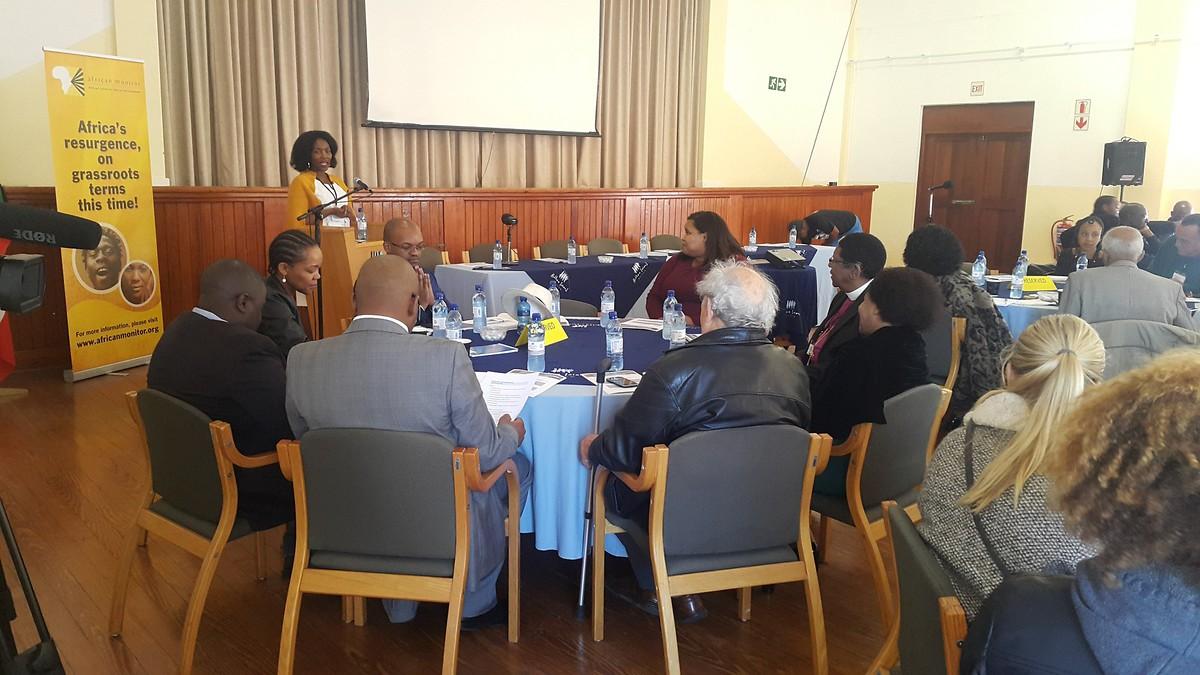
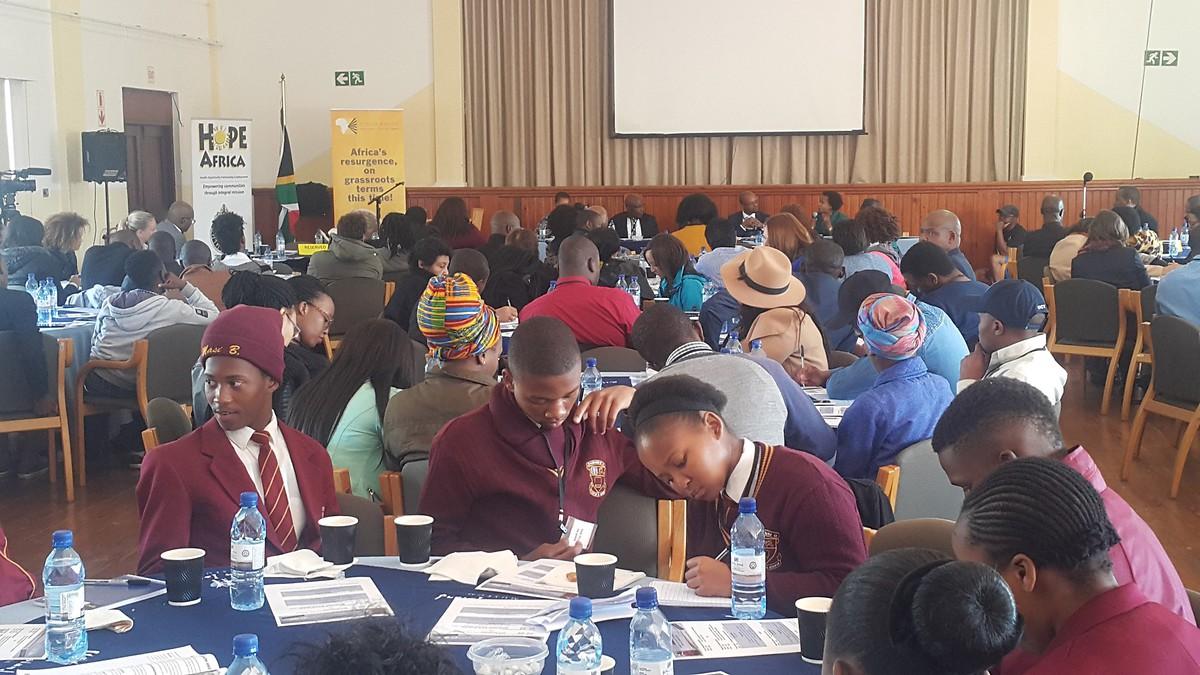
Student protests began in March 2015 with students demanding the “decolonization” of the South African education system and the abolition of student fees. Earlier this year, things got out of hand with protestors committing criminal acts, including assault, intimidation, arson and vandalism. The fact that lectures needed to be suspended for most of the months of September 2016 demonstrates that the situation is still far from being under control. Therefore, a platform for students to engage with leaders of the society in peaceful ways is urgently needed. It seems that the youth needs to be reminded of the sacrifices that were made by older generations in order to create a democratic, non-racial South Africa. The Robben Island Dialogue Series, supported by the Konrad-Adenauer-Stiftung (KAS) and launched by the NGO African Monitor on 22 September, aims to create understanding between the country’s different races as well as its different generations. Hopefully, the fruit of this intergenerational dialogue will be more social peace in South Africa.
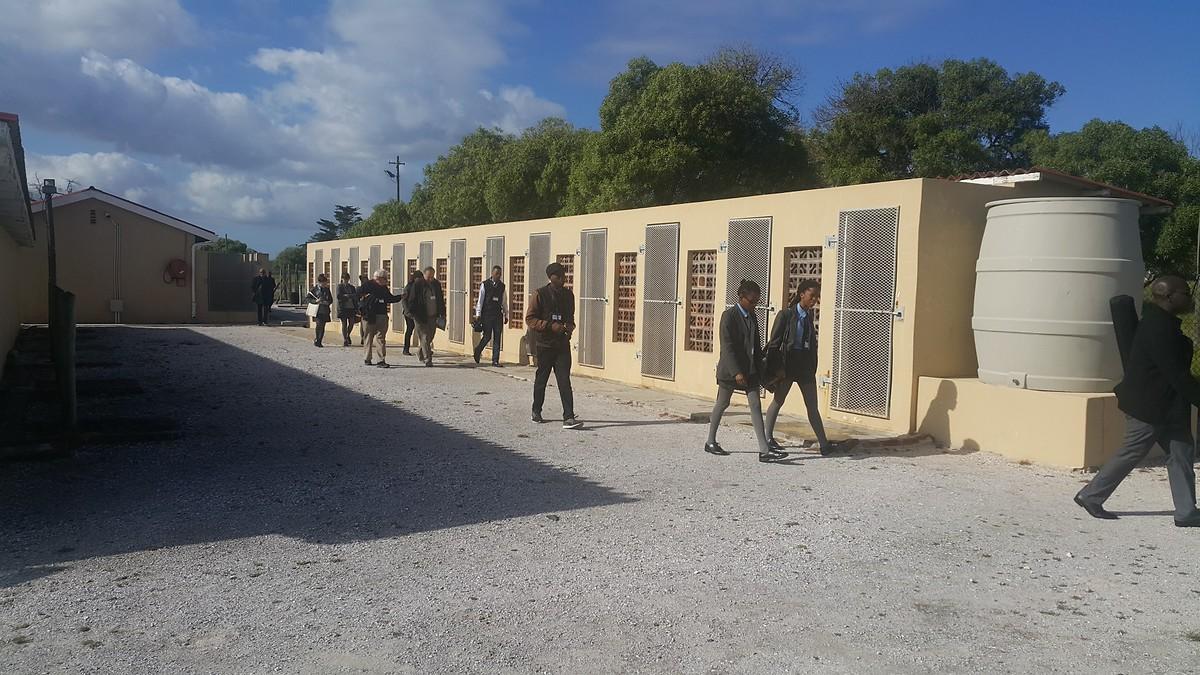
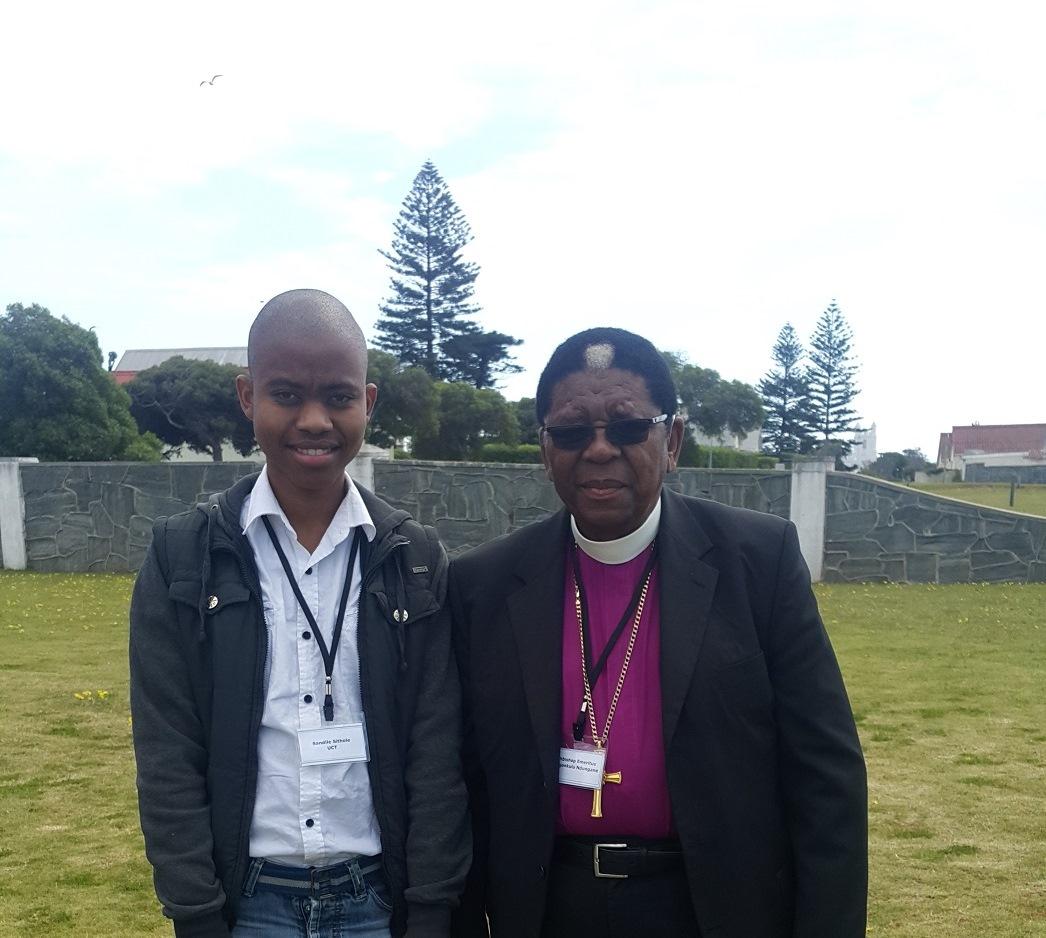
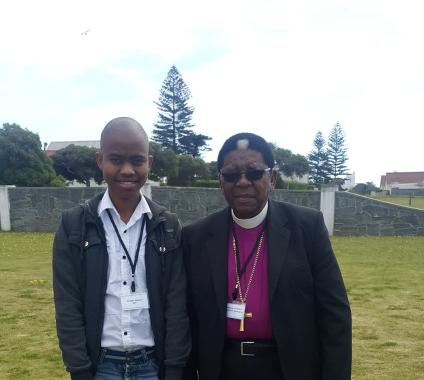
Furthermore, the dialogue series is a way of honouring Archbishop Njongonkulu Ndungane, the chairman of African Monitor, who spent three years as a prisoner on Robben Island. Choosing this island, an inspiring and deeply patriotic yet non-partisan space, as the venue of the event is highly symbolic as it evokes the hardship endured by the former anti-Apartheid activists. In his opening address the former archbishop of Cape Town referred to the educational crisis, speaking about the “wind of change” that brought Apartheid to its end and that is blowing again now. Archbishop Ndungane called for a governmentally funded, long-term national plan in order to end the dismal present situation of the education system. He thus demonstrated sympathy with the students and drew a parallel to himself and other former activists stating that they too had been angry and impatient when they were young, but at the same time eagerly seeking advice from older comrades. He thus pointed to the need to find a balance between passionate protests and respect for the older generation.
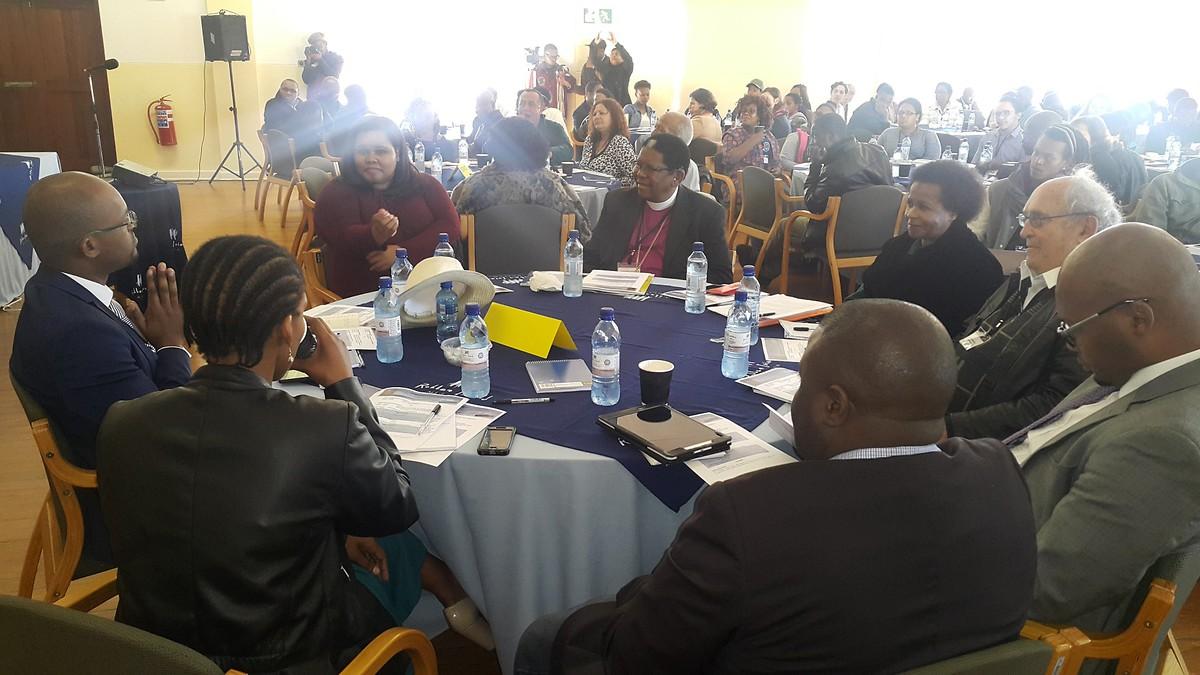
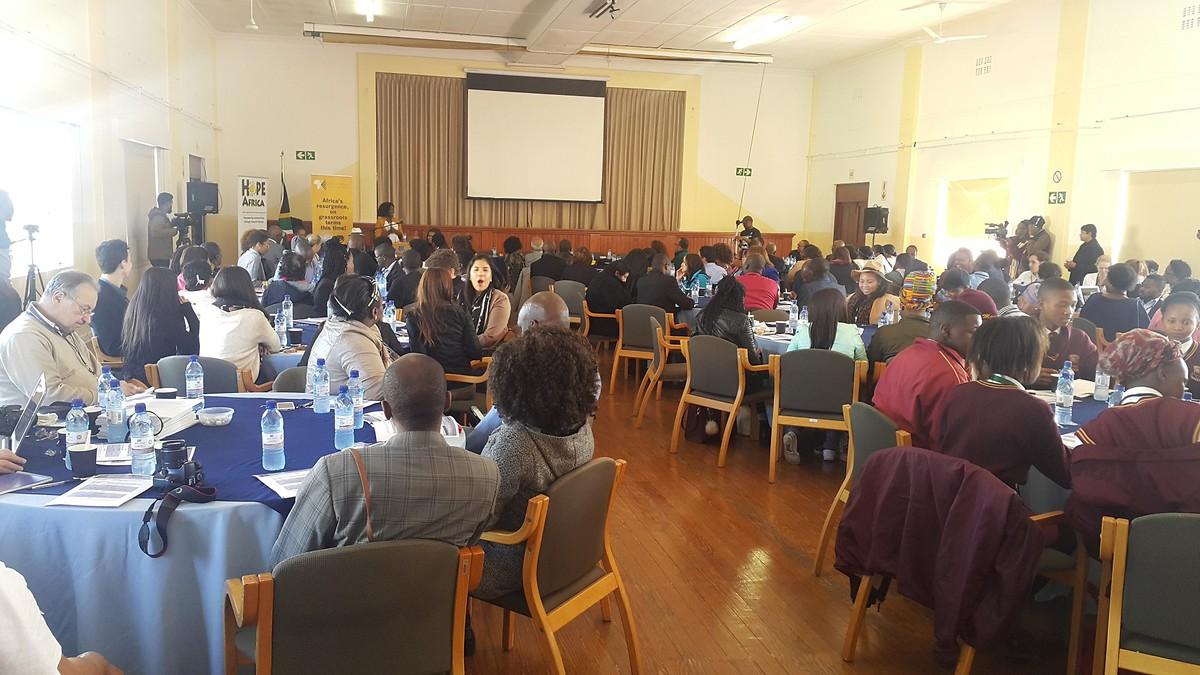
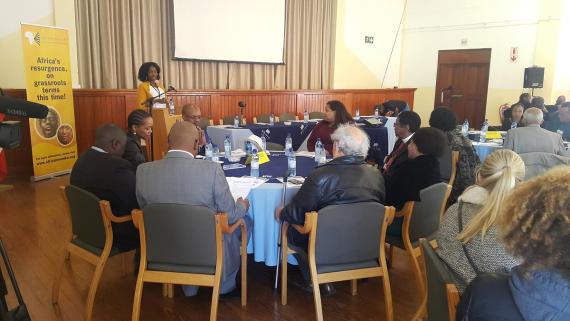
The Robben Island Dialogue Series enables the youth to deliberate on the state of the nation together with policy actors and thought leaders across South Africa. Panellists in the inaugural session were high-ranking personalities, from social activists like Lovelyn Nwadeyi and politicians such as Lindiwe Mazibuko of the Democratic Alliance (DA) to former Anti-Apartheid activists, many of whom were themselves prisoners on Robben Island and are now leaders in fields such as education, like Dr. Mamphela Ramphela. The medical doctor, academic and businesswoman, who was a partner of anti-apartheid activist Steve Biko and founded the political party Agang in 2013, is a well-known personality of South Africa’s public life. Providing the invited audience with the opportunity to engage with personalities such as Dr. Ramphela can be seen is a first step in creating social cohesion. Since mainly university and high school students were asked to participate in the event, 75% of all attendants were under the age of thirty. After each of the two panel discussions, the audience was encouraged to make comments and ask questions and thus openly engage with the panellists in a robust conversation.
Many of the young participants came forward and seized the opportunity to directly confront the present leaders of the society. In their passionate statements the impatience and disappointment driving the students’ current protests became tangible. The atmosphere was heating up to the point that one student accused the apartheid generation of having abdicated their responsibility. The answer of the panel was that as owners of the country’s constitutional democracy every South African has to play his or her own part. It is not enough to look up to the leaders to solve the nation’s problems. The panellists called for the students not to merely demand change but to actively participate in achieving it. The young generation was encouraged to get involved in local politics, where educational budgets are decided on. They were reminded that rights do not come without responsibilities and that therefore one should never protest in destructive ways but always as respectful advocates of the South African democracy.
Even though the official topic of this dialogue was economic and societal inclusivity, it became obvious that the disparities in education are the burning issue driving students’ frustration. It was the panellist Denis Goldberg, a social campaigner, who was one of the few white activists in the struggle against Apartheid and spent twenty-two years in a white prison in Pretoria, who concluded that even though South Africa’s so-called ‘born-free’ generation has not experienced Apartheid, the trauma is in their blood. The legacy of the traumatizing past has not been overcome, nonetheless, South Africa has come a tremendously long way in the past 22 years. The encouraging message of this dialogue was that there are many ways in which individuals can start creating a new South Africa without waiting for the government. Through bringing together generations of South Africans, this inaugural session of the Robben Island Dialogue Series was a first step in the creation of a better country.
---------
Jördis Maria Bunse