
The foreign and fiscal policy direction of Bulgaria’s new government has caused irritation during its first 100 days in office
The first 100 days of the Bulgarian government under Prime Minister Rumen Radev have attracted considerable attention both domestically and internationally. Formed after the electoral victory of the Progressive Bulgaria (PB) party, the government has come under criticism for its contradictory policies and, at times, pro-Russian orientation. Radev rejected Bulgaria’s participation in the “Coalition of the Willing” supporting Ukraine, threatened to veto discussions on an EU sanctions package due to the proposed sanctions against Kremlin-linked individuals, and caused confusion through unclear positions at a summit in Kyiv. At the same time, however, the Bulgarian Parliament approved the temporary deployment of U.S. aerial refueling aircraft in Bulgaria, prompting critical reactions from Iran. Domestically, the government is facing strong pressure because of a budget deficit of 5.7%. Credit rating agencies and the opposition have warned about the lack of reforms and the growing burden of public debt.
Or adjust your cookie settings under privacy policy.
A Closer Look: The New Tunisian Draft Constitution
On the 25th July 2022 Tunisia will be voting on a new draft constitution. What can we expect? We asked the experts: Prof. Salsabil Klibi, Saïd Bernabia and Dr. Malte Gaier.
#2: Ioana Stupariu on the GDPR's influence in South East Europe
Ioana Stupariu works with tech and healthcare start-ups and companies across Central and Eastern Europe. And she researches on Data protection & Privacy.
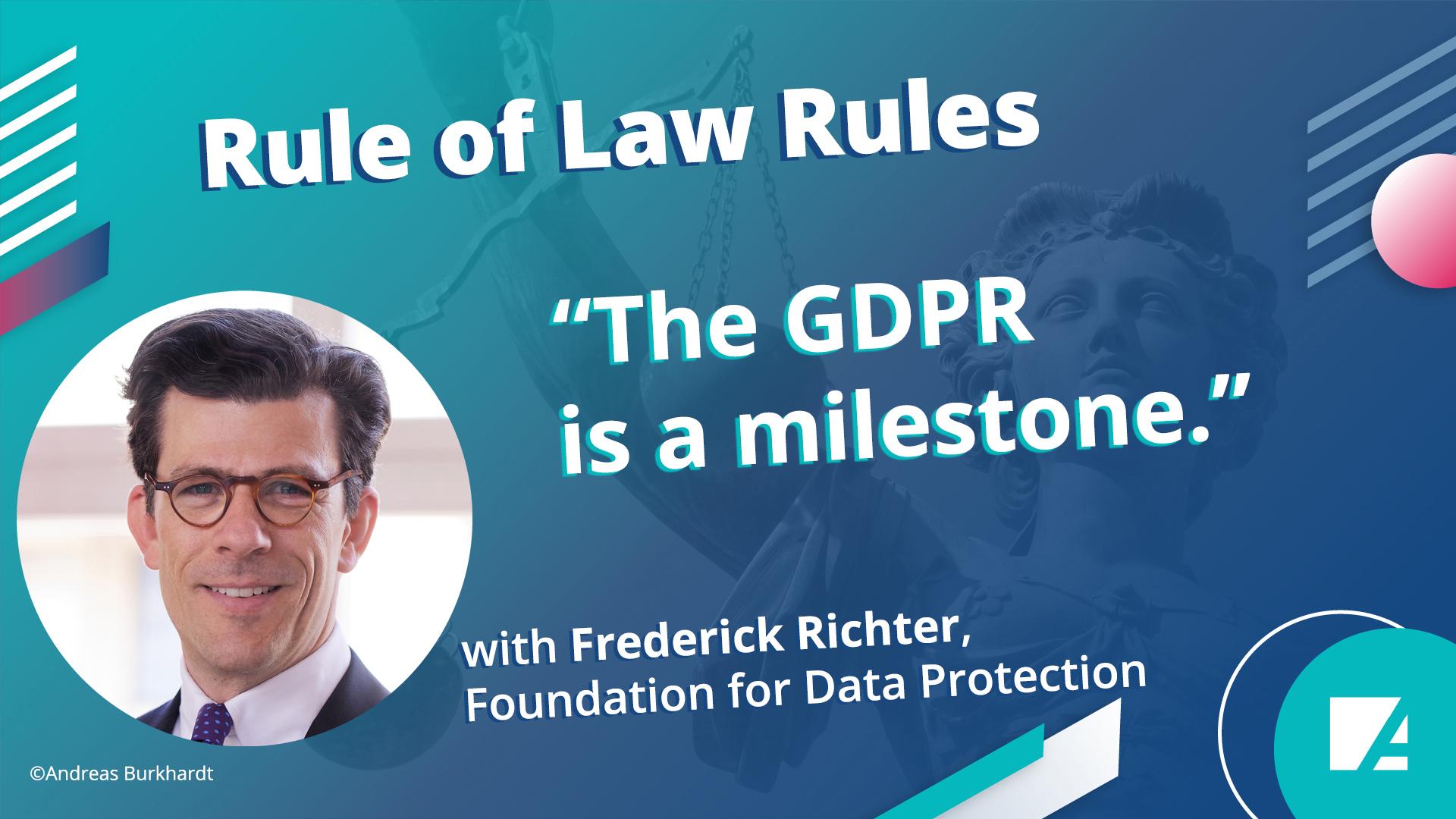
#1: Frederick Richter on the the EU’s GDPR and data protection worldwide
We look at the EU’s GDPR: How is data protection handled in other parts of the world? How can we establish international standards? And what will happen next?