‘Continuity of change’ or a test of resilience for the rule of law?
On 15 August 2026, Laura Fernández’s government will have been in office for 100 days. In terms of policy, programme and communication, it is largely continuing the populist course set under Rodrigo Chaves. With its absolute majority in parliament, it has significantly greater scope for action than the previous government. At the same time, tensions between the executive, the judiciary and independent oversight bodies have intensified. Conflicts over the appointment of members to the Constitutional Chamber, attacks on court rulings, and proposed reforms in the areas of security and the judiciary are fuelling fears that the checks and balances of the rule of law may be undermined. Whether the government can implement its reform agenda without damaging the institutional foundations of Costa Rican democracy is one of the key questions of its term in office.
Or adjust your cookie settings under privacy policy.
A Closer Look: The New Tunisian Draft Constitution
On the 25th July 2022 Tunisia will be voting on a new draft constitution. What can we expect? We asked the experts: Prof. Salsabil Klibi, Saïd Bernabia and Dr. Malte Gaier.
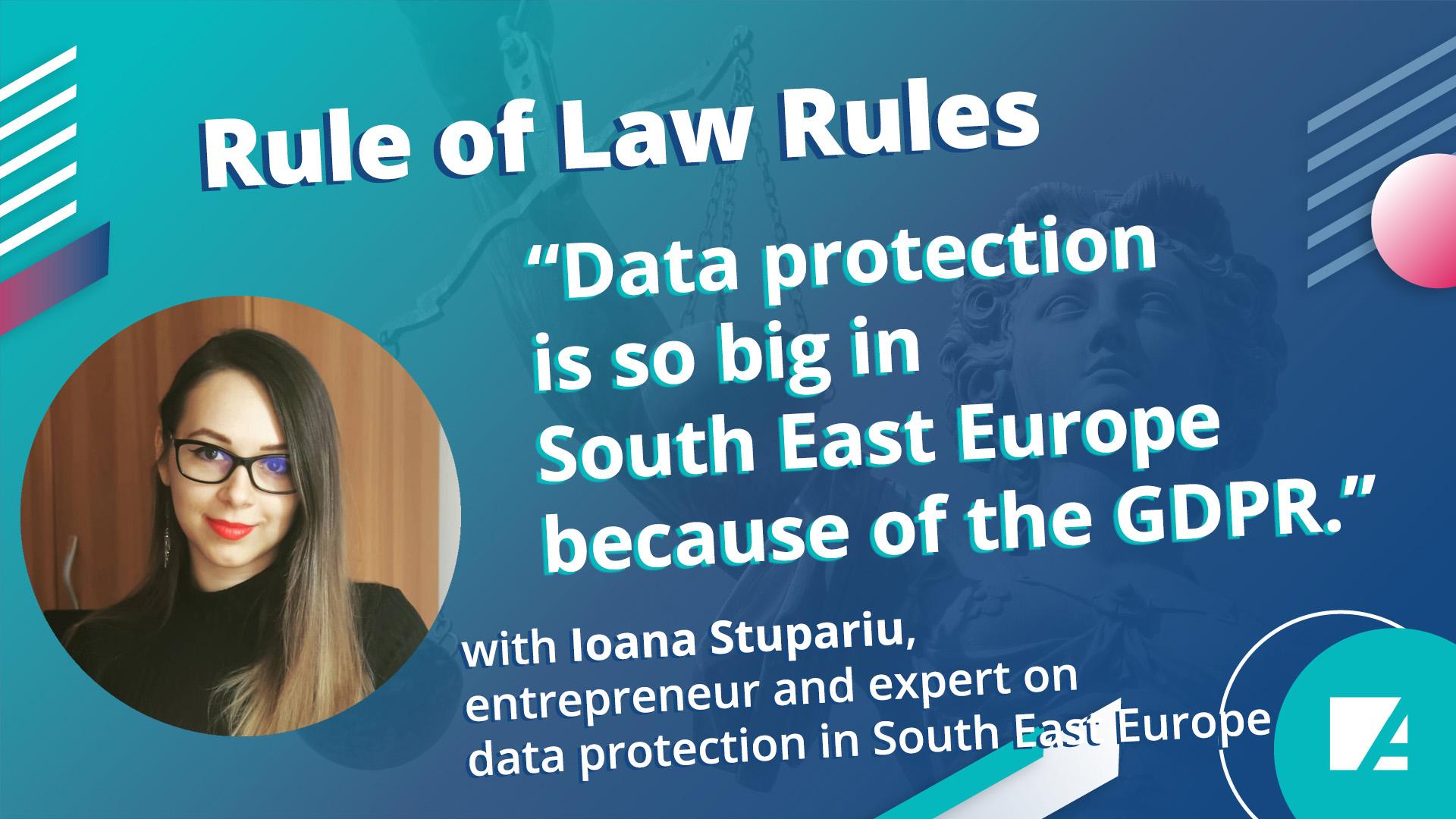
#2: Ioana Stupariu on the GDPR's influence in South East Europe
Ioana Stupariu works with tech and healthcare start-ups and companies across Central and Eastern Europe. And she researches on Data protection & Privacy.
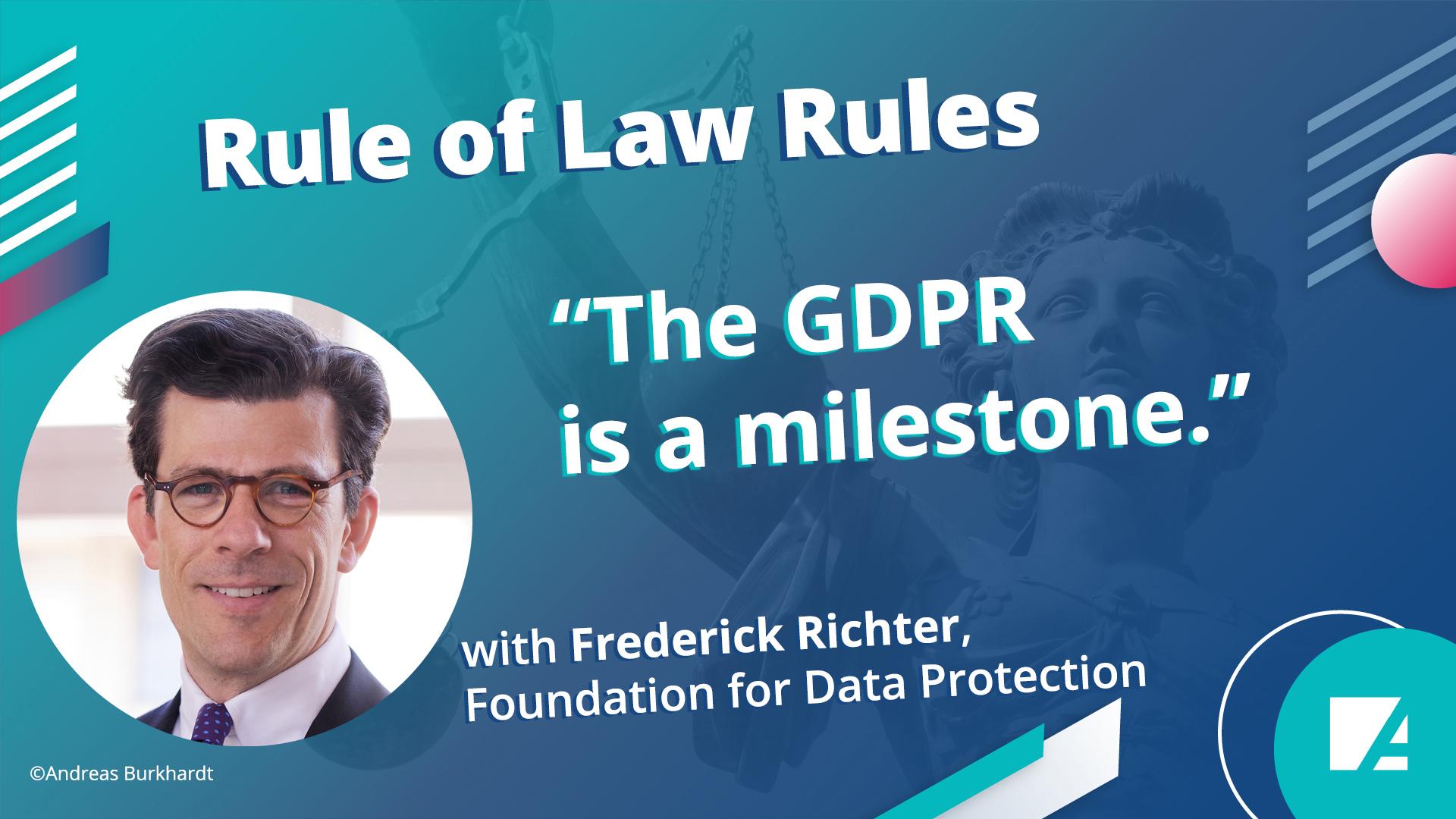
#1: Frederick Richter on the the EU’s GDPR and data protection worldwide
We look at the EU’s GDPR: How is data protection handled in other parts of the world? How can we establish international standards? And what will happen next?