After nearly two years in office, Mexican President Claudia Sheinbaum continues to enjoy high approval ratings, while her ruling party, MORENA, dominates the country’s political landscape. The opposition appears lackluster and disorganized. The overhaul of state institutions begun under Sheinbaum’s predecessor, López Obrador (AMLO), is moving forward. The much-criticized judicial reform, along with weakened institutional checks and balances, raises significant doubts about the development of the rule of law and the separation of powers in Mexico. Organized crime also remains a major challenge, despite initial improvements in security. At the same time, uncertainty about Mexico’s economic future is growing after the United States—the country’s most important trading partner—refused to grant a long-term extension of the T-MEC in July 2026. This, in turn, opens up opportunities to expand economic and political relations as part of the diversification of international economic ties and the Modernized Global Agreement (MGA) between Mexico and the EU.
Or adjust your cookie settings under privacy policy.
A Closer Look: The New Tunisian Draft Constitution
On the 25th July 2022 Tunisia will be voting on a new draft constitution. What can we expect? We asked the experts: Prof. Salsabil Klibi, Saïd Bernabia and Dr. Malte Gaier.
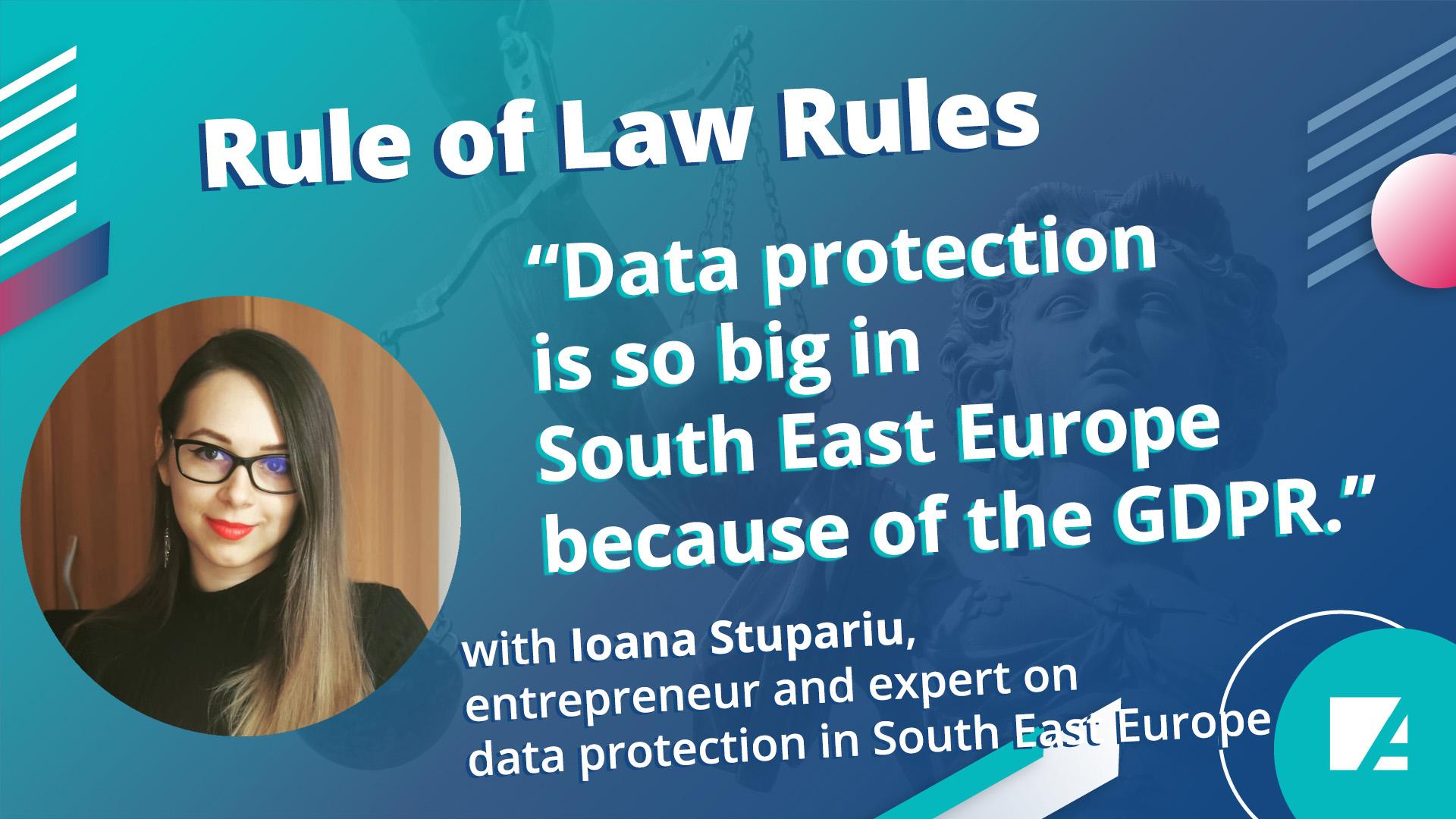
#2: Ioana Stupariu on the GDPR's influence in South East Europe
Ioana Stupariu works with tech and healthcare start-ups and companies across Central and Eastern Europe. And she researches on Data protection & Privacy.
#1: Frederick Richter on the the EU’s GDPR and data protection worldwide
We look at the EU’s GDPR: How is data protection handled in other parts of the world? How can we establish international standards? And what will happen next?