A First Step Toward Peace or Merely a Temporary Respite?
On June 26, the United States, Israel, and Lebanon signed a trilateral framework agreement in Washington. In the agreement, Lebanon and Israel—still technically in a state of war—express their commitment to laying the foundations for lasting peace, stable security arrangements, and good-neighborly relations. Given the decades of hostility between the two countries and the ongoing conflict involving Israel and Hezbollah, the accord marks a significant and potentially historic development.
Whether the agreement represents the beginning of a genuine peace process or simply a temporary de-escalation, however, will depend largely on its implementation. By engaging in direct negotiations with Israel, the Lebanese government seeks to reinforce state sovereignty and assert greater control over national decision-making. At the same time, it aims to separate Lebanon’s political future from the broader dynamics of U.S.–Iran negotiations, thereby limiting Tehran’s influence over Lebanese affairs and strengthening Beirut’s autonomy on the regional stage.
Or adjust your cookie settings under privacy policy.
A Closer Look: The New Tunisian Draft Constitution
On the 25th July 2022 Tunisia will be voting on a new draft constitution. What can we expect? We asked the experts: Prof. Salsabil Klibi, Saïd Bernabia and Dr. Malte Gaier.
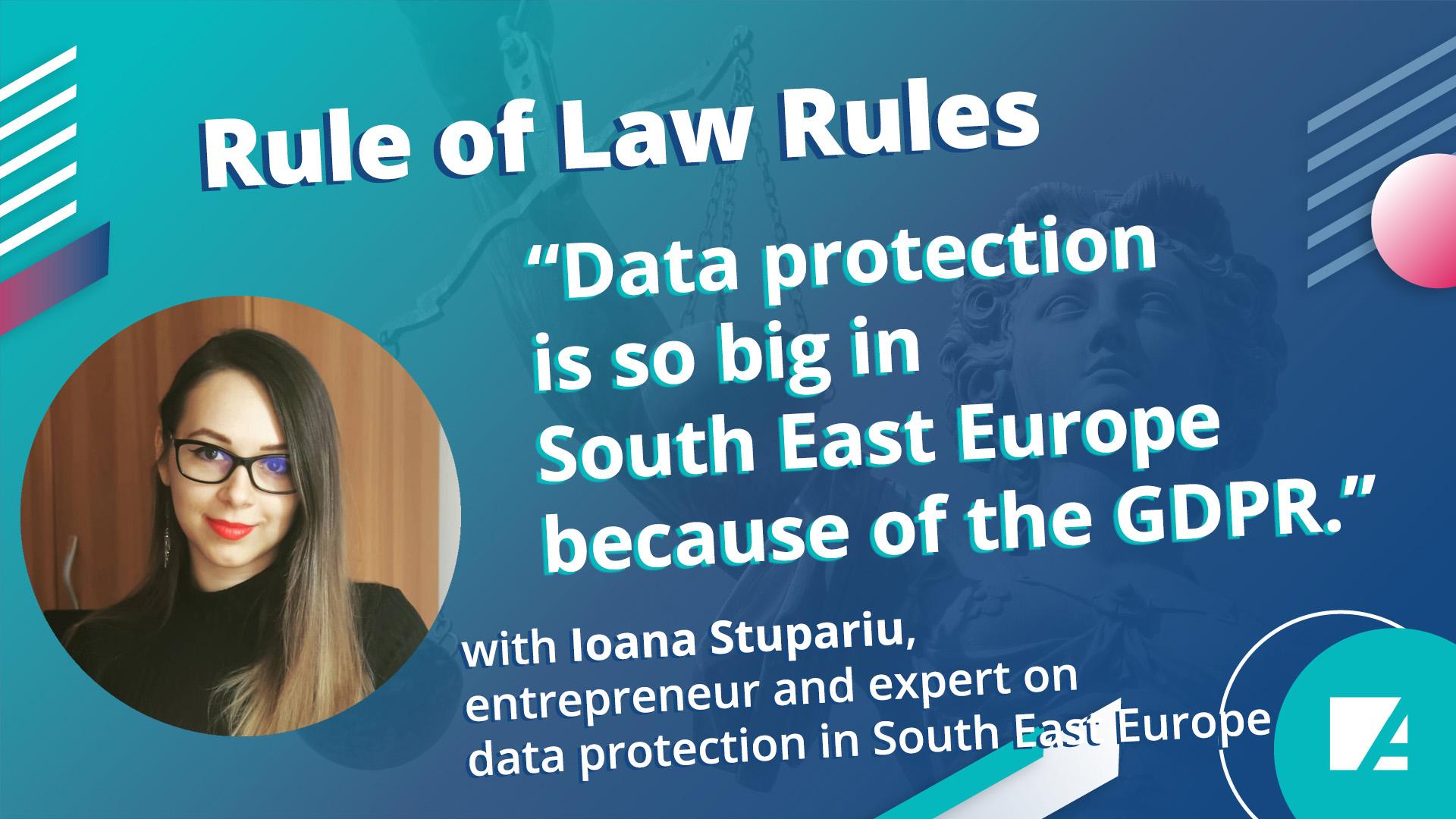
#2: Ioana Stupariu on the GDPR's influence in South East Europe
Ioana Stupariu works with tech and healthcare start-ups and companies across Central and Eastern Europe. And she researches on Data protection & Privacy.
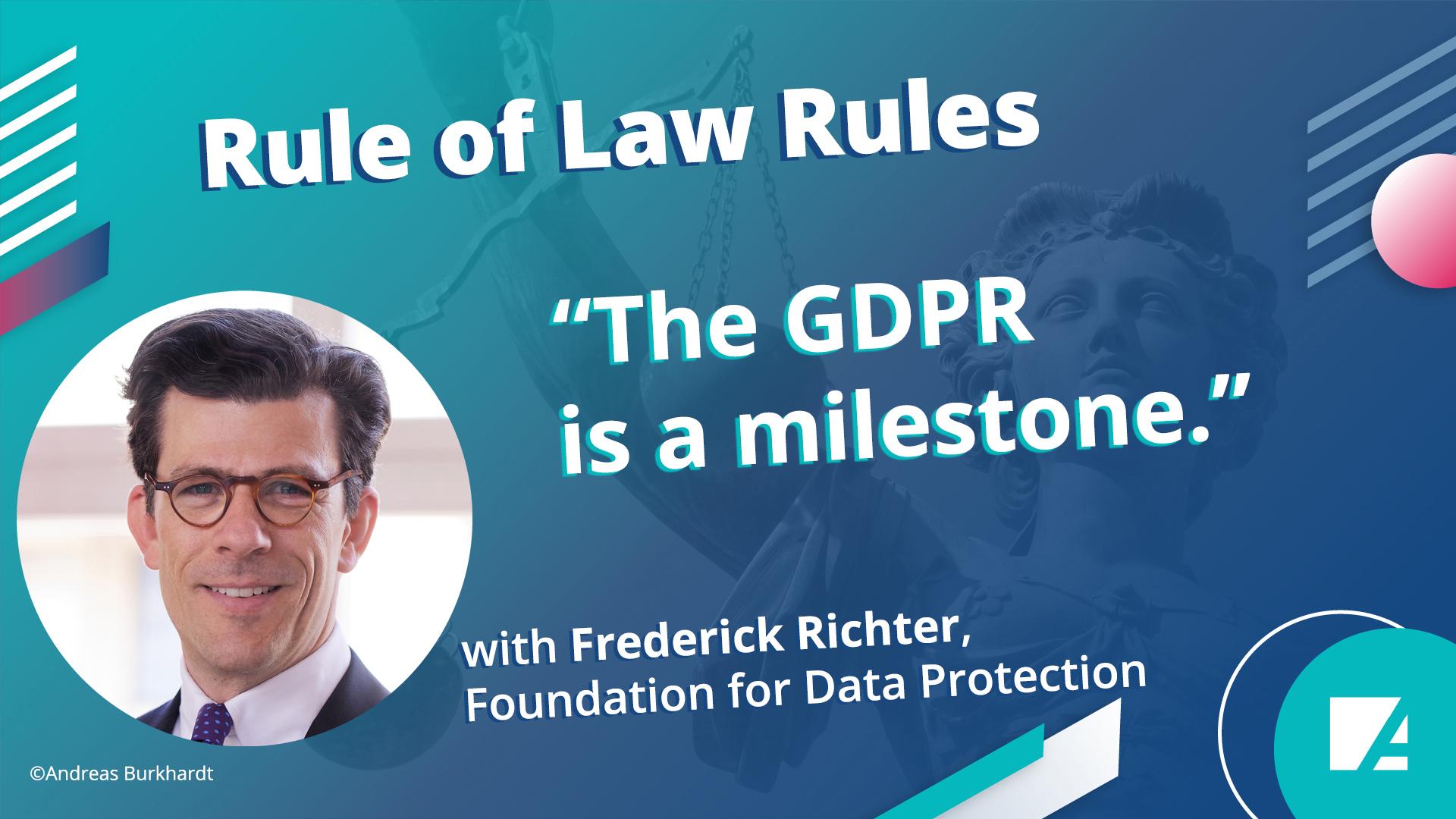
#1: Frederick Richter on the the EU’s GDPR and data protection worldwide
We look at the EU’s GDPR: How is data protection handled in other parts of the world? How can we establish international standards? And what will happen next?