




- Against the backdrop of geopolitical and geoeconomic shifts, Mexico is becoming increasingly important strategically for Germany and Europe as a partner for both economic diversification and political cooperation in an increasingly fragmented international order.
- Its deep integration into the North American economy and its strong domestic industrial base make Mexico an attractive location for more resilient supply chains, investment, and new markets. At the same time, Mexico itself is becoming increasingly interested in diversifying its international economic relations.
- As middle powers with close international economic ties, Germany and Mexico share important interests in open markets, reliable international rules, and effective multilateral institutions. Mexico’s independent foreign policy stance also enhances its value as a partner beyond the traditional circle of Western allies.
- As such, the conditions for a closer partnership are favourable, but such a partnership will not develop automatically. Germany and Europe should make more consistent use of existing opportunities for cooperation and back them up with concrete proposals without overlooking political differences or Mexico’s challenges concerning security, the rule of law, and human rights protection.
Media coverage of Mexico in Germany is often dominated by images of idyllic beaches and pre-Columbian pyramids or – conversely – by images of violence, drug cartels, and migration. The country has thus far received relatively little attention as a strategic partner for Germany, however. Nevertheless, current geopolitical and geoeconomic shifts provide compelling reasons to focus more closely on Mexico. Growing trade tensions, the restructuring of global supply chains, and Europe’s efforts to reduce one-sided dependencies give the country additional strategic relevance. Mexico is of interest to Germany and Europe in two respects: as a partner for economic diversification and as a political partner in an increasingly fragmented international order.
Mexico’s particular appeal stems from its position at the intersection of different geopolitical regions. Economically and politically, the country is deeply integrated into North American production networks and the wider economy through the USMCAI while remaining firmly rooted in Latin America culturally and connected to Europe and the Asia-Pacific region through numerous trade relationships. This position not only makes Mexico an attractive location for production and investment but also gives it political influence beyond its own region. As a member of the G20 and OECD and a major Latin American player, Mexico can be a particularly relevant partner to Germany and Europe wherever international cooperation increasingly needs to extend beyond the traditional circle of Western allies.
Germany and Mexico share fundamental interests in this regard. As middle powers with close international economic ties, both depend on open markets, reliable international rules, and effective multilateral institutions. In a world of growing rivalry between major powers and increasing economic protectionism, these dependencies are becoming ever more important, as are resilient partnerships. It is precisely the combination of economic complementarity and shared political interests that makes Mexico an attractive partner for Germany and Europe as the two regions seek to diversify their international relationships.
The conditions for deepening relations are better now than they have been for a long time. Germany is already Mexico’s most important trading partner within the EU, while Mexico is the most important business location in Latin America for German companies.1 Further impetus is provided by the modernised Global Agreement between Mexico and the EU, which was signed in 2026 and facilitates trade and investment in addition to deepening political cooperation. Moreover, high-level visits have recently taken place, including those by Federal President Frank-Walter Steinmeier and Foreign Minister Johann Wadephul. At the same time, Mexico itself is interested in diversifying its international relationships. Nevertheless, given its economic and political importance, the country continues to play too small a role in Germany’s and Europe’s strategic debates.
During his visit to Mexico in June 2026, Foreign Minister Johann Wadephul emphasised that this situation was beginning to change. He stated that his trip “quite deliberately represent[ed] a new focus on a region whose enormous potential […] had failed to [be] tap[ped] for far too long”. In his own words, “Mexico will play a key role in every respect”.2
This statement sums up both the opportunity and the challenge: The two sides currently have an interest in diversification, but this will not automatically lead to a strategic partnership. Germany and Europe must make more consistent use of the existing potential, put forward concrete proposals for closer cooperation, and address existing differences realistically. The key will therefore give substance to the new focus on Mexico that Wadephul announced.
Mexico as a partner for economic diversification
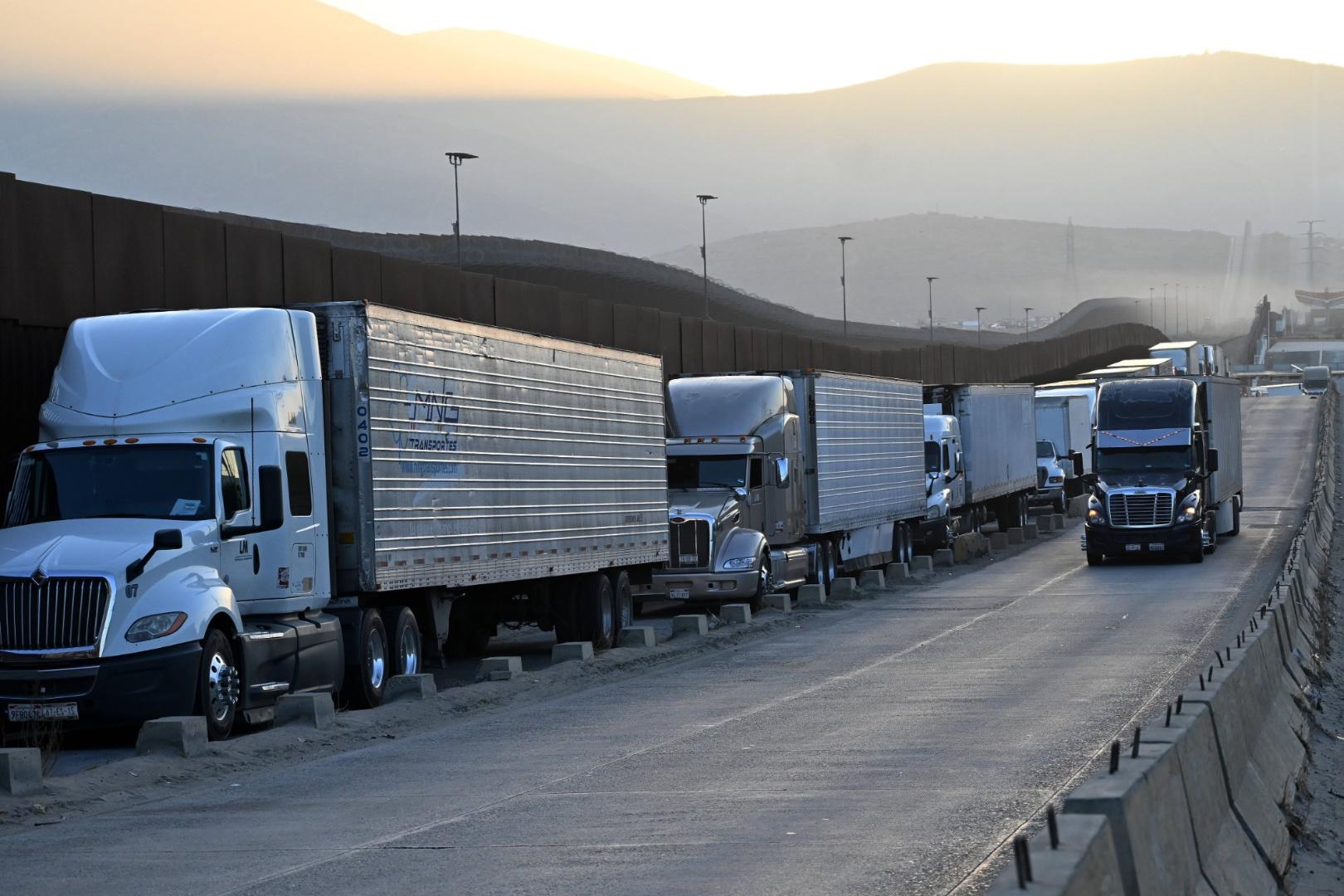
Mexico’s economic appeal to Germany lies primarily in its deep integration into the North American economy. Since the North American Free Trade Agreement (NAFTA) entered into force in 1994 and subsequently evolved into the USMCA, cross-border production and supply chains have developed that have made Mexico an integral part of North America’s industrial base. Around 83 per cent of Mexican exports now go to the United States, while an estimated 15 million jobs depend directly or indirectly on North American economic integration.3 Since 2023, Mexico has also been the United States’s largest trading partner – a fact that is often underestimated in public perception. Even the trade tensions of recent years have not fundamentally weakened these ties thus far. Indeed, in the first half of 2026, around 17 per cent of all US imports came from Mexico – more than from any other country.4
 photothek, Imago
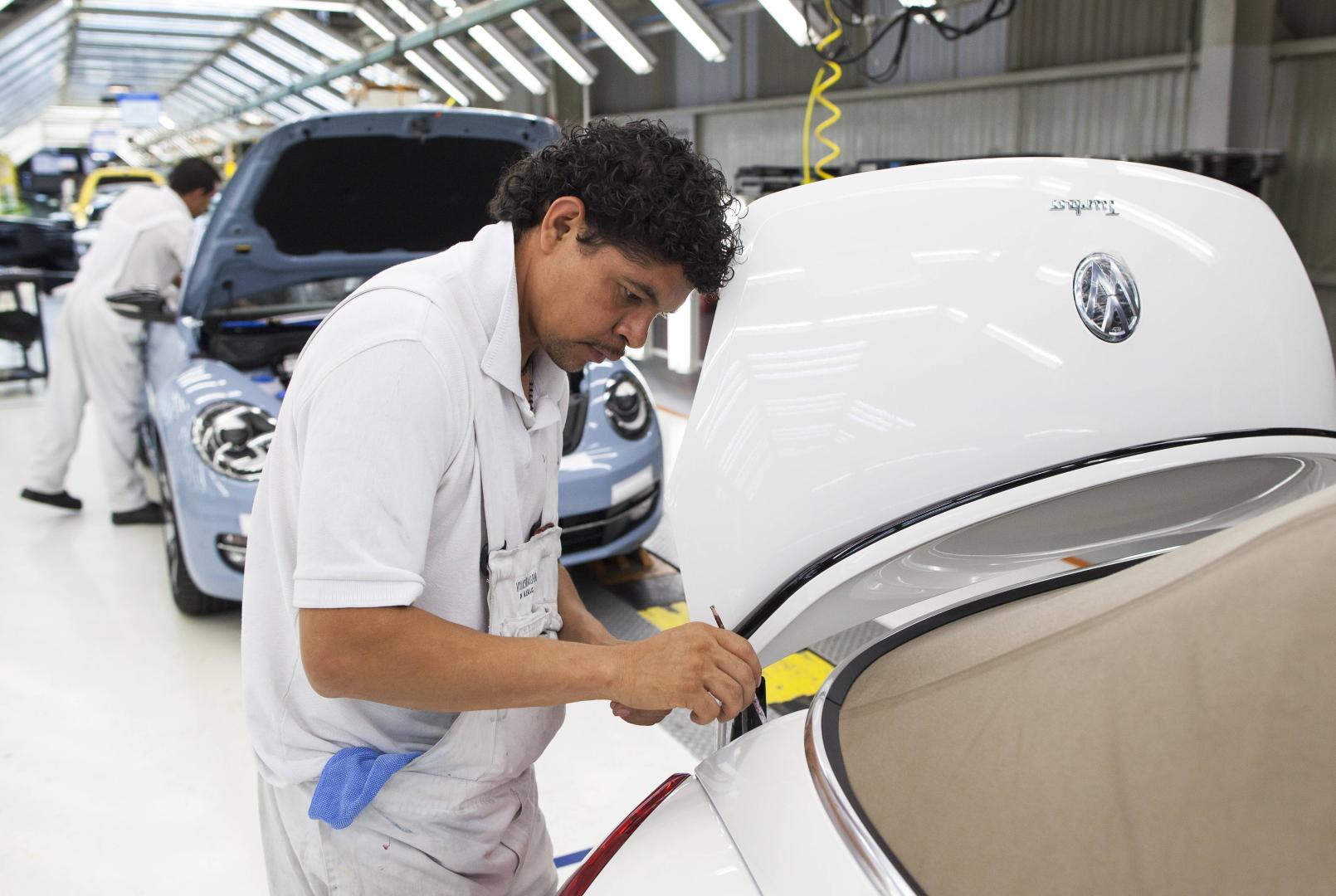
German companies benefit in particular from this integration. Around 2,300 companies with German equity participation are currently registered in Mexico5 – more than twice as many as on the entire African continent.6 No other Latin American country has a comparable concentration of German industrial investment. Mexico has long been much more than a low-cost production location, particularly for the automotive, mechanical engineering, and chemical industries but increasingly also for emerging sectors such as battery technologies and semiconductors. The country is therefore an important component of many German companies’ North America strategies. It combines a competitive industrial base with immediate proximity to the US market (nearshoring) while also allowing companies to diversify their supply chains within the region.
However, Mexico’s economic potential for Germany extends beyond its role in North American production networks. As one of the world’s 15 largest economies with around 130 million inhabitants, a broad industrial base, and considerable modernisation needs in infrastructure, energy, and technology, Mexico is itself an important market for sales and investment.7 Through Plan México, the government aims to strengthen domestic value creation and strategic industries as well as to encourage investment in the country by 2030 and beyond. According to government figures, the investment portfolio presented in 2025 alone comprises projects worth US$277 billion.8 Energy and infrastructure, mechanical engineering, research, and technology in particular offer opportunities for German companies. However, the ambitious Plan México still faces obstacles to implementation due to infrastructure and regulatory challenges. Nevertheless, it demonstrates the political will to strengthen Mexico’s industrial base and attract further international investment.
One important foundation is already in place: The Global Agreement with the EU has provided the institutional framework for relations since 2000, and following years of negotiations, a deal to modernise the agreement was signed in May 2026. The modernised version expands market access by removing further tariffs, improves European companies’ access to public tenders in Mexico, and introduces new provisions on investment, sustainable development, and critical raw materials. European Commission President Ursula von der Leyen also described the agreement as a sign of the EU’s economic diversification.9 The conditions for deepening economic relations are therefore in place, but the extent to which their potential can be realised will depend on implementation. Mexico’s own growing interest in diversifying its economic relations further increases the significance of this European initiative. Economy Minister Marcelo Ebrard views the agreement primarily as a means of diversifying Mexican exports and attracting additional European investment.10 This diversification is becoming increasingly important for Mexico in light of recent developments in North America. The USMCA remains the foundation of North American economic integration, and the US market will remain indispensable to Mexico for the foreseeable future. At the same time, Washington’s increasingly protectionist trade policy and uncertainty about the future development of the USMCA have once again highlighted Mexico’s vulnerability resulting from its heavy dependence on a single export market. For Mexico, diversification therefore does not mean distancing itself from the United States, but rather expanding its economic options through additional export markets, investment, and reliable partners.
Mexico as a political partner
Politically, Mexico also offers considerable potential as a partner for Germany and Europe beyond the traditional Western alliances. The two countries share a fundamental interest in a functioning multilateral, rules-based international order. Mexico has traditionally upheld the right of peoples to self-determination, the sovereign equality of states, the peaceful settlement of international disputes, and the renunciation of the use of force. Therefore, Germany and Mexico share more than an abstract commitment to multilateralism. As economies with strong international ties, both depend on international relations being governed not solely by competition between major powers, but also by reliable rules and effective international institutions.
This convergence of interests is reflected in international organisations and forums such as the UN, the G20, and the OECD. Both countries advocate strengthening and reforming multilateral institutions, even if their specific ideas do not always coincide. With regard to Security Council reform, Mexico is calling in particular for greater representation of currently underrepresented regions such as Africa, Latin America, and the Caribbean.11 There is also common ground on global challenges that cannot be addressed either at the national level or within traditional alliances alone, ranging from climate and biodiversity protection to development and migration issues, disarmament, and health.
However, Mexico’s strategic value to Germany extends beyond agreement on individual policy issues. Although deeply integrated into North America economically and politically, the country also views itself as part of Latin America culturally and seeks closer foreign policy ties with the Global South. Mexico has traditionally pursued an independent foreign policy and avoided permanently aligning itself with geopolitical blocs. This position allows the country to engage with different groups of states, including those in which Western positions do not automatically command support. One example is the initiative pursued jointly with France to restrict the use of the veto in the UN Security Council in cases of mass atrocities, which now has the support of 128 countries. Mexico could also be an important coalition partner for Germany and Europe in reforming the WTO, particularly in promoting a functioning, rules-based global trading system among emerging and developing countries. The process of establishing global rules and implementing institutional reforms increasingly depends on cooperation with independently minded middle powers such as Mexico. Moreover, Mexico’s strategic value lies not in agreeing with German or European positions on every issue, but rather in both developing common positions in which interests converge and helping to build broader international coalitions.
 ZUMA Press, Imago
This convergence of interests is particularly evident in the international trading system. As open economies deeply integrated into international value chains, Mexico and Germany depend on reliable market access and predictable trading conditions. In the face of rising tariffs and increasingly protectionist industrial policies, the two countries therefore share a direct interest in open, rules-based global trade and an effective WTO.
Germany and Europe should thus place greater emphasis on backing up their partnership with Mexico through concrete initiatives. The modernised Global Agreement provides an immediate opportunity to do so: Improved market access and the opening up of public procurement create new opportunities, particularly for German small and medium-sized enterprises. At the same time, cooperation should be used to diversify supply chains and promote investment in areas such as renewable energy and grid infrastructure, industrial digitalisation, and automation. There is also scope for joint initiatives at the international level, for example, on WTO reform and strengthening multilateral institutions.
Mexico’s perspective on Germany
Mexico is also increasingly seeking reliable partners to diversify its international relations. Although the United States will remain Mexico’s principal economic and foreign policy partner for the foreseeable future, Germany and Europe are finding a receptive audience in Mexico for their own diversification efforts.
Germany is particularly well placed in this respect. The strong presence of German companies and longstanding cooperation in politics, development cooperation, science, research, and vocational education and training already provide a broad foundation. Germany is able to combine industrial expertise, technology, and innovation with approaches such as dual vocational training, quality infrastructure, research, and skills development.12 This gives the country an important advantage over other potential partners. Cooperation can build on existing industrial structures while combining investment with technology and knowledge transfer.
Accordingly, Mexico’s expectations extend beyond additional capital investment. What the country is looking for is long-term investment and technology transfer, greater integration of Mexican companies into international value chains, and cooperation in modernising its own industries. There are numerous opportunities for cooperation in areas such as energy and infrastructure, digitalisation, research, and skills development. As a result, Germany can position itself as a partner that not only manufactures products in Mexico but also contributes to the development of the country’s own industrial capabilities and greater local value creation.
Politically, Germany and Europe are also attractive to Mexico as additional partners. A closer partnership could therefore additionally give Mexico greater room for manoeuvre in its foreign policy. Germany should not take this openness for granted, however. Mexico has numerous international options. Nevertheless, closer alignment with China faces constraints given China’s strategic rivalry with the United States and the competitive pressure on Mexican industry. This creates further opportunities for Germany and Europe to position themselves as partners for investment, technology transfer, and local value creation.
A window of opportunity for economic diversification
The modernised Global Agreement between Mexico and the EU provides the essential basis for making better use of existing economic potential. Germany should therefore work to ensure that the improved framework conditions are swiftly translated into additional trade, investment, and joint value creation. This means making better use of market access, removing technical barriers to trade, and facilitating investment in areas in which German strengths align with Mexico’s modernisation needs. Mexico’s broad industrial base and close integration into North American value chains offer particular opportunities. Established manufacturing clusters exist in the automotive, electronics, aerospace, and medical technology industries, while demand for automation, digitalisation, and more technologically advanced production is growing. Mexico is already Latin America’s largest exporter of medical technology and a major purchaser of advanced manufacturing technologies. This presents opportunities for German companies, particularly in automation and advanced manufacturing, medical technology, industrial AI applications, and semiconductors as well as in renewable energy and grid infrastructure. The political foundations for this cooperation are already in place: At the Germany–Mexico Binational Commission meeting held in June 2026, both sides agreed to expand and diversify their economic relations in high-growth, innovation-driven sectors. Plan México was also identified as a means of linking German investment more closely with the development of Mexican industrial structures and supply chains, technological cooperation, and human capital development.13 The key now will be to turn these commitments into concrete projects.
A broader economic partnership should also extend beyond large established corporations. While major German corporations have been present in Mexico for decades, the potential of small and medium-sized enterprises remains far from fully exploited. Specialised German SMEs in particular can provide important technologies and expertise for Mexico’s industrial modernisation. Conversely, Mexican small and medium-sized enterprises should be more closely integrated into German value chains and supported in gaining access to the European market. Existing initiatives such as Partnering in Business with Germany provide a basis for doing so. Closer ties at the company level would make the partnership broader and more resilient.
Investment alone is not enough, however. Indeed, industrial value creation increasingly depends on skilled workers, technological capabilities, and reliable standards. Germany can offer more than investment alone, particularly through its dual vocational training system and cooperation in research, technology, quality infrastructure, and standardisation. Existing initiatives such as the German–Mexican Digital Dialogue also provide opportunities to deepen cooperation on emerging issues such as semiconductor value chains, artificial intelligence, and the digital transformation of industry.
Such closer cooperation would benefit both sides. Germany and Europe could make their supply chains more resilient, expand their presence in one of North America’s most important industrial centres, and diversify their economic dependencies. Mexico, in turn, could attract additional investment, gain access to technology and new markets, and strengthen domestic value creation. The next step should therefore not simply be “more trade”, but rather closer integration of investment, technology, skills development, and shared value chains. This is precisely where the long-term added value of mutual diversification lies.
 dts Nachrichtenagentur, Imago
From dialogue to joint action
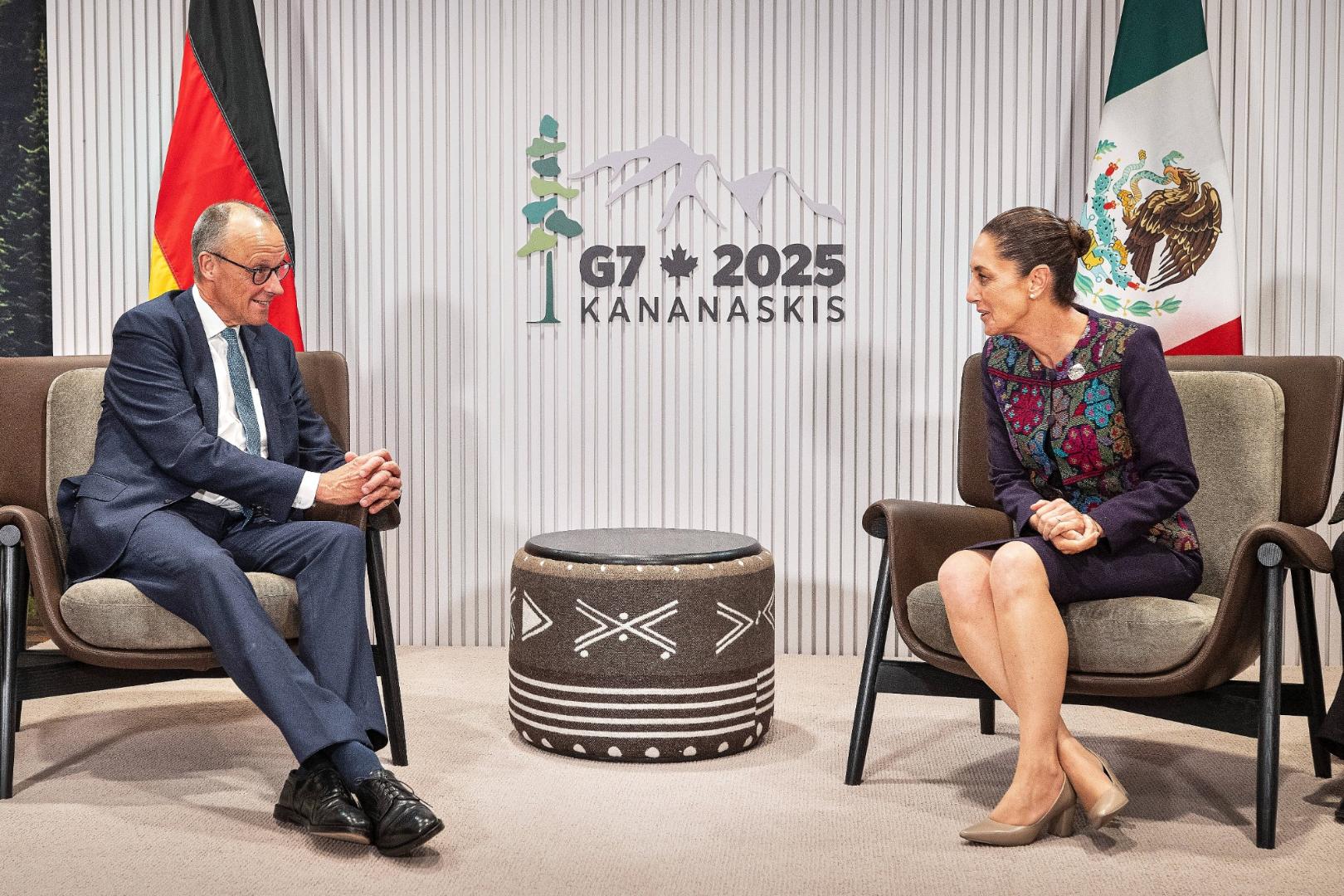
Economic ties alone do not constitute a strategic partnership; therefore, Germany should also recognise Mexico’s political importance in light of the latter’s economic size, regional standing, and ability to engage with a wide range of international partners. Following the first bilateral meeting between Federal Chancellor Friedrich Merz and President Claudia Sheinbaum on the sidelines of the G7 summit in Canada in late 2025, a future visit by the Chancellor to Mexico could build on the political contacts established in 2026. Such a visit would underline the stronger strategic focus on Mexico announced by Foreign Minister Wadephul and reaffirm both sides’ interest in a partnership that extends beyond individual economic interests. The 75th anniversary of the resumption of diplomatic relations between Germany and Mexico in 2027 would provide a suitable occasion for this to happen.
More important than the symbolism of high-level visits, however, is making greater use of existing structures for joint political action. The Germany–Mexico Binational Commission and its specialised committees already provide an extensive institutional framework. In June 2026, both sides agreed to hold regular high-level consultations on multilateral issues as well as on the United Nations and to coordinate more closely in international forums.14 Particularly promising is the intention to develop common positions in forums such as the G20 and the International Labour Organization. The next step should be to translate the shared commitment to multilateralism into more visible joint diplomatic action wherever interests converge.
Opportunities for cooperation exist in reforming multilateral institutions, strengthening the UN,II and preserving open, rules-based global trade. WTO reform could also be an area in which the two countries develop common positions and advance them through forums such as the G20. More systematic coordination ahead of important UN and G20 meetings could help turn agreement on individual issues into joint initiatives.
Existing cooperation on climate and sustainable development demonstrates that this goal is possible. Mexico’s accession to the Climate Club and the two countries’ joint chairing of a dialogue on “Water in Multilateral Processes” at the 2026 UN Water Conference demonstrate that they are already working together to shape international processes. These experiences could serve as a model for other areas.
Security policy is becoming an increasingly important area of cooperation. International drug trafficking, money laundering, arms trafficking, and the financial and logistical structures of criminal networks have long linked Mexico’s security interests with those of Germany. Within the Binational Commission, both sides have explored opportunities for closer cooperation on domestic and international security. This could provide a basis for cooperation on combating money laundering, financial investigations, and criminal prosecution, for example. One possible forum for this is the Transatlantic Security Dialogue, which is organised annually in Mexico by the Konrad-Adenauer-Stiftung and addresses these issues.
The necessary structures and numerous areas for cooperation already exist. The key is to give existing mechanisms greater political priority and to translate dialogue into joint action more frequently. The next steps should therefore be to complement close economic ties with greater political cooperation and to translate shared interests more systematically into coordinated positions and international initiatives. The aforementioned Franco-Mexican initiative to reform the UN Security Council illustrates how Mexico can be brought on board as a partner in joint international initiatives.
Partnership without illusions
Increasing Mexico’s strategic importance requires a realistic understanding of partnership. Violence and organised crime, shortcomings in both the rule of law and human rights protection, and institutional uncertainty not only hamper Mexico’s social and democratic development but also pose obstacles to investment and closer cooperation.15 A strategic partnership should neither downplay nor conceal these differences.
A partnership should also not be made conditional on complete political agreement, however. Germany and Mexico share substantial interests ranging from resilient supply chains, trade, and investment on the one hand to climate and energy, the strengthening of multilateral institutions, and the combating of transnational organised crime on the other hand. These shared interests should form the basis for robust cooperation without the need to abandon fundamental principles. Where democratic principles and the rule of law are concerned, Germany should continue to address existing problems openly with Mexico.
This is precisely where Foreign Minister Wadephul’s ambition for a more interest-driven German foreign policy can prove its worth in relations with Mexico.16 A strategic partnership with Mexico thus means neither complete agreement nor the abandonment of values, but rather the ability to accept existing differences while cooperating more closely where common interests exist. Mexico’s example demonstrates how Germany can expand its partnerships beyond its traditional circle of close allies.
The conditions for this partnership are better now than they have been for a long time, not least because Germany has taken Mexico’s importance more seriously in recent months and years. Nevertheless, a strategic partnership will not emerge automatically. Germany should give Mexico the political attention warranted by its growing importance, make more consistent use of existing cooperation structures, and put forward concrete proposals wherever the interests of both sides converge. If Germany and Europe genuinely want to diversify their international partnerships, they should adopt a more strategic approach to Mexico in future.
– translated from German –
Johannes Hügel is Head of the Konrad-Adenauer-Stiftung’s Mexico Office, based in Mexico City.
Nikolaus Rischbieter is a trainee at the Konrad-Adenauer-Stiftung’s Mexico Office.
The authors would like to thank Darius Schulte Eversum – an intern at the Konrad-Adenauer-Stiftung’s Mexico Office – for his assistance in preparing the present article.
-
The United States–Mexico–Canada Agreement (USMCA) is a free trade agreement that has been in force since 2020. ↩︎
-
One example is their joint support for the UN80 Initiative. ↩︎
-
Auswärtiges Amt 2026: Protokoll des 3. Treffens der Binationalen Kommission Deutschland-Mexiko, “Allianz für die Zukunft”, 5 Jun 2026, in: https://ogy.de/8x7i [14 Jul 2026]. ↩︎
-
Secretaría de Relaciones Exteriores de México 2026: #EnVivo | Conferencia de Prensa México – Alemania, minute 15:59, 4 Jun 2026, in: https://ogy.de/uxsi [14 Jul 2026]. ↩︎
-
Office of the US Trade Representative 2025: Mexico, o.D., in: https://ogy.de/ignm [14 Jul 2026]. ↩︎
-
Logistics Industry Analysis 2026: Mexico Now Supplies Up to 17% of U.S. Imports: Border Capacity Must Follow the Trade Mix, 10 Aug 2026, in: https://ogy.de/yqfm [20 Aug 2026]. ↩︎
-
Deutsch-Mexikanische Industrie- und Handelskammer 2025: Landesinfo, o.D., in: https://ogy.de/jaqw [14 Jul 2026]. ↩︎
-
Zierz, Berit et al. 2023: Afrika: Ein Kontinent im Aufbruch – Afrika-Studie 2023, p. 3, 30 Nov 2023, in: https://ogy.de/2iri [14 Jul 2026]. ↩︎
-
World Bank 2025: The World Bank in Mexico, 7 Oct 2025: in https://ogy.de/eelf [3 Oct 2026]. ↩︎
-
Gobierno de México 2025: Presidenta Claudia Sheinbaum presenta el Plan México que contempla un portafolio de inversiones de 277 mmdd, 13 Jan 2025, in: https://ogy.de/mu3r [4 Oct 2026]. ↩︎
-
Delegation of the EU in Mexico 2026: Statement by President von der Leyen at the press conference following the EU-Mexico Summit, 22 May 2026, in: https://ogy.de/q0on [15 Aug 2026]. ↩︎
-
Ebrard, Marcelo 2026: Importancia del Acuerdo entre México y la Unión Europea, 14 May 2026, in: https://ogy.de/c0jc [16 Jul 2026]. ↩︎
-
Presidencia de la República 2024: En G20, presidenta Claudia Sheinbaum propone reforma al Consejo de Seguridad de la Naciones Unidas, 18 Nov 2024, in: https://ogy.de/3ue6 [14 Jul 2026]. ↩︎
-
Auswärtiges Amt 2026b: Deutschland und Mexiko: Bilaterale Beziehungen, 1 Jun 2026, in: https://ogy.de/aib2 [15 Aug 2026]. ↩︎
-
Auswärtiges Amt 2026b, note xii. ↩︎
-
Ibid. ↩︎
-
Blomeier, Hans-Hartwig / Rischbieter, Nikolaus 2026: Mexiko im Stresstest: US-Interventionsdruck, Demokratieabbau und fragile Sicherheit, Feb 2026, in: https://ogy.de/hi0m [10 Aug 2026]. ↩︎
-
Bundesregierung 2025: Rede des Bundesministers des Auswärtigen, Dr. Johann Wadephul, 29 Nov 2025, in: https://ogy.de/d0e2 [16 Jul 2026]. ↩︎