Transatlantic Dialogue in Times of Global Upheaval
The international order is undergoing a period of profound change. International institutions are under pressure, geopolitical rivalries are intensifying, and technological and economic transformations are reshaping the global balance of power. Against this backdrop, cooperation between like-minded partners is becoming increasingly important.
The conference “Diálogo Brasil-Alemanha: Construindo o futuro transatlântico”, organised by the Konrad Adenauer Foundation Brazil, provided a platform for a strategic exchange on the future of relations between Brazil and Germany.
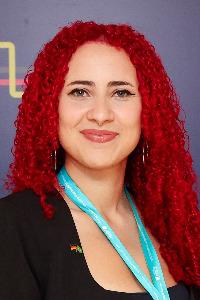
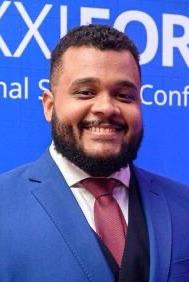
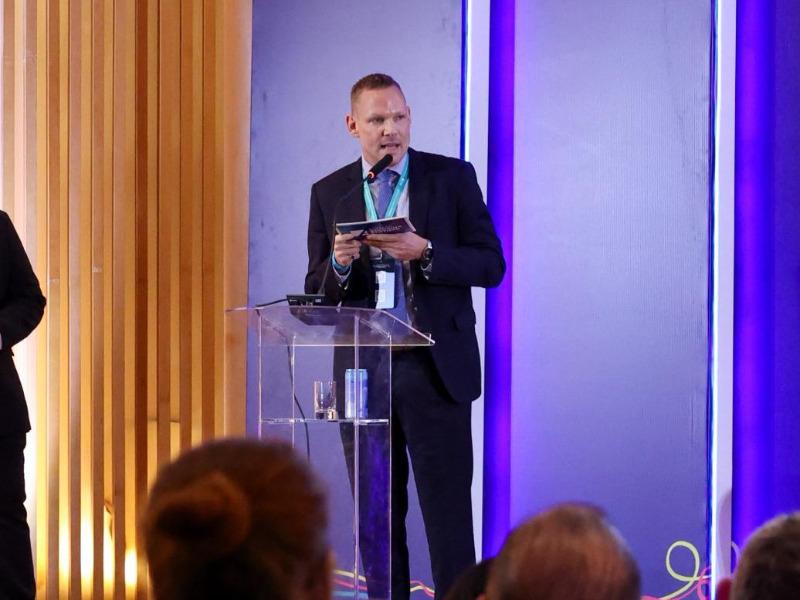
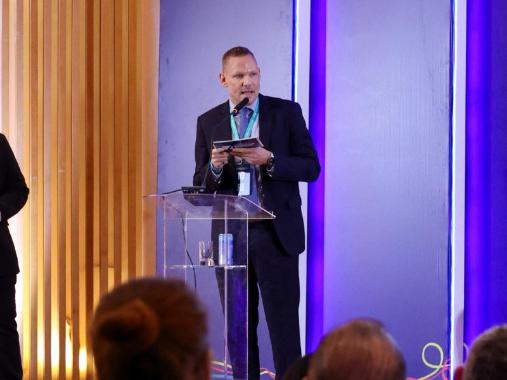
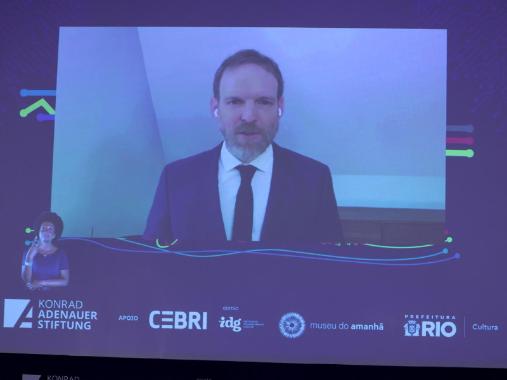
Cristiano Vasconcellos, Director of the Museum of Tomorrow, and Maximilian Hedrich, Head of the Konrad Adenauer Foundation’s Brazil Office, opened the event. In his opening address, Maximilian Hedrich emphasised the importance of German-Brazilian cooperation in an increasingly complex international environment. Together, Germany and Brazil could make an important contribution to developing constructive solutions to global challenges.
“Germany and Brazil can together make an important contribution to constructive solutions”
More than two centuries of migration, economic exchange and cultural affinity have laid the foundations for trust and cooperation.
International cooperation and the changing global order
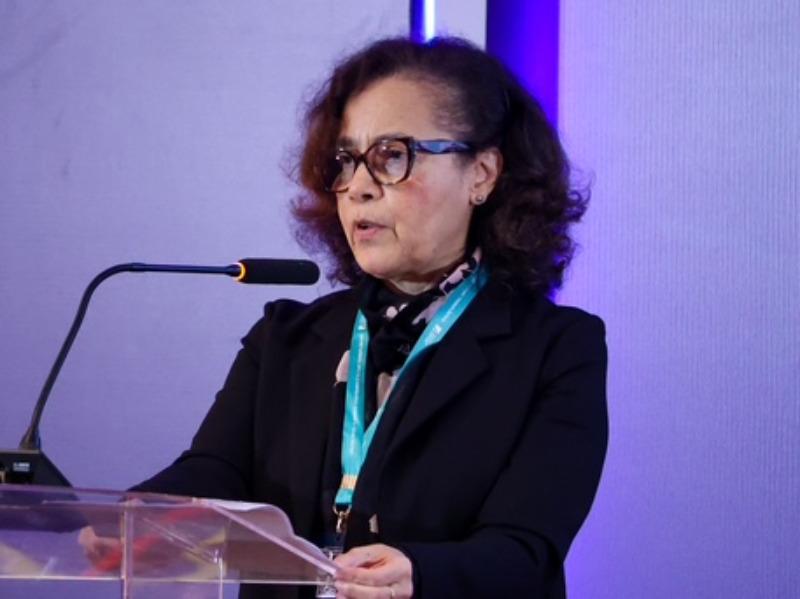
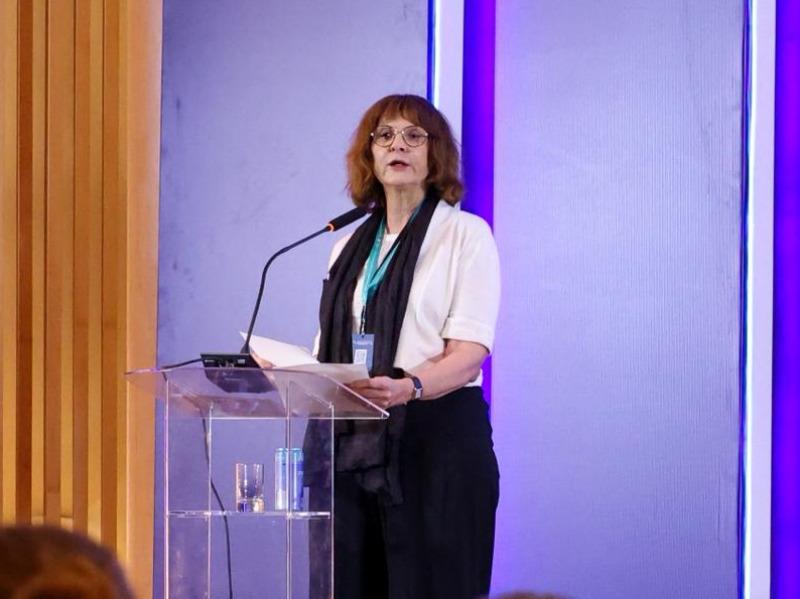
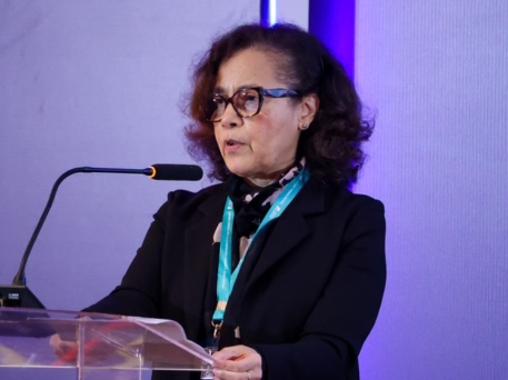
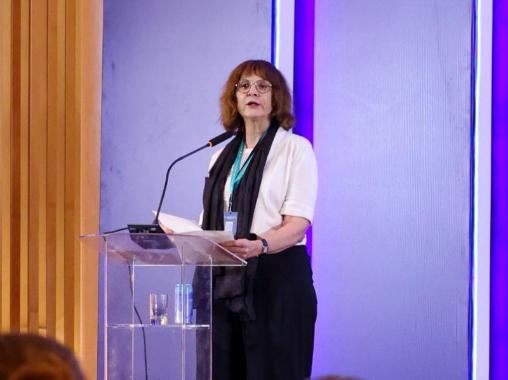
The opening keynote address was delivered by Ambassador Maria Laura da Rocha, Secretary-General for Foreign Affairs of the Federative Republic of Brazil. In her speech, she painted a picture of an international order in flux and emphasised the importance of Brazil and Germany playing an active role in strengthening international cooperation.
She emphasised that cooperation between democratic partners is crucial to ensuring stability and prosperity in an increasingly fragmented world. In this context, she highlighted that Brazil and Germany share a common responsibility to continue championing democracy, international law and international cooperation.
“Prosperity and freedom based on shared values”
Economic cooperation also played an important role in her speech. In this context, she referred to the strategic importance of trade between the two countries, as well as to the trade agreement between the European Union and Mercosur, which is considered one of the largest trade agreements in the world and could open up new prospects for economic integration.
Brazil and Germany in times of global change
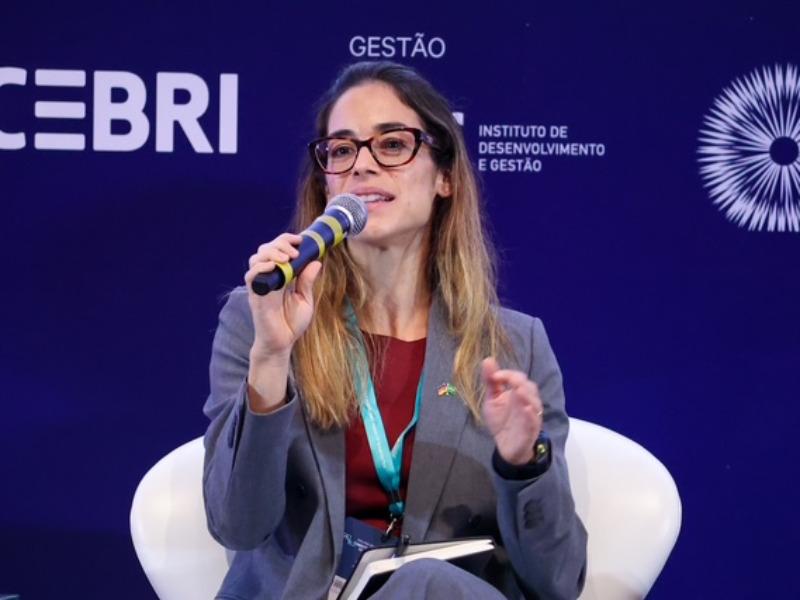
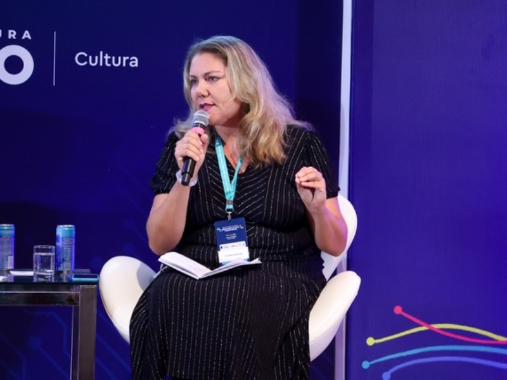
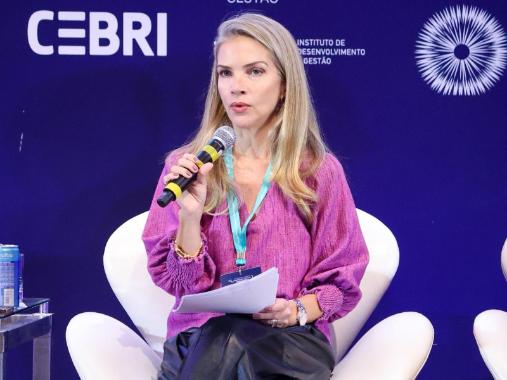
In the first panel, “Relations between Brazil and Germany in times of global change”, high-ranking representatives from the fields of diplomacy, business and academia discussed the role of Brazil and Germany in a changing international order.
Participants included Ambassador Bettina Cadenbach, German Ambassador to Brazil, Oliver Stuenkel, Associate Professor of International Relations at the Fundação Getulio Vargas (FGV) in São Paulo and a researcher at the Carnegie Endowment and the Harvard Kennedy School, as well as Loana von Gaevernitz Lima, Executive Director of the German-Brazilian Chamber of Commerce and Industry (AHK) in Rio de Janeiro and Representative of the State of Baden-Württemberg in Brazil.
The discussion made it clear that international politics is currently undergoing several profound transformations. These include, in particular, the transition from a unipolar to an increasingly multipolar world order, rapid technological change – such as that brought about by artificial intelligence – and the global energy transition.
These developments are reshaping the economy, politics and society in equal measure and presenting states worldwide with new challenges. At the same time, it was emphasised that Brazil and Germany share similar perspectives on many key issues and therefore have great potential for deeper strategic cooperation.
New global dynamics and shared responsibility
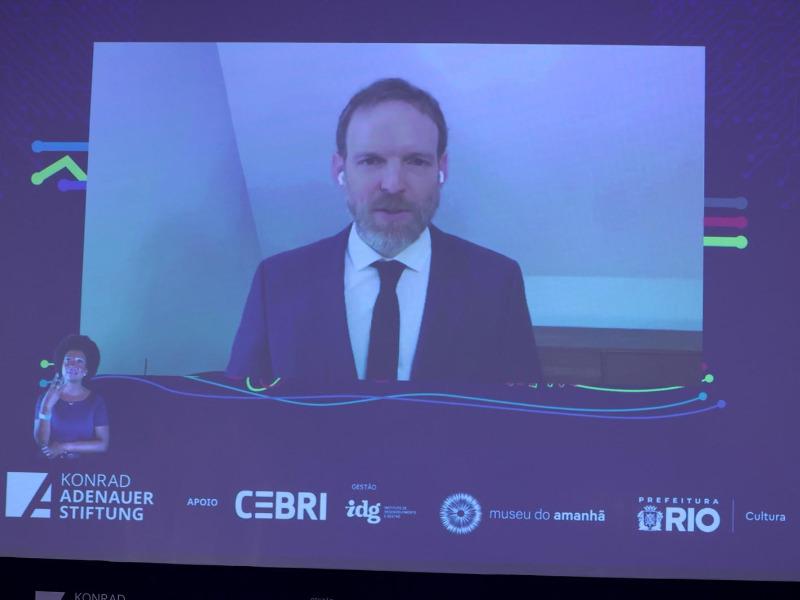
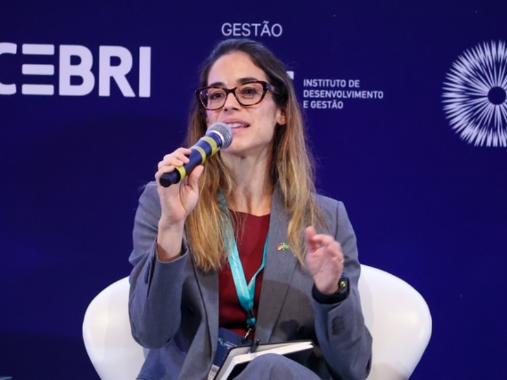
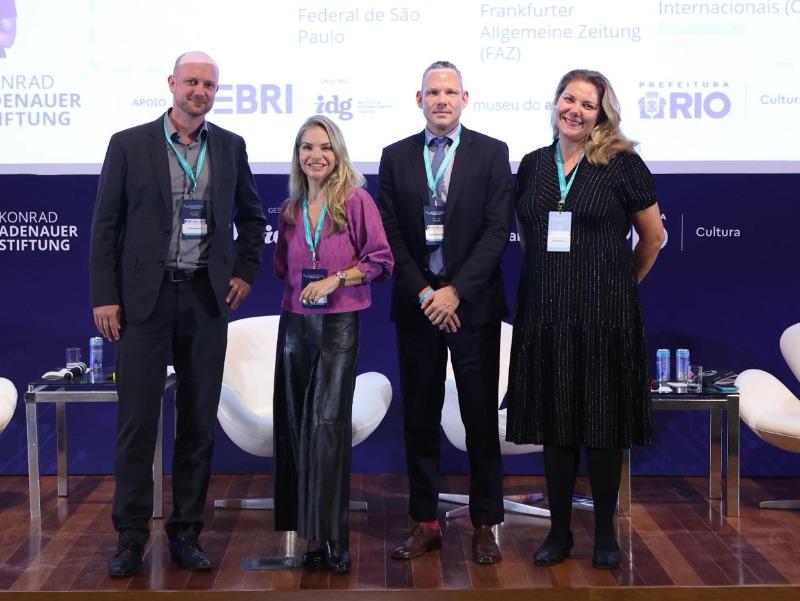
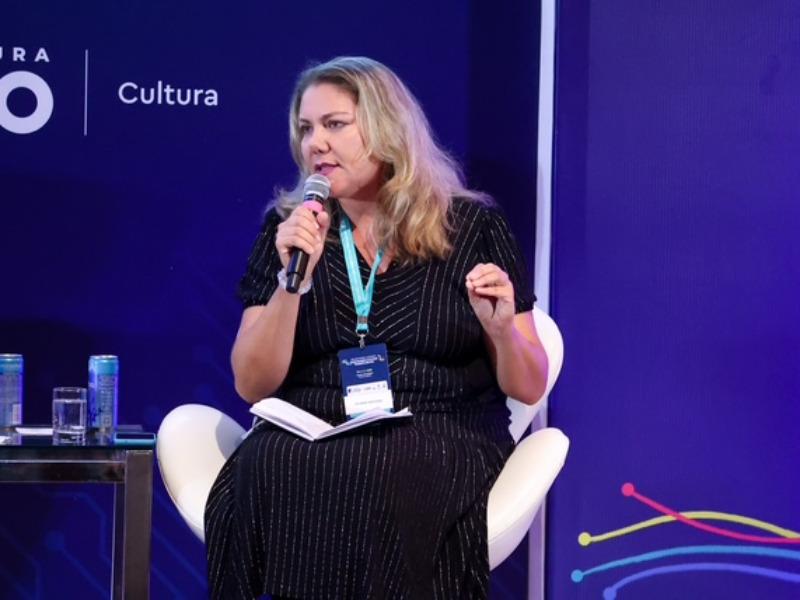
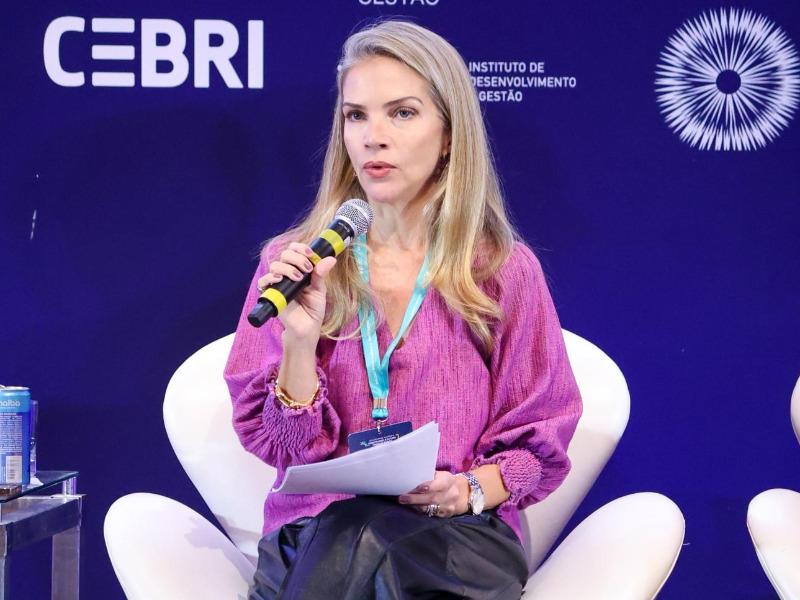
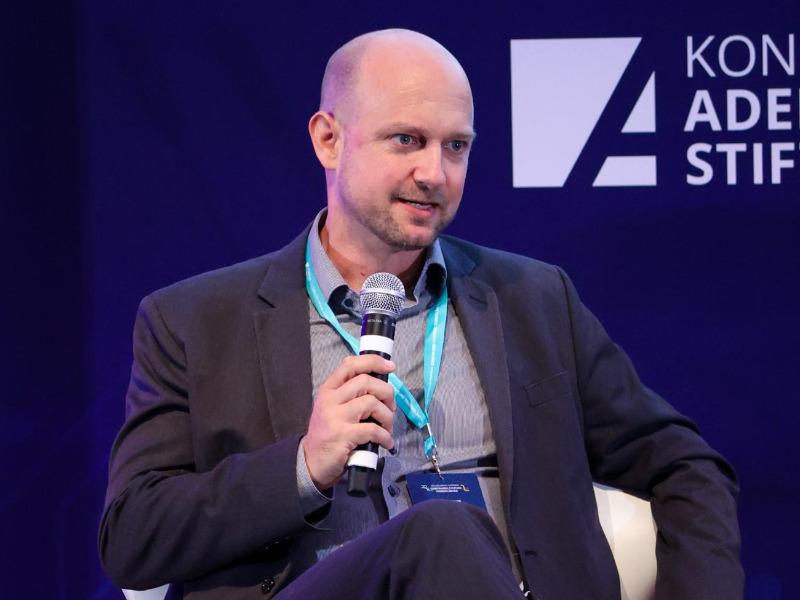
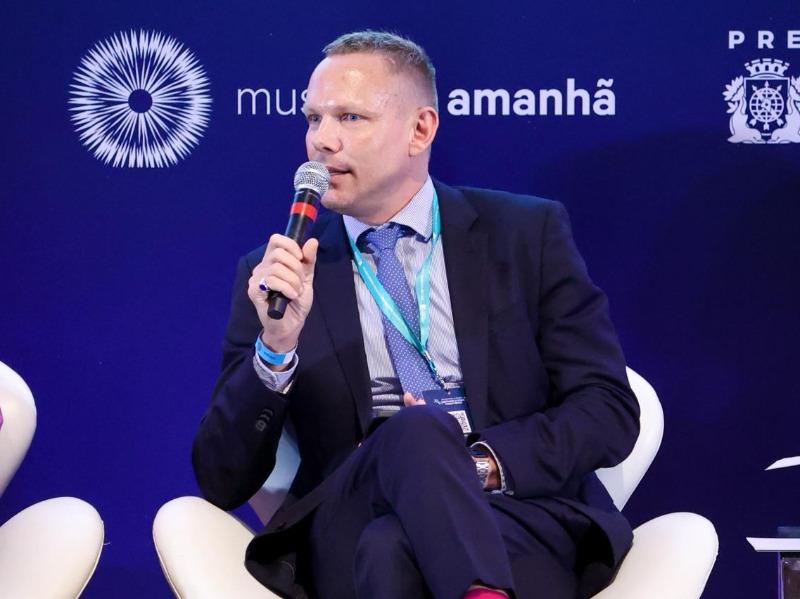
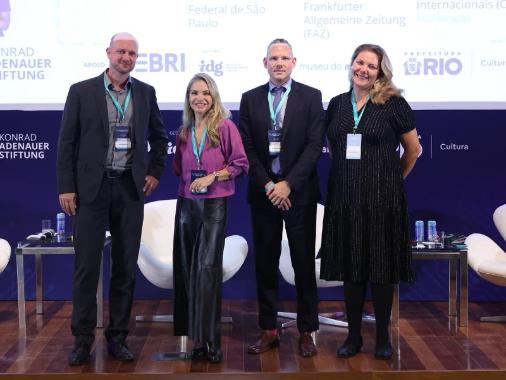
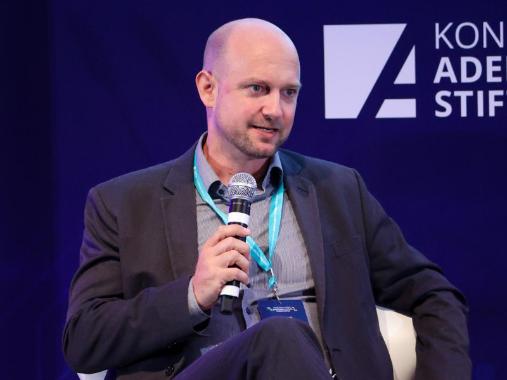
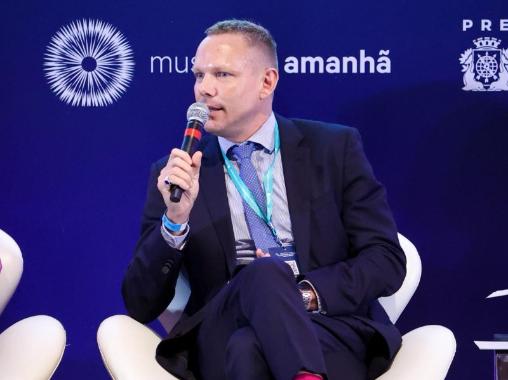
The second panel, “A World in Uncertainty: The Role of Brazil and Germany in the New Global Dynamics”, explored the question of what role Brazil and Germany can play in an increasingly uncertain international environment. Among other things, the discussion focused on how both countries contribute to the stability of the international order and what opportunities exist for maintaining international cooperation even in times of geopolitical tension.
Alongside Maximilian Hedrich, Head of the Konrad Adenauer Foundation’s Brazil Office, Regiane Bressan, Associate Professor at the Federal University of São Paulo (Unifesp), and Tjerk Brühwiller, correspondent for the Frankfurter Allgemeine Zeitung (FAZ), also took part in the discussion. The panel was moderated by Leila Sterenberg, a journalist and Senior Fellow at the Brazilian Center for International Relations (CEBRI). The panellists emphasised that pragmatic cooperation and continuous dialogue are key prerequisites for successfully tackling global challenges.
It became clear that both Brazil and Germany have a shared interest in strengthening international cooperation and defending a rules-based international order.
Prospects for the future of German-Brazilian relations
The conference made it clear that relations between Brazil and Germany are built on a broad foundation. With more than 1,600 German companies in Brazil and an annual trade volume of around 20 billion euros, the two countries are among each other’s most important economic partners.
At the same time, they are united by a shared commitment to democratic values, international law and international cooperation. Particularly in a time of global uncertainty, deeper cooperation between Brazil and Germany can therefore make an important contribution to the stability of the international order.
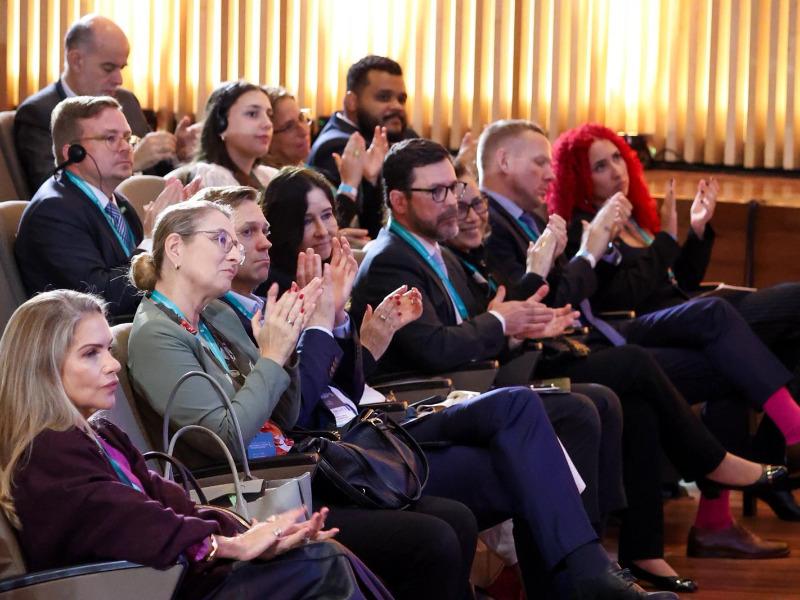
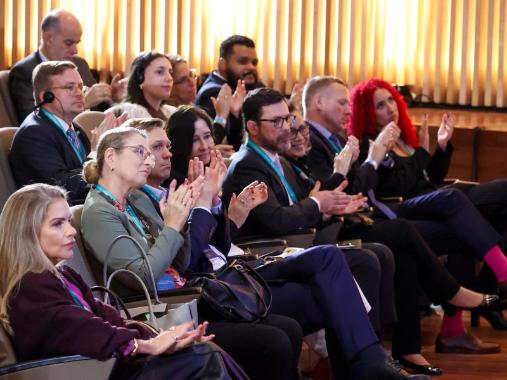
The Conference “Brazil-Germany Dialogue: Building the Transatlantic Future” impressively demonstrated the high level of interest in a deeper exchange on these issues. The open dialogue between representatives from politics, academia, business and the media made it clear that the strategic partnership between the two countries will continue to play an important role in transatlantic cooperation in the future.