




 Leon Fülber
 Felix Robert
 Felix Robert
 Felix Robert
 Felix Robert
 Felix Robert
 Felix Robert
 Felix Robert
 Felix Robert
 Felix Robert
Leon Fülber
Felix Robert
Felix Robert
Felix Robert
Felix Robert
Felix Robert
Felix Robert
Felix Robert
Felix Robert
Felix Robert
Felix Robert
Leon Fülber
Felix Robert
Felix Robert
Felix Robert
Felix Robert
Felix Robert
Felix Robert
Felix Robert
Felix Robert
Felix Robert
The Changing Security Landscape
“We, too, in Germany and at the Konrad Adenauer Foundation, are the daily targets of Russian hybrid attacks.” With these powerful words, Dr Mark Speich, Secretary-General of the Konrad Adenauer Foundation, opened KAS Day 2026. He was referring to a challenge that ran like a common thread through the entire day’s programme: the question of how democracies can preserve their freedom, capacity to act and resilience in an increasingly conflict-ridden world.
Swedish Ambassador Veronika Wand-Danielsson also highlighted just how pressing these security challenges are during the subsequent panel discussion with Julieta Altieri, a representative of the City of Buenos Aires, and Robin Bräuer, the Bundeswehr’s youth officer. Referring to Russia’s war of aggression against Ukraine, she stated: “Russia’s war of aggression has forced us to join NATO.” Her remarks highlighted just how profoundly the European security order has changed in recent years and why strengthening democratic societies is now more important than ever.
Young Voices for Strong Democracies
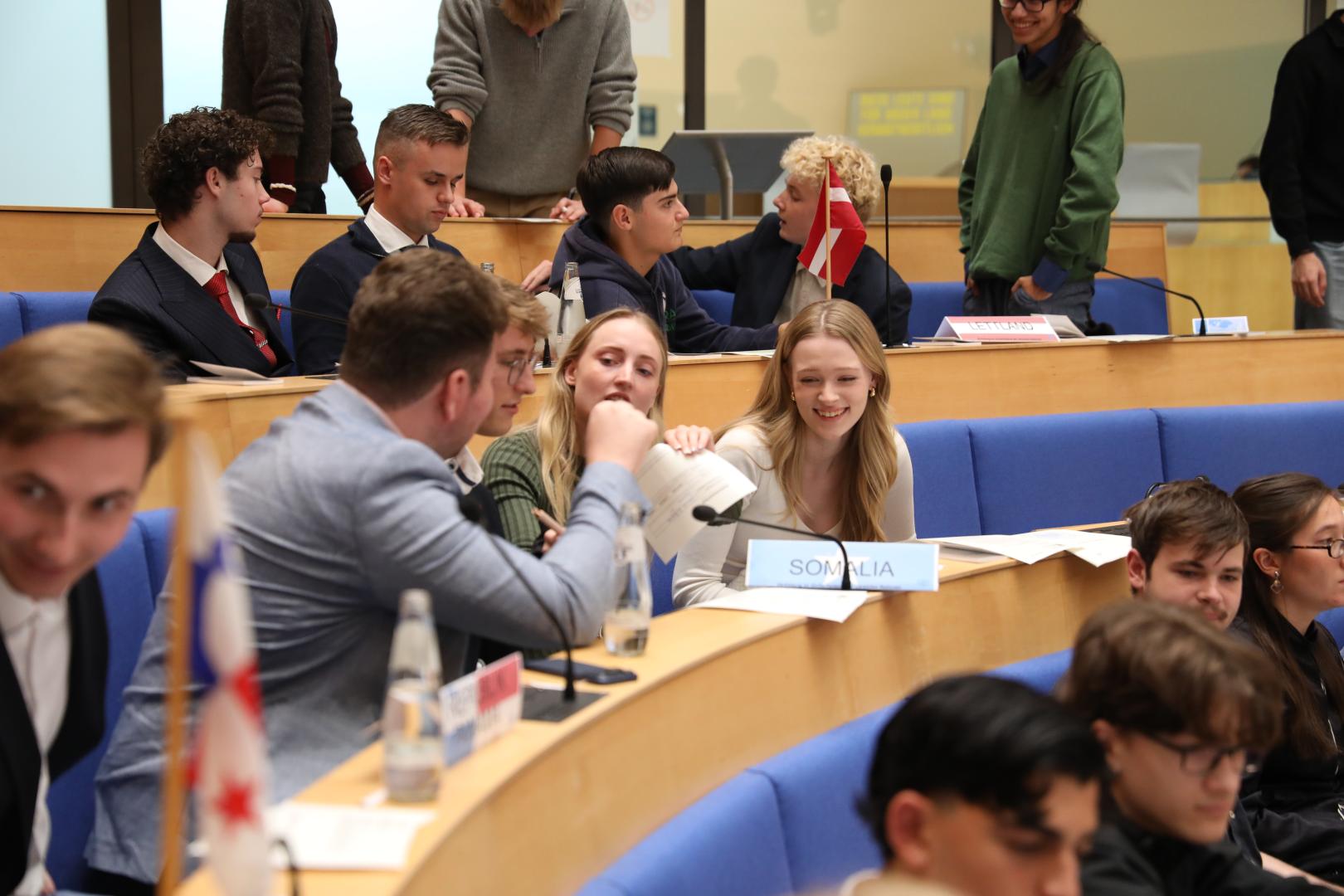
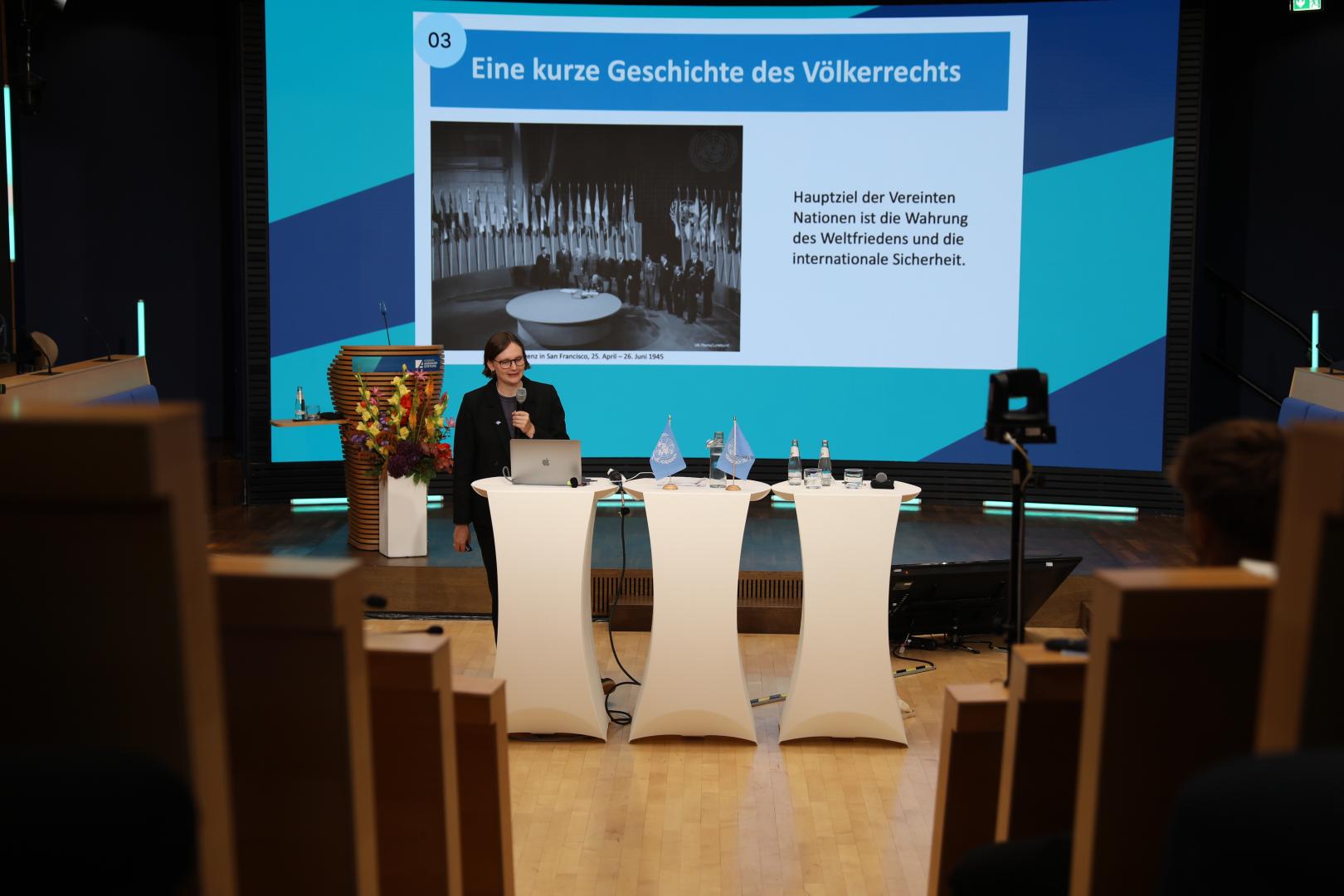
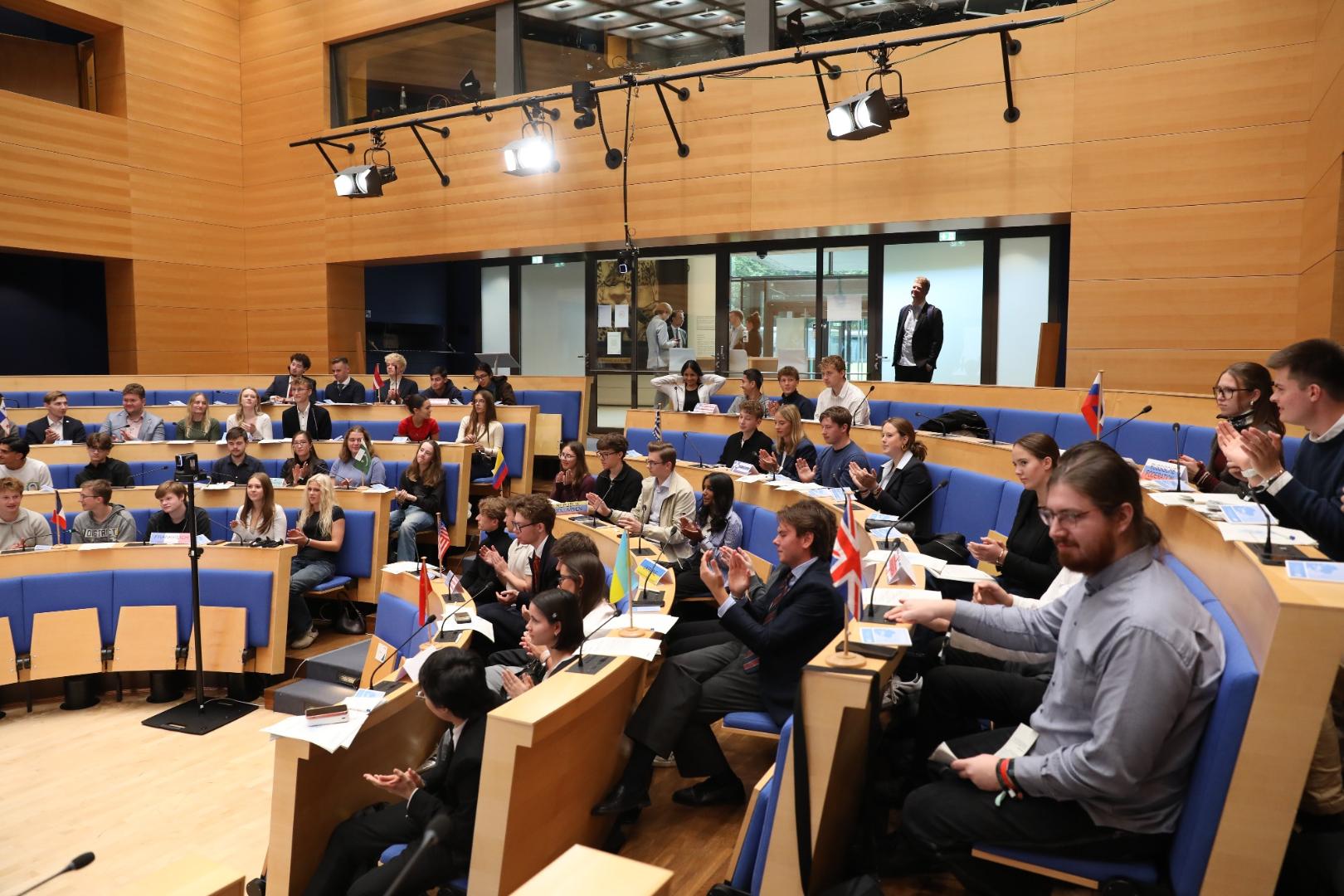
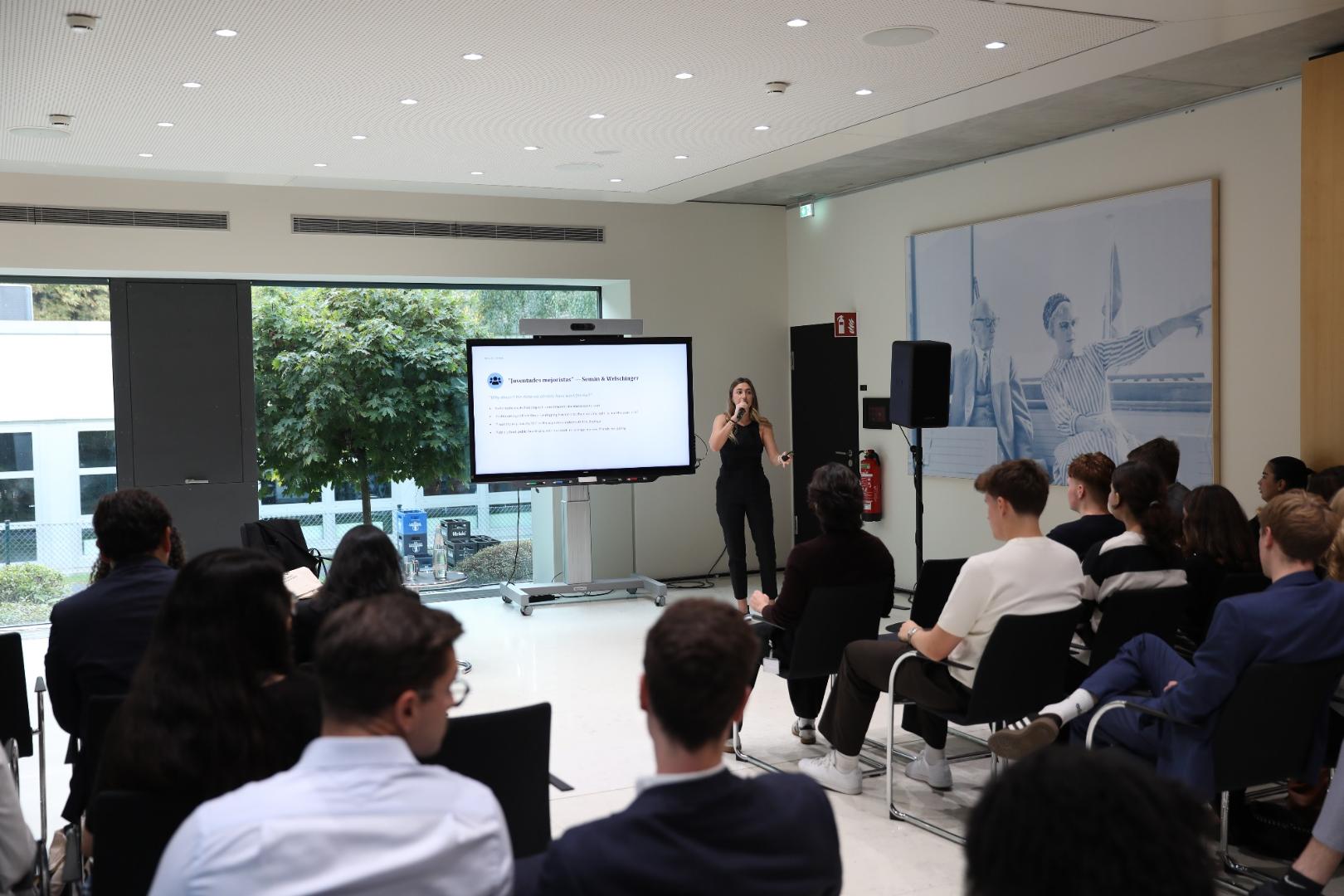
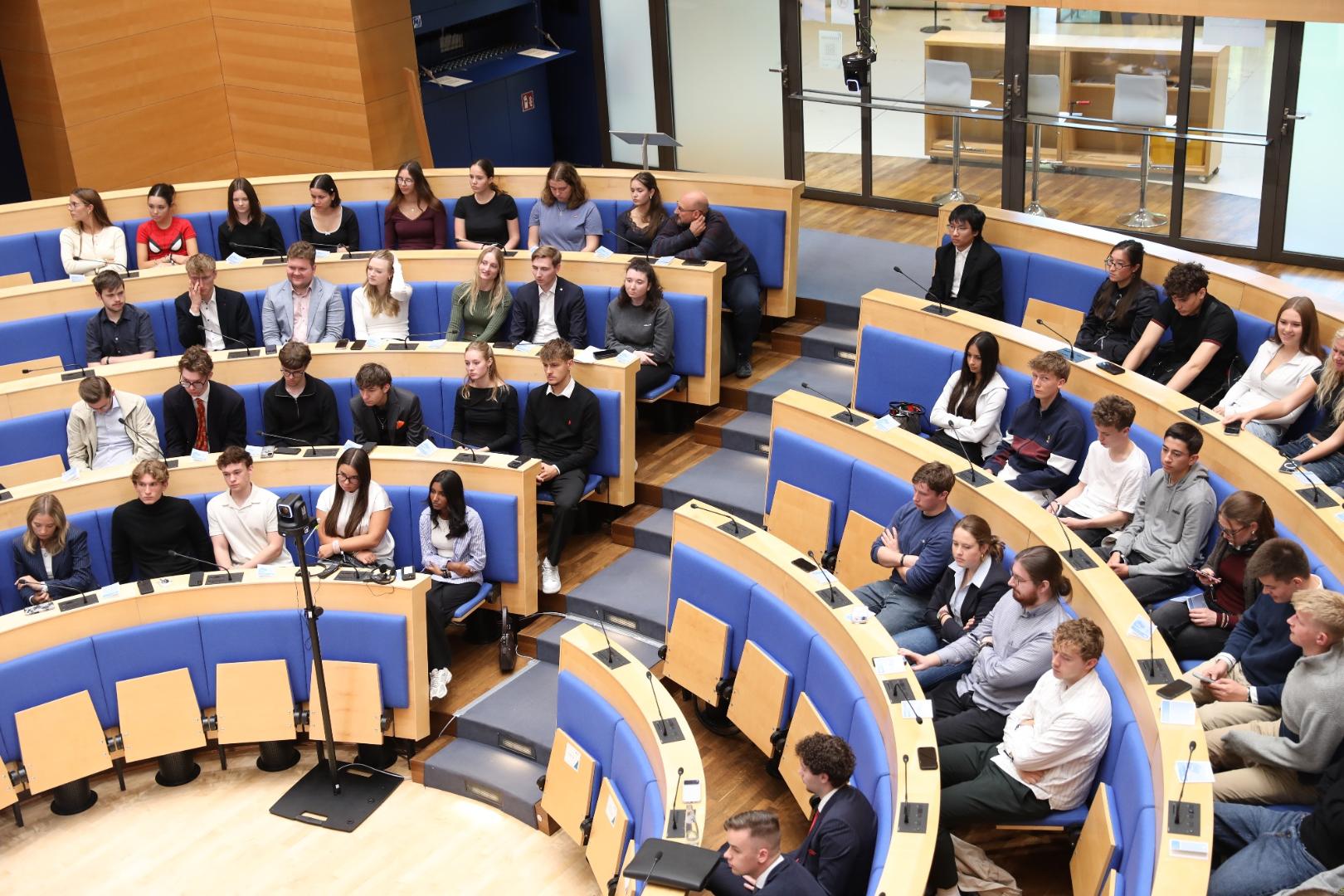
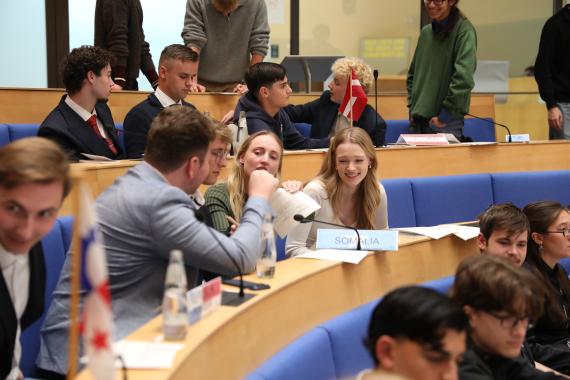
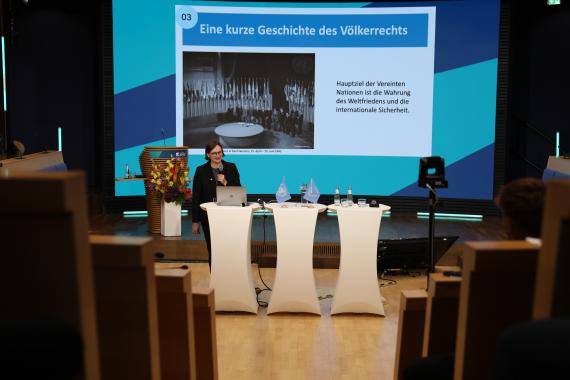
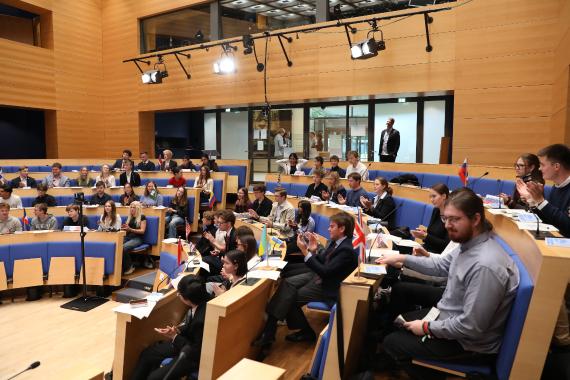
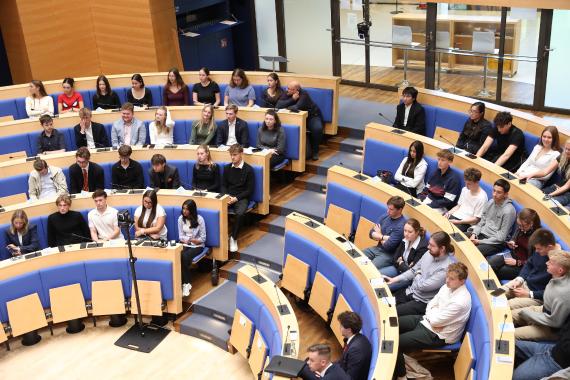
The morning was devoted to the Youth Policy Day. Following an opening panel on the future of democratic societies, participants explored key issues relating to international security, international law, social resilience and democratic developments in Latin America in a series of workshops. Hanna Schönlau and Leonardo Pereira from the German Society for the United Nations introduced the participants to international decision-making processes. This highlighted the concrete significance of international rules for peace and security. “The rules of international law may seem highly technical in parts, but they have very concrete global implications,” emphasised Hanna Schönlau.
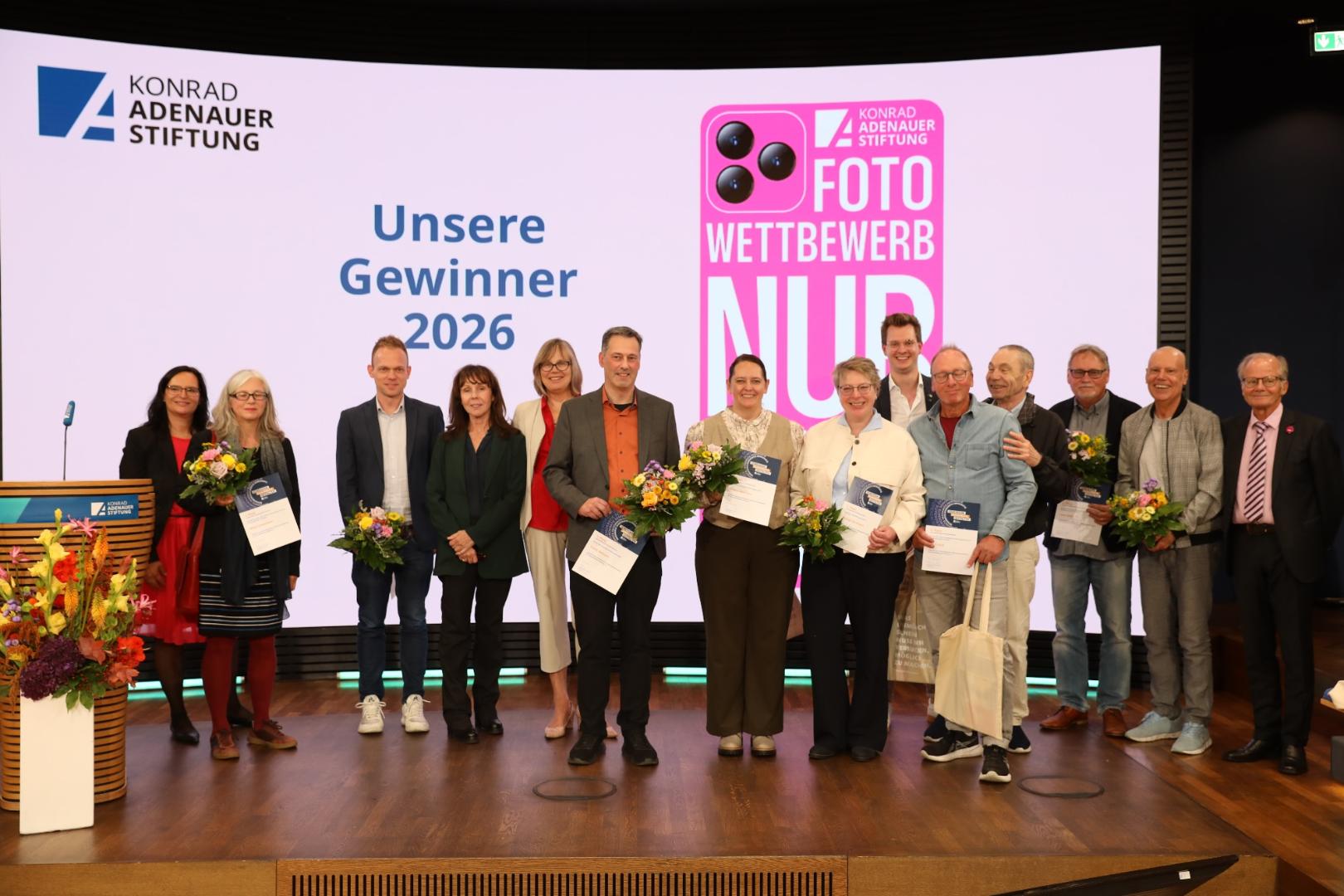
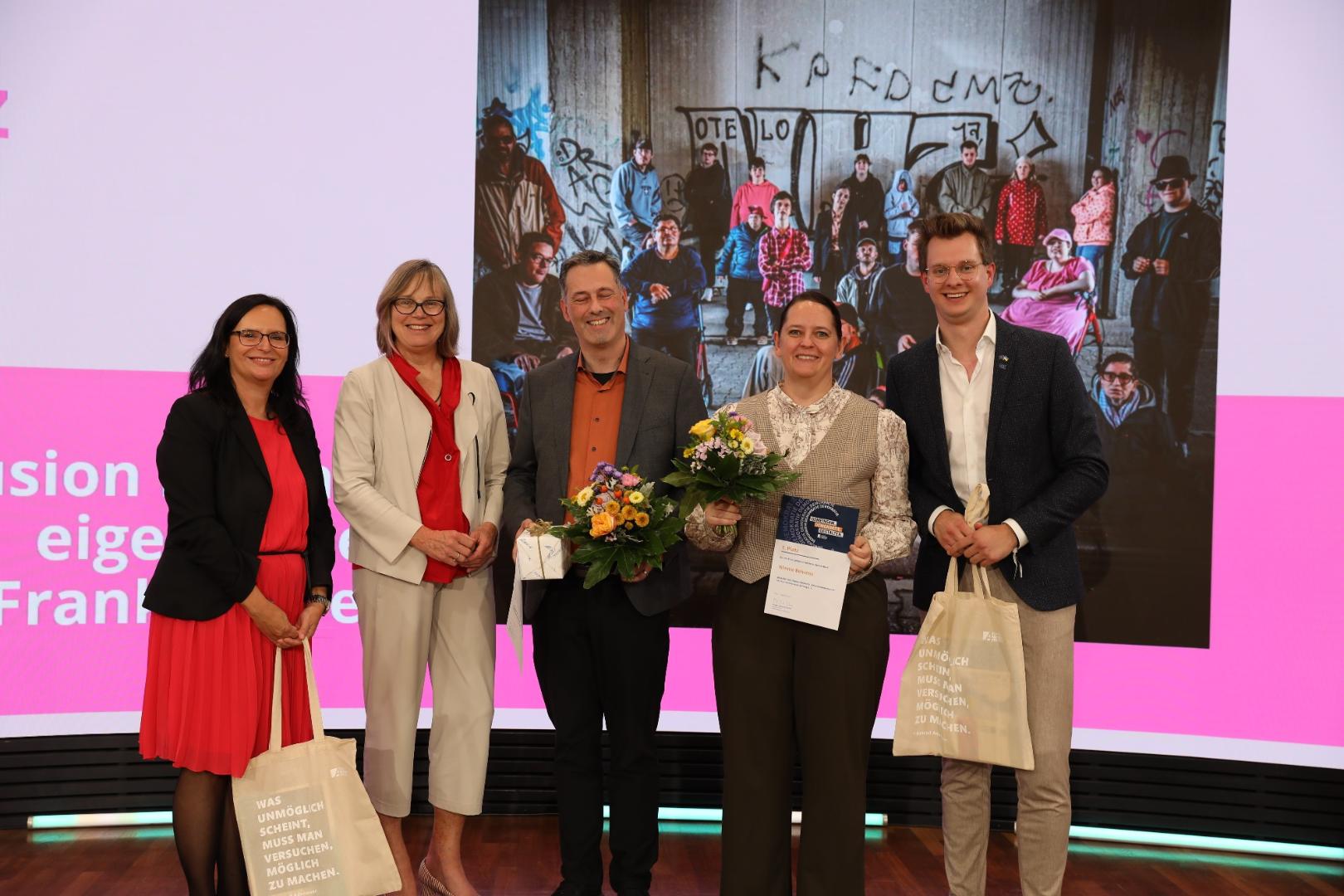
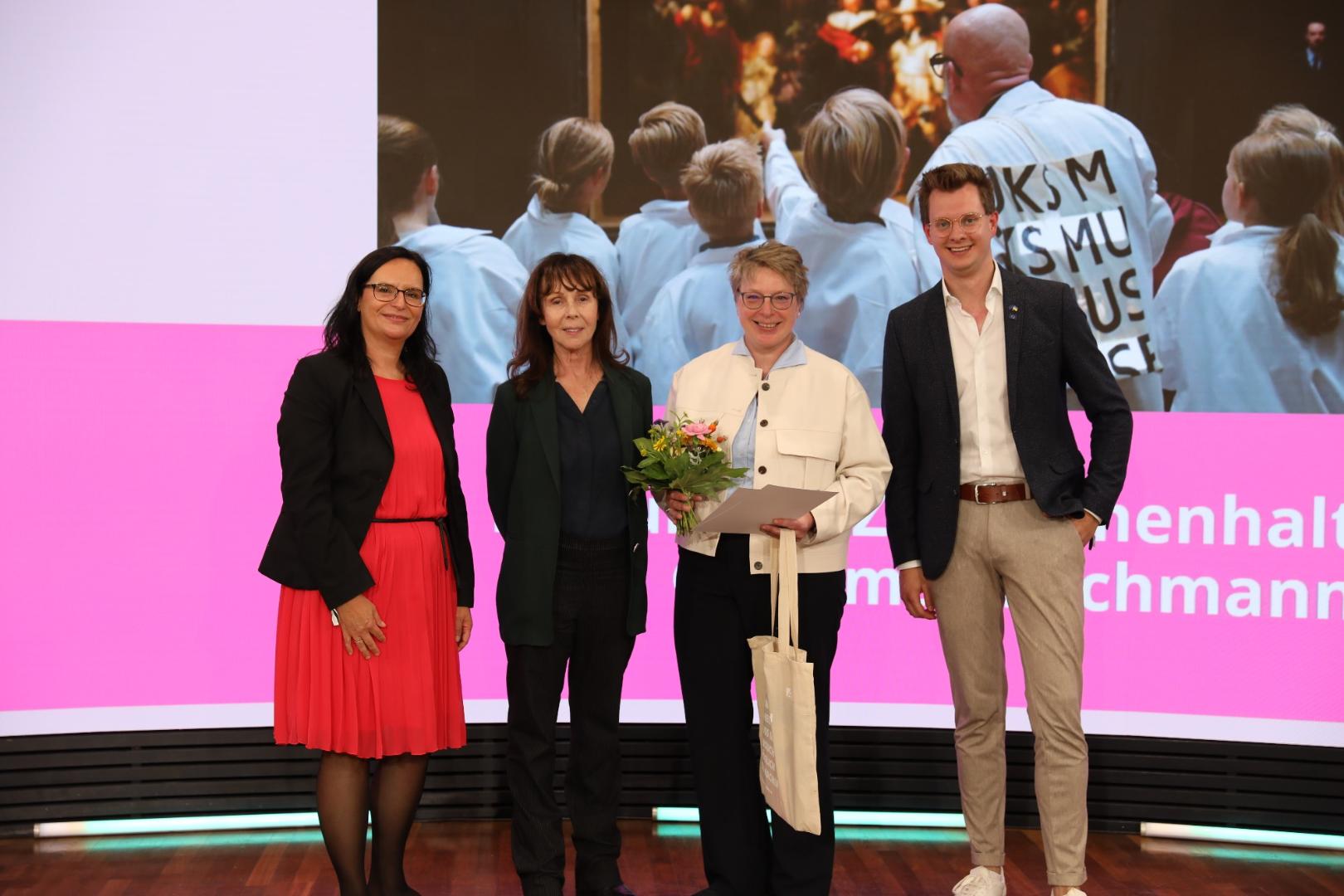
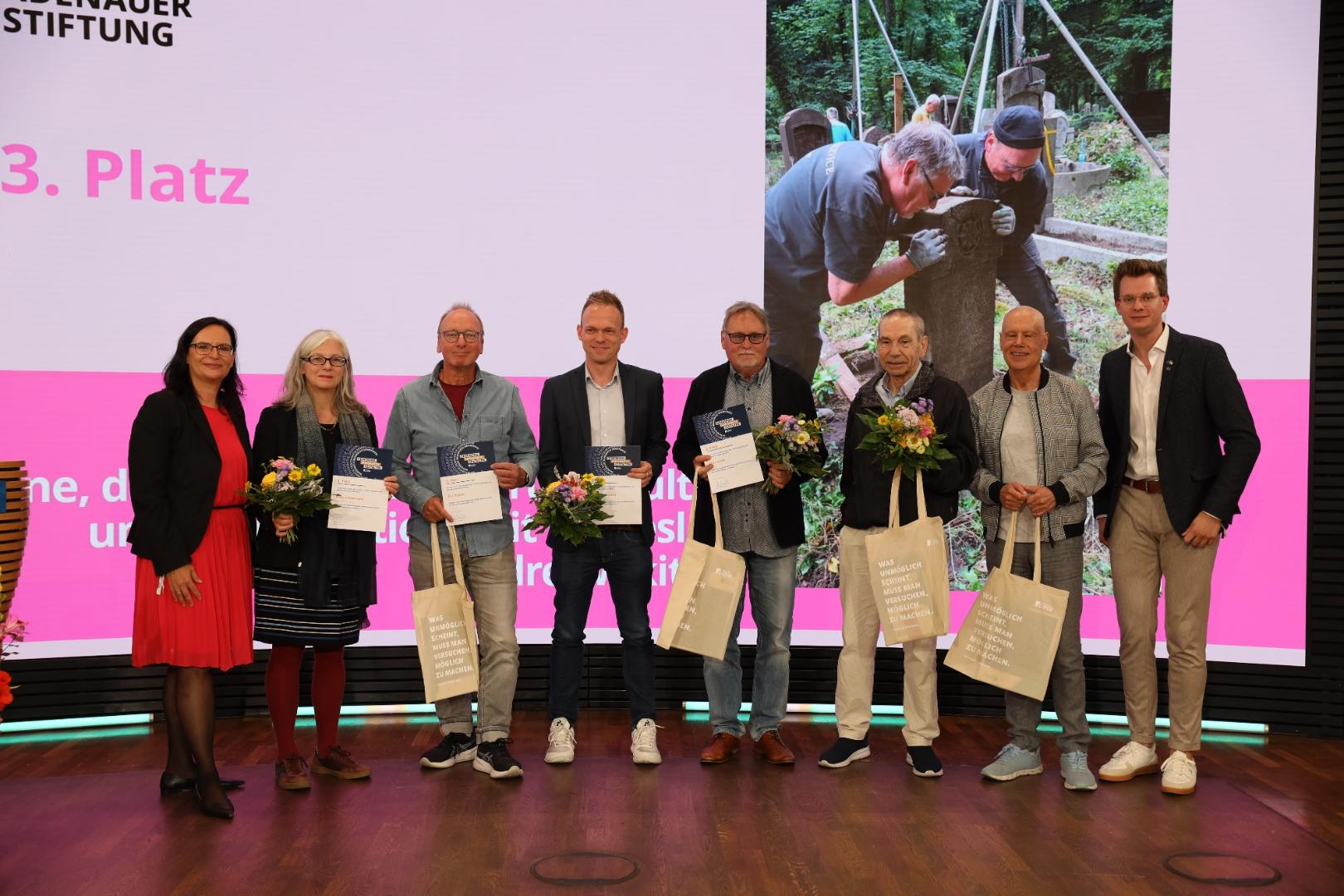
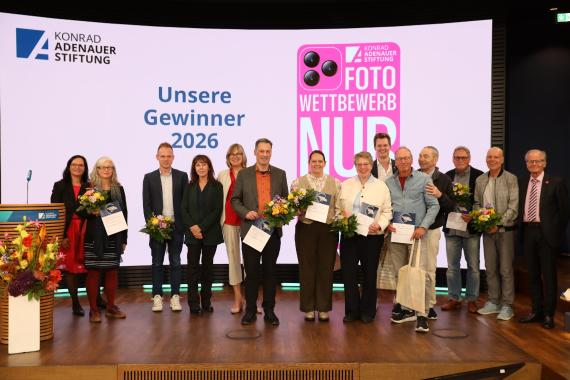
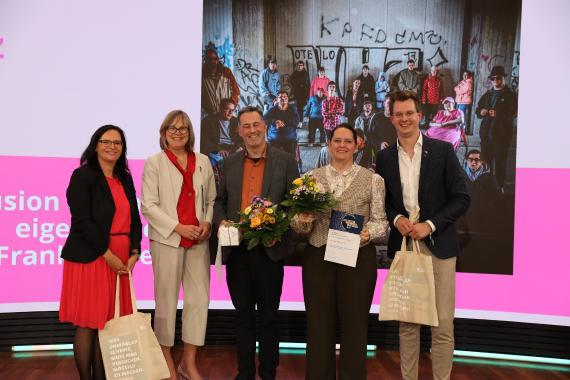
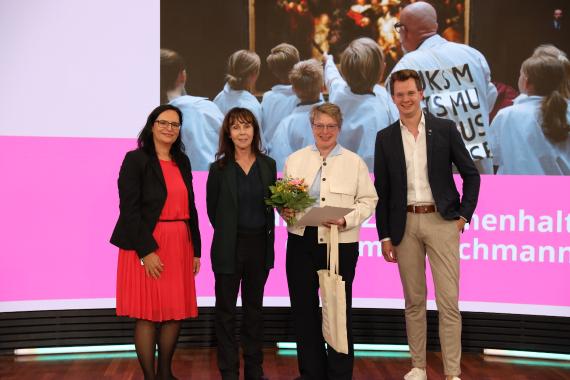
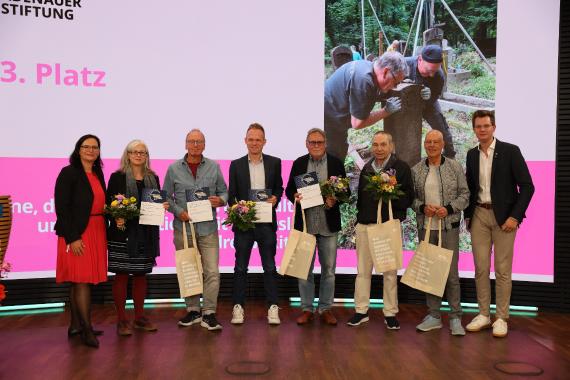
Following a review of the workshop findings, the award ceremony for the #NurZusammenLäufts photo competition shifted the focus to social cohesion. In her laudatory speech for the first-place winner, the President of the German Caritas Association, Eva-Maria Welskop-Deffaa, emphasised: “It is not the limitations that take centre stage, but the individual with their abilities.” In doing so, she summed up the spirit of the competition, which aimed to highlight diversity, participation and the unifying power of social engagement.
 Marie-Lisa Noltenius
 Marie-Lisa Noltenius
 Marie-Lisa Noltenius
 Felix Robert
 Marie-Lisa Noltenius
 Felix Robert
 Marie-Lisa Noltenius
Marie-Lisa Noltenius
Marie-Lisa Noltenius
Felix Robert
Marie-Lisa Noltenius
Felix Robert
Marie-Lisa Noltenius
Marie-Lisa Noltenius
Marie-Lisa Noltenius
Marie-Lisa Noltenius
Marie-Lisa Noltenius
Felix Robert
Marie-Lisa Noltenius
Felix Robert
Marie-Lisa Noltenius
Preserving history, shaping future
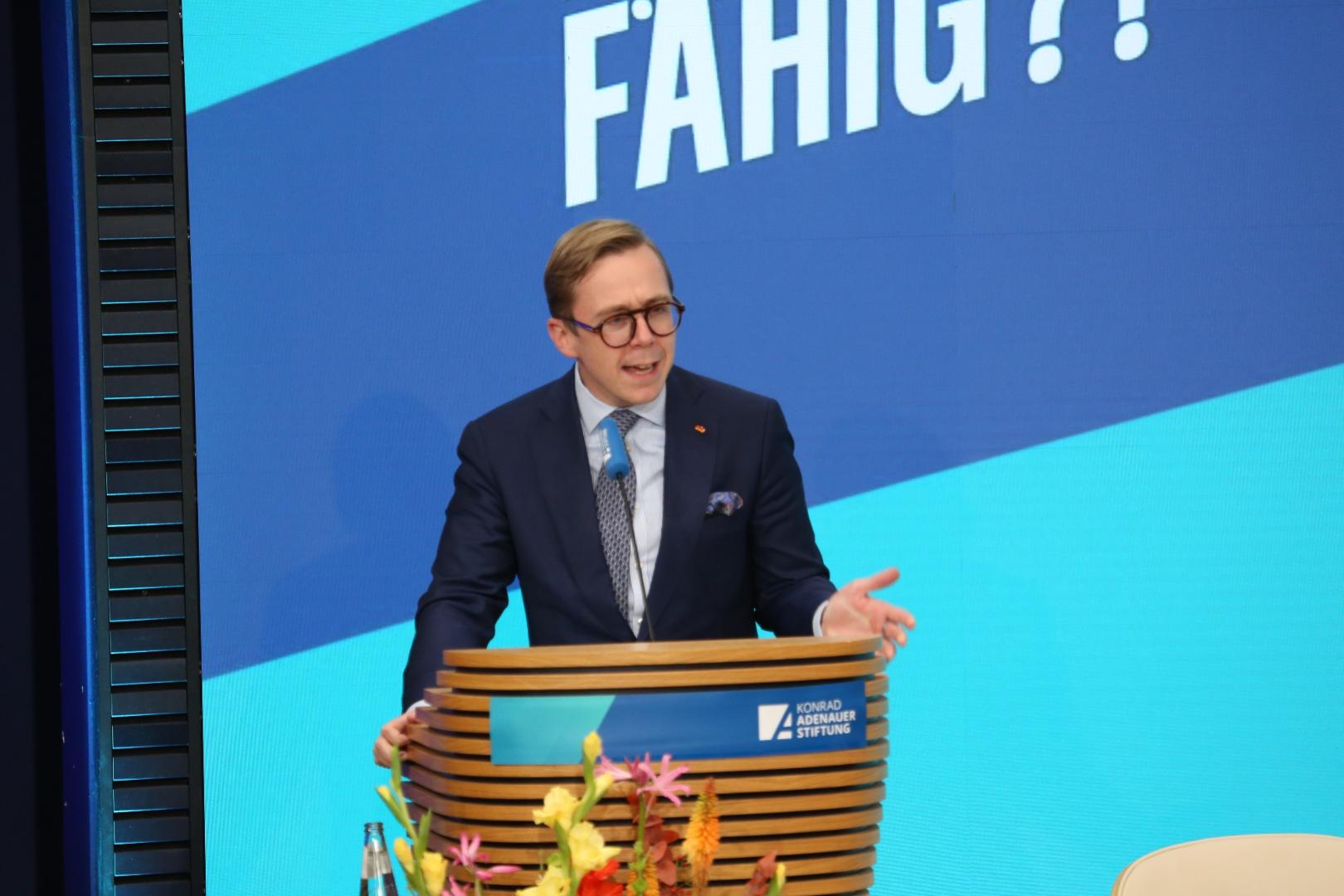
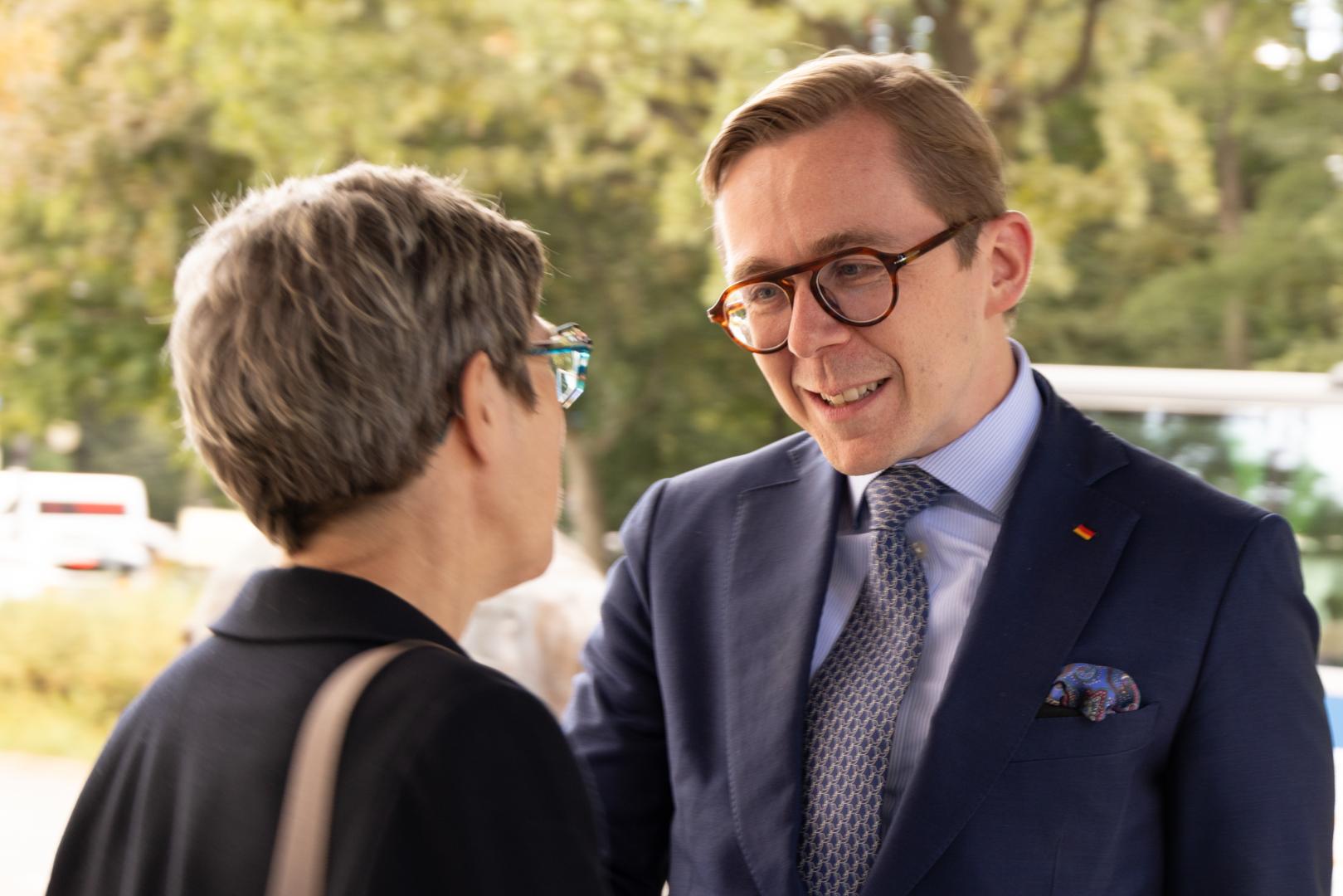
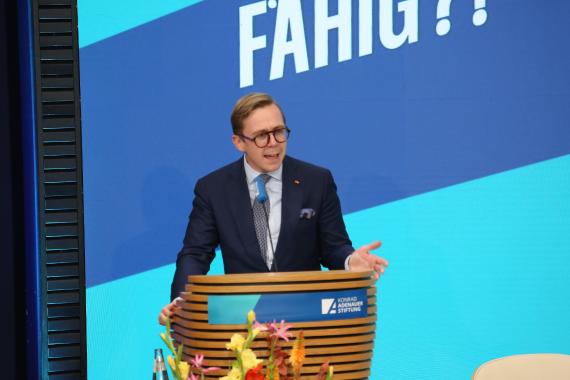
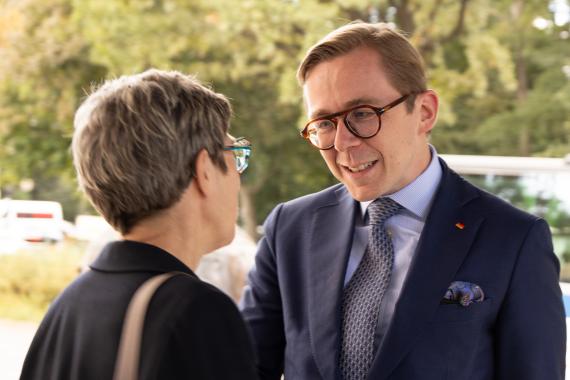
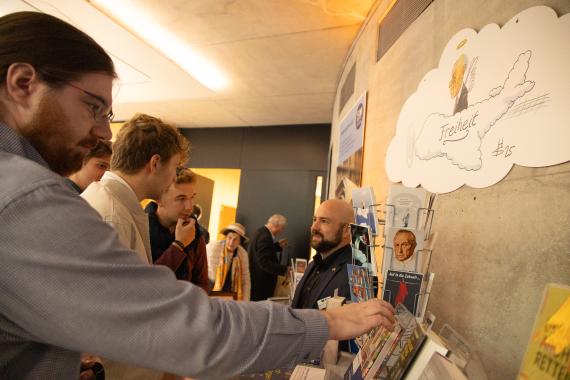
The highlight of the afternoon was the 50th anniversary of the Archive for Christian Democratic Politics (ACDP). In his welcoming address, Minister of State Philipp Amthor, Member of the Bundestag, paid tribute to the archive’s work as an indispensable contribution to Germany’s political culture. “History is political. But history must not be exploited for political ends,” emphasised Amthor. Referring to social polarisation, disinformation and the misuse of historical narratives, he called for greater historical resilience. He argued that the study of history is more than simply an examination of the past. As a reflective discipline, it helps to contextualise historical developments and to take responsibility for the present and the future. In this context, Amthor quoted a well-known saying by Helmut Kohl: “Those who do not know the past cannot understand the present or shape the future.”
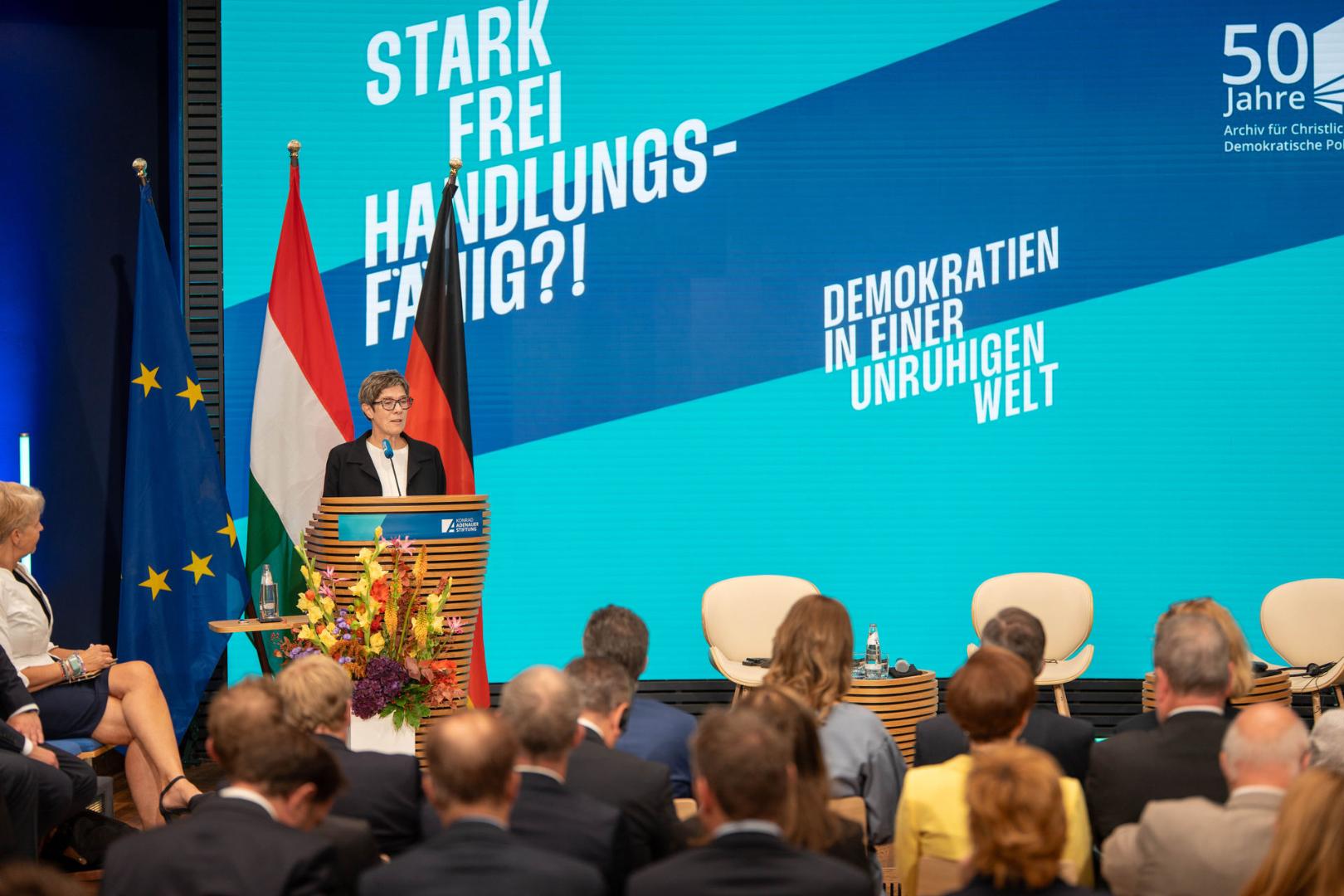
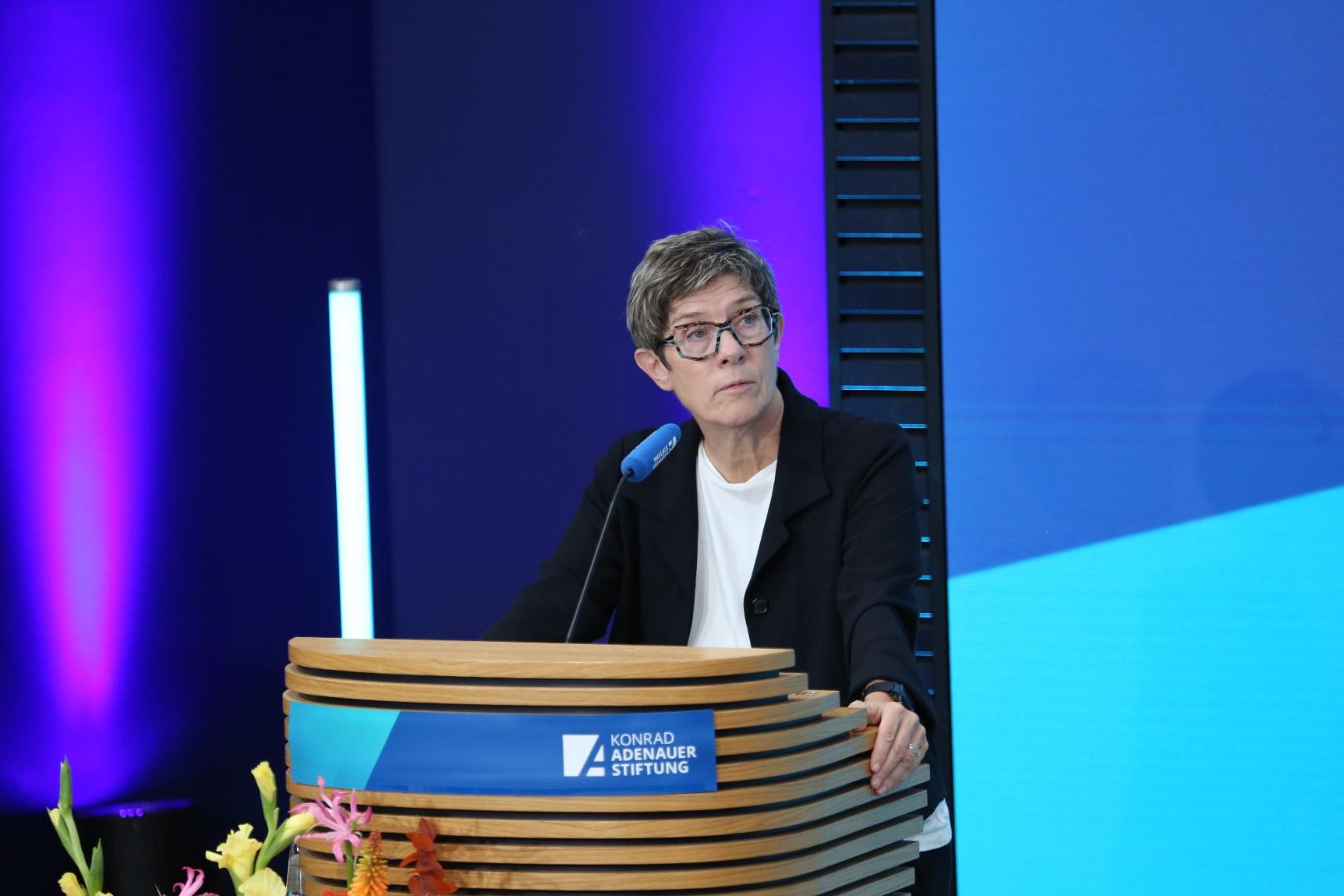
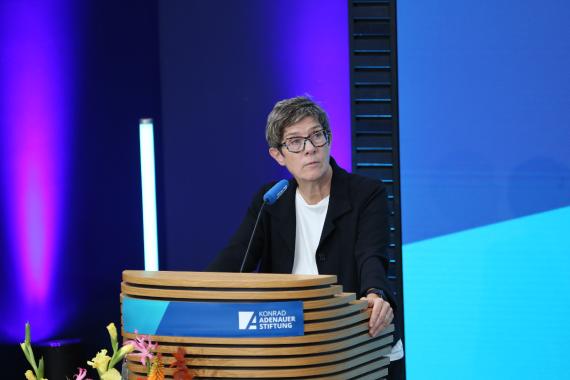
Annegret Kramp-Karrenbauer, Chair of the Konrad Adenauer Foundation, then turned her attention to the importance of historical memory for democracy. Citing the establishment of the archive as an example, she recalled that its creation in the early 1970s was closely linked to the aim of documenting the history of Christian democracy academically and making it permanently accessible. “Looking back at history helps us to understand what actually defines us and what we can take with us into the future,” she said. Today, she added, this task is more relevant than ever. Archives not only preserve documents, but also provide guidance in times of growing uncertainty. In the face of deliberate attempts by authoritarian actors to reinterpret history and distort historical facts, they fulfil a central democratic function. Kramp-Karrenbauer referred particularly forcefully to Russia’s war of aggression against Ukraine: “The war in Ukraine is not just a war against people. It is a war against the cultural memory of a nation.”
Archives as pillars of a democratic culture of remembrance
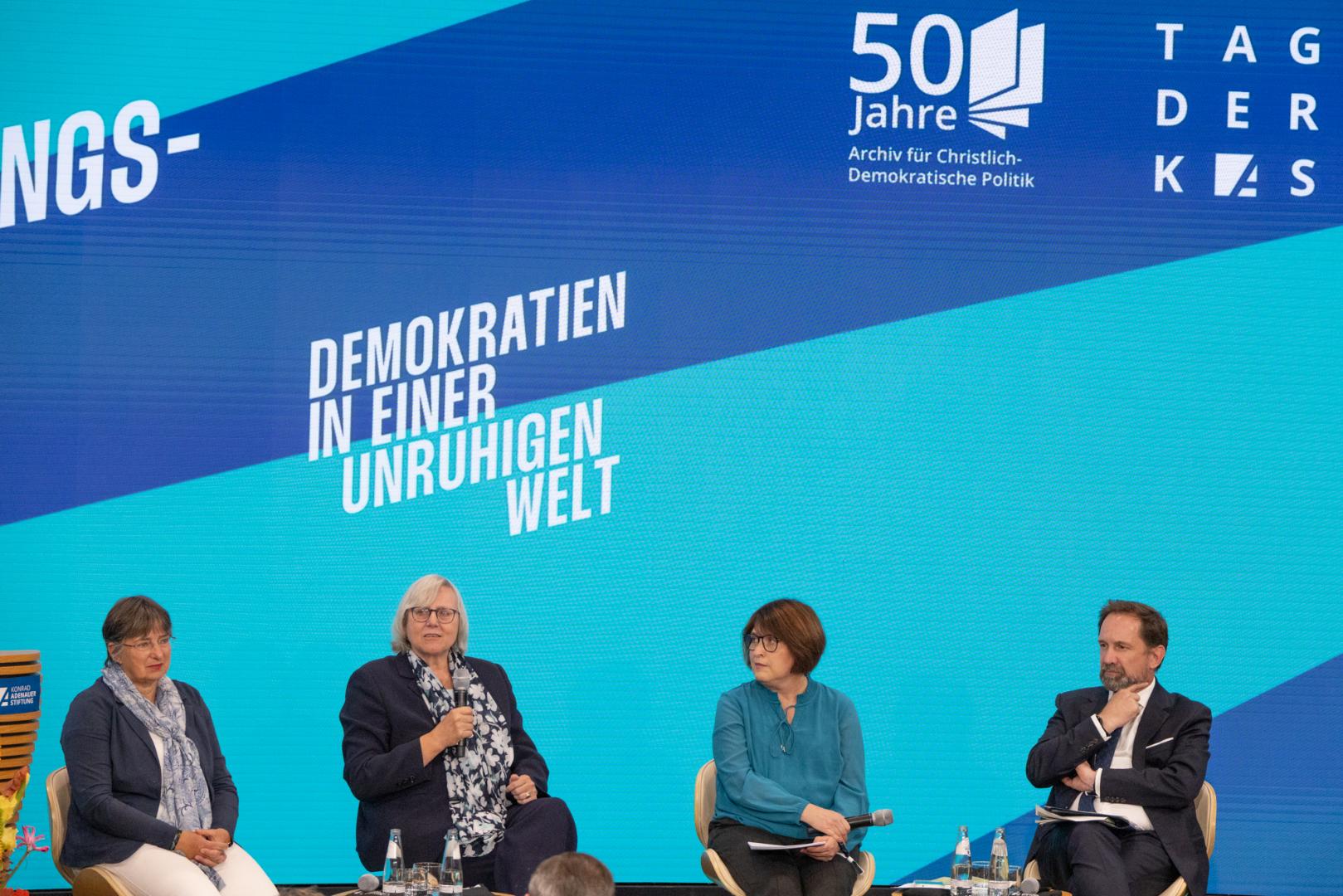
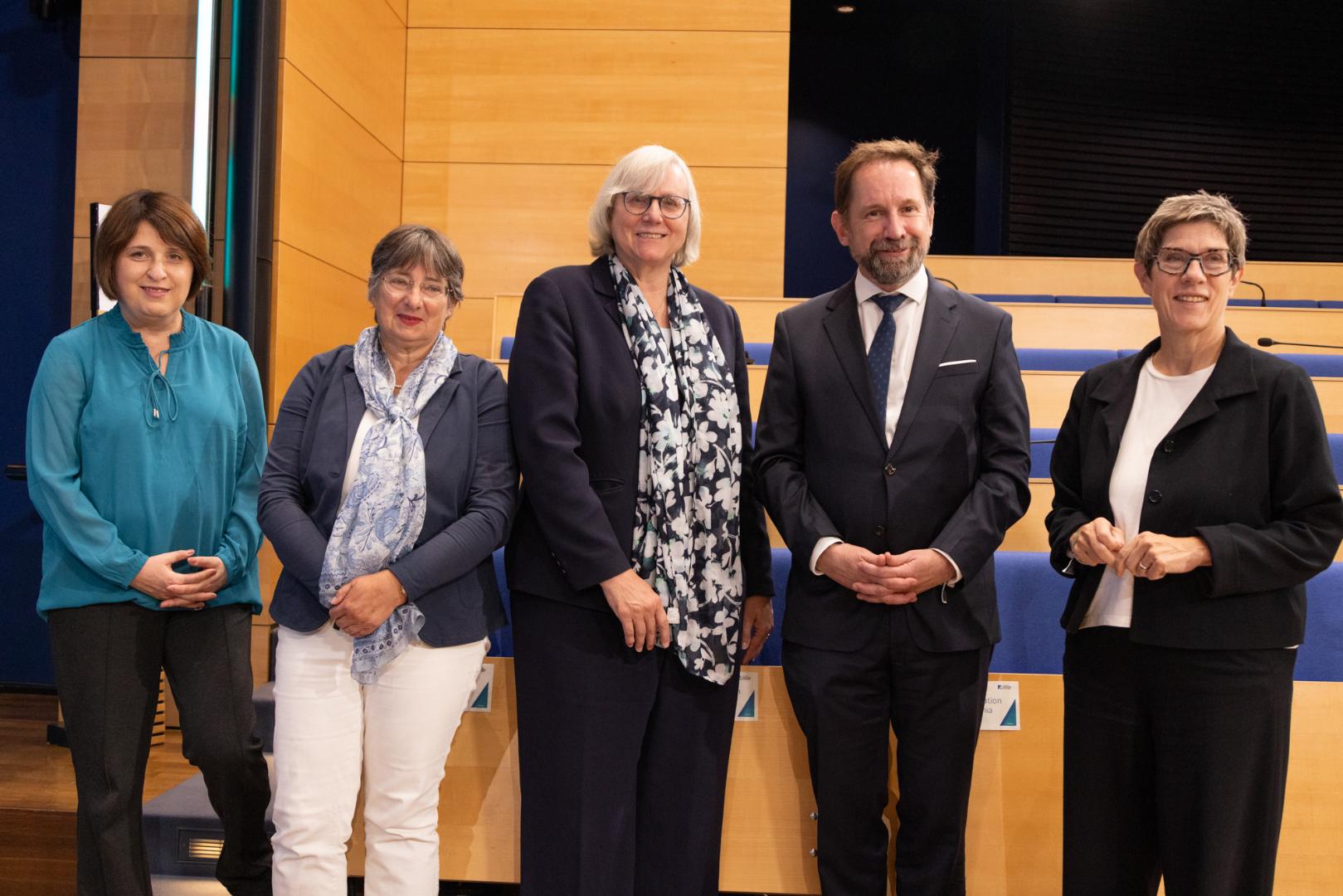
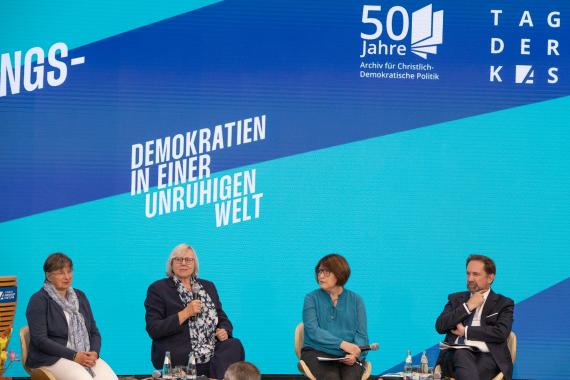
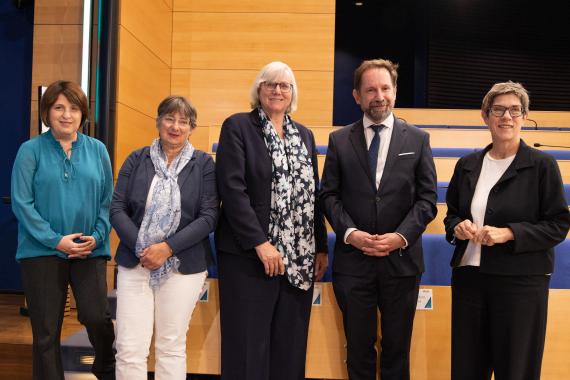
The subsequent panel discussion also focused on the challenges of coming to terms with the past in times of political conflict. Moderated by Dr Christine Bach, the discussion featured Prof. Dr Ulrike Höroldt, Director of the Secret State Archives of the Prussian Cultural Heritage Foundation; Dr Anke Giesen from the Executive Board of Memorial Deutschland; and Dr Michael Borchard, Head of Research Services at the Konrad Adenauer Foundation. The discussion made it clear that archives are far more than mere repositories. They facilitate transparency, verifiability and academic research, and form a vital pillar of democratic societies. At the same time, archives themselves are exposed to various threats, such as physical attacks in war zones or digital risks. Michael Borchard emphasised the significance of these attacks: “Attacks on our archives are also contrary to international law. For they also constitute an attack on national and personal identity.”
Particular attention was paid to the work of Memorial and the process of coming to terms with Soviet repression. At the same time, attention turned to the situation in Russia, where independent forms of remembrance are coming under increasing pressure. The discussion made it clear that historical research and a democratic culture of remembrance cannot be taken for granted. They must be protected and continually defended.
 Felix Robert.
 Felix Robert
 Leon Fülber
 Leon Fülber
 Leon Fülber
 Leon Fülber
 Leon Fülber
 Leon Fülber
 Leon Fülber
Felix Robert.
Felix Robert
Leon Fülber
Leon Fülber
Leon Fülber
Leon Fülber
Leon Fülber
Leon Fülber
Leon Fülber
Leon Fülber
Felix Robert.
Felix Robert
Leon Fülber
Leon Fülber
Leon Fülber
Leon Fülber
Leon Fülber
Leon Fülber
Leon Fülber
The strength of the centre-right
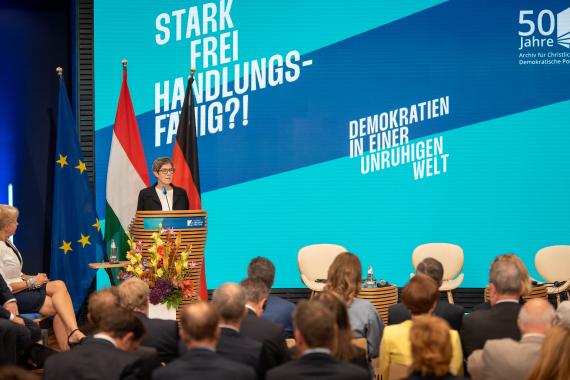
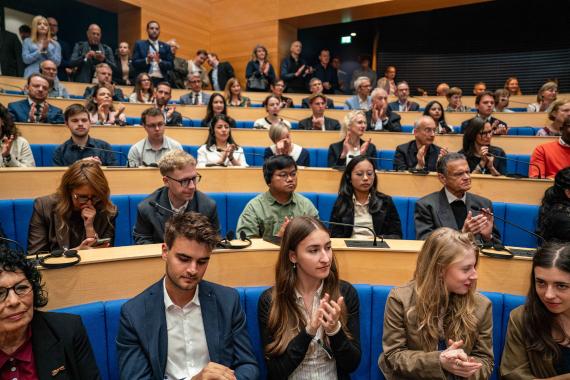
To conclude, attention turned once again more firmly to the current political challenges. In her welcoming address, the Chair of the Konrad Adenauer Foundation, Annegret Kramp-Karrenbauer, called for greater confidence in the strength of democratic institutions. In the face of growing social uncertainty and increasing polarisation, democracy must not lose heart. “Democracy is strong, it is resilient and it must stand its ground,” she emphasised, pointing out that freedom and democratic order cannot be taken for granted, but depend on the commitment of citizens.
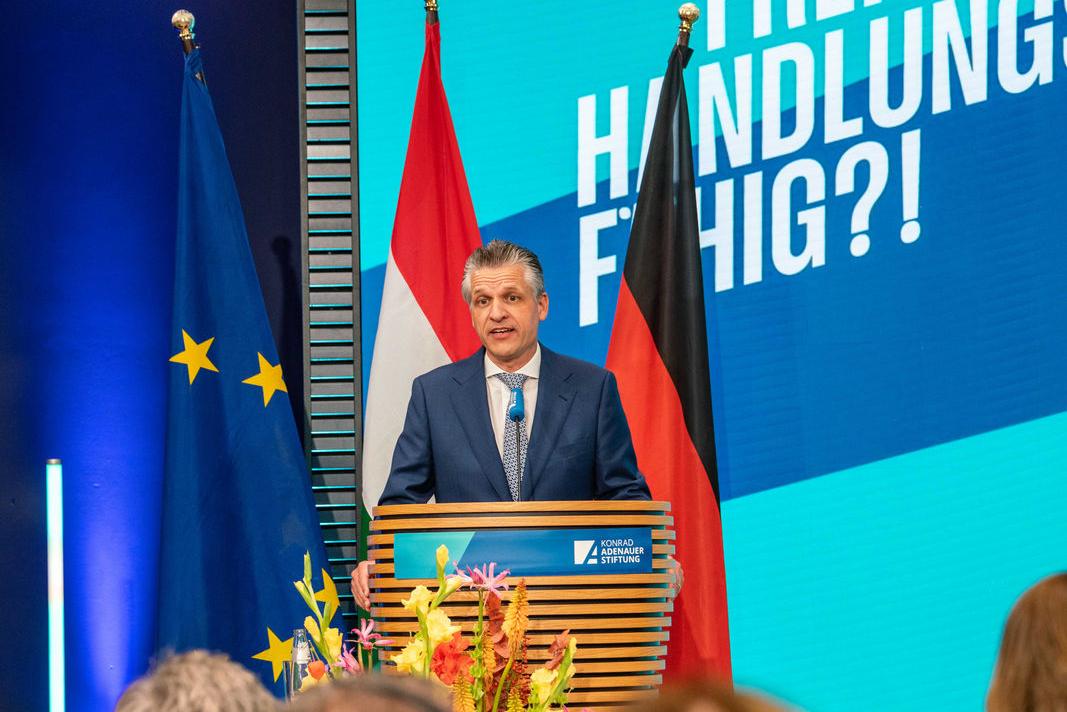
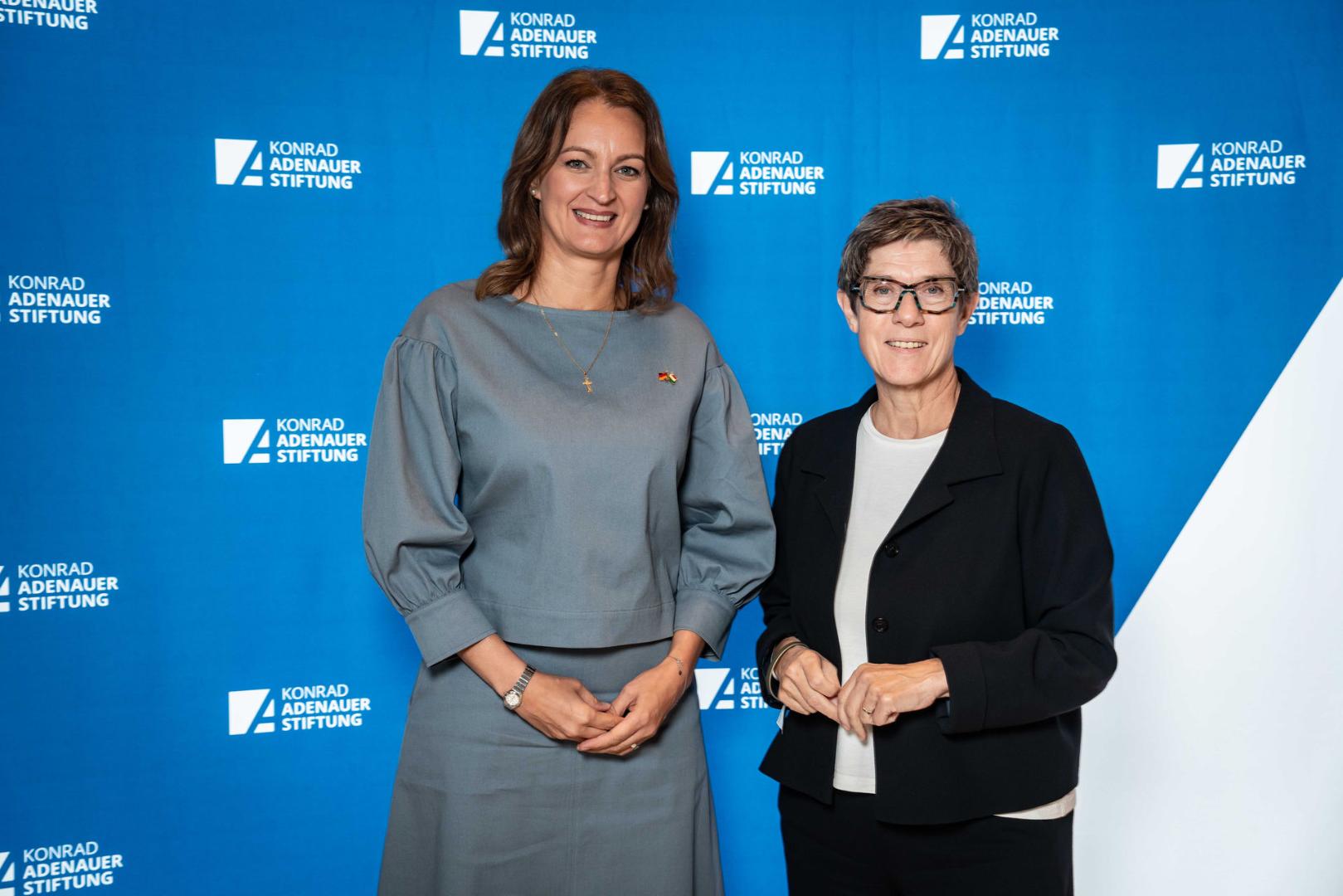
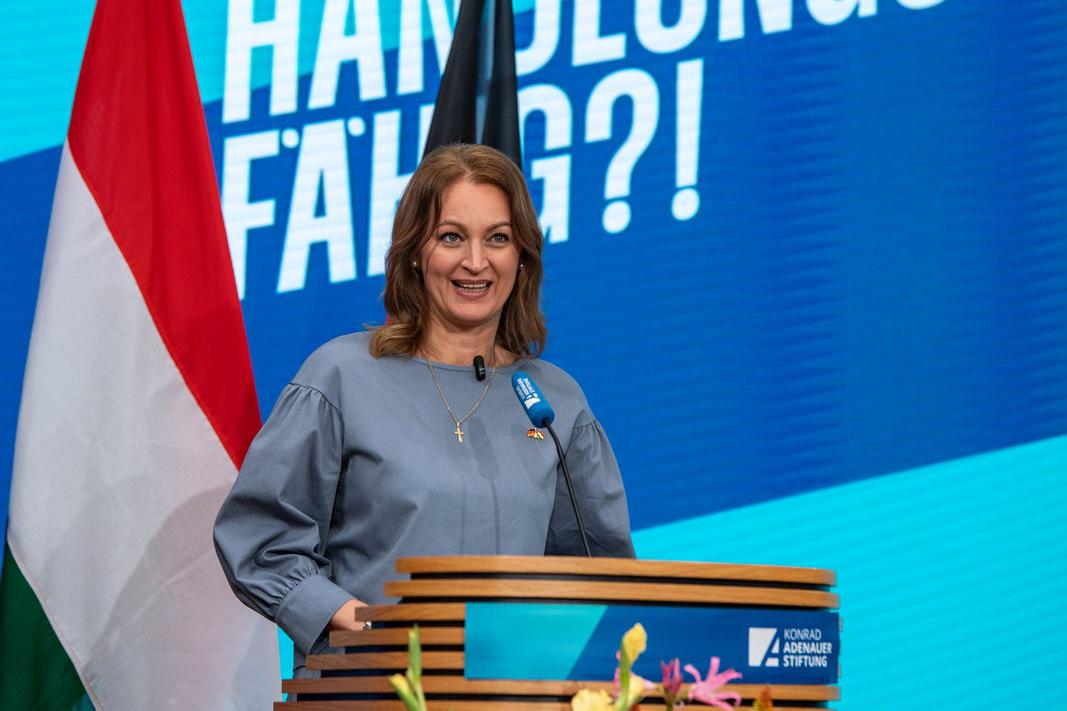
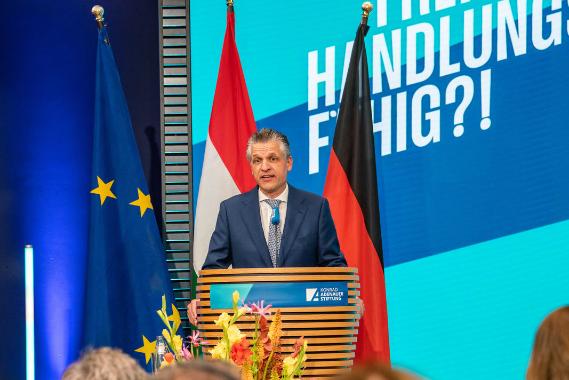
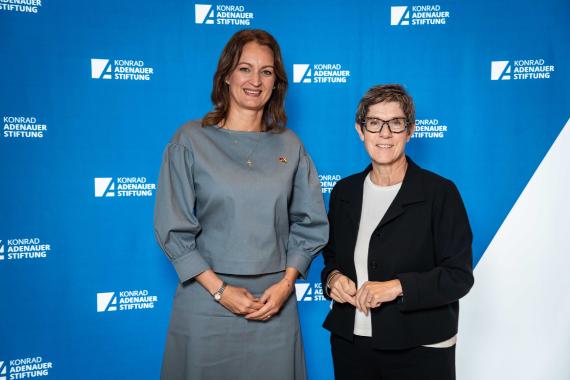
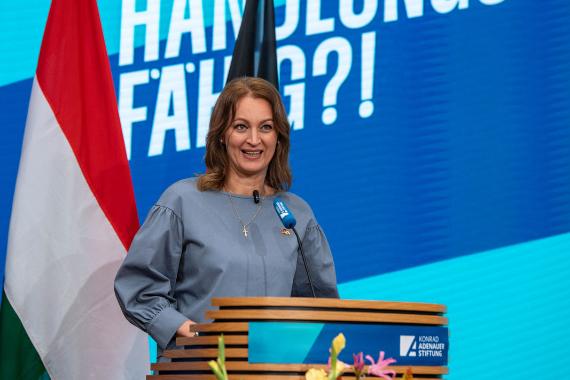
Following this, Thorsten Frei, Chair of the CDU/CSU parliamentary group in the Bundestag, and Ágnes Forsthoffer, Speaker of the Hungarian Parliament, discussed the future of democratic systems and the importance of political participation under the heading ‘Strong, free, capable of action: democracies and the strength of the civic centre’. The discussion was moderated by Miriam Hollstein. In his keynote speech, Frei emphasised that democracies must prove their strength particularly in times of crisis, as freedom, security and prosperity cannot be taken for granted. “It is our task to prove that our liberal democracy is capable of overcoming all these challenges,” he explained. Democracy must provide answers to people’s concerns and continually demonstrate its ability to act. At the same time, Frei warned against the increasing polarisation of society, which was causing compromise – indispensable to democratic systems – to lose its value. “Democracy, the rule of law and the foundations of our lives are not something you build once and then have forever,” Frei emphasised. It is the responsibility of every generation to preserve and further develop freedom and democratic institutions.
Ágnes Forsthoffer also emphasised the importance of active civic participation. Political participation, she said, should not be limited to elections alone, but must be complemented by new forms of dialogue and engagement. “Democracy becomes strong when people feel that they themselves can make a difference,” she explained. In doing so, she tied this in with a central theme of the entire day: democracy thrives on the commitment of its citizens. New forms of participation and an ongoing dialogue between politics and society are therefore needed. The aim must be to strengthen and maintain people’s trust in democracy in the long term.
Responsibility for the democracy of tomorrow
KAS Day 2026 impressively demonstrated that democracy thrives not only on institutions, but also on remembrance, knowledge and historical responsibility. The 50th anniversary of the Archive for Christian Democratic Politics provided not only an opportunity to look back, but also to engage with a highly topical question: how can a democratic society maintain its resilience in times of disinformation, polarisation and authoritarian challenges? The answer that emerged from the day’s discussions was clear: anyone who wishes to shape democracy must know its history, defend its values and take responsibility for its future.
Youth Policy Day
YouTube
Award Ceremony for the #NurZusammenLäufts Photo Competition
YouTube
“History as a weapon? 50 years of the Archive for Christian Democratic Politics”
YouTube
Strong, capable of acting independently: democracies and the strength of the civic centre
YouTube