







 KAS / Jens Jeske
 KAS / Jens Jeske
 KAS / Jens Jeske
 KAS / Jens Jeske
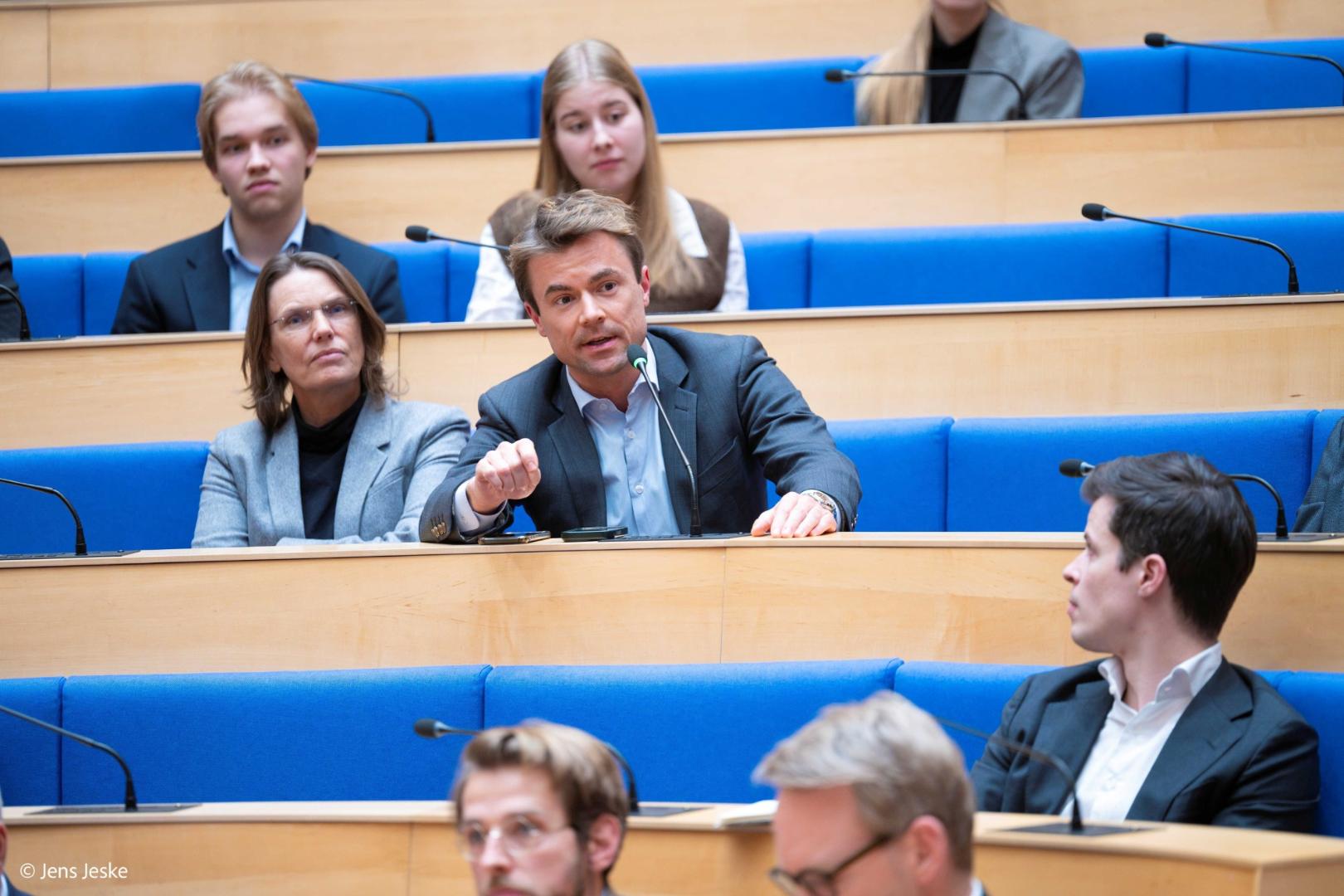
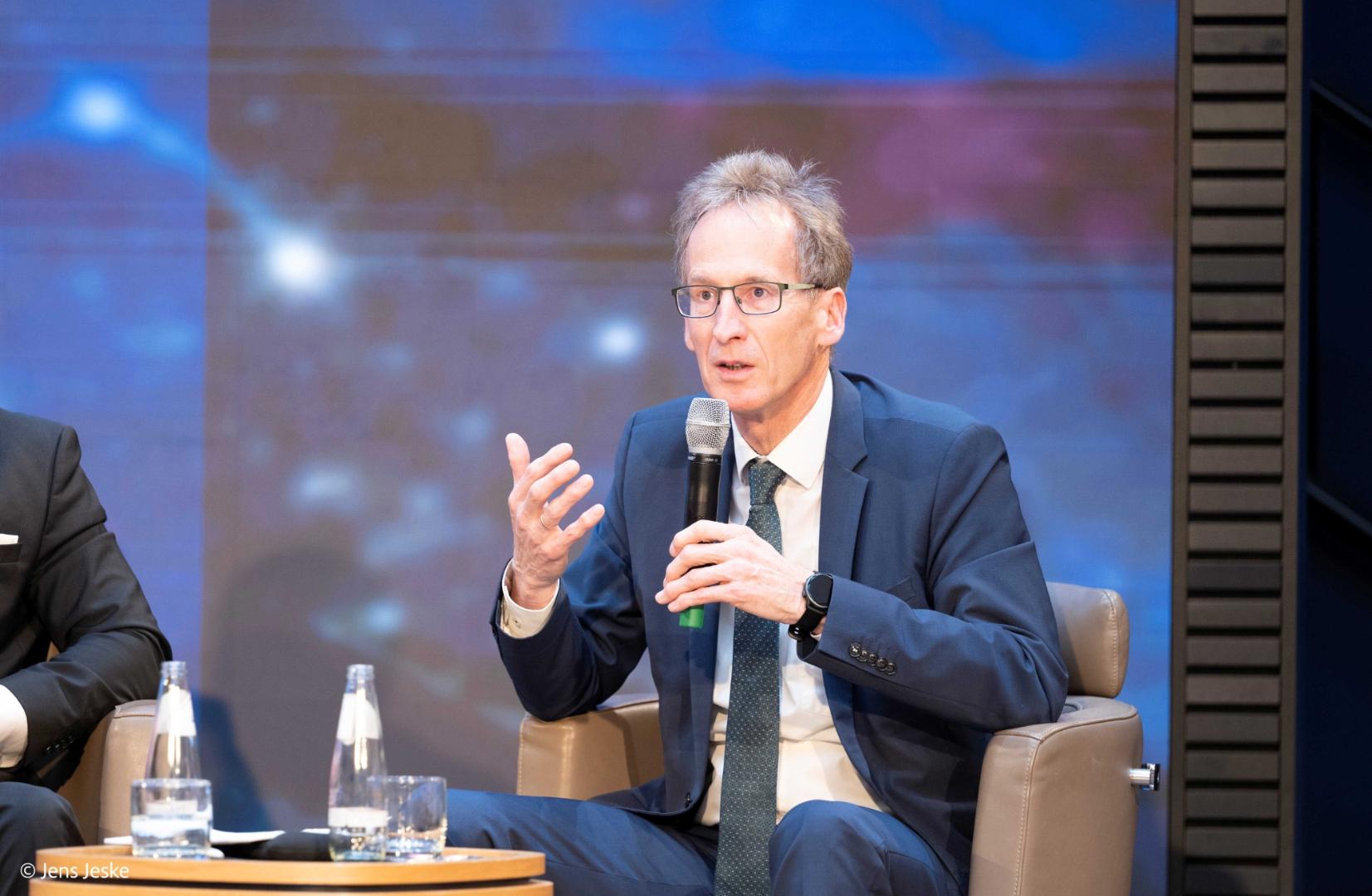 KAS / Jens Jeske
KAS / Jens Jeske
KAS / Jens Jeske
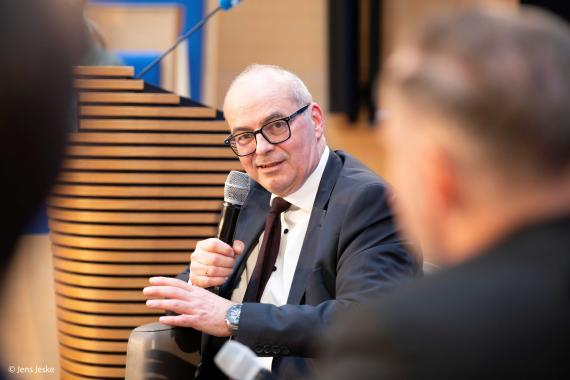
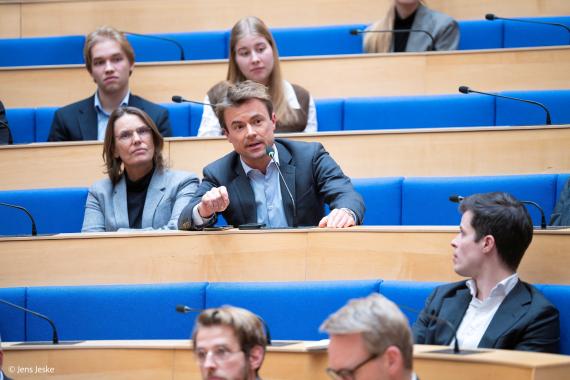
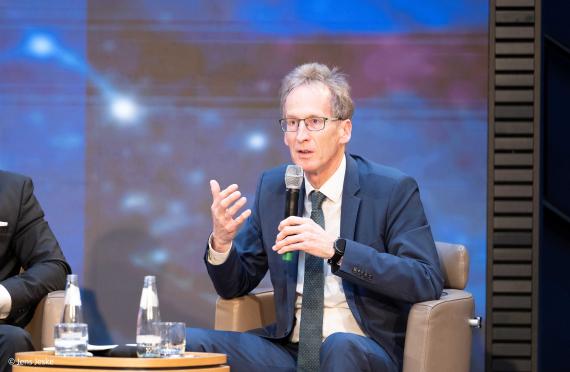
Cyberattacks, sabotage, disinformation, espionage, attacks on critical infrastructure and the instrumentalisation of migration may appear to be very different challenges. But what if they are understood as parts of the same strategy?
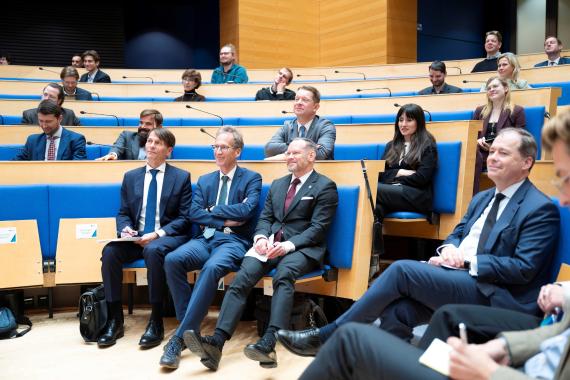
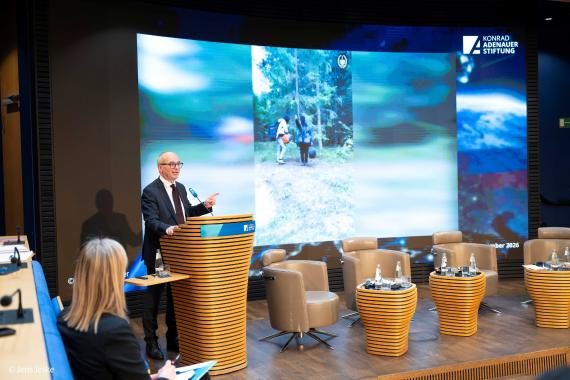
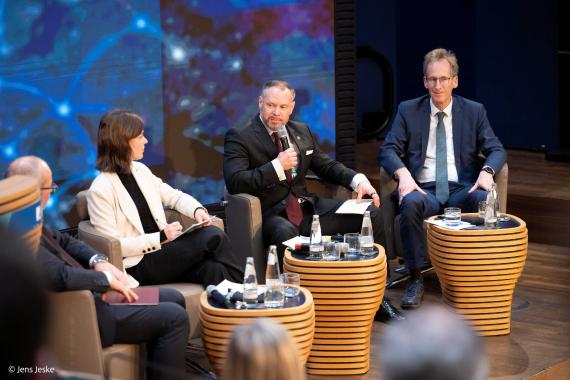
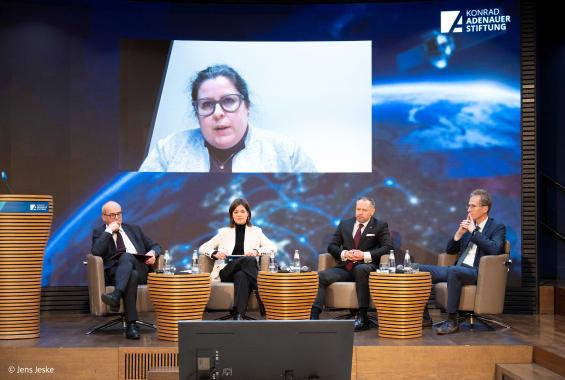
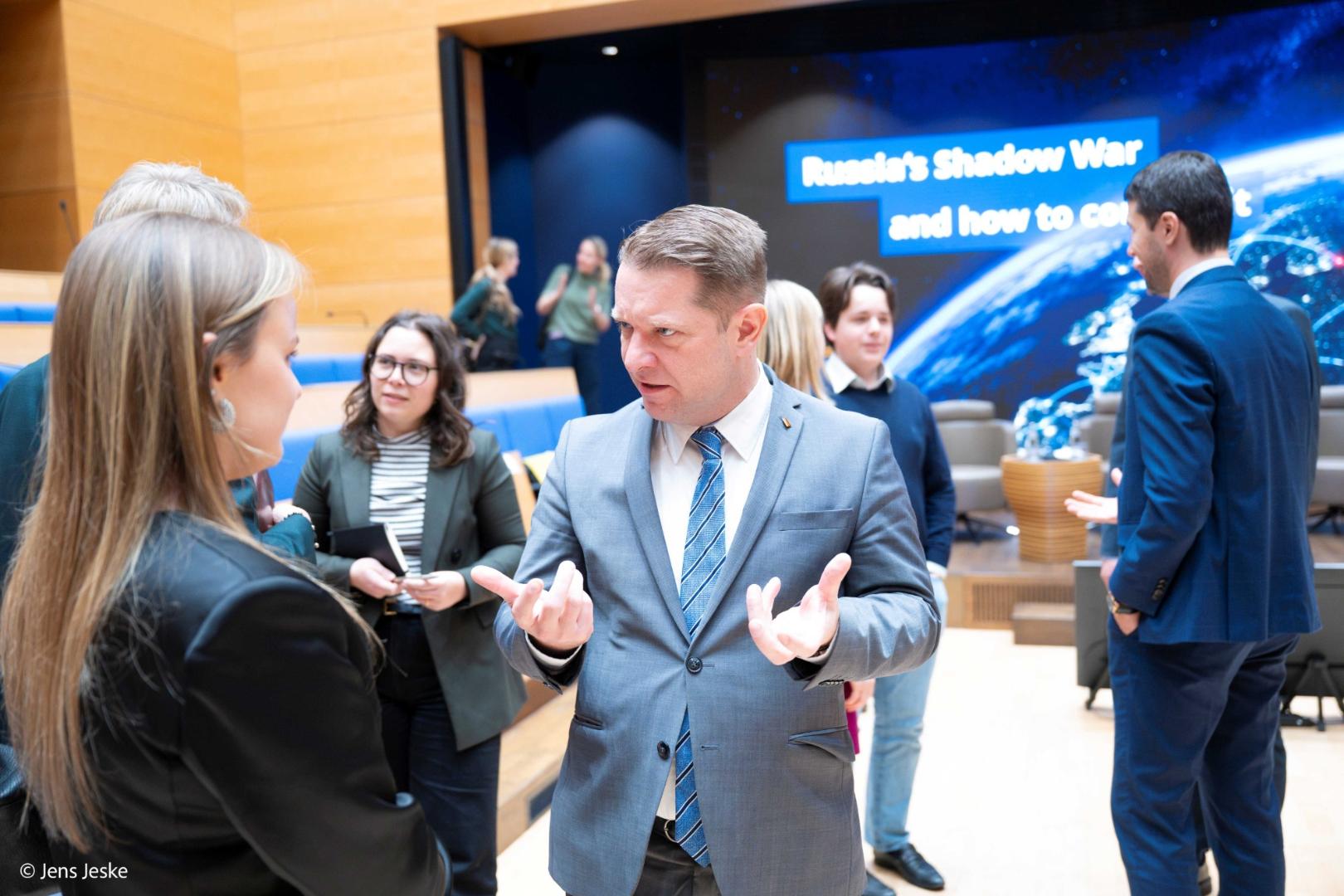
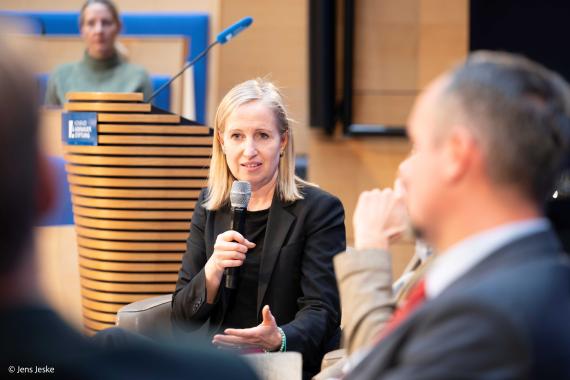
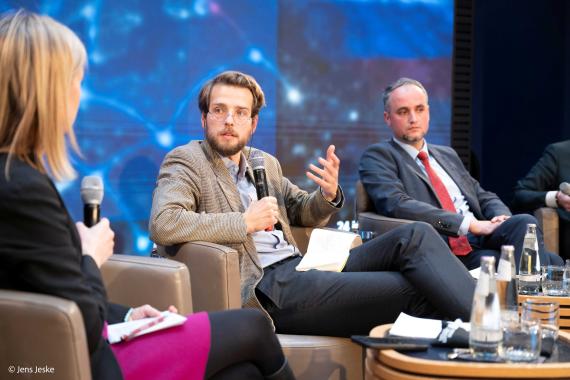
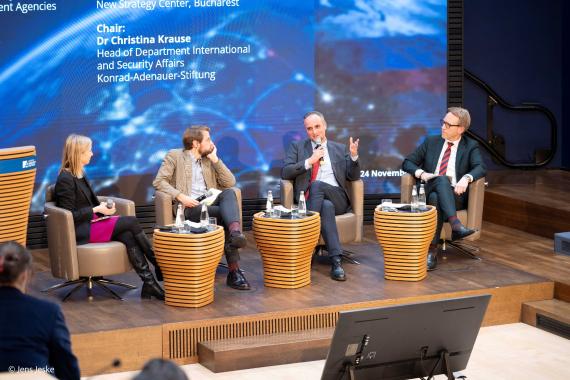
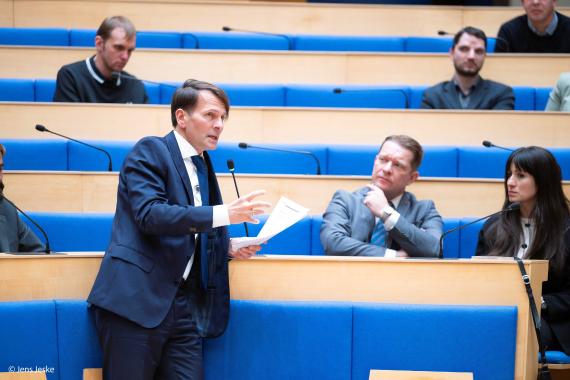
This question was at the heart of an expert conference at the Konrad-Adenauer-Stiftung in Berlin. Bringing together policymakers, security practitioners and experts from across Europe, the event focused not only on analysing Russia’s “shadow war”, but above all on what can be done to counter it. The central insight: European security increasingly depends on the resilience of our institutions, infrastructure and societies.
Connect the dots
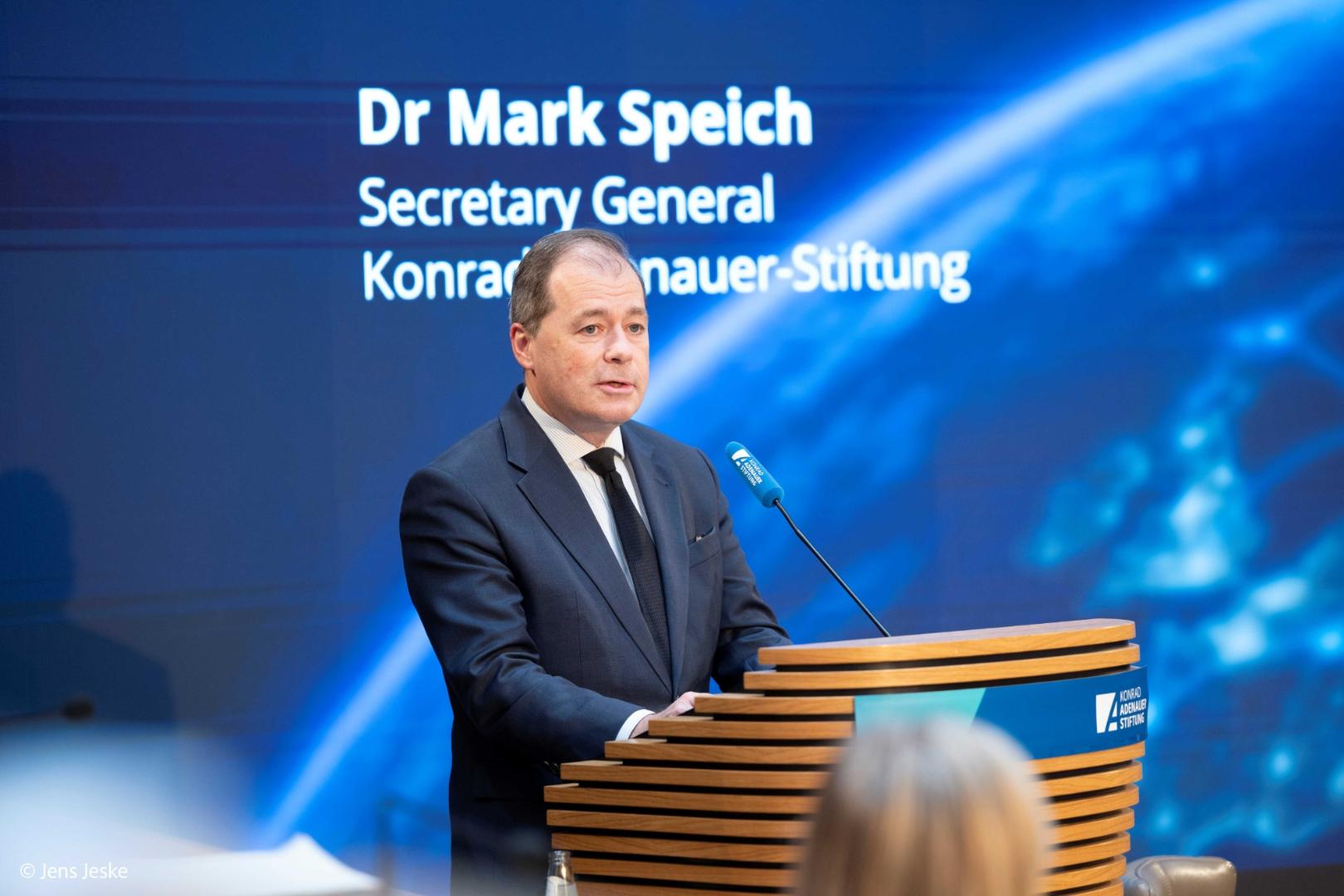
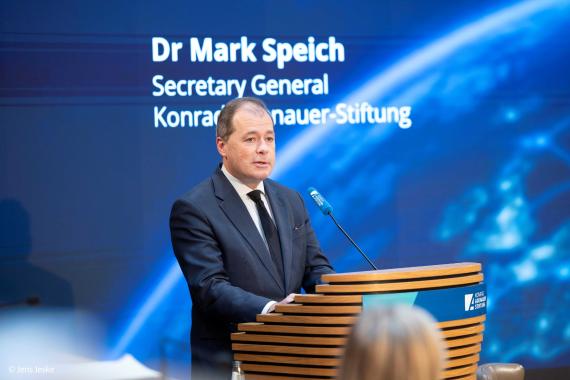
The first requirement is to recognise the pattern. As KAS Secretary General Mark Speich emphasised in his opening remarks, the traditional distinction between internal and external security is becoming increasingly blurred. Russia’s activities below the threshold of conventional war exploit precisely these grey zones.
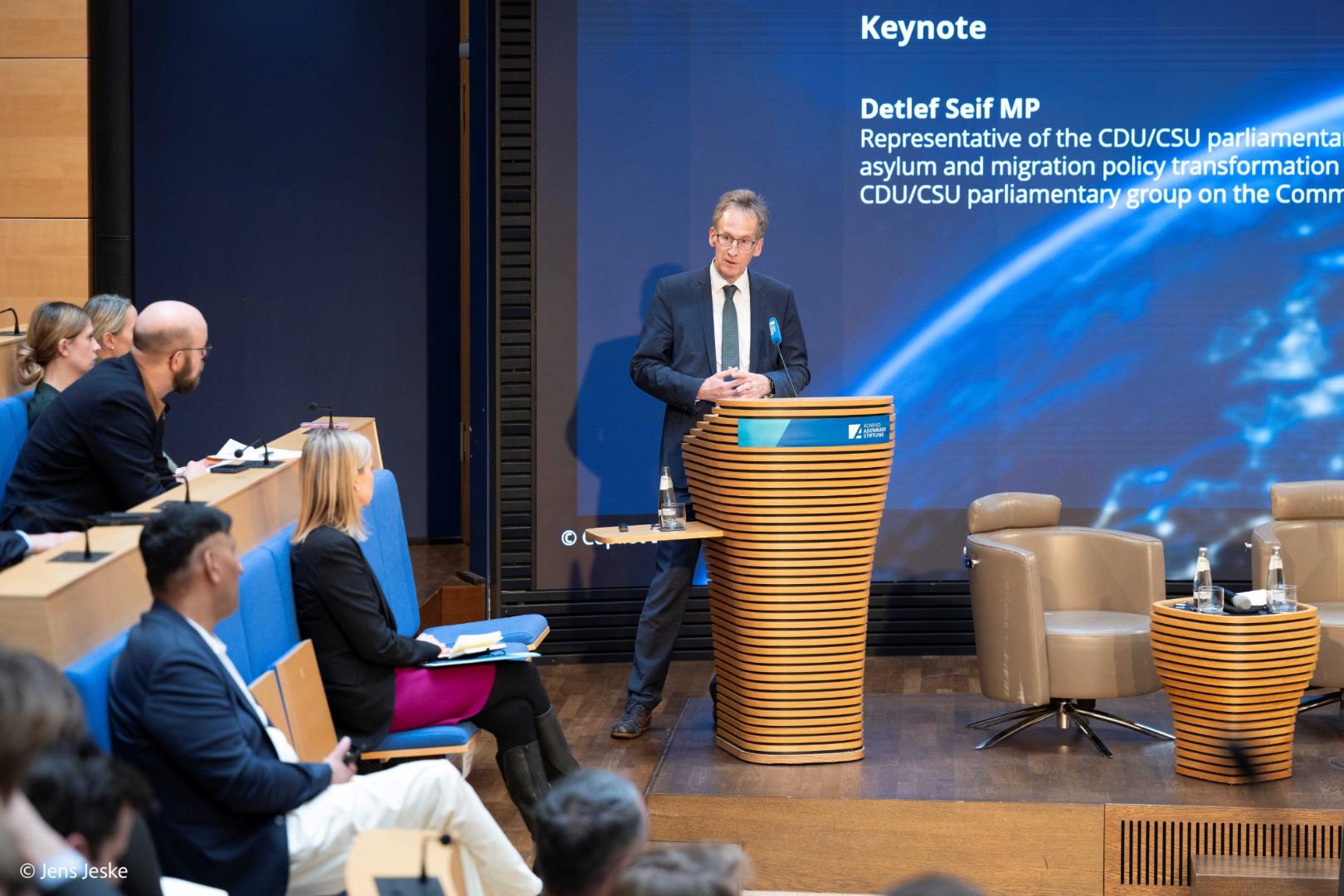
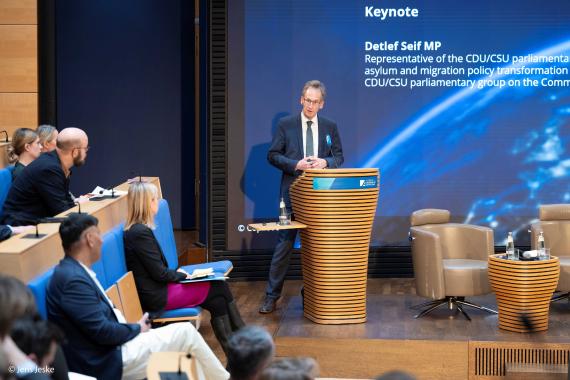
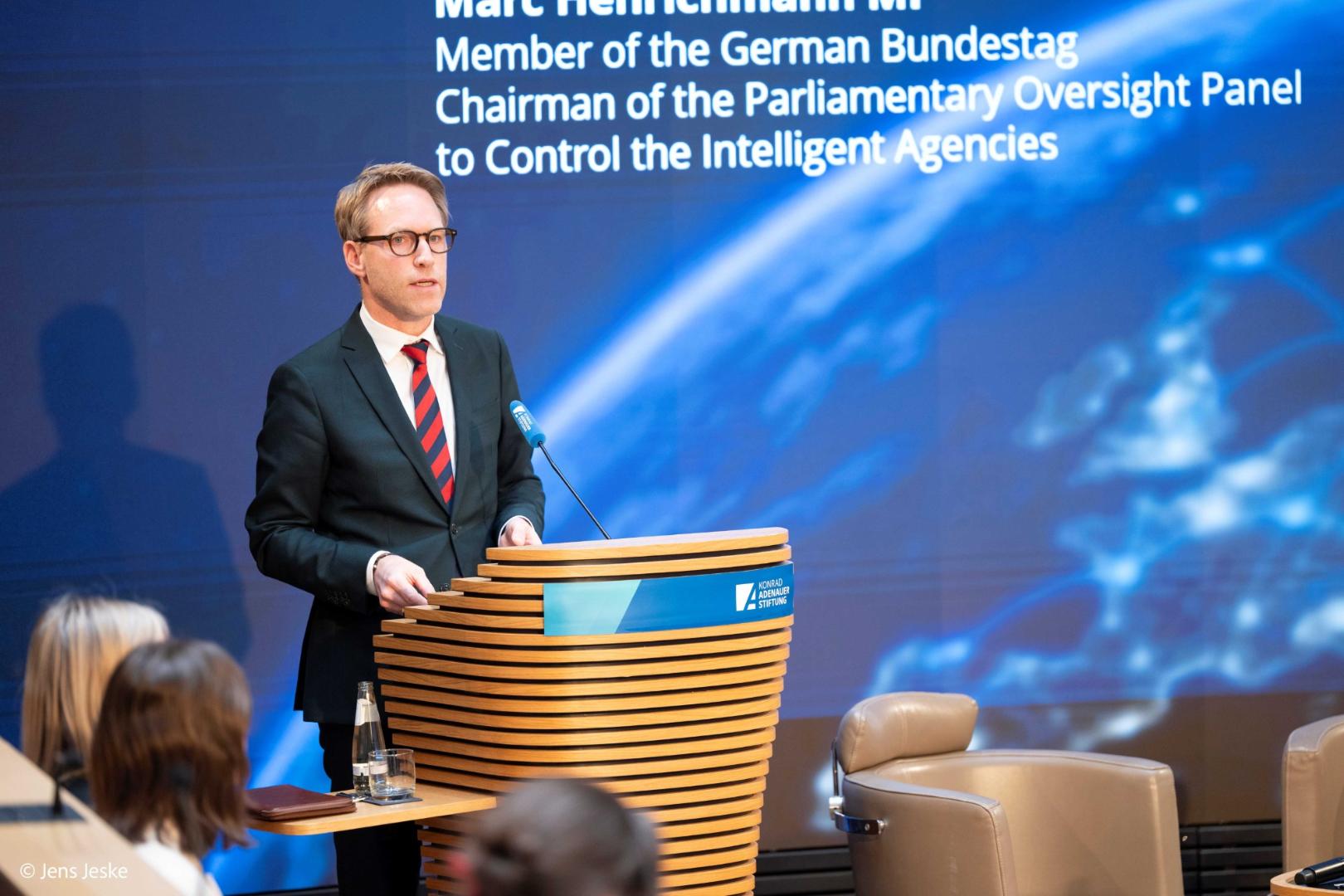
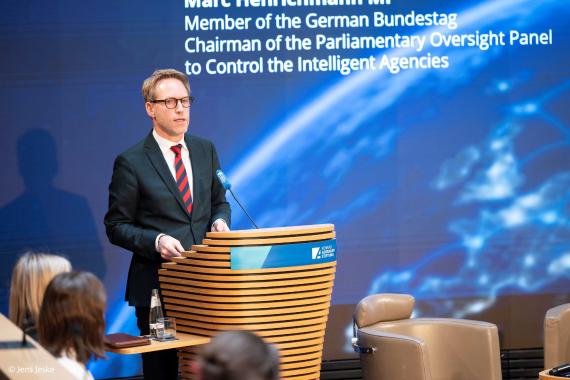
The German MPs Detlef Seif and Marc Henrichmann illustrated how disinformation, espionage, cyberattacks, sabotage and political interference can complement and reinforce one another. Their purpose is not necessarily to provoke an open military confrontation. They can also generate uncertainty, impose costs, undermine confidence in democratic institutions and weaken Europe’s ability to act collectively.
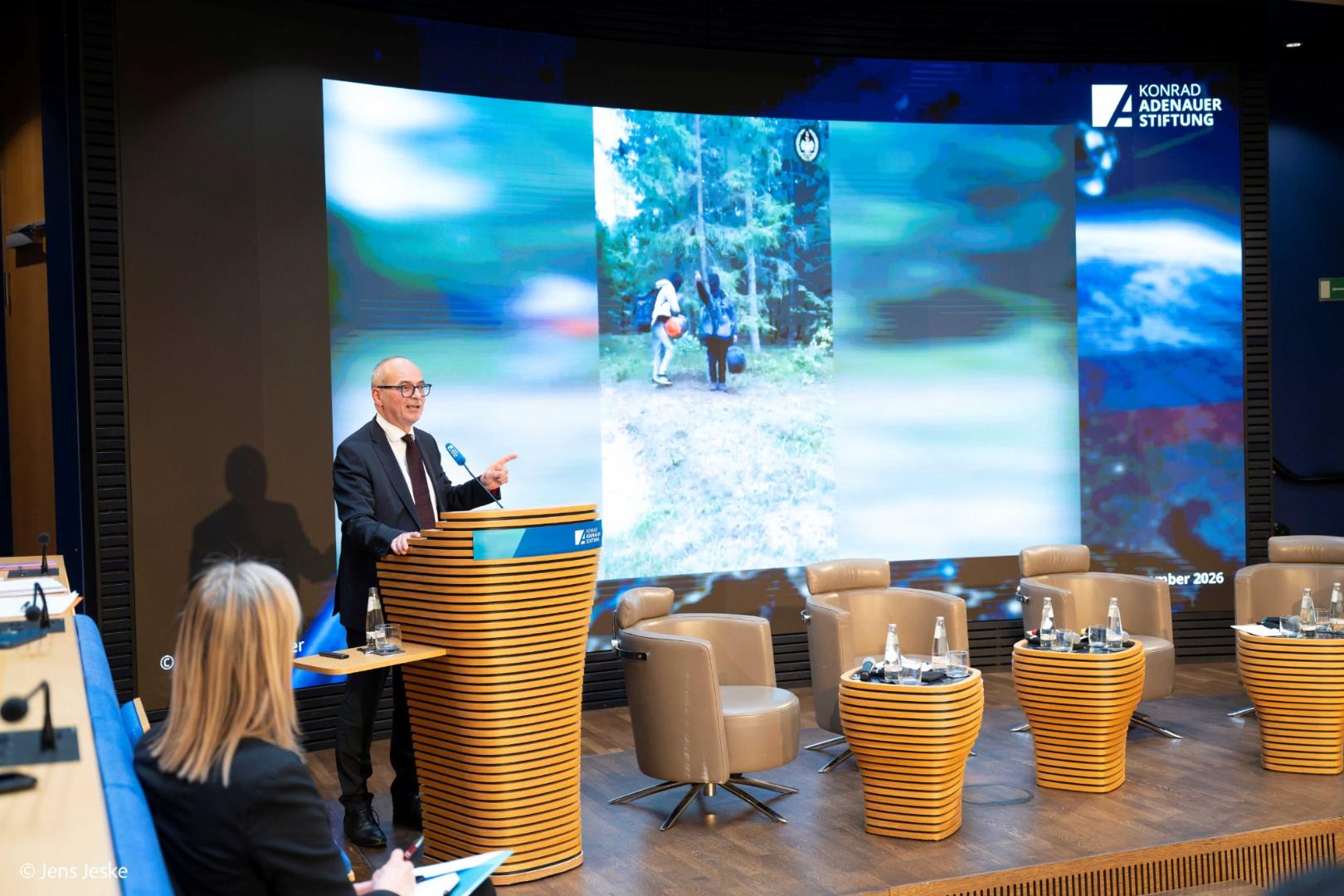
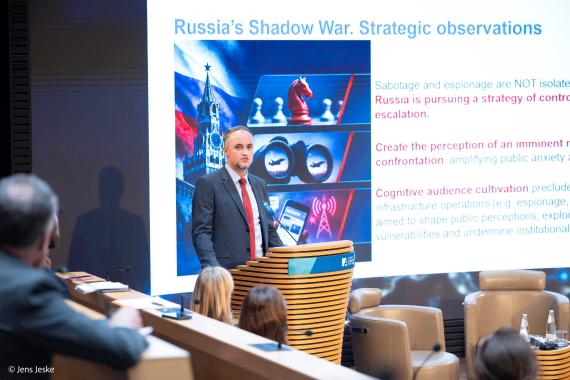
The same logic applies to the instrumentalisation of migration. Zbigniew Muszyński, Head of Poland’s Government Centre for Security, presented evidence from the Polish-Belarusian border showing the organised nature of pressure on Europe’s external borders. Lars Gerdes, Deputy Executive Director of Frontex, placed the Polish experience in a wider European context, pointing to comparable patterns elsewhere.
 KAS / Jens Jeske
 KAS / Jens Jeske
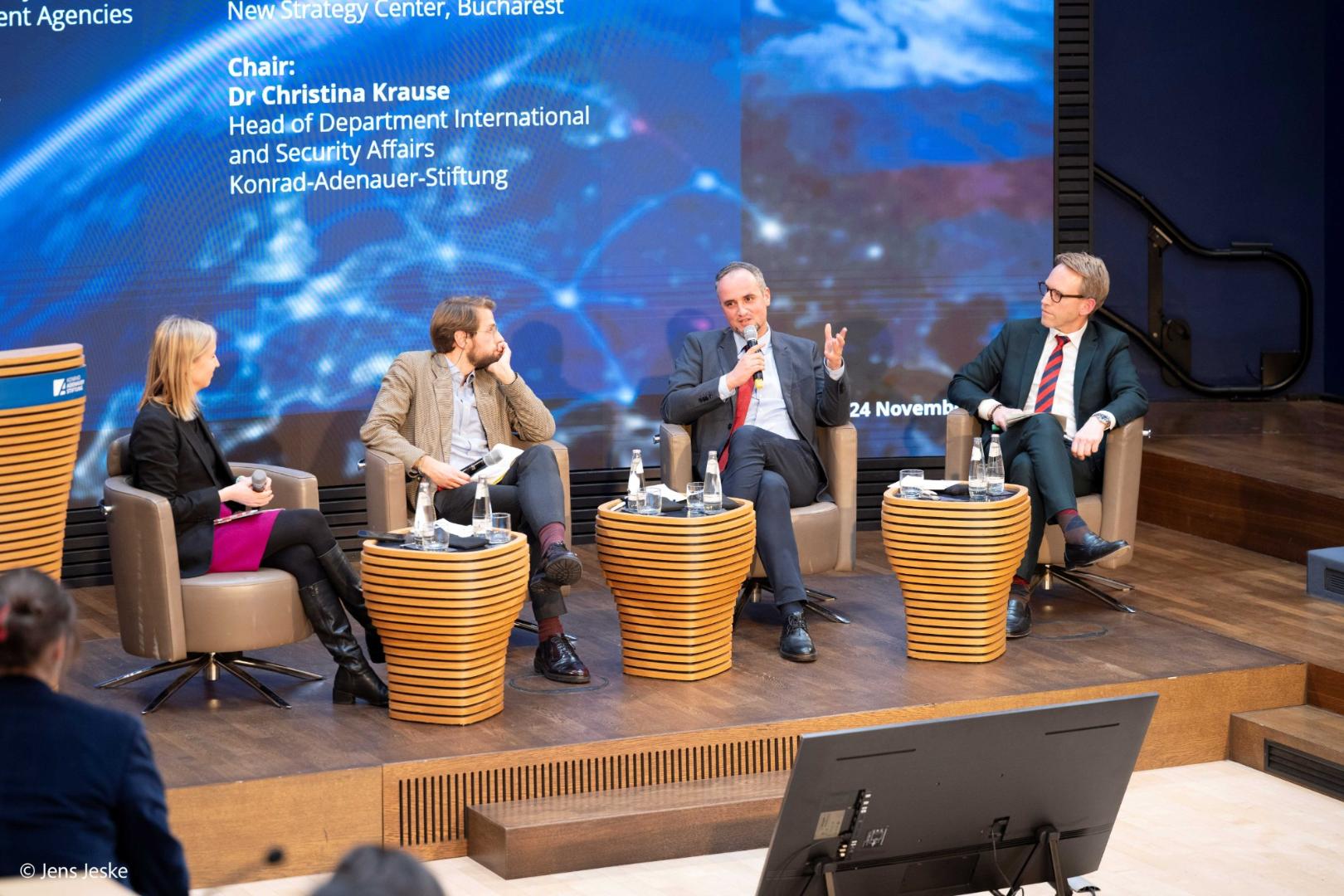 KAS / Jens Jeske
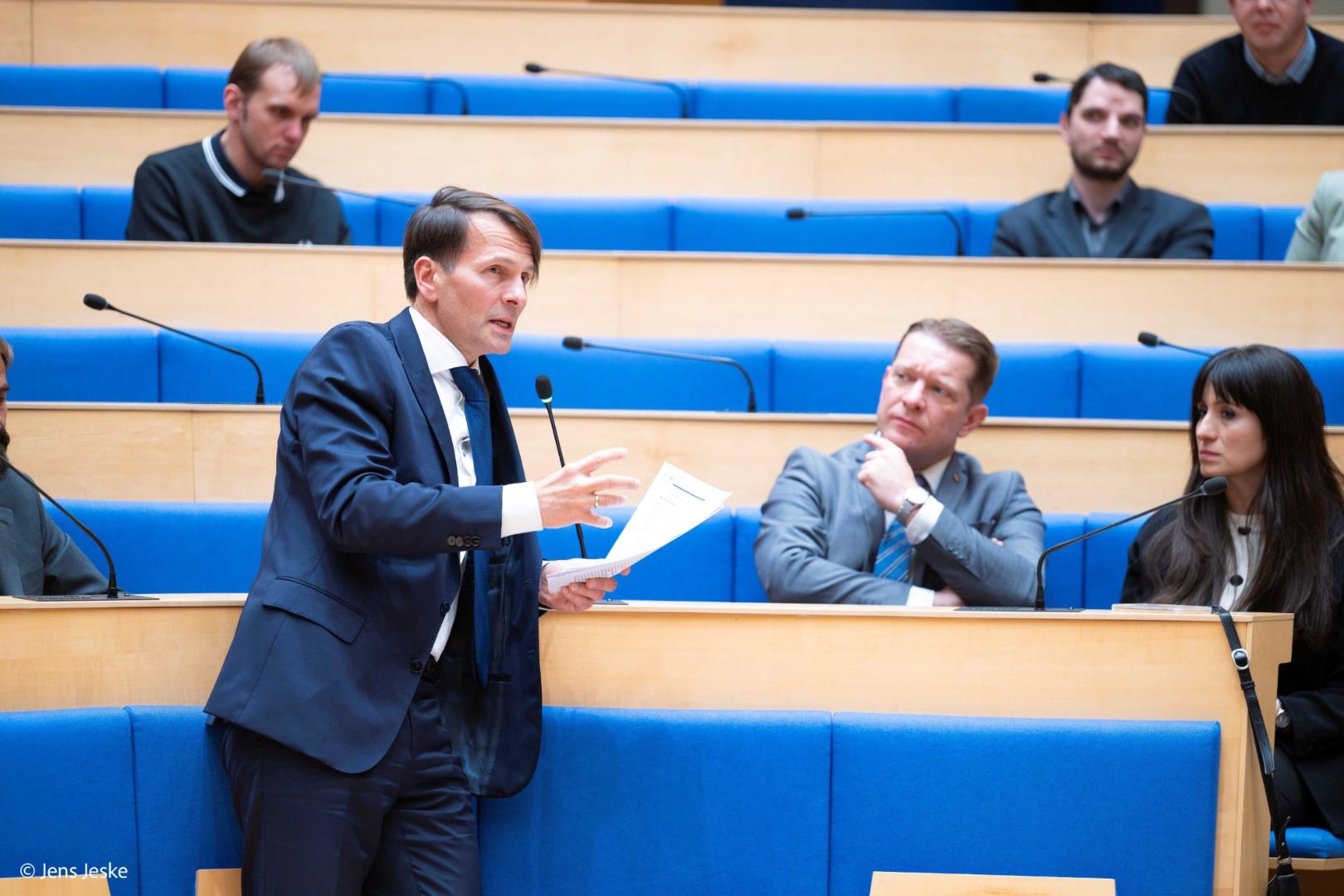
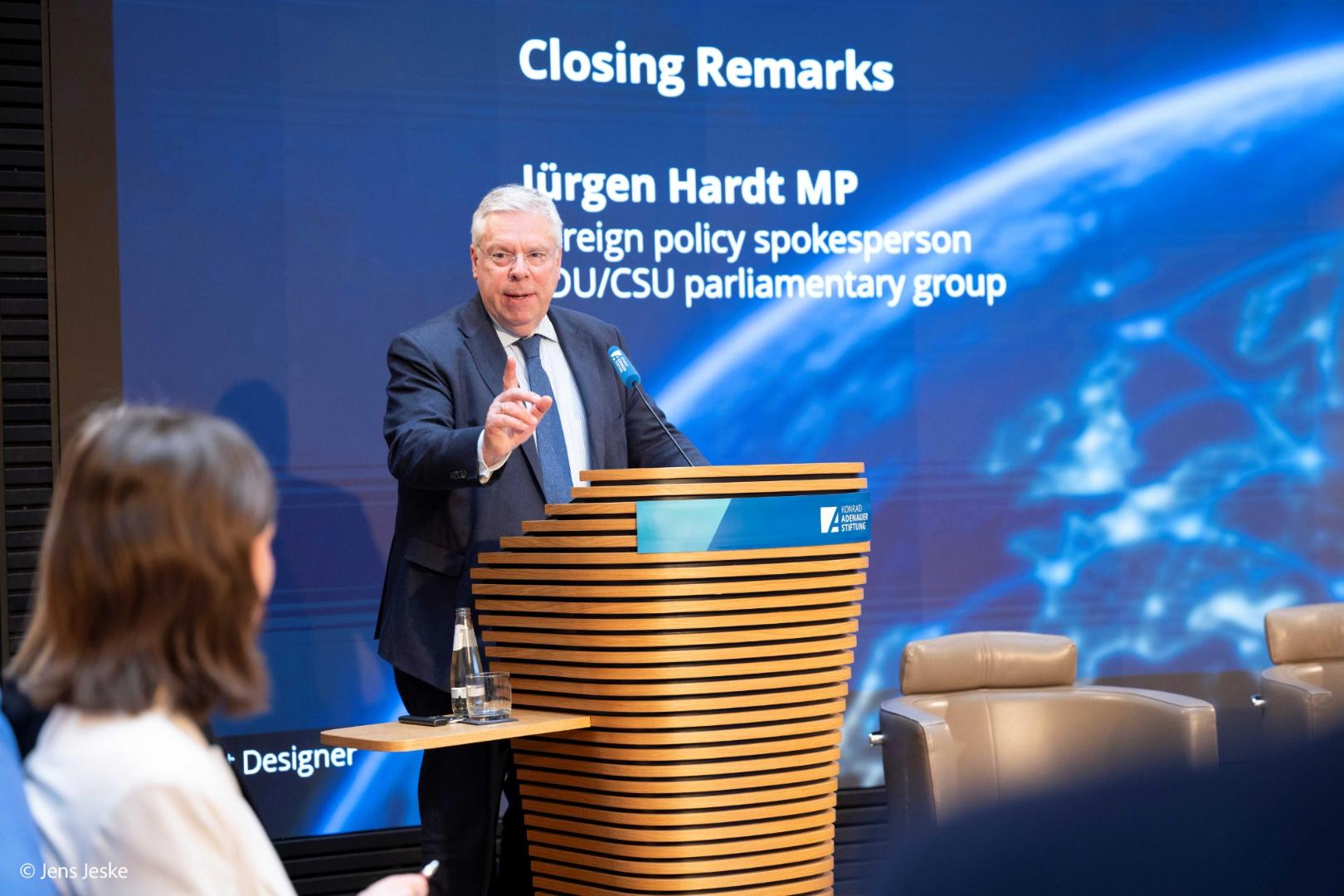
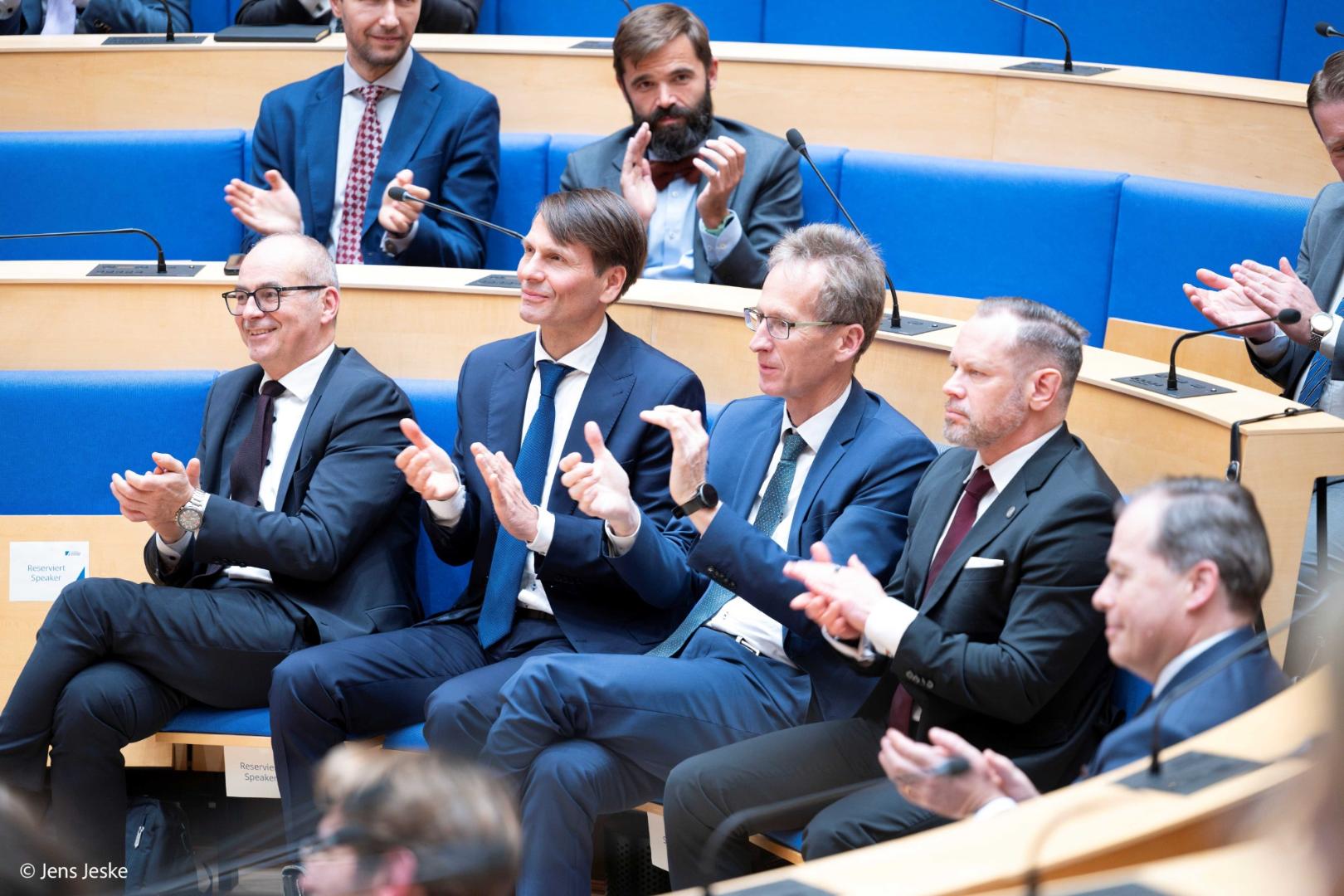 KAS / Jens Jeske
 KAS / Jens Jeske
KAS / Jens Jeske
KAS / Jens Jeske
Prepare before the crisis
A second lesson was equally clear: resilience needs to begin long before incidents occur. Drawing on Romania’s experience, Iulian F. Popa of the New Strategy Center described how exercises can expose vulnerabilities that otherwise remain invisible until a real crisis. His examples also demonstrated another challenge: hostile actors can exploit the information vacuum between an incident and an official response. Fast, transparent and evidence-based communication therefore becomes part of security itself.
Ferdinand Gehringer of FTI Consulting made the case for looking beyond the protection of individual facilities. Energy supply, transport, communications, public authorities and private companies depend on one another. Resilience therefore requires redundancies, functioning supply chains, regional planning and regular exercises before disruption occurs.
Everyone has a role
Perhaps the most important conclusion concerned society itself. Governments, intelligence services and armed forces cannot make a country resilient on their own.
Lena Düpont MEP summarised the necessary response through three Cs: communication, coordination and cooperation. Citizens need credible information about threats, authorities need to work across institutional boundaries, and governments must cooperate with civil society and first responders.
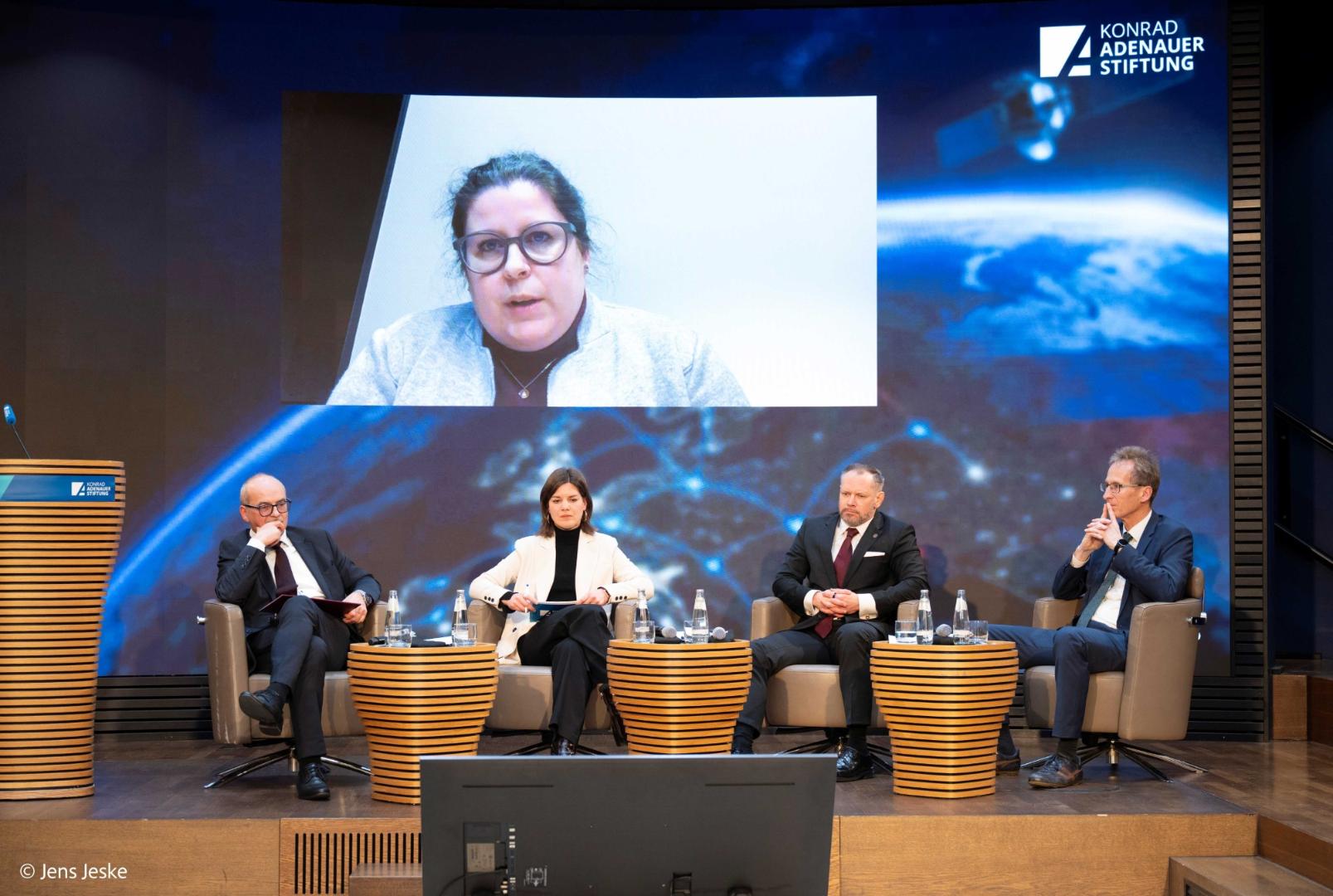
That also changes the role of citizens. Preparedness means knowing how to respond when essential services are disrupted. Resilience means being able to recognise attempts at manipulation rather than unintentionally amplifying them. Digital literacy and an understanding of how hostile influence works make it harder to exploit existing societal divisions. Businesses, meanwhile, need contingency plans and redundancies rather than assuming that the state can prevent every disruption. As moderator Christina Krause stressed, the vulnerabilities Russia seeks to exploit are interconnected. The response must therefore connect the dots as well.
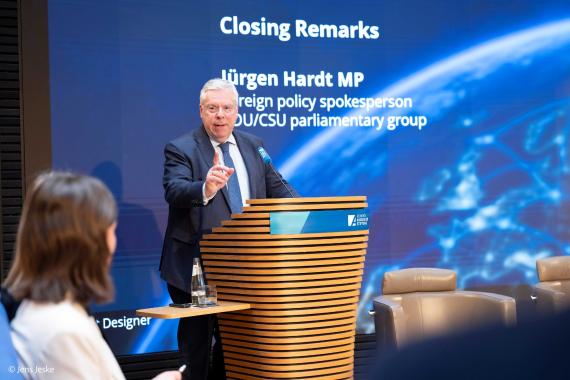
In his closing remarks, Jürgen Hardt MP placed this task in the wider context of defending Europe’s democratic order and maintaining European unity in support of Ukraine. The message from Berlin was therefore not one of helplessness. On the contrary: open societies possess considerable resources with which to defend themselves. But resilience starts with understanding that security is not something the state simply provides. It is something institutions, businesses and citizens create together.