






Russia is now driving the process towards a union state with Belarus, which has long been simmering on a low flame, at all levels and at high speed. Most recently, the pompous forum ‘Great Heritage - Common Future’ took place at the end of April in Volgograd, Russia, on the margins of the commemoration of the 80th anniversary of the victory of the Red Army in Stalingrad. What independent observers describe as Moscow's ‘victory hysteria’ surrounding the military parade on 9 May, is equally evident in official Belarusian rhetoric. The Russian narrative about the interpretation of the history of World War II is also actively employed in Belarus to justify aggression against Ukraine and to shape its stance toward Europe. Lukashenko has maintained his grip on power by making extensive concessions to the Kremlin, effectively trading Belarusian sovereignty for political survival. In terms of security policy, the ‘Agreement on Security Guarantees in the Union State’, ratified in Moscow at the beginning of the year, represents a further stage of escalation. Among other things, it enables military bases for Russian nuclear missiles, which can reach Vilnius in two minutes. Russia needs the regime in the neighboring country as a critical military ally, relying on its territory for missile deployment and as a strategic staging ground for troops near the borders of Lithuania, Poland, and Ukraine. The upcoming Zapad 2025 military exercises, scheduled for September, evoke troubling memories of the large-scale Russian invasion of Ukraine in February 2022, which followed similar “training maneuvers.”
Or adjust your cookie settings under privacy policy.
A Closer Look: The New Tunisian Draft Constitution
On the 25th July 2022 Tunisia will be voting on a new draft constitution. What can we expect? We asked the experts: Prof. Salsabil Klibi, Saïd Bernabia and Dr. Malte Gaier.
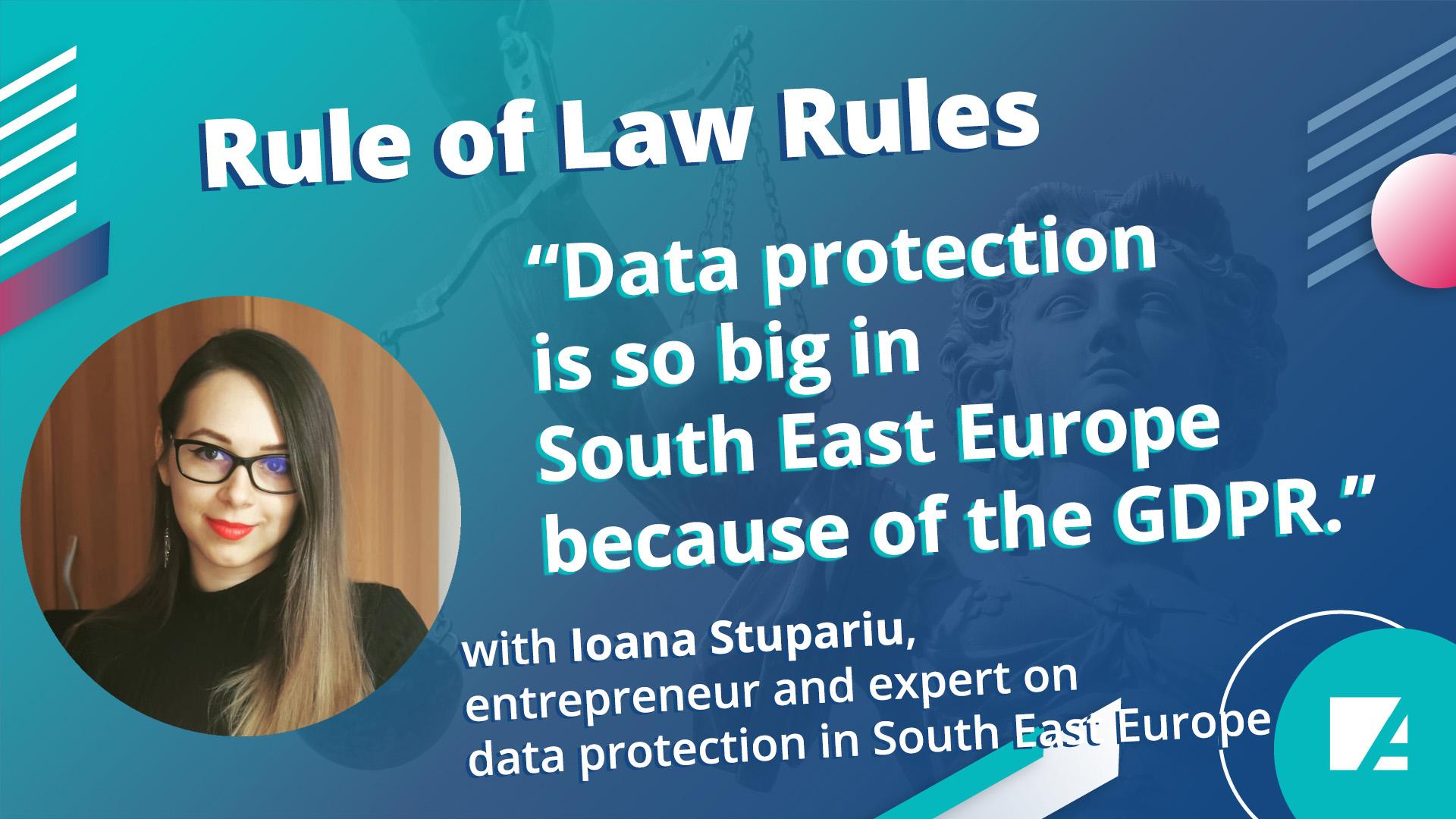
#2: Ioana Stupariu on the GDPR's influence in South East Europe
Ioana Stupariu works with tech and healthcare start-ups and companies across Central and Eastern Europe. And she researches on Data protection & Privacy.
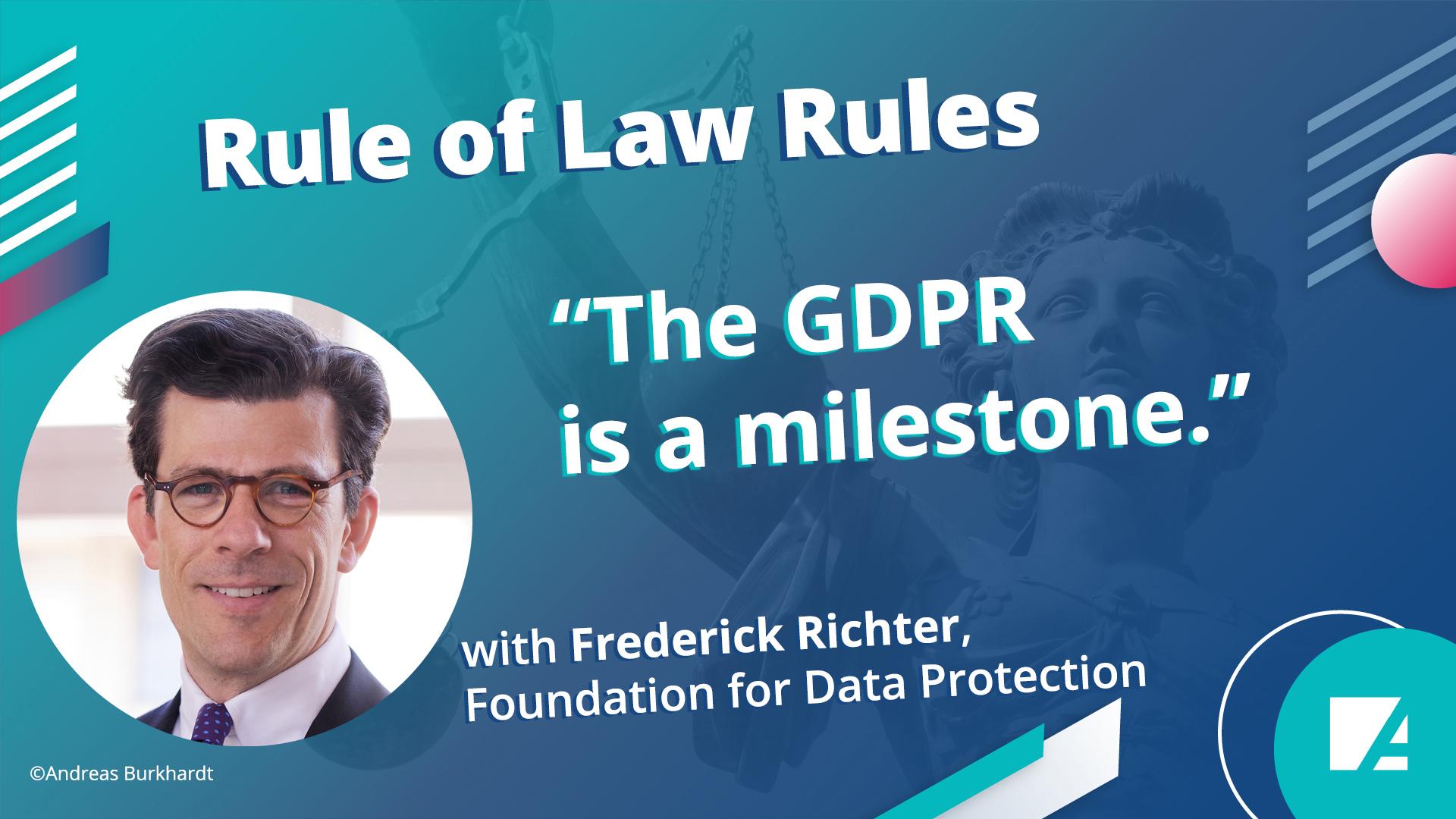
#1: Frederick Richter on the the EU’s GDPR and data protection worldwide
We look at the EU’s GDPR: How is data protection handled in other parts of the world? How can we establish international standards? And what will happen next?