KAS / Jens Jeske
 KAS / Jens Jeske
 KAS / Jens Jeske
 KAS / Jens Jeske
 KAS / Jens Jeske
 KAS / Jens Jeske
 KAS / Jens Jeske
 KAS / Jens Jeske
 KAS / Jens Jeske
 KAS / Jens Jeske
 KAS / Jens Jeske
 KAS / Jens Jeske
KAS / Jens Jeske
KAS / Jens Jeske
KAS / Jens Jeske
KAS / Jens Jeske
KAS / Jens Jeske
KAS / Jens Jeske
KAS / Jens Jeske
KAS / Jens Jeske
KAS / Jens Jeske
KAS / Jens Jeske
KAS / Jens Jeske
KAS / Jens Jeske
KAS / Jens Jeske
KAS / Jens Jeske
KAS / Jens Jeske
KAS / Jens Jeske
KAS / Jens Jeske
KAS / Jens Jeske
KAS / Jens Jeske
KAS / Jens Jeske
KAS / Jens Jeske
KAS / Jens Jeske
KAS / Jens Jeske
KAS / Jens Jeske

The fall of the Berlin Wall is inextricably linked to the European context
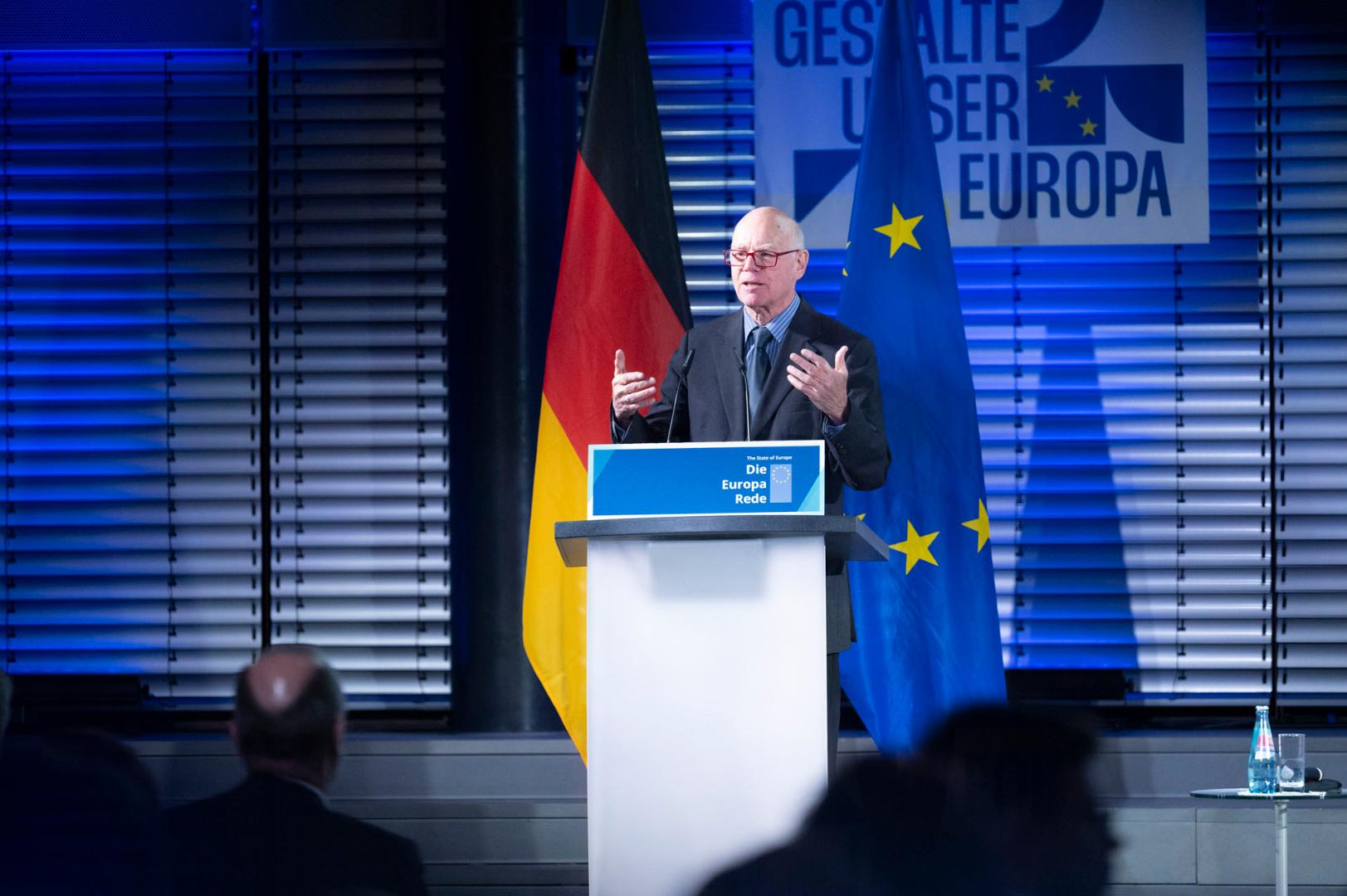
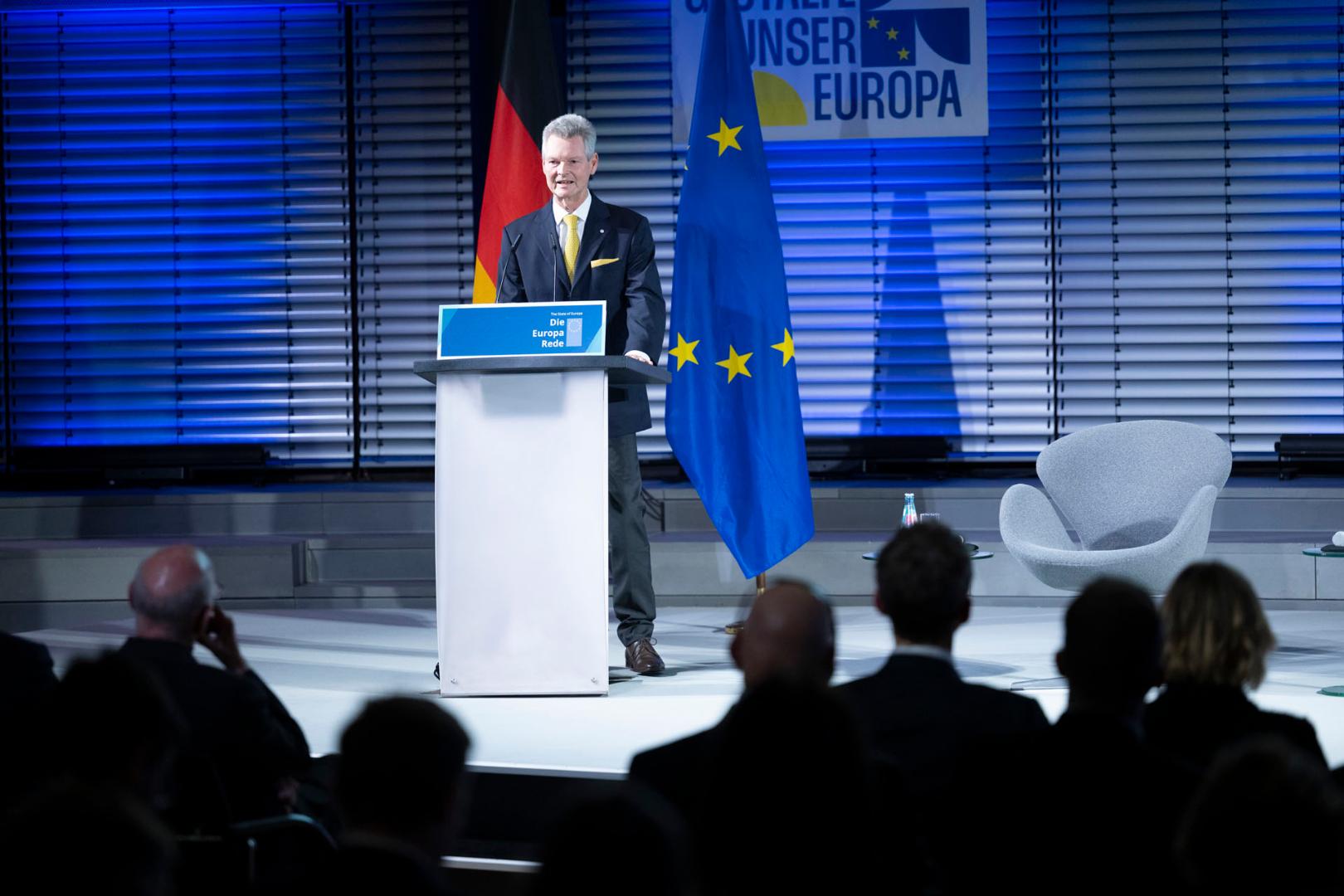
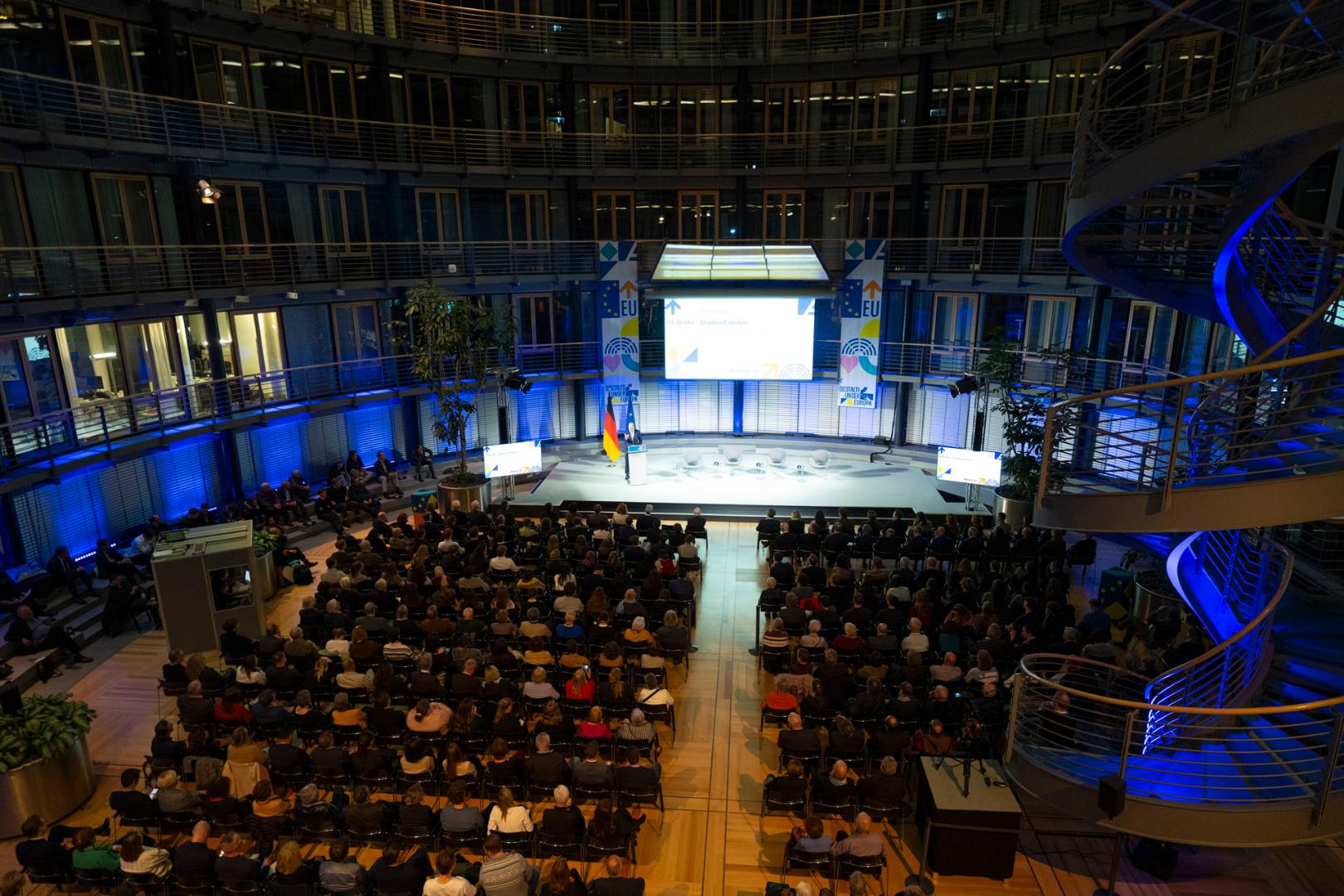
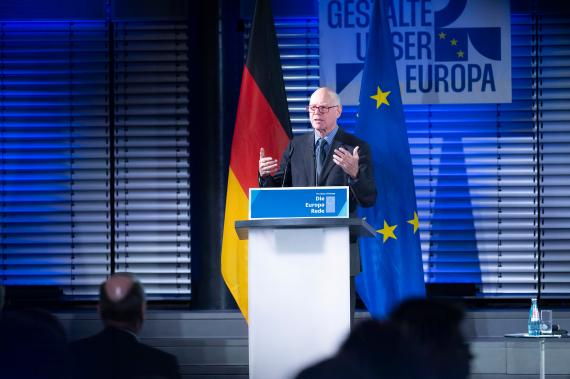
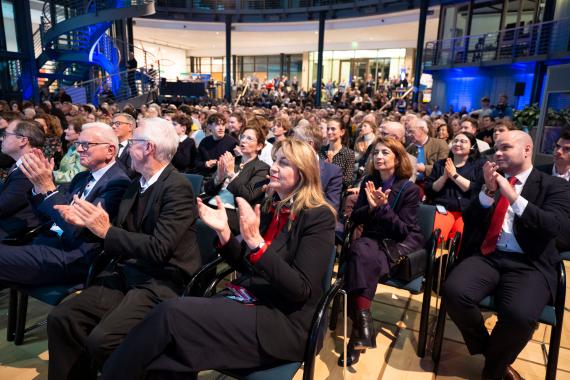
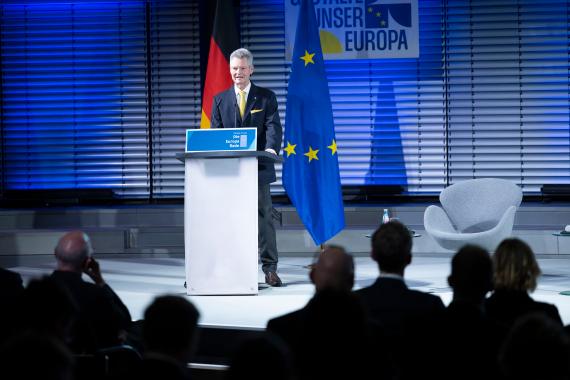
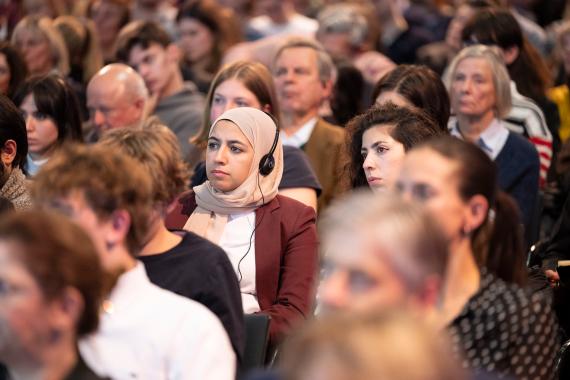
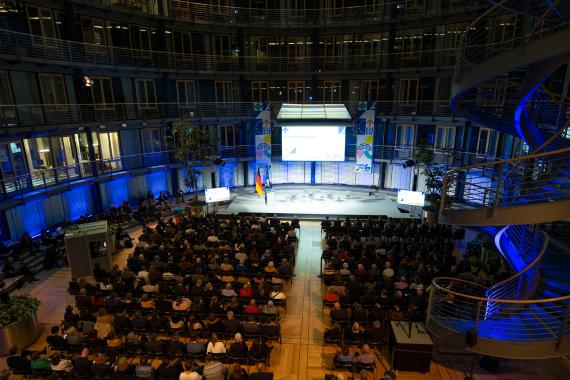
The 16th State of Europe by the Konrad-Adenauer-Stiftung was centred on the theme of freedom. Every year around the anniversary of the fall of the Berlin Wall, the Konrad-Adenauer-Stiftung invites top European representatives to talk about the future of a united Europe. In his welcome address, Prof. Dr. Norbert Lammert, Chairman of the Konrad-Adenauer-Stiftung, emphasised that the fall of the Berlin Wall as a "historical turning point in recent German history" is inextricably linked to the "European context, without which this turning point would certainly not have come about". He praised the annual State of Europe as a beacon of European unification and stressed: "What was the occasion for this format at the time has lost none of its topicality and urgency". Udo Fischer, General Representative of Allianz SE, then emphasized with regard to current multi-crises: "Risk is manageable, but uncertainty is not." This must be reduced through national and international cooperation – "It can only be done together".
Mitschnitt der Europa-Rede 2025
YouTube
Seven theses for the future of Europe
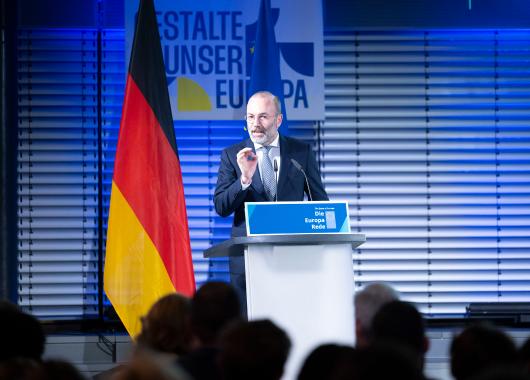
Manfred Weber, party and parliamentary group chairman of the European People's Party (EPP), opened his keynote speech with a report on his visit to the Ukrainian city of Bucha and assured: "We stand at the side of those who stand up for freedom and democracy." The united Europe offers "stability, security and prosperity".
He then put forward seven theses to lead Europe into the future:
- Grant Europe successes! For example, the EU's trade deal with the US is much more advantageous than its reputation in an international comparison – "We must not continue to formulate that the sun shines in the national capitals and it rains constantly in Brussels."
- Let us think of Europe in European terms! Media reporting must also look more at Brussels and less at the capitals in order to take into account the political weight of the decisions of the European Union.
- Europe, take your rules seriously! The rule of law is the cornerstone of the EU. Therefore, there is a need for further development of their enforcement – "In Germany, we would ultimately decide rule of law issues not in the federal government, but in Karlsruhe. And in Europe, we should also decide these rule of law issues at the ECJ in the end."
- Let's finally act! Europe has a duty to reduce excessive regulation and secure its competitiveness. In doing so, "every political level must prove that it serves people in everyday life."
- Let's think big now! On the one hand, Europe must take courageous steps and continue "the great success story of the enlargement of the European Union". At the same time, Weber underlined the independence of the EU: "Our rules are not decided in the Silicon Valley, not in the White House, but in the European Parliament."
- Let us make Europe a full parliamentary democracy! The European Parliament must be strengthened and the Council of Ministers "must be developed into a real second chamber of Europe". In addition, consideration should be given to uniting the office of Commission and Council President "in one person" in order to present a more unified image to the outside world.
- Let us look at the "European Way of Life" with pride and satisfaction! It sets Europe apart in a world with increasingly authoritarian tendencies – "Above all else is the concept of freedom; that is what makes us Europeans, that is what makes us unique."
"All generations had their tasks to fulfill," Weber concluded his appeal – "We will also tackle our tasks, the best years of Europe lie ahead of us!"
KAS Makerthon Europe
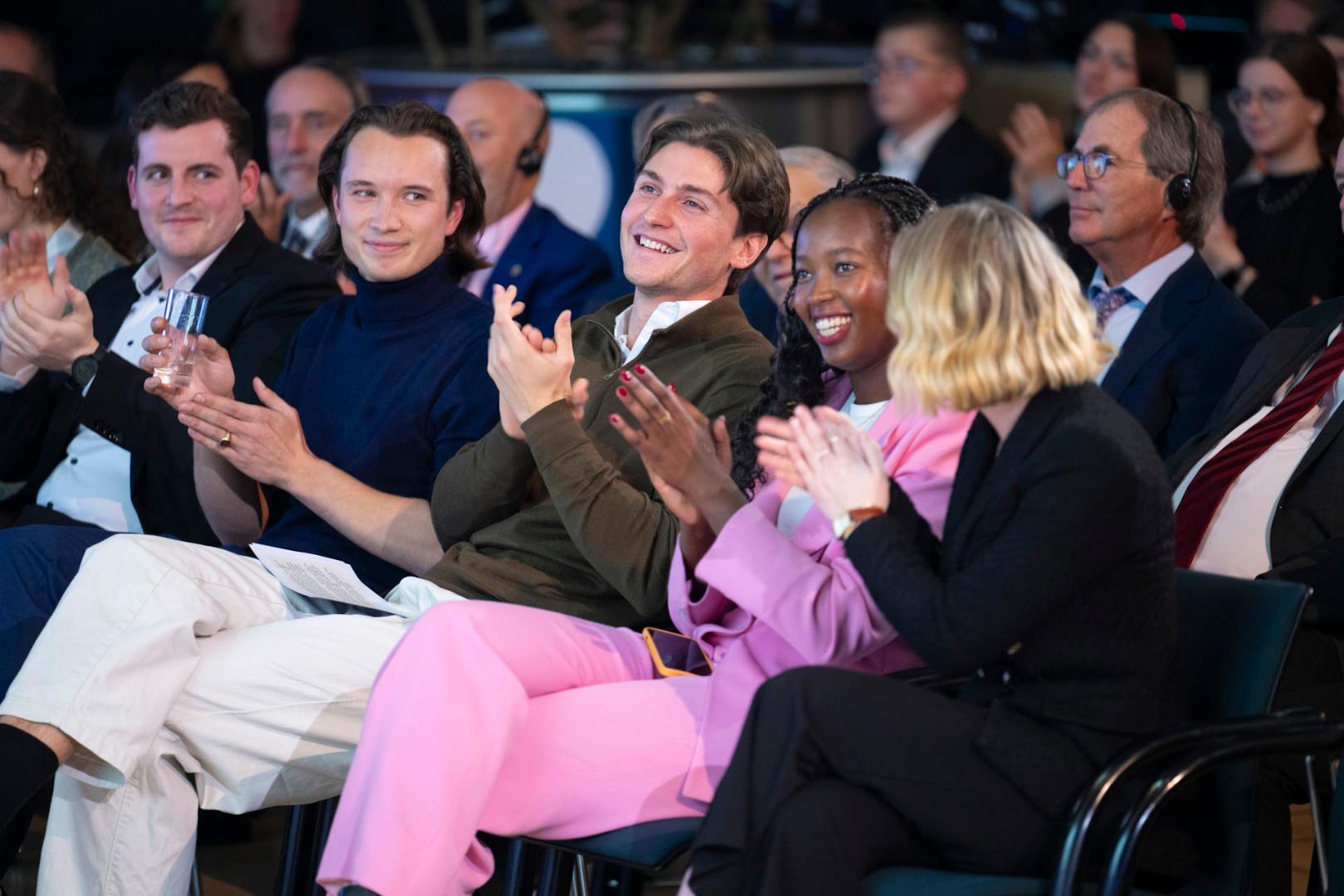
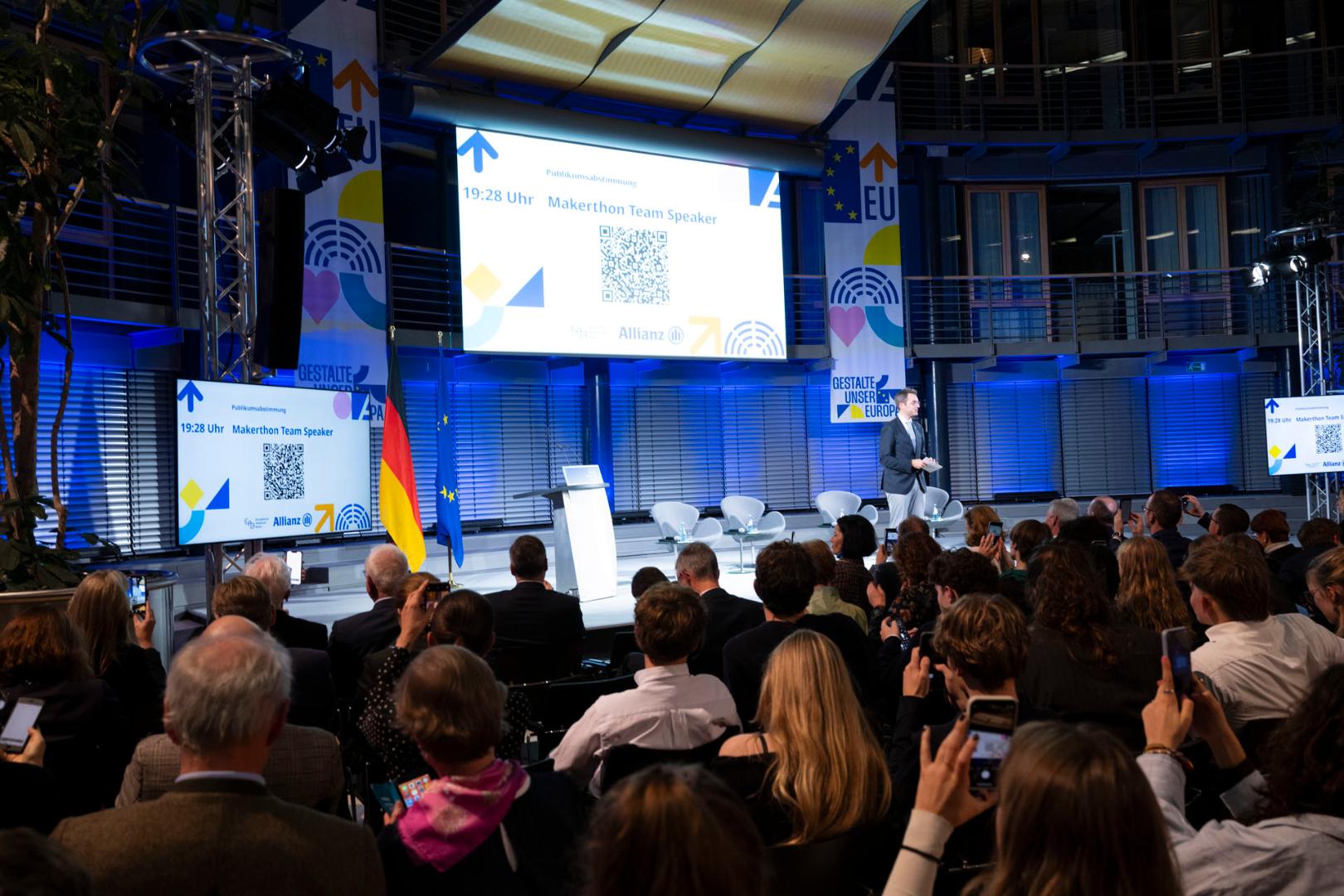
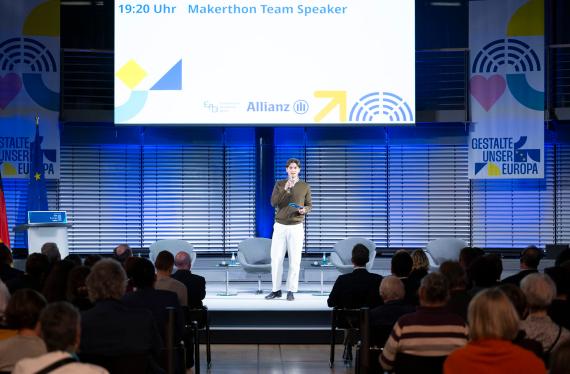
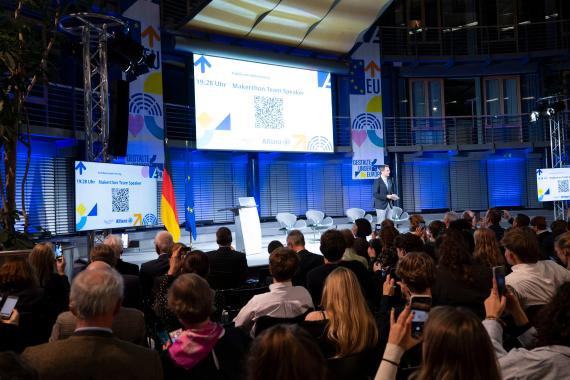
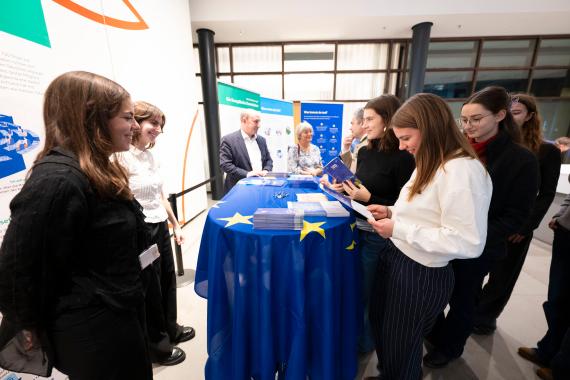
Previously, four young Europeans presented ideas that their groups had developed as part of the creative ideas competition KAS Makerthon Europe – from the development of a European Safety App by Lena Strauß, a Eurovision Start-up Contest by Mathis Sieglerschmidt, a Gen-Invest-Fund by Chelsea Nshuti to a European Monument Challenge by Finn Wandhoff. A video presentation with impressions and interviews from this year's Makerthon provided insights into the meeting, which was attended by 24 young Europeans from eleven countries and five coaches at the beginning of October in Konrad Adenauer's former summer residence on Lake Como.
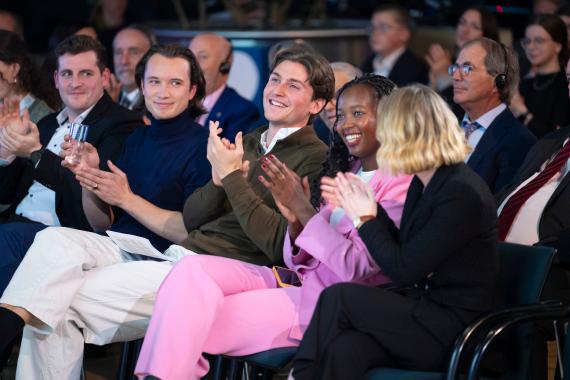
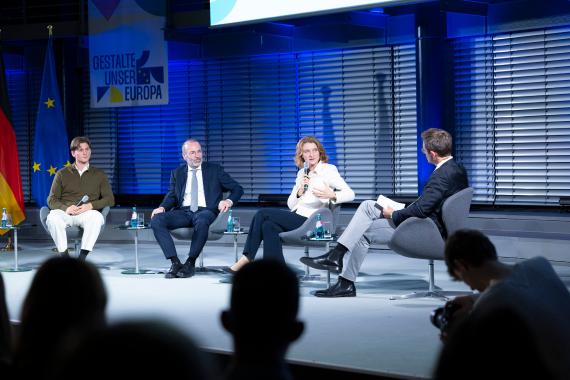
In a live vote, the audience chose the idea of the Eurovision Start-up Contest as the winner. Based on the Eurovision Song Contest, this refers to a Europe-wide competition for start-ups: Each country selects its best start-up in national preliminary rounds and the finalists present themselves live on a continent-wide stage. Millions of viewers end up voting for their favorite ideas and can become first-time investors through micro-donations or crowdfunding. As the winner of the public vote, Mathis Sieglerschmidt was able to take the seat reserved for the Makerthon winner on the panel discussion.
"Why don't we try to build Europe with emotional storytelling?"
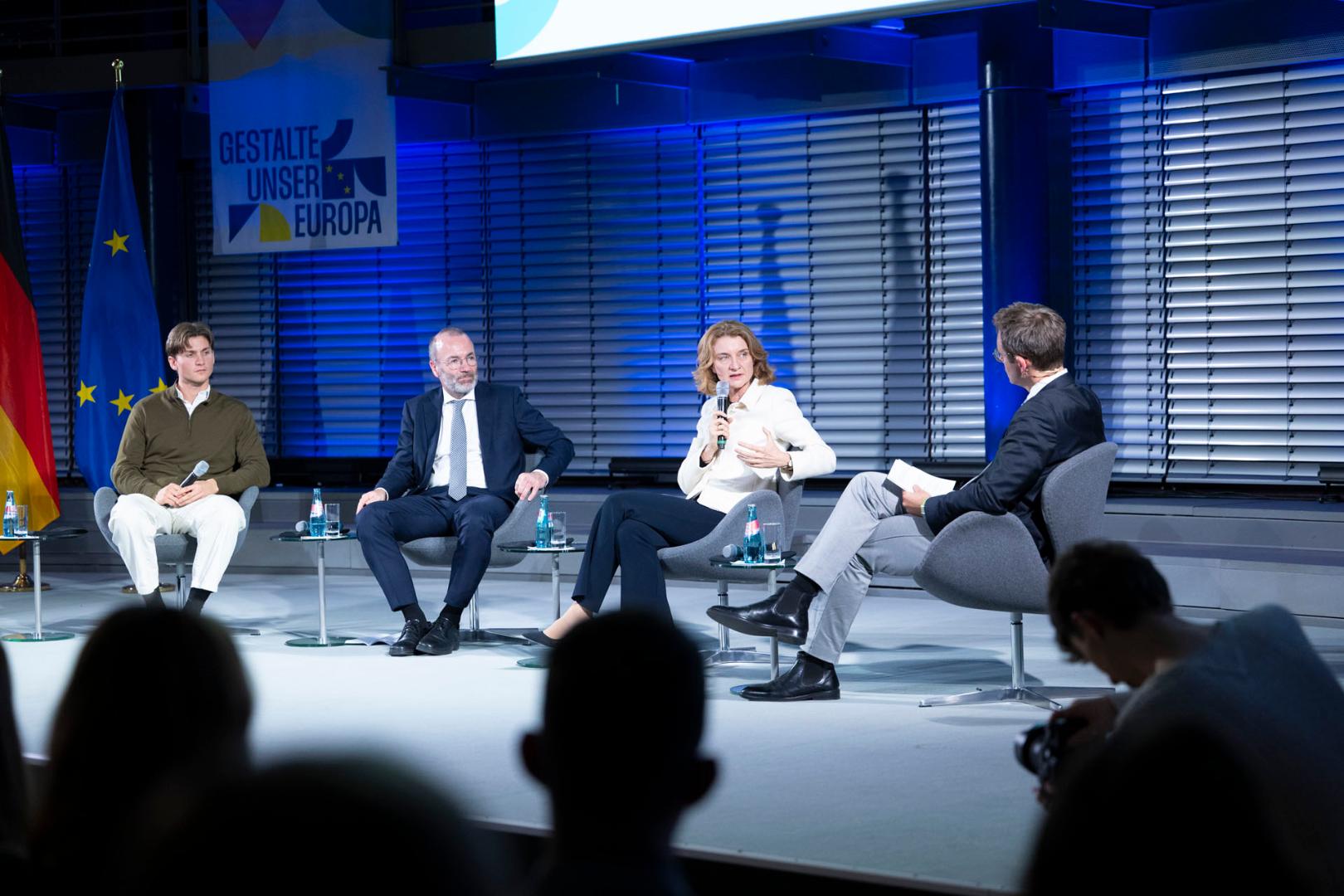
Which narrative Europe could carry in the future was a question posed by moderator Dr. Christian Johann in the panel discussion. The opponents of Europe are trying to destroy it with emotional storytelling, Mathis Sieglerschmidt replied on behalf of the young generation: "Why don't we try to build Europe with emotional storytelling?" Prof. Dr. Daniela Schwarzer, Executive Board Member of the Bertelsmann Stiftung, placed the concept of freedom at the centre, thus tying in with the leitmotif of the evening: “What distinguishes us from those who threaten us is that we are a continent where individual freedom, economic freedom, academic freedom and artistic freedom are guaranteed." Europe must also "finally create the framework conditions that we know we need". This includes the completion of the single market, the Capital Markets Union and digitalisation. "The plans for this have been in the drawers for years," Schwarzer stressed. Manfred Weber concluded with the words: "When we look at this Europe, every generation will be faced with the task of fighting for and thinking up this project for itself again." To this end, the advantages of Europe must be clearly emphasized again and again.
The State of Europe was realised in cooperation with Allianz SE and the European Academy Berlin.