Mauritania has become one of the West’s last reliable partners in the Sahel, maintaining political stability, cooperation with Europe, and gradual reforms while neighboring Mali, Burkina Faso, and Niger are ruled by military regimes. Its strategic location between North Africa, the Sahel, and West Africa makes it a key geopolitical, trade, energy, and migration hub.
President Mohamed Ould Cheikh El Ghazouani has launched a national dialogue involving government, opposition, and civil society to address political participation, social inequality, and national identity. While the process could strengthen legitimacy and stability, its success depends on translating discussions into tangible reforms.
For the EU and Germany, Mauritania has gained major strategic importance. European support has expanded significantly, including financial assistance, border management, security cooperation, and defense-capacity building.
Economically, Mauritania holds substantial potential through mineral resources, offshore natural gas projects such as GTA and BirAllah, and favorable conditions for renewable energy and green hydrogen production.
The country’s most pressing challenge is the influx of at least 350,000 Malian refugees, which strains resources, infrastructure, and social cohesion. Combined with declining international aid, this increases risks of instability and radicalization. Mauritania’s future stability will depend on managing these pressures while advancing political and economic reforms.
Please note that the full-lenght country report is only available in German.

Media library
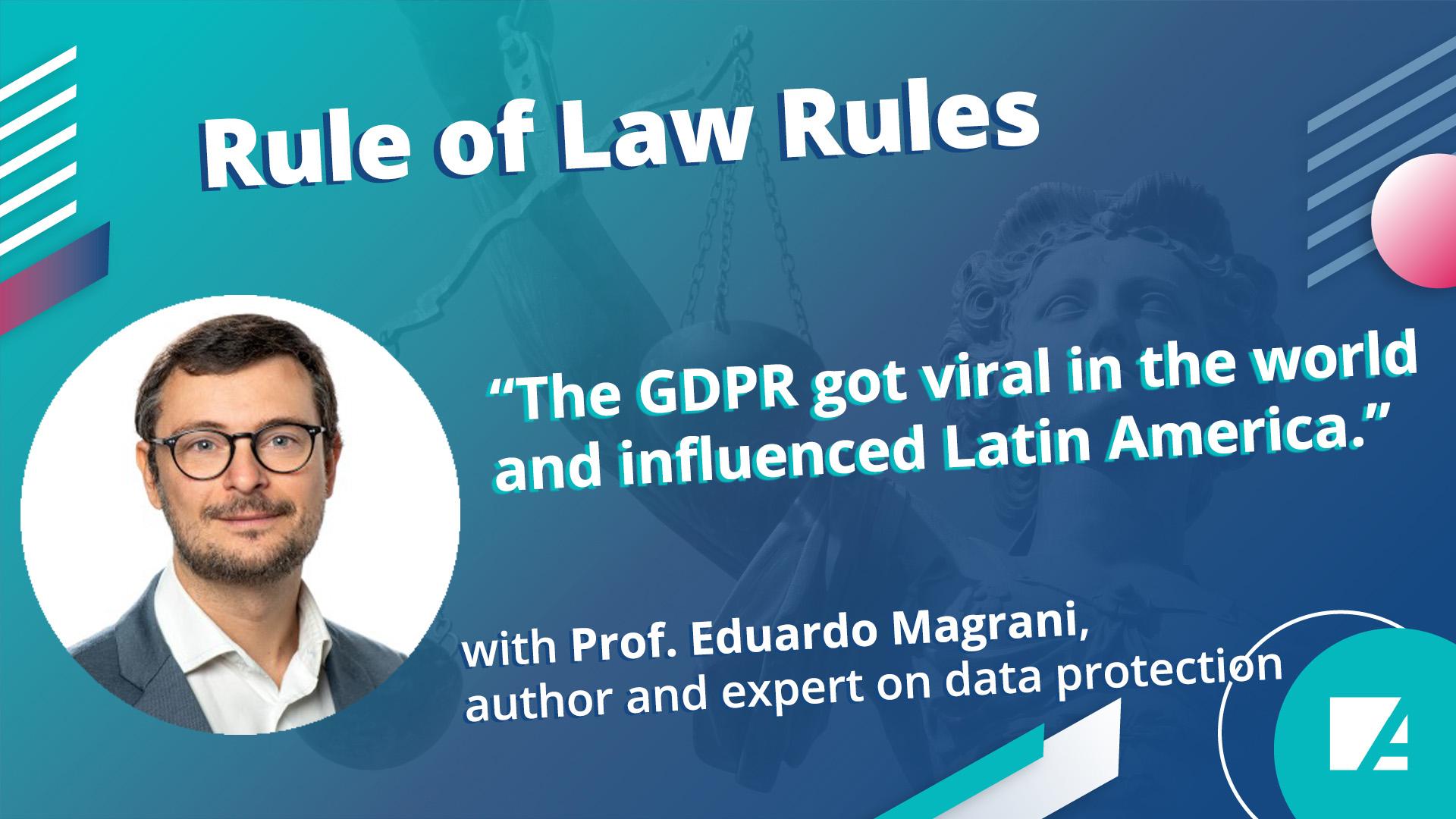
#3: Eduardo Magrani on Data Protection in Latin America
We speak with Eduardo Magrani about the General Data Protection Regulation and its influence in Brazilian and Latin American legal framework.
Read now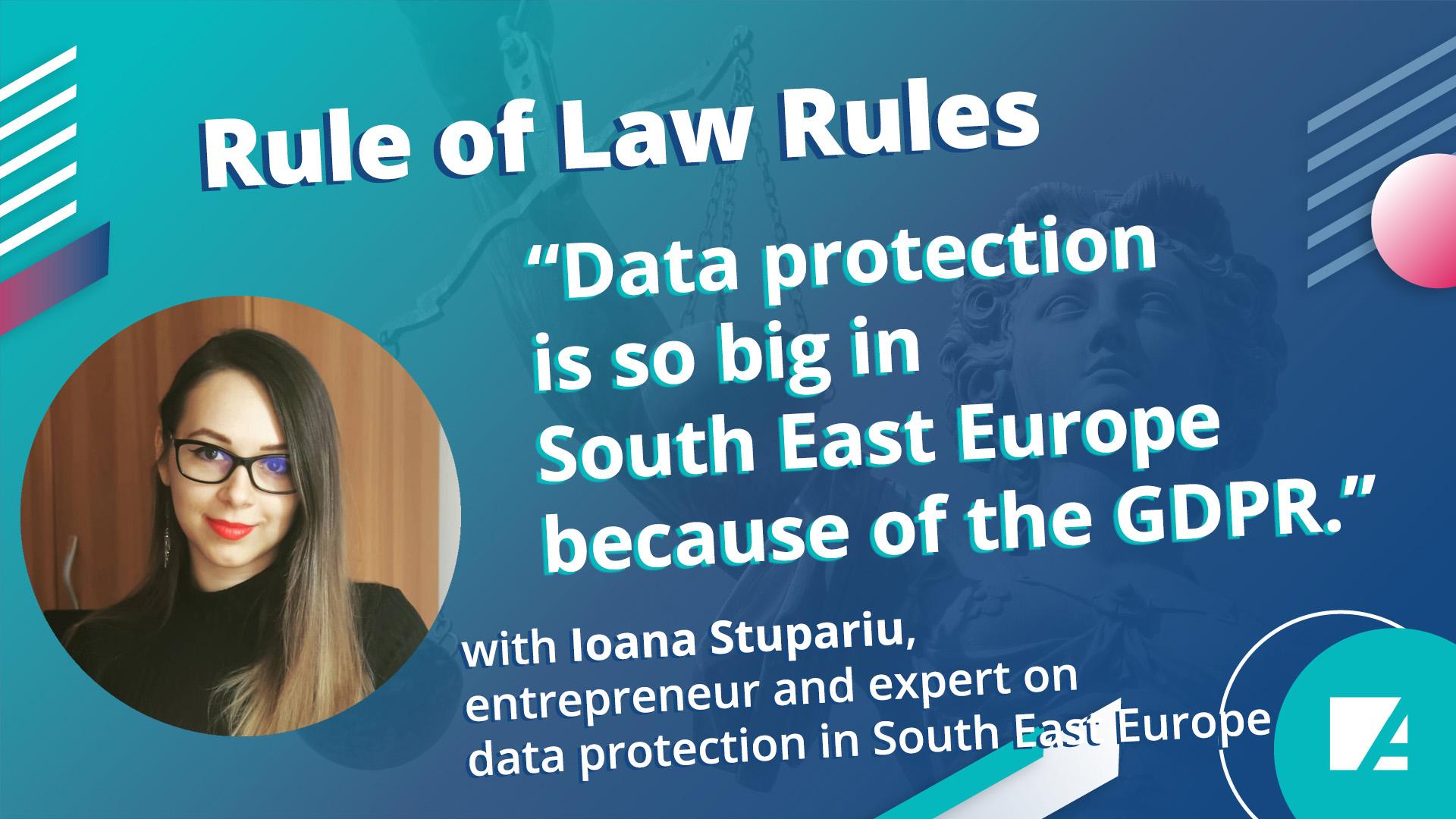
#2: Ioana Stupariu on the GDPR's influence in South East Europe
Ioana Stupariu works with tech and healthcare start-ups and companies across Central and Eastern Europe. And she researches on Data protection & Privacy.
Read now