






Democracy Needs Participation – An Inside Look at the KAS Sur-Place Scholars' Regional Seminar
There are moments when Europe is not just a political project, but a living dialogue between people who want to help shape its future. One such moment took shape at the end of March 2026 in the Republic of Moldova, when scholarship holders of the Konrad-Adenauer-Stiftung's Sur-Place program from eleven countries came together to discuss a topic that unites them – and, at the same time, challenges them: European identity.
Europe's geopolitical context is changing rapidly. Russia's war of aggression against Ukraine, growing polarization, disinformation campaigns, and competing narratives have made the question "what still holds Europe together?" more urgent than ever. For many young people, this is not an abstract question, but one that affects their lives, education, and future plans. It is precisely in this context that the Konrad-Adenauer-Stiftung can make its contribution: strengthening democracy, promoting civic education, creating spaces for dialogue, and supporting young people who take on responsibility in their societies.
A Seminar Beyond Borders
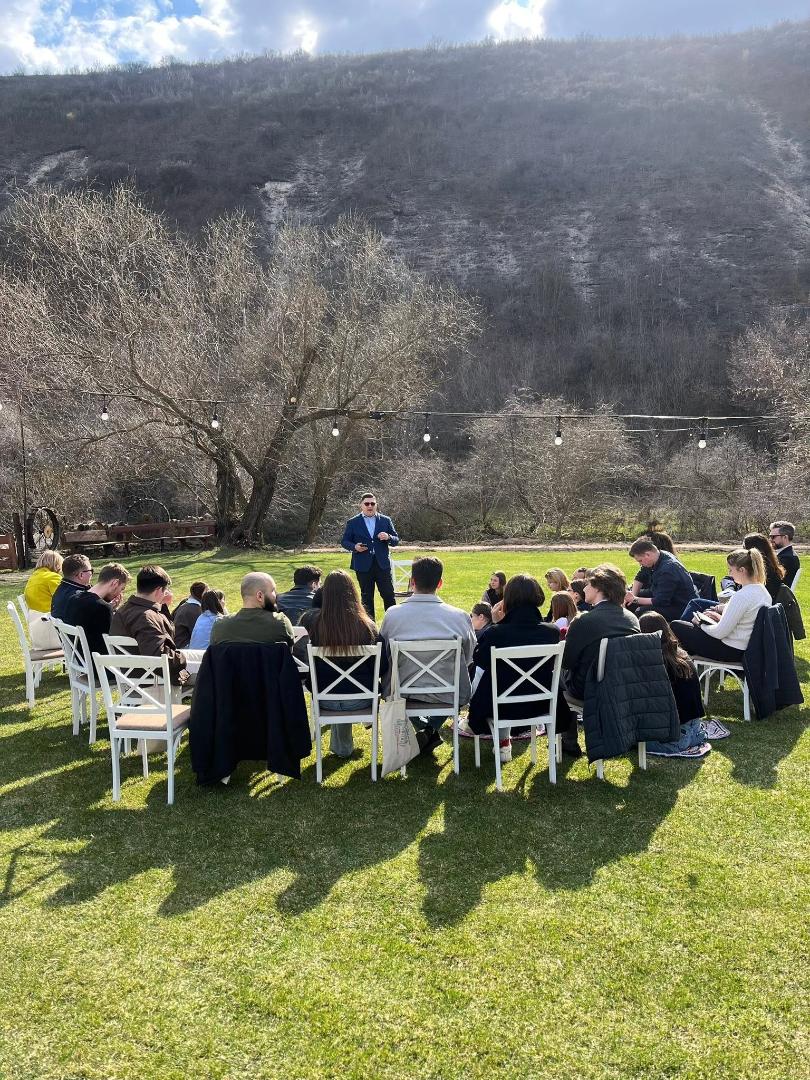
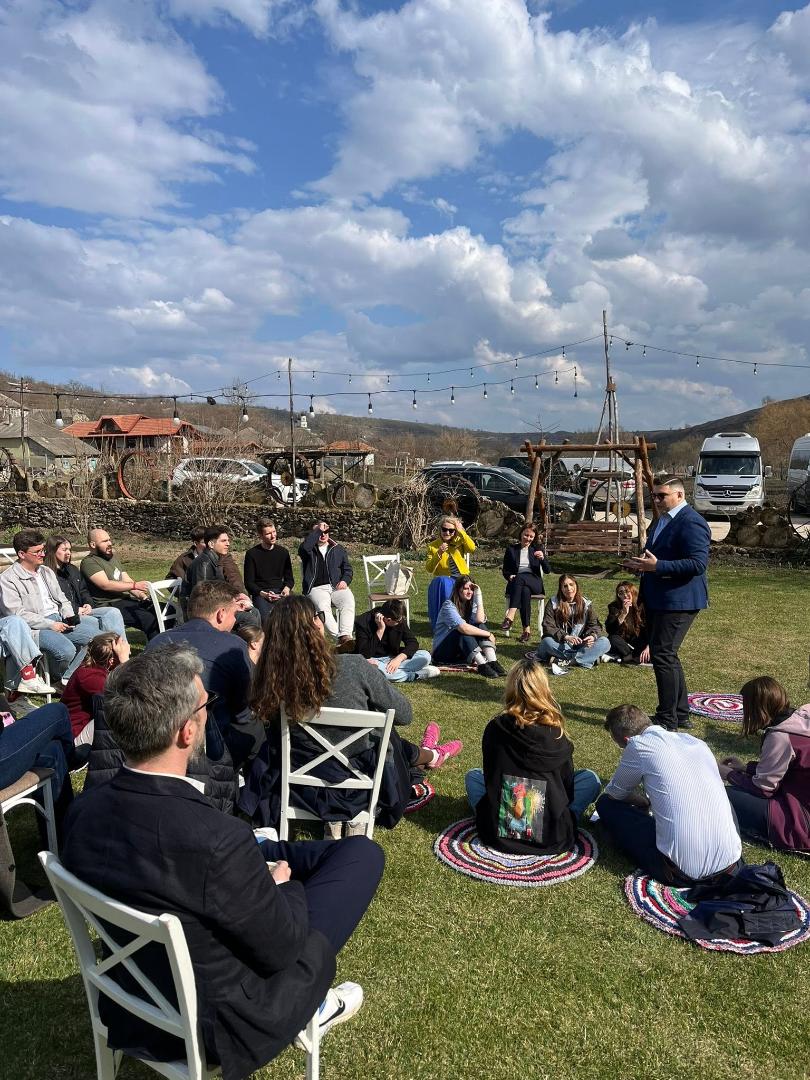
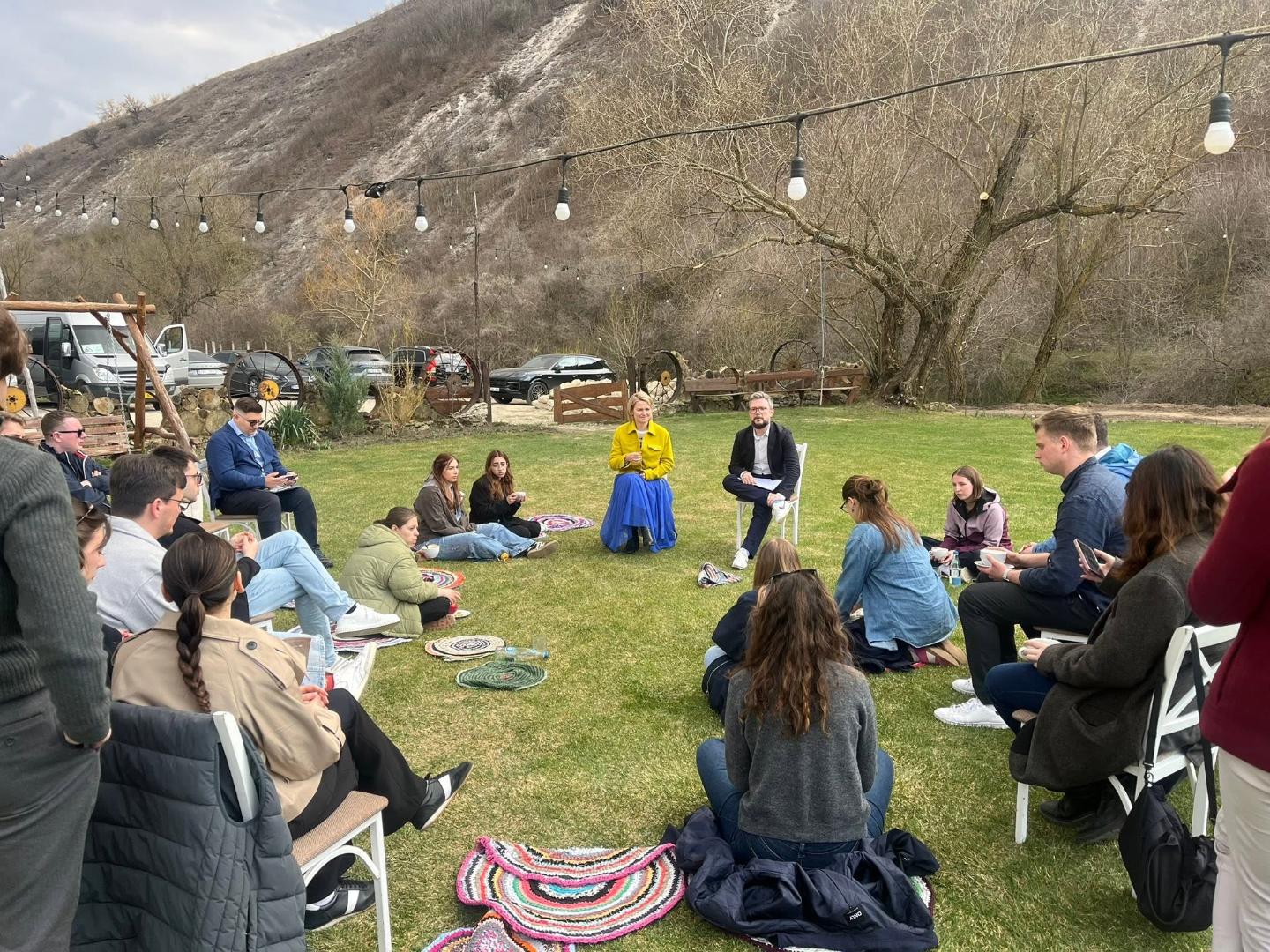
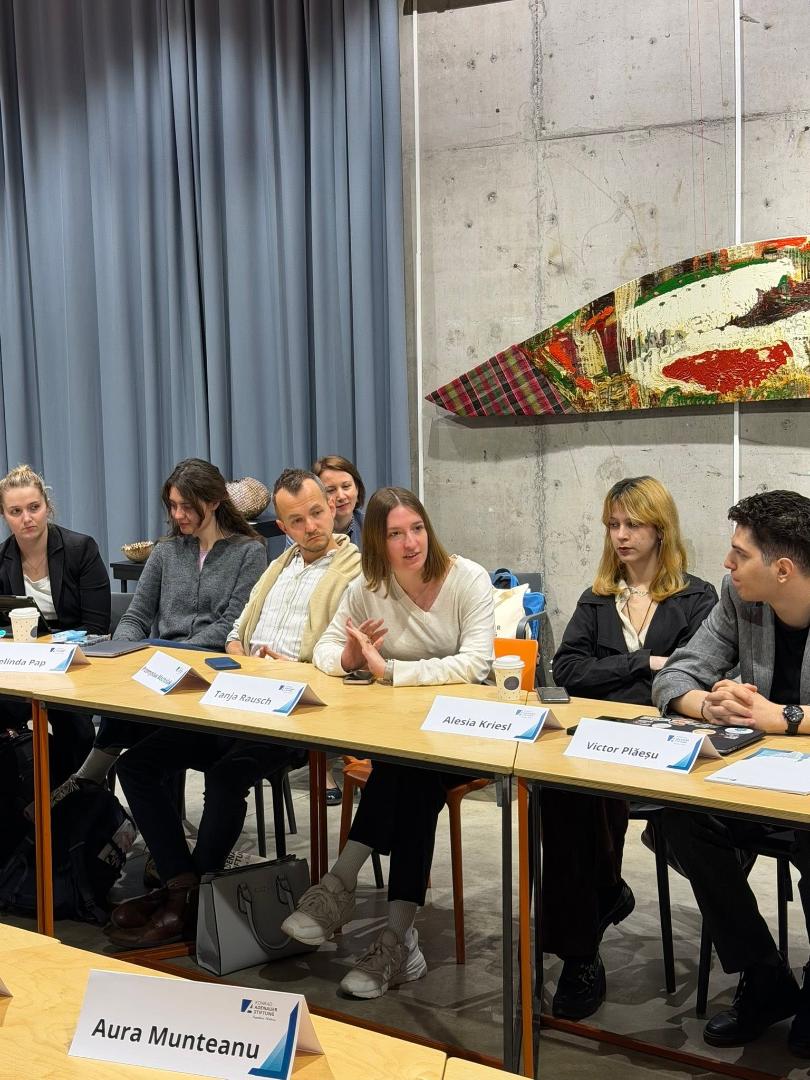
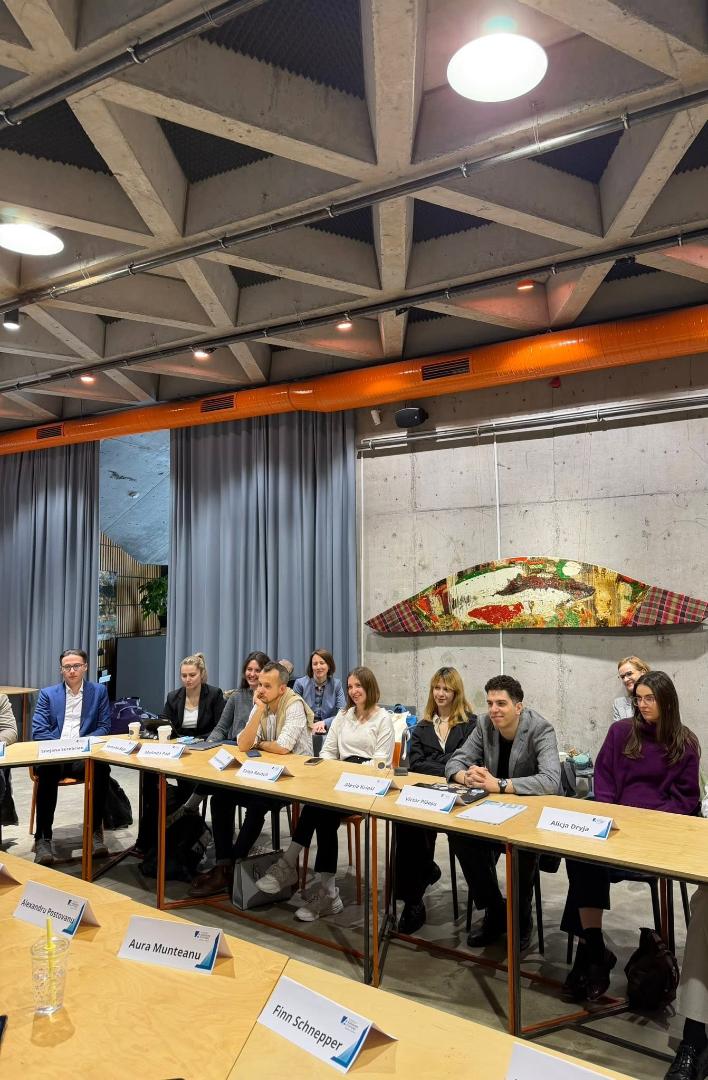
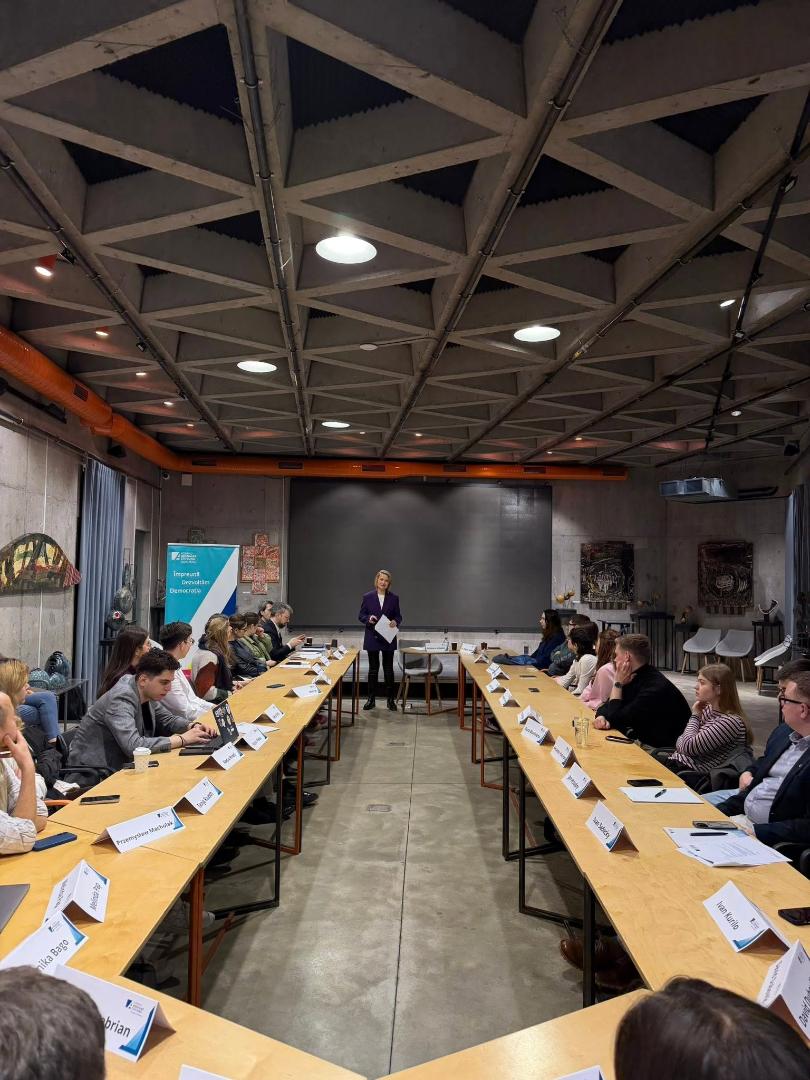
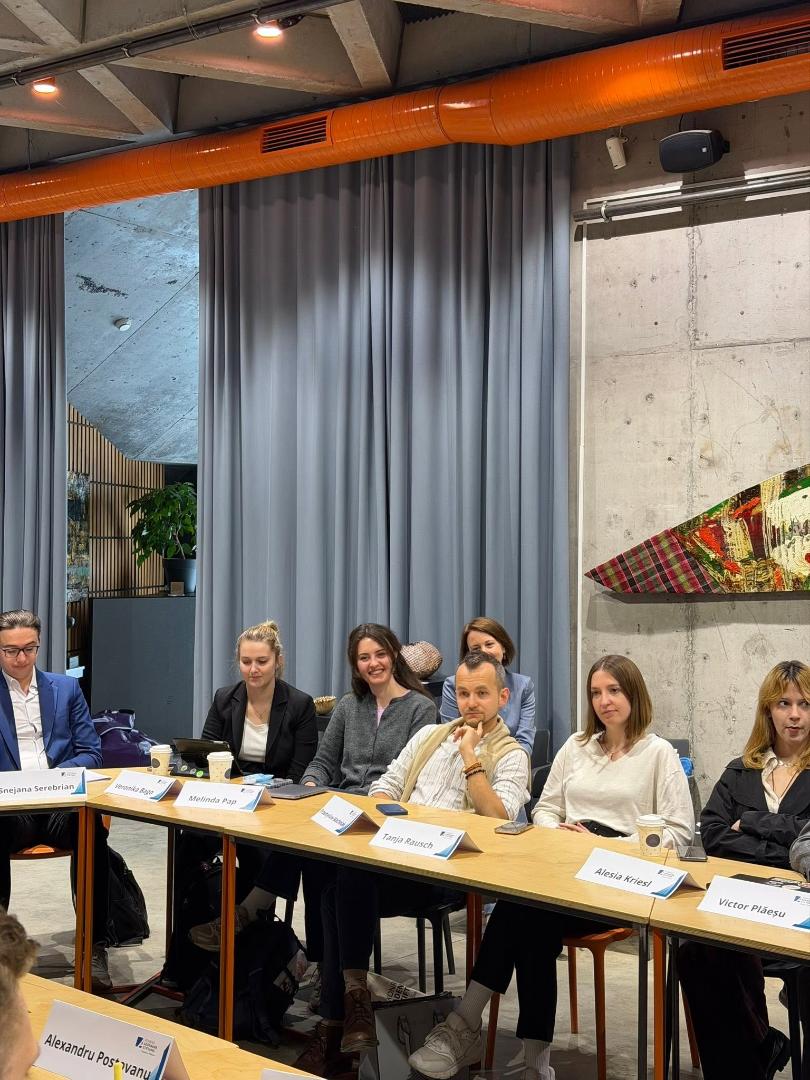
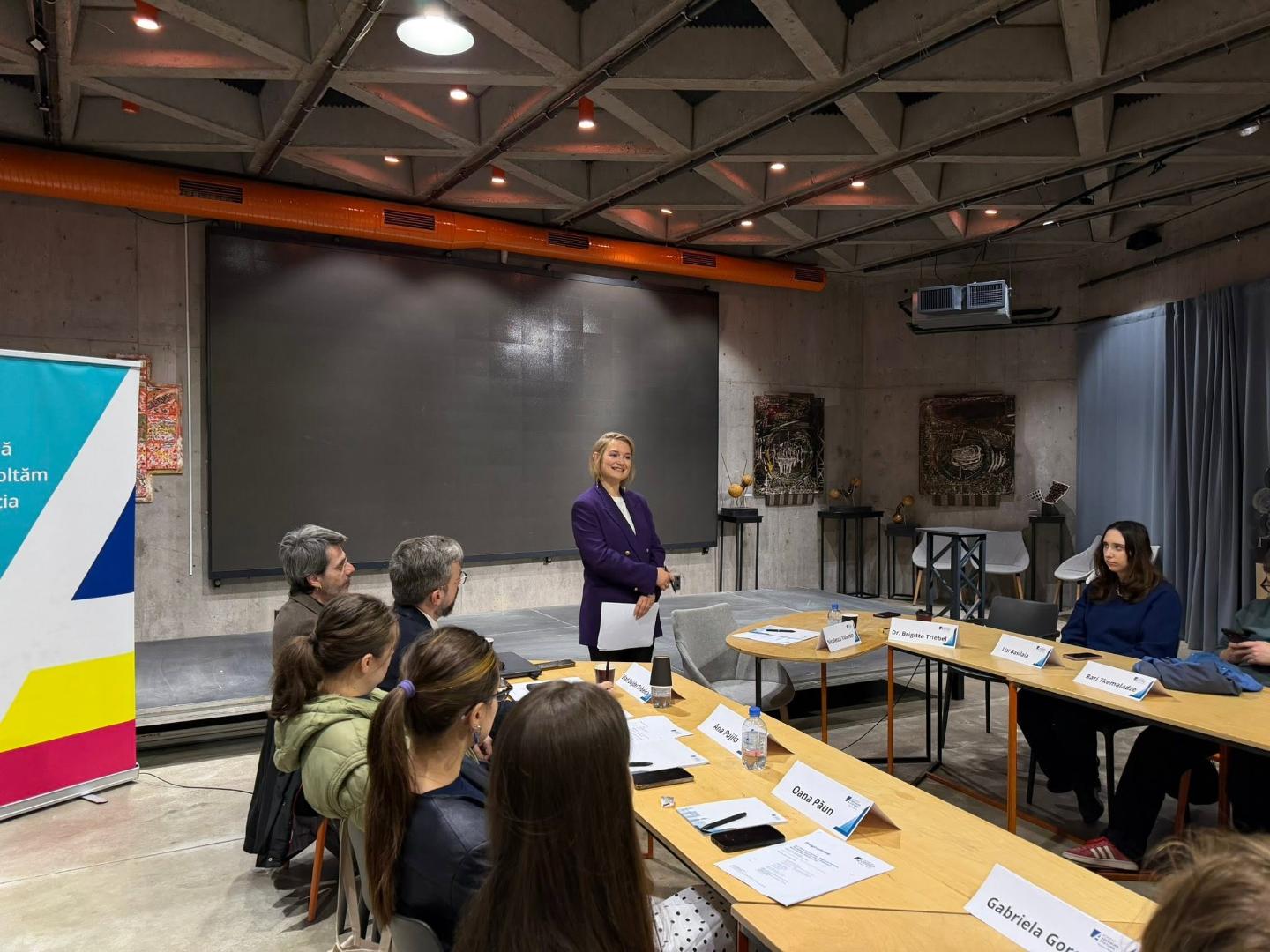
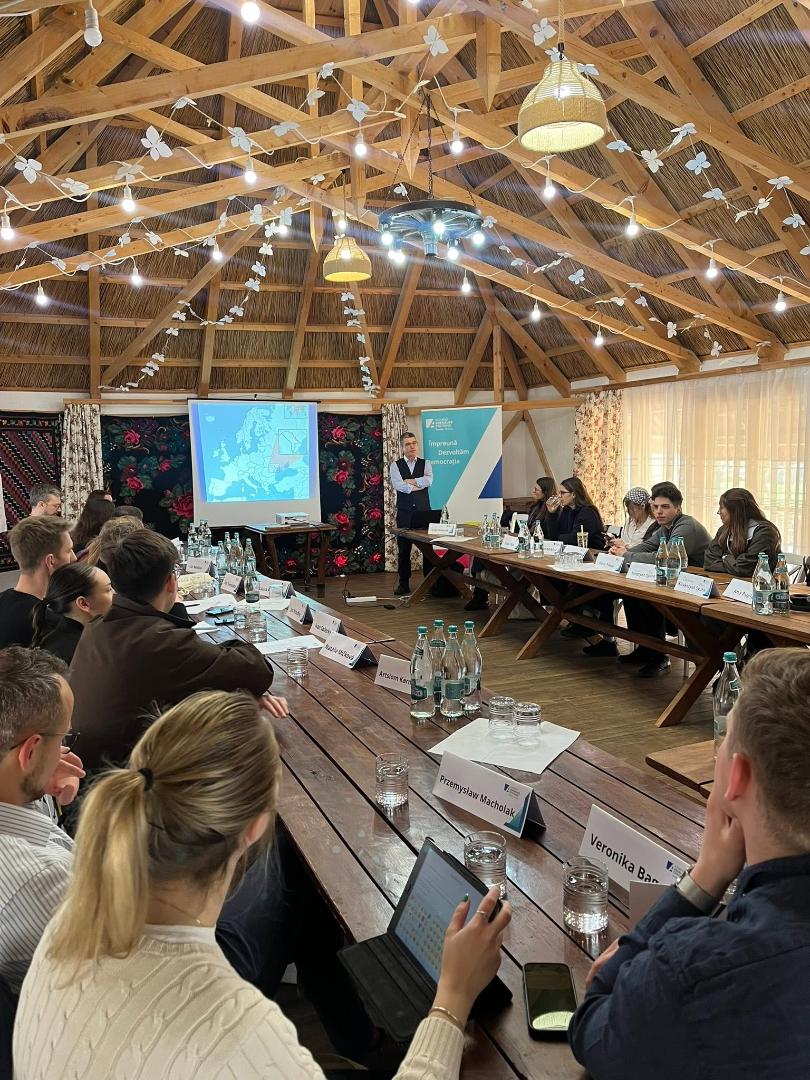
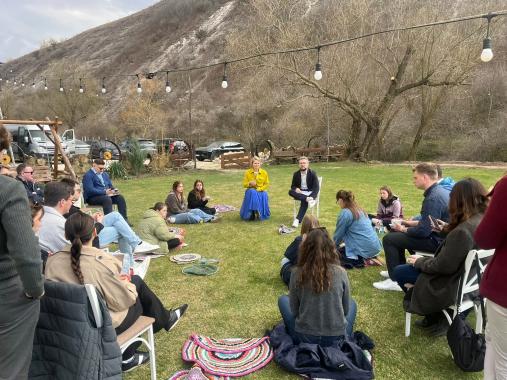
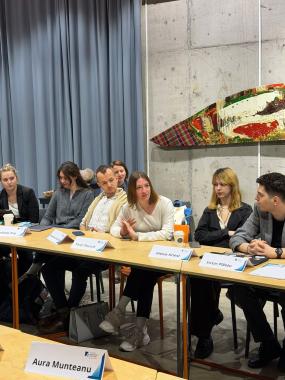
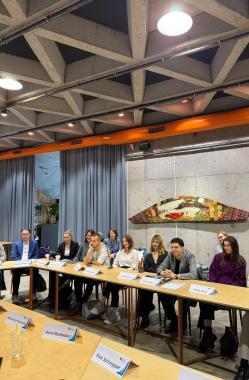
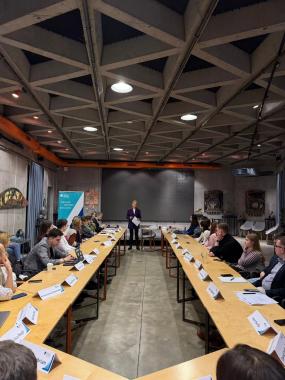
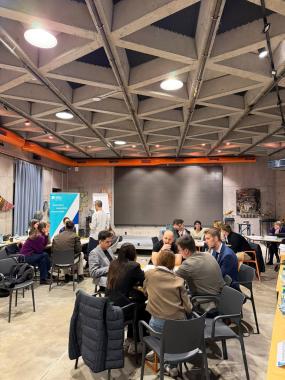
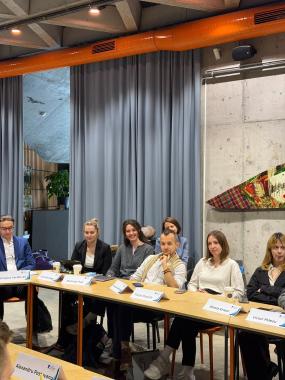
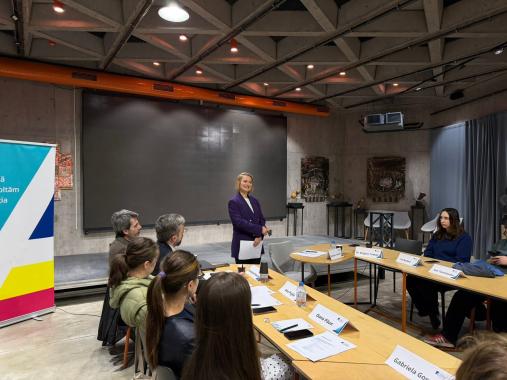
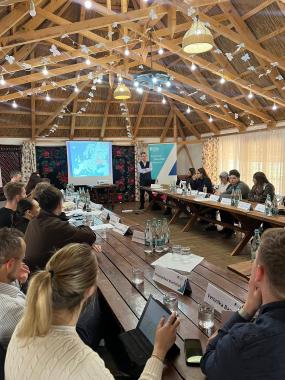
Between March 26 and 29, 2026, Chișinău and Trebujeni became the meeting point for young people from Armenia, Belarus, Germany, Georgia, Poland, the Republic of Moldova, Romania, Slovakia, Czechia, Ukraine, and Hungary. Different languages, different experiences – but a shared concern: to understand how European identity is formed, how it can be defended, and why it sometimes comes under pressure.
The Republic of Moldova offered a particularly relevant example. As a candidate country for European Union accession, Moldova finds itself in the midst of a debate over its own identity. Political instrumentalization, external influences, and historical tensions shape public discourse. For many participants, it was valuable to discuss these dynamics not just theoretically, but in the very place where they manifest most clearly.
Learning Through Dialogue
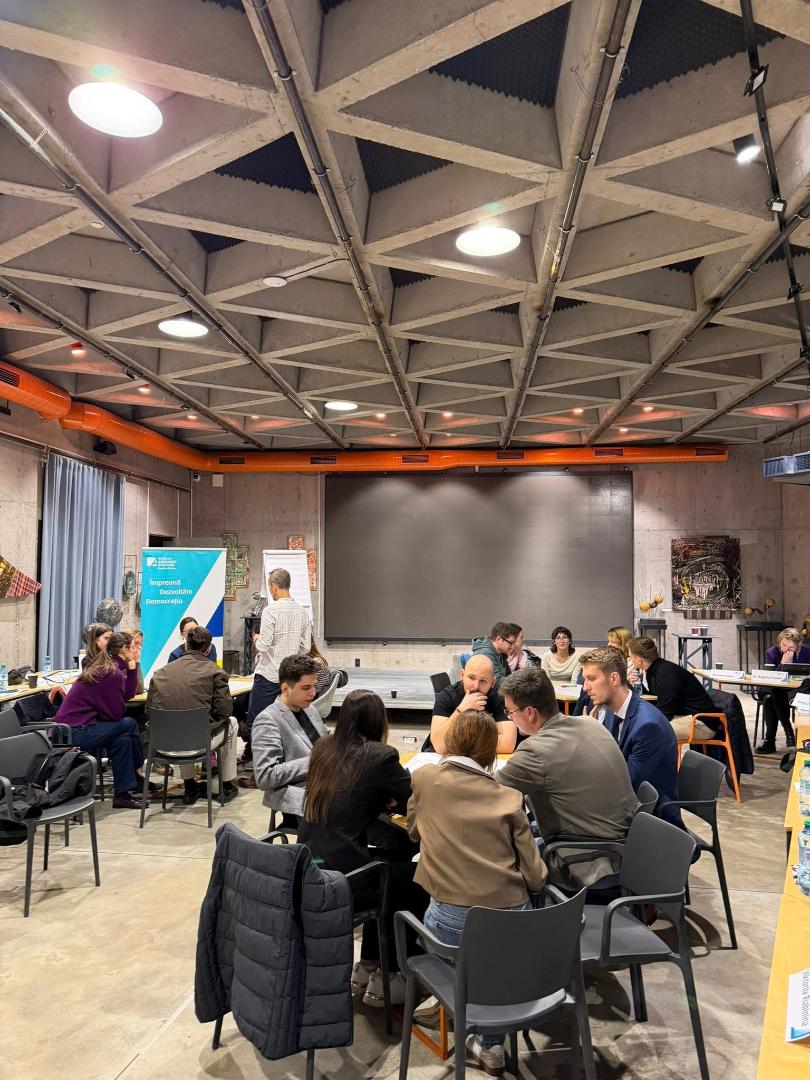
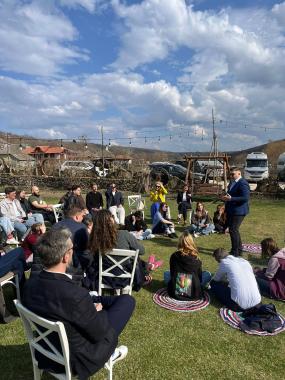
Through workshops, panels, and interactive exercises, participants did not just analyze – they experienced: What does the competition between narratives feel like? How do you recognize disinformation? How can democratic resilience be strengthened in a divided society?
Discussions were lively, at times controversial, often surprising – and always carried out with respect and curiosity. The diversity of perspectives showed that European identity is not a fixed concept, but a shared process, one that every generation can help shape.
A Step Forward, Together
By the end of the seminar, participants left not only with a deeper understanding of Europe's challenges, but with a sense of connection. They gained not just new knowledge, but new contacts, new questions, and the motivation to promote democratic values in their own communities.
The Konrad-Adenauer-Stiftung thanks all the scholars for their active participation! The exchange of ideas and perspectives they brought helps keep the European idea alive – at a moment when it needs support more than ever.