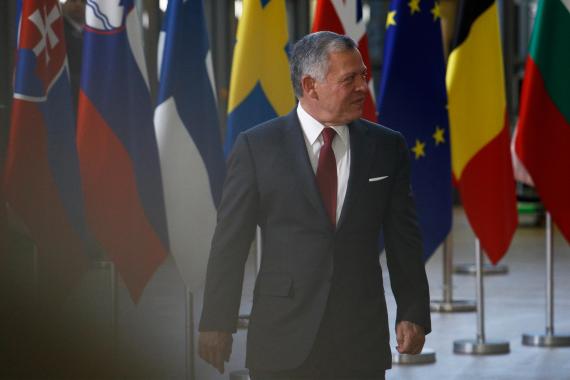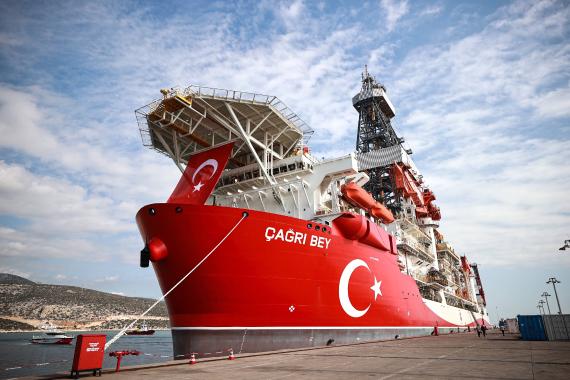





The Middle East and North Africa are undergoing a period of profound upheaval, accompanied by political, social and economic crises, increasingly fragile statehood, as well as violent conflicts and escalating regional tensions. The protracted and complex processes of change within the countries and the geopolitical realignment of the regional order are open-ended. Overall, since the "Arab Spring" of 2010/2011, a destabilization of the region and a further erosion of statehood, including modern forms of authoritarian rule, can be observed. The structural causes for the emergence of the protest movements a decade ago – socioeconomic marginalization and a lack of promising prospects for the future, especially among youth – continue to exist and are being discharged again in month-long unrests across the region. In some countries, growing discontent and a lack of opportunities for economic and political participation are also manifesting themselves increasingly in social and ideological polarization and social divisions. The socioeconomic situation is deteriorating in many states. The consequences of these developments also affect Germany and Europe in matters such as security and economy. In addition, other external actors, such as Russia and the People’s Republic of China, are expanding their influence in the region, while the European Union's ability to shape policy in its southern neighborhood is increasingly limited. “Value partners” in the region are therefore particularly relevant for Europe in these times. A glimmer of hope and an important starting point for German political cooperation are above all the democratic and reform-oriented forces that often come from the younger generation, civil society or the private sector. They are increasingly confidently raising their voices to help shape the future order in their countries and the region.
Our work in the region
Extensive transformation processes must be accompanied at as many levels as possible. The activities of the Konrad-Adenauer-Stiftung (KAS) in the region are aimed at structural changes as well as at strengthening and empowering social actors and institutions that advocate change. This not only contributes to the urgently needed stabilization of the region, but can also advance truly sustainable development. In doing so, KAS is guided by the objectives of German foreign, security and development policy as well as its Christian Democratic mission statement characterized by the values of freedom, justice and solidarity. Following its three core themes (Representative Democracy/ Participation, Innovation and Security), the Foundation creates and maintains unique dialogue platforms and networks, thereby strengthening exchange, confidence-building and understanding within the respective countries, between the various regional actors, as well as between Germany and Europe on the one hand and the Middle East and North Africa on the other.
To this end, the Konrad Adenauer Foundation is active in North Africa and the Middle East with nine country offices (Algeria, Egypt, Morocco, Tunisia, Israel, the Palestinian Territories, Jordan, Lebanon and Turkey), a regional program for the Gulf States based in Amman and two regional programs covering rule of law and political dialogue and regional integration in the southern.
Twitter accounts of our offices
Topic pages of the Konrad-Adenauer-Stiftung
We are significantly involved in the following KAS-wide thematic pages. Here you will regularly find various contributions (including publications and events) from our department.



Publications on this topic
 IMAGO / Newscom / AdMedia
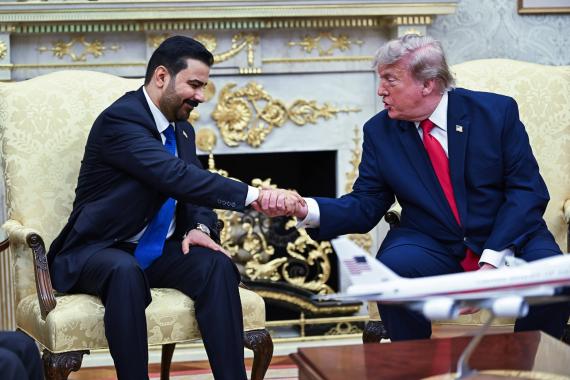
Iraq’s New Government Between Domestic Constraints and External Pressures
Leading without a Base?
 IMAGO / Anadolu Agency
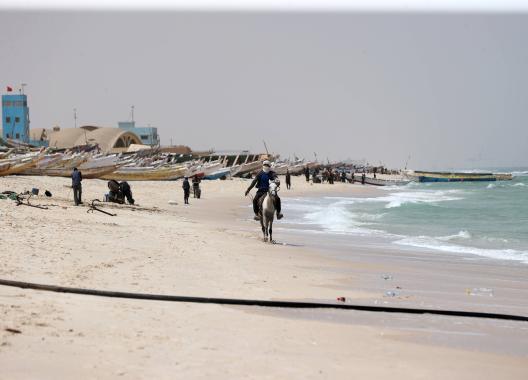
Mauritania between national dialogue and geopolitical power politics
Stability cannot be taken for granted
 IMAGO / Anadolu Agency
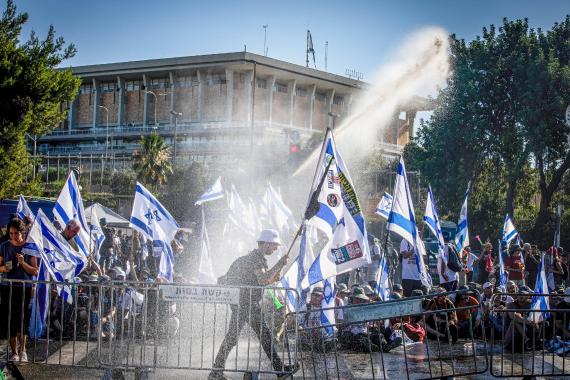
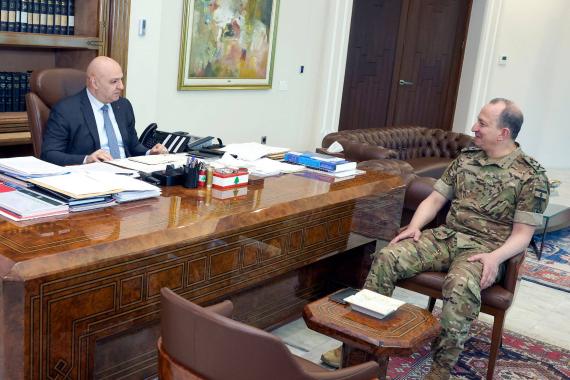
Framework Agreement Between Lebanon and Israel
A First Step Toward Peace or Merely a Temporary Respite?
 IMAGO / ZUMA Press Wire
War in the Middle East
How countries in the region are responding to the escalation between Israel and the U.S. with Iran
 IMAGO / UPI Photo