






 KAS / Melf Holm
 KAS / Melf Holm
 KAS / Melf Holm
 KAS / Melf Holm
 KAS / Melf Holm
 KAS / Melf Holm
 KAS / Melf Holm
 KAS / Melf Holm
 KAS / Melf Holm
 KAS / Melf Holm
 KAS / Melf Holm
 KAS / Melf Holm
 KAS / Melf Holm
KAS / Melf Holm
KAS / Melf Holm
KAS / Melf Holm
KAS / Melf Holm
KAS / Melf Holm
KAS / Melf Holm
KAS / Melf Holm
KAS / Melf Holm
KAS / Melf Holm
KAS / Melf Holm
KAS / Melf Holm
KAS / Melf Holm
KAS / Melf Holm
KAS / Melf Holm
KAS / Melf Holm
KAS / Melf Holm
KAS / Melf Holm
KAS / Melf Holm
KAS / Melf Holm
KAS / Melf Holm
KAS / Melf Holm
KAS / Melf Holm
KAS / Melf Holm
KAS / Melf Holm
KAS / Melf Holm
KAS / Melf Holm
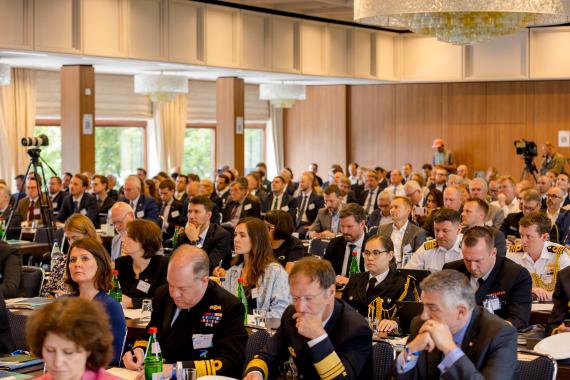
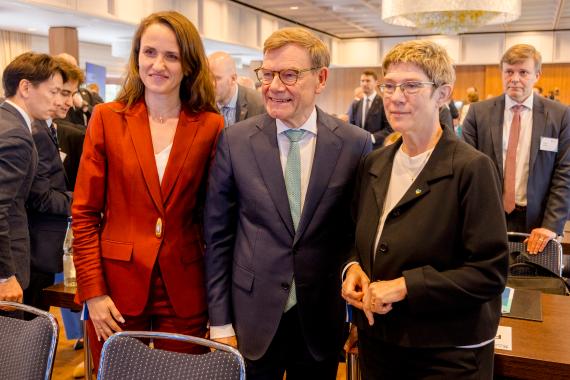
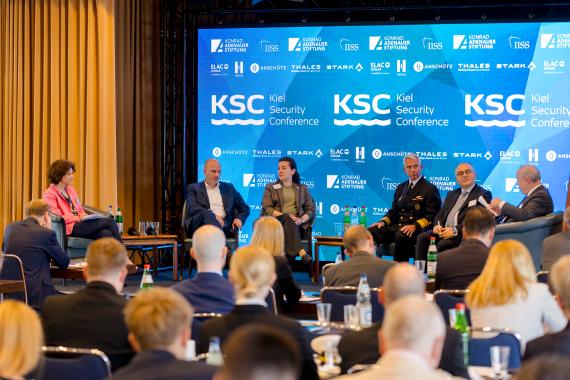
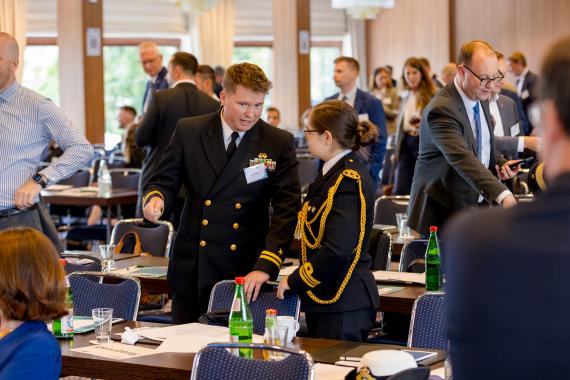
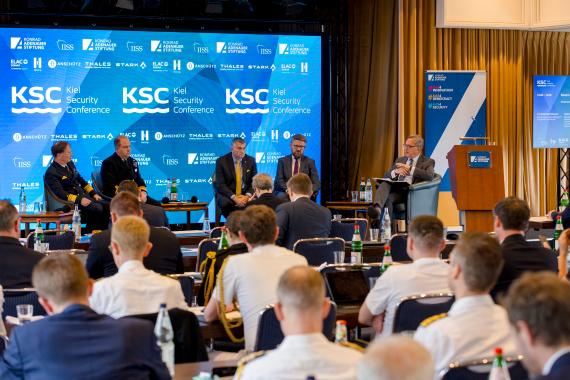
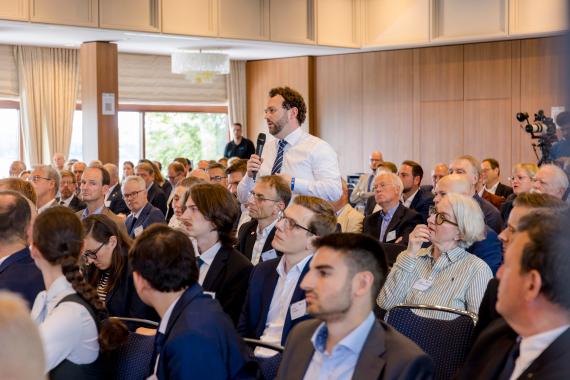
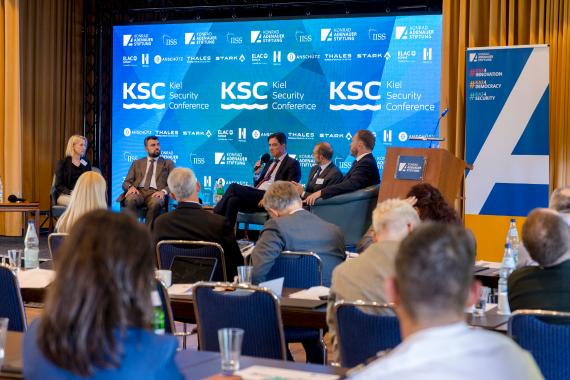
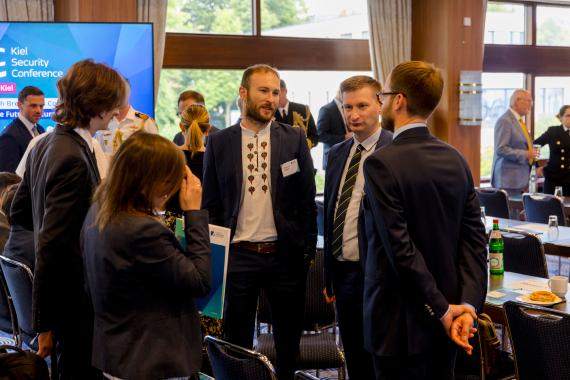
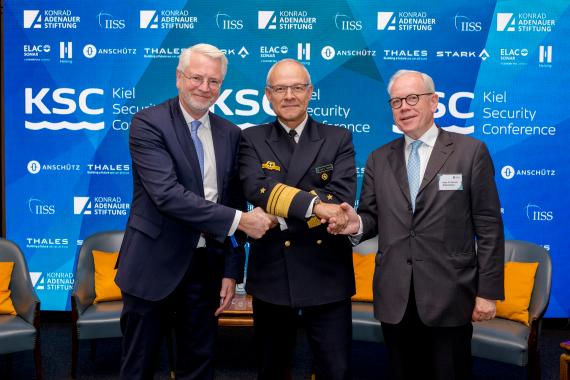
Joint Policy of Strength
In view of Russia’s ongoing war of aggression against Ukraine, growing hybrid threats and increasing geopolitical tensions in the Baltic Sea, the Black Sea and the Arctic, the participants agreed that security in Europe could no longer be taken for granted. It must be politically intended, militarily secured and socially supported.
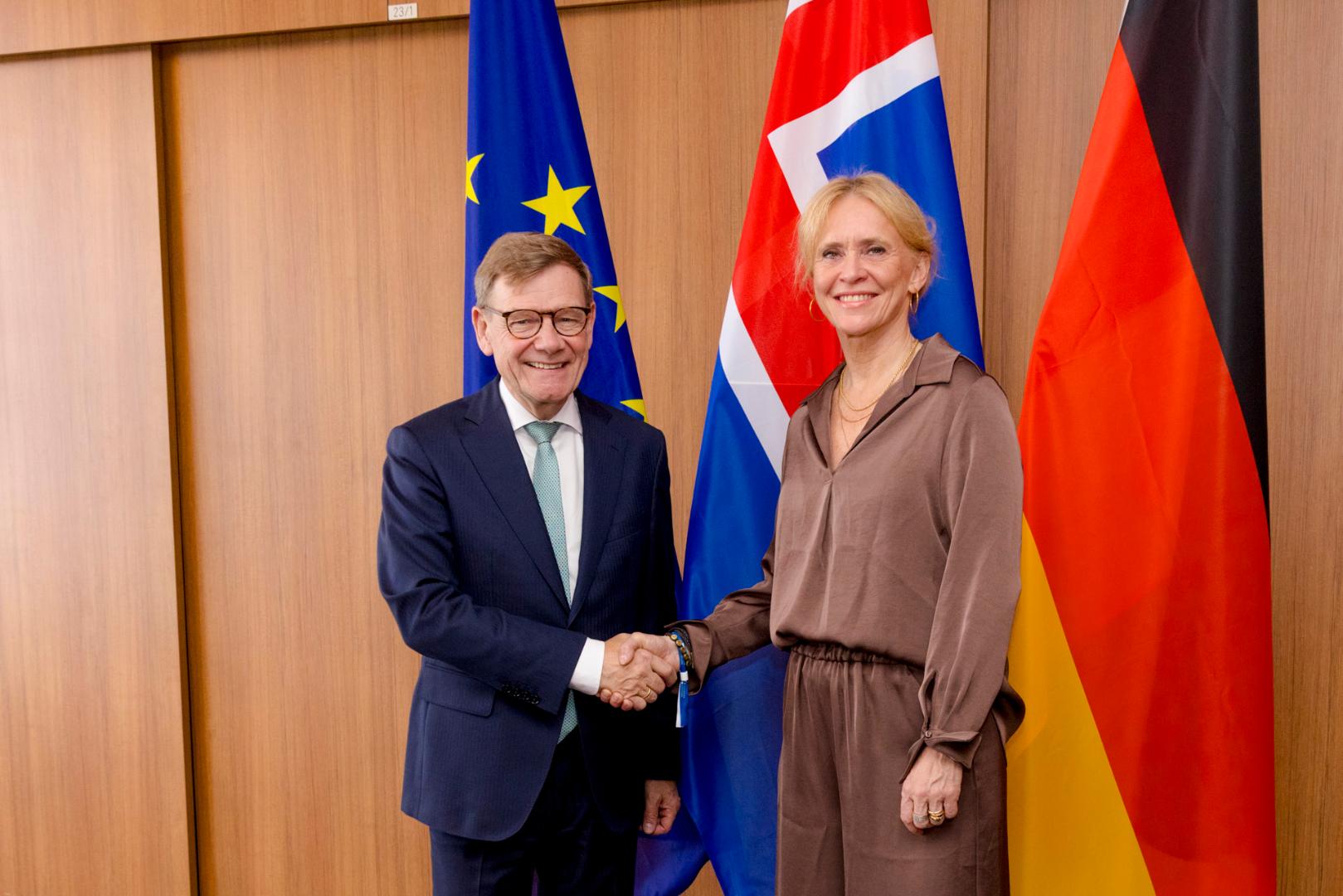
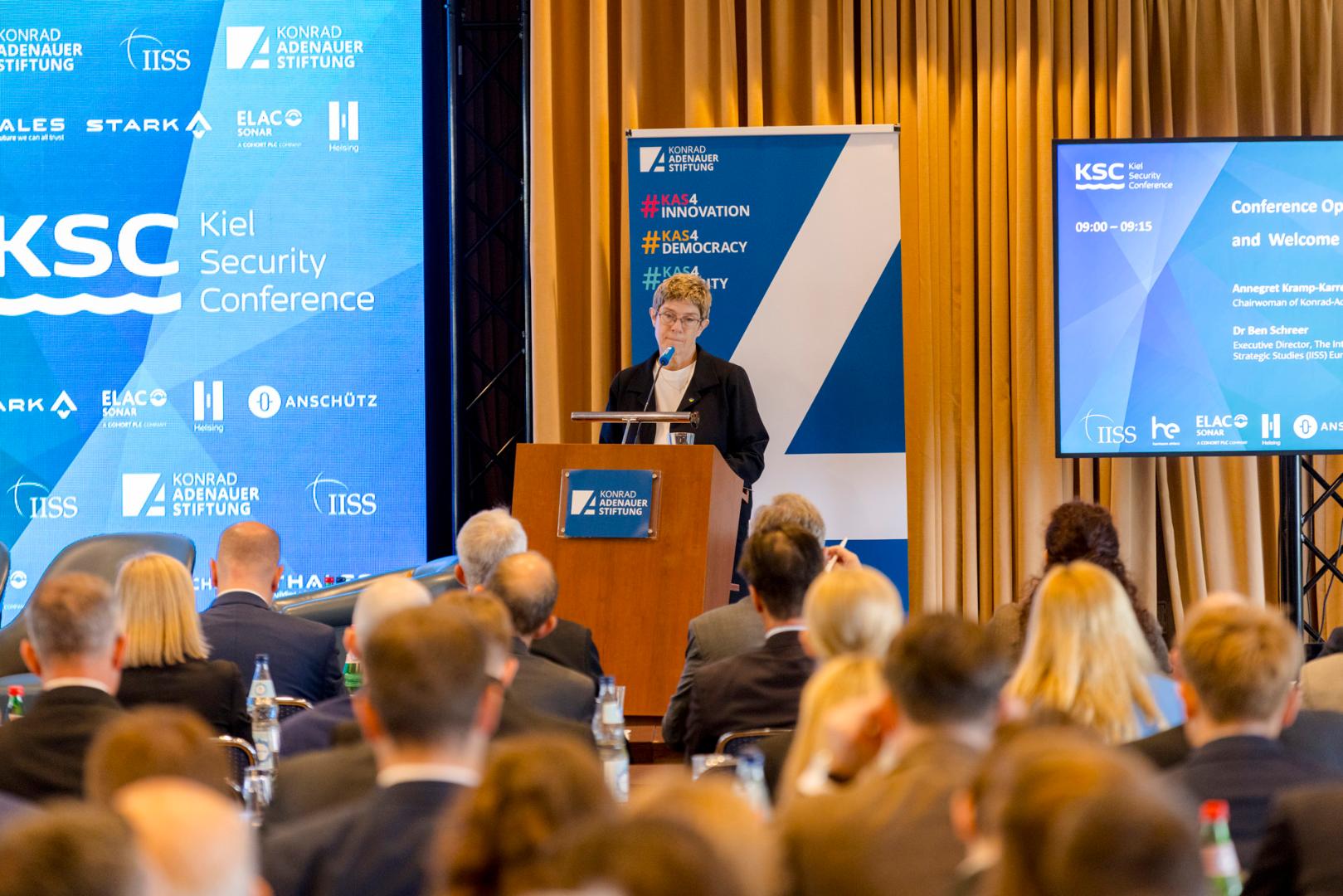
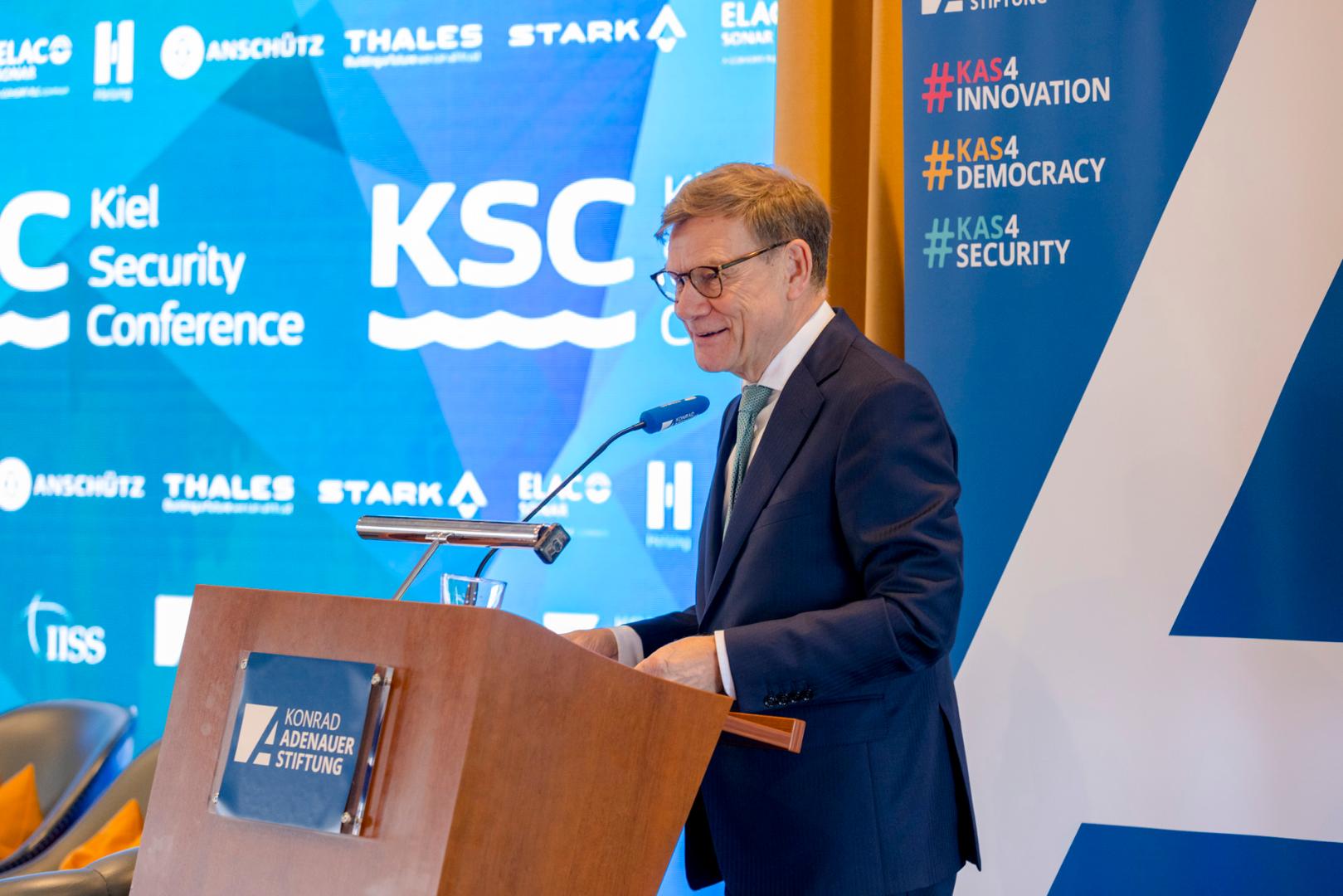
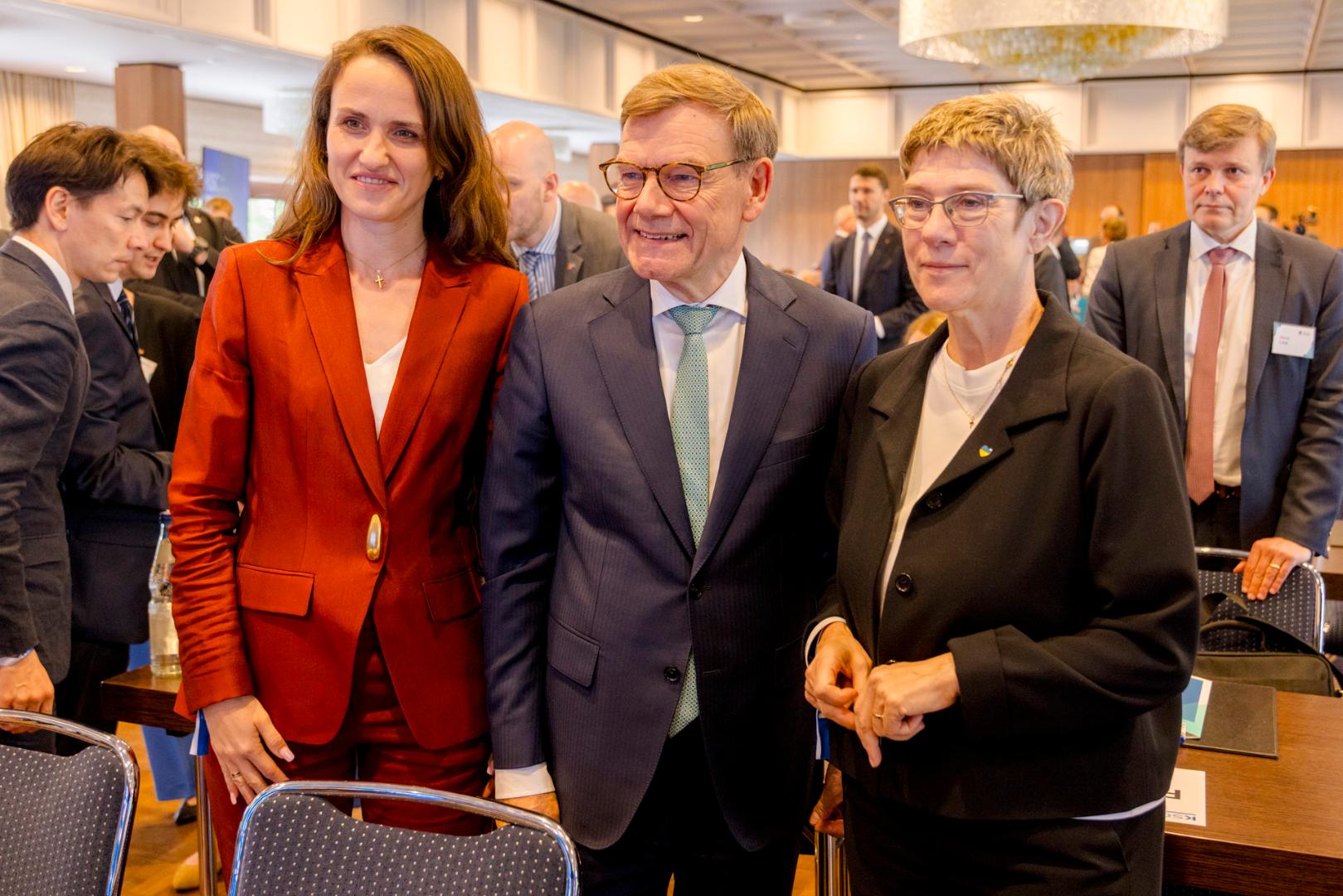
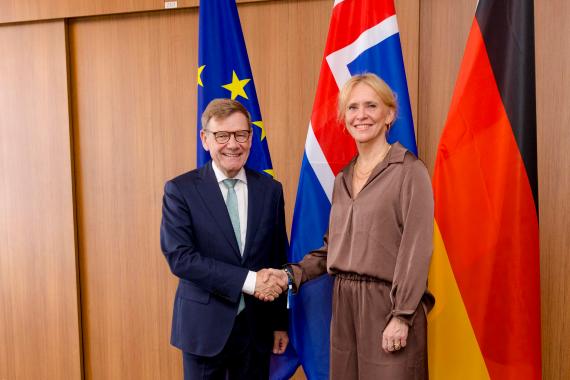
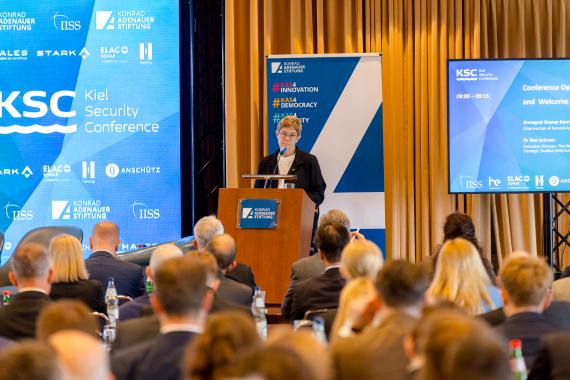
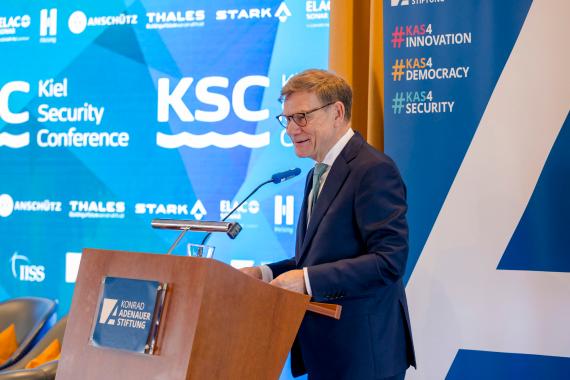
The Chairwoman of the Konrad Adenauer Foundation, Annegret Kramp Karrenbauer, emphasised at the very beginning of the conference that the threat posed by Russia in the Baltic region was not abstract, but visible every day. Europe therefore needed a joint policy of strength. Federal Foreign Minister Dr Johann Wadephul underlined the importance of the transatlantic alliance and referred to NATO’s profound adaptation since the beginning of Russian aggression against Ukraine. The alliance had evolved from a purely deterrence based presence into a defence community. It must be capable of protecting every centimetre of its territory.
Security of Maritime Infrastructure as a Key Strategic Issue
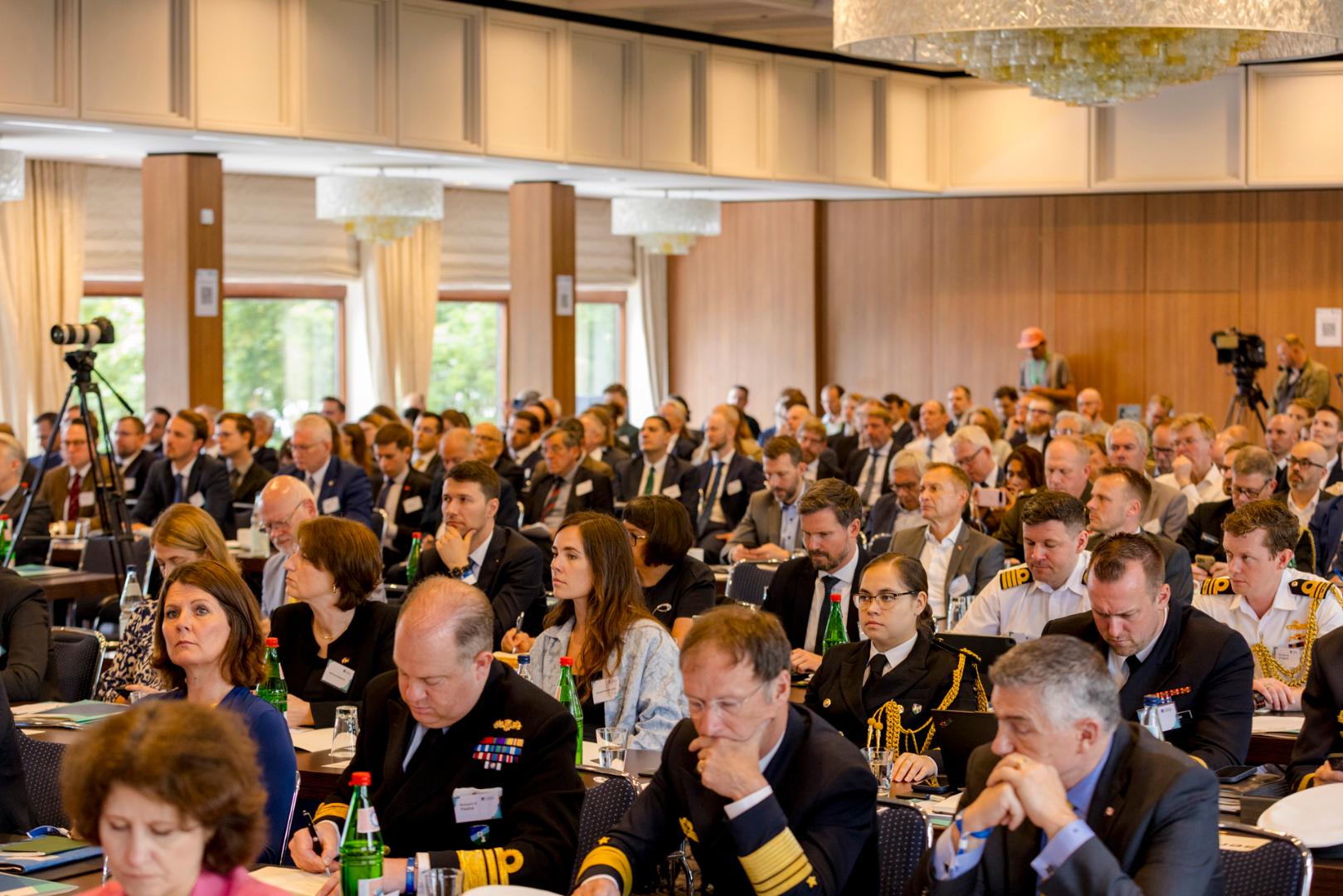
This year’s conference focused on the security policy challenges in three strategically interconnected regions: the Baltic Sea, the Black Sea, and the Arctic and High North. Although the threat situations differ, the discussions made clear that these regions are closely linked. This area must be viewed as a “strategic continuum”, demanded Romanian Foreign Minister Oana Silvia Țoiu. In her opening speech, she warned among other things against attacks in the field of disinformation: “We must work together to protect the truth!”
Russia’s war against Ukraine continues to shape the security situation in the Black Sea. At the same time, hybrid attacks on critical infrastructure, undersea cables and maritime supply routes in the Baltic Sea are increasing. In the Arctic, geopolitical competition is growing due to Russia’s increasing military presence and China’s expanding ambitions.
The conference made clear that Europe cannot view these challenges in isolation. Security in the Baltic region, the Black Sea and the North Atlantic is part of a shared strategic reality. The defence of NATO’s eastern flank, the security of maritime infrastructure and the protection of free trade and communication routes are now central prerequisites for Europe’s stability.
Baltic Sea and Black Sea: Different Challenges, Shared Responses
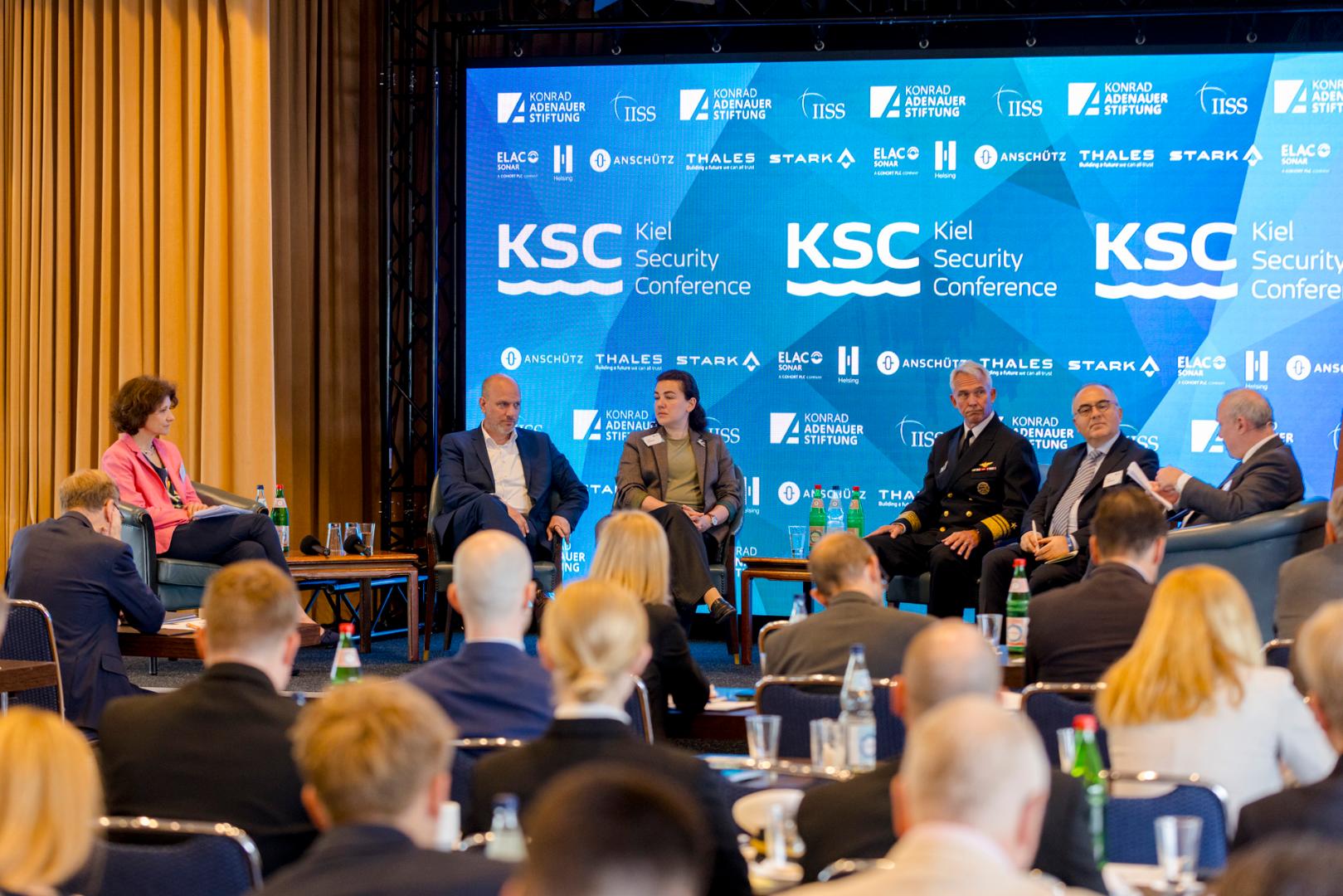
The first panel focused on the security policy links between the Baltic Sea and the Black Sea. Different challenges require shared responses. The discussion highlighted that Europe must prepare for a permanently intensified threat environment. Niclas Herbst, Member of the European Parliament, warned: “Europe is in a hybrid war scenario; time is running out, and we are not as prepared as we should be.”
The participants agreed that Russia would remain the greatest security policy challenge for Europe for the foreseeable future. At the same time, it was emphasised that the perception of this threat within Europe is still strongly shaped by historical experiences and geographical location. While states on the eastern flank feel the danger directly, the strategic importance of the Black Sea is still underestimated in parts of Europe.
More Consistent Enforcement of Existing Sanctions and Closer Cooperation
The importance of military mobility, modern infrastructure and improved European capacity to act was repeatedly emphasised. The ability to move troops and equipment quickly across the continent is a basic prerequisite for credible deterrence.
Special attention was given to the role of Ukraine. The participants stressed that Ukraine has not only organised its own defence in recent years, but has also made important contributions to European security. The experience of the Ukrainian armed forces in the use of new technologies, particularly unmanned systems, provides valuable insights for the future direction of European armed forces.
At the same time, it became clear that the threat posed by Russia’s so called shadow fleet and hybrid activities against critical infrastructure must be addressed more decisively. The participants called for more consistent enforcement of existing sanctions and closer cooperation among European partners.
The Arctic and the High North Are Gaining Importance
The second panel focused on the Arctic. The discussion made clear that the region has developed from an area of limited strategic attention into a central field of security policy action: the Arctic and the High North are gaining importance.
Icelandic Foreign Minister Thorgerdur Katrin Gunnarsdottir emphasised that economic prosperity, democracy and open societies cannot exist without security. The increasing importance of the Arctic requires greater attention. At the same time, the Minister stressed that Europe must not lose sight of its values: “Values”, said Gunnarsdottir, “are neither a burden nor a weakness. Democracy, the rule of law and fundamental freedoms are our greatest strength. They are a compass that helps us maintain our orientation in a storm of challenges.”
New Technological Solutions Required
The participants pointed out that Russia is continuously expanding its military presence in the High North while also deepening cooperation with China. This creates a new strategic dimension that affects and connects Europe and North America alike.
The importance of maritime situational awareness, modern surveillance technologies and unmanned systems was particularly emphasised. Given the enormous geographical scale of the region, new technological solutions are required in order to effectively monitor and protect maritime areas.
The accession of Finland and Sweden to NATO was regarded as a decisive step forward for the security of the Arctic and the Baltic region. It has strengthened the alliance’s ability to protect the entire northern flank together.
Further Developing Europe’s Deterrence and Defence Capabilities
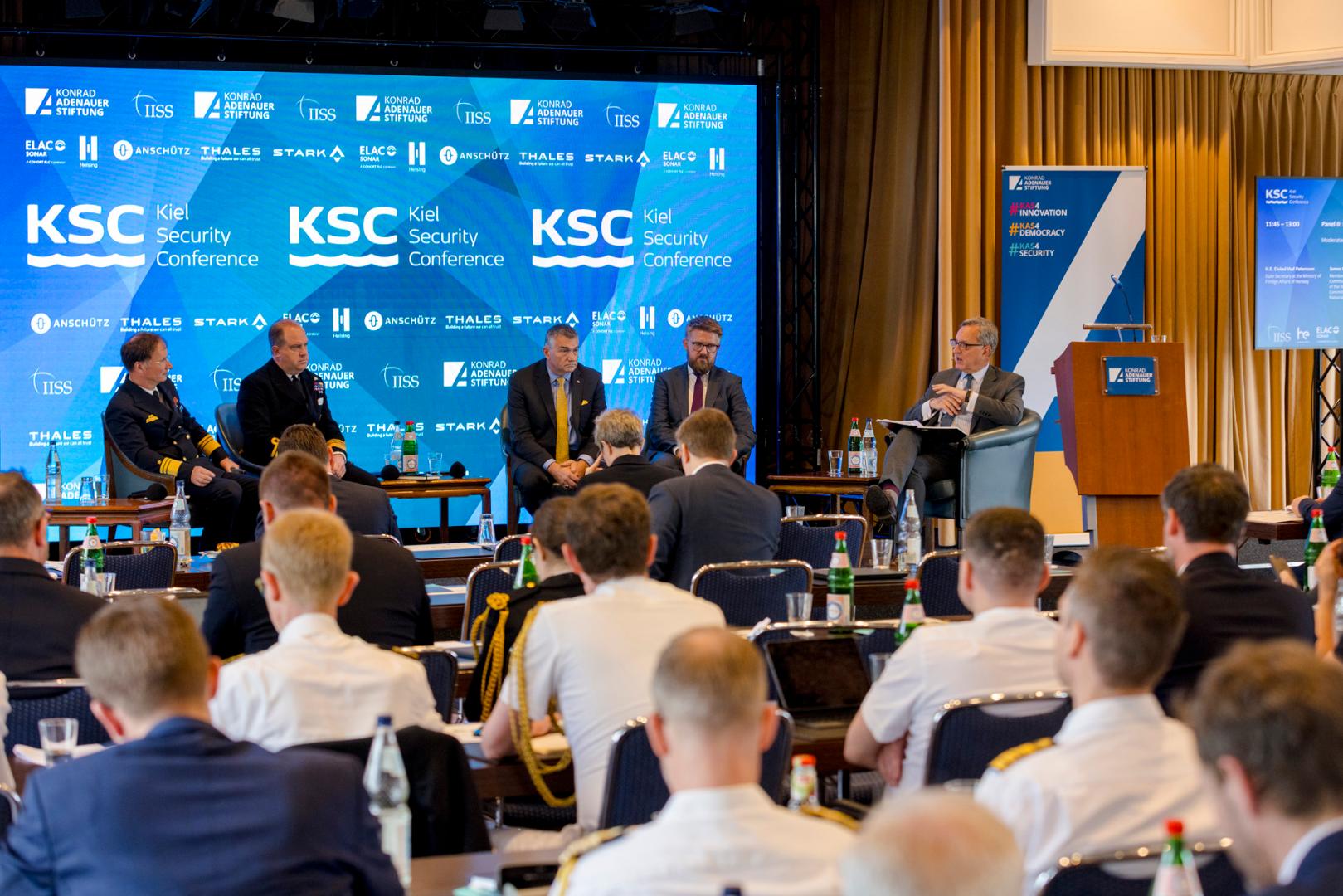
The third panel focused on how Europe can further develop its deterrence and defence capabilities. The discussion took place against the backdrop of possible changes in American security priorities and the upcoming decisions of the NATO summit in Ankara.
Estonian Foreign Minister Margus Tsahkna warned in his keynote speech against underestimating the Russian threat. Europe must learn from the mistakes of the past and prevent Russia from once again being encouraged into strategic miscalculations. Had Putin known in 2022 how we would respond to his war of aggression against Ukraine, he would not have started this war, said Tsahkna. In order to prevent future miscalculations by Putin, political determination, military capabilities and social resilience are equally necessary.
Invest More Effectively in Concrete Military Capabilities
Several participants stressed that higher defence spending alone would not be sufficient. What matters is transforming financial resources more quickly and effectively into concrete military capabilities. These include modern air defence systems, capabilities to counter drones, improved reconnaissance and closer European cooperation in procurement and arms production. Thomas Röwekamp, Member of the German Bundestag and Chairman of the Defence Committee, noted that EU countries collectively already have the second highest defence expenditure in the world: “But we must work together to ensure that this is also reflected in military capabilities!”
Social Resilience: Broad Security Policy Anchoring Within Society
Another focus of the discussion was social resilience. Finland was cited as an example of how broad societal anchoring of security policy can strengthen national resilience. Today, deterrence includes not only military capabilities, but also the protection of democratic institutions, resilience against disinformation and the ability to defend against hybrid attacks.
At the same time, there was agreement that NATO must continue to remain the foundation of European security. Europe is required to assume greater responsibility, but within a strong transatlantic alliance.
Shared Strength for Shared Security
The Kiel Security Conference 2026 made clear that Europe’s security policy challenges are closely interconnected. The threats in the Baltic Sea, the Black Sea and the Arctic differ in form, but they require shared responses for shared security.
Three central conclusions shaped the discussions of the day: first, credible deterrence requires concrete military capabilities and not merely increasing defence spending. Second, support for Ukraine remains an essential component of European security. And third, political unity within Europe and NATO itself is a strategic factor.
Europe is entering a phase in which security can no longer be outsourced. It must be actively shaped through political leadership, resilience, innovation and close cooperation. The Kiel Security Conference 2026 provided important impulses for this and once again underlined its role as a platform for security policy dialogue in Europe.
Topics
About this series
The Konrad-Adenauer-Stiftung, its educational institutions, centres and foreign offices, offer several thousand events on various subjects each year. We provide up to date and exclusive reports on selected conferences, events and symposia at www.kas.de. In addition to a summary of the contents, you can also find additional material such as pictures, speeches, videos or audio clips.
5. Kiel Security Conference: “A Shared European Policy of Strength”
The Ankara Summit and NATO’s Southern Neighbourhood
Background and Analysis on the 2026 FIFA World Cup in the United States
Baltic and Northern Defence – Towards an Integrated Maritime Strategy
Besuch des israelischen Außenministers