Derzeit sind keine Veranstaltungen geplant.
Matinee zu 80 Jahren Befreiung des KZ Buchenwald
Diskussion
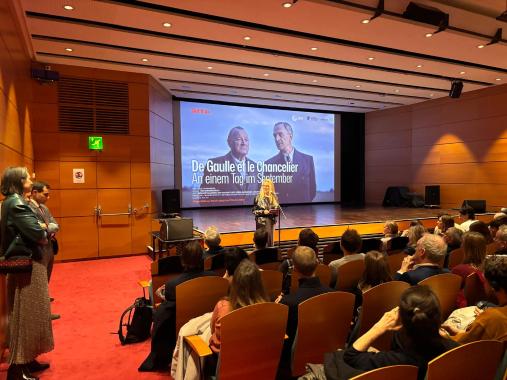
Die Konrad-Adenauer-Stiftung Frankreich und das Goethe-Institut Paris laden im Gedenken an 80 Jahre Befreiung des KZ-Buchenwald und anlässlich der internationalen Messe für Fotografie „Paris Photo“ zu einer Fotobuch Matinee ein.
Strategietreffen Mittelmeerraum 2025
Geopolitisches Diskussionsforum in Toulon
Das Auslandsbüro Frankreich der Konrad-Adenauer-Stiftung freut sich, erneut Partner des Strategietreffens Mittelmeerraum zu sein, das zum vierten Mal von der Fondation méditerranéenne d'études stratégiques (FMES) organisiert wird. Das diesjährige Treffen findet am 8. und 9. Oktober im Palais Neptune in Toulon statt und bietet ein reichhaltiges Programm mit mehr als 13 Paneldiskussionen und 4 Vorträgen.
Schuman neu erfinden: 75 Jahre später - Europa vor seiner Zukunft
Kolloquium mit dem deutsch-französischen Campus von Sciences Po in Nancy
Louise-Weiss-Akademie 2025
Sommerschule für Frieden und Föderalismus
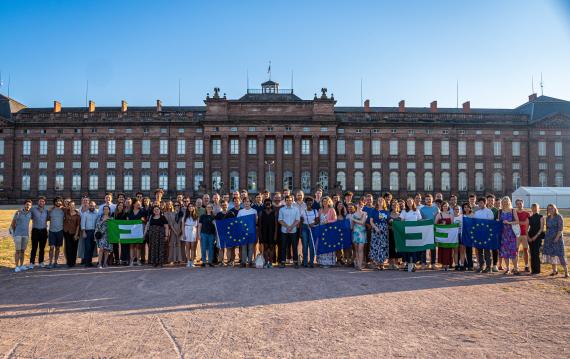
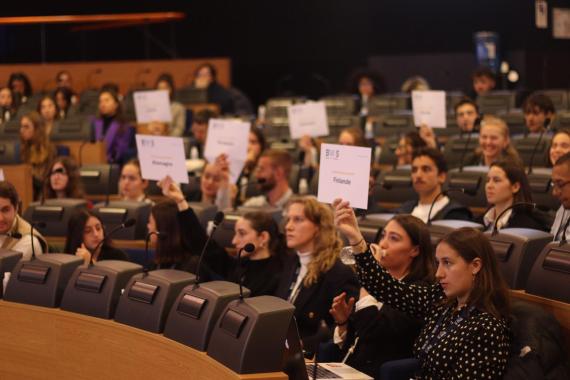
Die Louise-Weiss-Akademie ist eine internationale Sommerschule, die sich dem Studium des Friedens in Europa und der Welt widmet und Begegnungen mit Wissenschaftlern, Diplomaten und Entscheidungsträgern, Workshops, Lesungen und Diskussionen miteinander verbindet. Die Akademie ist nach Louise Weiss benannt, um ihr intellektuelles und politisches Engagement für Frieden und europäische Einheit, für Menschenrechte und demokratische Prinzipien zu ehren.
1945-2025. War and Post-War(s). Contemporary Perspectives on the post WWII World
International Conference Series: Berlin – Paris – New York
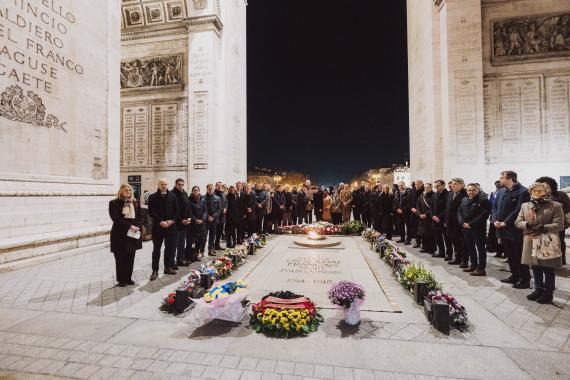
The year 2025 will mark the 80th anniversary of the end of World War II. The brutal destruction of entire states, the tragedy of death, the wounds of survivors and, most importantly, the knowledge of the civilizational breakdown represented by the Holocaust and the Nazi ideology of extermination, have profoundly shaped our world. The complex heritage of WWII and its aftermath is reflected in current crises and conflicts; these conflicts, in turn, alter our historical perspective on the end of the Second World War. The 80th anniversary comes at a critical juncture. We are facing the end of the post-Cold War world order, which marks the end of the liberal and Western vision of the future. The promise of a new – and more just – world seems to have vanished for many generations, while wars and conflicts are at the forefront of our minds, often mobilizing military personnel and economic resources in the West.
1945-2025 - 80. Jahrestag des Endes des Zweiten Weltkriegs und der Rückkehr zum Frieden
Internationales Kolloquium mit CY Cergy Paris Université
Three years of full-scale war with Russia
How can France strengthen its support for Ukraine in the field of security and European integration?
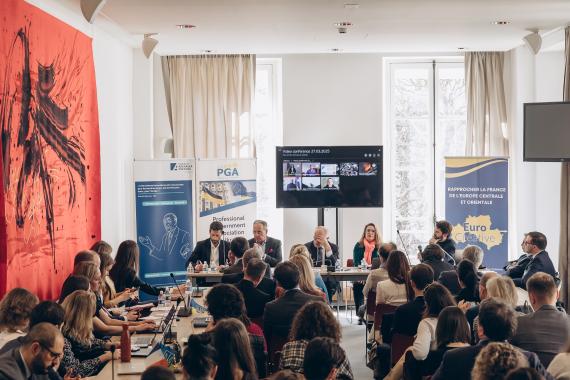
2025 marks the third year of Russian full-scale war in Ukraine and of Ukraine becoming an EU candidate country. Despite heavy human toll and damage to its physical infrastructure and the economy, Ukraine continues its reform path towards European Union integration showing unmatched political will and societal resilience with awaited opening of chapter negotiations in May 2025. While the current political leadership of the United States adds instability to the future of security guarantees for Ukraine and European defence architecture, current international partners’ support for Ukraine and civil society initiatives make an essential contribution to Ukraine's comprehensive reforms on the way to EU membership and reconstruction. In this context, the Professional Government Association (PGA) of Ukraine and the French think tank Euro Creative find it crucial to continue mobilising public support for Ukraine in France and improve the quality of discussion on progress and prospects of stepping up the French support to Ukraine’s defence capabilities and European integration efforts. For France, supporting Ukraine represents both a duty and an opportunity to advance its strategic leadership for a more secure, stronger and prosperous Europe. For Ukraine, having predictability and clarity on the type and scope of French commitment is critical for its efforts in defending its statehood and protecting European democracies against Russia, as well as for progress on reforms for EU membership.