








 KAS/Gerd Markert
 KAS/Gerd Markert
 KAS/Gerd Markert
 KAS/Gerd Markert
 KAS/Gerd Markert
 KAS/Gerd Markert
 KAS/Gerd Markert
 KAS/Gerd Markert
 KAS/Gerd Markert
 KAS/Gerd Markert
 KAS/Gerd Markert
 KAS/Gerd Markert
KAS/Gerd Markert
KAS/Gerd Markert
KAS/Gerd Markert
KAS/Gerd Markert
KAS/Gerd Markert
KAS/Gerd Markert
KAS/Gerd Markert
KAS/Gerd Markert
KAS/Gerd Markert
KAS/Gerd Markert
KAS/Gerd Markert
KAS/Gerd Markert
KAS/Gerd Markert
KAS/Gerd Markert
KAS/Gerd Markert
KAS/Gerd Markert
KAS/Gerd Markert
KAS/Gerd Markert
KAS/Gerd Markert
KAS/Gerd Markert
KAS/Gerd Markert
KAS/Gerd Markert
KAS/Gerd Markert
KAS/Gerd Markert
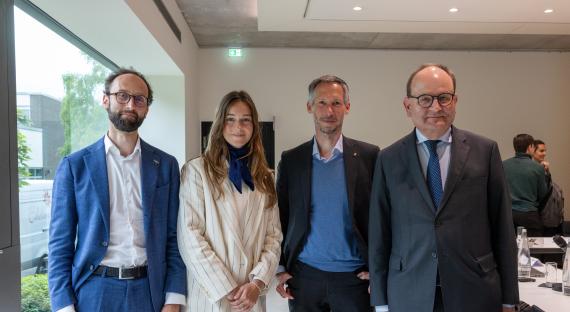
ETS2 – A Call for Strong Price Signals and Political Clarity
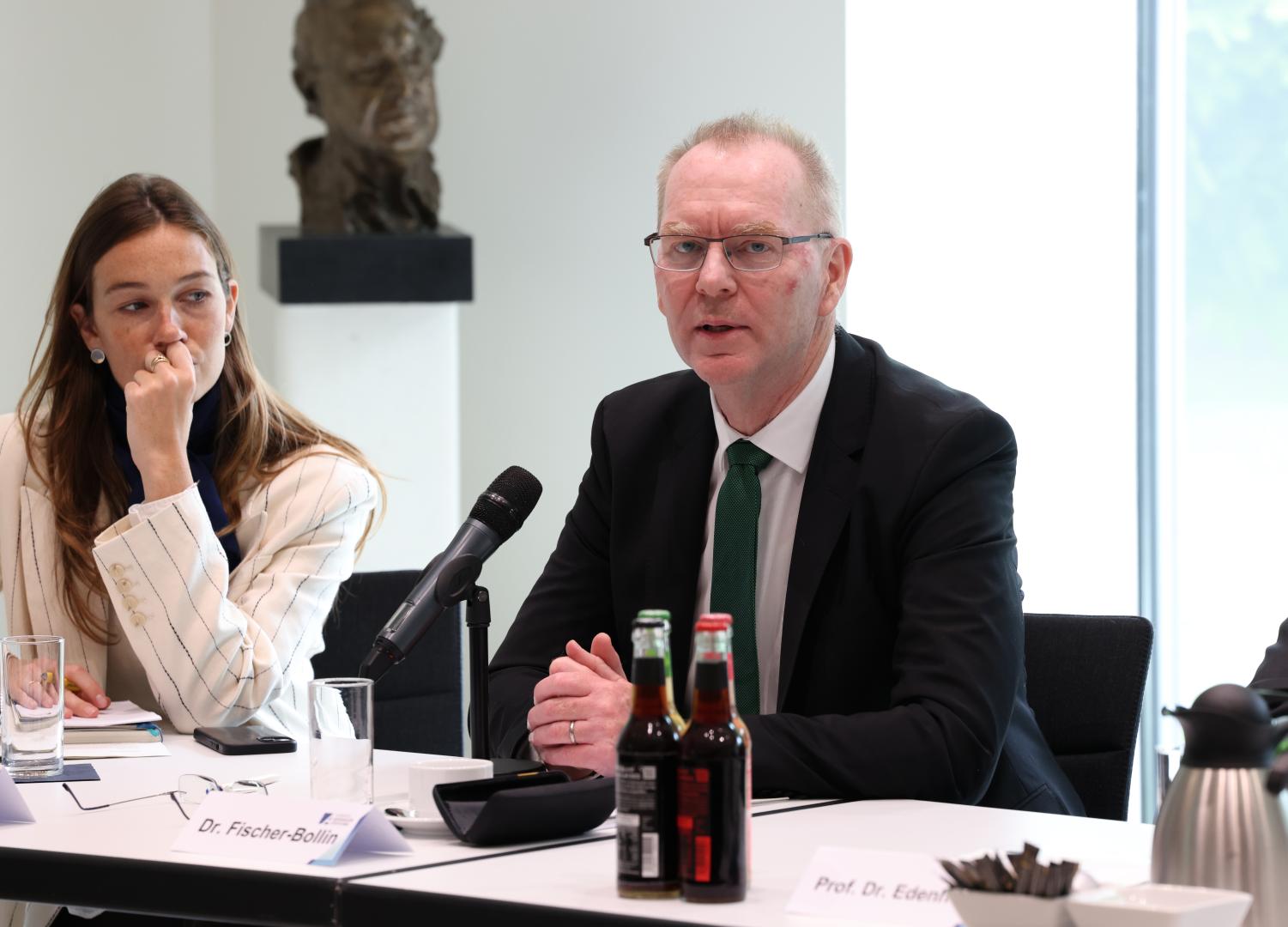
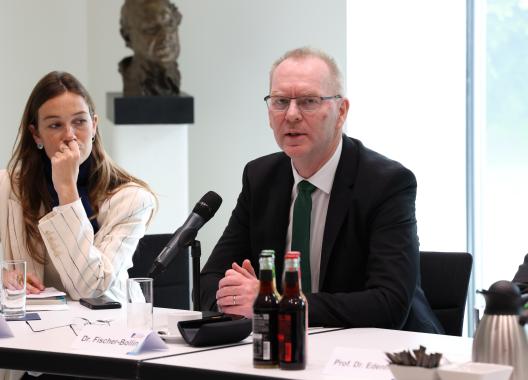
Dr. Peter Fischer-Bollin, Head of the Analysis and Consulting Department at KAS, strongly advocated for ETS2 as a central instrument for achieving Europe’s climate goals. He emphasized the need for a strong price signal and political clarity: a reliable CO₂ price is crucial to promote investment in climate-friendly innovations and accelerate the transformation.
At the same time, he pointed to conflicts of interest—such as between competitiveness and social resilience—that must be politically balanced, especially in light of populist tendencies. Delays or dilution could undermine trust from both industry and society and jeopardize climate targets. While the German government has set important course corrections, clear communication and further specification are needed to ensure acceptance and planning security—especially with upcoming state elections and Europe’s role as a climate policy pioneer in mind.
European Emissions Trading as a Geopolitical and Industrial Policy Key Instrument
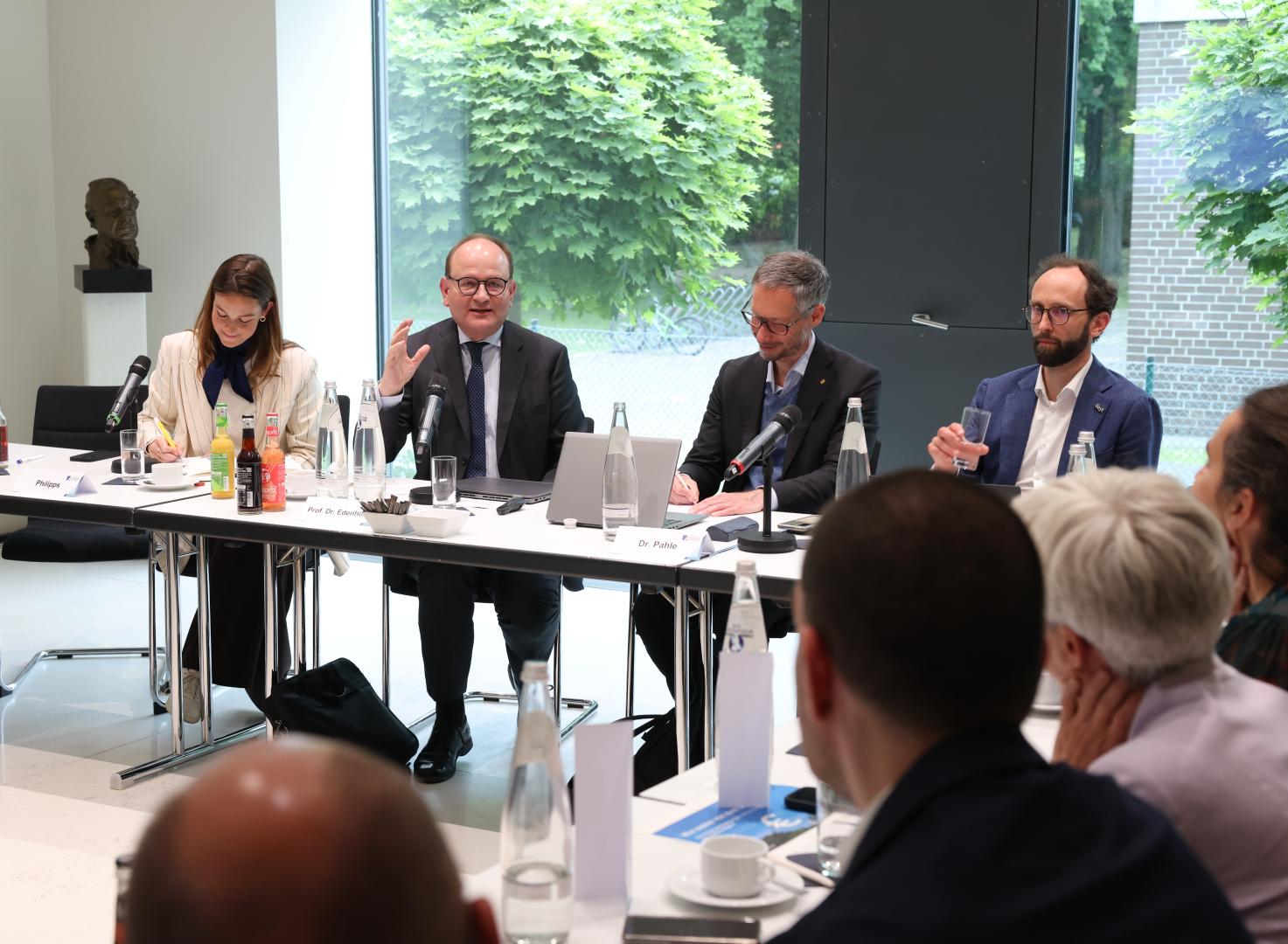
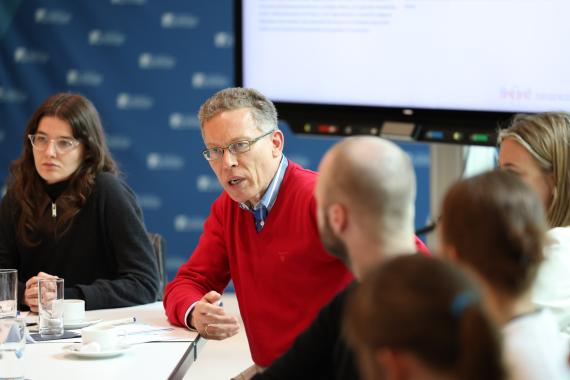
Prof. Dr. Ottmar Edenhofer, Director of PIK, emphasized the central role of ETS2 for European climate neutrality and international competitiveness. He highlighted ETS1 as a successful flagship project and underlined the geopolitical significance of ETS2 in light of Europe’s dependence on fossil fuels.
Edenhofer welcomed the German government’s clear commitment to climate goals and ETS2 starting in 2027—despite critical voices from parts of the EU. For success, price certainty, social balance, and effective carbon leakage protection via the CBAM are essential to protect industry and strengthen international cooperation.
Ambitious Climate Policy Requires Effective Price Signals
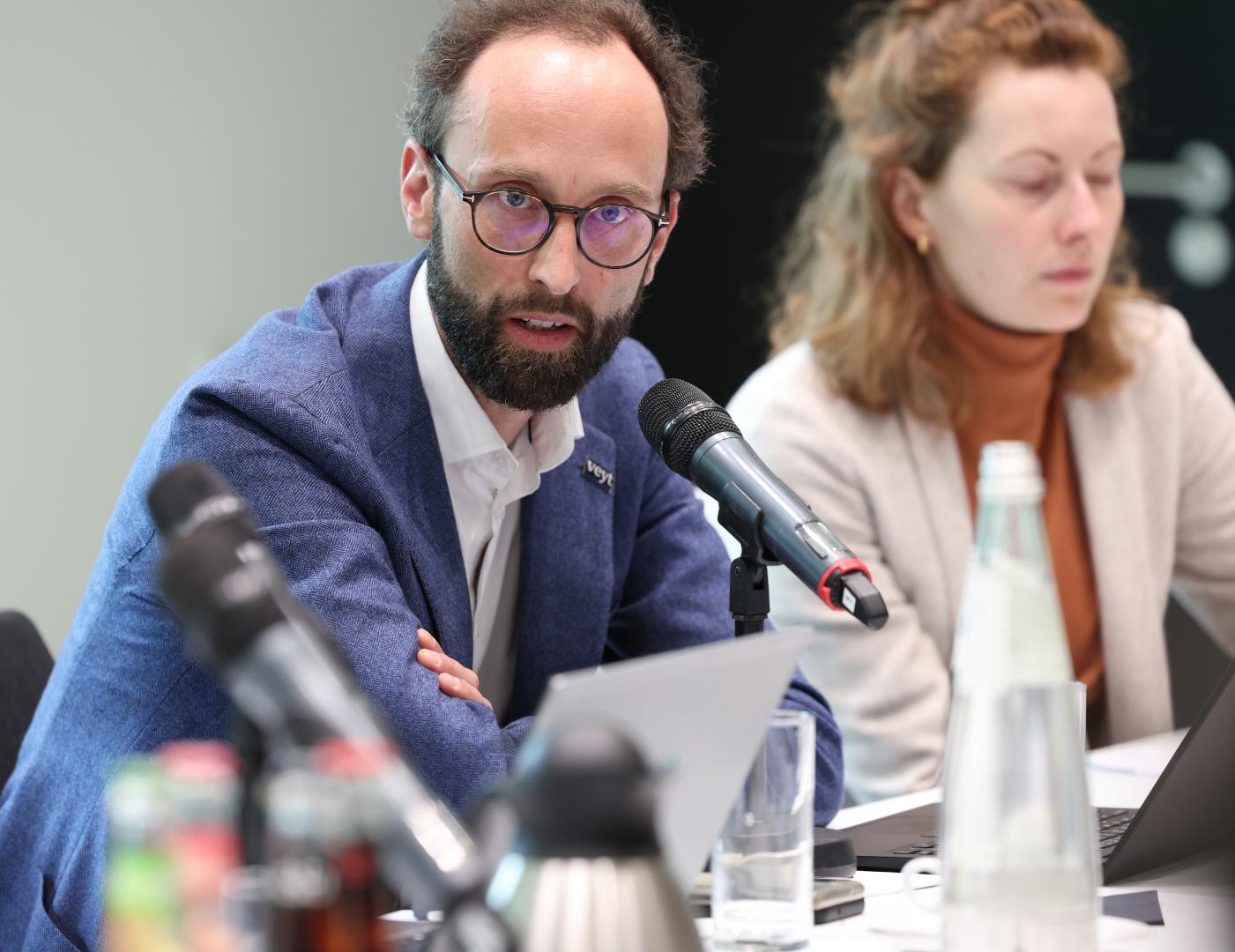
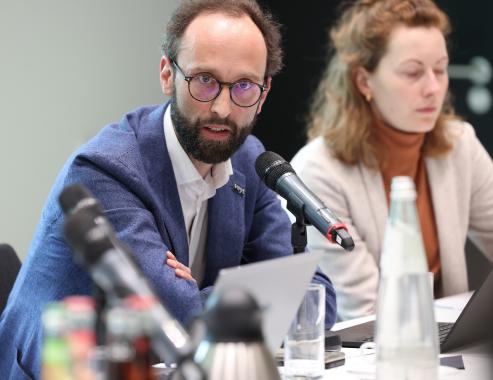
According to Marcus Ferdinand, Chief Analytics Officer at Veyt, the introduction of ETS2 marks a significant step forward in European climate policy. He stressed that, given insufficient emission reductions in the building and transport sectors, the new system deliberately sets ambitious reduction targets. Particularly in the transport sector, there is economically viable potential for savings, while investments in the building sector depend more on stable energy prices.
He also emphasized that ETS2 would quickly send effective price signals and promote investment in climate-friendly technologies. However, this development requires political leadership—through reliable frameworks, targeted relief measures, and forward-looking communication. Only then can the necessary transformation be made socially acceptable and economically feasible.
Clear Communication, Stable Market Rules, and Political Leadership for a Credible and Effective Instrument
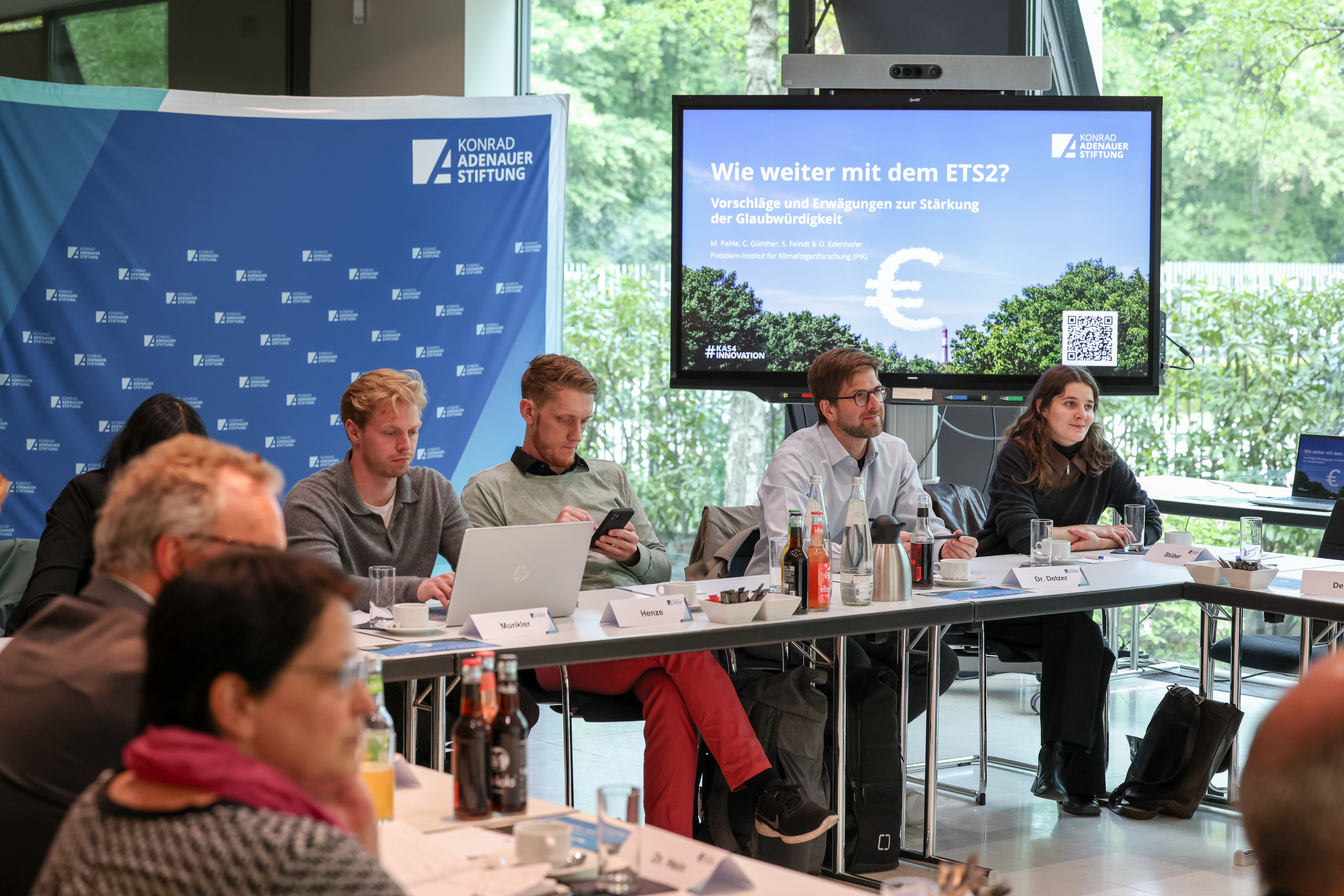
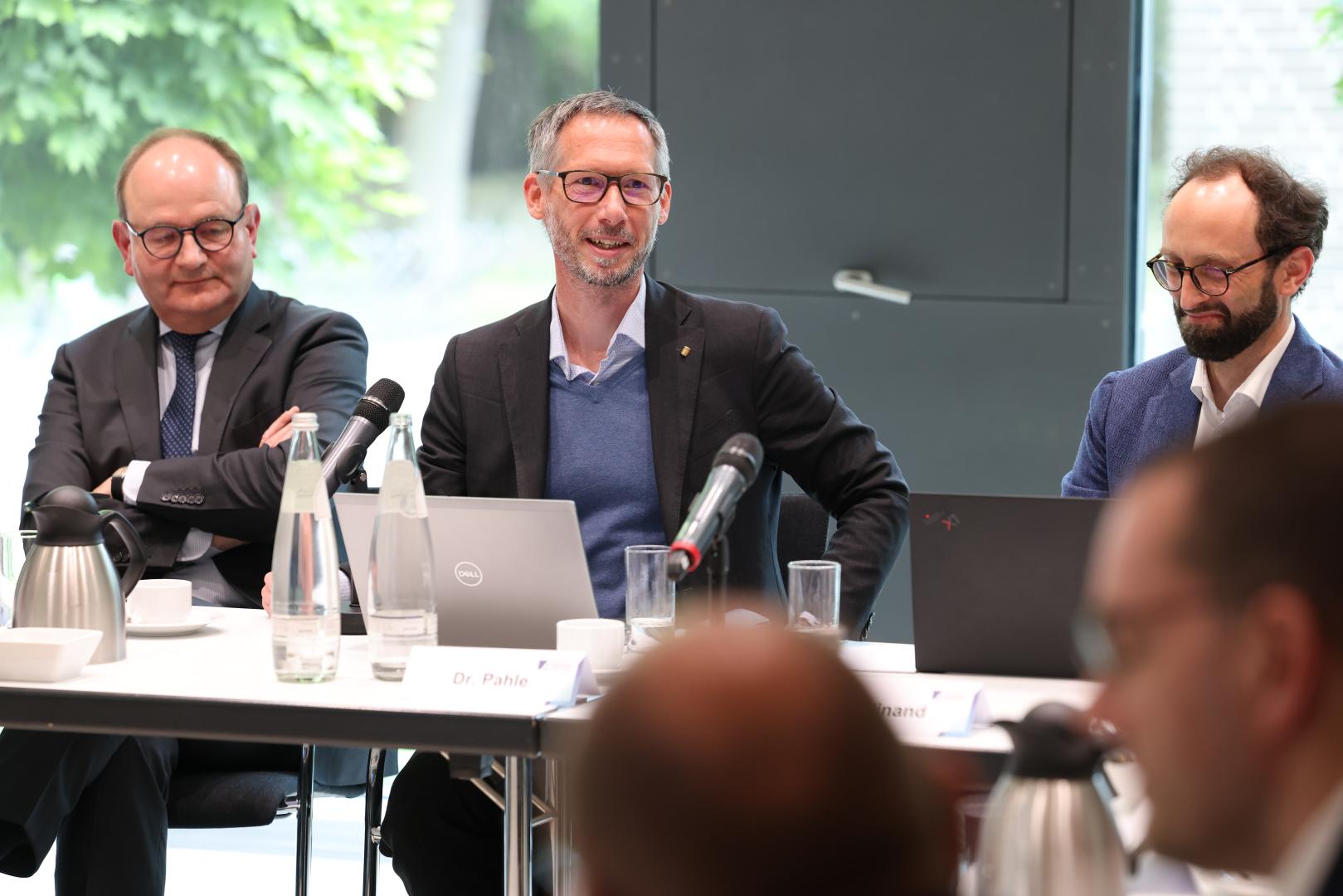
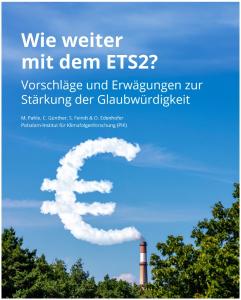
The study “What’s Next for ETS? Proposals and Considerations to Strengthen Credibility” was presented by Dr. Michael Pahle, Head of the “Climate and Energy Policy” working group at PIK. He outlined the political and economic challenges following the legal introduction of ETS2, noting that despite formal decisions, resistance in several EU countries could threaten the system’s credibility. The authors therefore propose measures to safeguard the system and enhance its effectiveness—particularly through an official expert panel to stabilize price expectations, a “shadow price cap” to cushion price spikes, and targeted information and investment incentives for consumers and businesses.
Another focus is on social compensation: the existing Climate Social Fund must be adjusted to better support households in Central and Eastern Europe. In Germany, a differentiated allocation between welfare-state and ETS-financed measures is also necessary. Overall, the authors advocate for clear communication, stable market rules, and political leadership to establish ETS2 as a credible and effective instrument of European climate policy.
Key Challenges and Strategic Questions Around ETS2 Implementation

In an open discussion round, experts intensively debated key challenges and strategic questions surrounding the implementation of ETS2. One focus was the automotive industry, particularly concerns that renegotiations could dilute the system and endanger climate targets. There was critical questioning of whether it is realistic to integrate the building and transport sectors into emissions trading, or whether this is overly ambitious. The discussion also raised the issue of potential convergence between ETS1 and ETS2—such as in terms of market mechanisms and long-term integration of both systems.
The communicative dimension was particularly emphasized: the acceptance of ETS2 largely depends on how clearly and transparently its impacts are conveyed to consumers. Geopolitical aspects—such as dependence on fossil imports—should also play a greater role in the ETS2 debate. Other discussion points included avoiding price spikes, the risk of negative path dependencies, and how to design sectoral allocation without weakening the system’s steering effect.
More Than a Market Mechanism: ETS2 as a Political and Societal Project
The event made it clear that ETS2 is not just a technical instrument, but a political and societal project with far-reaching economic and geopolitical dimensions. The discussions highlighted how important clear communication, social balance, and stable framework conditions are for the system’s credibility and effectiveness. Only if ambitious climate goals are combined with economic rationality and societal acceptance can ETS2 unfold its full transformative power and position Europe as a global leader in climate protection.
About this series
The Konrad-Adenauer-Stiftung, its educational institutions, centres and foreign offices, offer several thousand events on various subjects each year. We provide up to date and exclusive reports on selected conferences, events and symposia at www.kas.de. In addition to a summary of the contents, you can also find additional material such as pictures, speeches, videos or audio clips.