






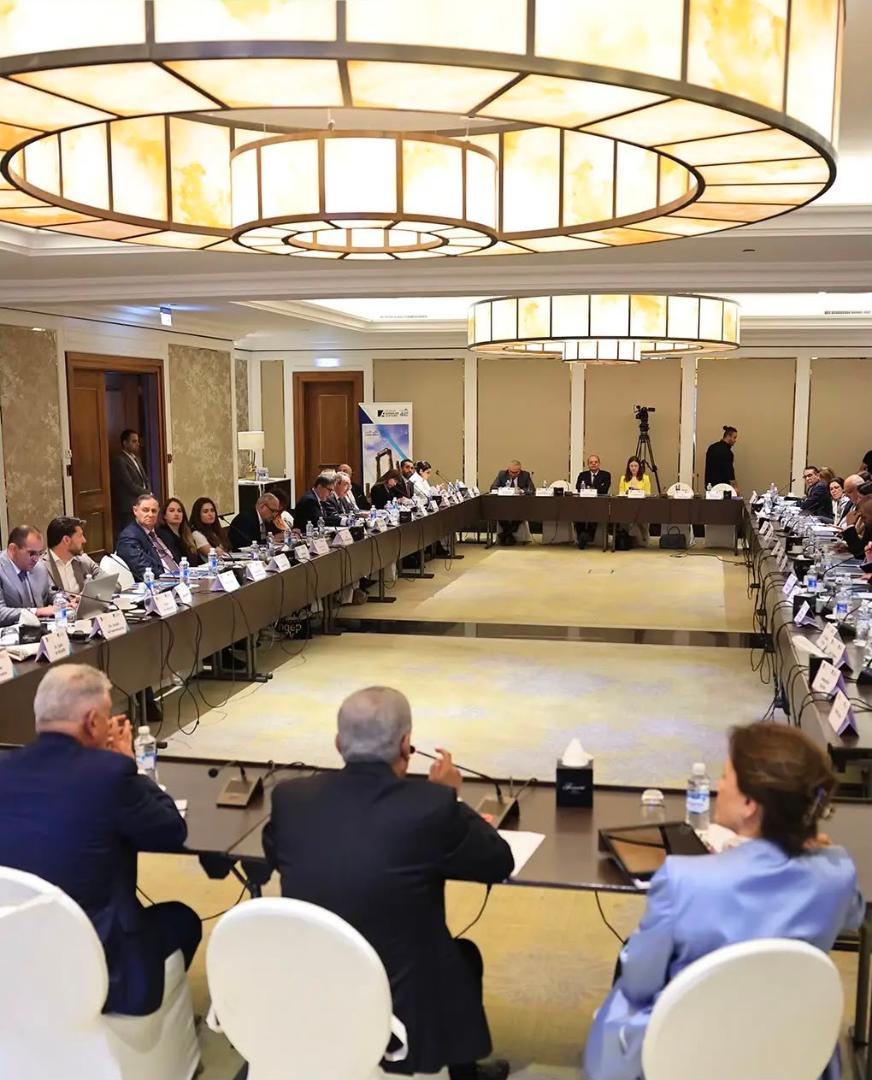
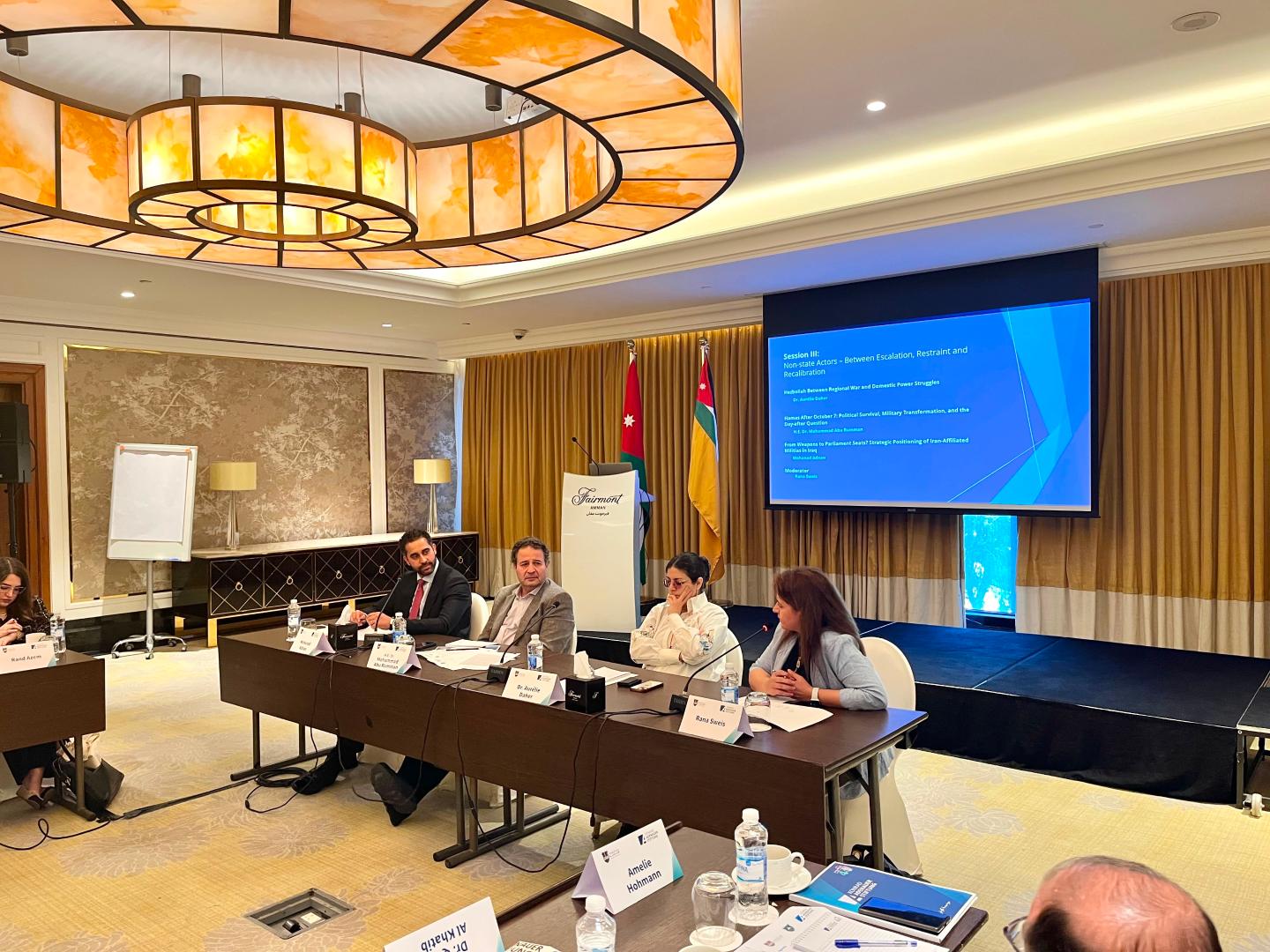
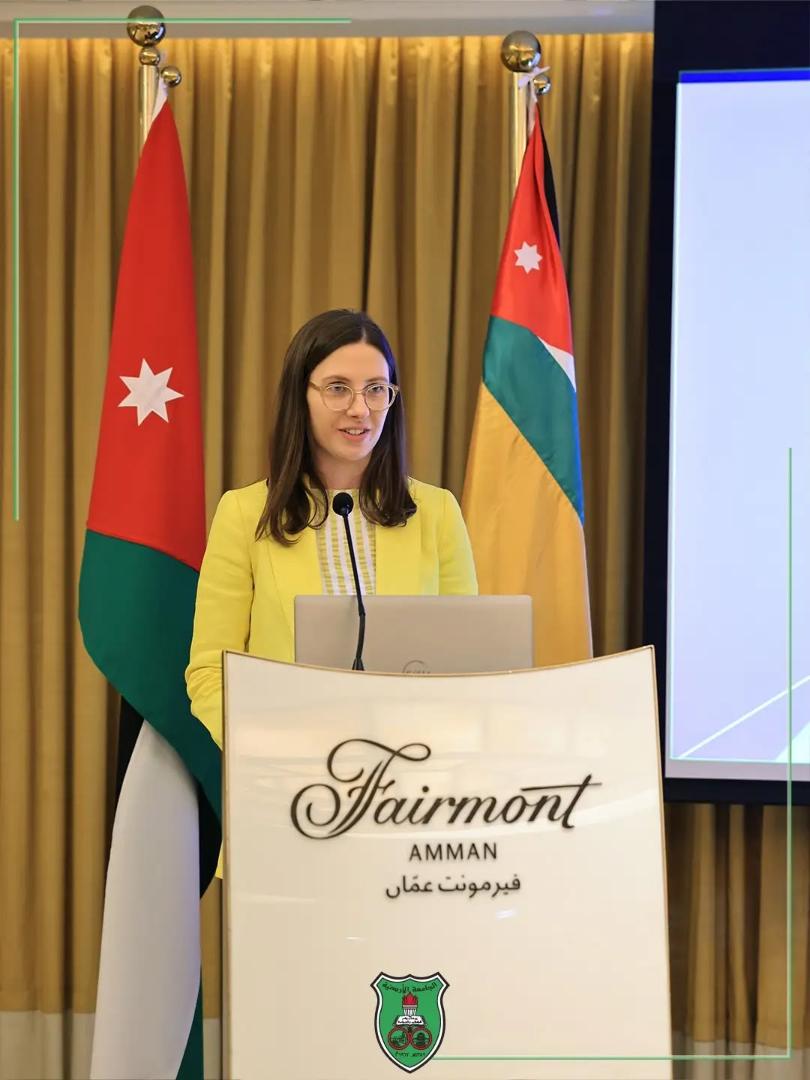
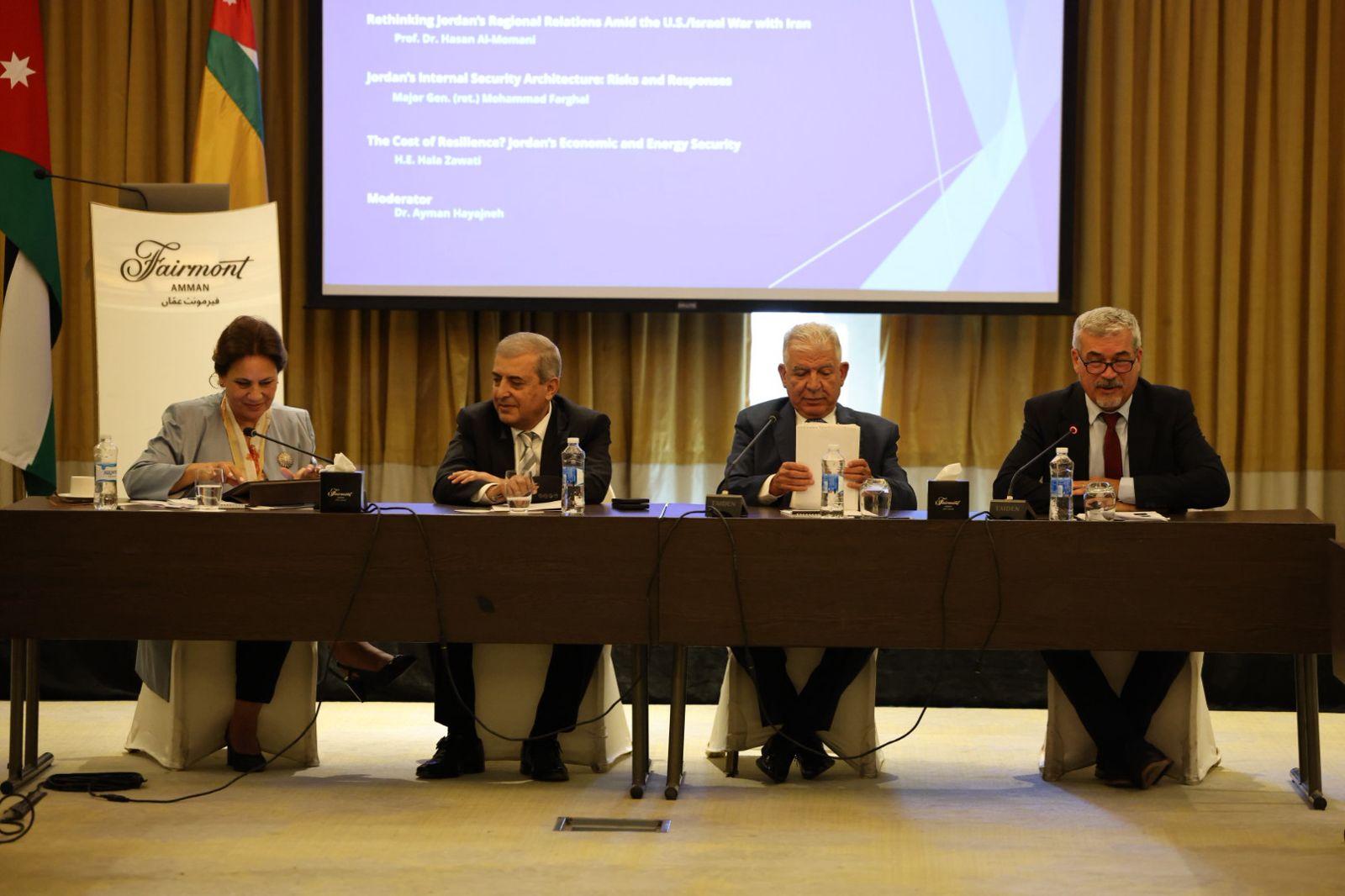
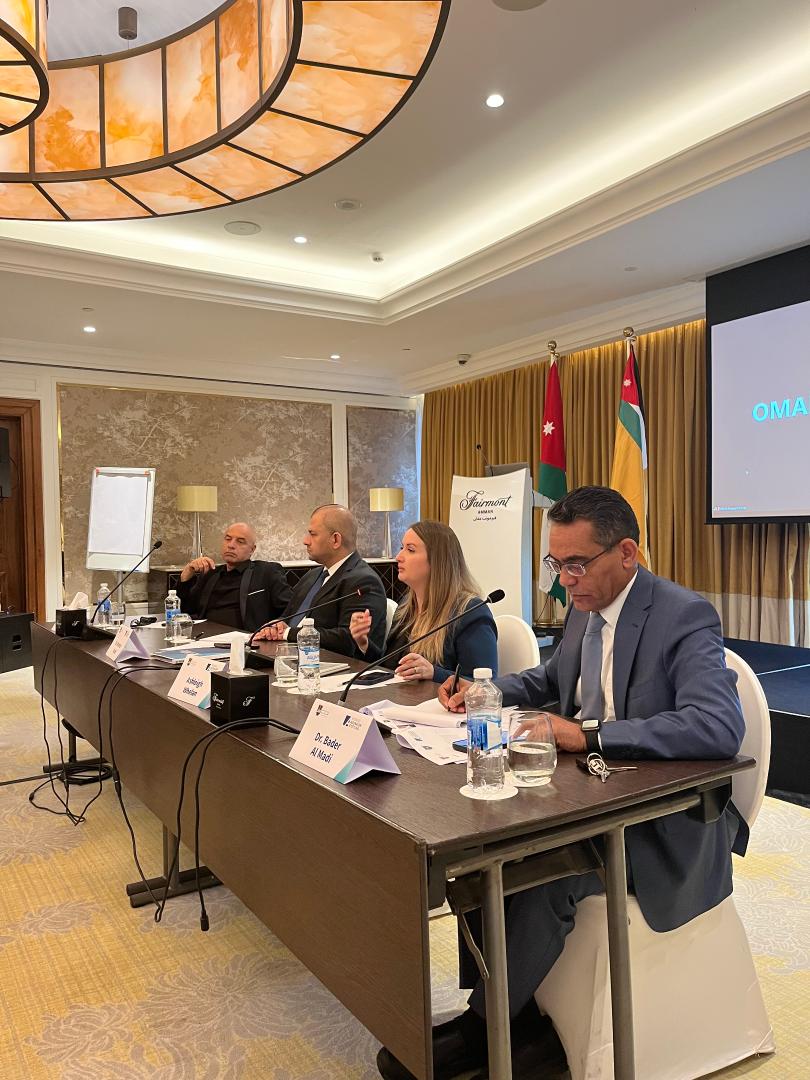
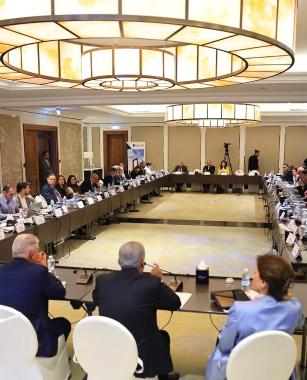
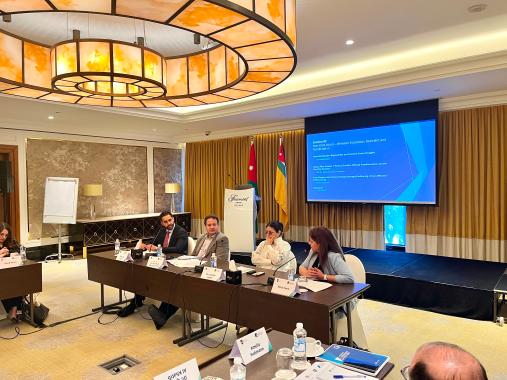
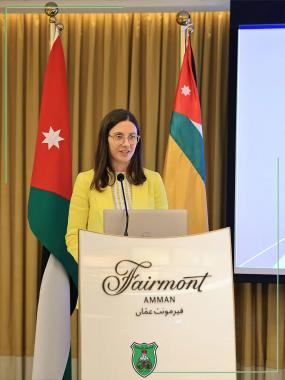
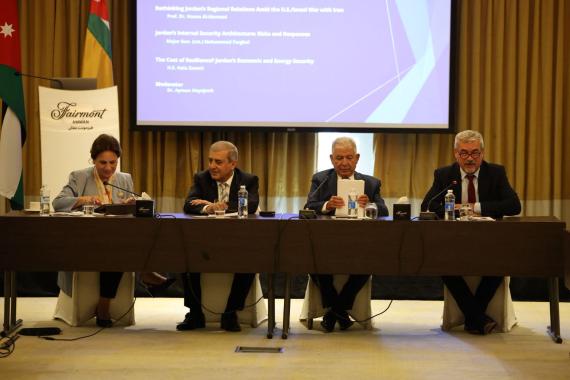
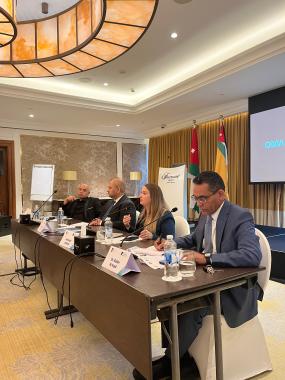
Against the backdrop of ongoing regional tensions and recent escalations, occurring in parallel with continued diplomatic efforts for de-escalation, the discussions during the conference focused on how current developments are reshaping political dynamics, security considerations, and regional alignments. The opening session looked in particular at Jordan’s position within this evolving landscape, including its security challenges, economic resilience, and regional relationships.
Further sessions explored the perspectives of key state actors such as the United States, Iran, and Gulf countries, as well as developments in Lebanon. Participants also discussed the growing role of non-state actors and examined how their influence is affecting political and security dynamics across the region. In addition, attention was given to the role of international actors, including Türkiye, Russia, Europe, and NATO, and their engagement in the region.
On the second day, the focus lay on ongoing crises in Gaza and the West Bank, as well as the continuously complex transition in Syria, within the context of broader questions about stability and reconstruction. The closing discussions brought these strands together by looking at possible future trajectories for regional security and the role Jordan can play in supporting dialogue and stability.
Overall, the conference provided a timely platform for exchange and reflection. It offered participants the opportunity to share perspectives, better understand current developments, and consider how the region might evolve in the coming years.
About this series
The Konrad-Adenauer-Stiftung, its educational institutions, centres and foreign offices, offer several thousand events on various subjects each year. We provide up to date and exclusive reports on selected conferences, events and symposia at www.kas.de. In addition to a summary of the contents, you can also find additional material such as pictures, speeches, videos or audio clips.