






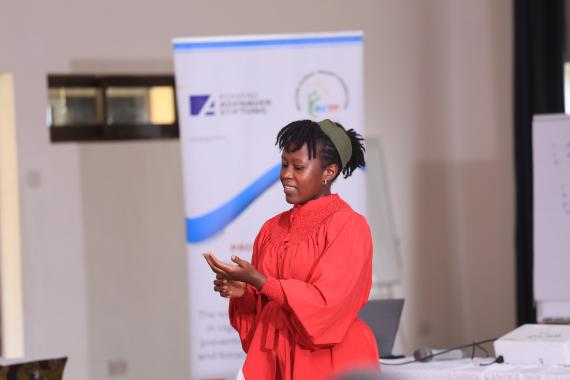
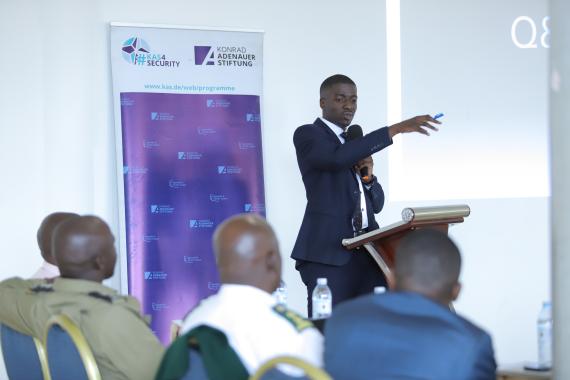
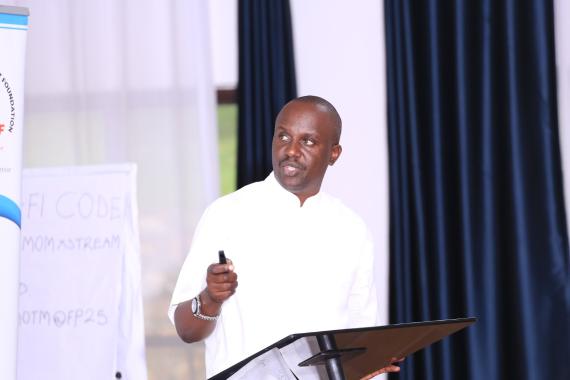
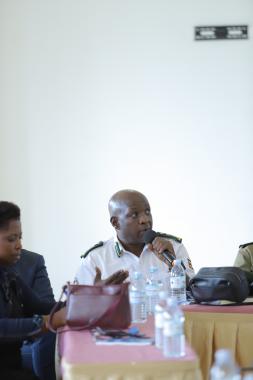
Border-to-border displacement, largely involving young people in search of safety and livelihood, has intensified pressure on host communities, strained public services and heightened the risk of conflict. Competition over land, water, health services and employment has generated recurring tensions between refugee and host populations; tensions frequently compounded by weak governance, abuse of entrusted power and the limited inclusion of affected communities in decision-making. It is within this landscape that the Refugee Global Talent Foundation (RGT), in partnership with the Konrad-Adenauer-Stiftung (KAS) Uganda and South Sudan, designed and delivered a series of multi-stakeholder engagements across South-West Uganda under the Governance, Migration and Conflict Nexus project.
The two forums reported here, held in Mbarara City from 13 to 15 February 2026 and in Fort Portal City from 6 to 8 March 2026, marked the concluding interventions of this project. From inception, the project recognised that displacement is not solely a humanitarian challenge but equally a governance and peacebuilding imperative; one that demands coordinated, multi-actor responses rooted in local realities. These final forums were therefore designed not merely as a closing event but as a deliberate and carefully structured investment in sustainability: ensuring that the mechanisms, networks and capacities developed throughout the project would endure long after its formal closure.
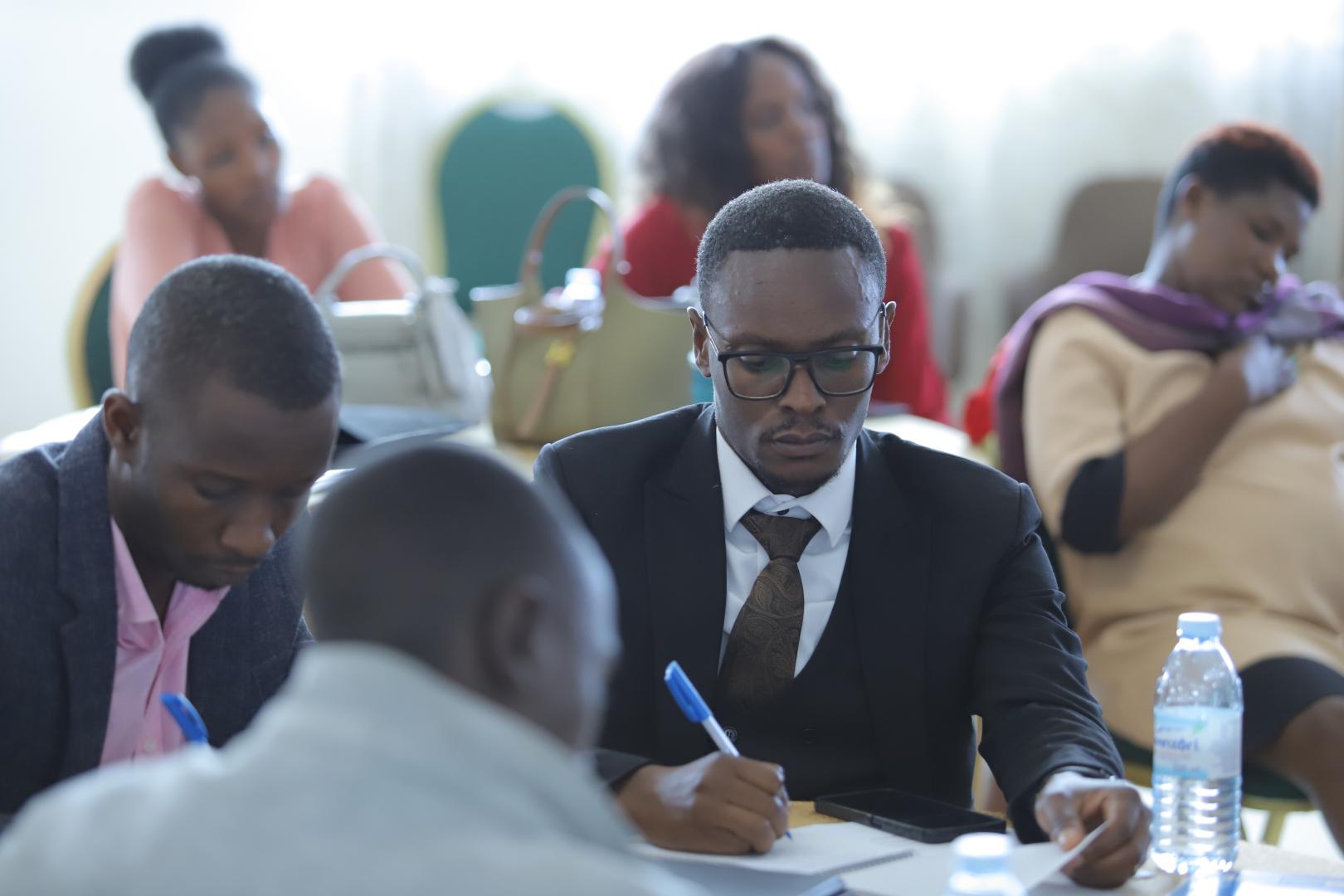
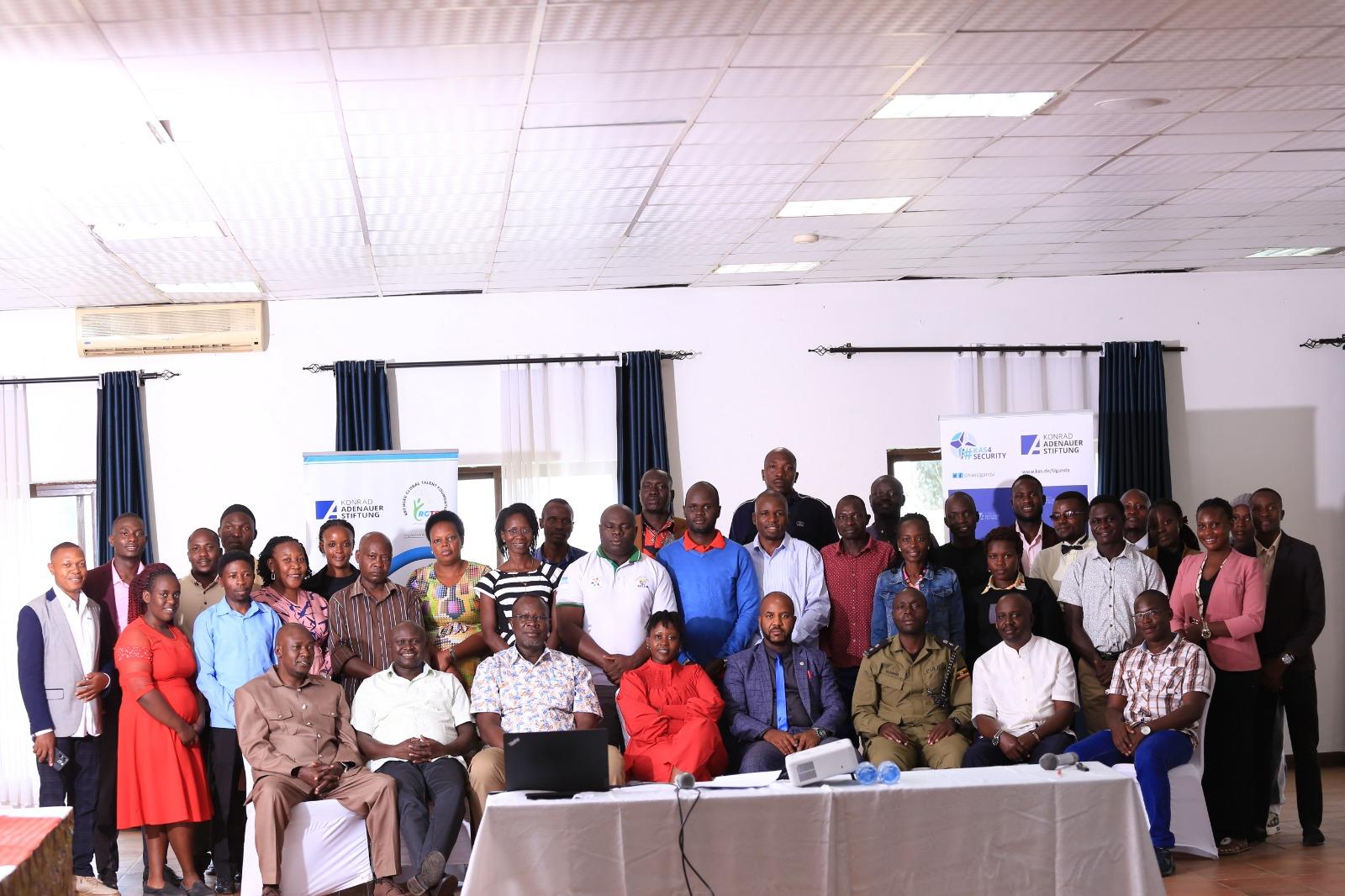
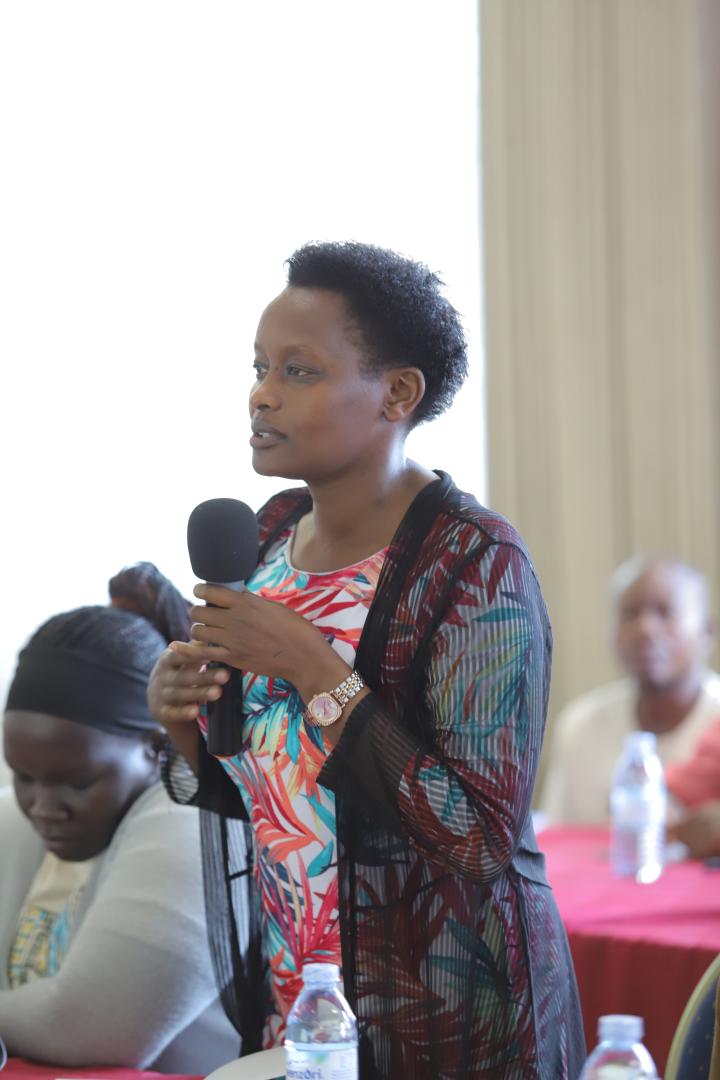
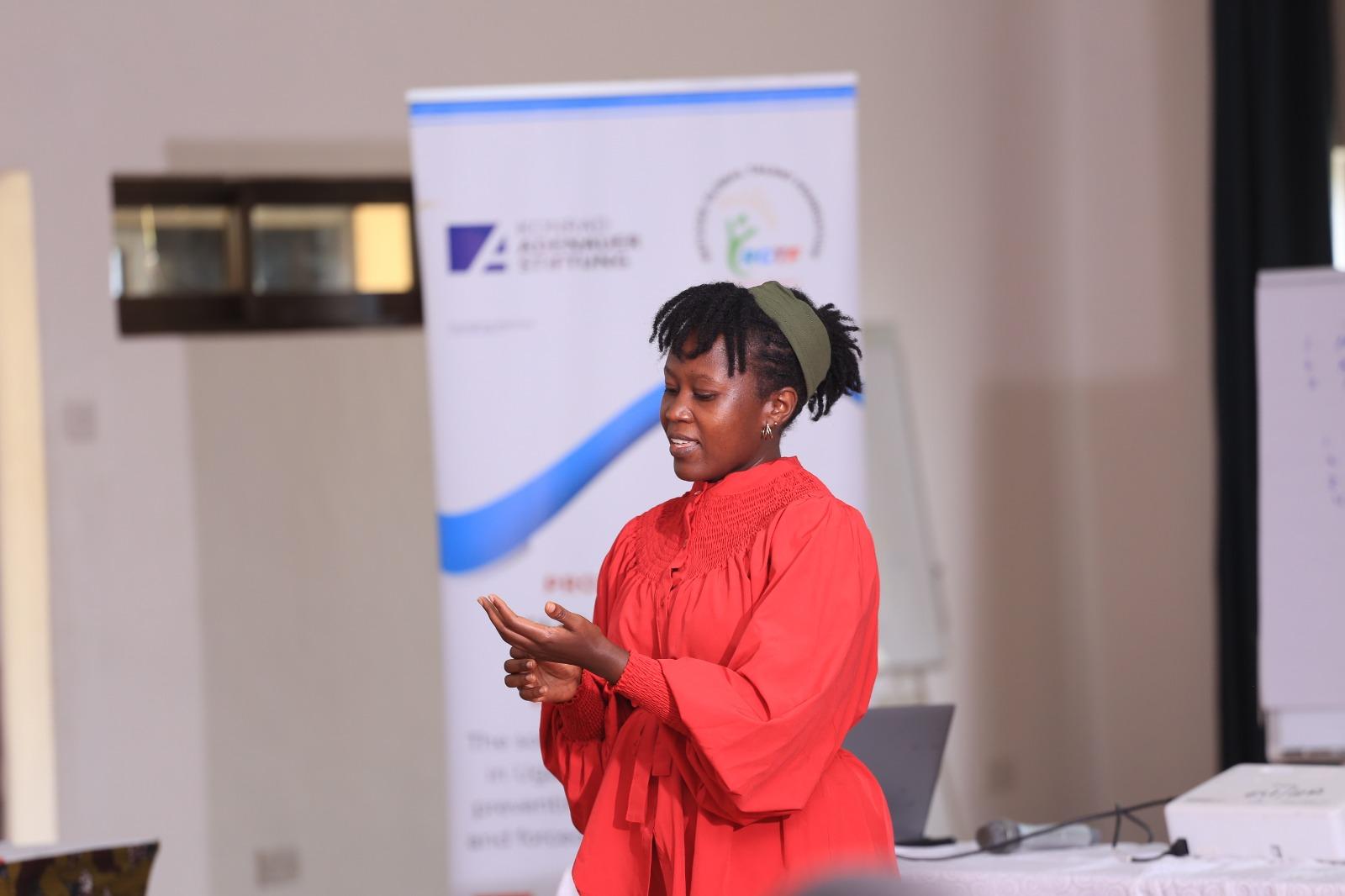
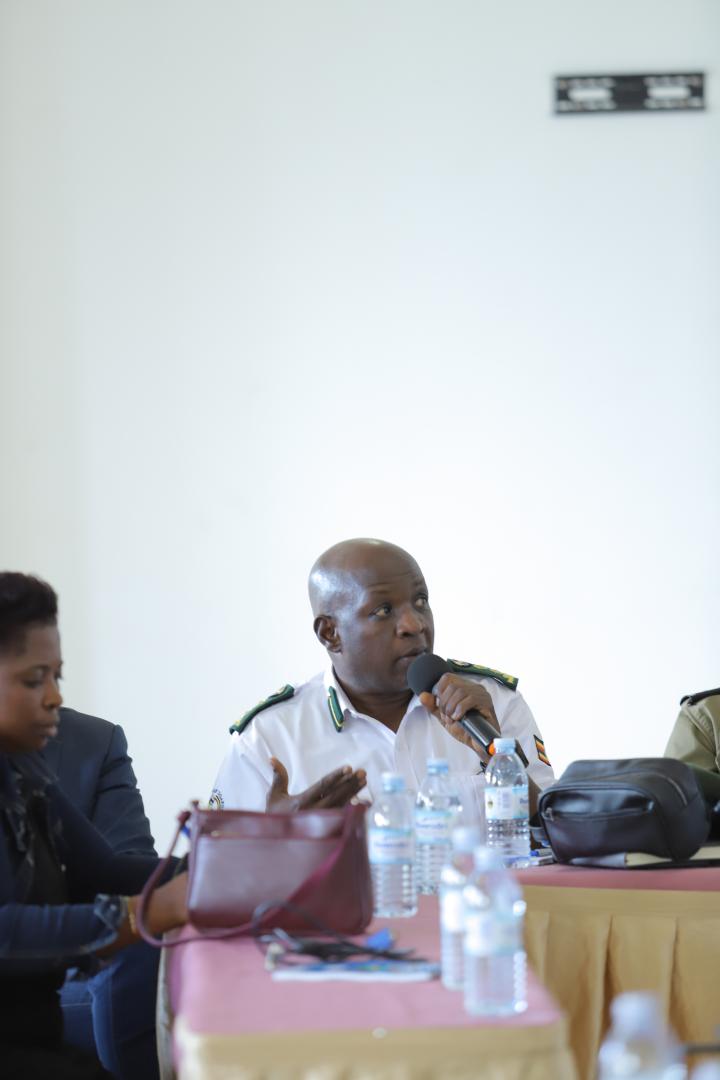
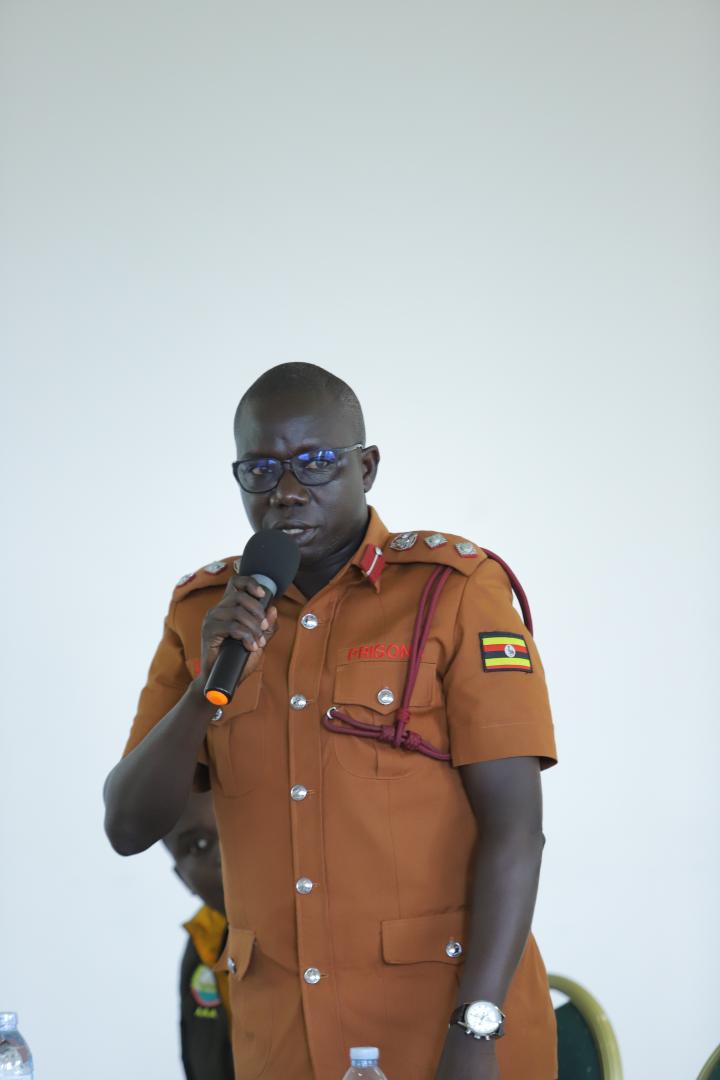
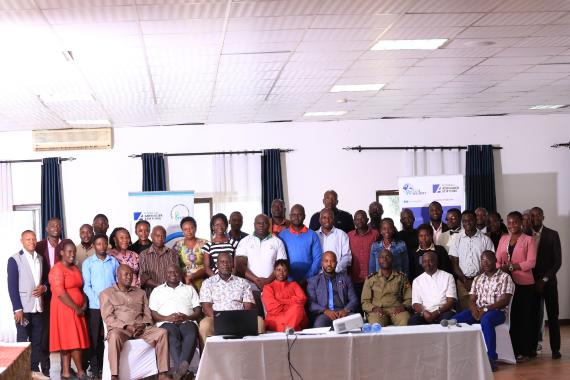
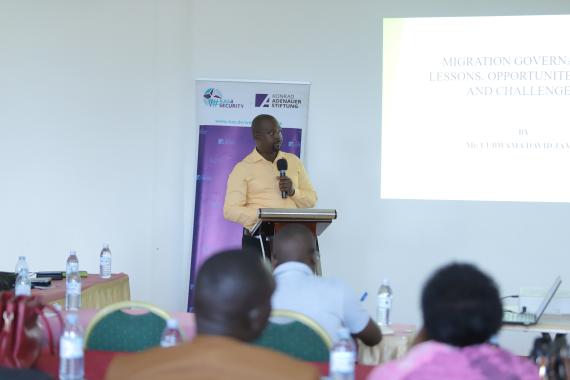
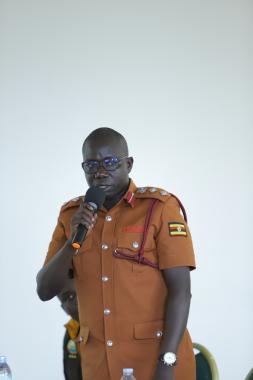
The Mbarara forum was convened at Oxford Hotel Mbarara and brought together approximately 50 key community and institutional leaders whose daily work intersects directly with displacement. Participants included representatives from the Office of the Prime Minister; regional police and border security officials including a senior officer from the Bunagana border; political leadership including the LC5 Chairperson for Isingiro District; UNHCR and IOM coordinators; refugee welfare council leaders; Persons with Disabilities representatives; civil society organisations including the Refugee Law Project; and private sector actors. The forum was opened with strategic framing by Mr. Bahati Erick, Executive Director of RGT; Mr. Aloni Turahi, LC5 Chairperson for Isingiro District; and Ms. Anisha Alinda, Programme Manager at KAS Uganda. It was moderated throughout by Mr. Hudson Turinayesu, Project Officer at KAS.
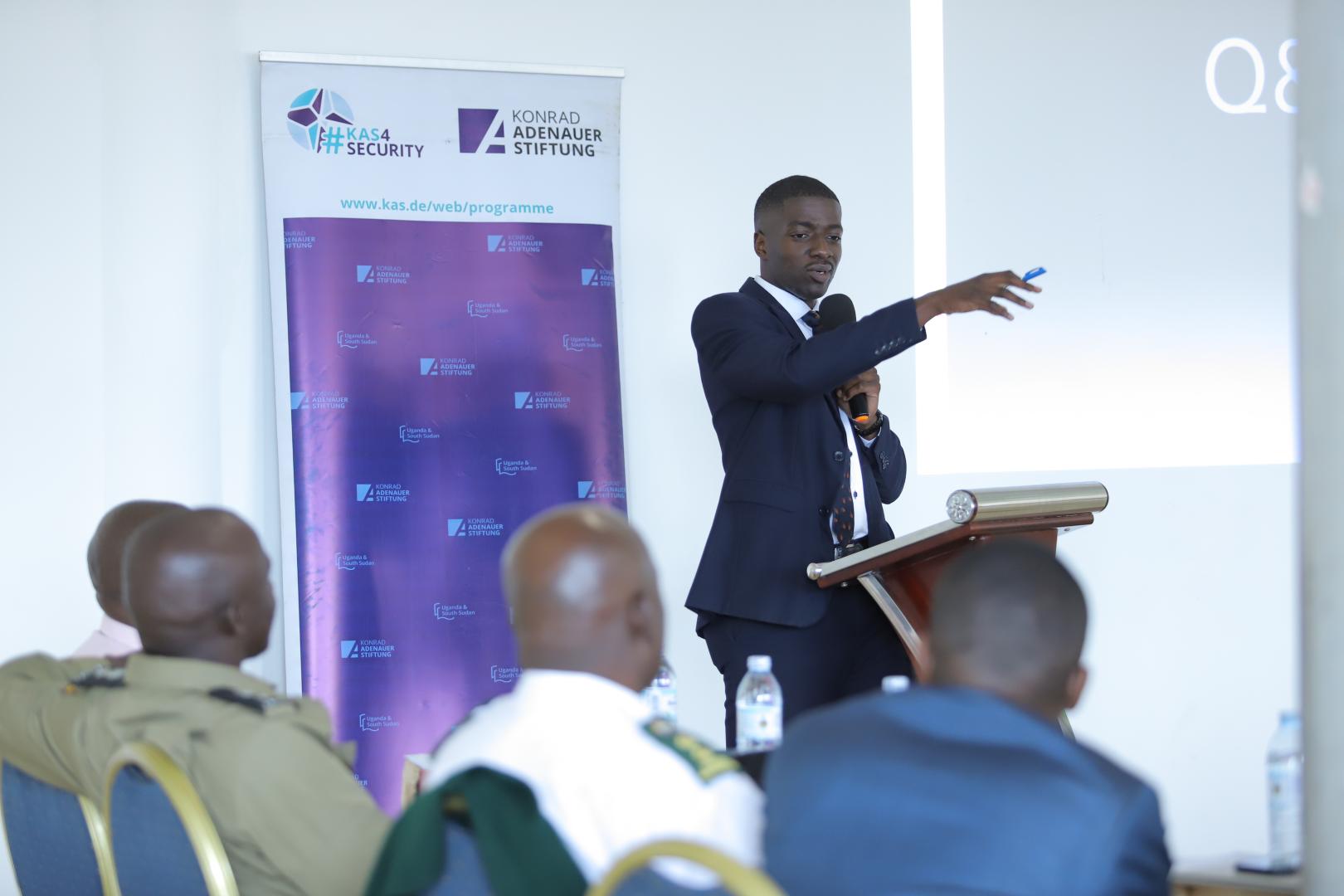
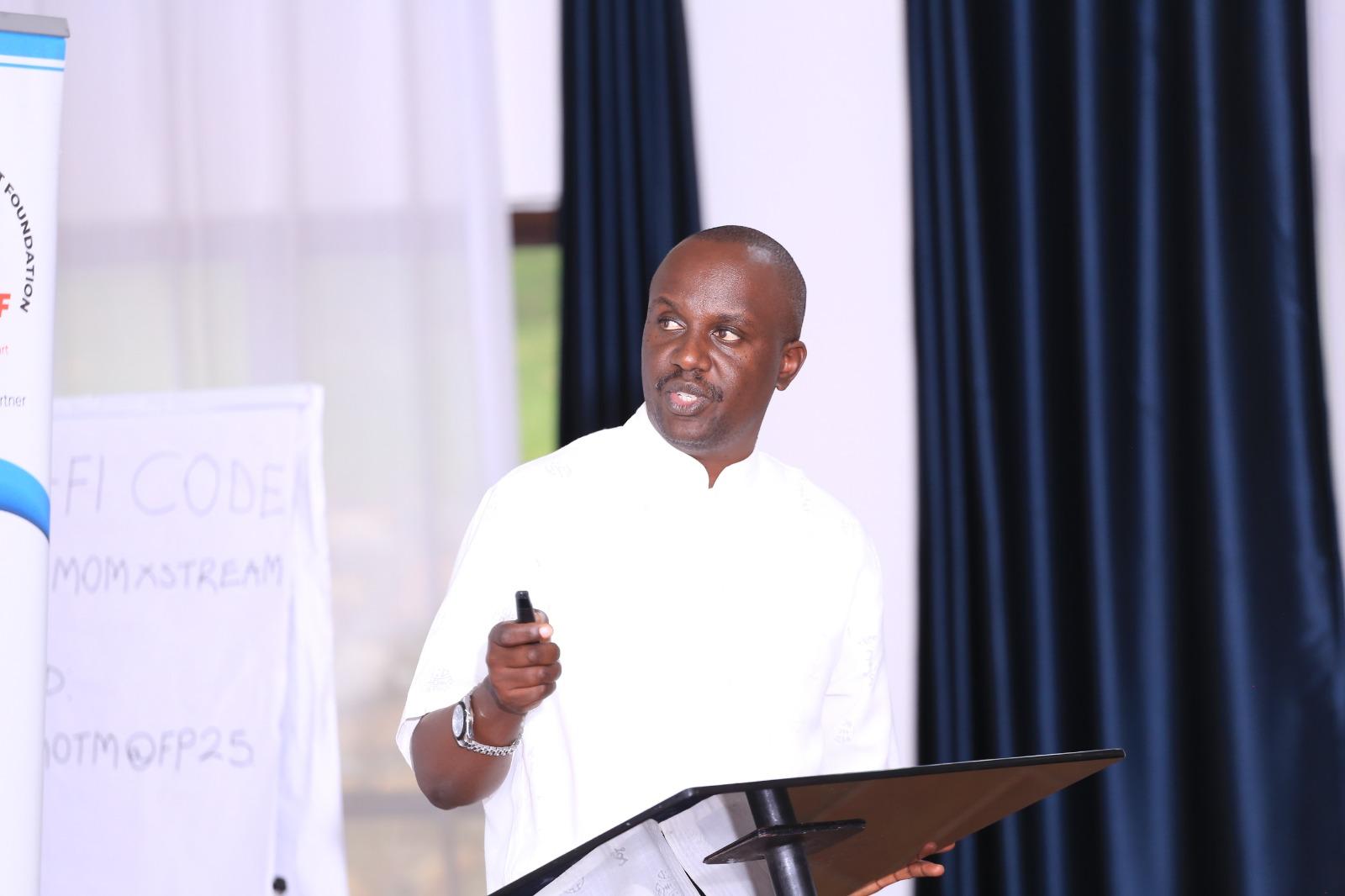
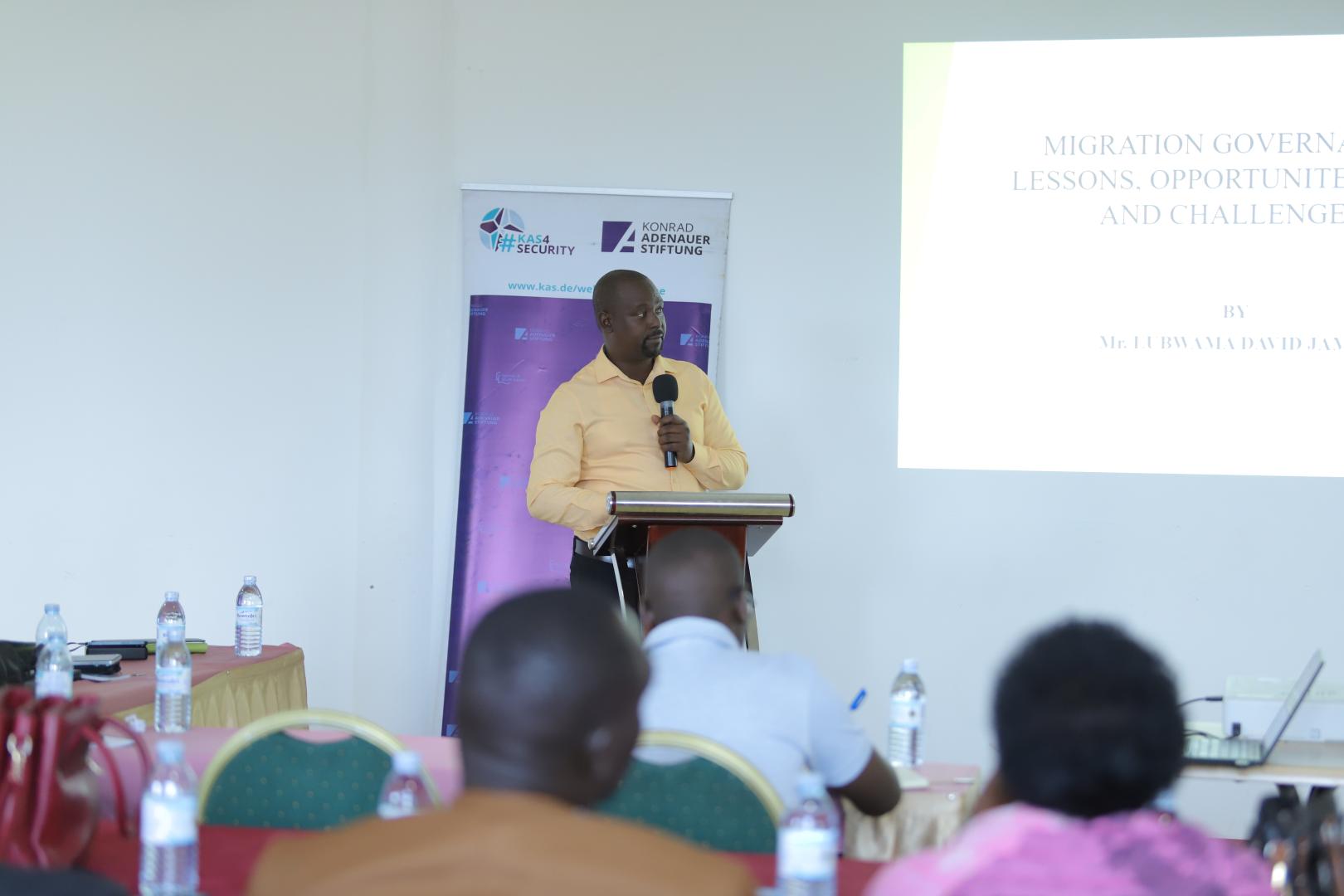
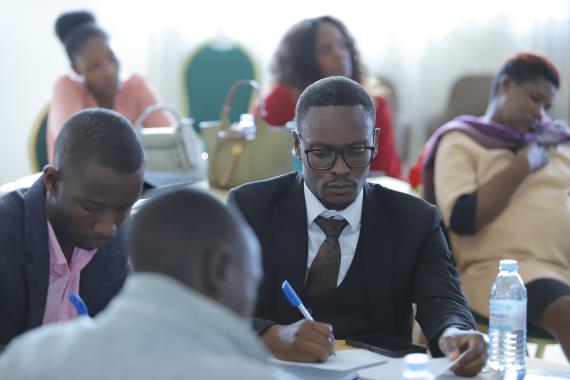
The programme unfolded across two intensive days of thematic sessions, group work, visual learning and panel discussion. Ms. Anisha Alinda opened the substantive engagement with a session on migration governance in practice: examining the lessons learned across the region, the persistent gaps in policy implementation and the opportunities available to stakeholders willing to act with coordination and political will. The afternoon brought a situation analysis on border-to-border displacement facilitated by Mr. Akankwasa Rodgers, a session that placed human faces on the data and underscored the urgency of the issues under discussion.
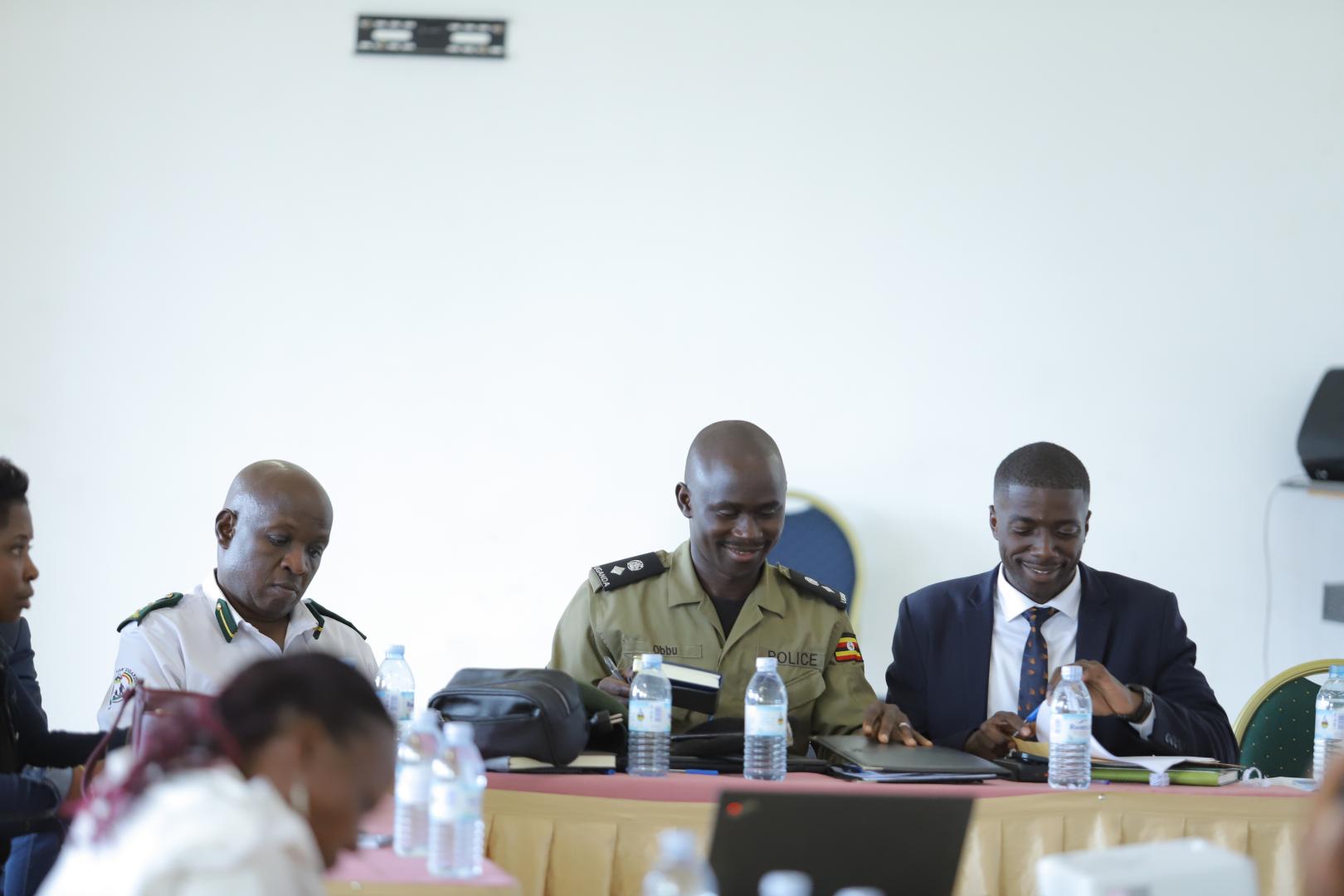
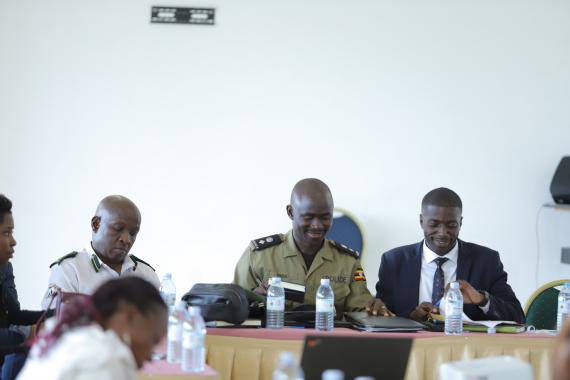
The second day of the Mbarara forum opened with a session on civic engagement as a tool for sustainable migration governance, facilitated by Mr. Luyimbazi Daniel, before proceeding to the forum's most high-profile engagement: a panel discussion on coordinated responses to migration and conflict featuring UNHCR Protection Officer Mr. Muhendai Issiah; Refugee Desk Officer for the South West Region Mr. Titus Jogo; COL. Tukamwesiga James from Bunagana border security; IOM Coordinator Mr. Dominic Okello; and Regional Police Commander Mr. Mujuni James. The panel gave participants a rare opportunity to engage directly with the institutional actors responsible for managing displacement in the region; and the resulting exchange was frank, substantive and solutions-oriented. The forum concluded with feedback from participant representatives, the Resident City Commissioner for Mbarara and the Refugee Desk Officer, before Peace Committees were formally established at refugee-settlement level. Each committee was nominated and endorsed by participants, with clear mandates around dialogue facilitation, early warning, mediation and liaison with government and security authorities; and each was deliberately anchored within existing local government structures to ensure continuity beyond the project.
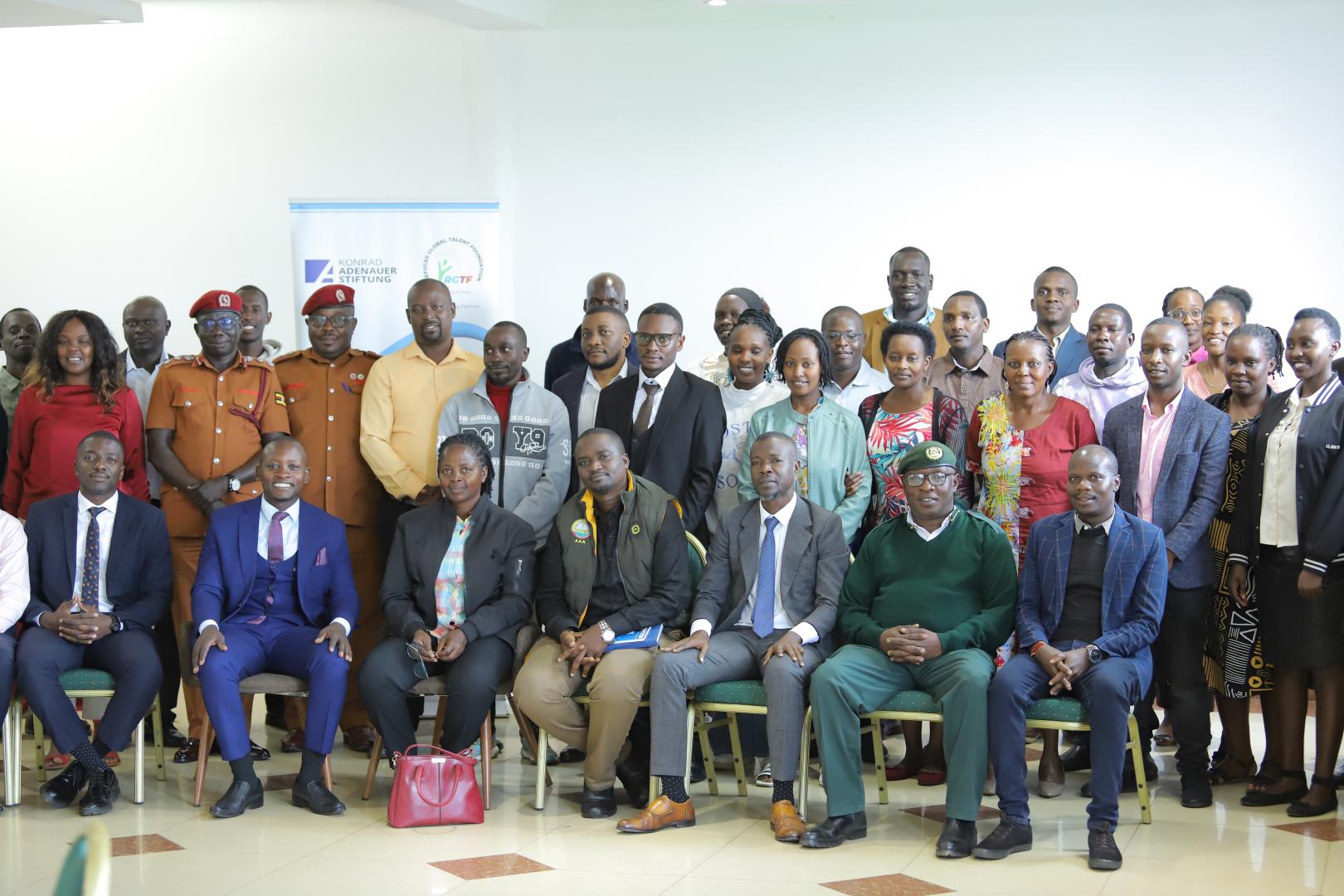
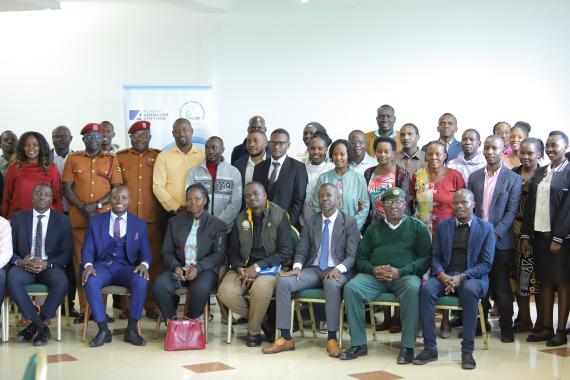
The Fort Portal forum, held from 6 to 8 March 2026, completed the regional coverage of the engagement series and drew a similarly diverse cross-section of stakeholders from refugee-hosting districts across the western sub-region: local government and political leaders; security and border management personnel; humanitarian coordination bodies; civil society and faith-based organisations; and representatives of both refugee and host communities. The intentional inclusion of voices from across the humanitarian, development and peace nexus ensured that discussions were grounded in diverse lived experiences rather than any single institutional perspective. Building on the analytical foundations laid in Mbarara, the Fort Portal programme deepened engagement with the structural and historical dimensions of displacement; exploring the multidimensional and interconnected nature of the governance and conflict challenges that participants navigate daily, and the ways in which those challenges consistently shift across borders and resist containment within any single national or institutional response.
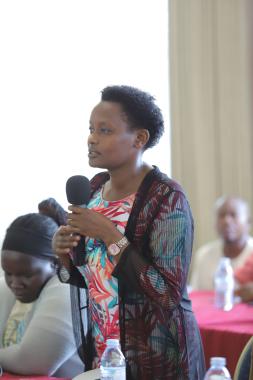
The forum featured thematic sessions on civic engagement, stakeholder coordination and the temporal and spatial politics of peace; as well as moderated dialogues that elevated the voices of community members who live most directly with the consequences of displacement and conflict. As in Mbarara, Peace Committees were formalised at the conclusion of the Fort Portal forum, with members drawn from across the participating settlements and mandated to sustain the dialogue and mediation work initiated during the project. Participants also developed a set of shared commitments on coordinated response: pledging to move beyond dialogue toward practical, monitored action and to hold one another accountable for progress in the months ahead.
Taken together, the Mbarara and Fort Portal forums reached over 100 community and institutional leaders across South-West Uganda; a constituency whose combined influence extends across refugee settlements, border communities, local government structures and humanitarian coordination platforms. The impact of these engagements is not measured primarily in numbers, however, but in the quality and durability of the change they have set in motion. Participants consistently reported a shift in how they understand the governance, migration and conflict nexus: moving from reactive crisis management toward a more analytical, systems-aware orientation that recognises their own agency within the broader picture. New channels of communication and coordination opened between actors who had previously operated in institutional isolation; channels now being maintained through the Peace Committees and through the informal networks forged across the three days of each forum.
The formalisation of settlement-level Peace Committees, linked to existing local government and security architecture, represents the project's most important and most lasting contribution: mechanisms that are not dependent on external funding, that draw their legitimacy from the communities they serve and that carry within them a locally owned mandate to sustain dialogue, manage conflict and hold institutions to account. Refugees participated not as passive beneficiaries but as active architects of these structures; a deliberate design choice that reflects the project's foundational conviction that durable peace is only possible when those most affected by displacement have a genuine stake in shaping the response.
The project's approach to sustainability was embedded from the outset rather than added at the point of closure. By grounding every intervention in local authority, building the capacity of actors already present in these communities and formalising coordination structures that fit within and reinforce existing institutional frameworks, RGT and KAS have worked to ensure that the change generated by this project outlives the project itself. The Peace Committees, the inter-agency relationships and the shared analytical frameworks developed through these engagements now belong to the communities of South-West Uganda. From there, the next chapter of this work will continue.
Drawing on the collective deliberations across both forums, participants and facilitators identified several priority areas for sustained action. Government agencies must enhance accountability and transparency in refugee-related policies; governance failures at the institutional level continue to undermine community-level peacebuilding efforts, and structural reform is necessary to consolidate what these engagements have begun. Host communities must be actively and meaningfully included in policy formulation and implementation: their exclusion from decision-making has been a consistent source of tension, and their inclusion will be an equally consistent source of resilience. Border security personnel and humanitarian organisations must deepen operational coordination, since the dynamics of cross-border displacement demand joint situational awareness and joint response protocols rather than parallel and disconnected action. The multi-stakeholder networks strengthened through these forums must be expanded and regularised; future engagements should draw in a broader range of host community voices and invest in the long-term capacity of those voices to participate meaningfully in governance. And policymakers at all levels must embrace evidence-based approaches to forced displacement: the challenges in South-West Uganda are well documented, and what is now required is the political will to design responses commensurate with that evidence.
What closed in Mbarara and Fort Portal was a project. What did not close were the Peace Committees, the inter-agency commitments, the trust built across three days of honest conversation, or the conviction of over 100 leaders that coordinated action is both possible and overdue. South-West Uganda needs to be recognised for what it already is: a region that has absorbed extraordinary pressure with extraordinary composure, and that now has, in the structures and networks forged through this work, a firmer foundation from which to govern its own peace. The Refugee Global Talent Foundation and Konrad-Adenauer-Stiftung do not claim credit for that foundation; they claim only the privilege of having helped lay a few of its stones.
About this series
The Konrad-Adenauer-Stiftung, its educational institutions, centres and foreign offices, offer several thousand events on various subjects each year. We provide up to date and exclusive reports on selected conferences, events and symposia at www.kas.de. In addition to a summary of the contents, you can also find additional material such as pictures, speeches, videos or audio clips.