







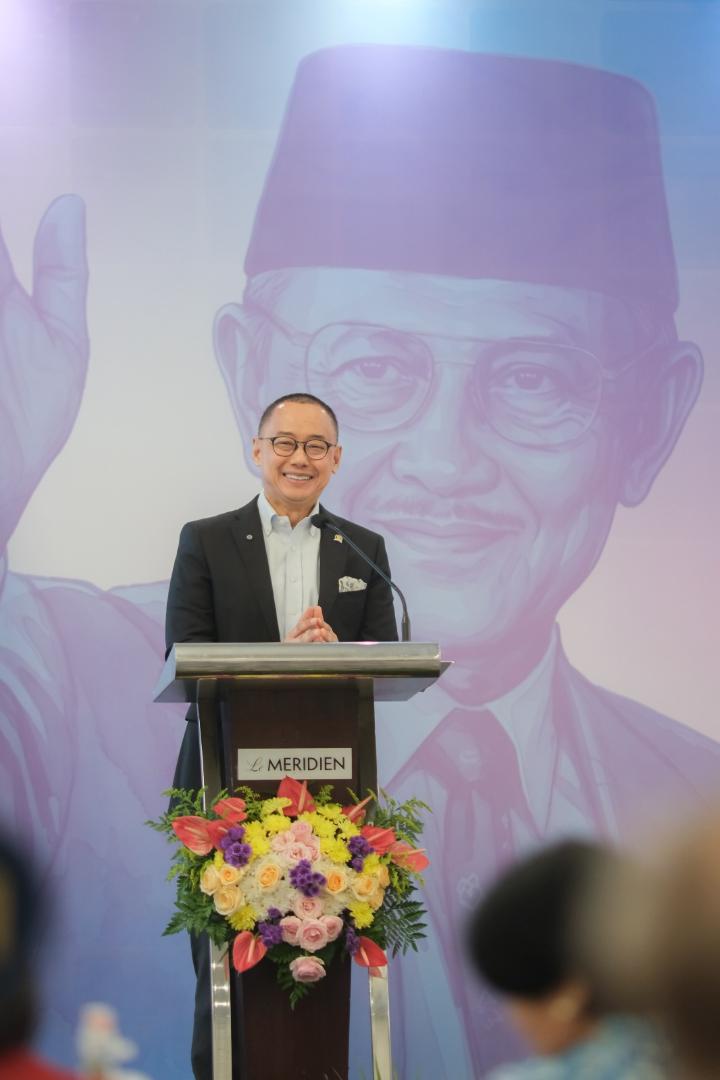
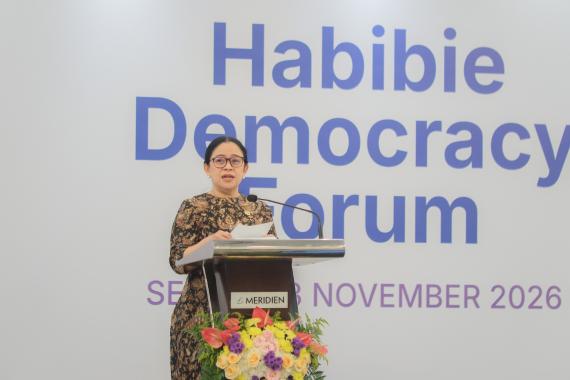
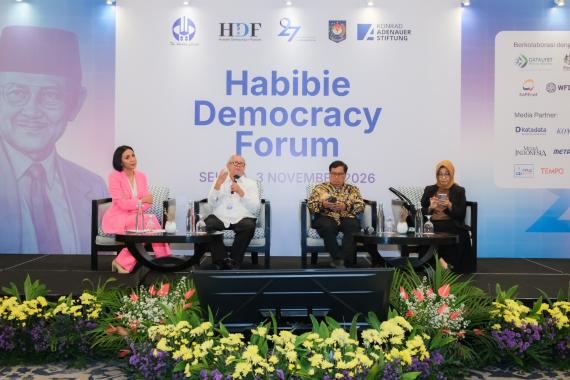
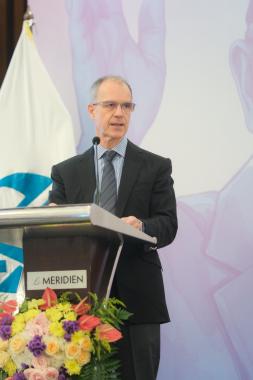
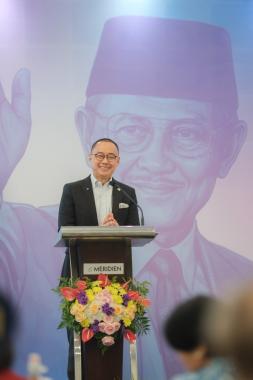
On 3 November 2026, The Habibie Center, in cooperation with the Konrad-Adenauer-Stiftung, hosted the Habibie Democracy Forum at Le Méridien Hotel in Jakarta. Representatives from politics, academia, the media, and civil society discussed how political leadership can strengthen an inclusive, resilient, and future-oriented democracy. Key topics included trust in democratic institutions, public participation, and the challenges posed by digitalisation.
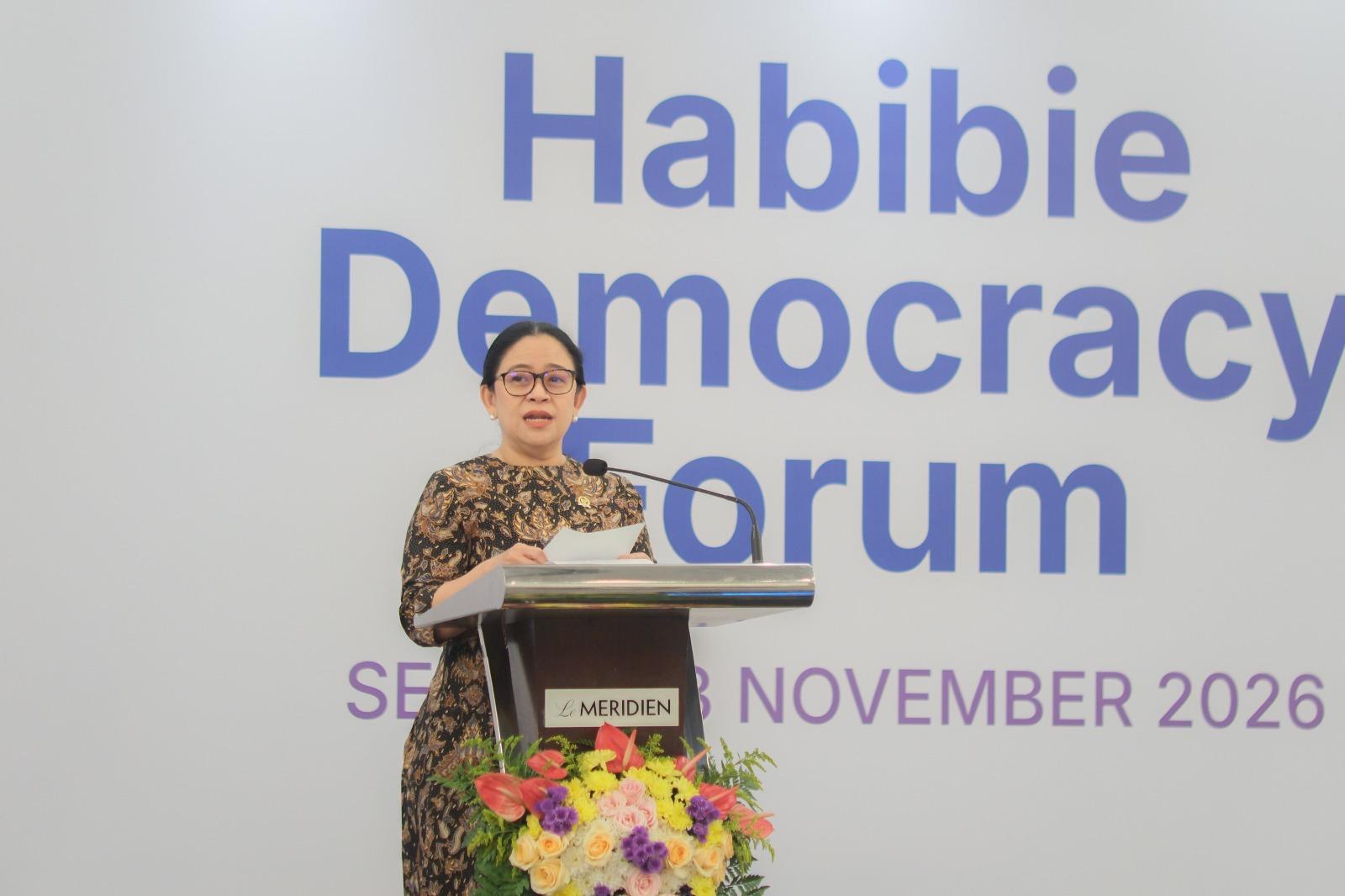
In her keynote address, Speaker of the House of Representatives Puan Maharani emphasised that state power derives its legitimacy from the people and must serve their interests. Democracy must not be limited to elections but should also promote social justice and improve living conditions. She also acknowledged the contribution of former President B. J. Habibie to Indonesia's democratic opening.
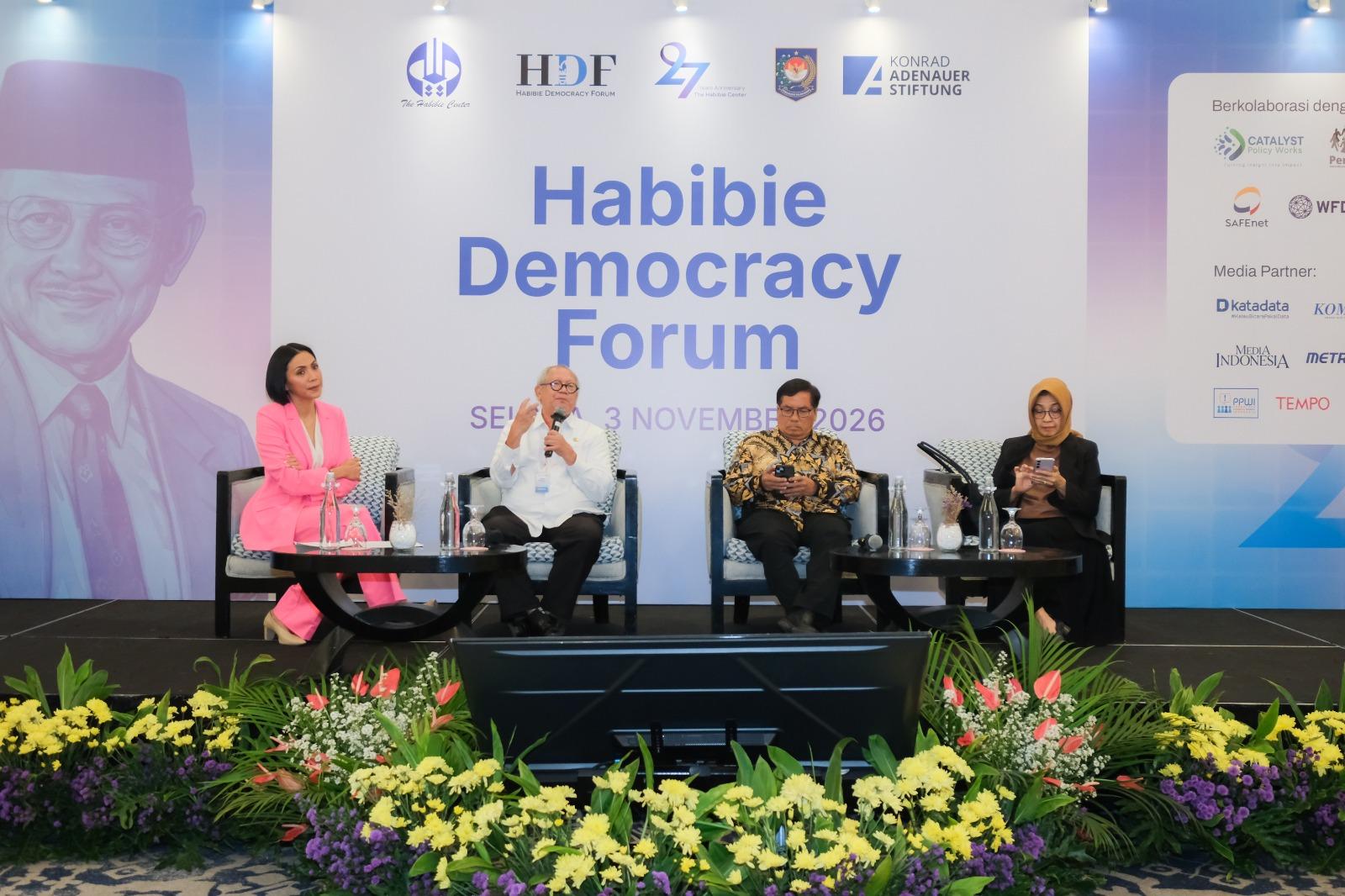
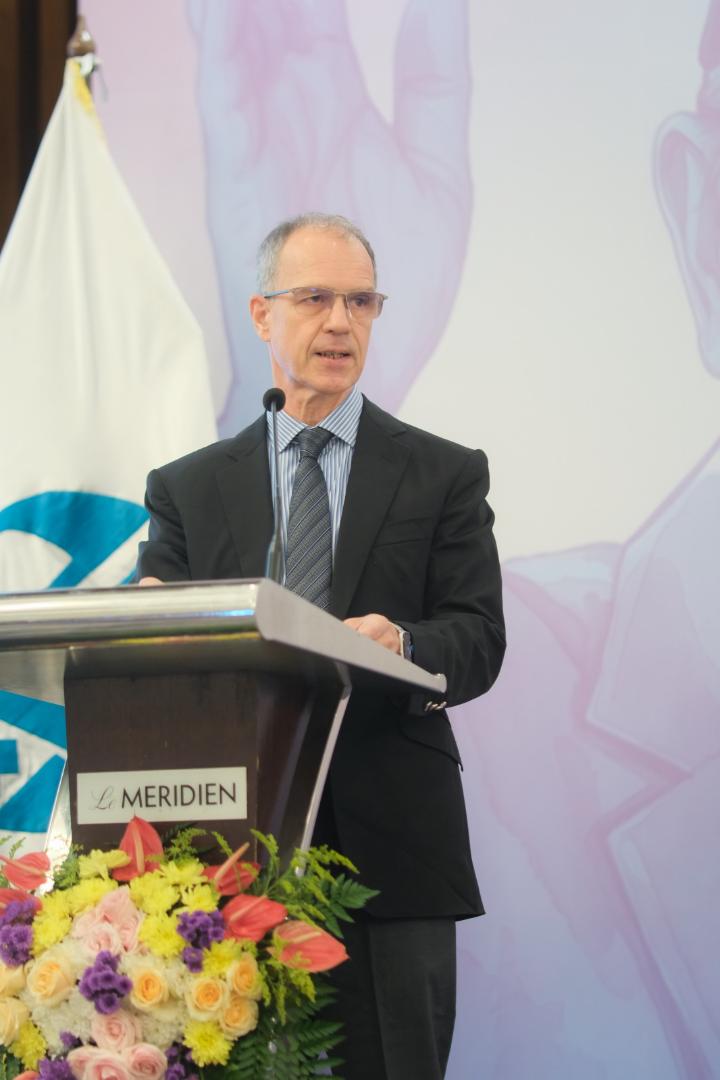
The subsequent panel discussion, moderated by journalist Andini Effendi and featuring Dadan Umar Daihani (Lemhannas), Umar Juoro (The Habibie Center), and Valina Singka Subekti (Universitas Indonesia), examined institutional credibility, political and economic participation, and democratic reforms. Jan Senkyr, Director of the Konrad-Adenauer-Stiftung's Country Office for Indonesia and Timor-Leste, concluded the first session with a presentation on international experiences in strengthening democratic institutions and public trust. Drawing on Germany's democratic history and reflecting on Indonesia's Reformasi, he emphasised that democracy requires continuous nurturing, strong institutions, a vibrant civil society, and a willingness to compromise.
The second session opened with a keynote address by Eddy Soeparno, Deputy Speaker of the People's Consultative Assembly (MPR), who addressed the transformation of political participation in the digital sphere. Experts from Perludem, SAFEnet, and Think Policy, alongside representatives from the media and democracy promotion organisations, subsequently discussed artificial intelligence in elections, disinformation, digital rights, and equal access. The discussion focused on how technological innovation can be reconciled with democratic oversight and public participation.
About this series
The Konrad-Adenauer-Stiftung, its educational institutions, centres and foreign offices, offer several thousand events on various subjects each year. We provide up to date and exclusive reports on selected conferences, events and symposia at www.kas.de. In addition to a summary of the contents, you can also find additional material such as pictures, speeches, videos or audio clips.