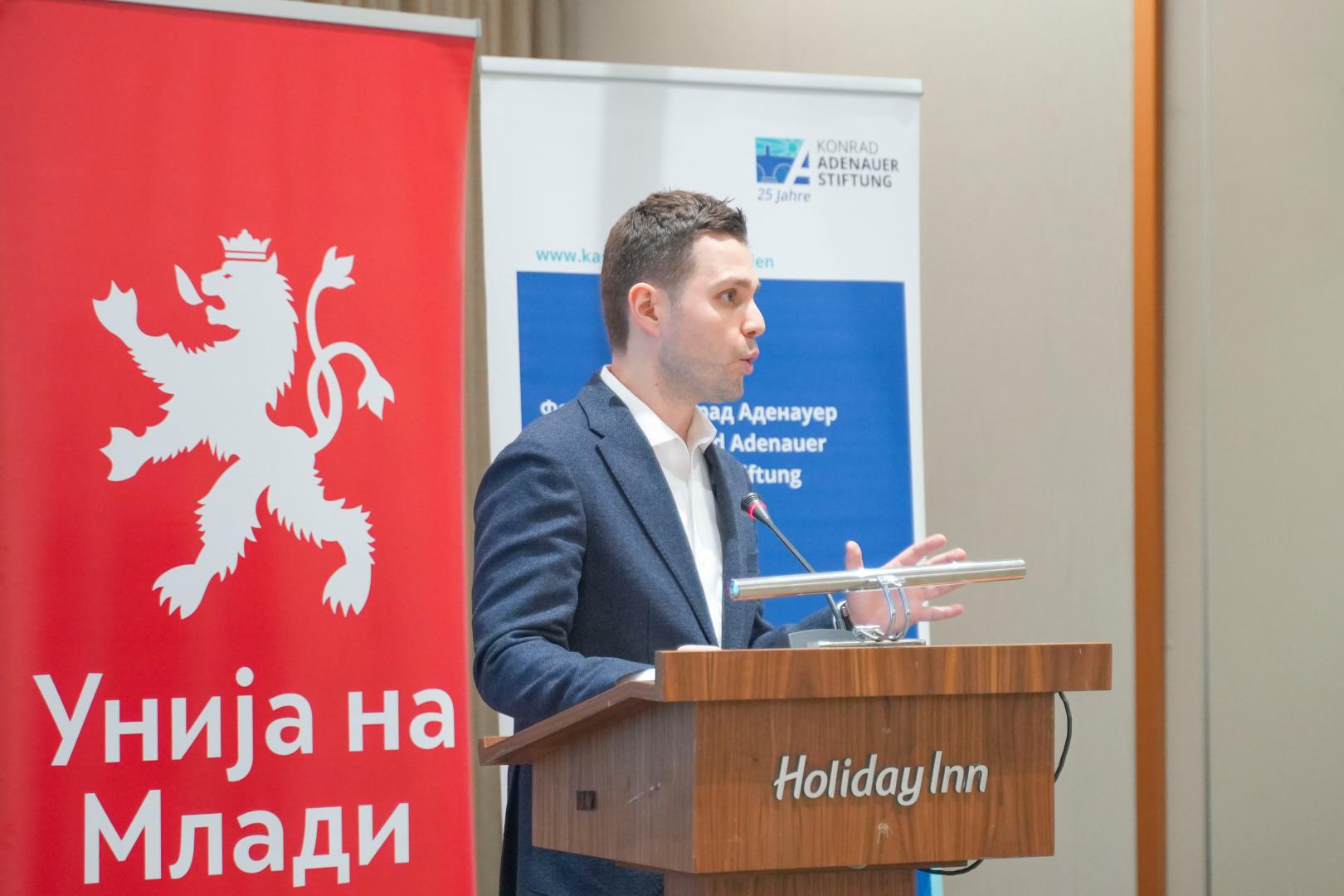
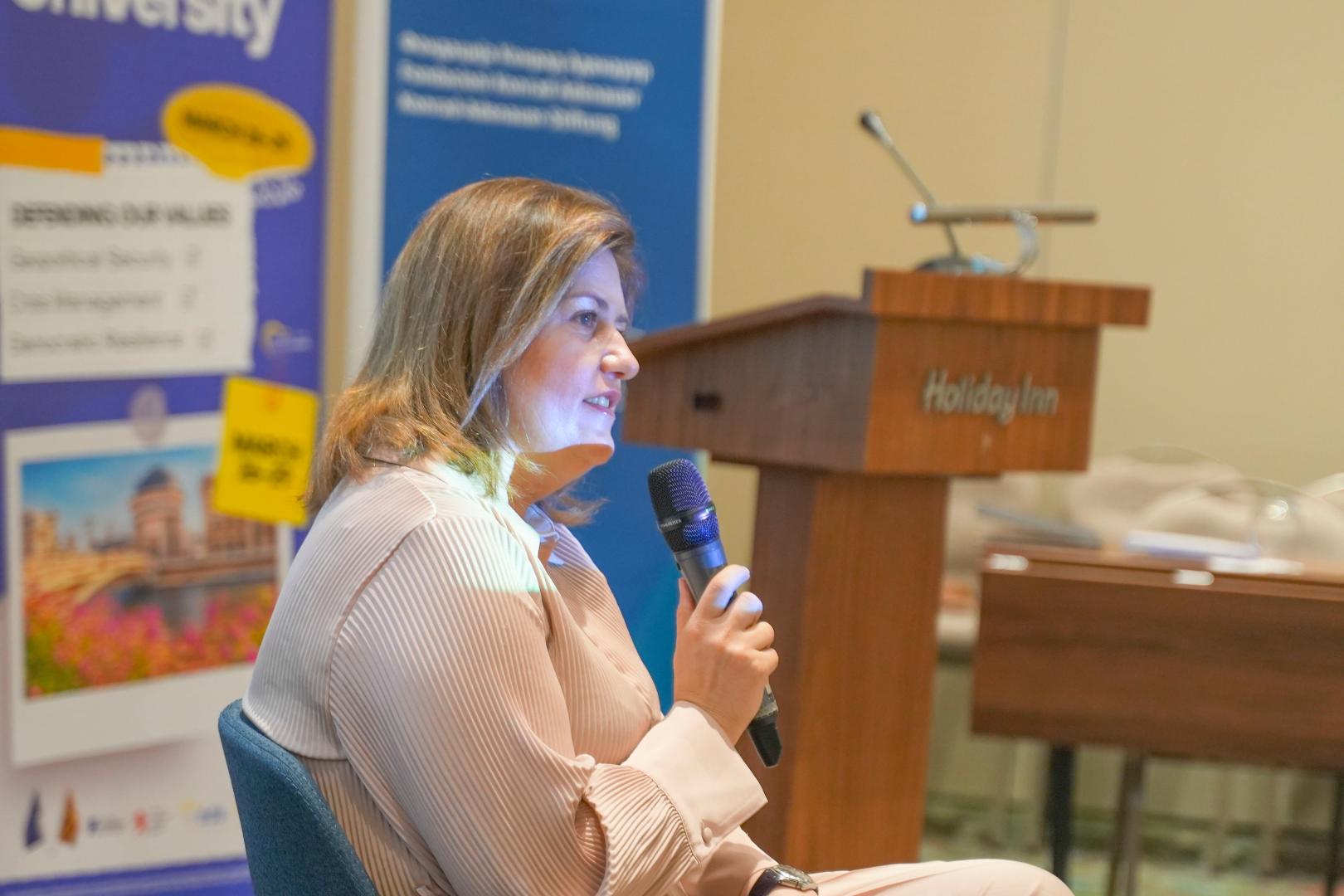
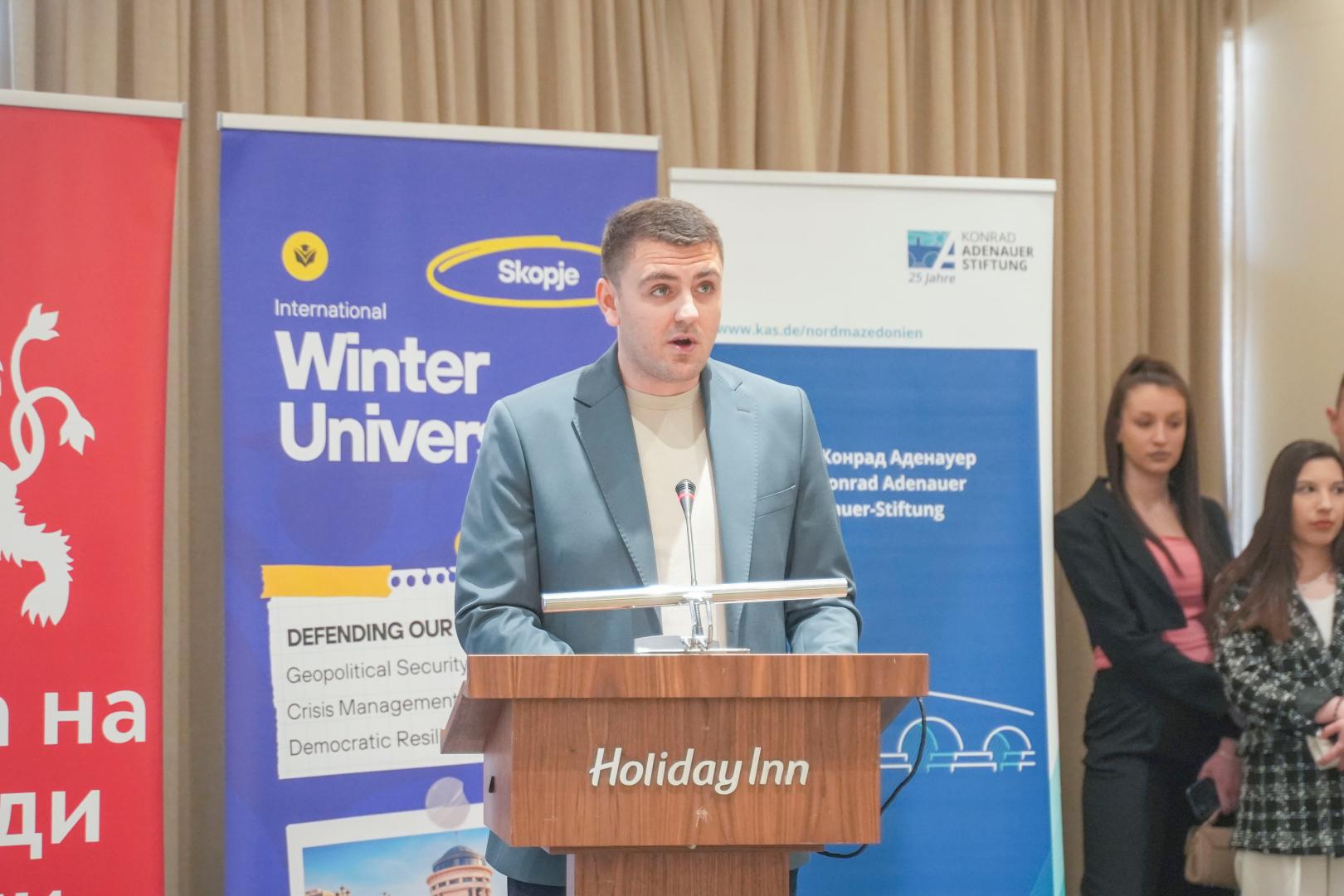
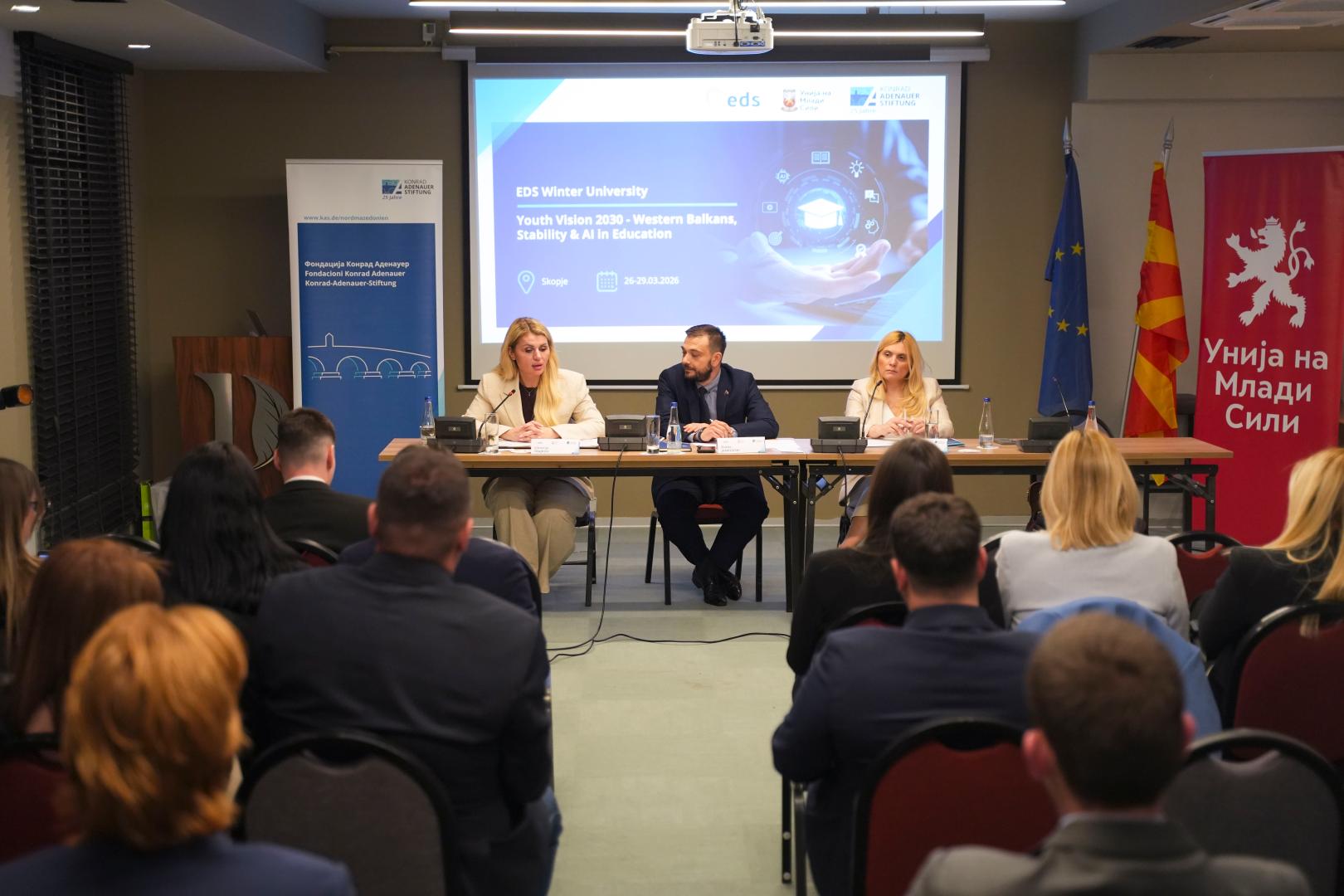
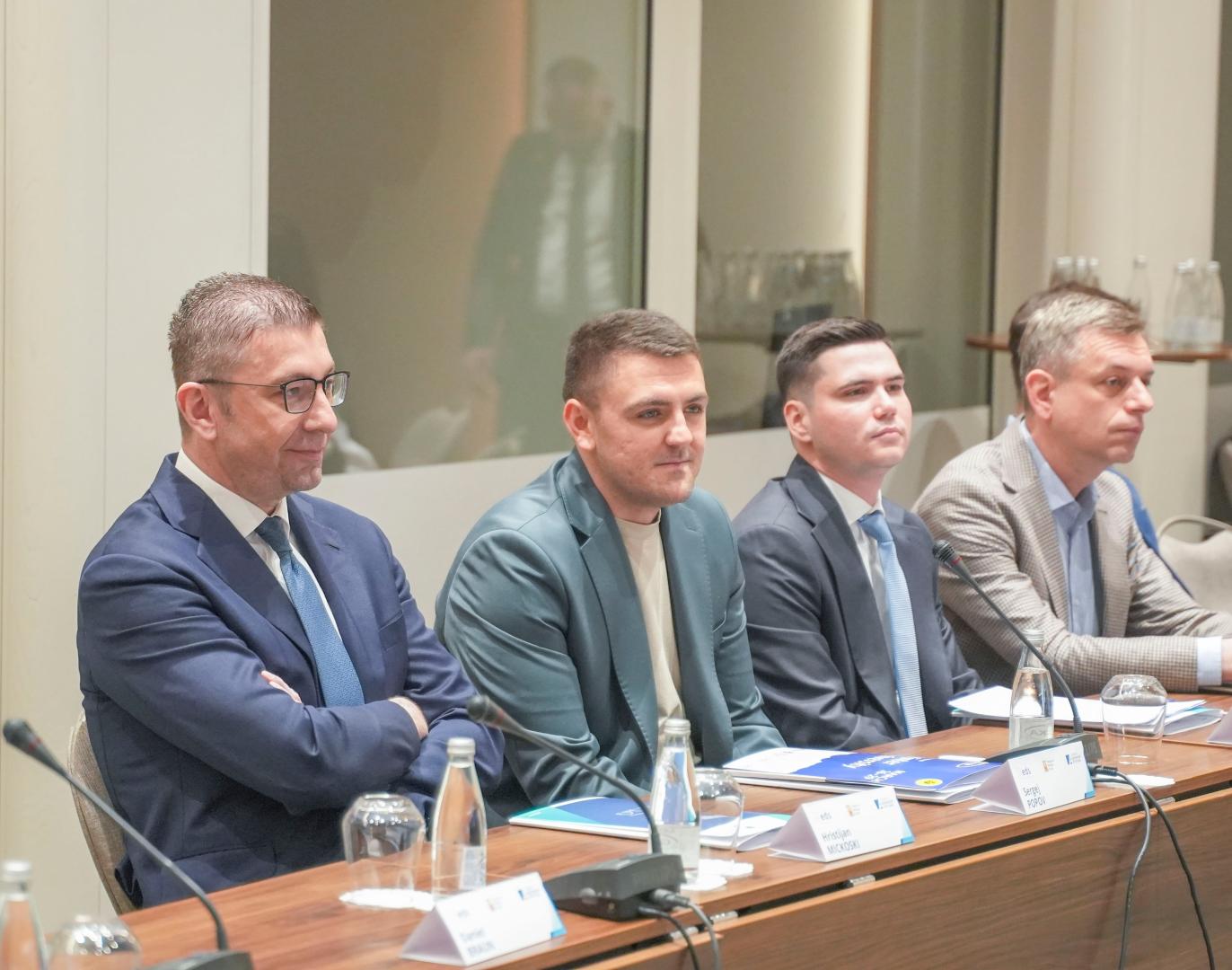
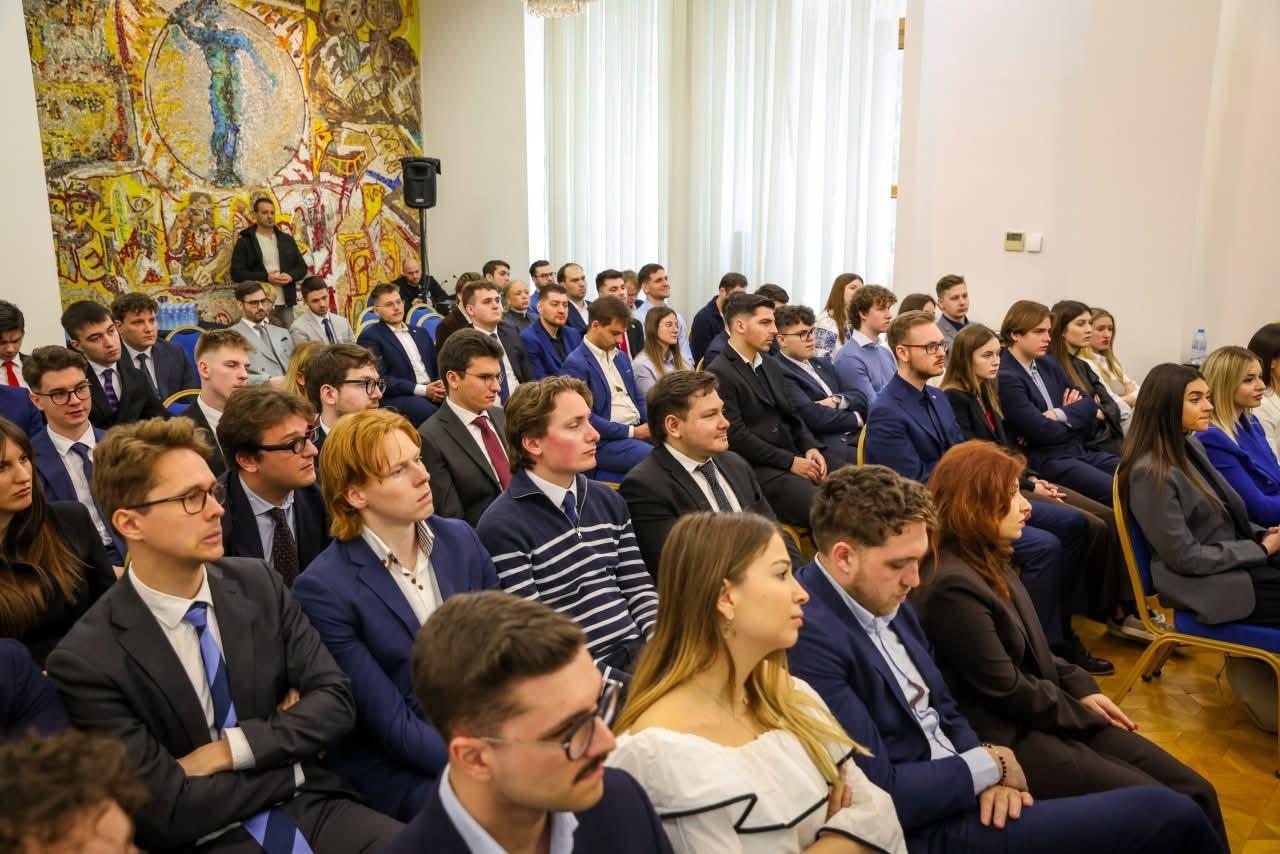
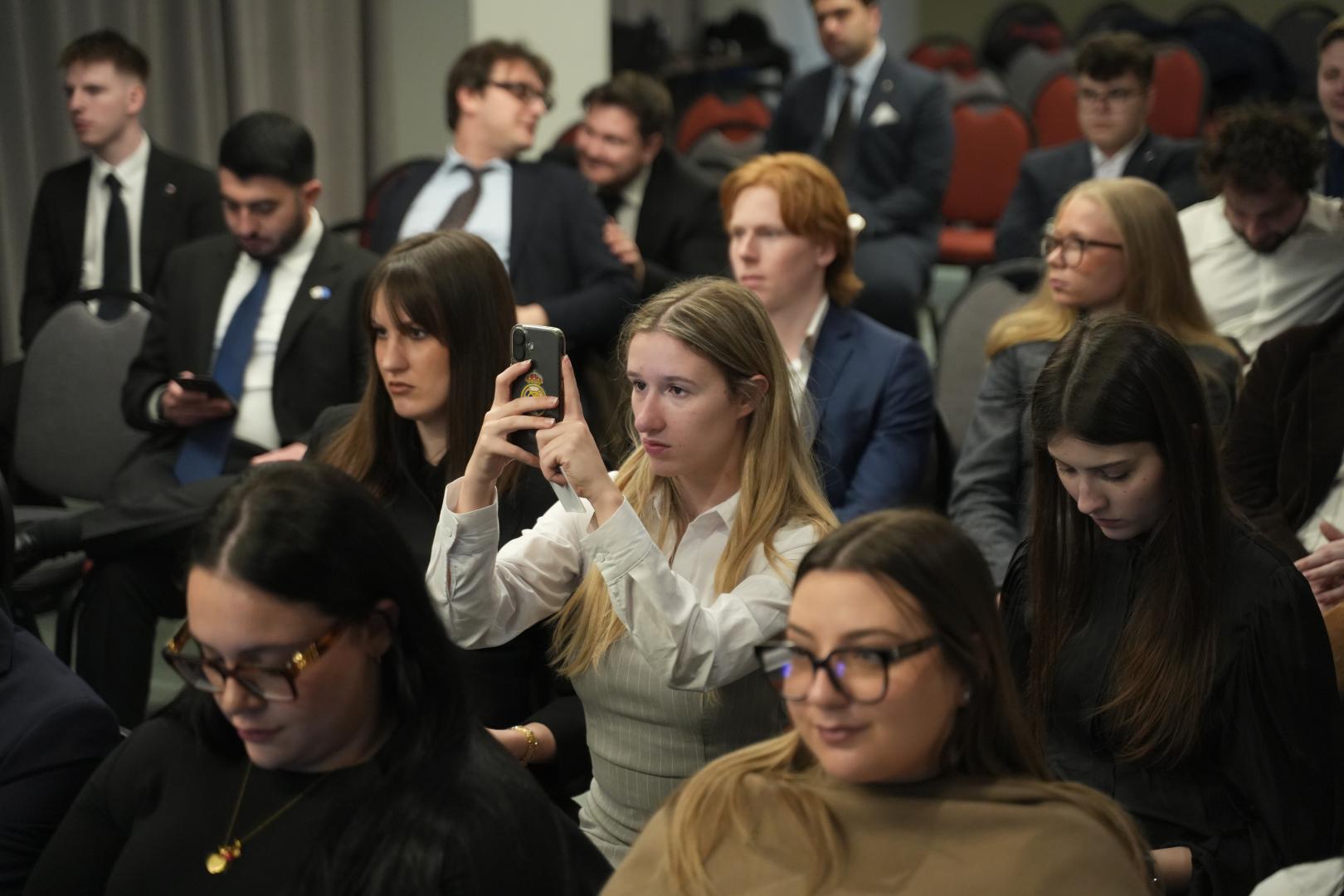
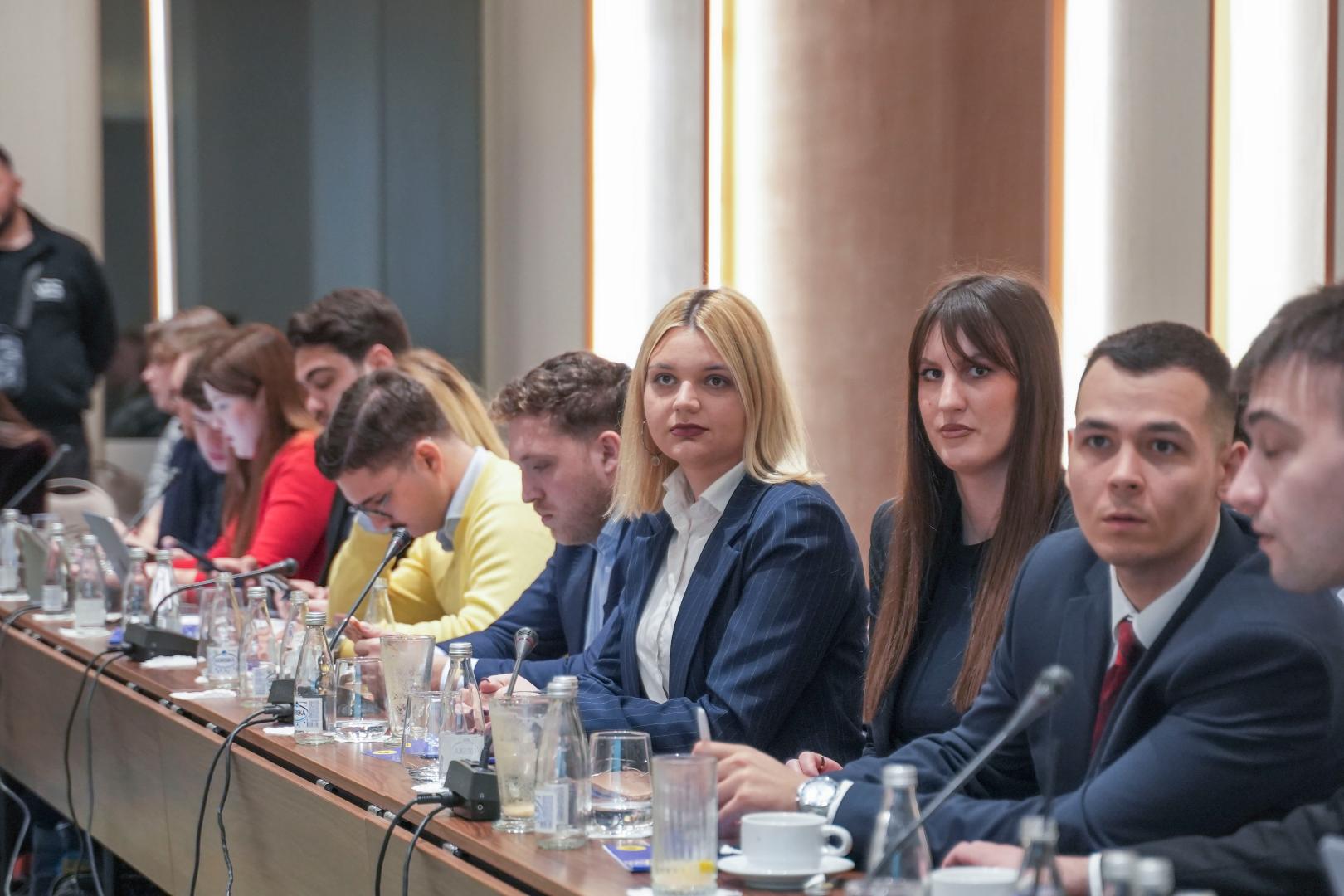
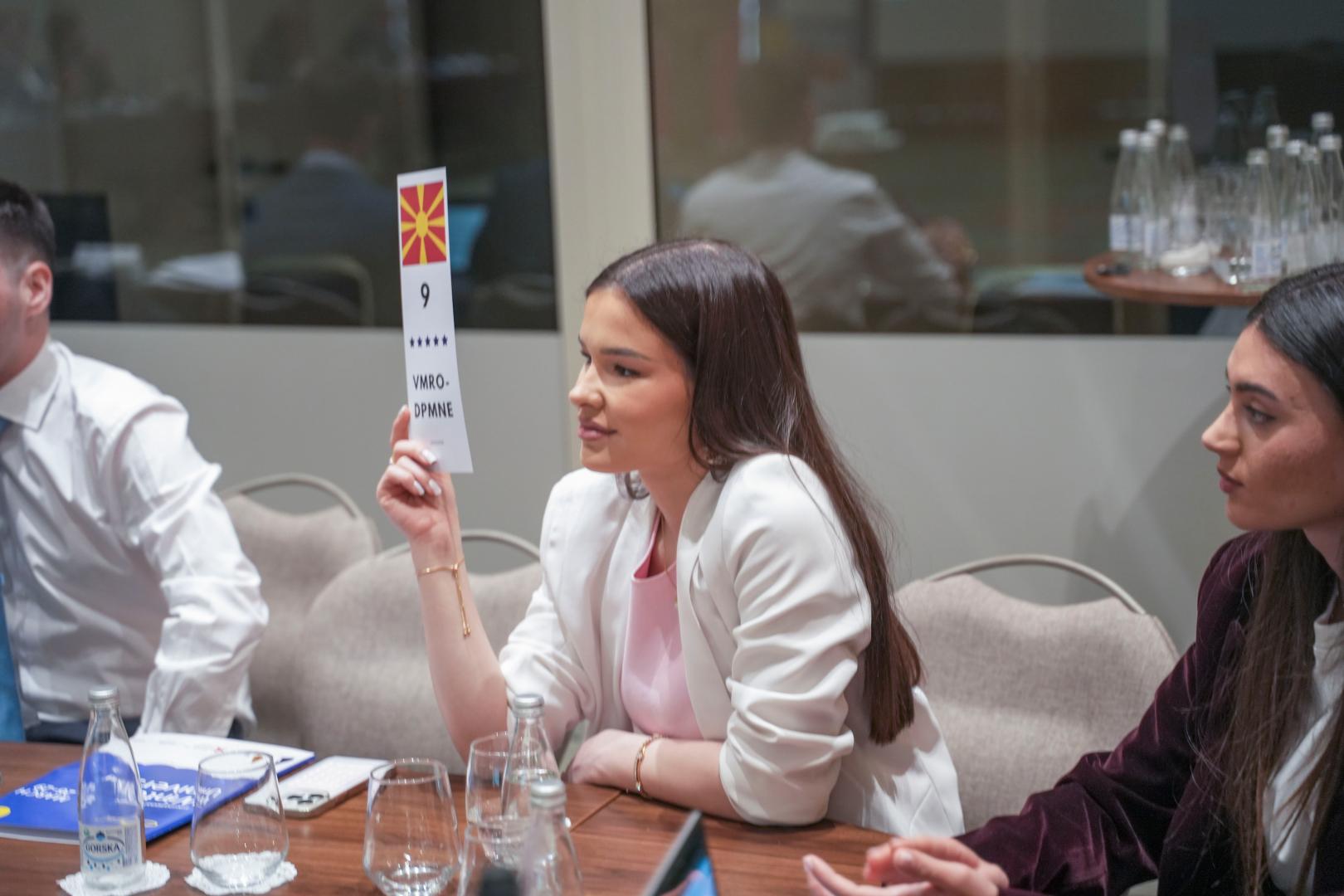
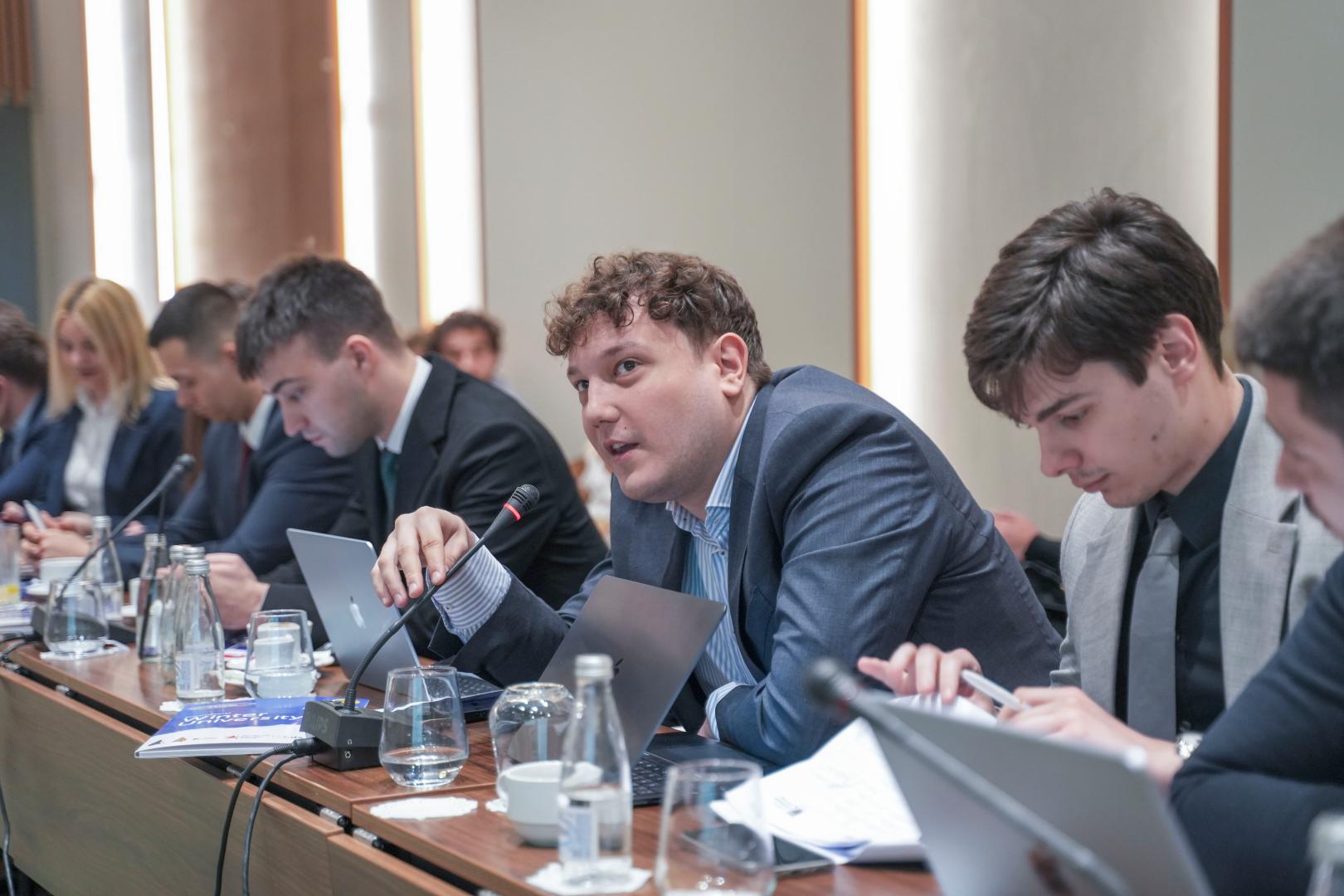
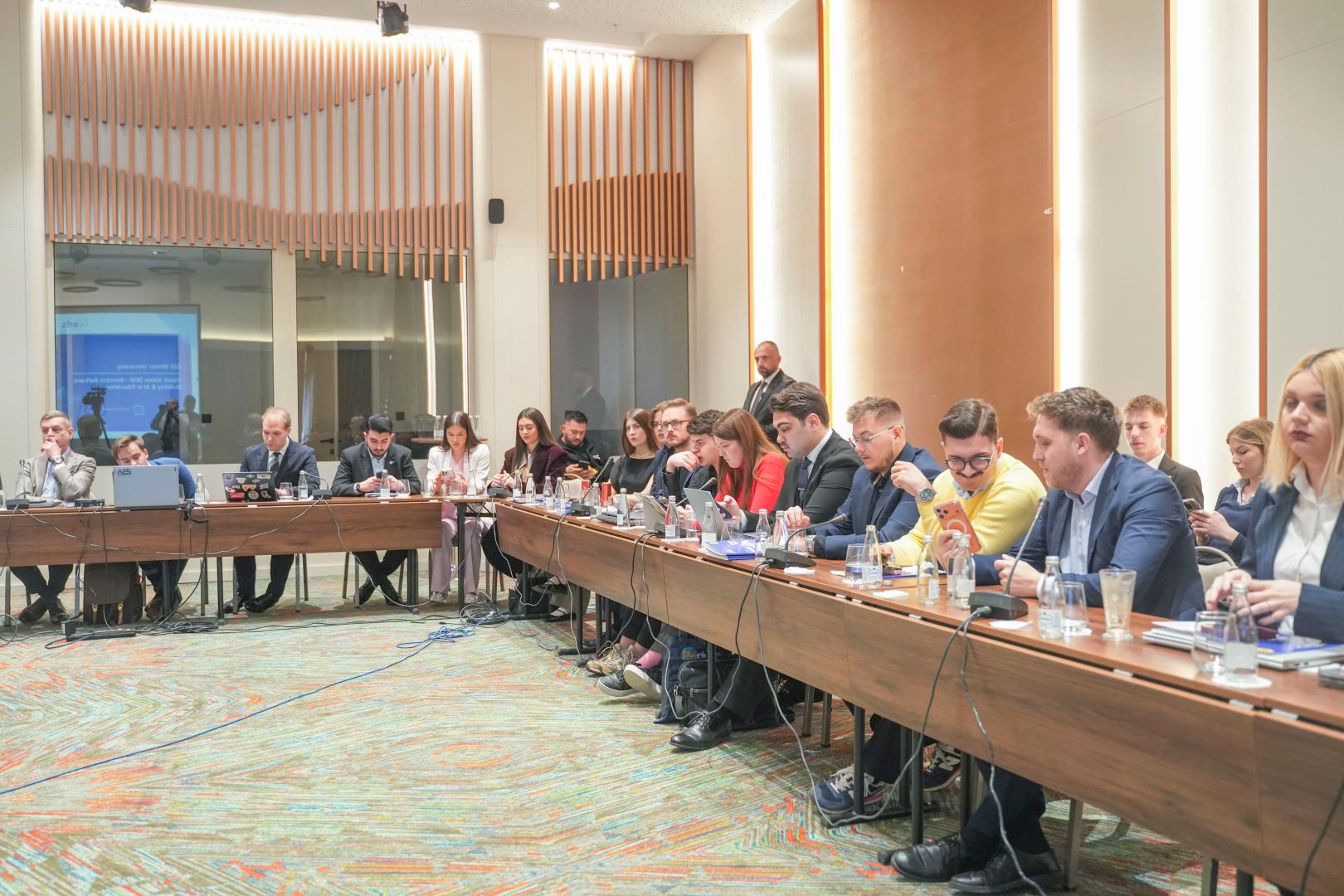
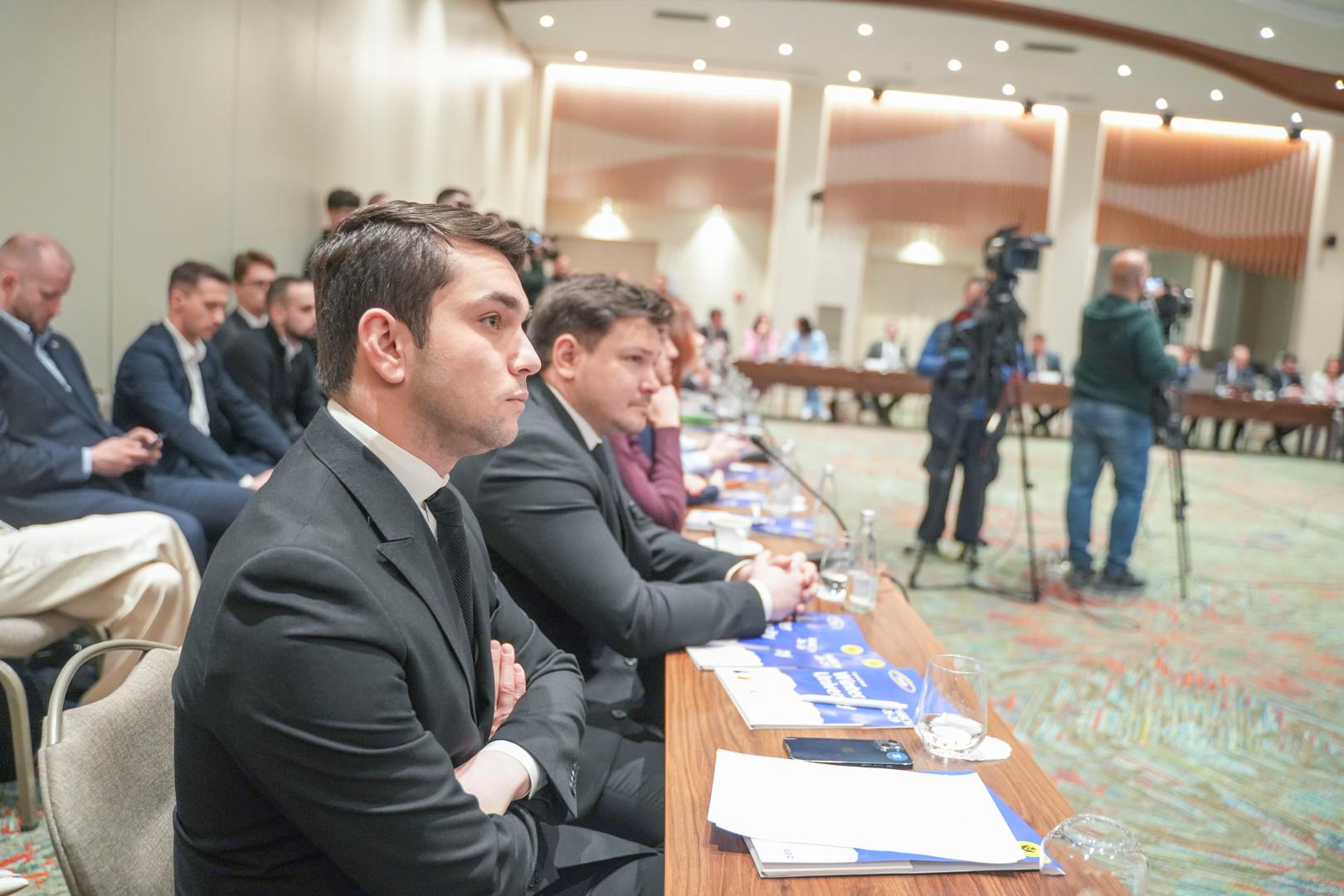
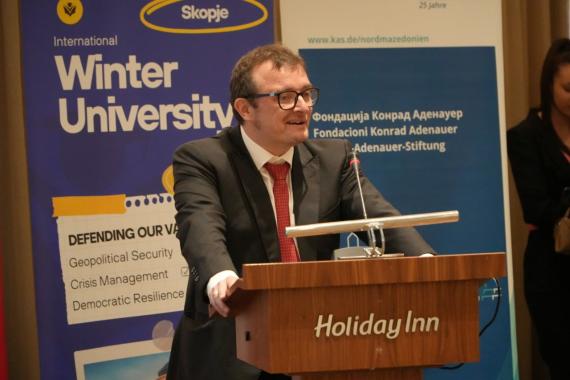
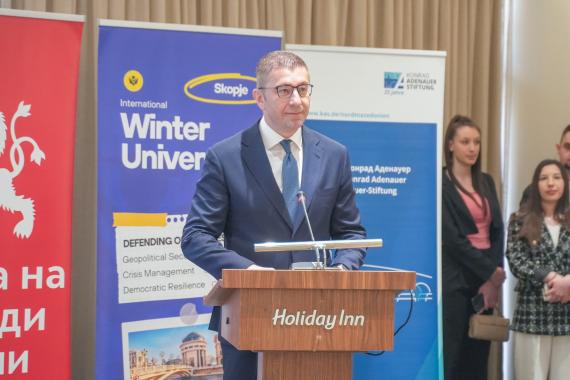
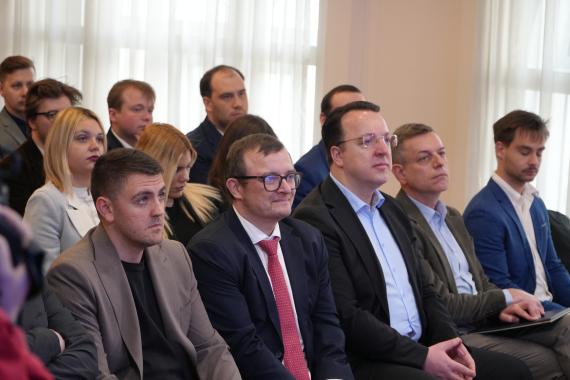
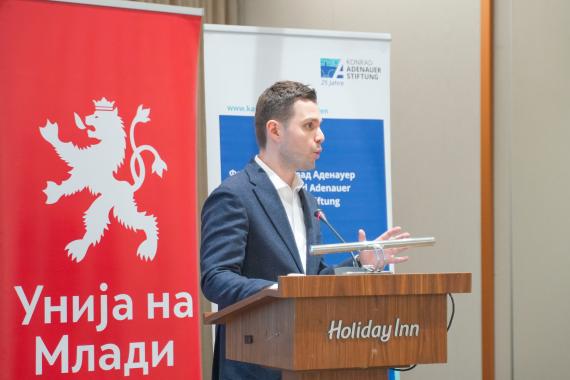
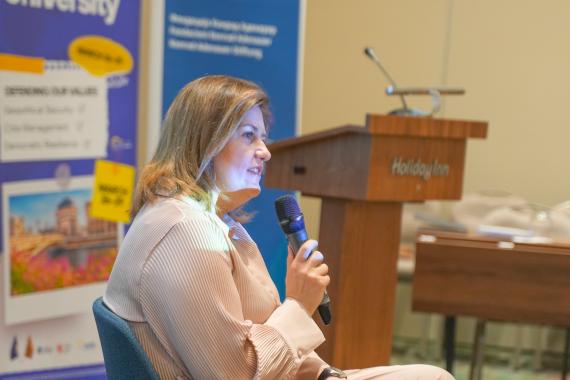
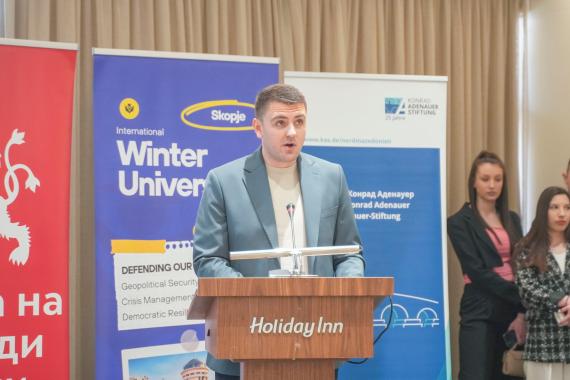
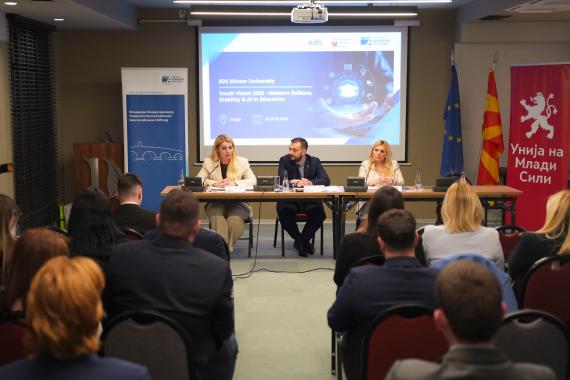
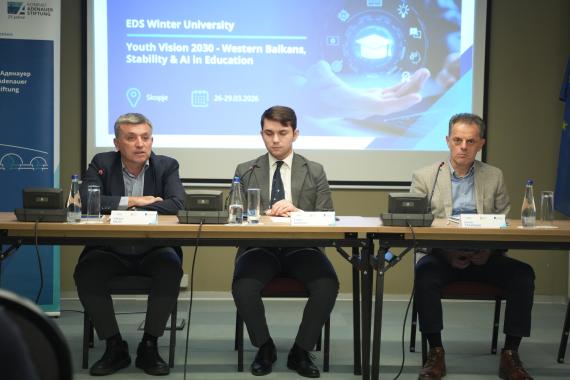
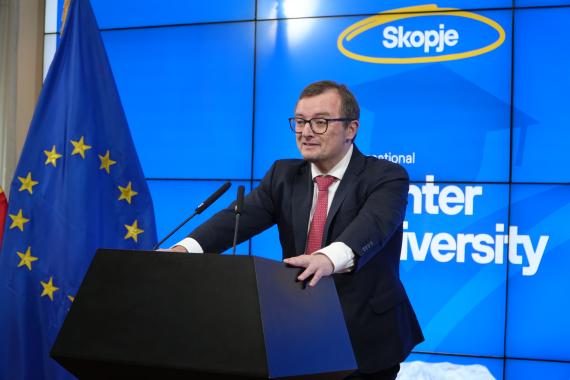
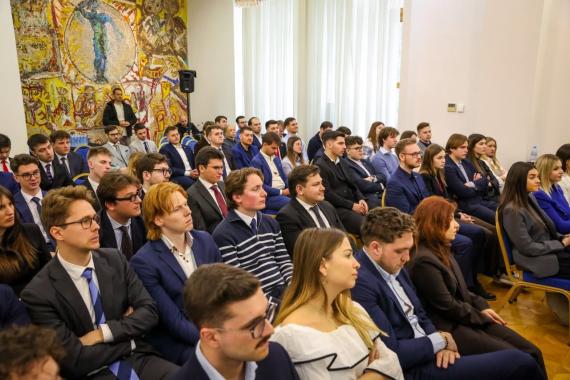
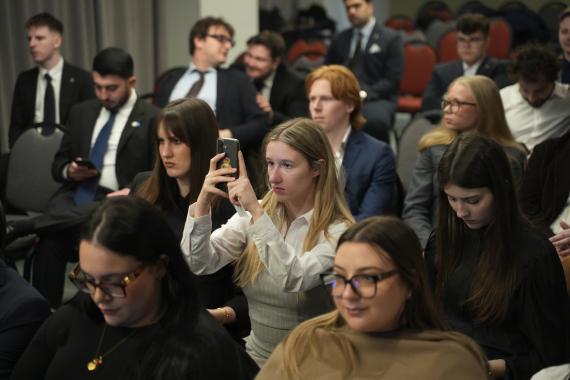
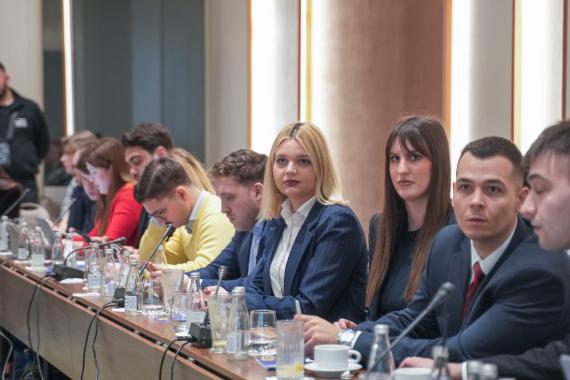
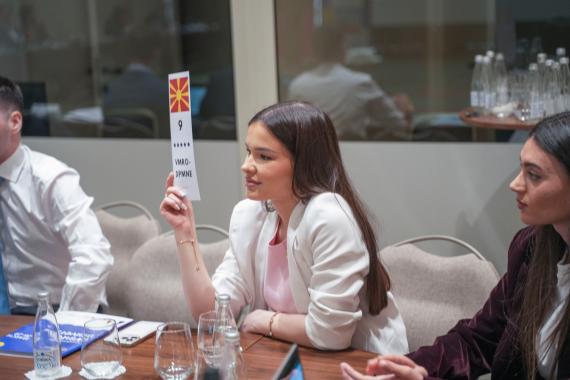
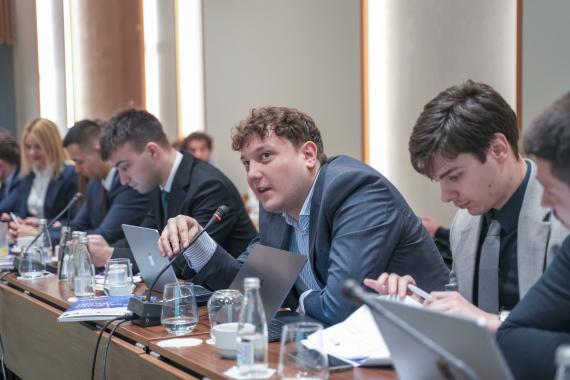
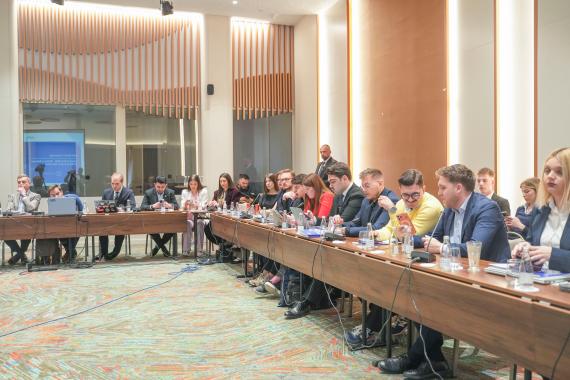
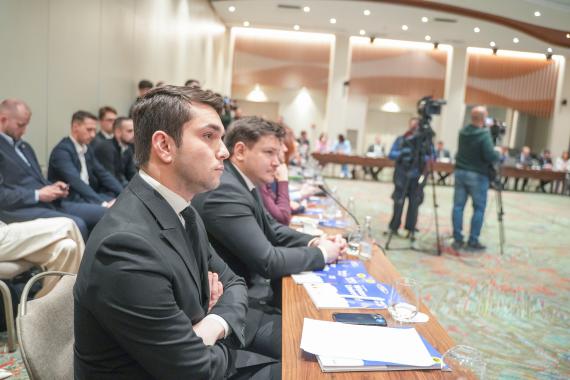
The event started on Thursday, 26 March, with informal welcoming addresses by Sergej Popov, Chairman of the Youth Forces Union of VMRO-DPMNE, and Francesco Sismondini, Chairman of the European Democrat Students (EDS). In their addresses, they set a clear political tone, emphasizing the importance of unity, responsibility and the role of young people in shaping the future of Europe, while warmly welcoming the participants to Skopje.
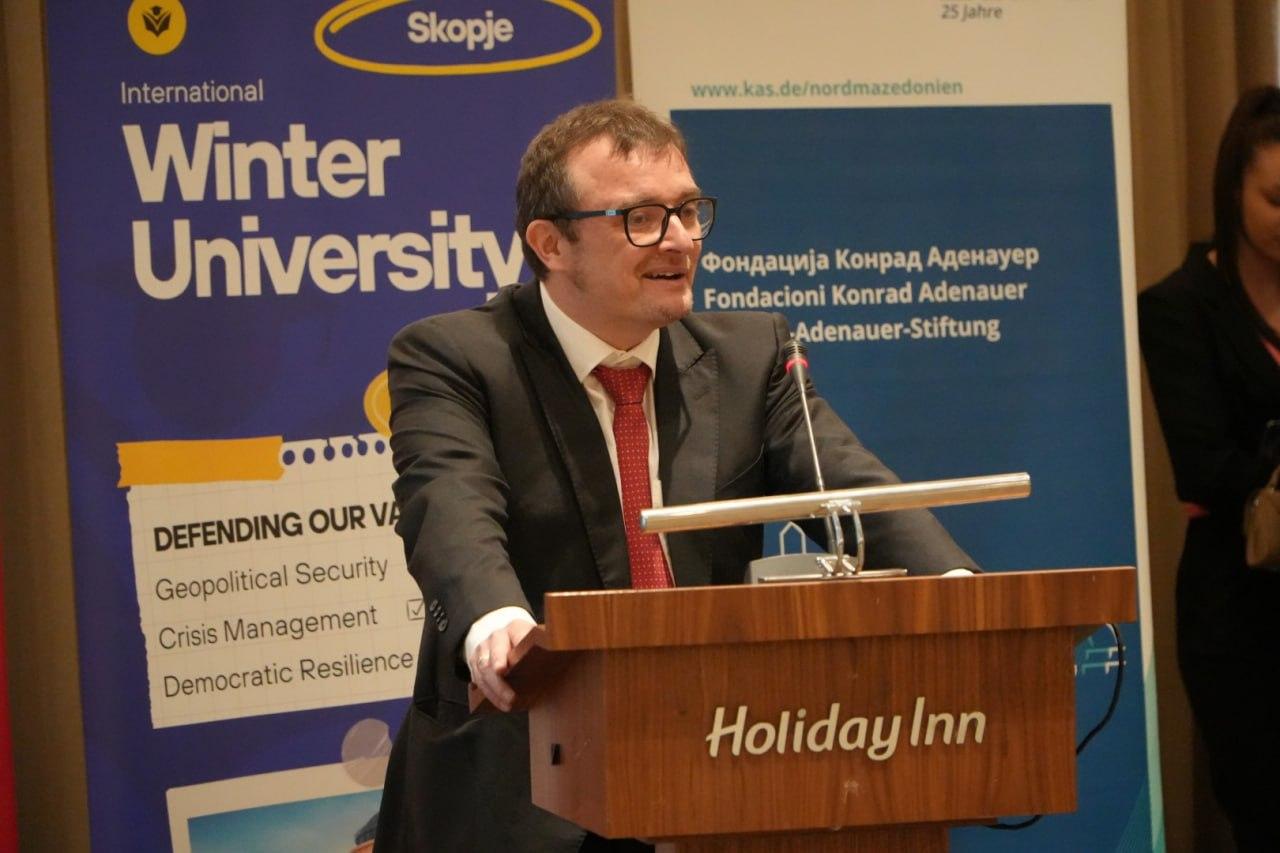
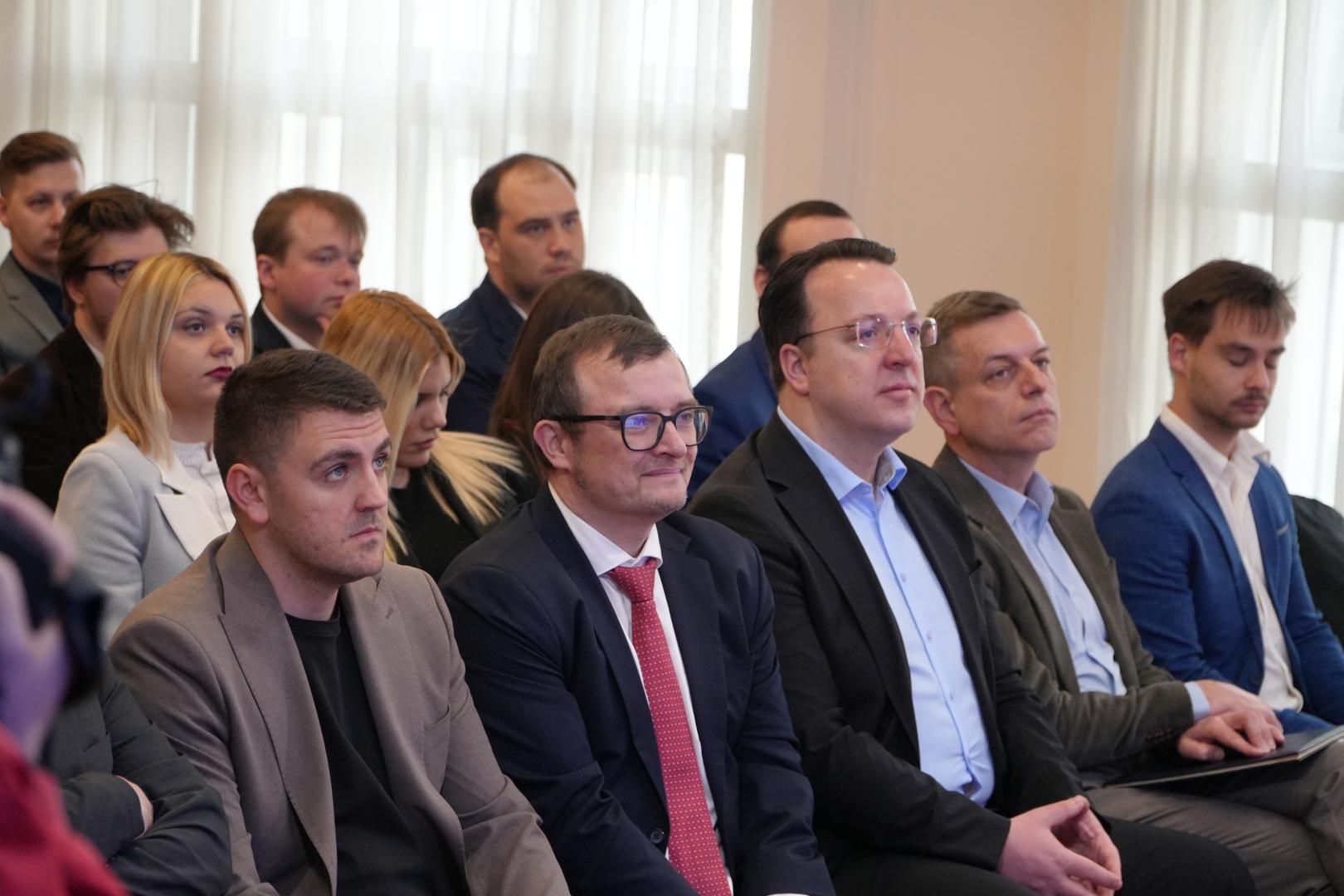
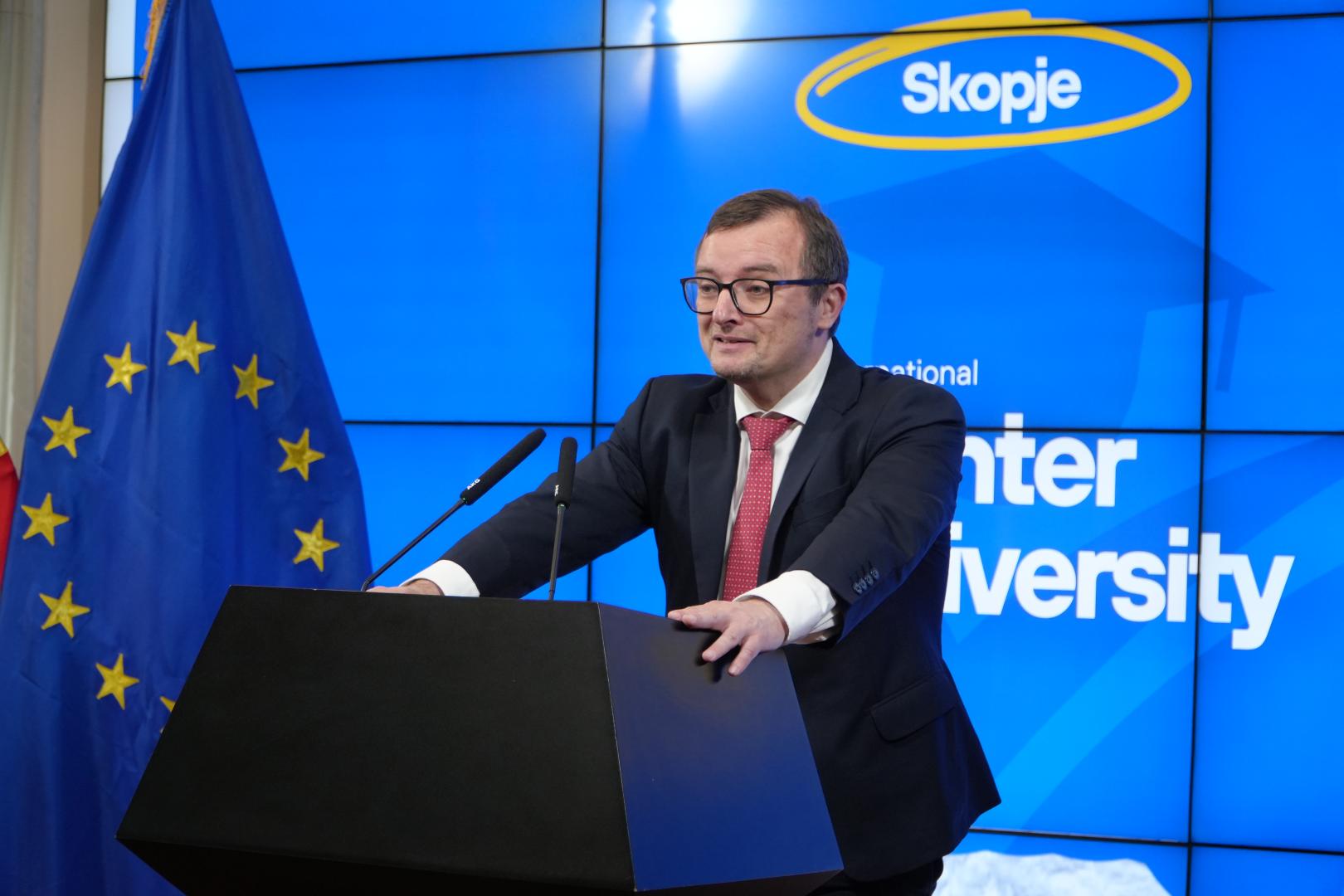
The official opening took place on 27 March, setting the key thematic and political directions of the event. During the opening, Daniel Braun, Official representative of the Konrad-Adenauer-Stiftung, Sergej Popov and Aleksandar Nikoloski, Deputy President of the Government and Minister of Transport, addressed the participants. In their speeches, they emphasized that Europe is at a crossroads, facing geopolitical uncertainty, accelerated technological transformation and an increased need for enlargement. Particular emphasis was placed on the European integration of the country and the region as a strategic imperative for ensuring the stability of Europe. Additionally, the role of artificial intelligence, especially in education, was highlighted as a significant opportunity, but also as a responsibility that requires vision, careful management and strong political leadership.
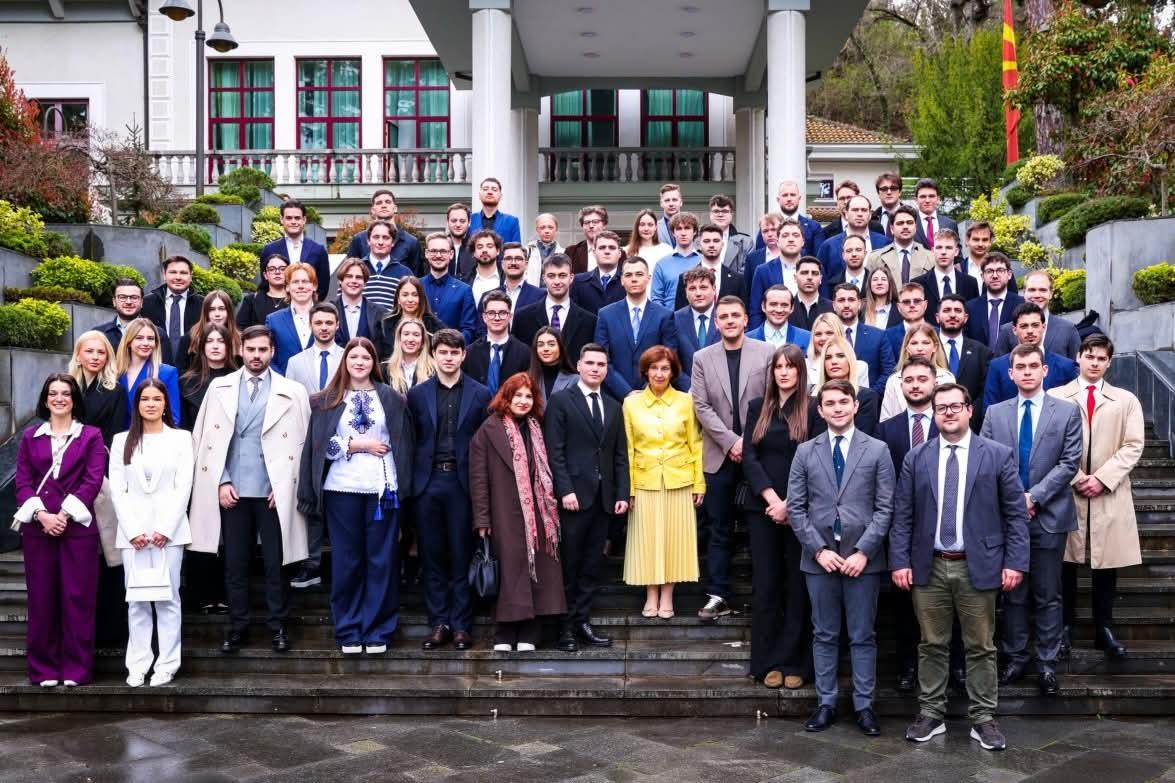
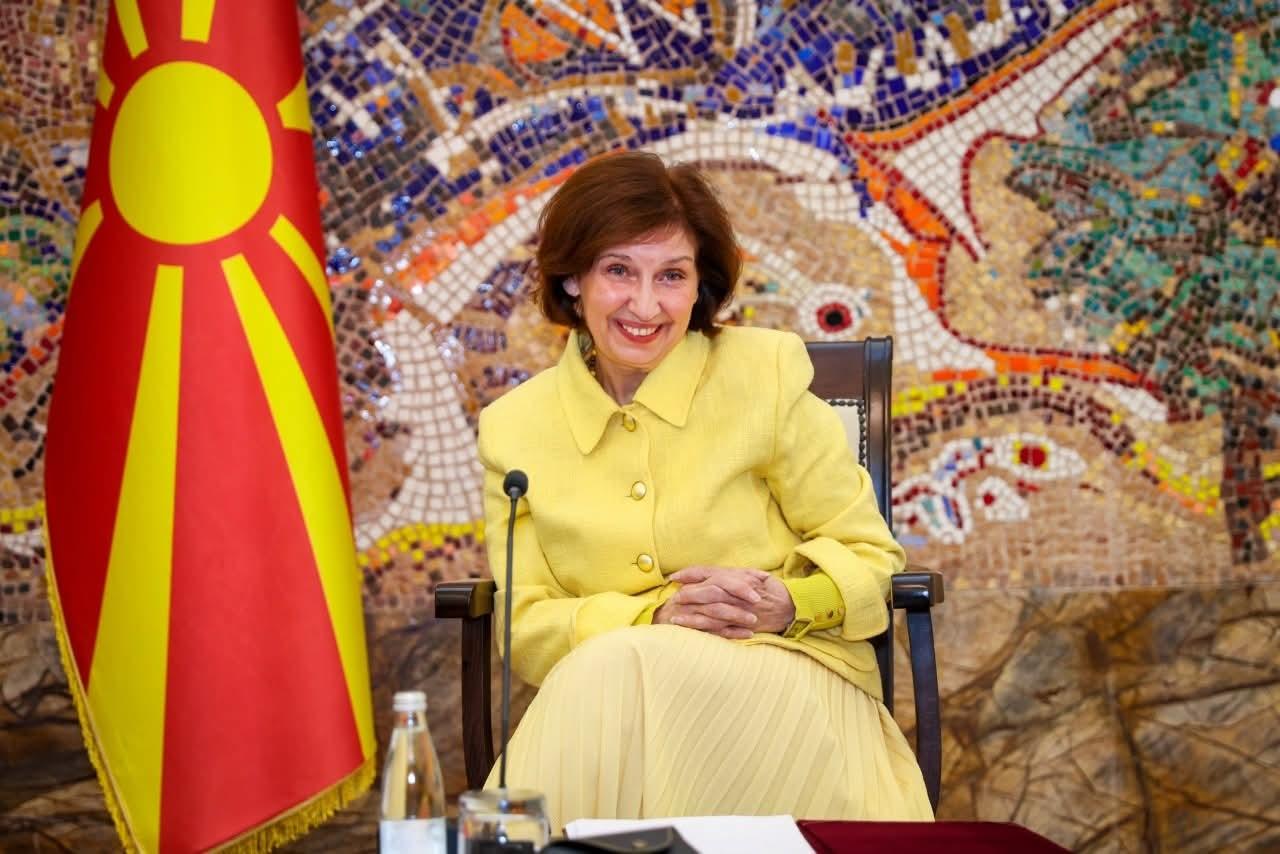
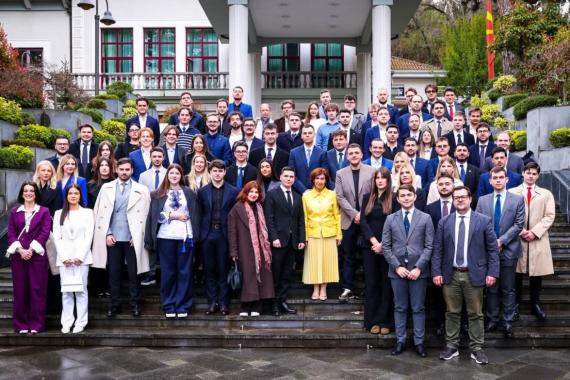
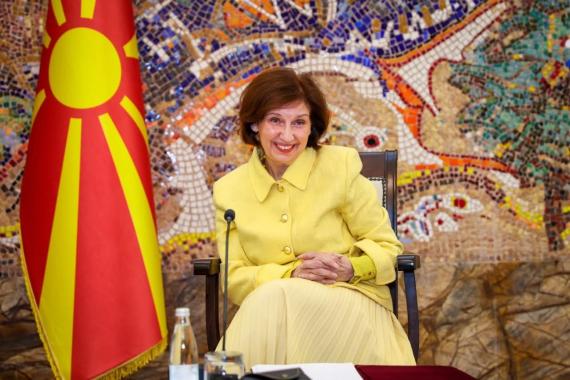
A key institutional moment followed with the visit to the Residence of the President, where the participants were welcomed by Gordana Siljanovska-Davkova, President of the Republic of North Macedonia. In her address, she referred to the challenges facing democracy and Europe, emphasizing the importance of the integration of the Western Balkans into the EU.
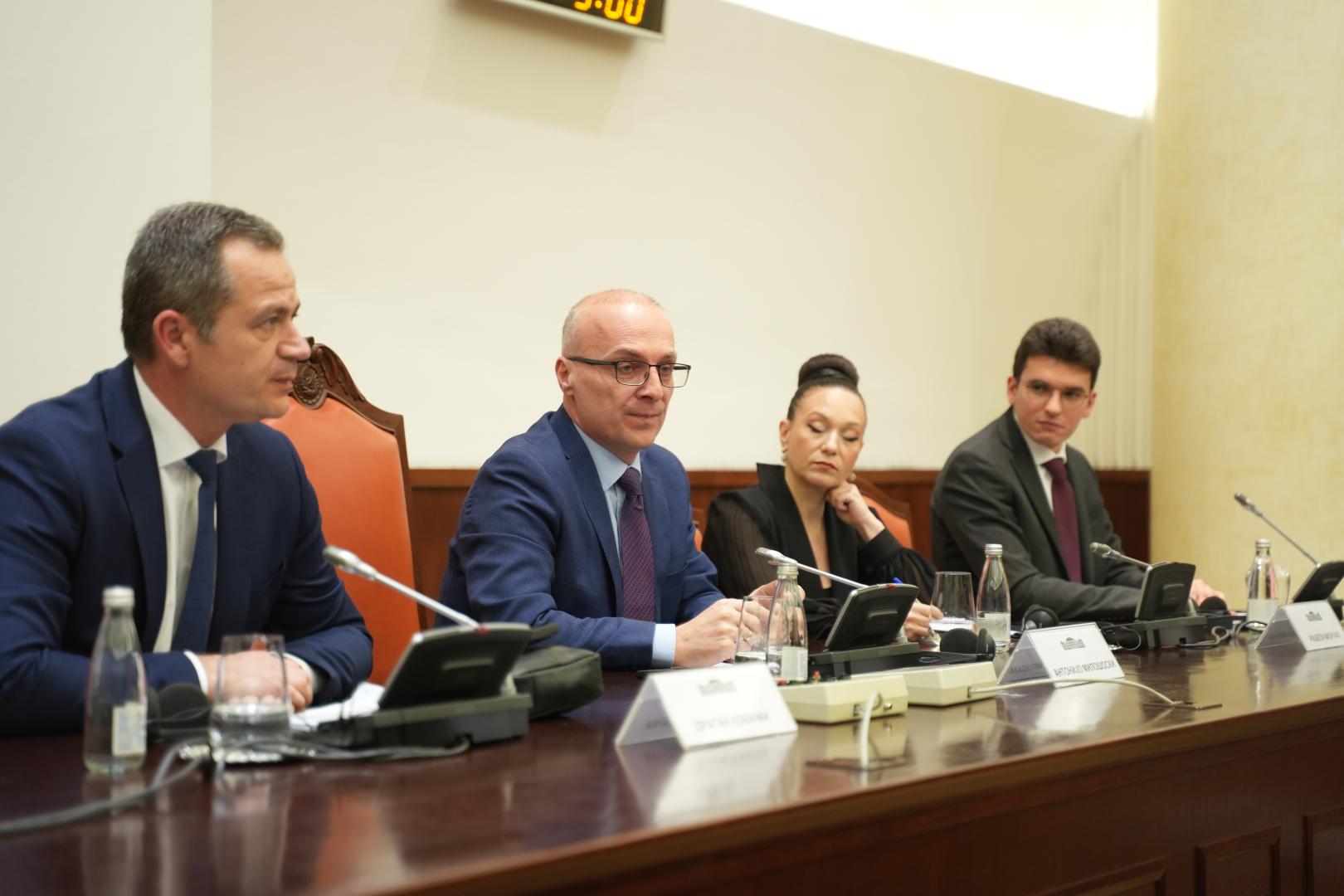
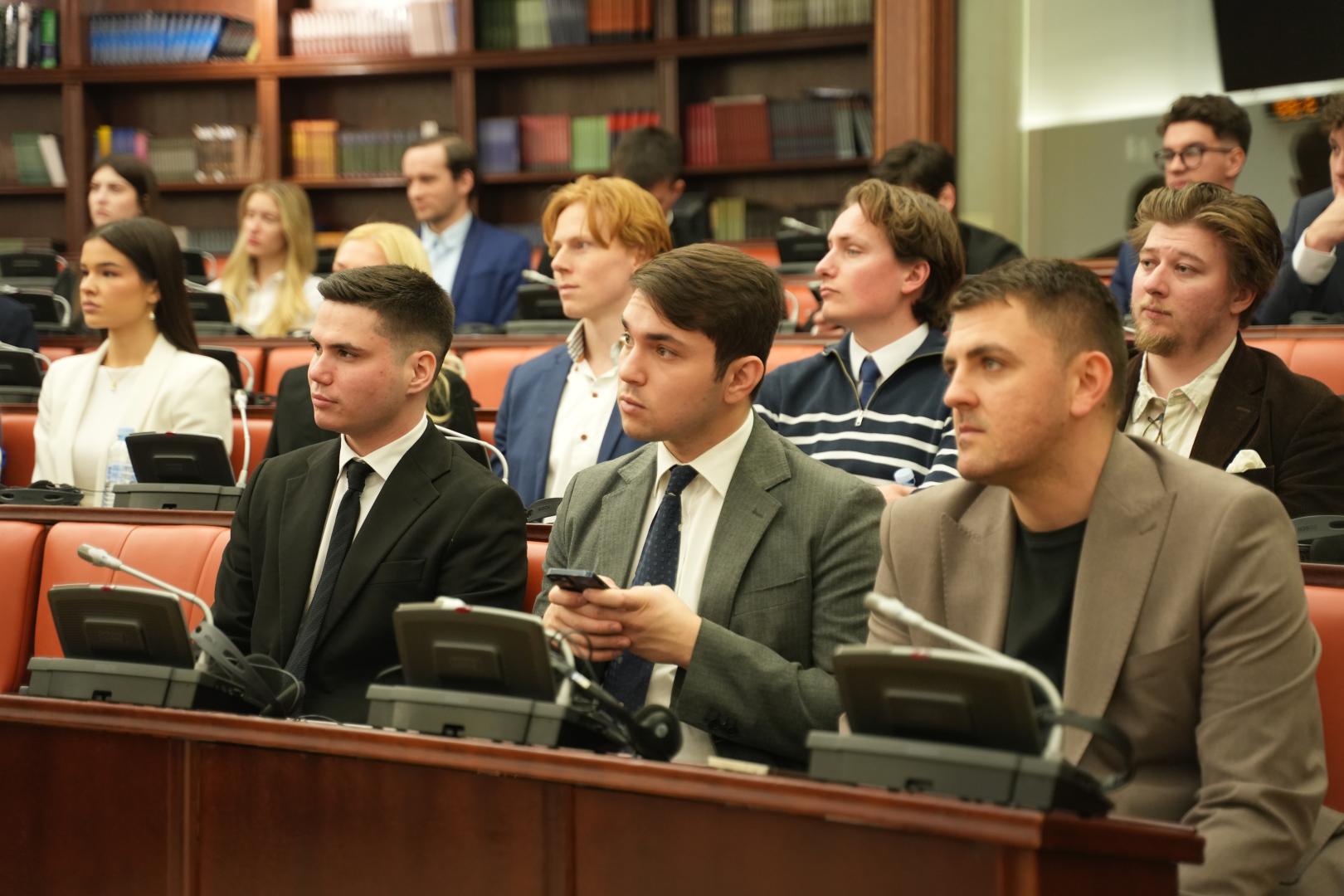
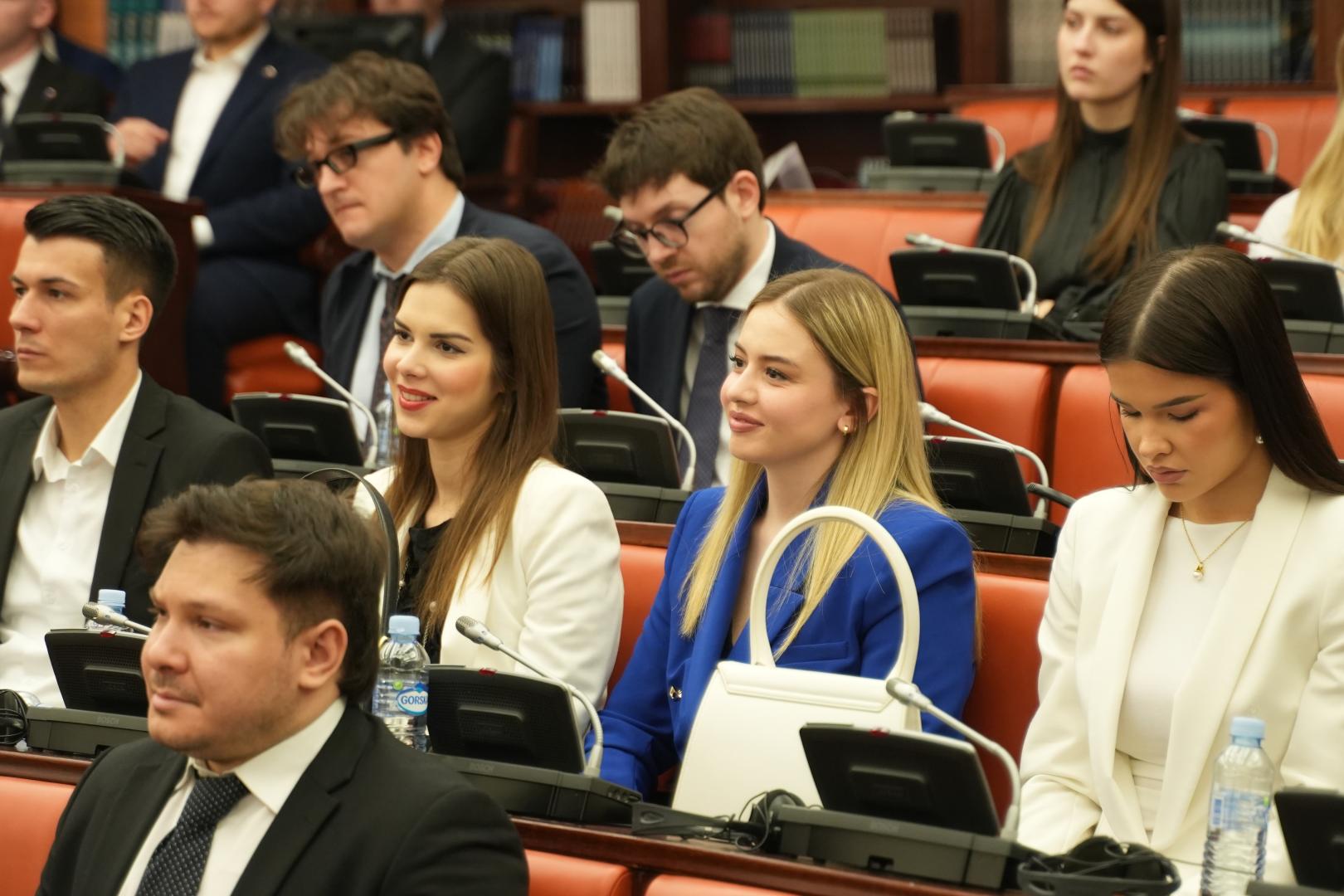
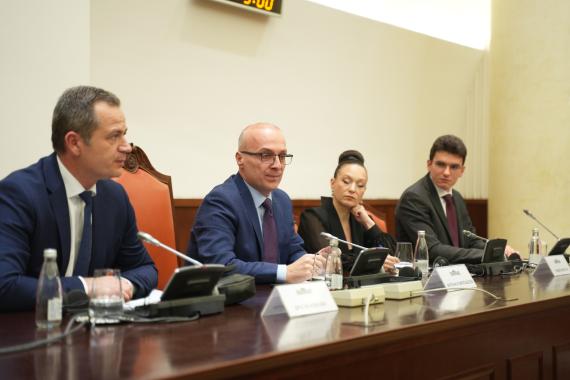
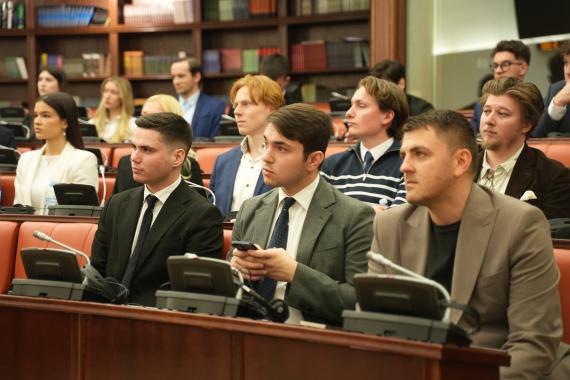
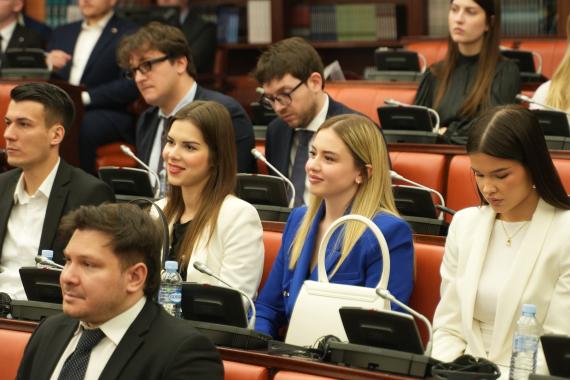
Within the visit to the Assembly, the programme continued with a panel discussion on the topic “Security and Stability: Challenges, Cooperation and the Role of Future Generations”. The panel featured Antonijo Miloshoski, Vice President of the Assembly, as well as Rashela Mizrahi and Dragan Kovachki, Members of Parliament, who discussed the current security situation in Europe. During the discussion, it was emphasized that passivity is no longer an option, but that enhanced cooperation, strategic alignment and decisive policies are necessary in order to effectively address geopolitical challenges and ensure long-term stability in the Western Balkans region.
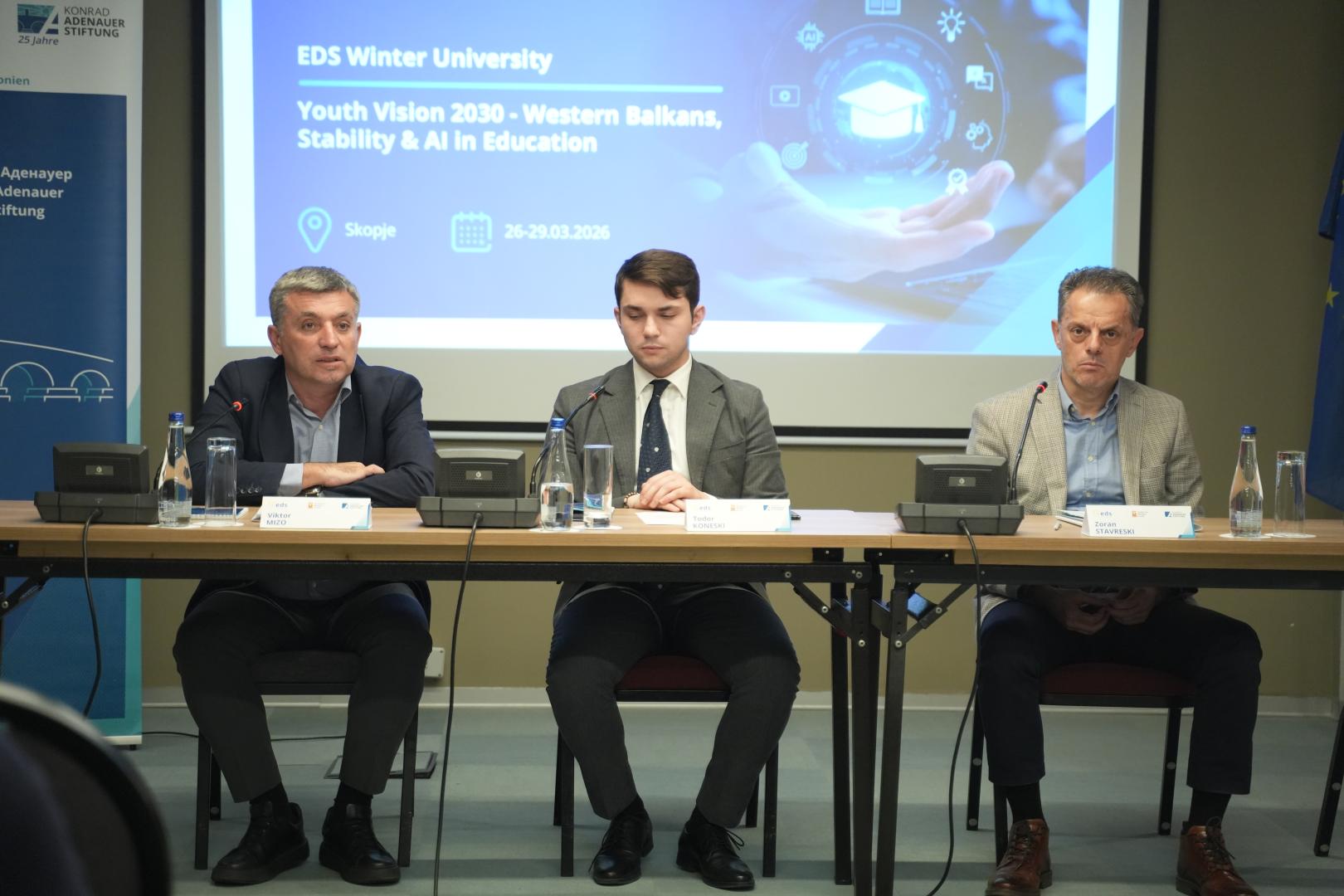
The activities continued with two panel discussions. The first panel discussion, “Fiscal Policy, Investment and Economic Growth - Shaping the Economy of Tomorrow”, featured Zoran Stavreski, Former Minister of Finance, and Viktor Mizo, Managing Director, Kostal Macedonia. During the discussion, it was highlighted that economic stability is a key prerequisite for political stability. Through responsible fiscal policies, strategically oriented investments and the encouragement of innovation, states can build resilient economies and ensure sustainable long-term growth.
The second panel discussion, “EU Enlargement and Geopolitics - Strengthening Europe’s Stability and Cooperation”, was held with the participation of Viktorija Trajkov, Deputy Minister of European Affairs, and Elena Kuzmanovska, State Secretary, Ministry of Foreign Affairs and Foreign Trade. The panel sent a clear message that European integration is based on values, reforms and credibility, while EU enlargement was emphasized as a strategic necessity for strengthening the stability, security and unity of Europe.
After the official part, the participants continued their work within the working groups of the European Democrat Students, where political ideas were translated into concrete proposals and policies.
The second day, Saturday, 28 March, started with a discussion on the topic “Energy Security and the Green Transition: Challenges and Opportunities for the Future”. Sanja Bozhinovska, Minister of Energy, Mining and Minerals, delivered a clear message that energy security is a key political issue affecting every citizen. She emphasized that dependency represents a risk, while stability is the result of responsible and timely decisions. The focus was placed on investments in renewable sources, modernization of the system and regional cooperation, with a clear position that the transition must be implemented without undermining stability.
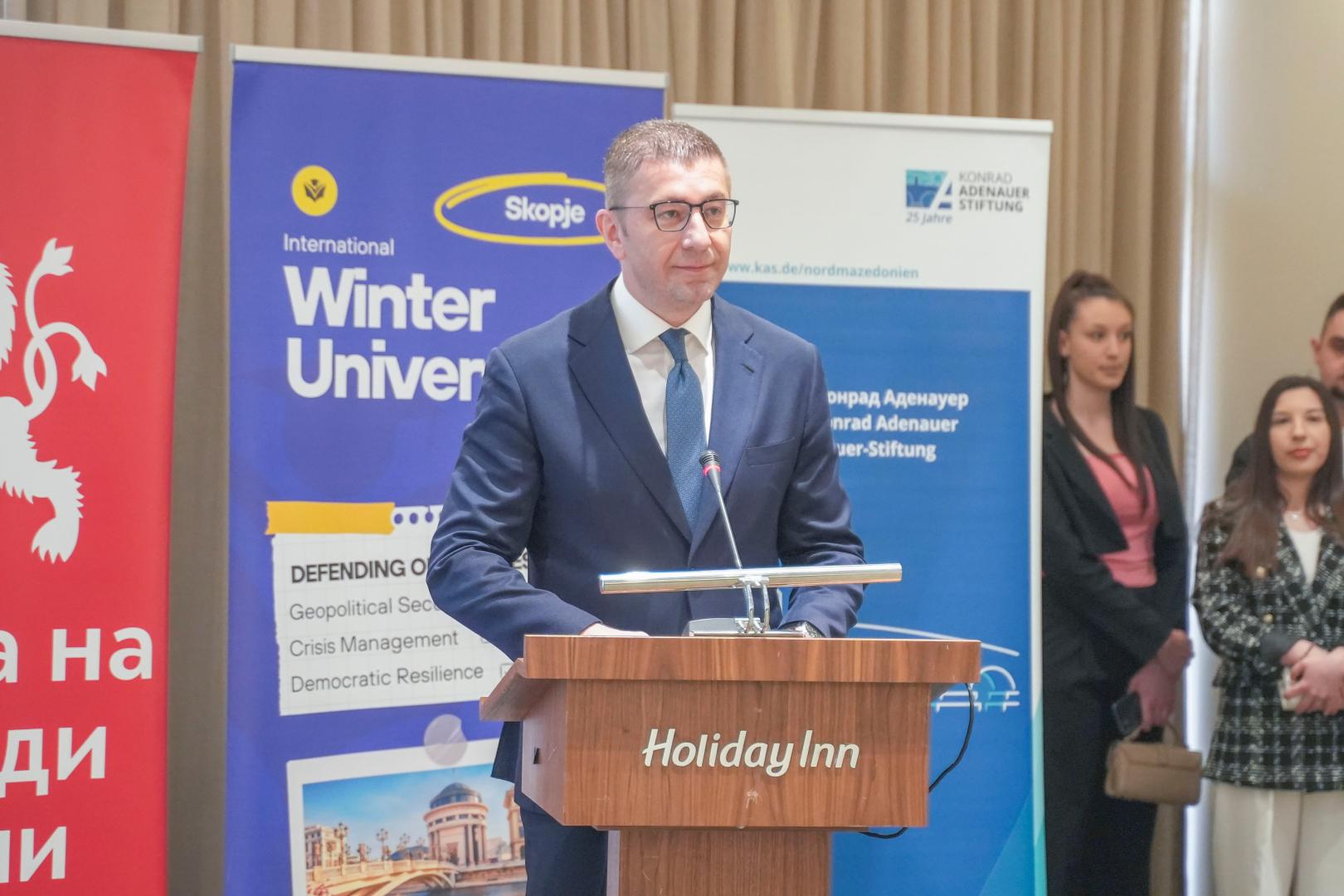
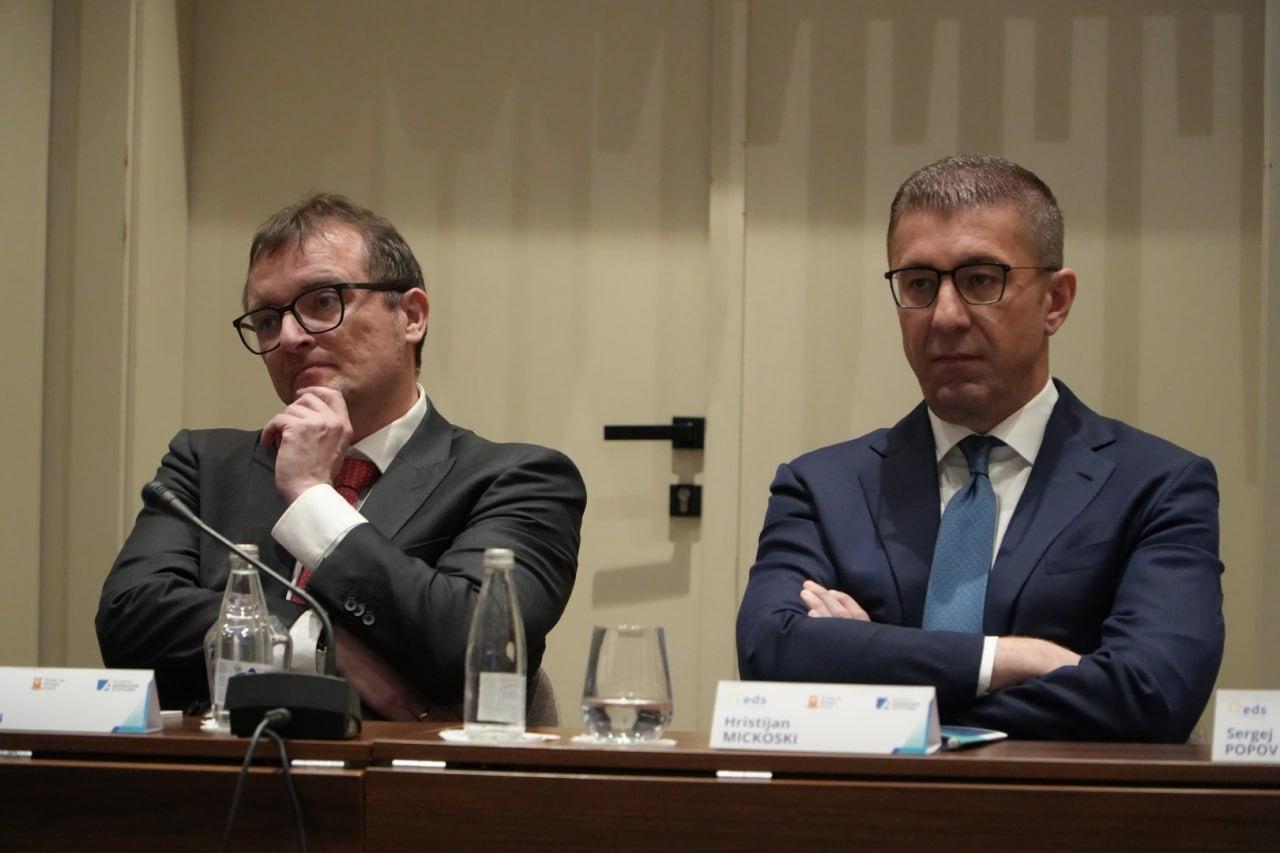
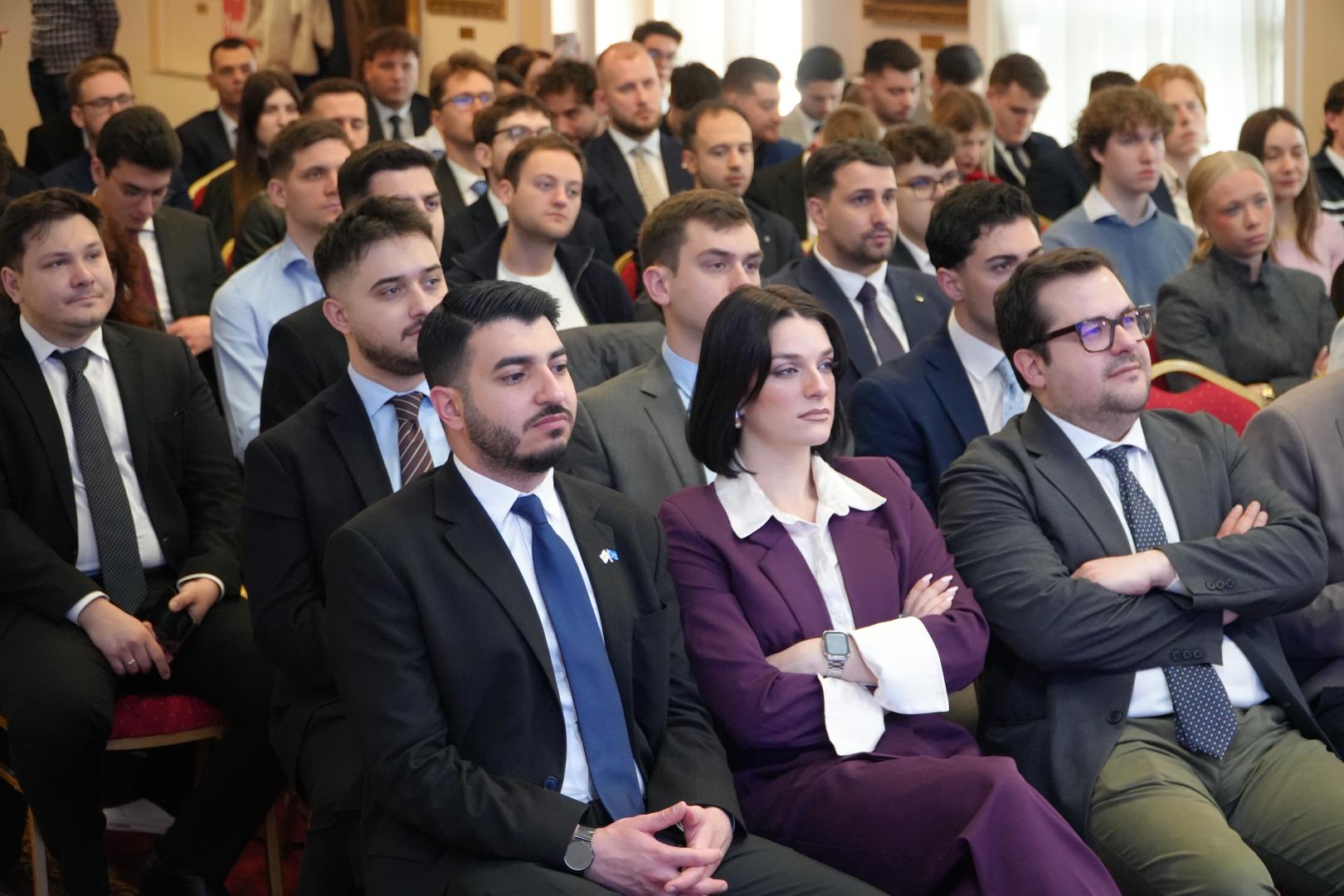
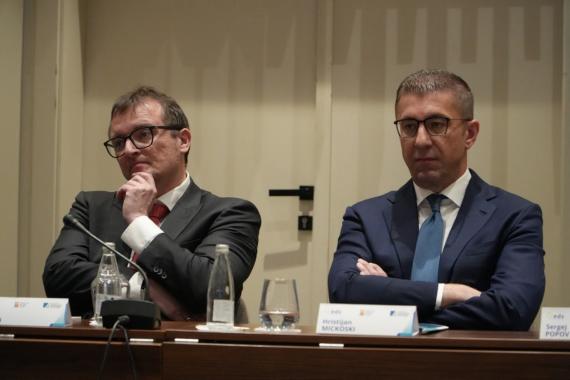
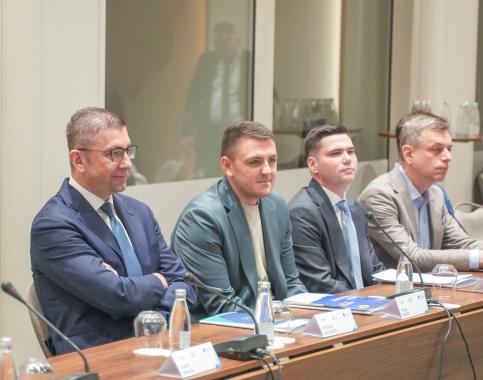
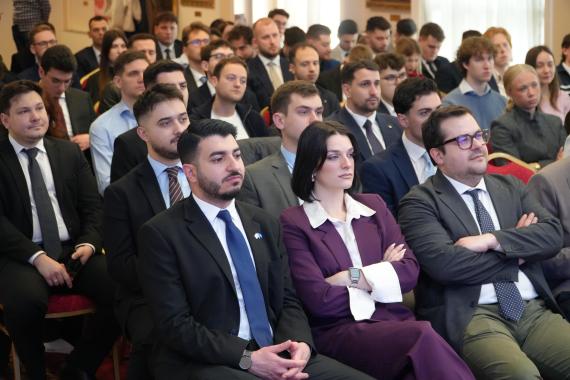
Afterwards, the EDS Winter University Council officially started with over 70 participants from 25 countries. The opening was marked by addresses on the topic “The Future of Europe and the Role of Democratic Leadership”, delivered by Daniel Braun, Sergej Popov and the President of the Government, Hristijan Mickoski. In their speeches, they emphasized the need for strong leadership, a clear political vision and an active role of young people in shaping the future of Europe.
The Council continued with its working agenda, where key political and organizational issues were addressed through discussions and debates. The event was closed with a final address by Timco Mucunski, Minister of Foreign Affairs and Foreign Trade, who emphasized the importance of unity, determination and continuous engagement in achieving national interests and the European perspective.
In the spirit of cooperation, openness and European values, the EDS Winter University 2026 once again confirmed that young people are a key driver of positive societal change.