We can only save the climate through a smart and concerted effort between politics and science.




At a glance
- Sustainable development combines economic, environmental, and social goals. Promoting sustainability means, above all, taking responsibility for the future.
- Innovative technologies, methods, and behavioural changes can play a key role in using resources more sustainably and protecting our natural environment.
- A shift toward greater sustainability must be initiated at all political levels, both nationally and internationally. This requires setting clear priorities, overcoming implementation gaps, and building trust in the state’s ability to manage this transformation.
- For the Konrad-Adenauer-Stiftung, sustainability is a fundamental priority. It is essential that ecological transformation is economically feasible and resonates with the everyday realities of individuals.
Content
1. Sustainability means taking responsibility for the future
2. Resilience comes from preservation and renewal
3. Sustainability in a multipolar world
4. With a broad commitment to sustainability at home and abroad
5. Our offers and projects on the topic
6. Publications, events and media contributions on the topic
Climate change, wars, and conflicts have pushed the geopolitically fragmented world into an economic crisis marked by declining social cohesion. These key challenges of our time raise fundamental questions: On what foundation should we build our future? How must we live today to ensure that life on Earth remains viable for future generations, allowing them to shape it within the framework of their fundamental rights?
Sustainability means taking responsibility for the future
Sustainability is understood as a systemic balance between ecological, economic, and social development, all interconnected in a complex relationship. The concept remains central in political debates, scientific research, and civil society demands, both nationally and internationally. However, it is especially contentious regarding its social dimension, given rising actual or perceived social inequalities. This polarisation partly stems from discussions that are often morally charged and focused on deficits. Economic issues such as growth, prosperity, and competitiveness, including the competitiveness of sustainable transformation, are increasingly gaining prominence.
Sustainability remains a complex, cross-cutting issue without simple solutions. Ultimately, it is about shaping our future responsibly.
Resilience comes from preservation and renewal
Future viability and resilience guide political debates at all levels, federal, state, local, within the EU, and globally. Decisions made today must protect achievements, drive necessary progress, and strengthen the resilience of nature, the economy, and society against disruptions. Priorities must be set, acknowledging possible conflicts between goals. Often, the challenge is not a lack of scientific knowledge but overcoming implementation gaps with practical solutions and building trust that democratic governance can successfully manage this transformation.
Decarbonising and achieving climate neutrality in the economy and society undoubtedly pose challenges. Innovations, whether in technologies, processes, or behavioural changes, can be key to using natural resources more sustainably and adapt lifestyles and businesses to climate change.
Expanding renewable energy and related infrastructure, promoting climate-neutral technologies, diversifying raw material and energy imports, improving energy efficiency, and advancing closed-loop systems and recycling (circular economy) are essential adaptation measures. In agriculture, food production must go hand in hand with biodiversity and climate protection. Mobility must be rethought in multiple ways, balancing the needs of urban and rural areas through innovative and sustainable solutions.
According to the World Health Organisation (WHO), air pollution and climate change are among the greatest global health threats. Increasingly, the links between human health, animal health, and the environment also pose serious risks: zoonoses, diseases transmitted between animals and humans, are potential sources of future pandemics. The overuse of antibiotics in livestock further increases antimicrobial resistance. All these factors are addressed by the "One Health" approach, which considers the interconnections between humans, animals, and the natural environment, emphasising their relevance in strengthening health systems and preventing pandemics.
Sustainability in a multipolar world
Geopolitical fragmentation, most clearly illustrated by Russia’s war against Ukraine, has intensified global challenges, deepened goal conflicts, and raised several pressing questions. How can energy security be ensured, given the ongoing reliance on fossil fuels and the limited availability and reliability of renewable energy sources? What role should the EU play in this context with its Clean Industrial Deal? How can continued failure to meet climate targets be prevented, especially as the effects of global warming become increasingly urgent worldwide? How can the rising global demand for raw materials and energy—driven by the development of new technologies—be met in ways that are both socially fair and environmentally sustainable? How can developing countries be supported in building and transforming their economies in a climate-friendly way amid a global crisis? And finally, do industrialised nations recognise that climate issues are not only ethical concerns, but also economic and security-related challenges?
With a broad commitment to sustainability at home and abroad
These issues are central to the Konrad Adenauer Stiftung’s work at home and abroad. Through events, studies, and analyses, we support political and social discussions on current topics and offer platforms for interdisciplinary exchange in Germany, Europe, and partner countries worldwide.
Sustainability is not just a regulatory challenge but also a core commitment to preserving creation and protecting human rights worldwide. We see sustainable development as essential for prosperity and a fundamental principle of the social market economy.
It is important to us that the transition to greater sustainability is economically viable and reflects people’s everyday realities, so it gains acceptance and does not weaken social cohesion. Beyond its ecological, economic, and social dimensions, sustainability also has a political aspect. It depends on the active participation of citizens, who help shape the country’s future. Democracies are particularly well suited to drive these profound changes based on their values, while also applying the necessary pragmatism. Alongside social acceptance, political will is crucial to create the conditions needed for implementing sustainability.
We aim to provide political decision-makers at home and abroad with ideas to engage with challenges related to the environment, resources, and other sustainability issues. For this reason, we also support alliances between countries that pursue high sustainability standards and involve their citizens in shaping them.
Our offers and projects on the topic
Publication series and publication projects
The development towards a sustainable way of living is one of the most important goals for politics, the economy and society. How can we succeed in striking a balance between human way of life and the global ecosystem Earth without having to abstain from everything across the board? Our publication projects provide impetus for thought and grant insights into innovations that could help this development process.
Sustainability Monitor
With the Sustainability Monitor series, we address, mostly on an occasion-related basis, current sustainability issues from the perspective of the Konrad-Adenauer-Stiftung so as to make them accessible to an interest public in politics, science and civil society; at the same time, we also contribute towards the foundation’s positioning on this important cross-cutting issue of the future.
Cooperation
To promote a market- and innovation-oriented strategy for climate neutrality, the Konrad-Adenauer-Stiftung cooperates with EPICO KlimaInnovation – a think tank and network for sustainable, market-based and innovation-oriented climate and energy policy.
Cooperation with EPICO KlimaInnovation
Since 2021, the Konrad-Adenauer-Stiftung has been cooperating with EPICO KlimaInnovation. The think tank has set itself the goal of developing sustainable, market- and innovation-oriented strategies for climate neutrality from the centre of society, and contributing towards their implementation. The beating heart of the cooperation between KAS and EPICO is the Policy Accelerator for Climate Innovation.
In this project, within the framework of an agile design thinking process, clear recommendations for action on key topics of energy policy and target visions for achieving climate neutrality were developed, which will also be accompanied in the future and whose implementation is to be promoted via a strong network in politics, business, science and society.

Publications on this topic
 CIS
CIS
South Caucasus in Focus of Global Rivalry: Challenges and Opportunities for Ukraine
Strengthening Analytical Capacity for Foreign Policy Decision-Making
 CIS
CIS
Ukraine’s Minerals in Global Supply Chains: Challenges and Opportunities
Strengthening Analytical Capacity for Foreign Policy Decision-Making
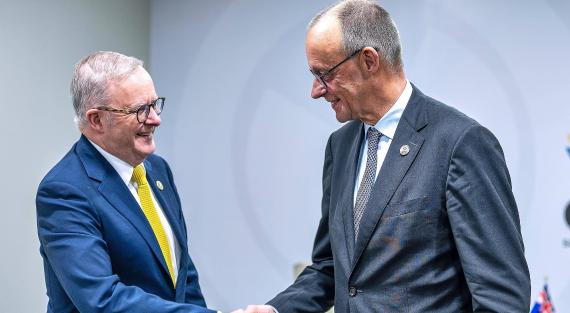 dts Nachrichtenagentur, Imago
Why Australia’s New Foreign Policy Role Creates Opportunities for Germany
A Partnership for a New Era
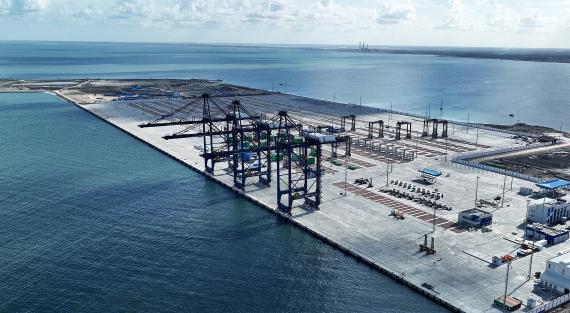 Xinhua, Imago
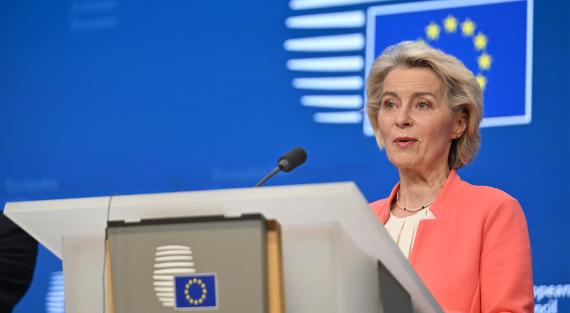
The Pact for the Mediterranean as a Building Block for Diversifying European Partnerships
More than Just a New Label?
 Anadolu Agency, Imago
The EU’s Partnership Policy in Transition
Adapting to a Geopolitically Turbulent World
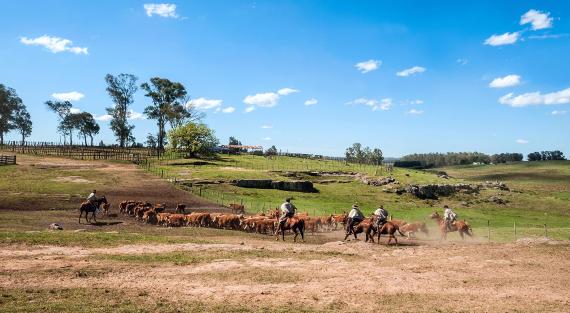
Prospects for Closer German–Argentine Cooperation in an Era of Global Diversification
Pampas and Partnership
 Anadolu Agency, Imago
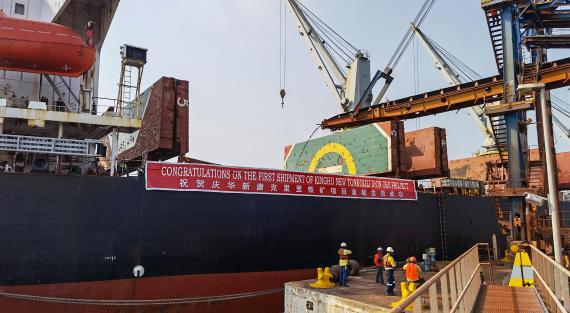
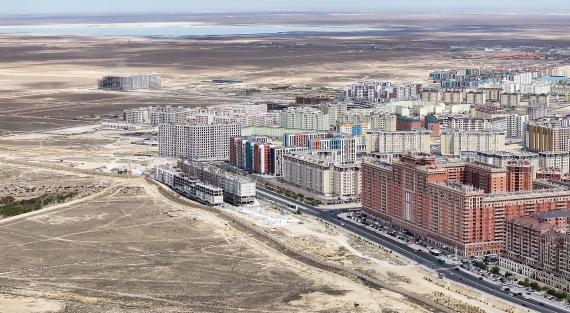
Central Asia between Russia, China, and the West
At the Heart of Geopolitical Competition

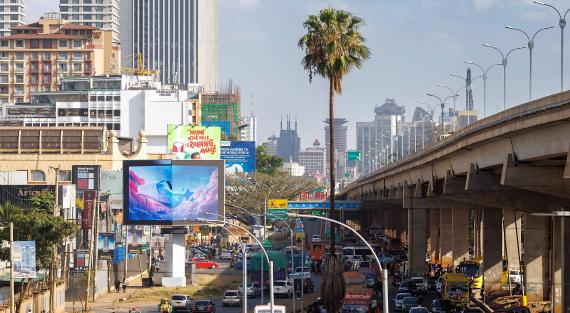
Constitutionalism, Sustainable Economic Development, and the African Continental Free Trade Area
Constitutionalism, Development & Africa’s Future


Interview: „Mehr Demut wäre hilfreich“
André Hoffmann über wirtschaftliche Macht und Verantwortung, die Themen des Weltwirtschaftsforums und einen nachhaltigen Kapitalismus
 IMAGO / photothek
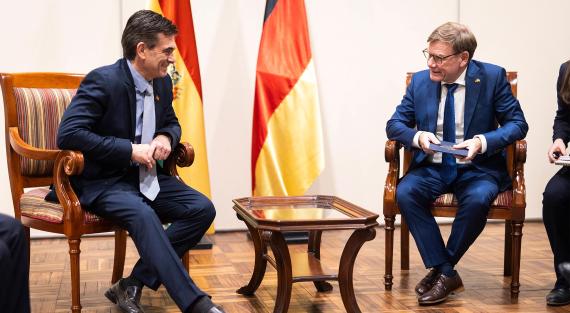
Why a Lithium Partnership with Bolivia Is Strategically Crucial for Germany and Europe
If Not Now, When?
Advancing Protection under Article I(2) of the 1969 OAU Refugee Convention
Interpretative clarity, operational support and pathways forward for African States Parties
 IMAGO / VectorFusionArt
The Value of Global Health
A study preview on the economic dimension of global health engagement
 IMAGO / Jürgen Ritter
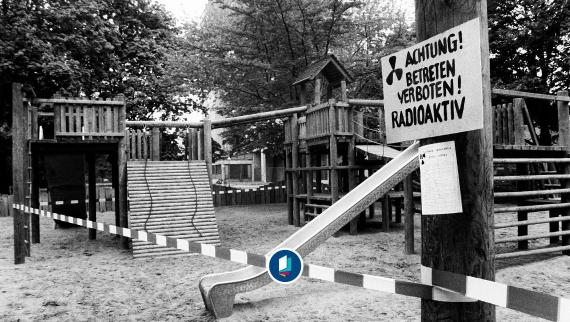
Der Super-GAU von Tschernobyl und die deutsche Atomangst
Der Geschichtspodcast von Frankfurter Allgemeine Zeitung und Konrad-Adenauer-Stiftung - Folge #7
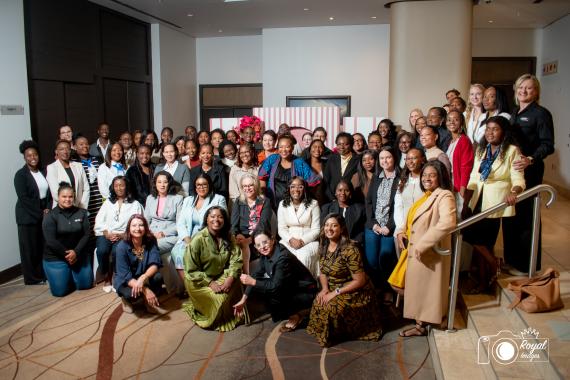
Women Entrepreneurs and Executives in Tech Summit 2026
Empowering Women in Technology, Leadership, and Innovation in Namibia.

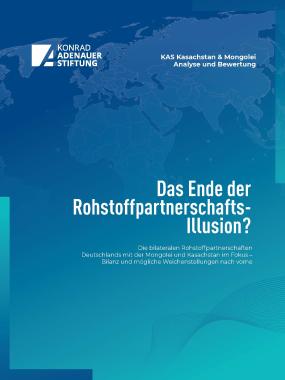
Event Reports on the topic
Ernährungssicherheit: Grundvoraussetzung für gesellschaftliche Stabilität
Interdisziplinäre Fachkonferenz zu Zielkonflikten, Resilienz und Zukunftsperspektiven
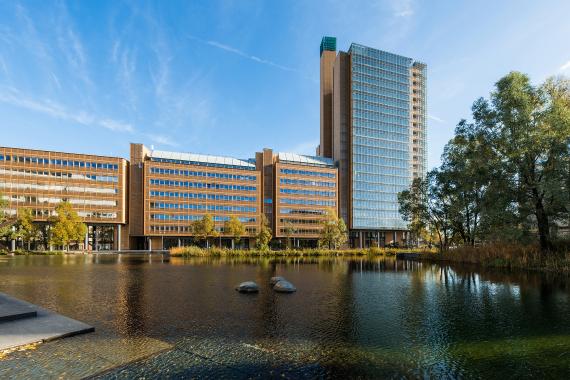
Berlin als Schwammstadt: Mit dem Fahrrad auf den Spuren der klimaresilienten Stadt
3 Fahrradtouren mit der Berliner Regenwasseragentur zeigten, wie Regenwassermanagement, Stadtgrün und innovative Infrastruktur Berlin auf die Folgen des Klimawandels vorbereiten.
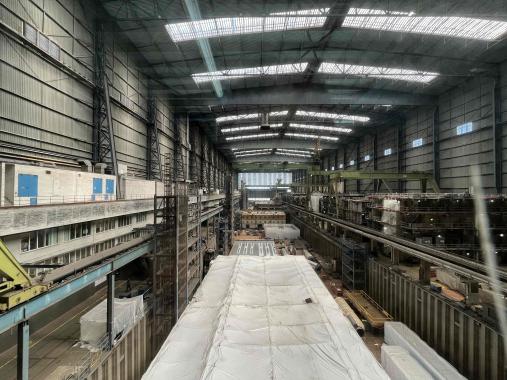
Biodiversitätsschutz für Wohlstand, Sicherheit und Zukunftsfähigkeit
Partnerschaftliche Verantwortung für die Natur stärkt die Wirtschaft und ihre Grundlagen
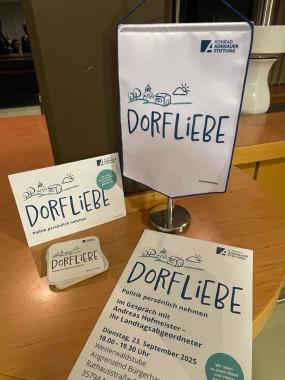
Dorfliebe – Politik persönlich nehmen
Ein Bericht über unsere Dorfliebe-Station in Mengerskirchen-Waldernbach.
„Die Herausforderungen beim Thema Wasser schaffen wir nur zusammen!“
Wassermanagement in Deutschland, Europa und Asien
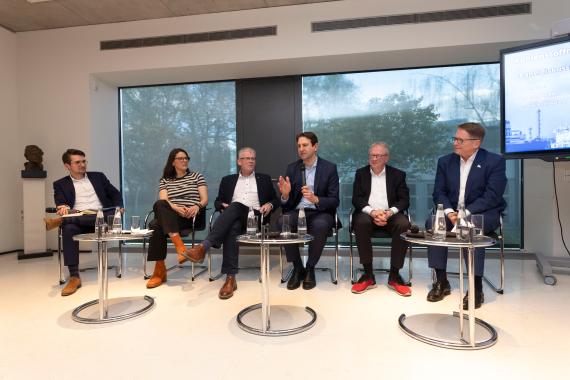 Edgar Nemschok/KAS
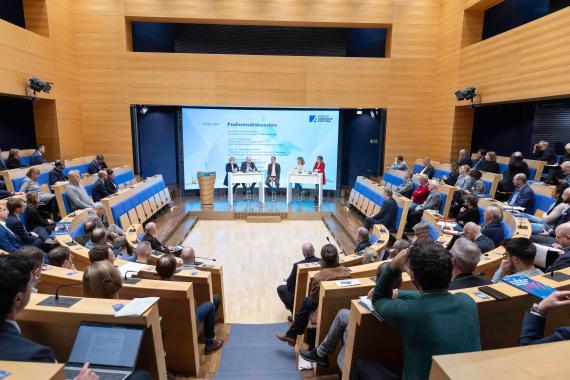
Carbon Management 2.0 – Integral Part of a Climate-Neutral Economy
Important Instruments for Achieving Climate Neutrality
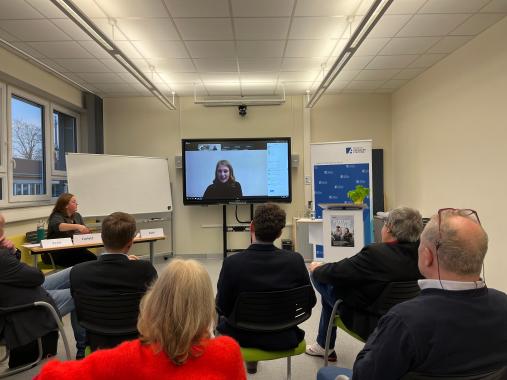
Wie sehen die ländlichen Räume der Zukunft aus?
Eine Bilanz des hybriden Alsfelder Gespräches am 06.03.2025
Media library
Chancellor Merz in the Gulf: Strategic Economic and Energy Partnerships
As Chancellor Merz visits Saudi Arabia, Qatar, and the UAE, Philipp Dienstbier explains the importance of the Gulf states for gas imports and future renewable energy.
Read now
Ice, power, military – why Greenland is suddenly so important
What is Donald Trump's real interest in Greenland? And what does all this mean for Europe, NATO and the people who live there?

INFORME DE GESTIÓN KAS 2024
📊Te invitamos a explora los logros y avances en esta edición especial de nuestro informe de gestión.
Read now