






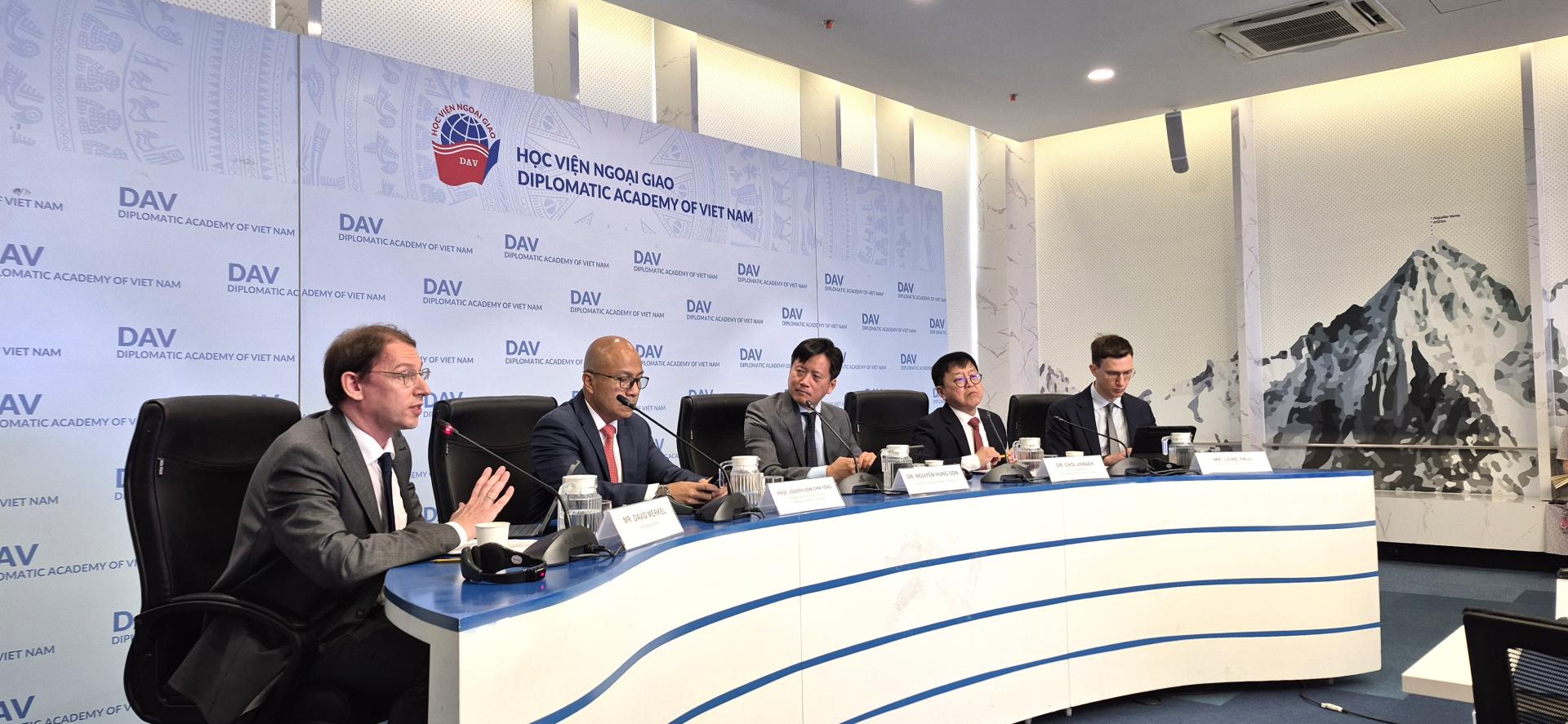
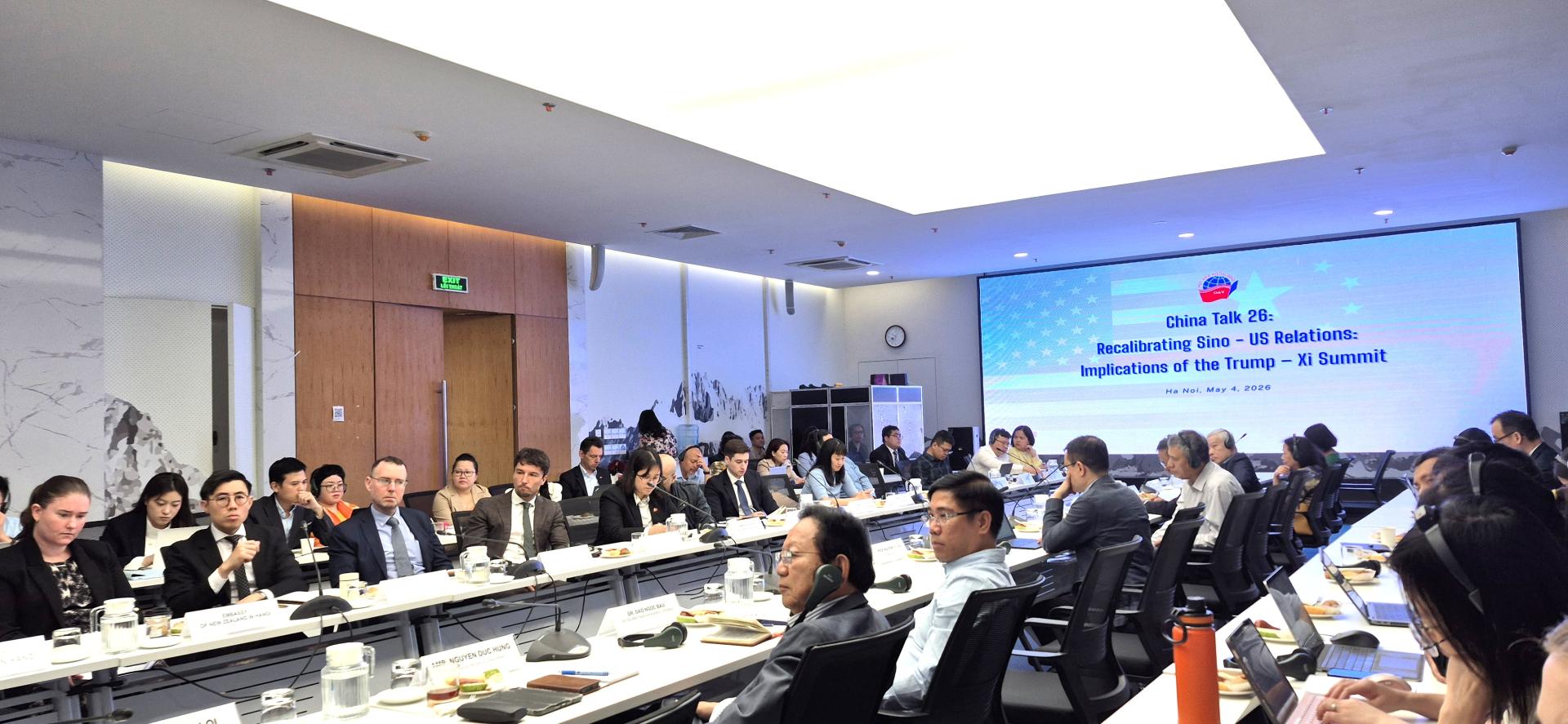
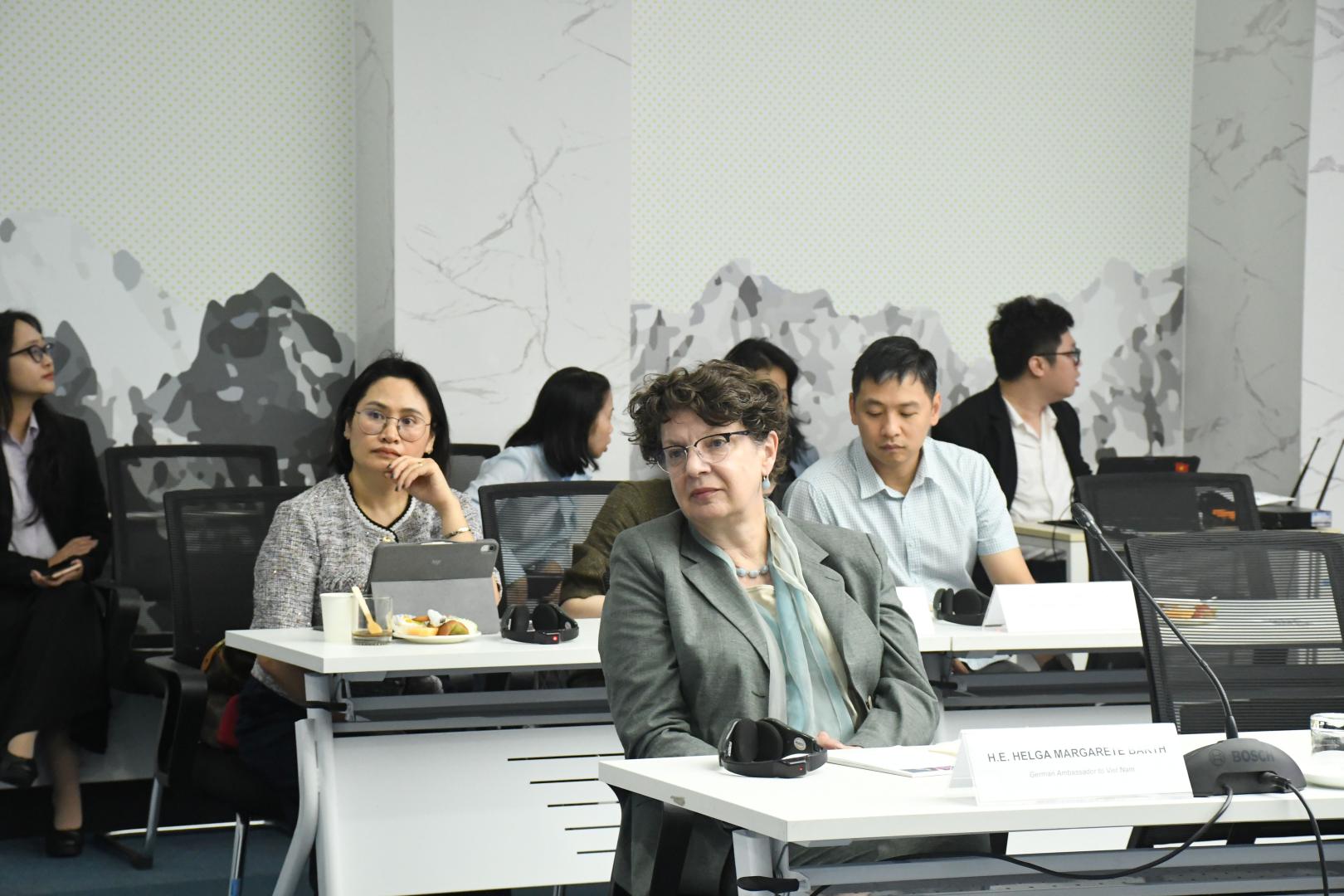
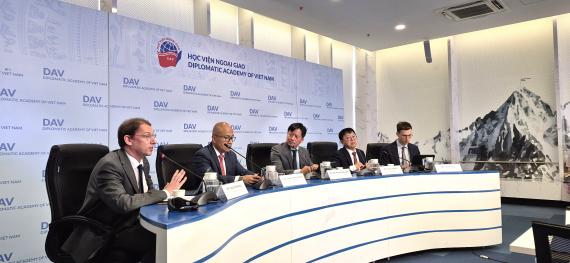
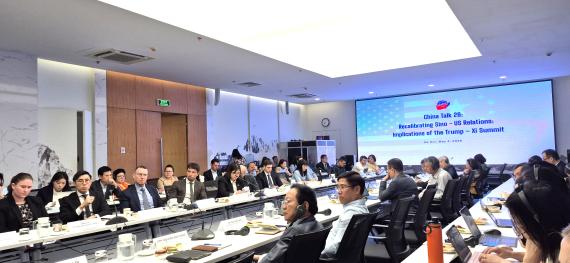
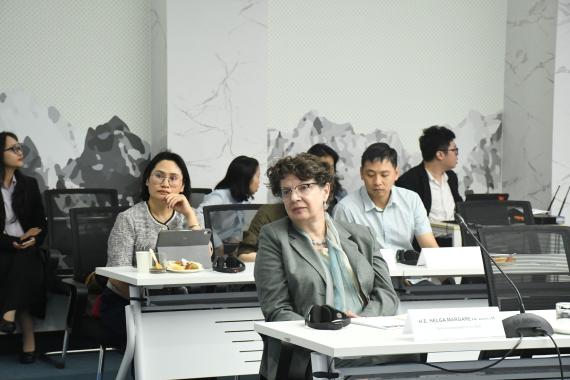
The 26th China Talk took place at a particularly critical juncture, as expectations surrounding an anticipated summit between the leaders of the United States and China raised important questions about the future direction of bilateral relations between the world’s two major powers. The event brought together policymakers, diplomats, scholars, and researchers from embassies, think tanks, universities, and policy institutions, reflecting the strong interest in understanding how shifts in U.S.–China relations may affect the broader international order and Southeast Asia in particular.
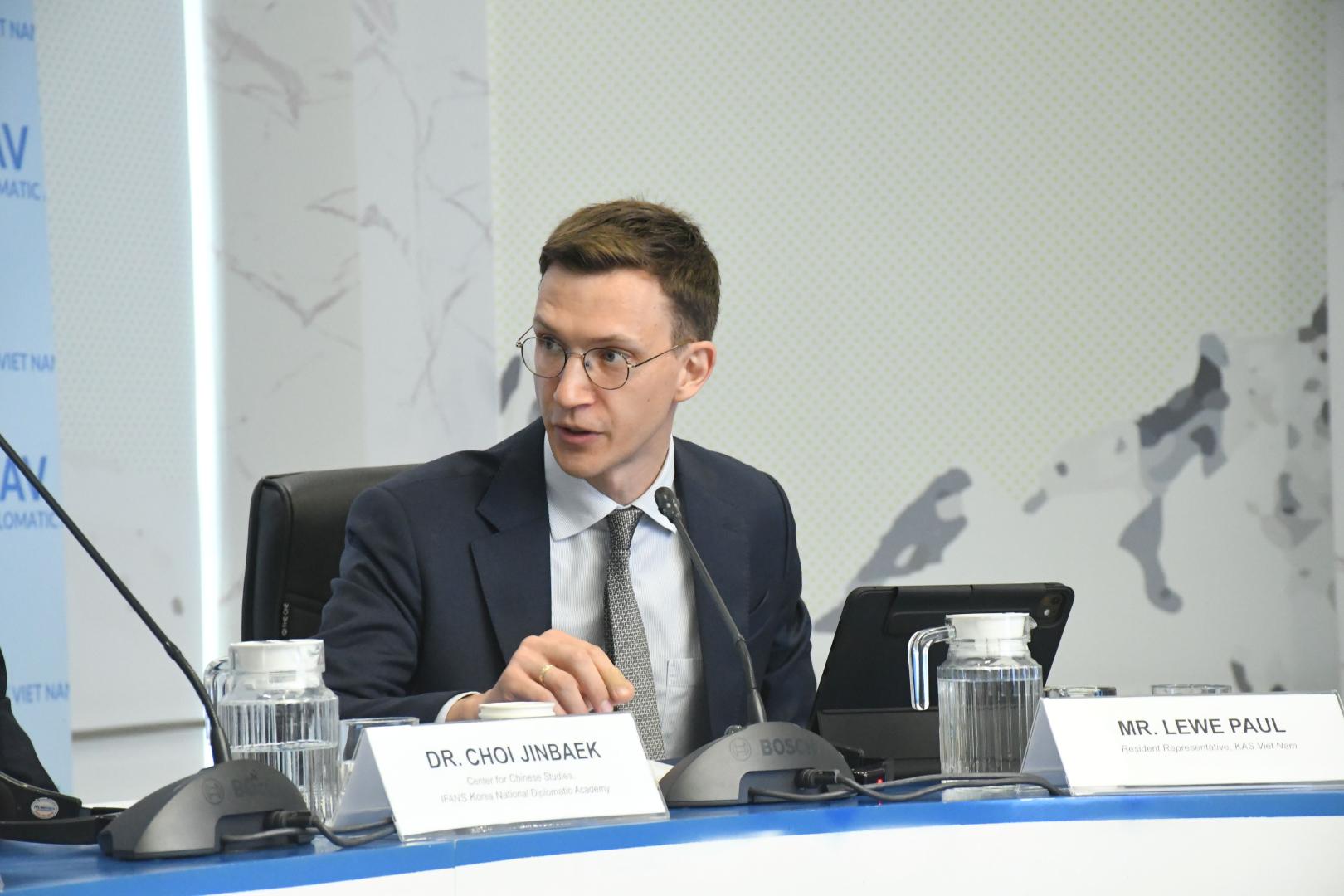
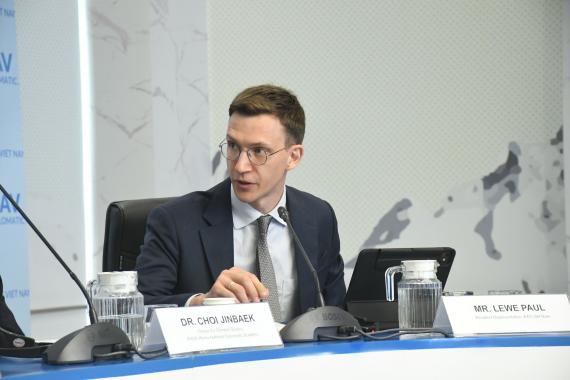
The opening remarks were delivered by Dr. Nguyen Hung Son, President of the Diplomatic Academy of Vietnam, and Mr. Lewe Paul, Resident Representative of KAS Vietnam. In their speeches, the speakers underscored the importance of open, informed, and nuanced dialogue at a time of growing geopolitical uncertainty. From a German and European perspective, Mr. Lewe Paul emphasized Europe’s commitment to multilateralism, a rules-based international order, and strategic resilience, while noting that any recalibration between Washington and Beijing would inevitably have ripple effects across regions, economies, and institutions worldwide.
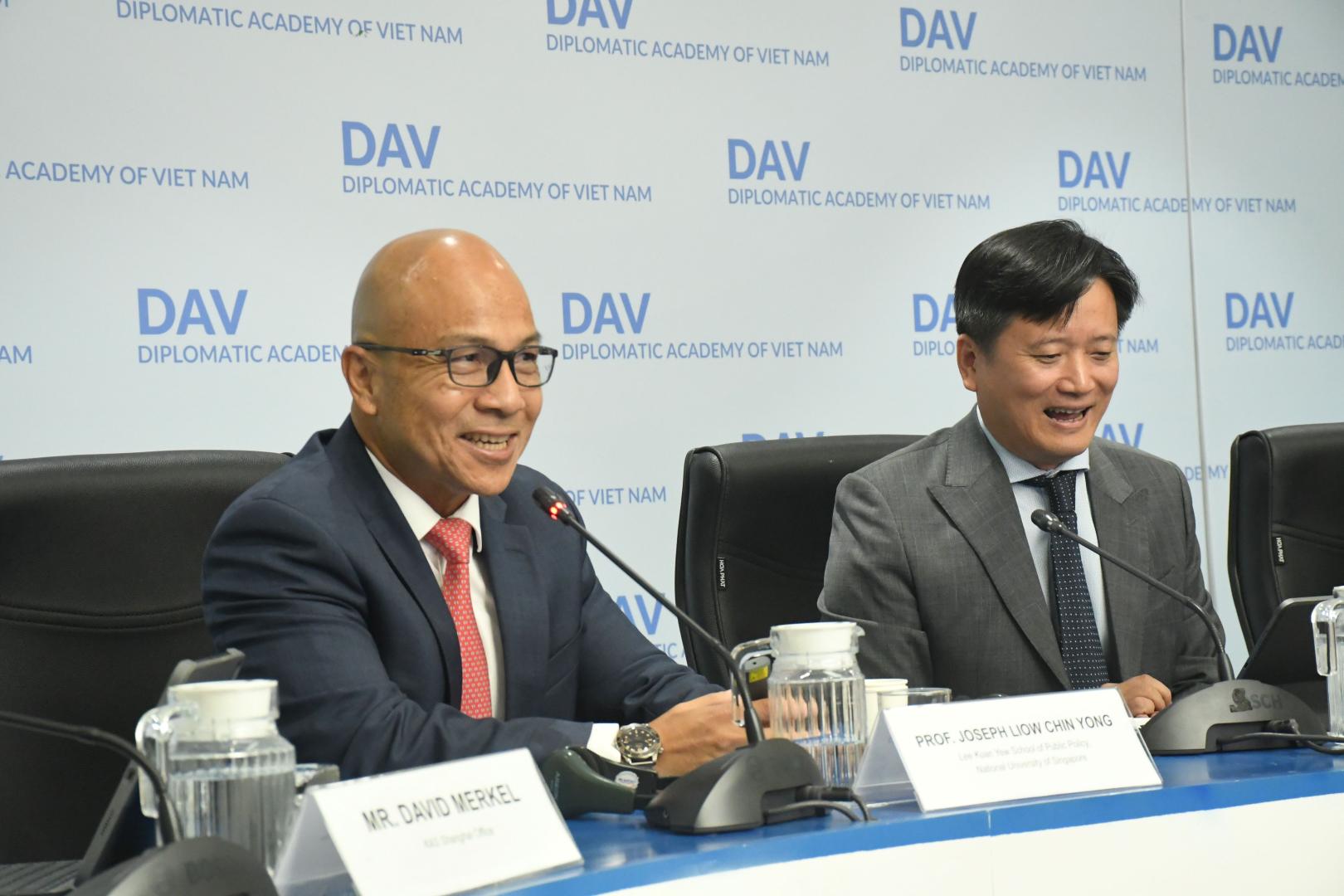
The highlight of the event was the keynote presentation by Professor Joseph Liow Chin Yong, Dean and Wang Gungwu Professor of East Asian Affairs at the National University of Singapore. In his comprehensive and thought-provoking presentation, Professor Liow analyzed the current state of U.S.–China relations through national, systemic, and global lenses. He examined the evolving domestic imperatives shaping U.S. and Chinese foreign policies, noting changes in American global engagement and China’s increasing emphasis on self-reliance, technological ambition, and strategic diversification. His presentation also explored the strategic competition between the two powers, the role of summit diplomacy, and the potential objectives and constraints facing both sides ahead of a Trump–Xi meeting.
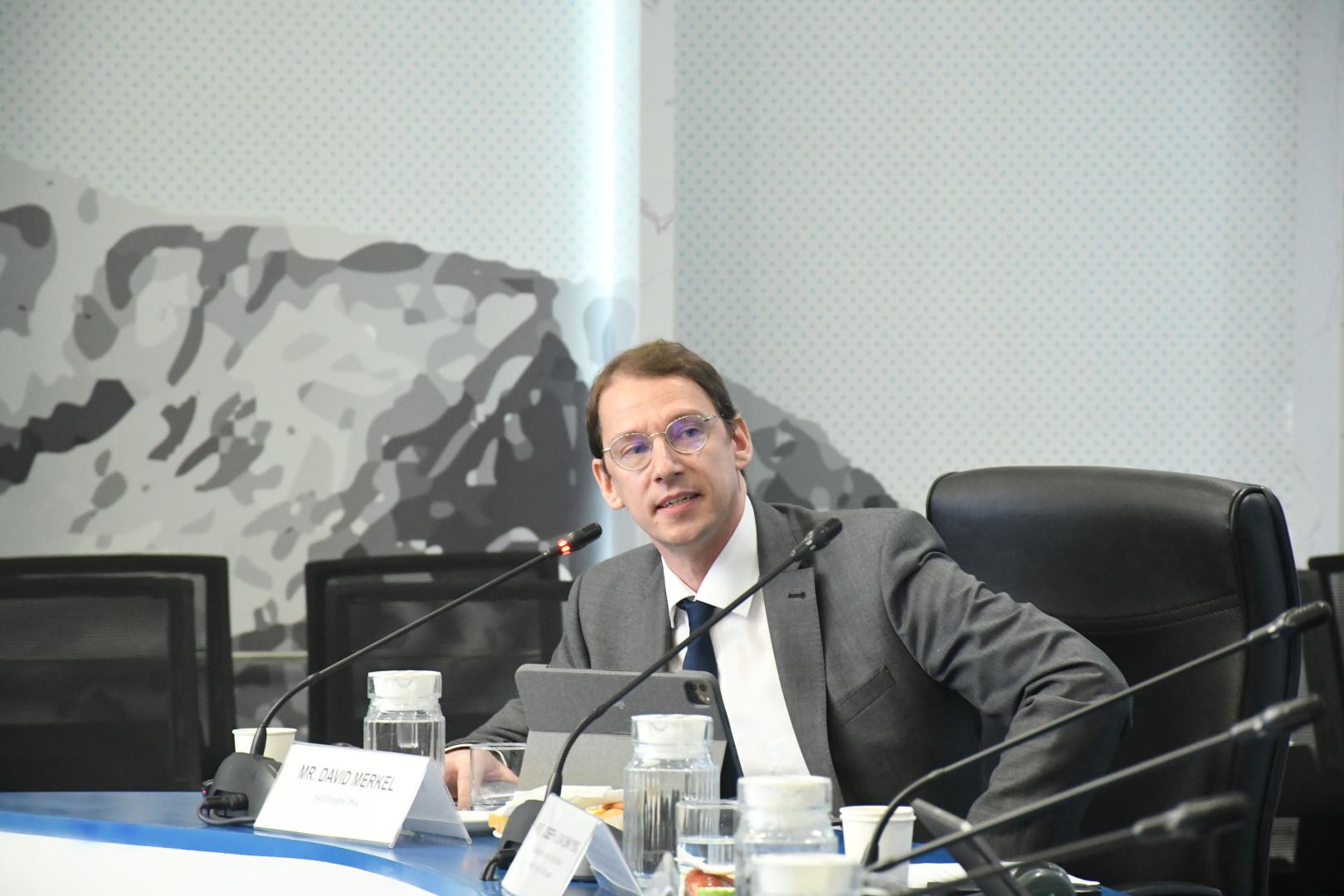
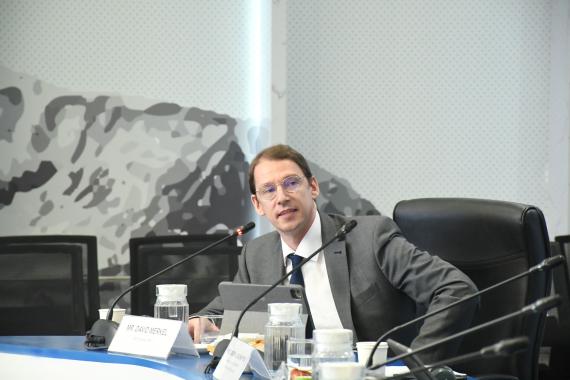
Following the presentation, a lively discussion session featured insightful commentaries by Dr. Choi Jin Baek from the Korea National Diplomatic Academy and Mr. David Merkle, Head of the KAS Shanghai Office. The commentators offered additional regional and comparative perspectives, addressing issues such as economic competition, strategic dynamics between the US and China, and the role of political leadership. China's rapid progress in technological branches like AI, robotics, space and the automotive industry was highlighted and the influences on global economic challenges were presented. It was pointed out that the country's relationship is dependent on the personalities and strategies of both political leaders. While the US policy is portrayed by strategic pressure, China focuses on strengthening its abilities and portrays itself as a defender of global trade.
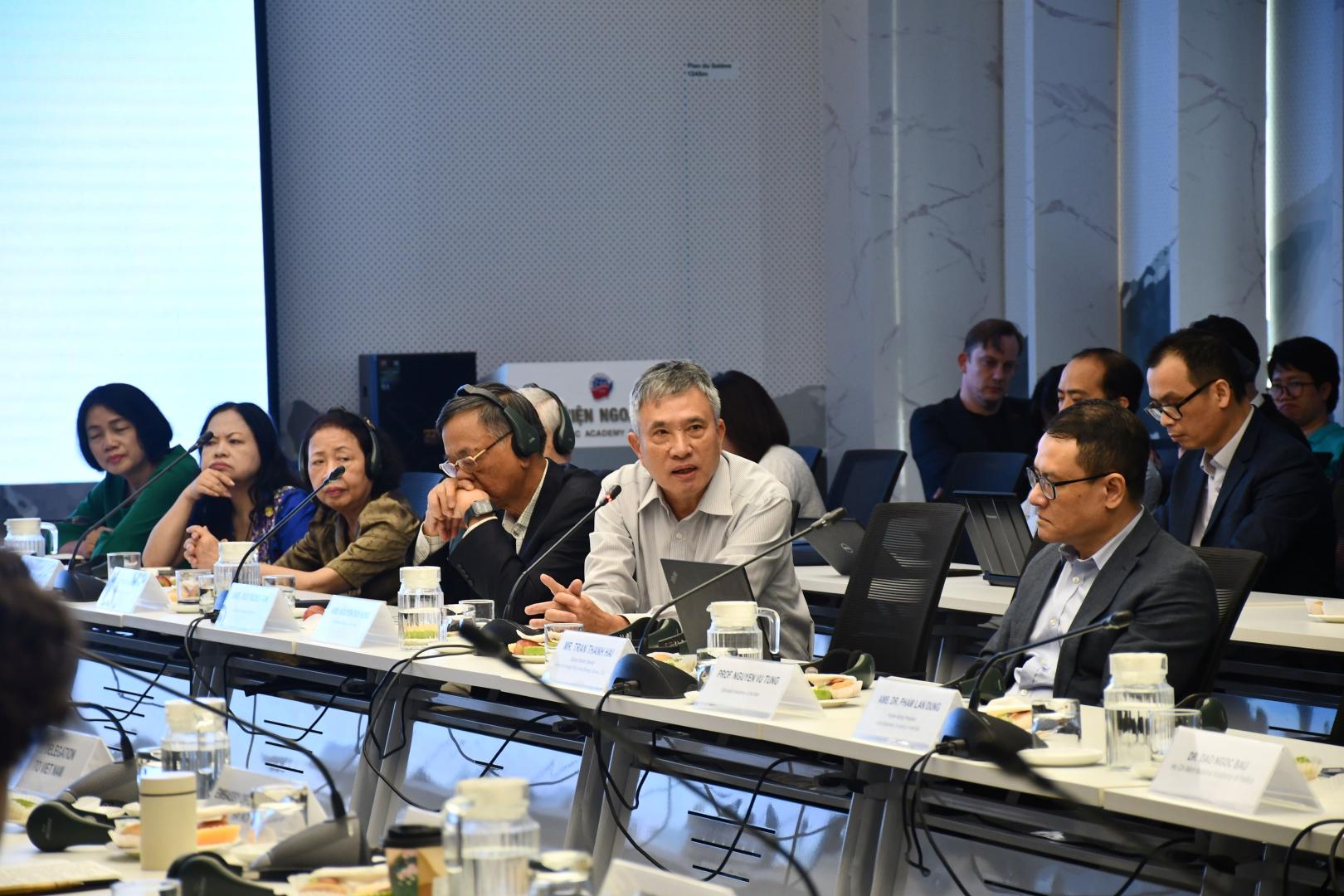
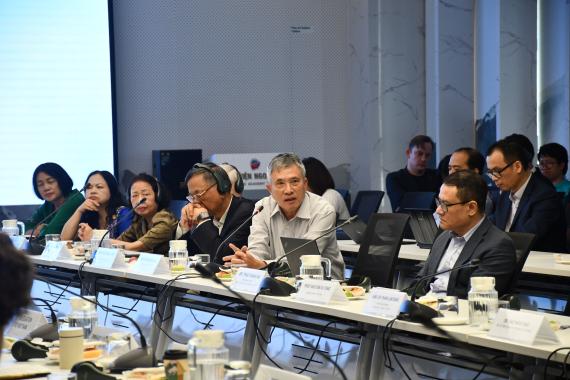
An engaging Q&A session allowed participants to raise questions and share perspectives on regional security, ASEAN’s strategic positioning, and the broader implications of U.S.–China competition for the Indo-Pacific. The discussions reaffirmed the importance of maintaining open channels of communication and strengthening regional resilience amid intensifying global uncertainty.
In conclusion, the 26th China Talk Series once again demonstrated the value of dialogue-oriented platforms in fostering deeper understanding of China’s role in global affairs and the evolving dynamics of U.S.–China relations. KAS Vietnam remains committed to working with its partners to support informed debate, mutual understanding, and constructive engagement on key geopolitical challenges shaping the future of the region and beyond.
Topics
About this series
The Konrad-Adenauer-Stiftung, its educational institutions, centres and foreign offices, offer several thousand events on various subjects each year. We provide up to date and exclusive reports on selected conferences, events and symposia at www.kas.de. In addition to a summary of the contents, you can also find additional material such as pictures, speeches, videos or audio clips.