





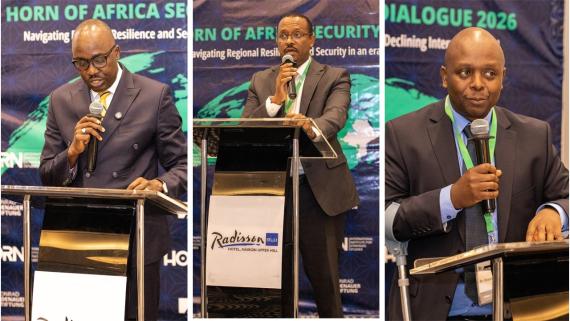
The conference was convened around a single uncomfortable reality: the international aid architecture that has underpinned peace operations, humanitarian response, and post-conflict recovery in the Horn of Africa for decades is structurally collapsing, not temporarily contracting.
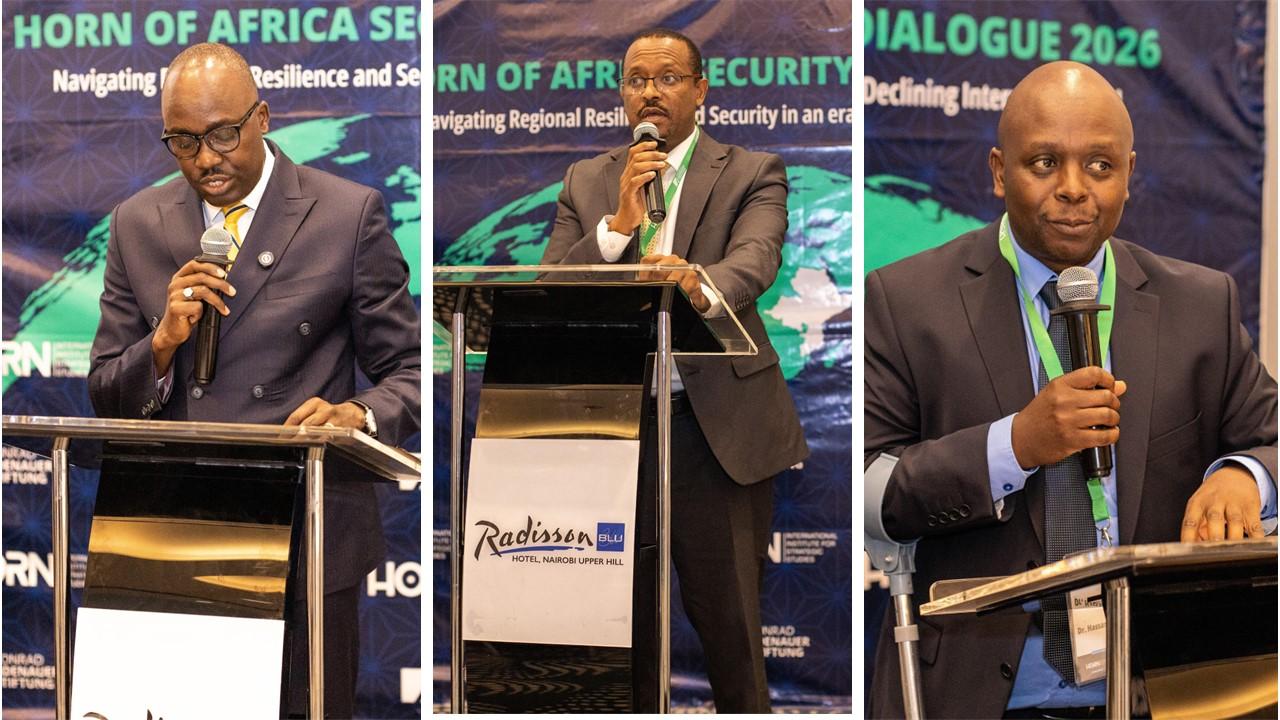
The event was officially opened by Dr. Hassan Khannenje, the Director, HORN International Institute for Strategic Studies who emphasized that periods of crisis often serve as catalysts for the emergence of transformative leadership. He challenged participants to consider how, in the face of such a moment, its potential can be harnessed rather than squandered. In his remarks, Edgar Mwine, Project Manager, Konrad Adenauer Stiftung (KAS) observed that dependency can become deeply ingrained and difficult to overcome, particularly as many institutions have historically been built on donor funding. However, he underscored Africa’s well-known resilience, framing the current moment as an opportunity to reimagine and rebuild setting a renewed, authentic vision for regional frameworks grounded in self-reliance.
In his opening remarks, Dr. Mustafa Ali, Chairman, HORN International Institute for Strategic Studies highlighted the timeliness of the discussion, noting that such periods of structural transformation not only signal change but also present significant opportunities. Dr Abraham Korir Sing'Oei, Kenya's Principal Secretary for Foreign Affairs, in his keynote speech challenged the assumption that aid has ever been the answer and argued that the Horn has no idea how much aid it has received over four decades, precisely because the system was fragmented and opaque.
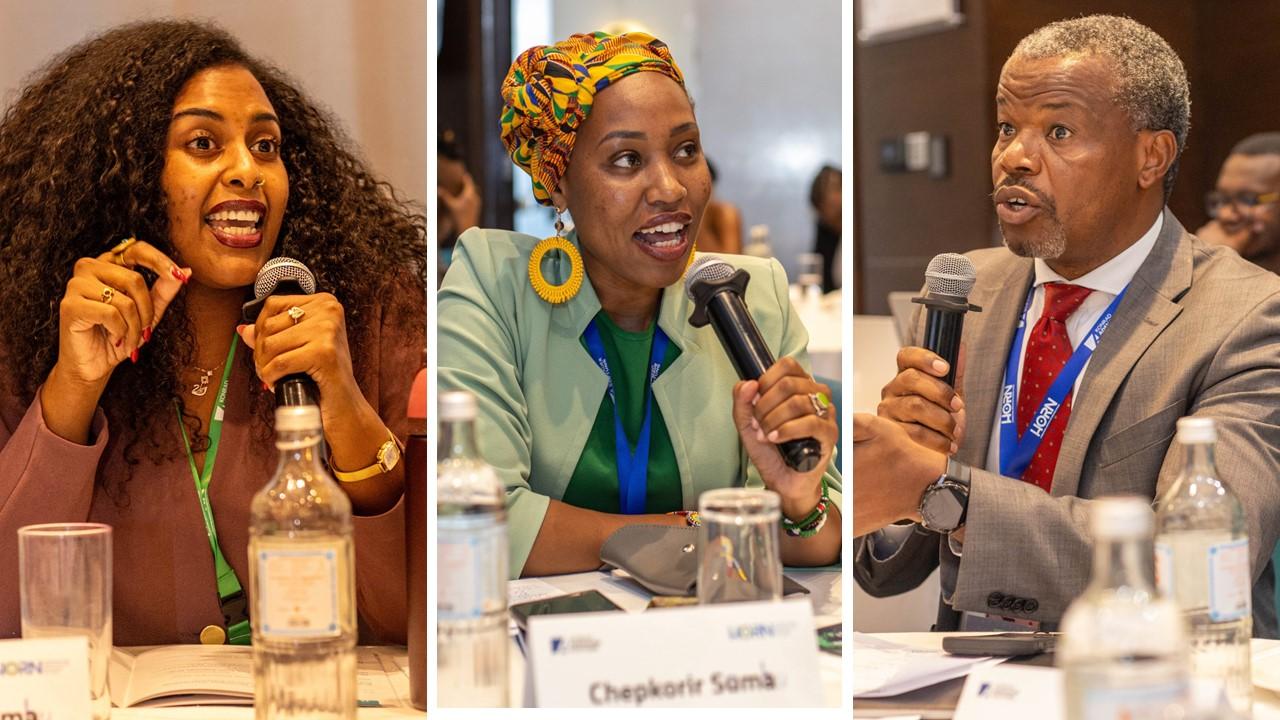
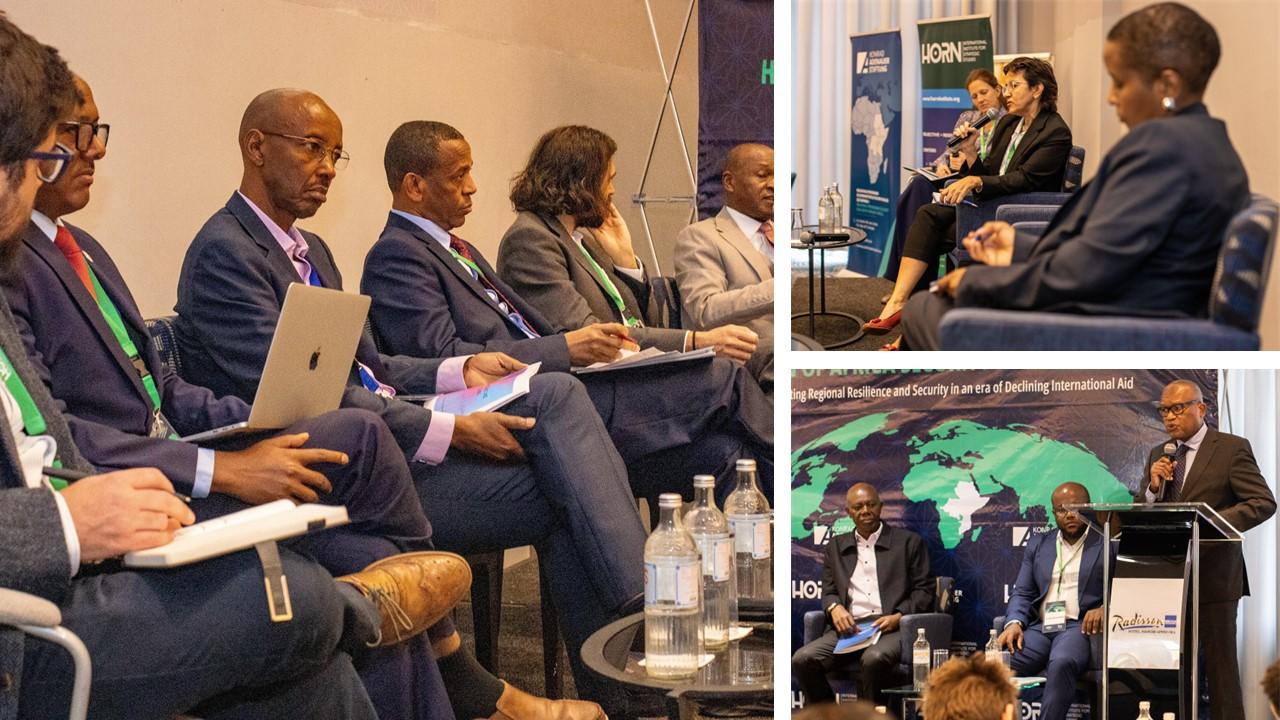
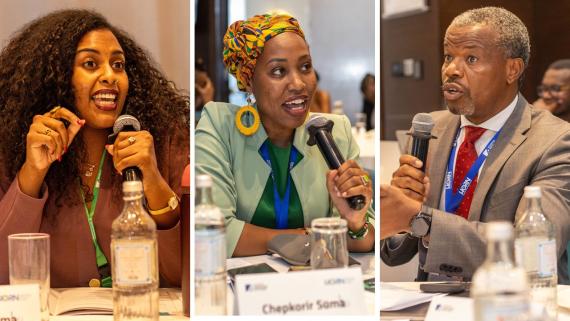
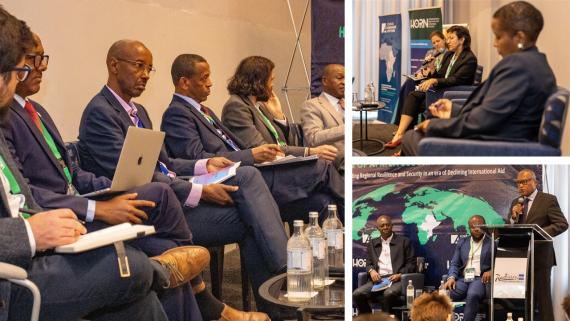
The conference comprised of three panels. The first panel focused on peace operations amid funding cuts. Panellists stressed that the African Union’s norms remain strong, particularly its Constitutive Act, which permits intervention without host-state consent, a provision that surpasses the UN Charter in scope. However, limited political will among member states continues to be a critical gap. The experience of the EAC force in the DRC illustrated the risks of deploying troops without centralised command and control. Panellists also highlighted the growing reliance on private security companies, which many leaders prefer over UN missions due to lighter accountability requirements. The overall message was clear; peace operations must adapt quickly to an increasingly competitive and resource-constrained landscape to remain effective.
The second panel discussed conflict, displacement and the shrinking humanitarian space. Panellists painted a stark picture of the human and security consequences of declining aid. Humanitarian actors described the “cruel math” of aid cuts, in which only a fraction of those in need can be supported. These gaps are not only deepening displacement and suffering but are also exacerbating insecurity, as affected communities resort to coping mechanisms that can fuel instability and armed-group recruitment. Panellists cited sustained development investment as demonstrated in Jubaland as a proven pathway to building resilience and reducing vulnerability to such threats.
The third panel analysed rethinking peace and security financing in Africa. The panel offered a detailed assessment of the AU Peace Fund, acknowledging it as a meaningful step toward African-owned financing for peace operations while noting that it remains structurally insufficient. Discussions turned to institutional reform, particularly gaps in the AU’s Continental Early Warning System. Although the system successfully identified conflict risks in Mozambique, no follow-up action occurred revealing a critical disconnect between early warning and response. Panellists further observed that diplomats tasked with conflict prevention are often deployed without the institutional intelligence required to guide effective action.
The conference concluded with remarks from Dr. Hassan Khannenje, who expressed profound gratitude to all participants, panellists, moderators, and the KAS team for their contributions to a timely and forward-looking dialogue.
About this series
The Konrad-Adenauer-Stiftung, its educational institutions, centres and foreign offices, offer several thousand events on various subjects each year. We provide up to date and exclusive reports on selected conferences, events and symposia at www.kas.de. In addition to a summary of the contents, you can also find additional material such as pictures, speeches, videos or audio clips.