








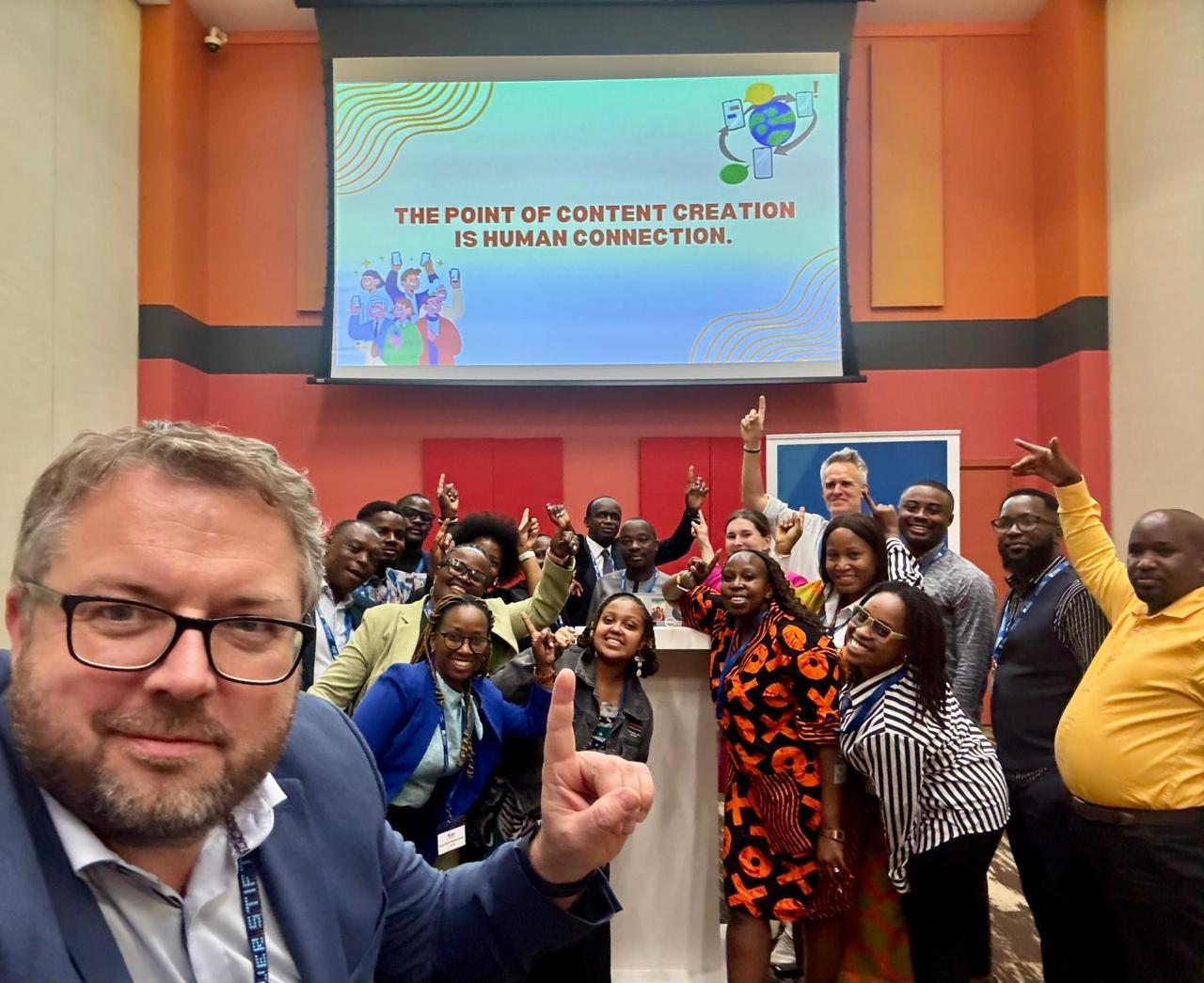
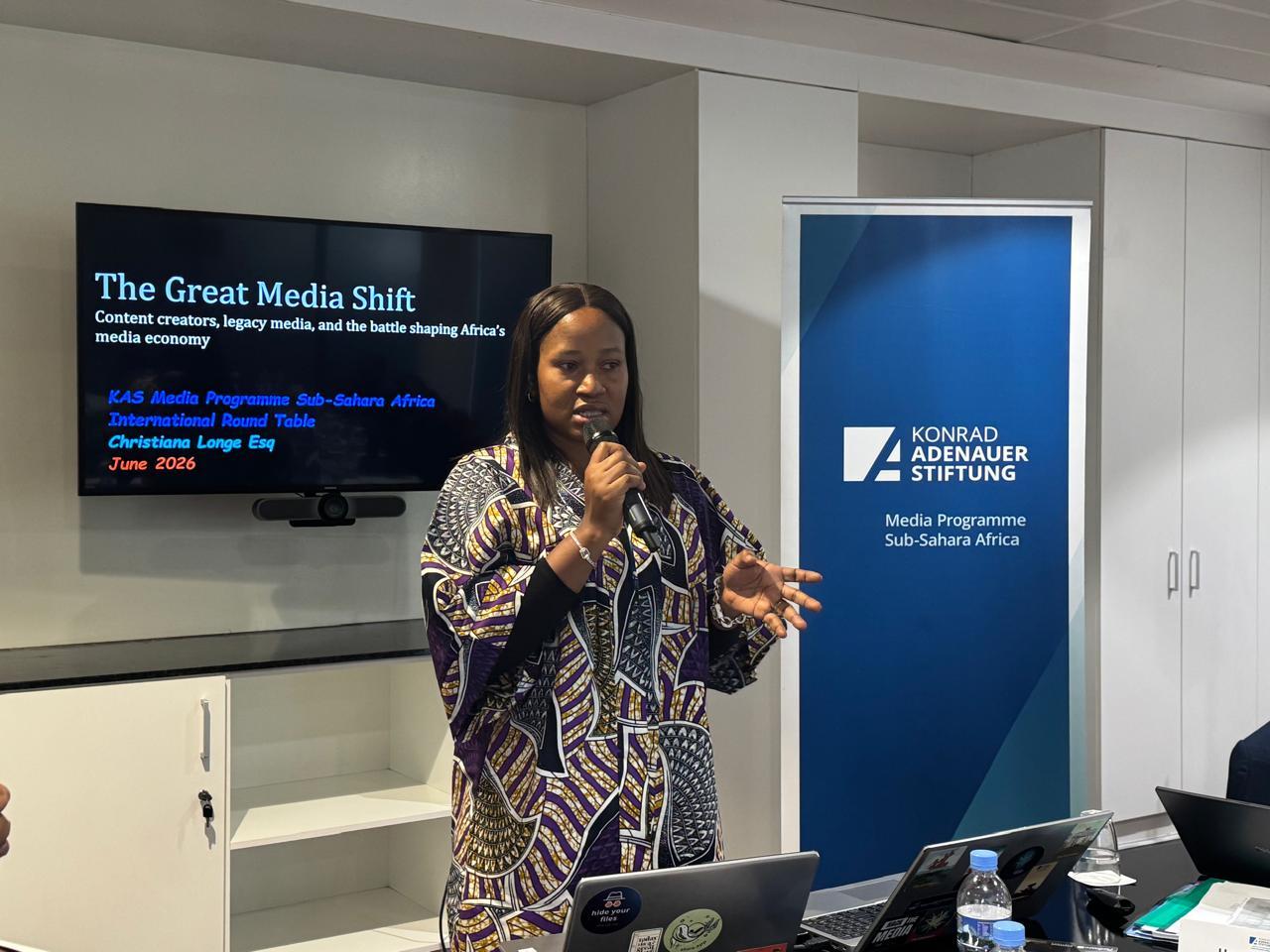
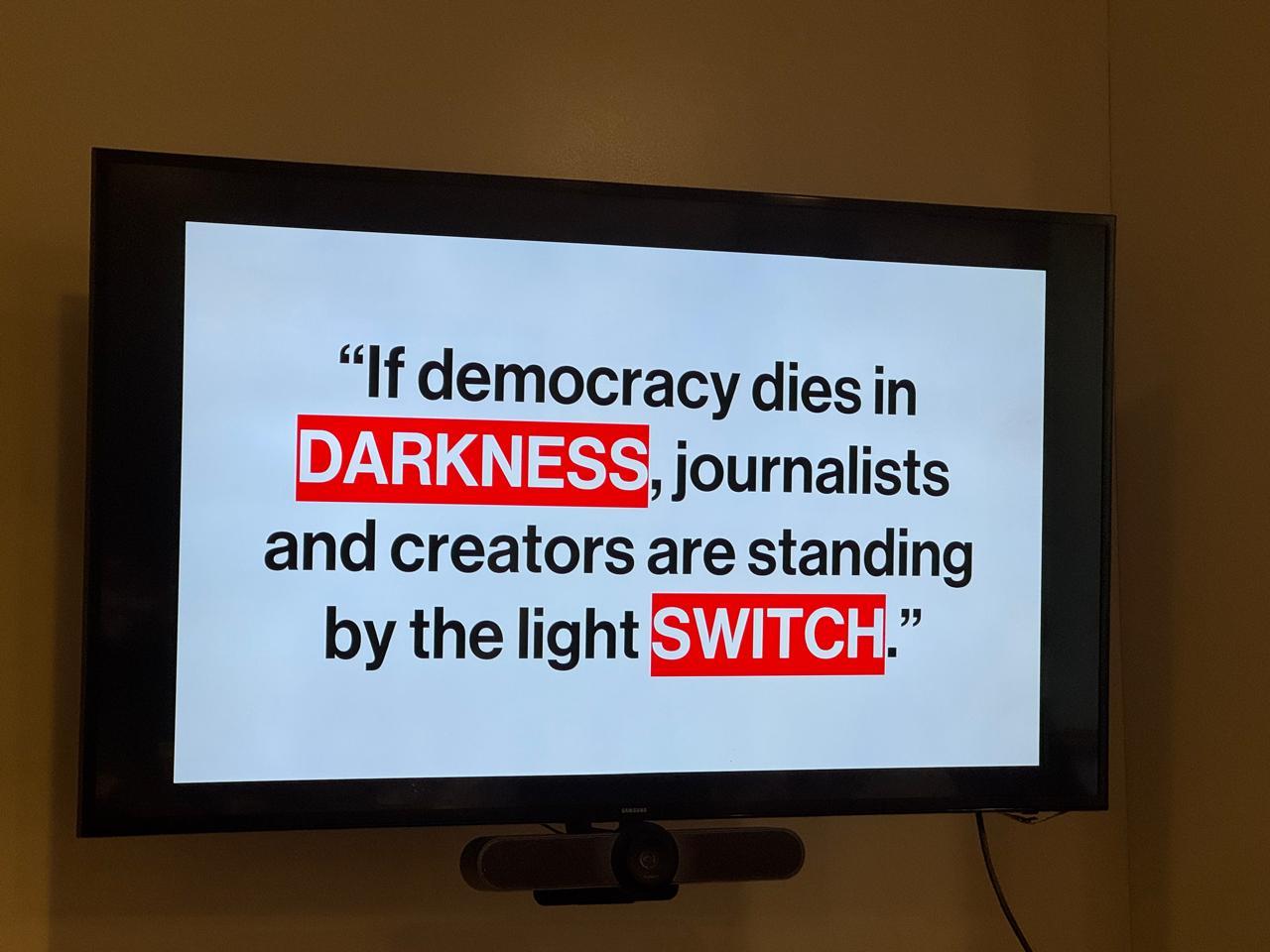
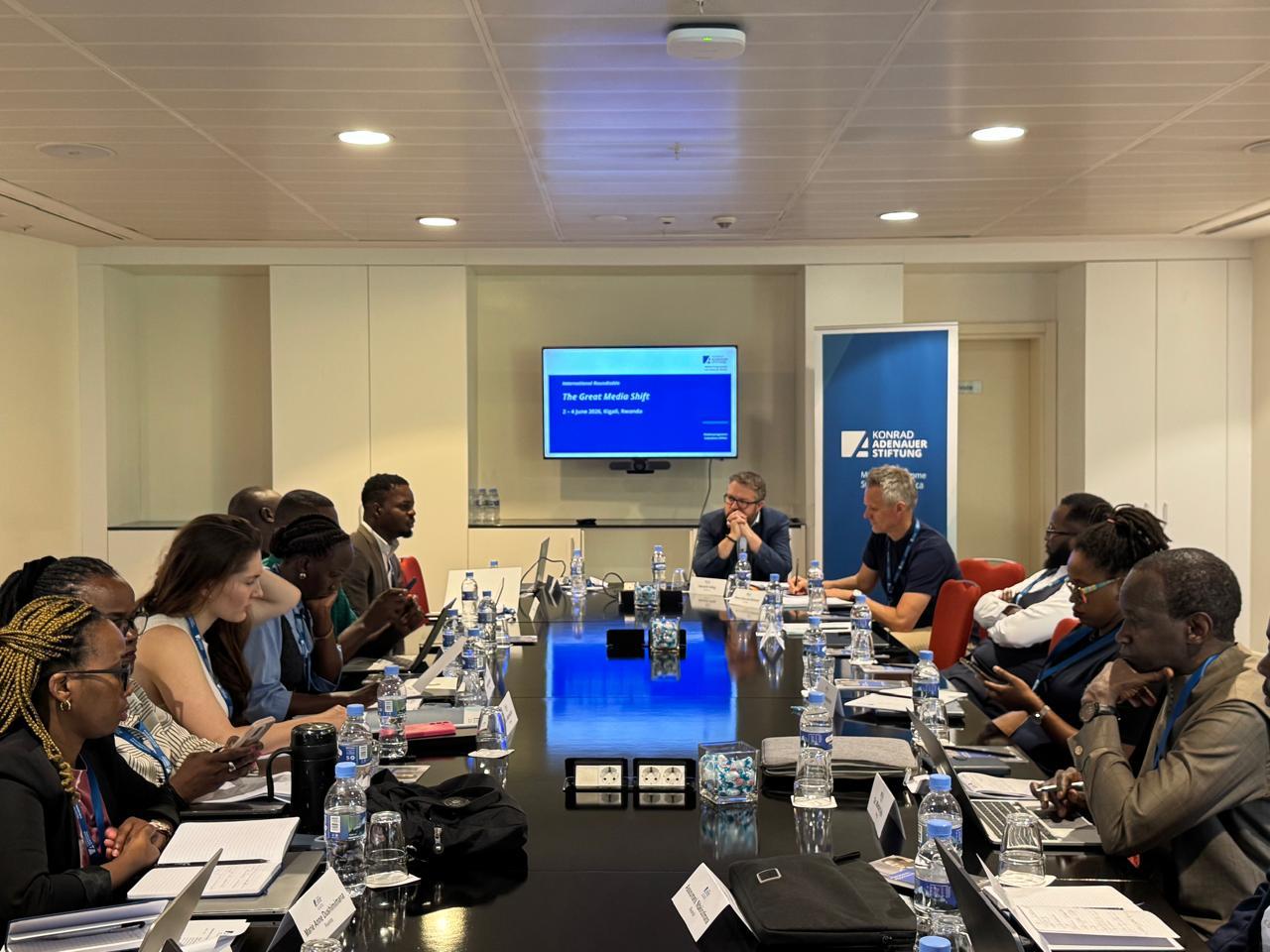

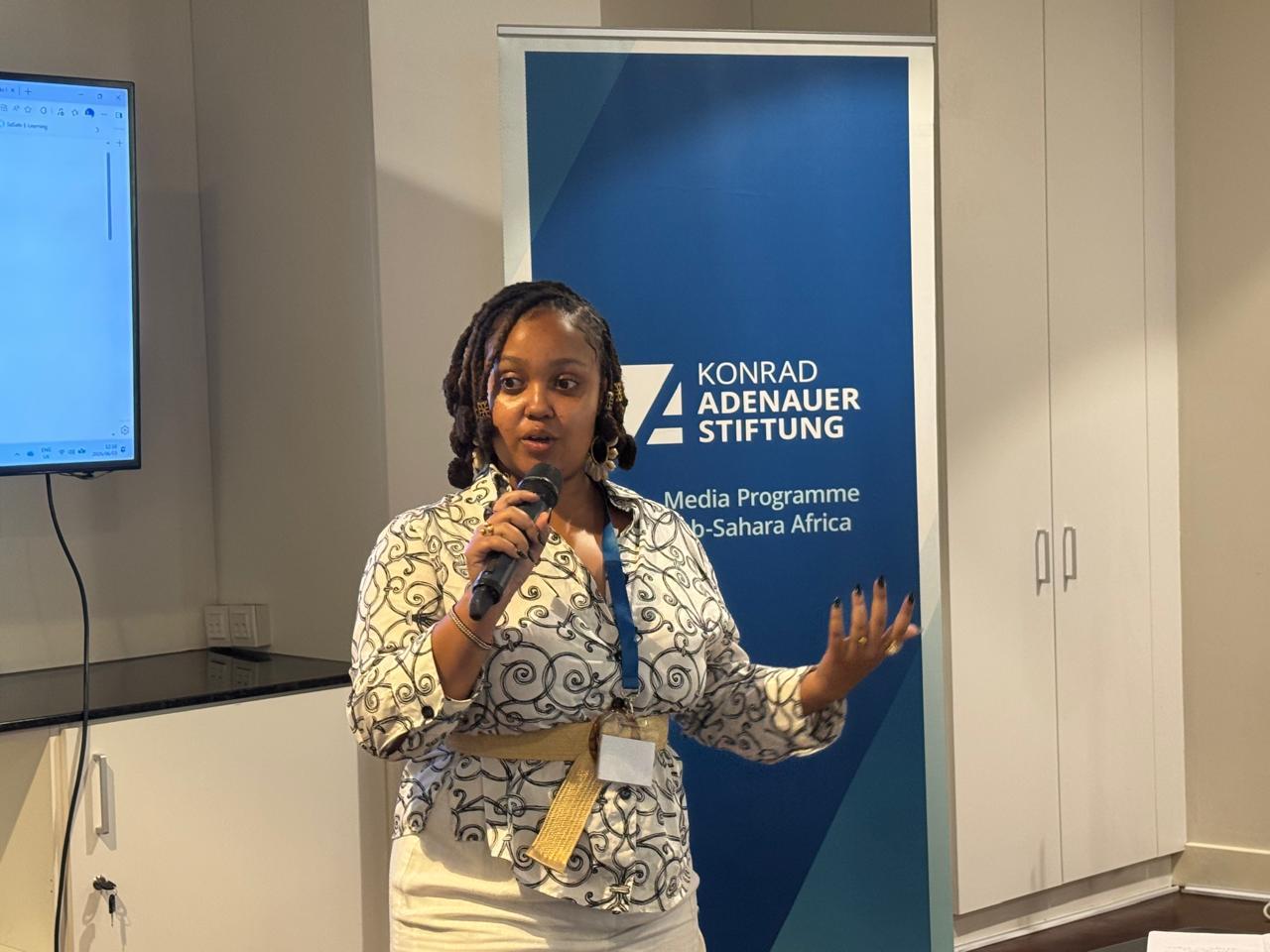
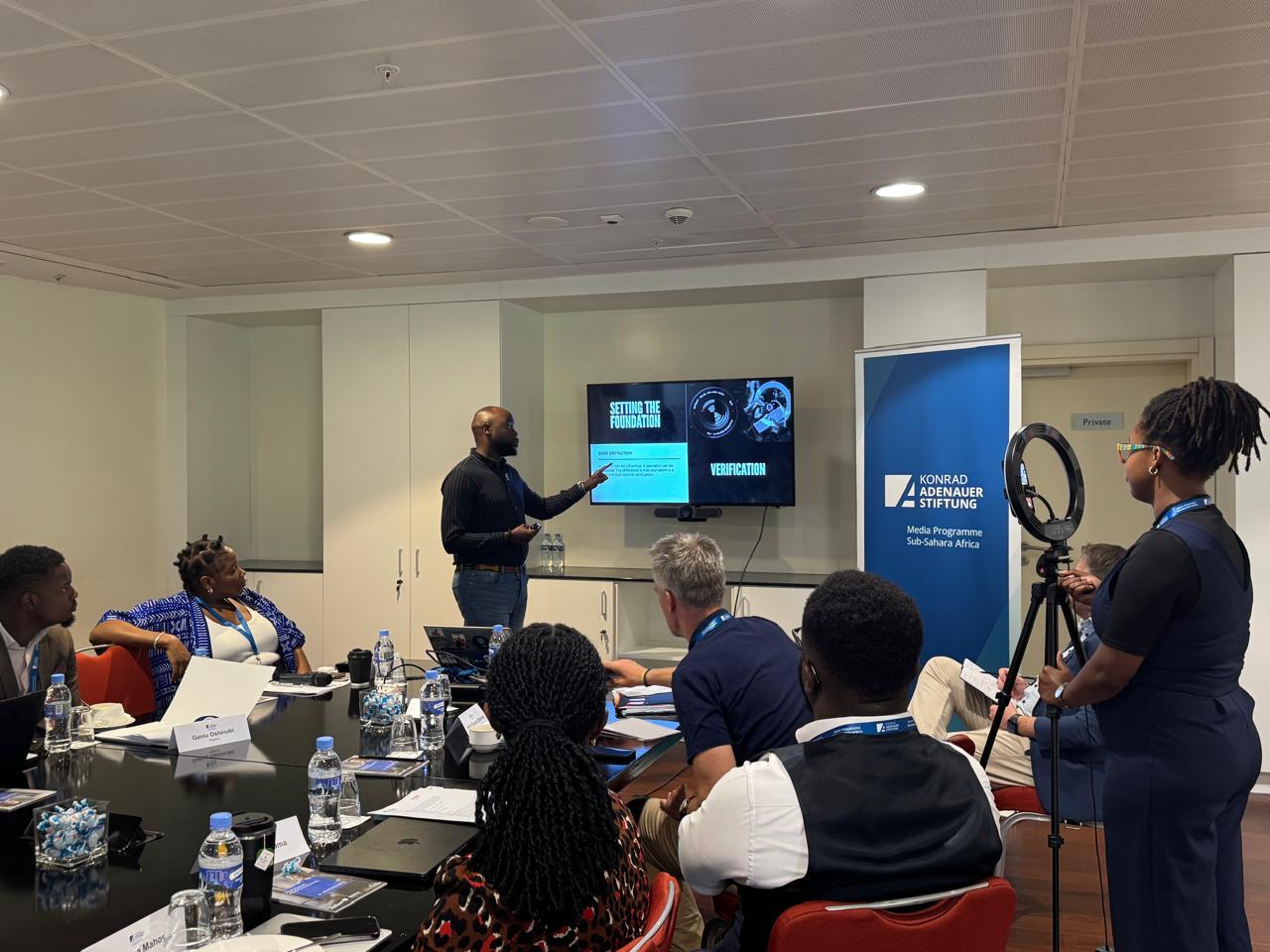
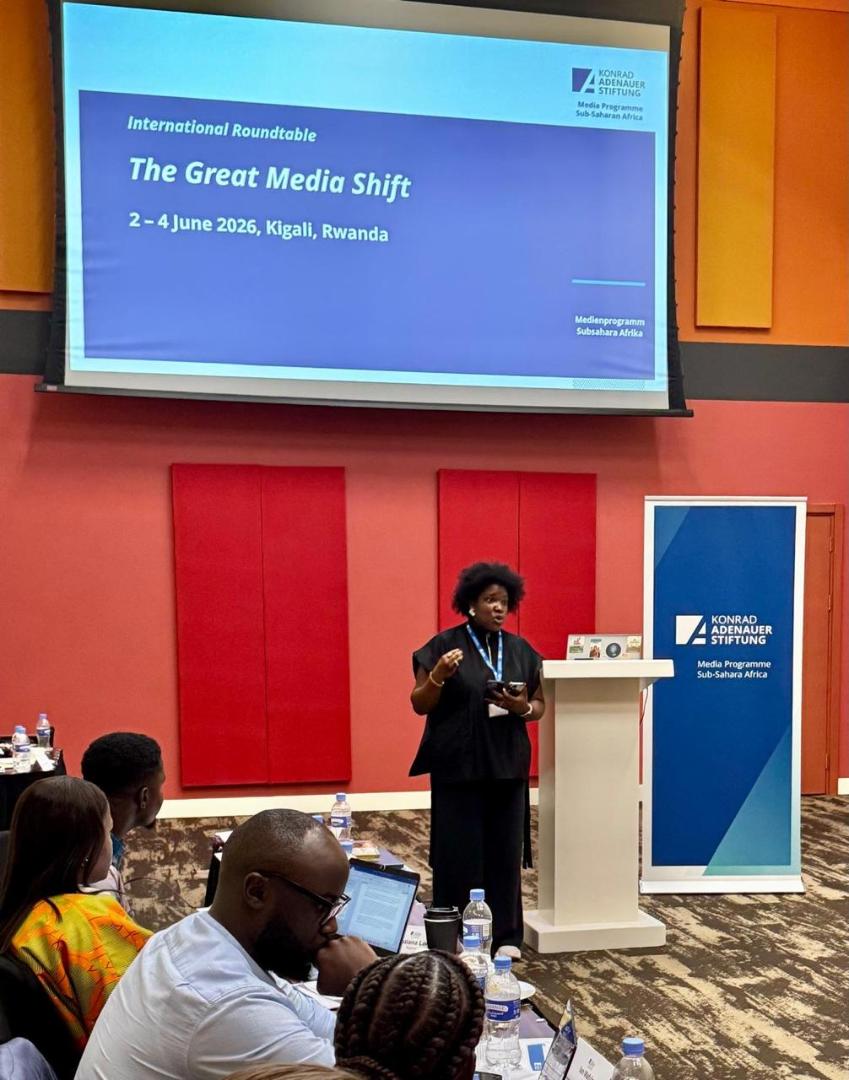
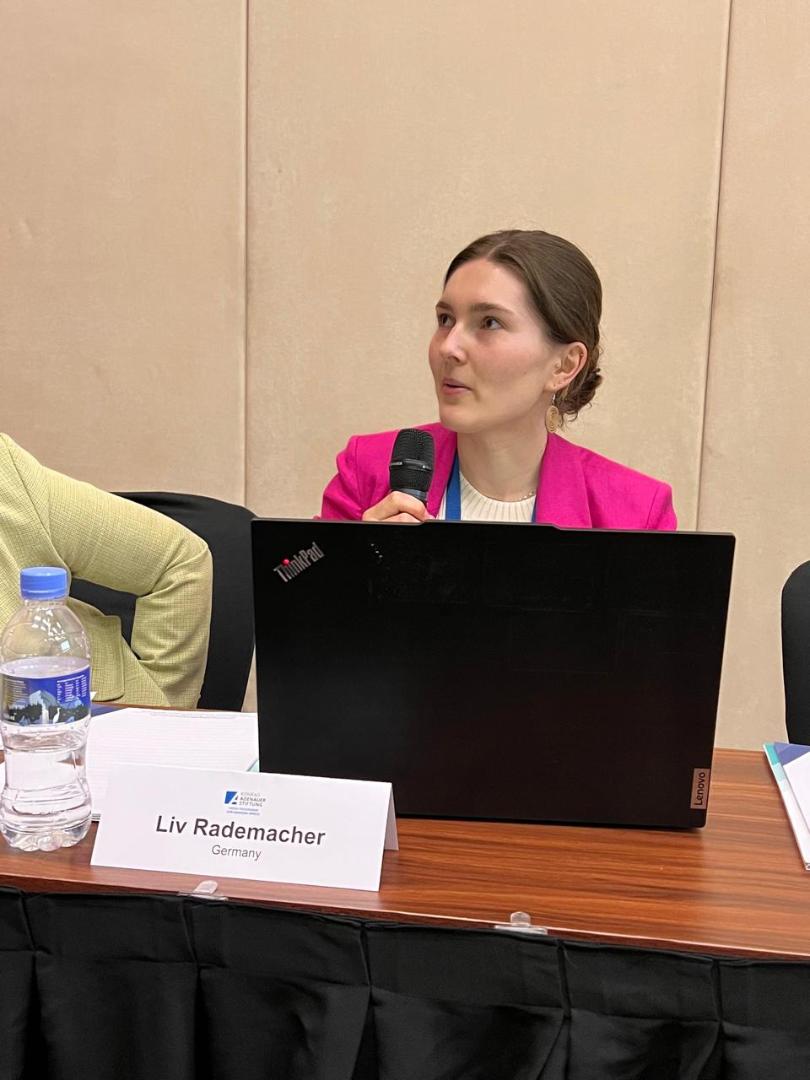

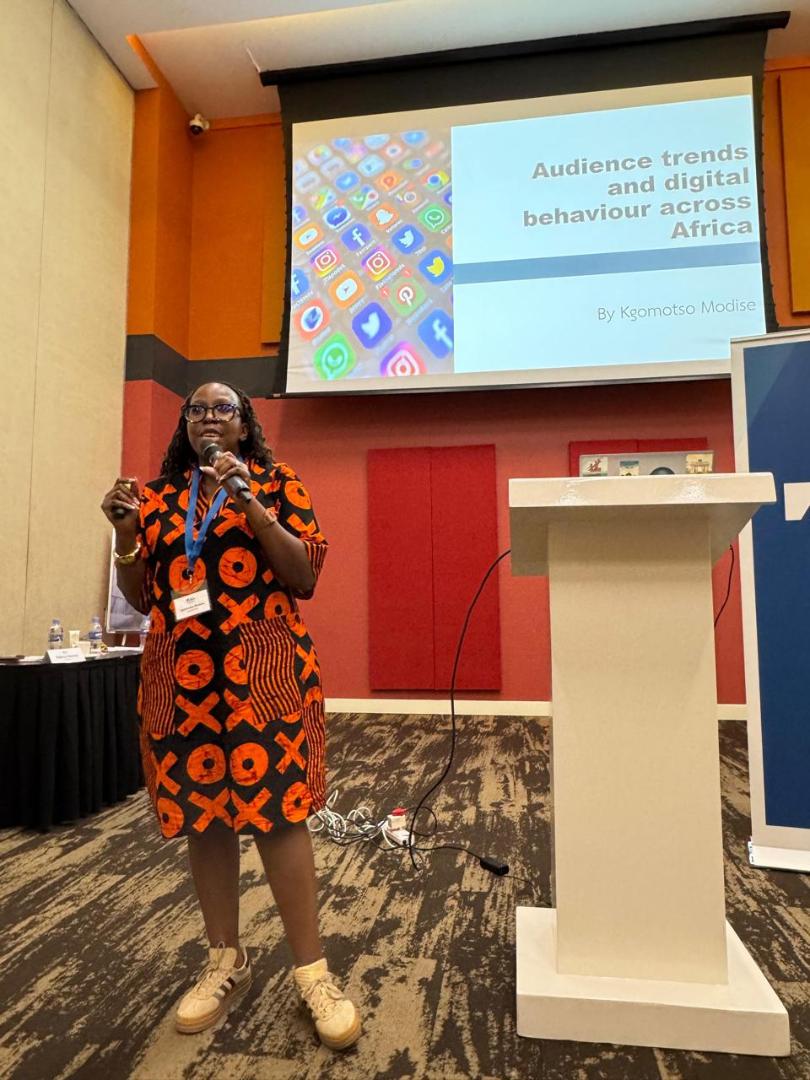
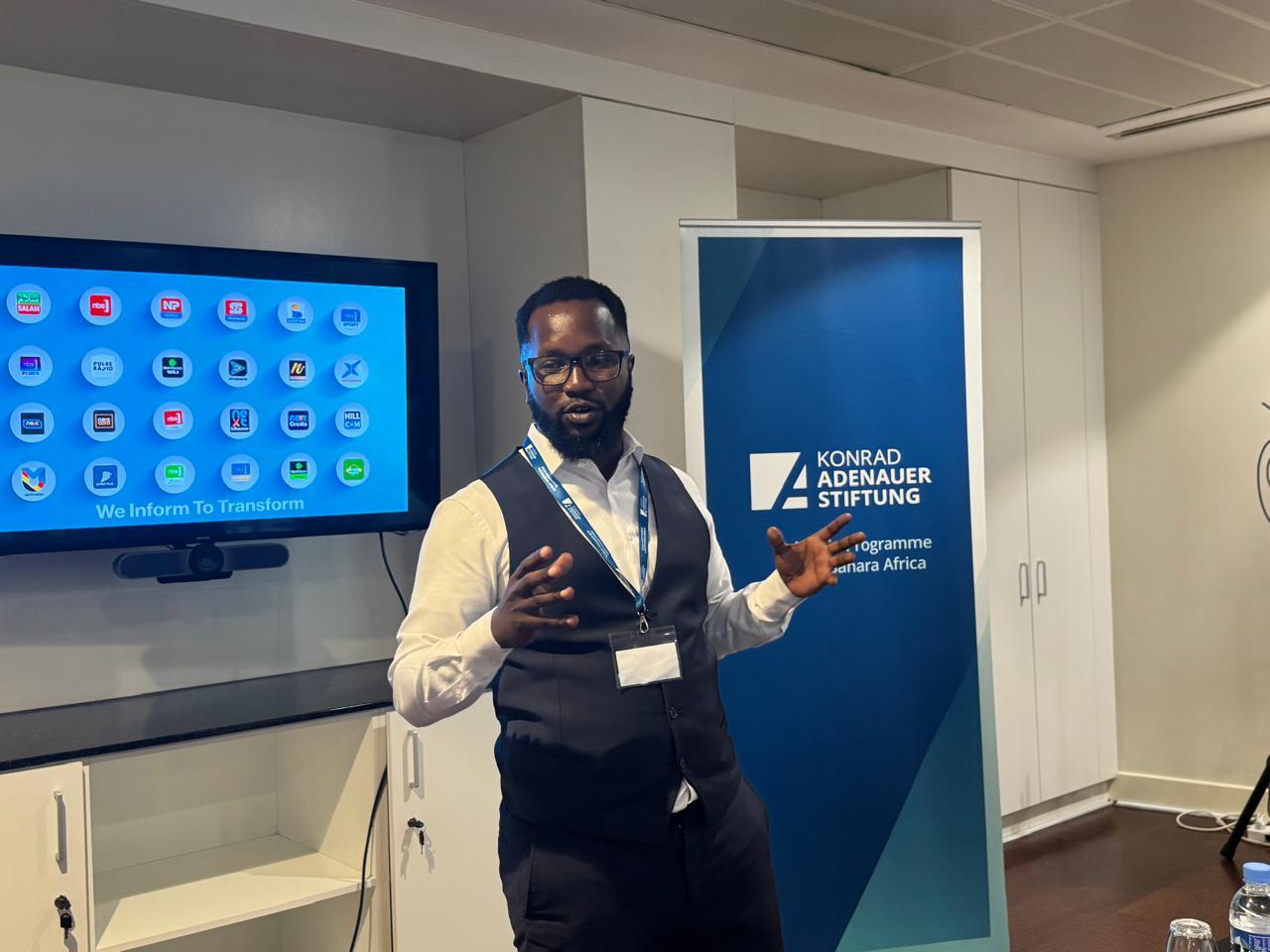
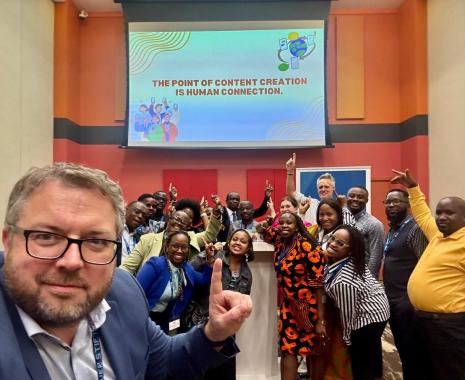
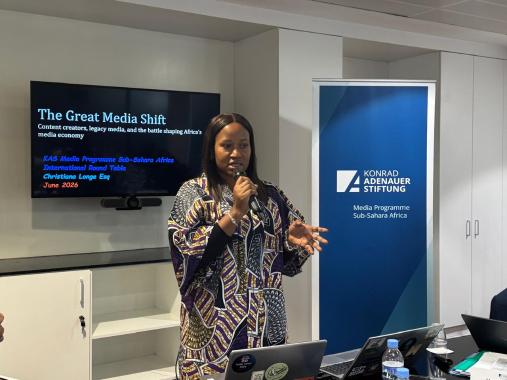
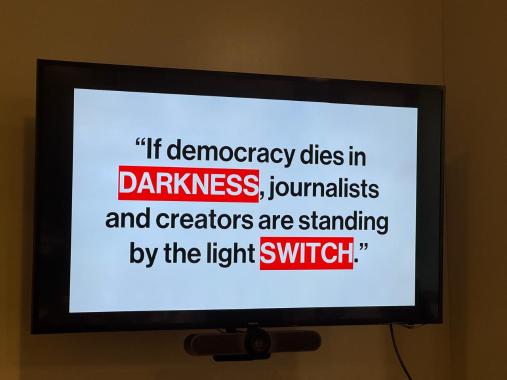
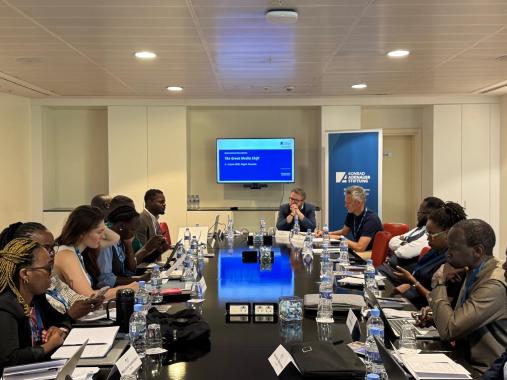

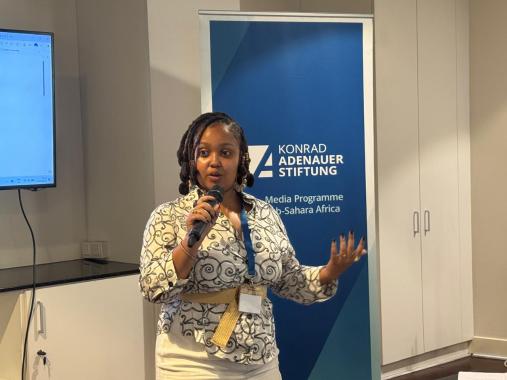
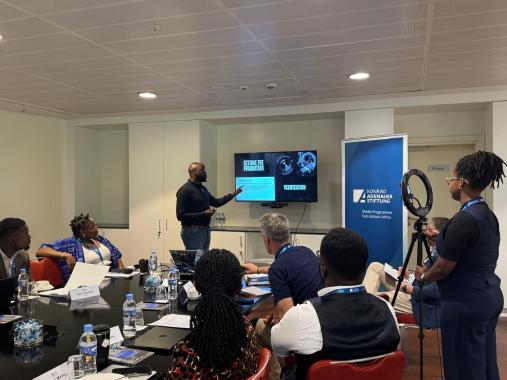
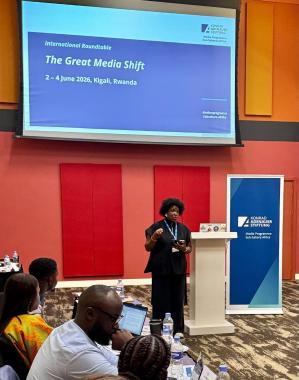
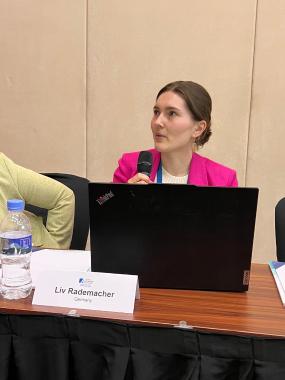

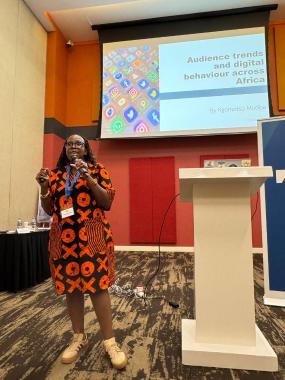
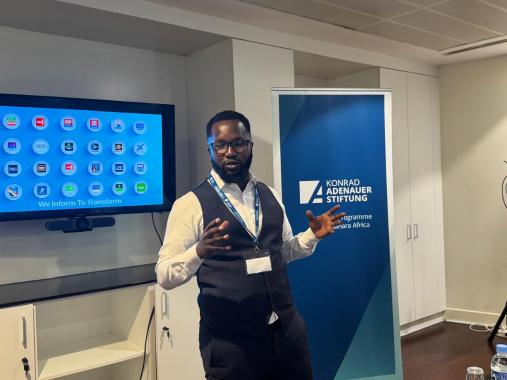
From 2–4 June 2026, KAS Media Africa convened content creators, journalists, media experts and media leaders from Rwanda, Ghana, Kenya, Nigeria, Senegal, South Africa, Uganda, and Germany in Kigali for The Great Media Shift International Roundtable. The event provided a structured platform for dialogue, reflection, and exchange on the evolving dynamics shaping Africa’s media landscape.
At the heart of the discussions was a shared recognition: the way audiences engage with news is changing rapidly. Content creators are no longer on the margins of the media ecosystem - they are central to it. Their reach, speed, and connection with audiences present both opportunity and challenge for traditional journalism. Throughout the roundtable, participants grappled with what this shift means for credibility, trust, and the sustainability of media on the continent.
Discussions addressed both systemic trends and practical implications for media practitioners. Participants examined the pressure on traditional media business models, the influence of platform-driven content distribution, and the growing risks of misinformation in a fast-moving digital environment. At the same time, there was broad recognition of the potential for constructive engagement between journalists and content creators, with emerging models of collaboration suggesting pathways where verification meets reach, and credibility meets innovation.
The discussions also underscored the need for new skills and hybrid roles, with journalists increasingly adapting to digital storytelling formats, and creators engaging more deeply with questions of ethics, verification, and responsibility. Across sessions, there was a clear call for continued learning, experimentation, and openness to change.
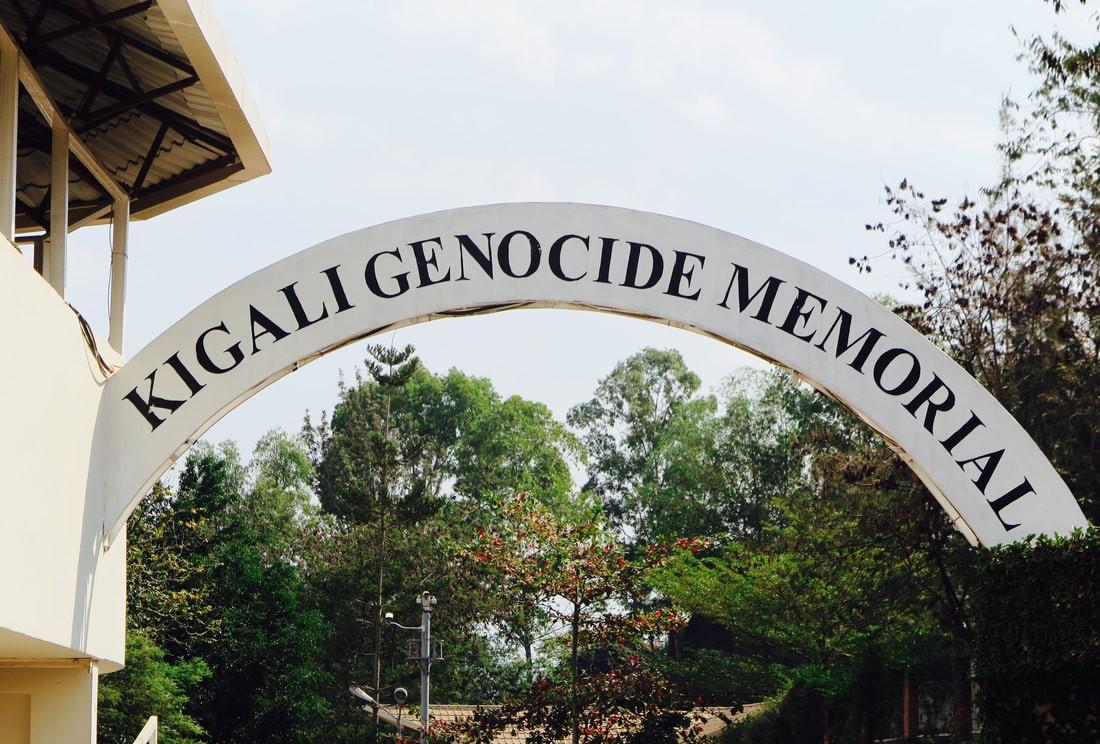
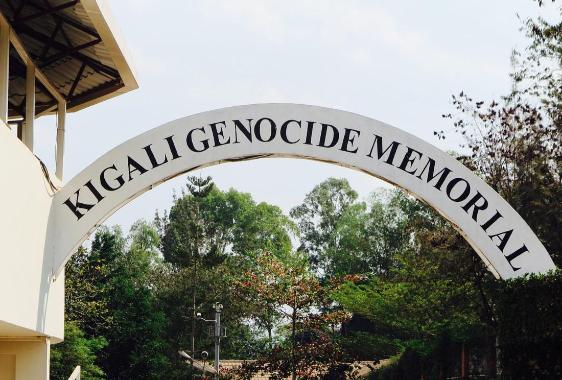
Beyond the conference room, the programme offered moments to pause and reflect. During their time in Kigali, participants joined the country in observing Kwibuka, the annual 100-day period of remembrance for the 1994 Genocide against the Tutsi. A visit to the Kigali Genocide Memorial provided a space for quiet reflection and a deeper understanding of Rwanda’s history and resilience.
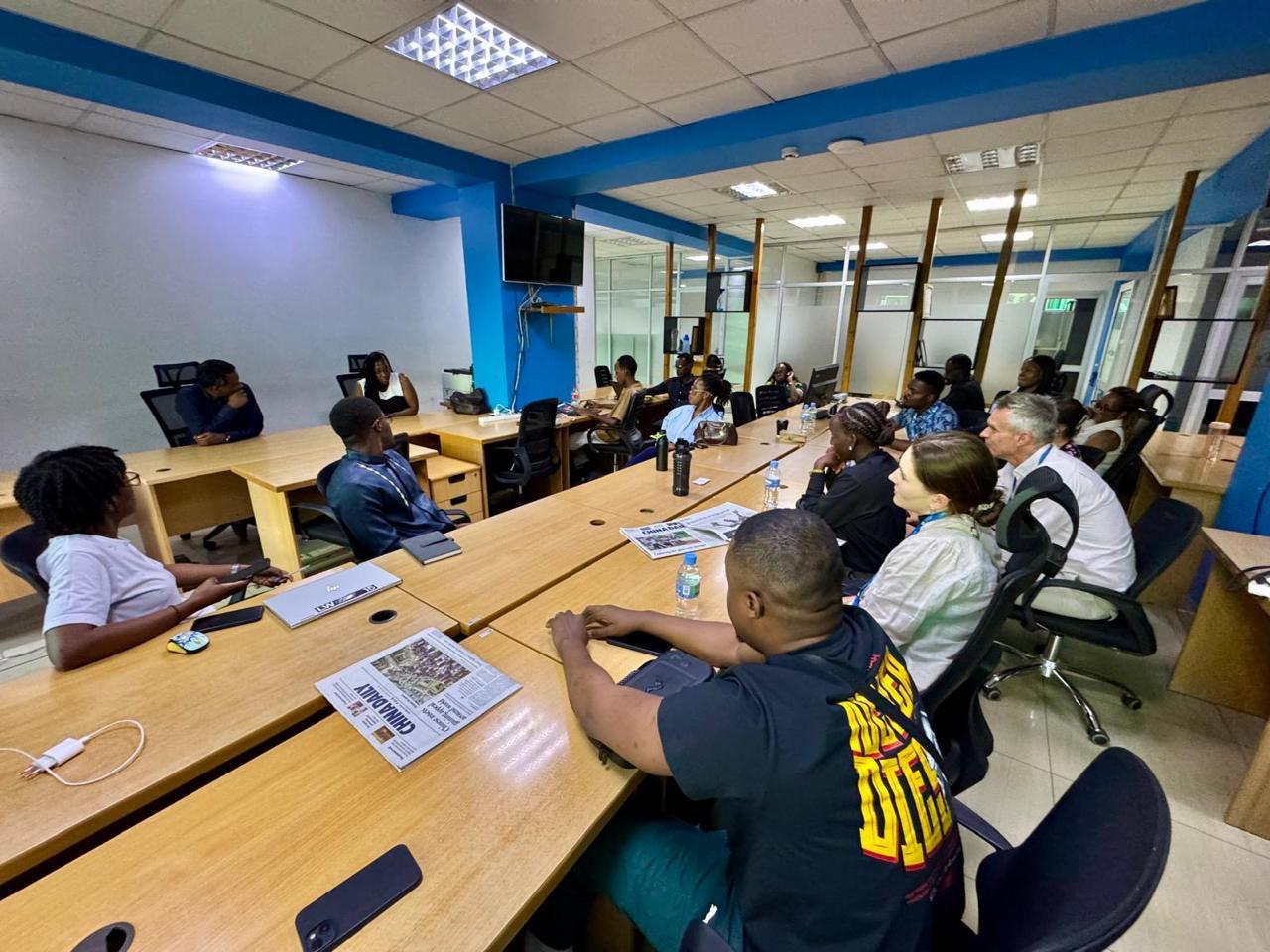
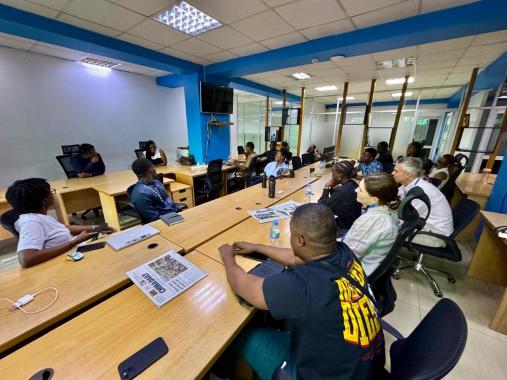
The group also visited the newsroom of The New Times, Rwanda’s leading English-language newspaper, where exchanges with local journalists grounded the broader discussions in daily newsroom practice. These conversations highlighted both shared challenges and context-specific realities shaping media work across the continent.
As the week drew to a close, one thing became clear: the future of African media will not be defined by a single model or actor. It will be shaped through continued dialogue, experimentation, and collaboration across roles, disciplines, and borders.
KAS Media Africa extends its sincere appreciation to our panelists and contributors for their openness, engagement, and willingness to challenge and learn from one another. Special thanks to the Fojo Media Institute for their partnership in bringing this roundtable together on the ground in Rwanda.

Topics
About this series
The Konrad-Adenauer-Stiftung, its educational institutions, centres and foreign offices, offer several thousand events on various subjects each year. We provide up to date and exclusive reports on selected conferences, events and symposia at www.kas.de. In addition to a summary of the contents, you can also find additional material such as pictures, speeches, videos or audio clips.