







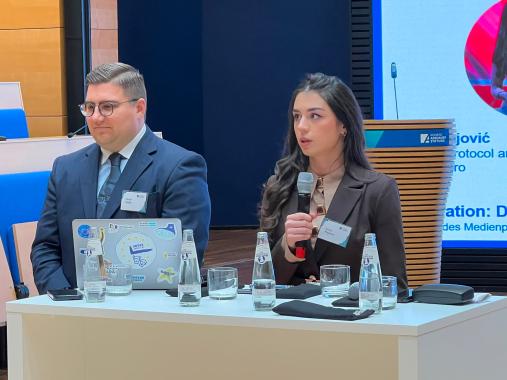
The event featured in-depth analysis of the impact of US elections, the rise of generative artificial intelligence as a core tool for shaping messages, and the phenomenon of negative influence on social networks, which frequently distorts the quality of public discourse.
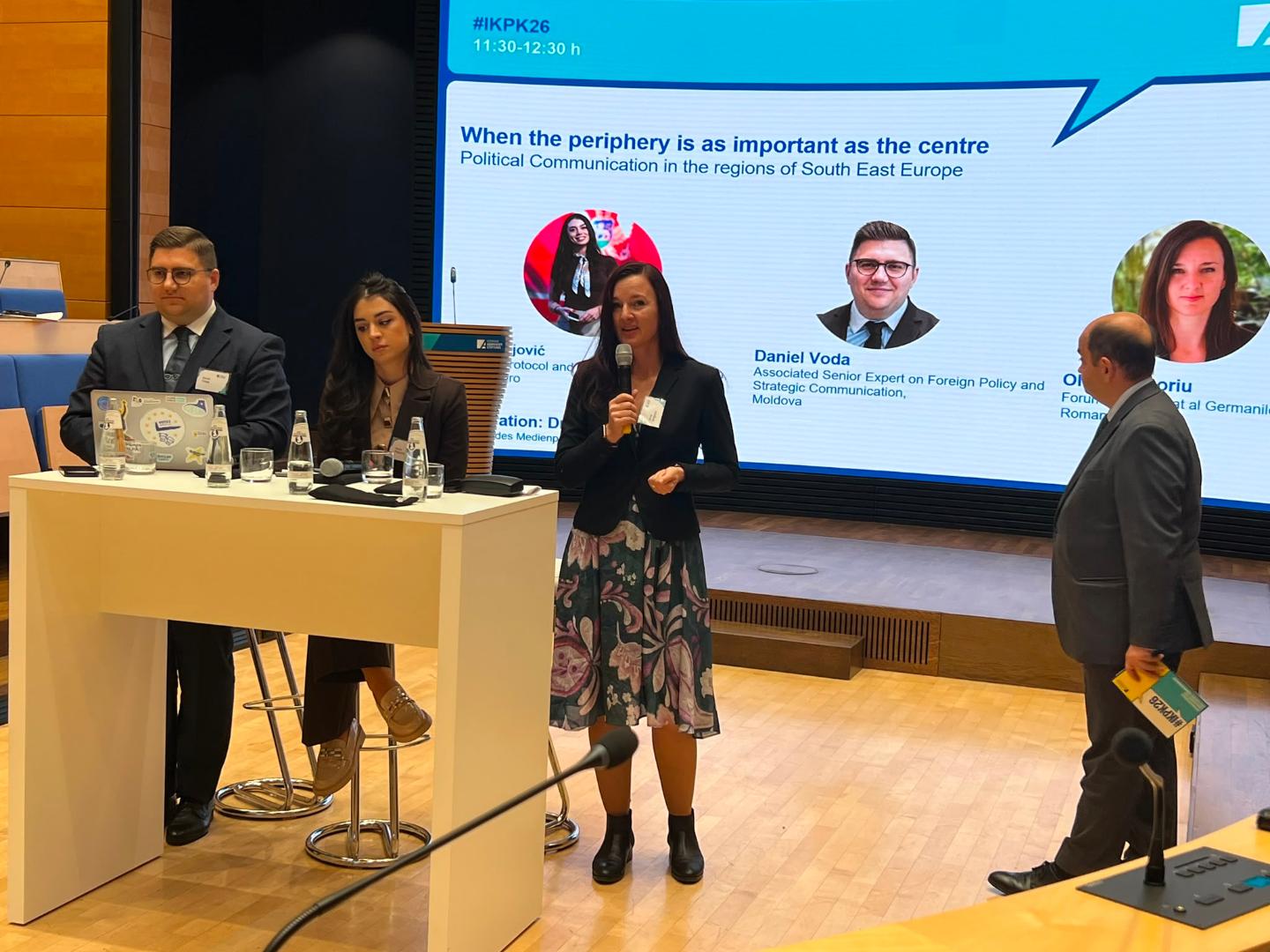
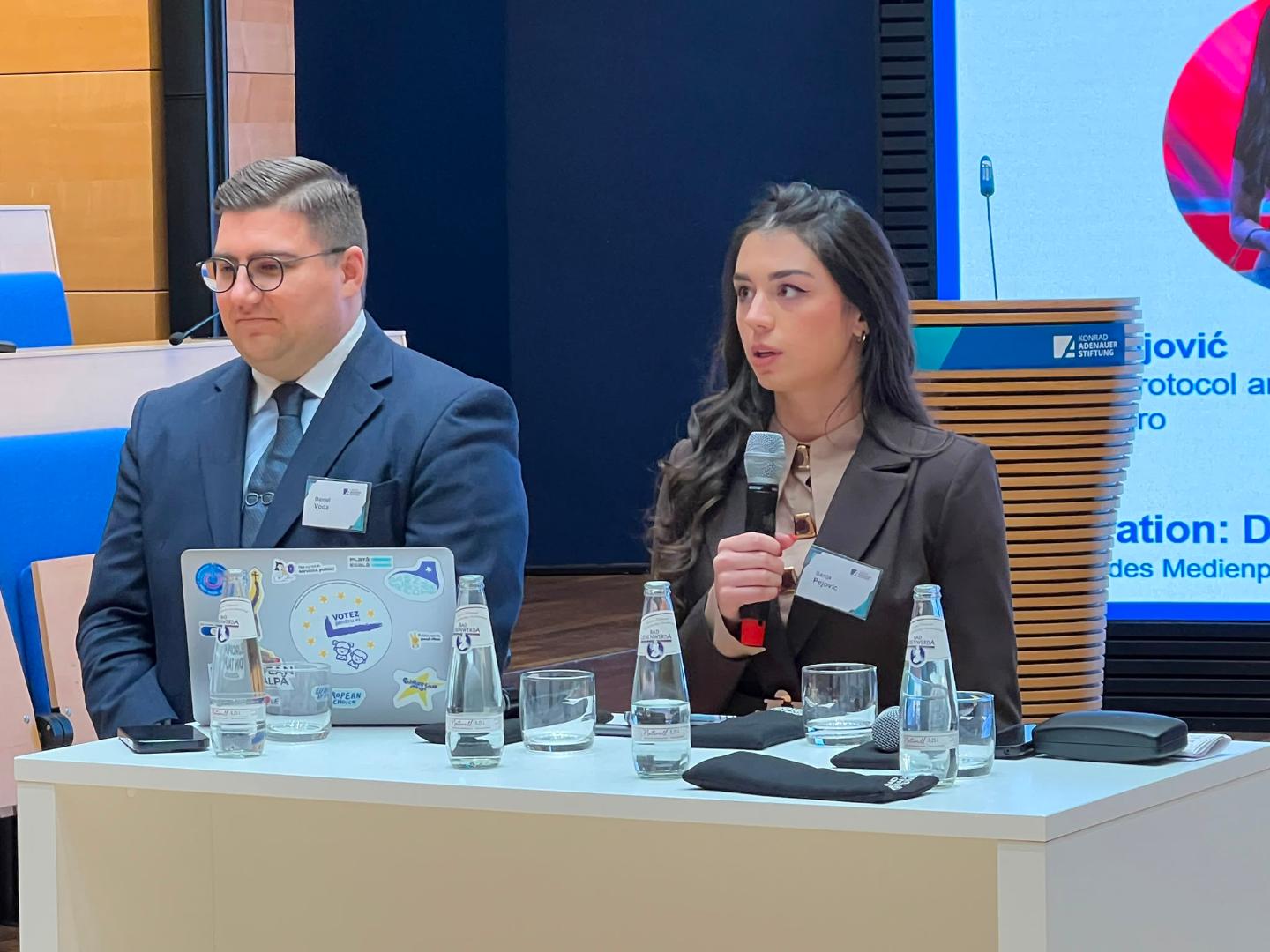
A special emphasis in the program was placed on the Balkans through a dedicated discussion on the importance of the periphery relative to the political center. Organised by the Media Programme South East Europe of the Konrad-Adenauer-Stiftung, the panel brought together perspectives from experts in Strategic Communications, international cooperation and minority communities from Romania, Moldova and Montenegro.
The narrative in this session focused on how political messages are received outside major capitals and why the decentralization of communication is key to building public trust. Participants shared valuable experiences on how the specific local context in these countries demands a more nuanced approach, particularly in the face of intensified pressure through foreign disinformation.
The key takeaway from the debate was that Political Communication is no longer just a tool for winning voters, but is becoming a strategic element for safeguarding the common European interests, values, and security. In regions like Southeast Europe, where geopolitical pressure and hybrid threats are a daily reality, the stability of the democratic processes depends on the ability to build resilience through responsible information management. In this way, modern Political Communication is transforming into a strategic one, first line of defense for the European democratic model, aiming to unite societies at all levels rather than divide them.Über diese Reihe
Die Konrad-Adenauer-Stiftung, ihre Bildungsforen und Auslandsbüros bieten jährlich mehrere tausend Veranstaltungen zu wechselnden Themen an. Über ausgewählte Konferenzen, Events, Symposien etc. berichten wir aktuell und exklusiv für Sie unter www.kas.de. Hier finden Sie neben einer inhaltlichen Zusammenfassung auch Zusatzmaterialien wie Bilder, Redemanuskripte, Videos oder Audiomitschnitte.