






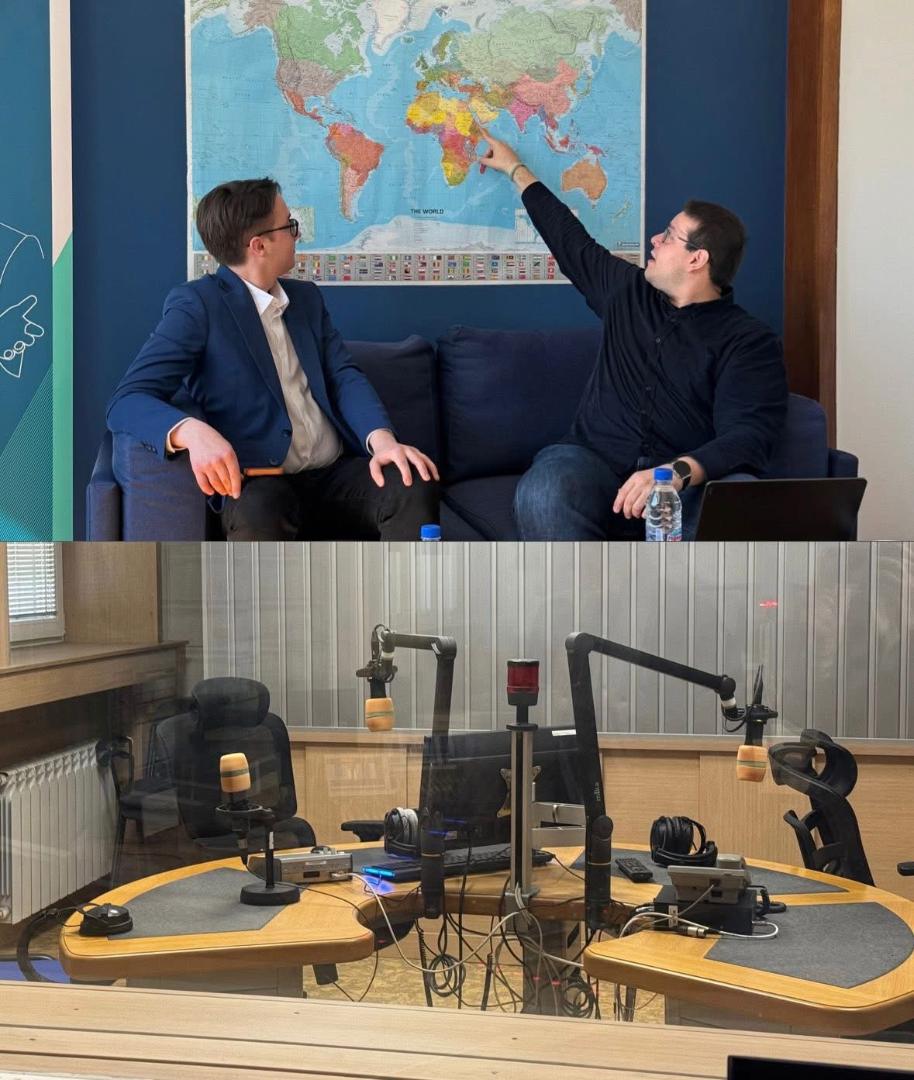
When listening to the experiences of journalists across South East Europe, one question inevitably arises: why do they remain in a profession that is increasingly precarious, underpaid and often mistrusted?
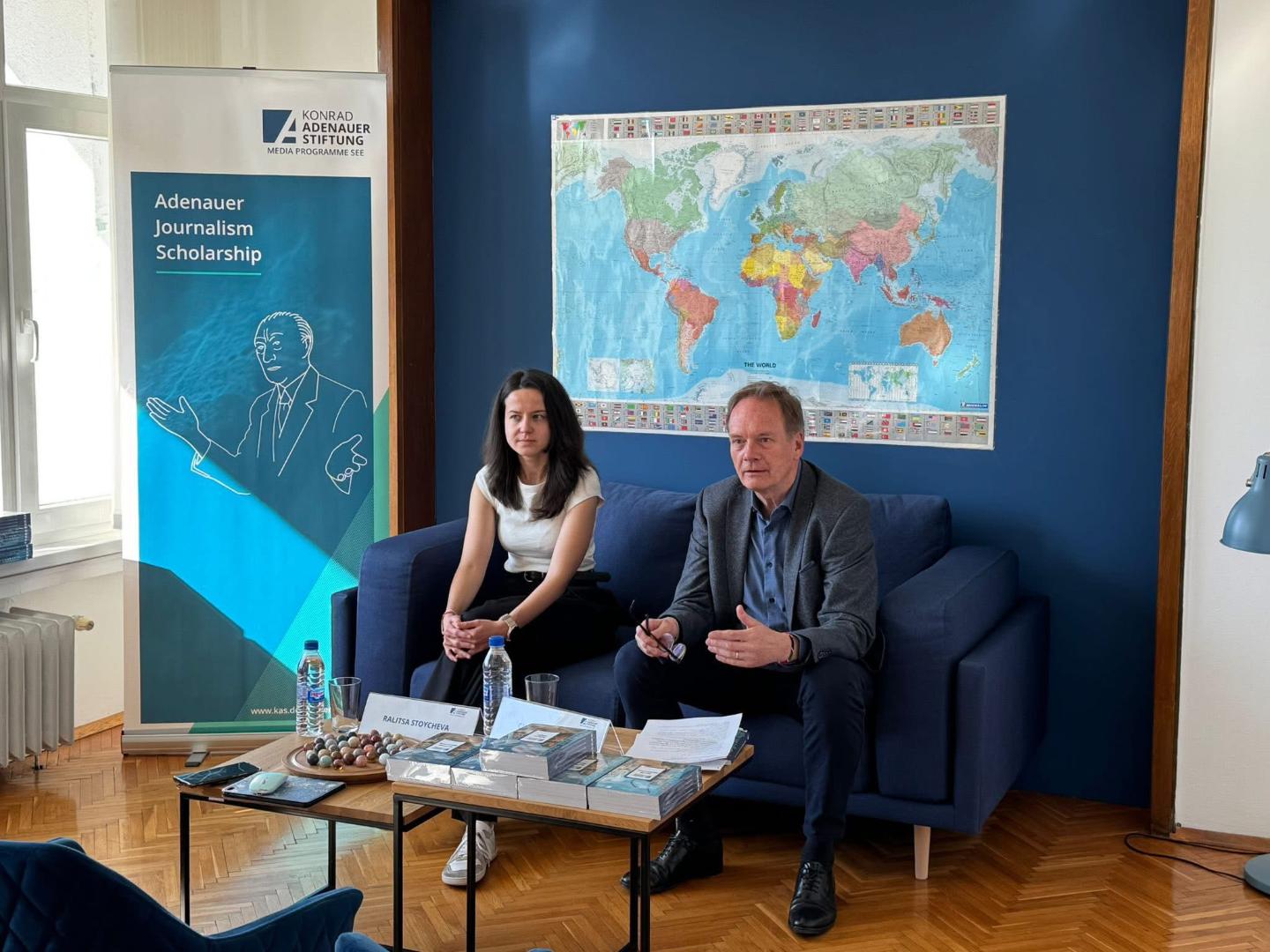
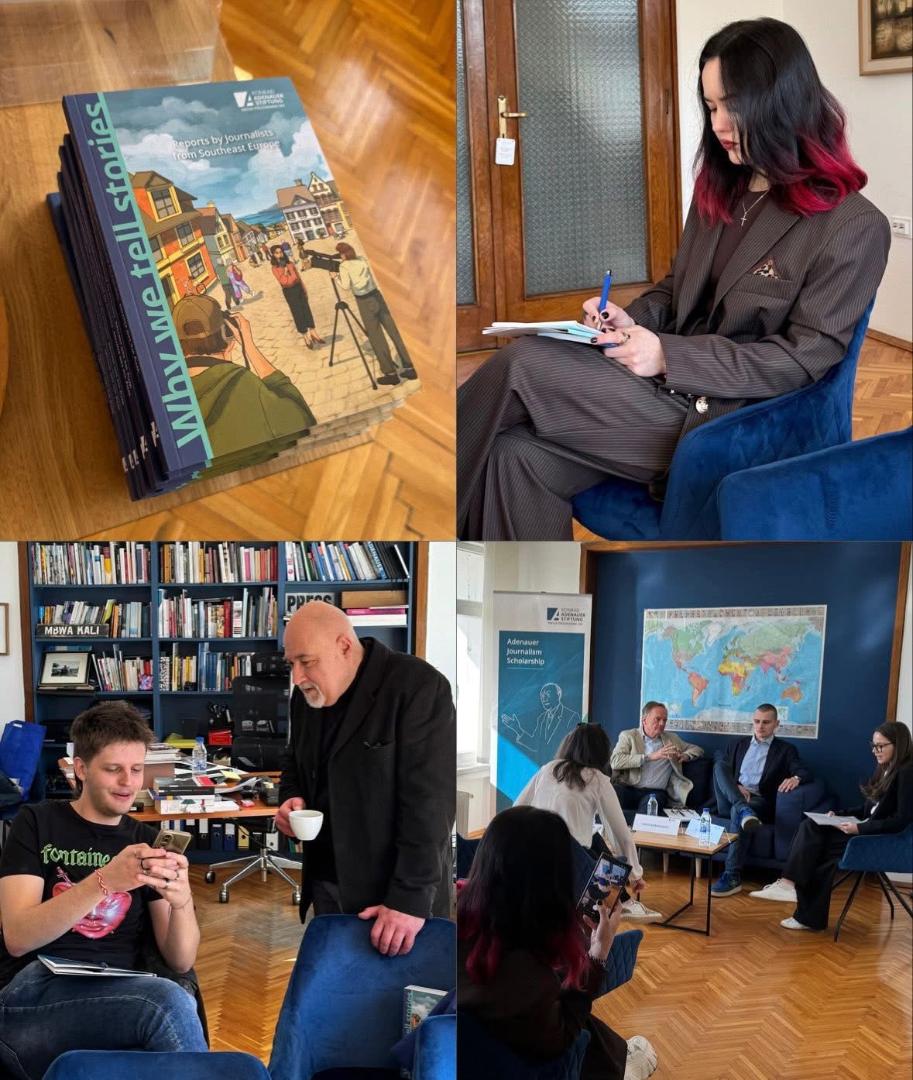
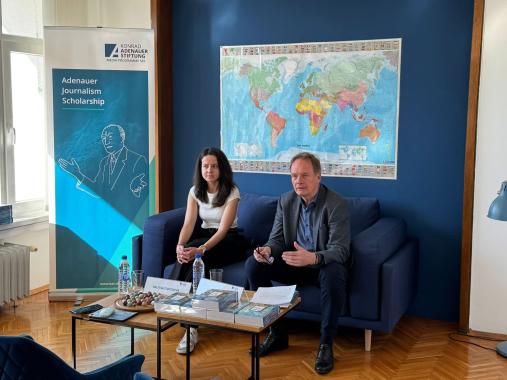
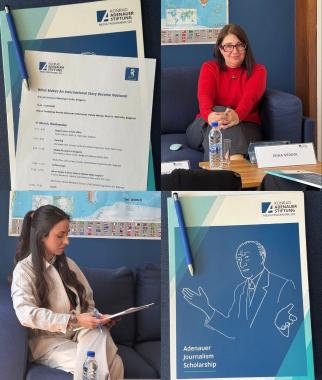
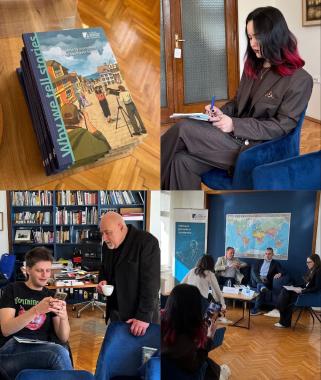
That question framed the opening of the annual meeting of KAS Media Programme scholars in Sofia, where the discussions began at the programme’s headquarters with the presentation of Why We Tell Stories, a publication featuring testimonies from journalists across the region.
As Christoph Plate, Director of the KAS Media Programme South East Europe, reflected while introducing the book, journalists in the region often work under difficult conditions, yet thousands continue to ask questions, investigate documents and organise public debates. For many of them, the answer is simple: they believe what they do still matters.
Trust, crisis and the future of public media
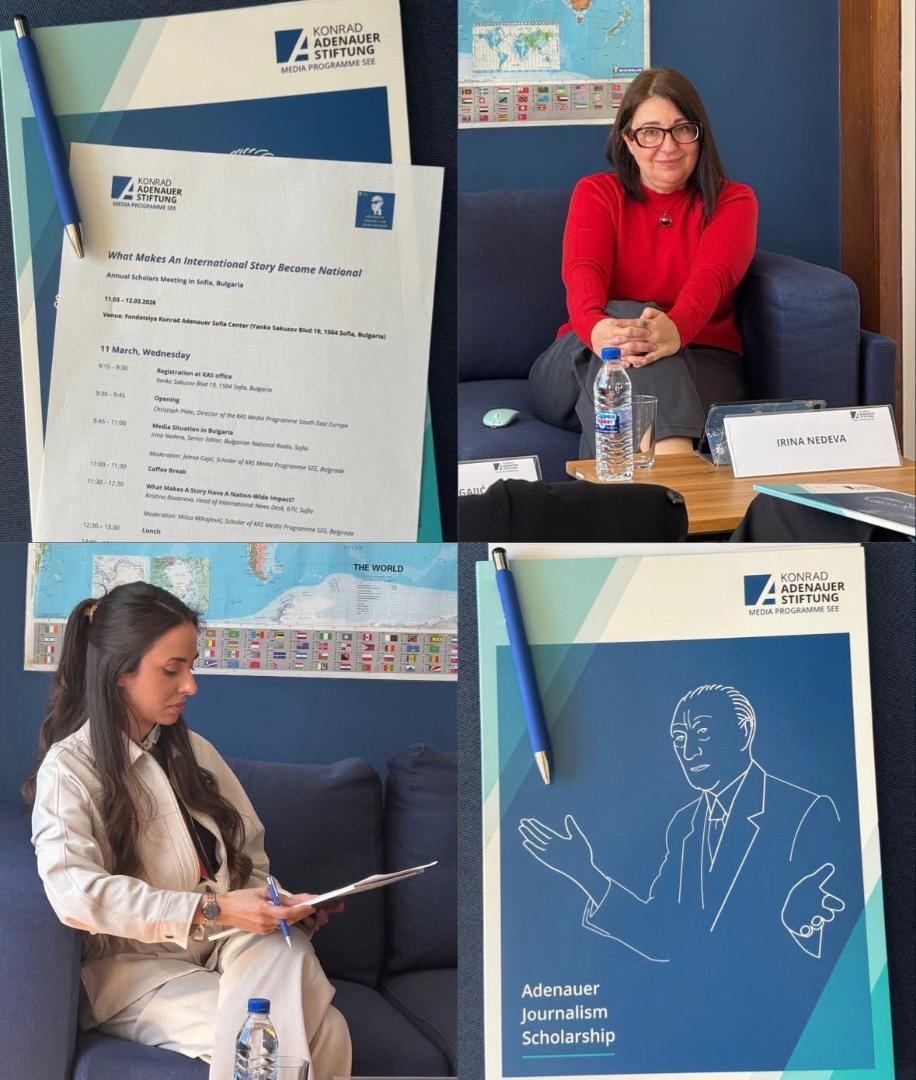
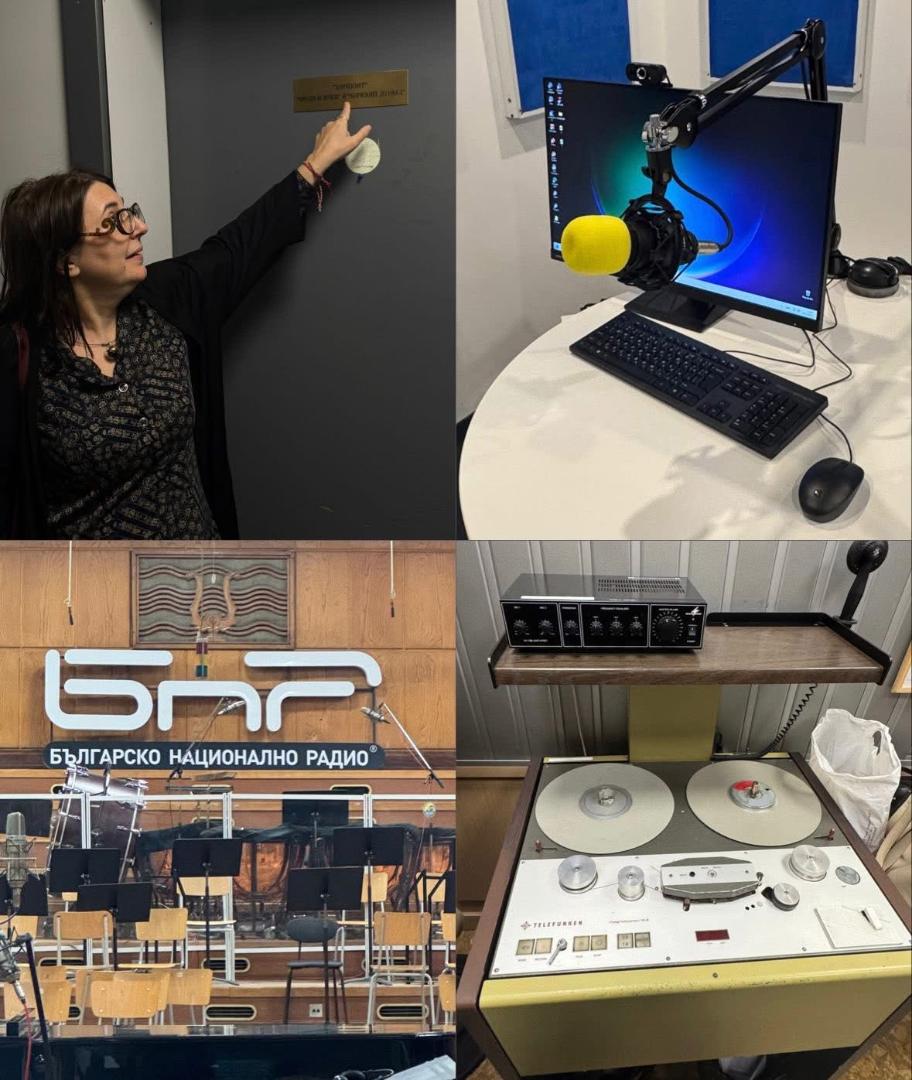
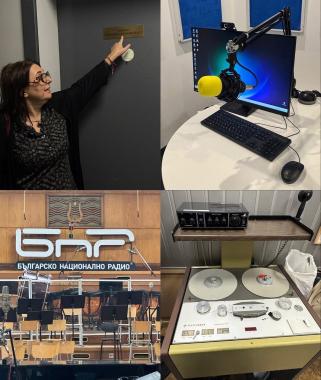
Irina Nedeva, Senior Editor at Bulgarian National Radio (BNR), began with a stark observation: in moments when democracy is under strain, the media is often the first institution affected.
Her description of Bulgaria’s media environment sounded familiar to many of the scholars in the room: declining public trust, political pressure and economic instability, challenges widely shared across the Balkans.
Yet one aspect stood out. According to Nedeva, Bulgarian National Radio remains the most trusted media institution in the country.
She traced this reputation back to the early years after the fall of communism, when journalists at the station organised strikes to defend editorial independence. “Some principles,” she suggested, “we owe to those moments.”
Still, challenges remain. The radio’s audience is aging, and reaching younger generations has become an urgent priority. Meanwhile, the rise of influencers and digital platforms continues to reshape the media landscape.
When international news meets national audiences
The discussion then shifted toward television and international reporting.
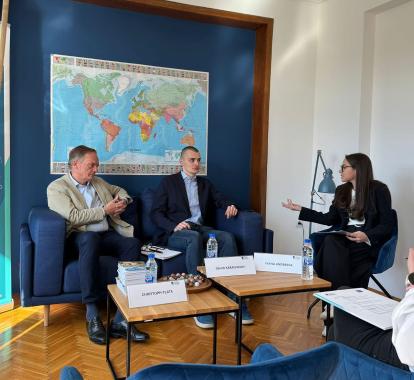
Kristina Baxanova, Head of the International News Desk at bTV, focused on a practical question many young journalists face: “How to convince editors that an international story matters?”.
The key, she explained, lies in showing relevance. International events must be connected to the national context in order to resonate with domestic audiences.
Correspondents and trusted partners abroad play a crucial role in this process. Without original reporting from the field, she noted, international coverage risks becoming superficial.
Baxanova also warned about the dangers of relying on widely circulated online footage. In an era where manipulated images and videos spread quickly, verification has become essential. Yet many newsrooms in the region still lack dedicated fact-checking teams.
For journalists, she concluded, curiosity remains the most valuable professional instinct.
A glimpse inside television
Later that day, the scholars made their way to bTV, one of Bulgaria’s leading private television stations, where they were welcomed by Kristina Baxanova, who guided them through the newsroom and studios.
Inside, preparations for the upcoming elections were already underway. Journalists moved quickly between desks, cameras and editing rooms, while screens filled with live feeds and draft scripts reflected the constant pace of television news production.
For many of the scholars, the visit offered a familiar but always revealing perspective: desks covered in notes, personal objects scattered between equipment, and empty chairs, a sign that reporters were out in the field. The rhythm was intense, occasionally interrupted by calls for silence as filming began, only to return moments later to the usual urgency.
It was a reminder that beyond the final broadcast, journalism is built in movement, in noise, coordination and the continuous pressure to deliver.
Reporting the world beyond borders
The second day focused more on international journalism.
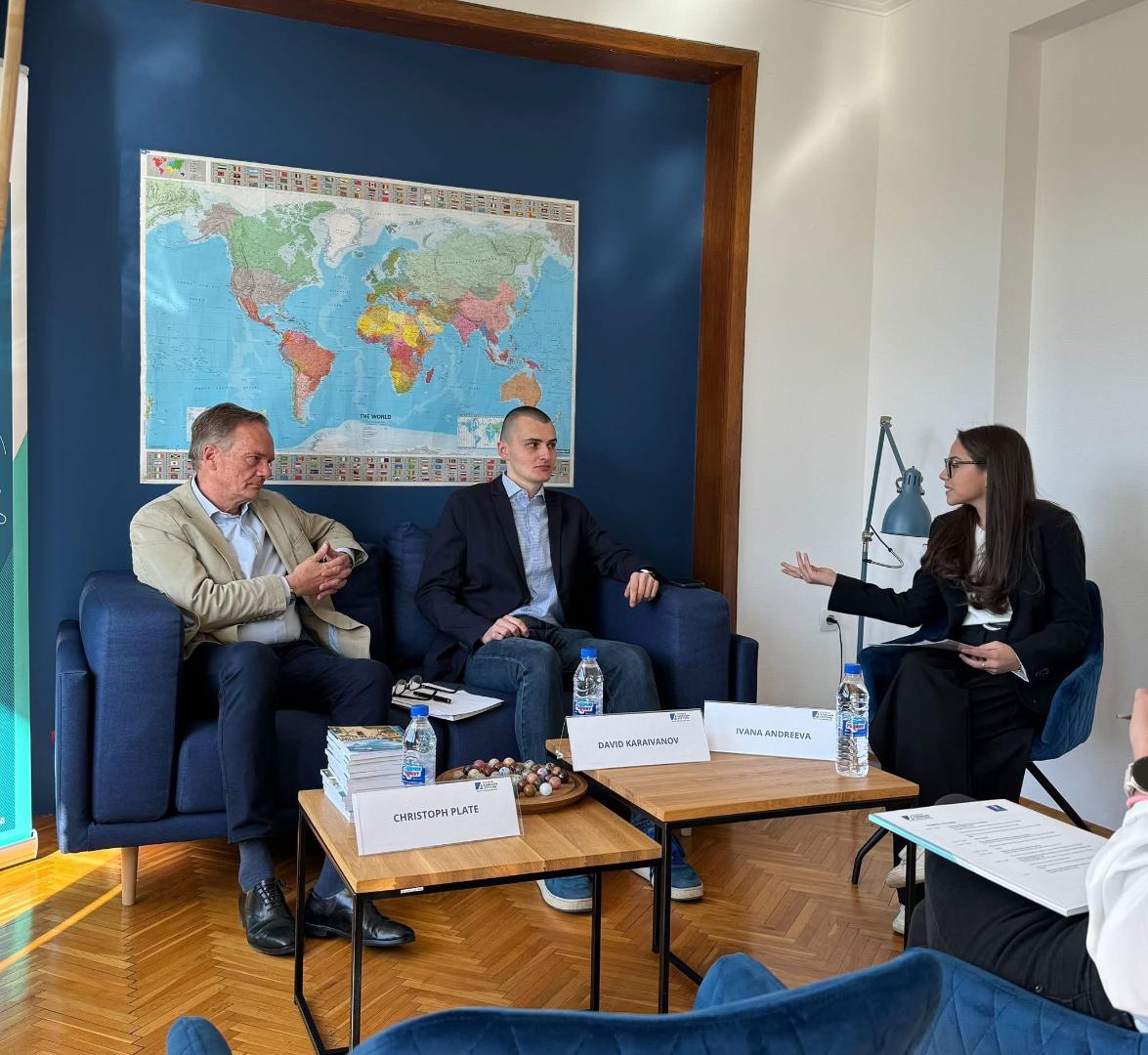
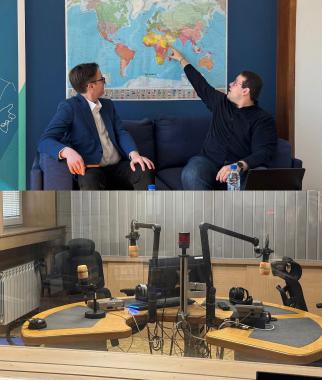
Christoph Plate and David Karaivanov, journalist at bTV’s International News Desk, addressed a question that often determines whether a story gets told at all: “How to pitch international news?”.
For Plate, the answer begins with presence. “The most important thing is going there,” he explained, arguing that firsthand experience allows journalists to understand a place beyond statistics and agency reports.
Karaivanov added that international reporting requires knowledge of context, culture, religion, political alliances and regional dynamics. Only then can journalists connect global developments with the interests of domestic audiences.
Often, he suggested, the larger story emerges through small human experiences.
War, narratives and the battle for information
One of the most anticipated discussions examined the global media impact of the conflict involving Iran.
Ruslan Trad, researcher at the Atlantic Council’s Digital Forensic Research Lab, described modern conflicts as battles fought simultaneously on physical and informational fronts.
According to Trad, governments invest heavily in shaping narratives online, and artificial intelligence has amplified the speed and scale at which manipulated content can circulate.
The challenge for journalists, he argued, is not only reporting events but debunking false claims and providing context in an increasingly complex information environment.
Politics, media and the power of narratives
The following panel turned to political influence on news selection.
Andrey Vladov, Head of the Russia Desk at BBC Monitoring, explained how the Russian state uses information strategically in its communication with Western societies.
Russian media, he said, often follow a uniform narrative shaped by political control. In such circumstances, the responsibility of journalists remains clear: to fact-check political claims and challenge disinformation.
“Silence,” Vladov warned, “can also become censorship.”
When international coverage returns home
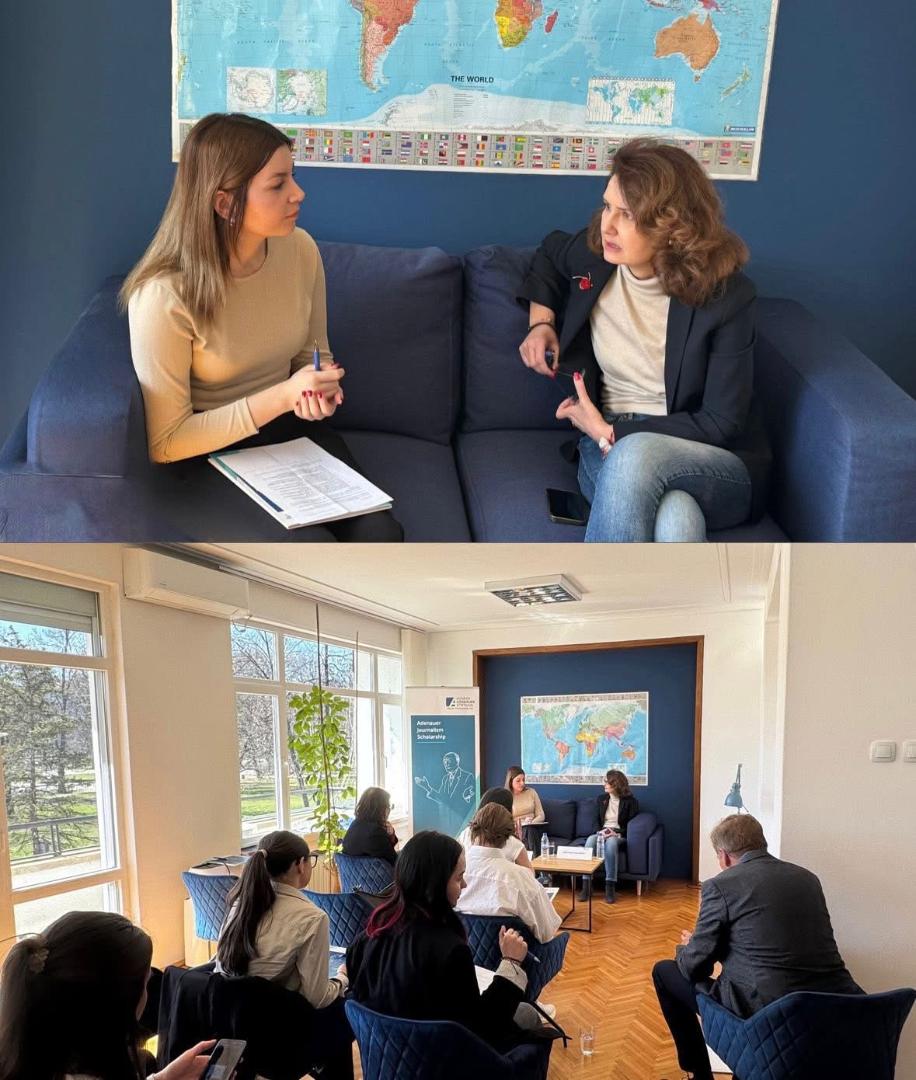
The final panel explored how international news stories can later reappear in domestic political debates.
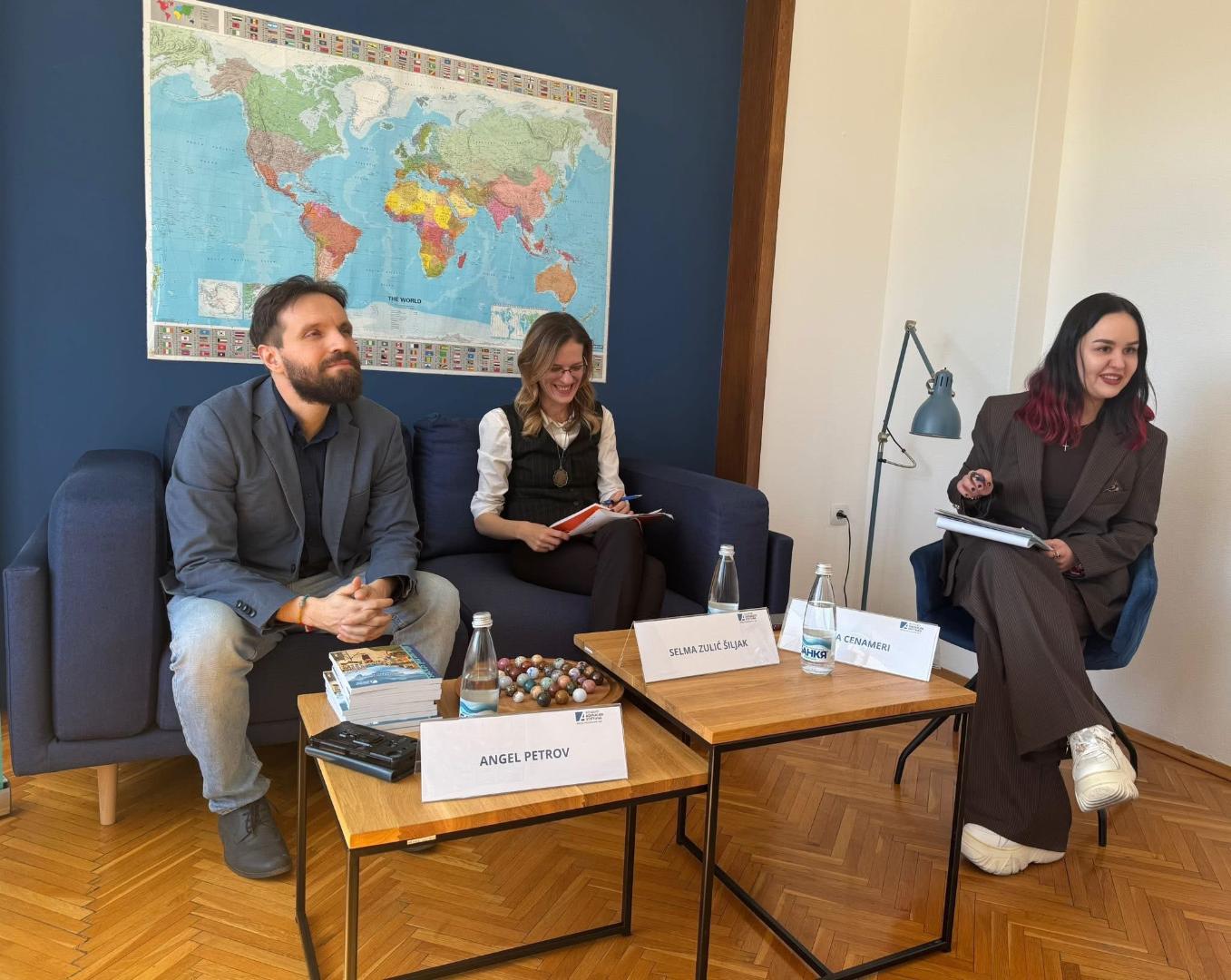
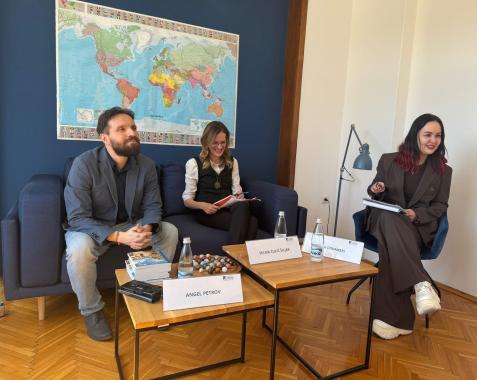
Selma Zulić Šiljak, Head of Program Development at Mediacentar Sarajevo, described how international coverage of Bosnia and Herzegovina is sometimes used by political actors to reinforce existing divisions.
International media references, she explained, often carry significant weight in local debates, sometimes even more than domestic reporting.
Angel Petrov, journalist at Dnevnik.bg, shared similar observations from Bulgaria, where international articles about national politics can quickly dominate local media discussions.
Leaving with more questions
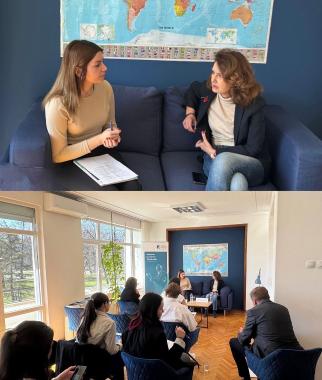
The meeting concluded with a quieter discussion, where scholars reflected on the debates and shared updates about the media situation in their respective countries.
Soon afterwards, it was time to return home.
At the airport, the scholars carried back more than the luggage they had arrived with. The conversations of the previous days, about journalism, truth and responsibility, travelled with them.
Because in the end, despite the pressures surrounding the profession, the question raised at the beginning of the meeting still lingers.
Why do journalists continue?
Perhaps because, as one of the contributors to “Why We Tell Stories” once put it, they still believe they are doing something right.
Über diese Reihe
Die Konrad-Adenauer-Stiftung, ihre Bildungsforen und Auslandsbüros bieten jährlich mehrere tausend Veranstaltungen zu wechselnden Themen an. Über ausgewählte Konferenzen, Events, Symposien etc. berichten wir aktuell und exklusiv für Sie unter www.kas.de. Hier finden Sie neben einer inhaltlichen Zusammenfassung auch Zusatzmaterialien wie Bilder, Redemanuskripte, Videos oder Audiomitschnitte.