



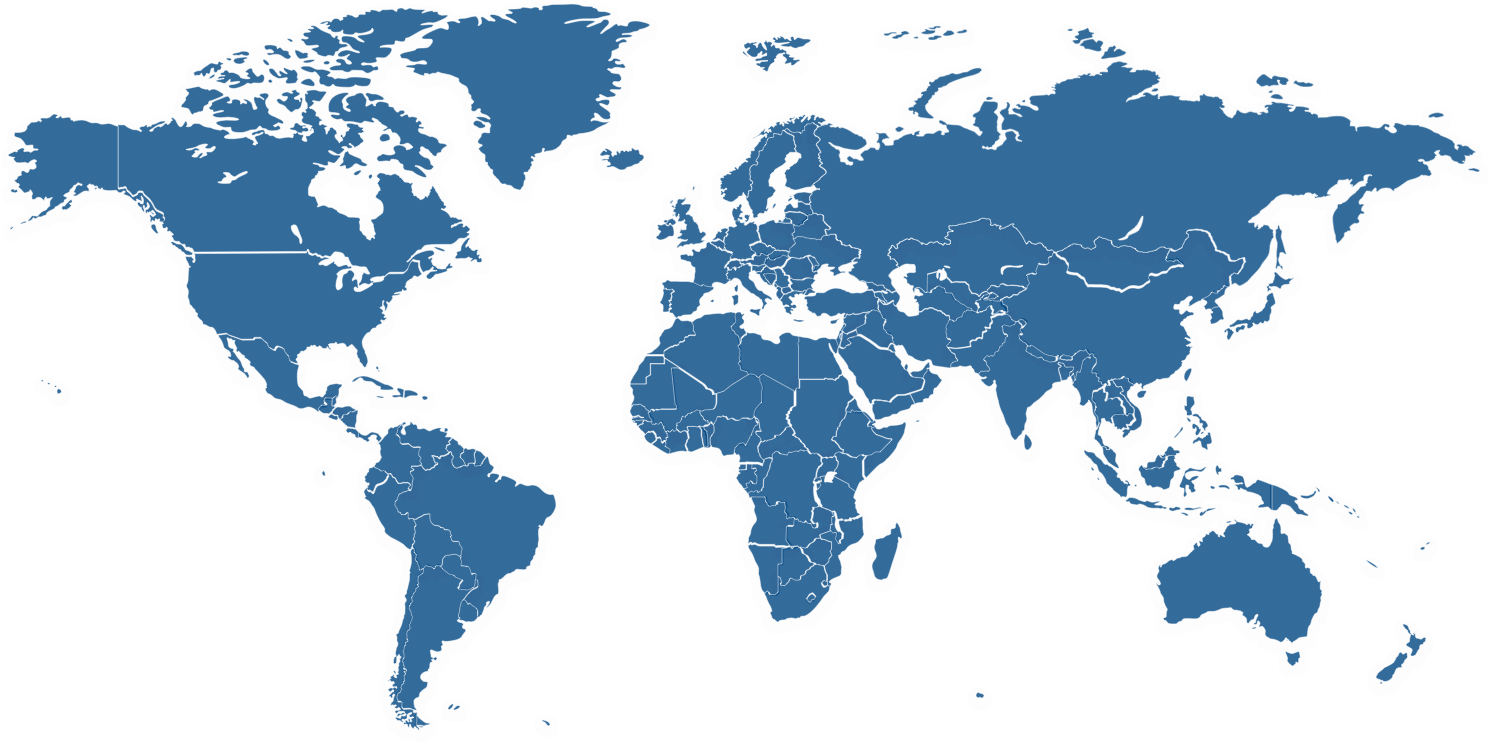




Artificial intelligence (AI) is increasingly seen as a potential driver of productivity, innovation and economic growth. Yet behind the software lies a less visible reality: AI depends on vast amounts of physical infrastructure and natural resources. Every model trained and every AI-generated response relies on electricity, water, critical minerals and the infrastructure that connects them to be able to function. As AI adoption accelerates worldwide, access to these resources is becoming a strategic determinant of economic competitiveness and technological leadership.
The rapid growth of AI is driving an unprecedented expansion of data centres and computing capacity. Electricity demand from AI-related infrastructure is rising significantly faster than overall power consumption, placing increasing pressure on energy systems. At the same time, AI infrastructure competes for the same resources needed for industrial electrification, electric vehicles, hydrogen production and the broader energy transition. For Germany and Europe, the challenge is not only generating sufficient power but also ensuring timely grid expansion and reliable infrastructure connections. Long permitting procedures and grid bottlenecks risk slowing AI investments and undermining digital competitiveness.
Beyond energy, water availability is emerging as a critical factor in AI infrastructure development. Large-scale data centres require substantial amounts of water for cooling, while semiconductor production adds further pressure on already stressed water systems. As climate change increases the frequency of heatwaves and droughts, future AI locations will need to balance access to both affordable electricity and reliable water resources. This creates new geographical considerations for investors and policymakers alike.
Critical minerals constitute a third strategic factor of AI development. Copper, silicon, gallium, rare earth elements and battery minerals are indispensable for semiconductors, power systems, and backup energy storage. However, the processing and refining of many of these materials is highly concentrated geographically, creating supply-chain dependencies and geopolitical vulnerabilities. AI infrastructure is therefore increasingly competing with clean energy technologies, defence industries and electrification efforts for access to the same resources.
The Monitor argues that the next phase of global AI competition will be shaped not only by technological capabilities but also by the ability to secure and mobilise physical resources efficiently. For Germany and Europe, strengthening digital sovereignty requires a broader understanding of resource security that includes energy, water, infrastructure and critical raw materials. Policymakers should accelerate grid expansion, streamline permitting procedures, and improve resilience in critical mineral supply chains. In a future “geography of AI power”, leadership will increasingly belong to those who can combine technological innovation with secure access to the physical foundations of artificial intelligence.
Topics
About this series
The Monitor series deals with one main topic at a time from the perspective of KAS experts and places it in the political and social context on the basis of a few key points.
Order details
The contributions appear exclusively online and can therefore not be ordered.
The current main topics are “Development policy”, “Sustainability” and “Election and social research”. The contributions of these sub-series are presented for you on separate overview pages in addition to the overall series.