






The State of Europe is an event that has now become a tradition, at which the presidents of the EU institutions and bodies give their assessments of the situation and future of Europe. It is held at a place of European destiny, in Berlin, where a new chapter in the European unification process was opened on 9 November 1989 with the fall of the Berlin Wall.
Focus on the heads of the EU institutions and bodies
The State of Europe is an event that goes beyond day-to-day political events. It was launched in 2010 by the then Chairman of the Konrad-Adenauer-Stiftung, Prof. Dr Hans-Gert Pöttering, and the then Chairman of the Stiftung Zukunft Berlin, Dr Volker Hassemer. In previous years, Charles Michel, President of the European Council (2021), David Sassoli, former President of the European Parliament (2020), Dr Ursula von der Leyen, President of the European Commission (2019), and Prof. Dr Koen Lenaerts, President of the Court of Justice of the European Union (2018), among others, have enriched the State of Europe.
Many guests from Germany and abroad
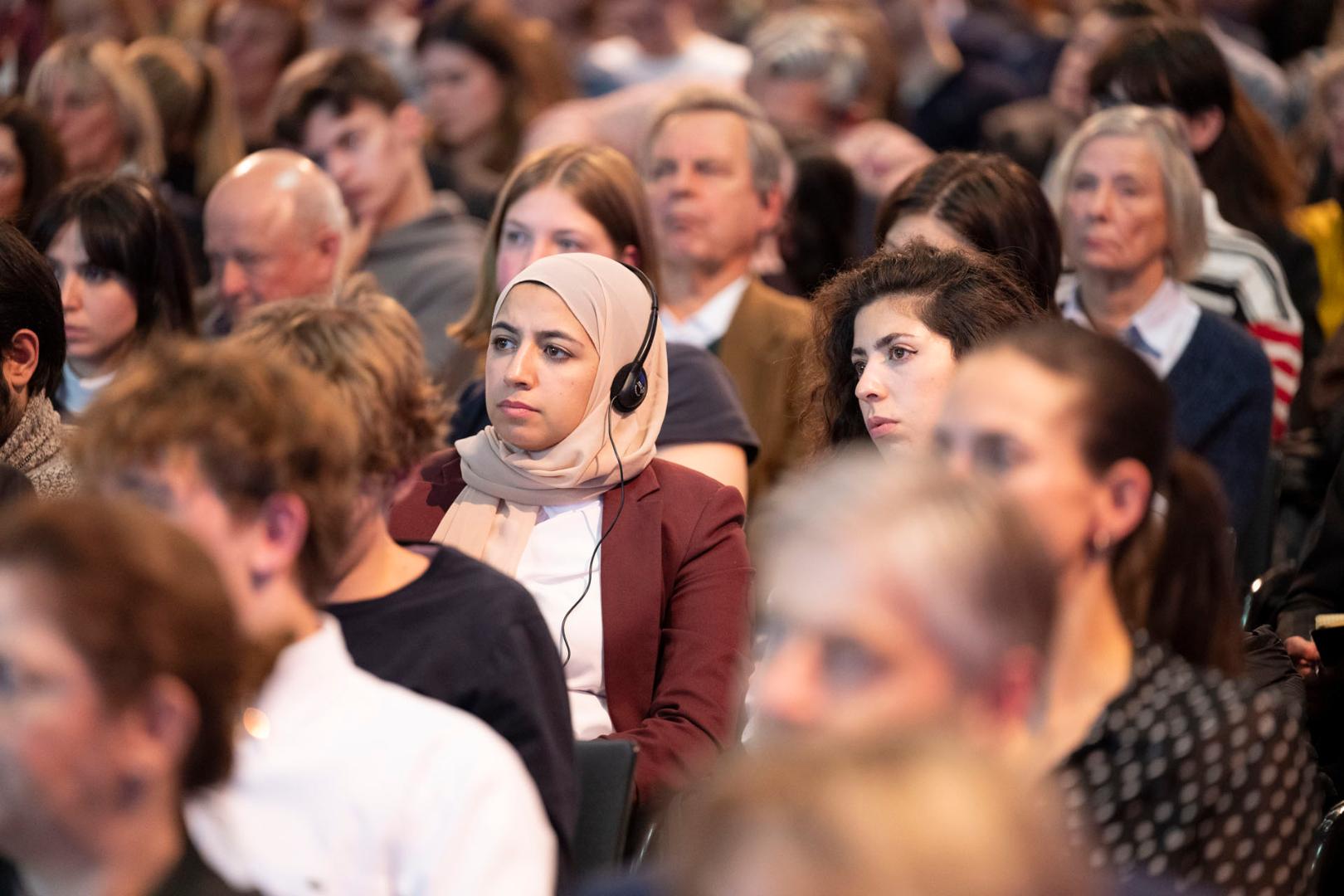
The event is open to the public. It is aimed at interested citizens, political decision-makers and representatives of the media, business, science and civil society. Several ambassadors are also among the guests each year. The participation of young people in the event is particularly important to us.
The State of Europe is organised in cooperation with Allianz SE, the Schwarzkopf Foundation Young Europe and the European Academy Berlin.
Previous speeches
2025
 KAS / Jens Jeske
 KAS / Jens Jeske
 KAS / Jens Jeske
 KAS / Jens Jeske
 KAS / Jens Jeske
 KAS / Jens Jeske
 KAS / Jens Jeske
 KAS / Jens Jeske
 KAS / Jens Jeske
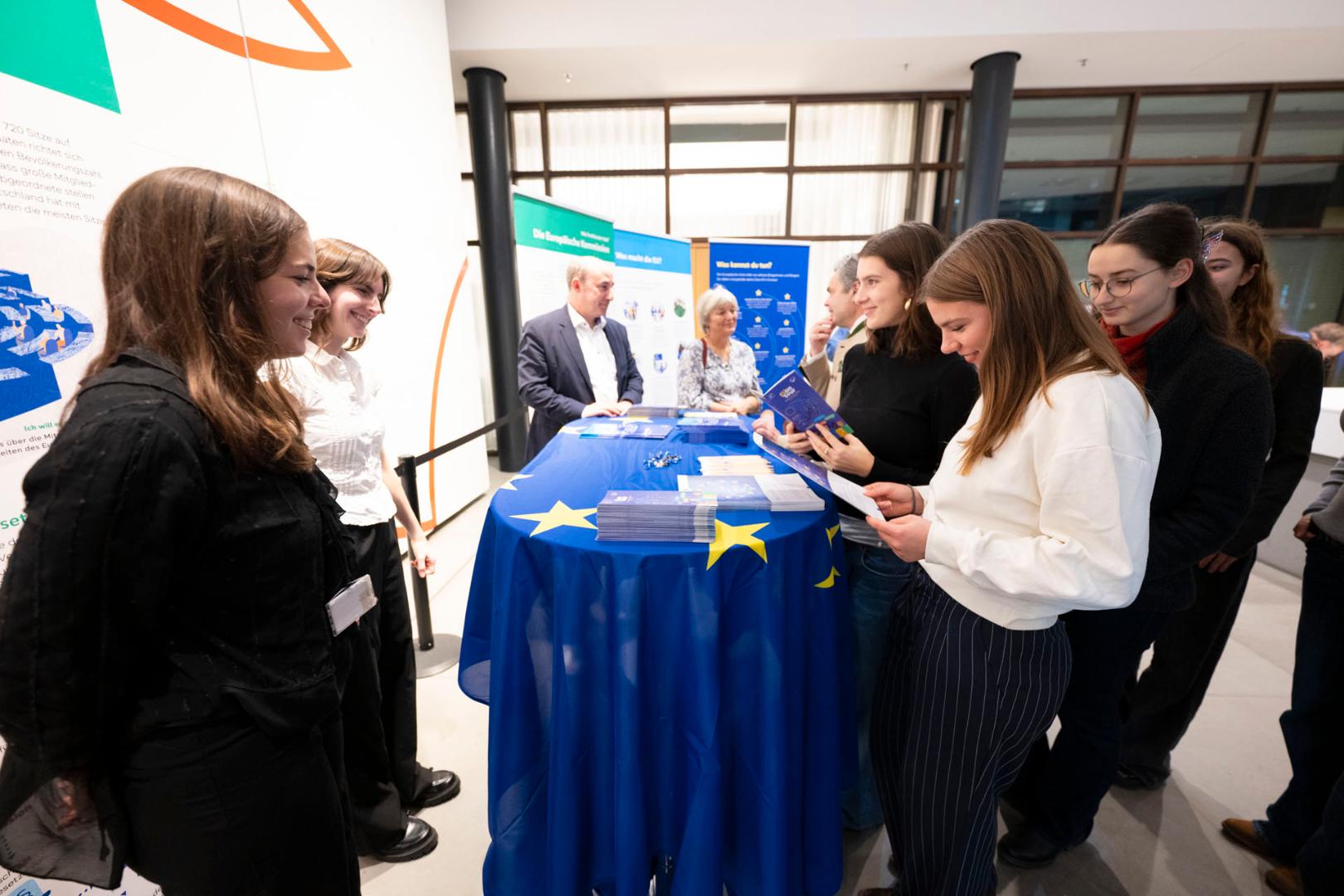 KAS / Jens Jeske
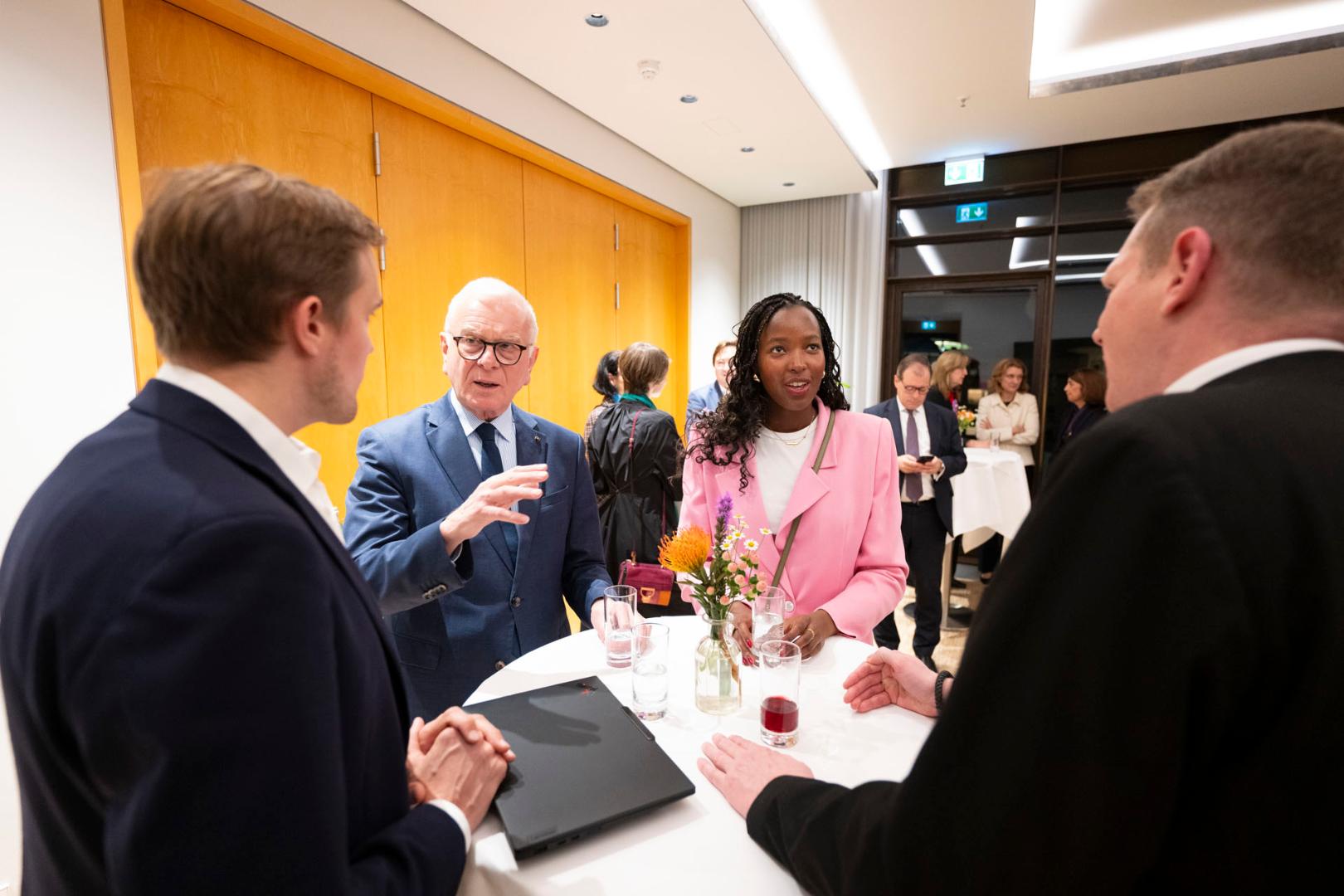 KAS / Jens Jeske
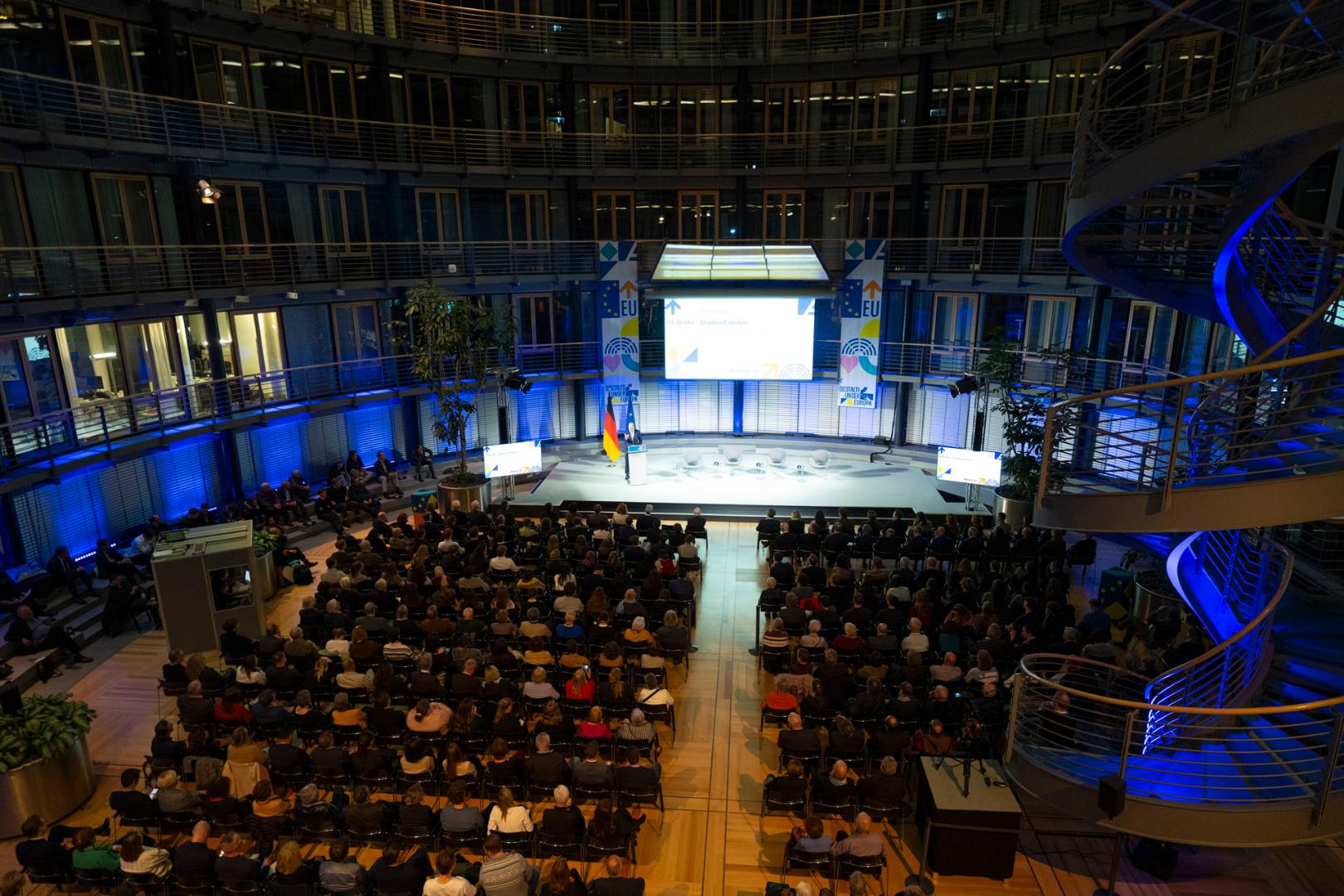 KAS / Jens Jeske
KAS / Jens Jeske
KAS / Jens Jeske
KAS / Jens Jeske
KAS / Jens Jeske
KAS / Jens Jeske
KAS / Jens Jeske
KAS / Jens Jeske
KAS / Jens Jeske
KAS / Jens Jeske
KAS / Jens Jeske
KAS / Jens Jeske
KAS / Jens Jeske
KAS / Jens Jeske
KAS / Jens Jeske
KAS / Jens Jeske
KAS / Jens Jeske
KAS / Jens Jeske
KAS / Jens Jeske
KAS / Jens Jeske
KAS / Jens Jeske
KAS / Jens Jeske
KAS / Jens Jeske
KAS / Jens Jeske
KAS / Jens Jeske
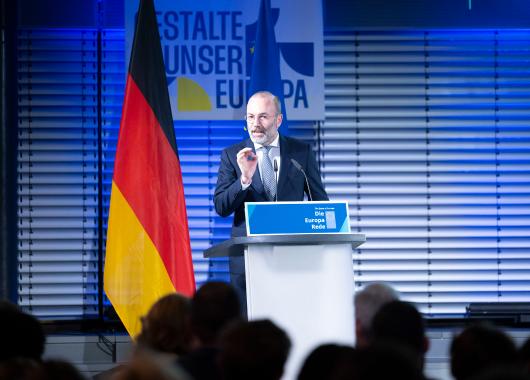
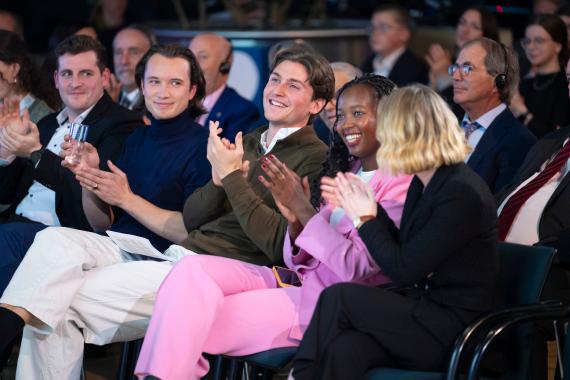
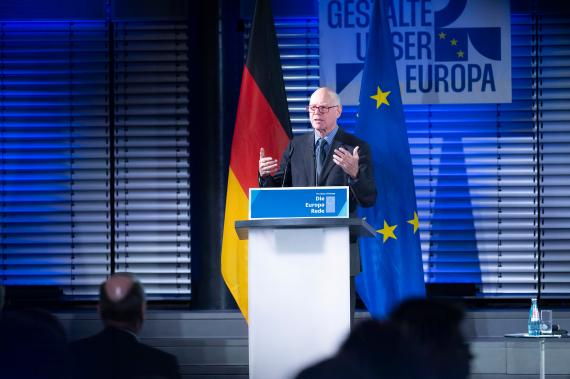
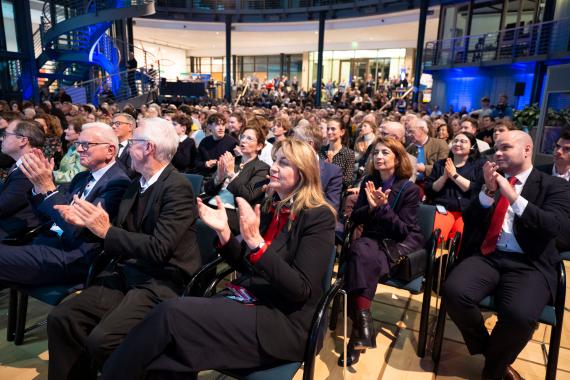
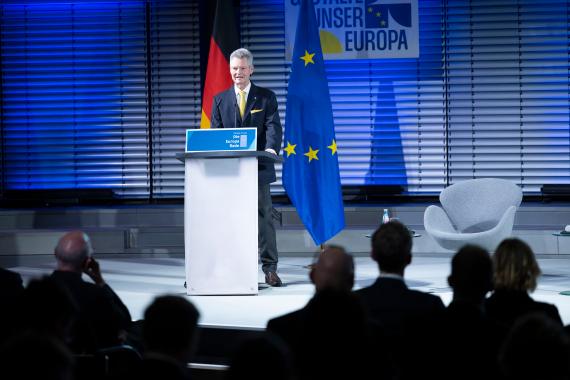
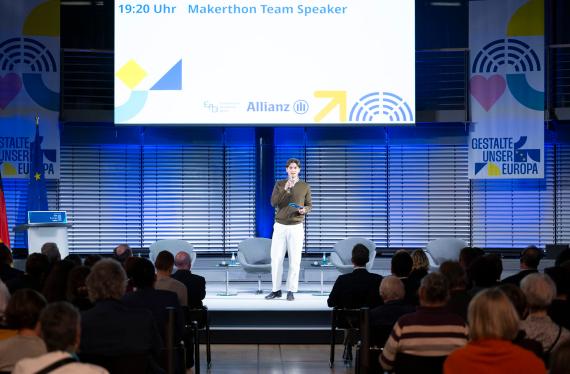
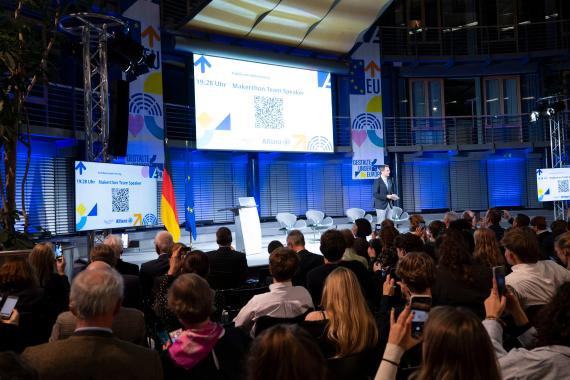
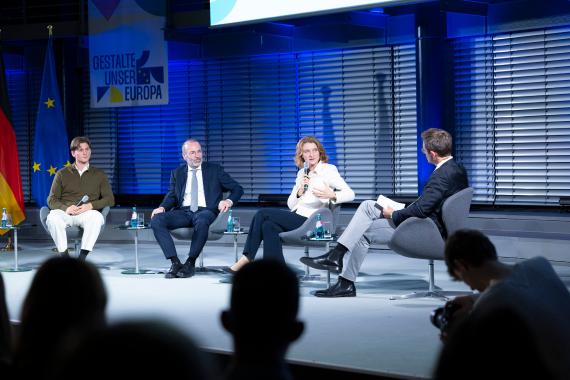
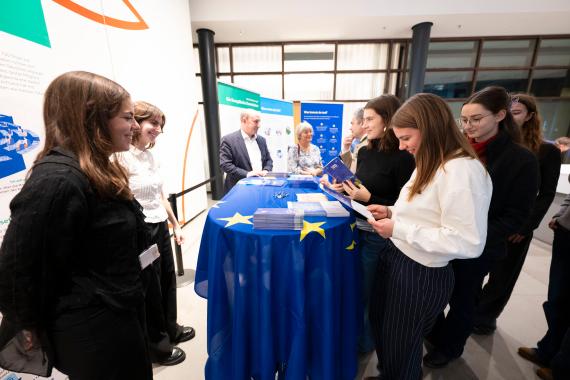

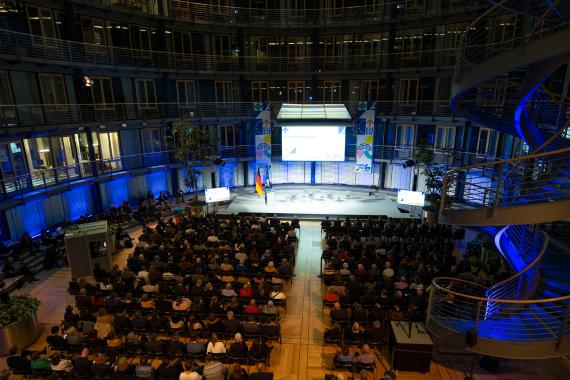
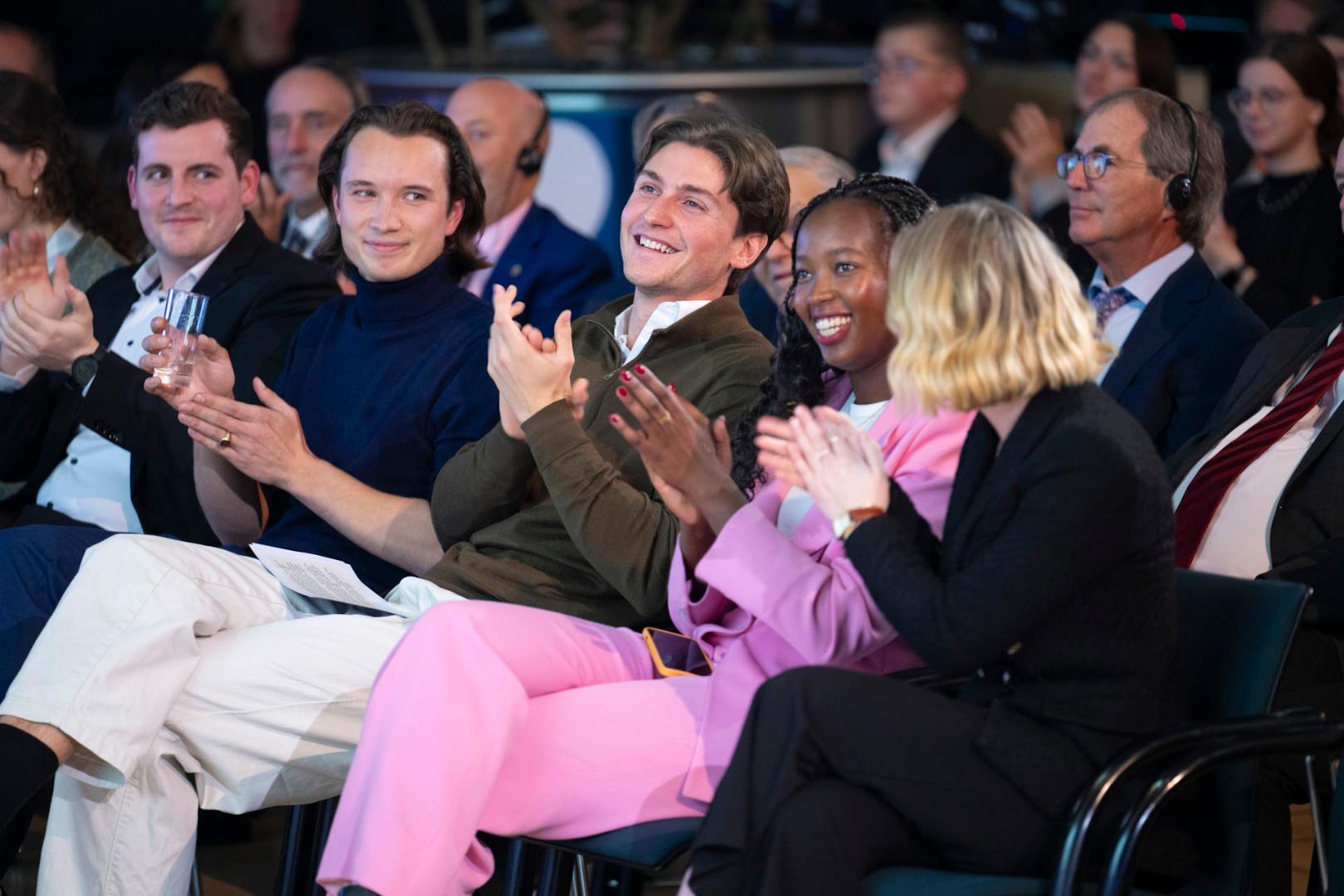
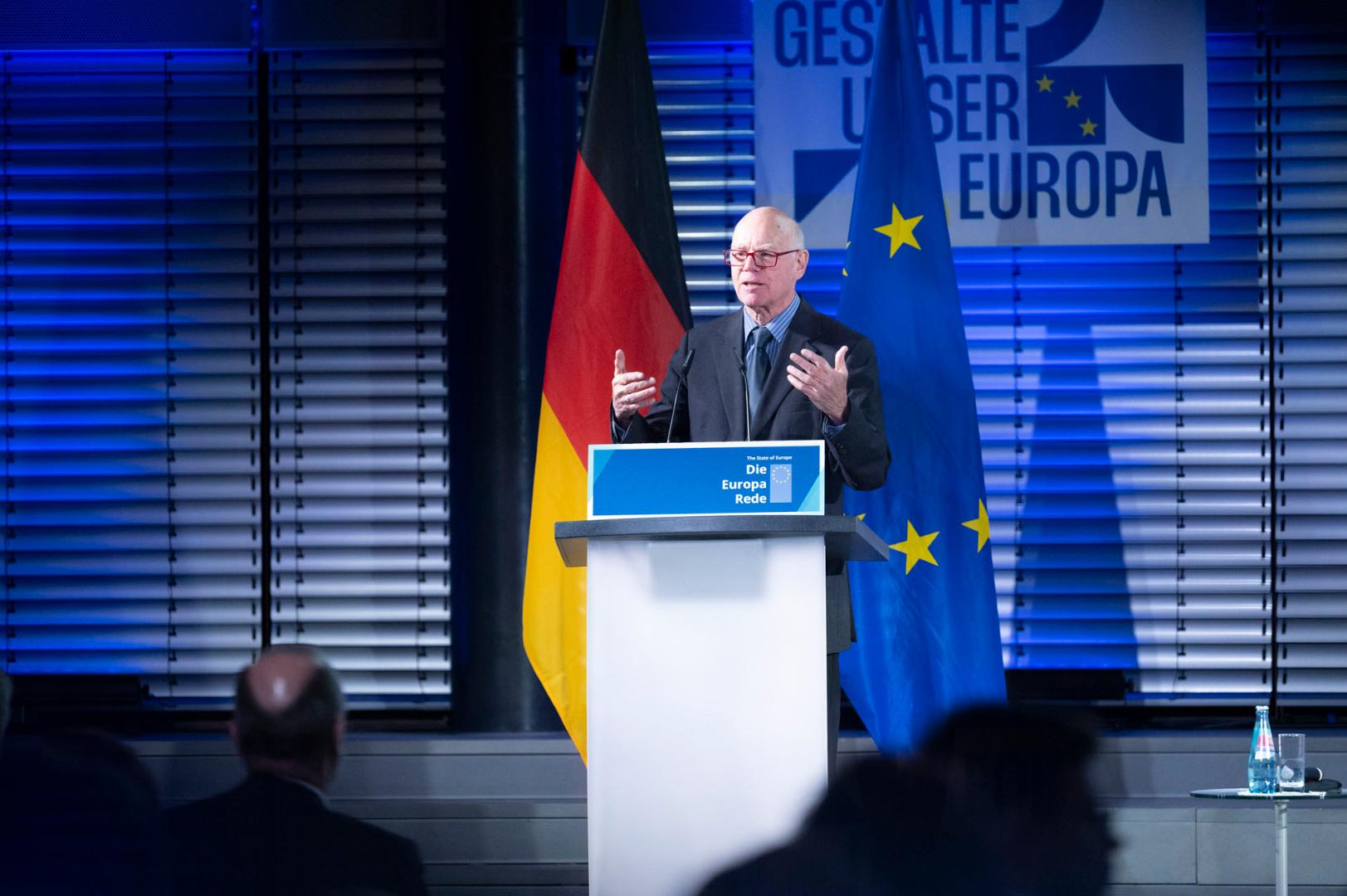
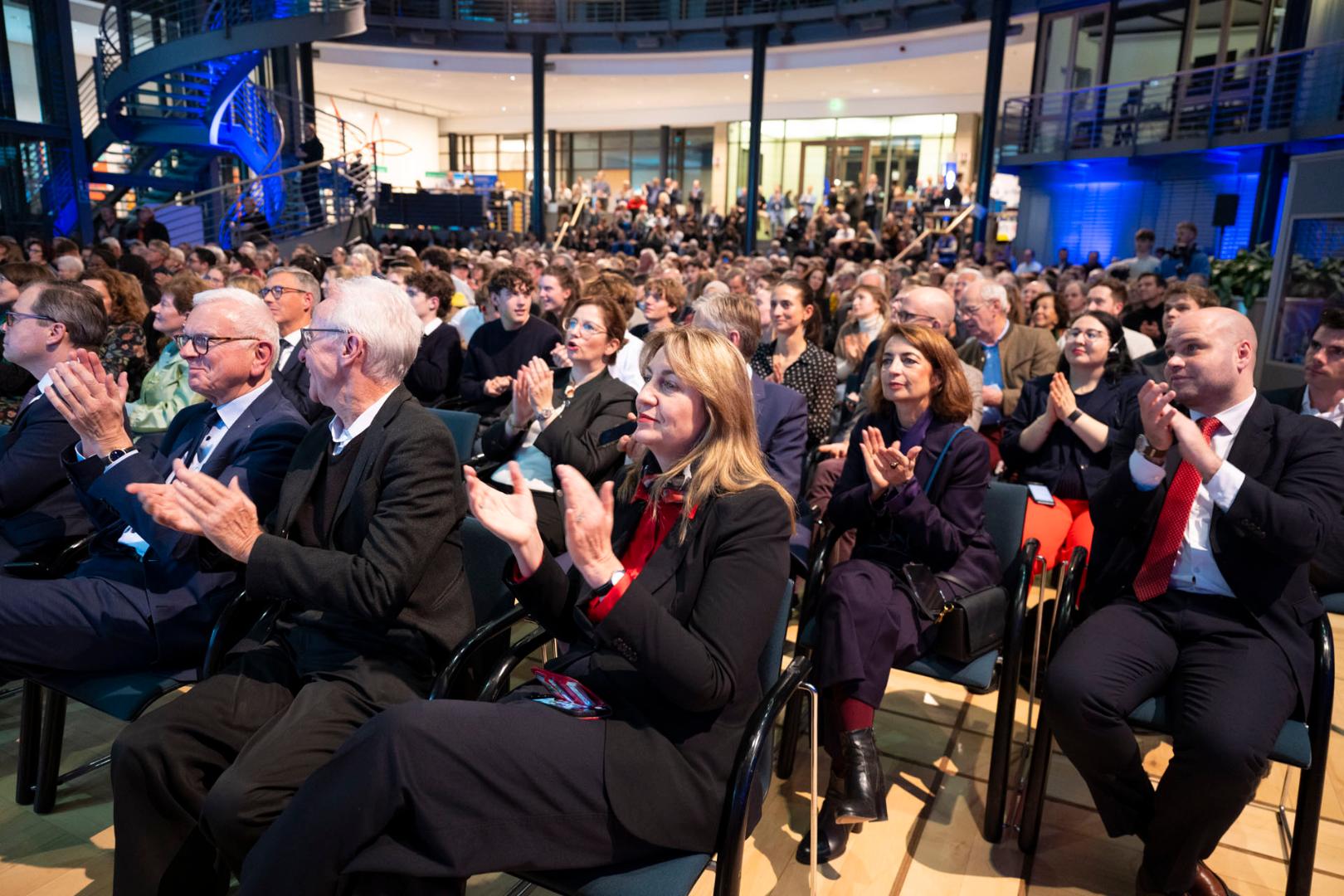
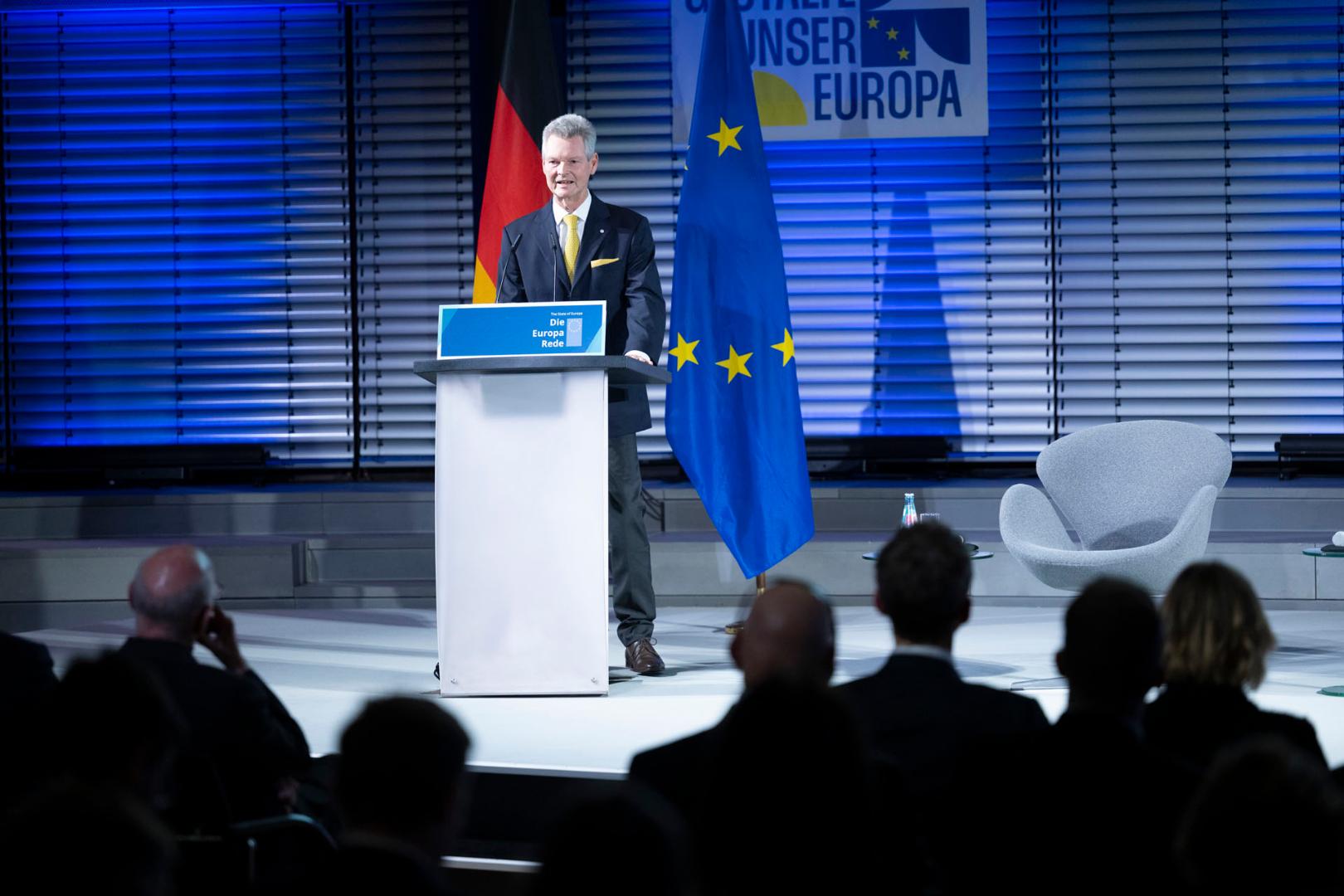
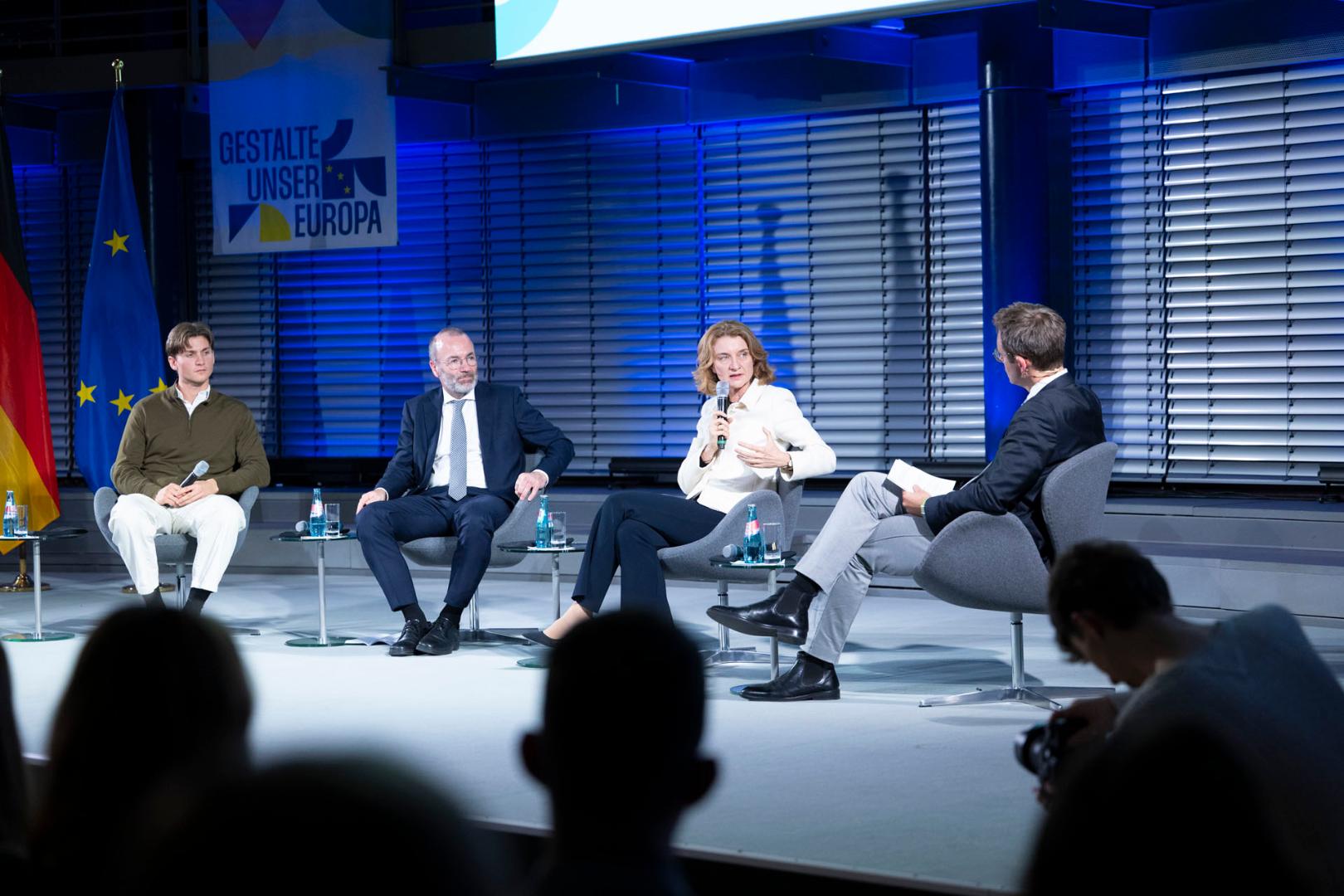
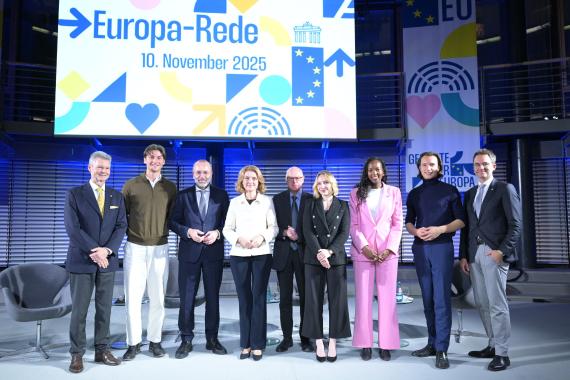
The 16th State of Europe by the Konrad-Adenauer-Stiftung on 10 November 2025 was centred on the theme of freedom. In his welcome address, Prof. Dr Norbert Lammert, Chairman of the Konrad-Adenauer-Stiftung, praised the annual event as a beacon of European unity.
Seven theses for the future of Europe
This year's speaker and party and parliamentary group leader of the European People's Party (EPP), Manfred Weber, called for a forward-looking Europe and put forward seven theses to make Europe a more resilient:
- Grant Europe successes!
- Media coverage should focus more on Brussels and less on the capitals.
- Europe, take your rules seriously! The rule of law is the cornerstone of the EU.
- Let's finally act!
- Let's think big now! ‘Our rules are not decided in Silicon Valley or the White House, but in the European Parliament.’
- Let's make Europe a full parliamentary democracy!
- Let us look at the ‘European way of life’ with pride and satisfaction!
‘Every generation has had its tasks to fulfil,’ Weber concluded his appeal, ‘and we too will tackle our tasks. Europe's best years lie ahead of us!’
KAS Makerthon Europe
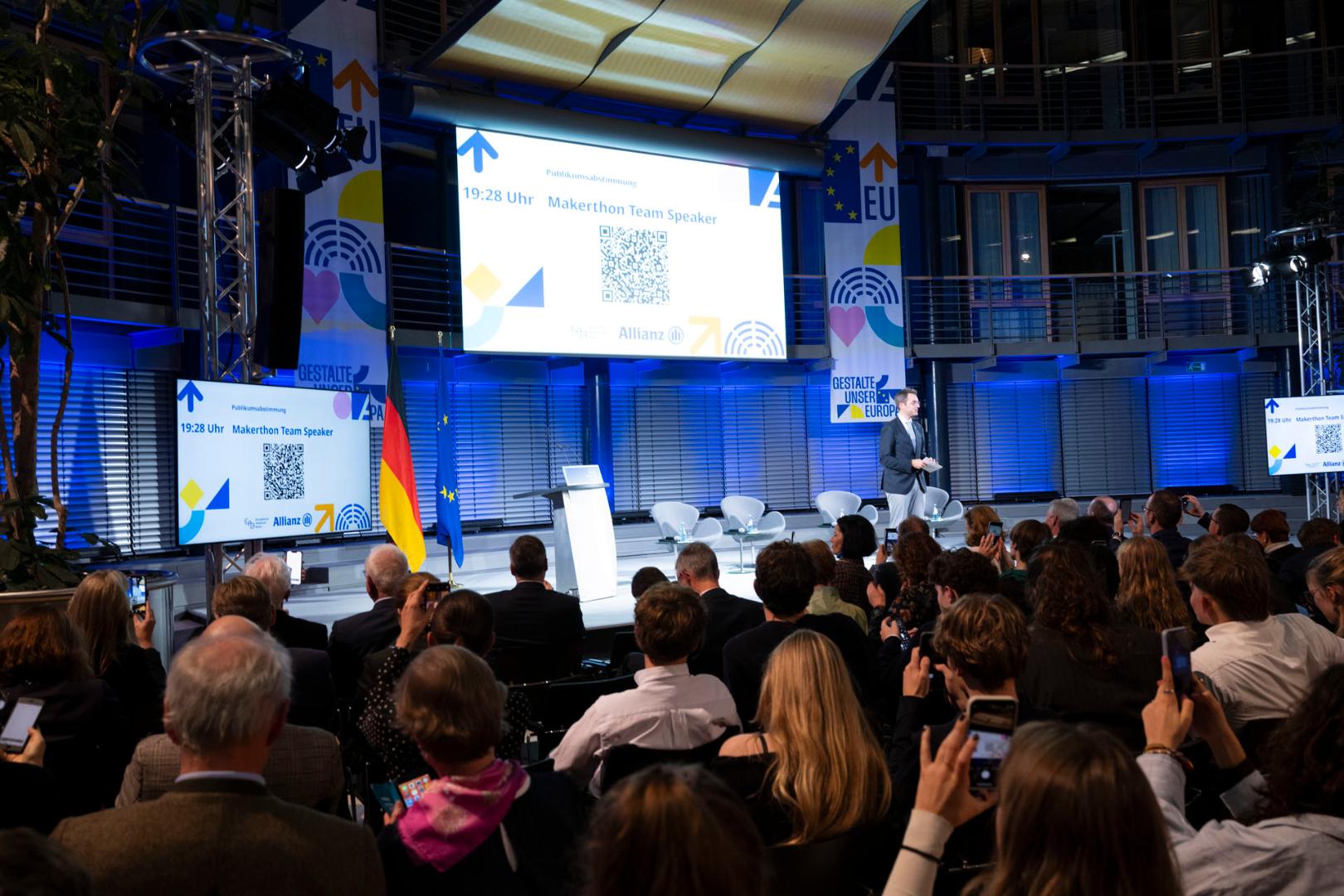
Beforehand, four young Europeans presented ideas they had developed as part of the creative ideas competition KAS Makerthon Europe. In a live vote, the audience chose Mathis Sieglerschmidt as the winner with his idea for the Eurovision Start-up Contest. Similar to the Eurovision Song Contest, this is a Europe-wide competition for start-ups.
2024
 Gerd Markert/KAS
 Gerd Markert/KAS
 Gerd Markert/KAS
 Gerd Markert/KAS
 Gerd Markert/KAS
 Gerd Markert/KAS
 Gerd Markert/KAS
 Gerd Markert/KAS
 Gerd Markert/KAS
 Gerd Markert/KAS
 Gerd Markert/KAS
 Gerd Markert/KAS
 Gerd Markert/KAS
 Gerd Markert/KAS
Gerd Markert/KAS
Gerd Markert/KAS
Gerd Markert/KAS
Gerd Markert/KAS
Gerd Markert/KAS
Gerd Markert/KAS
Gerd Markert/KAS
Gerd Markert/KAS
Gerd Markert/KAS
Gerd Markert/KAS
Gerd Markert/KAS
Gerd Markert/KAS
Gerd Markert/KAS
Gerd Markert/KAS
Gerd Markert/KAS
Gerd Markert/KAS
Gerd Markert/KAS
Gerd Markert/KAS
Gerd Markert/KAS
Gerd Markert/KAS
Gerd Markert/KAS
Gerd Markert/KAS
Gerd Markert/KAS
Gerd Markert/KAS
Gerd Markert/KAS
Gerd Markert/KAS
Gerd Markert/KAS
Gerd Markert/KAS
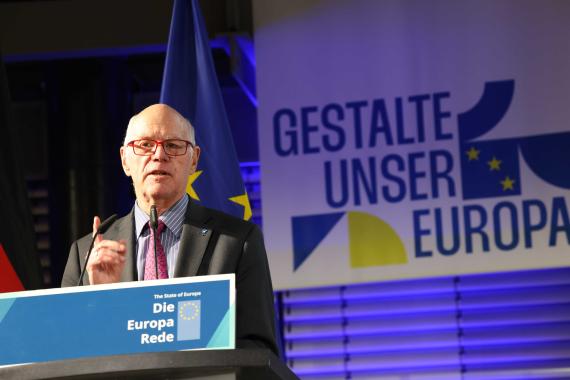
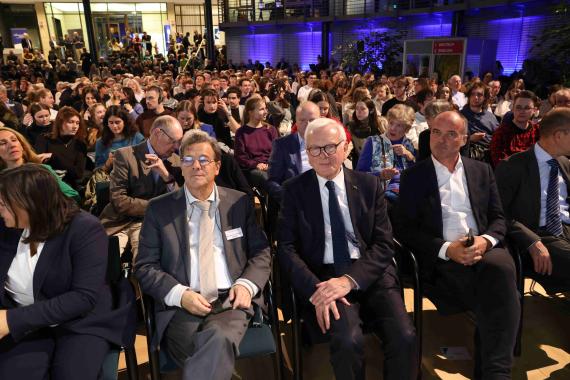
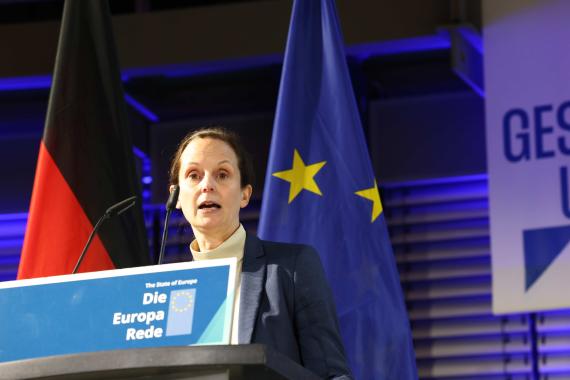
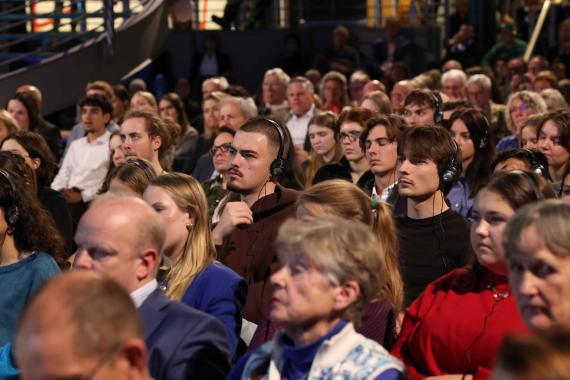
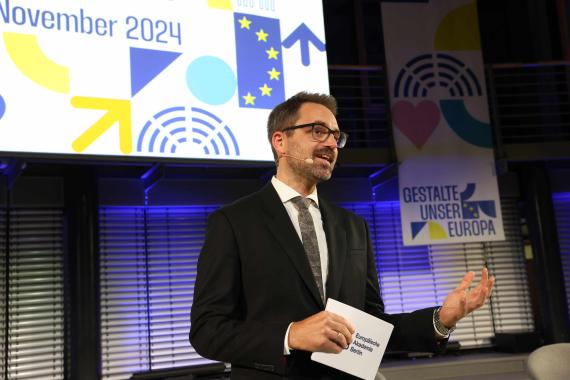
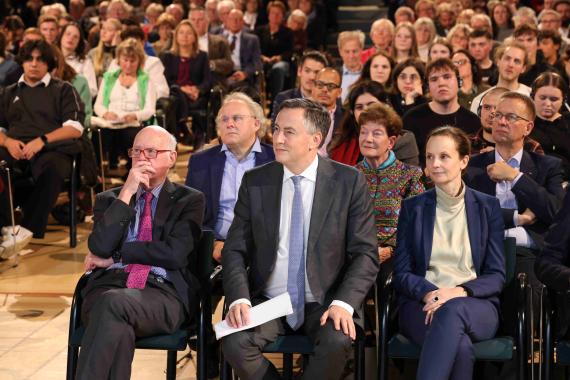
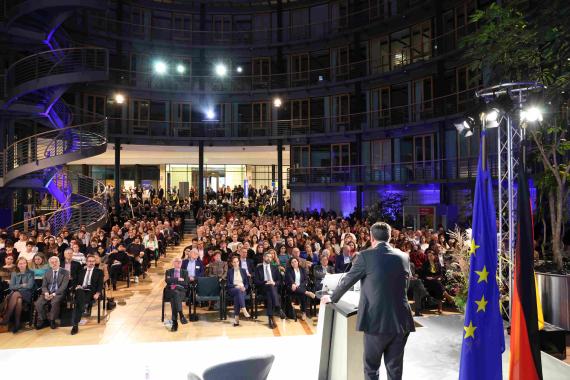
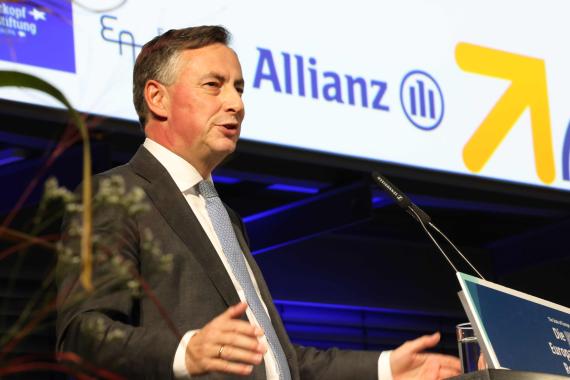
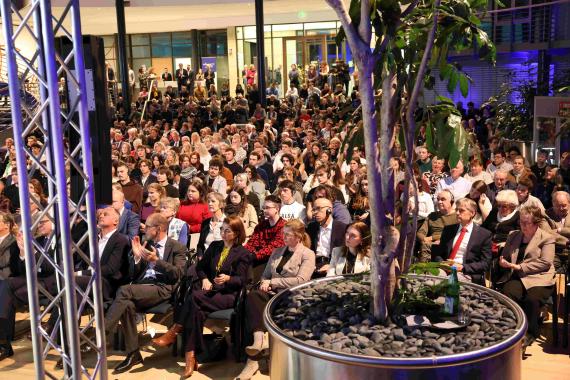
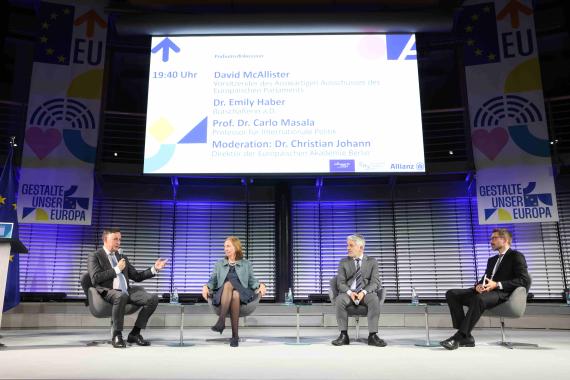
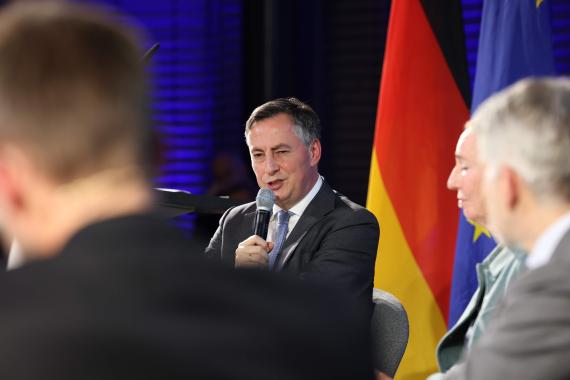
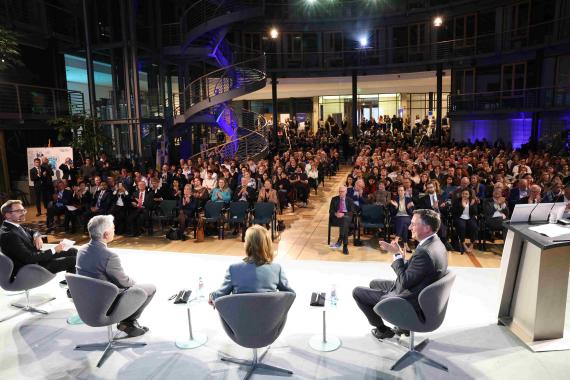
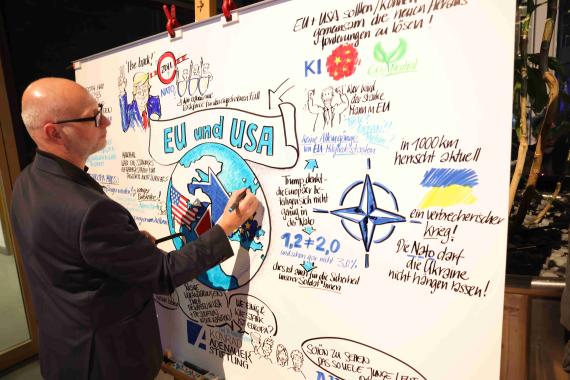
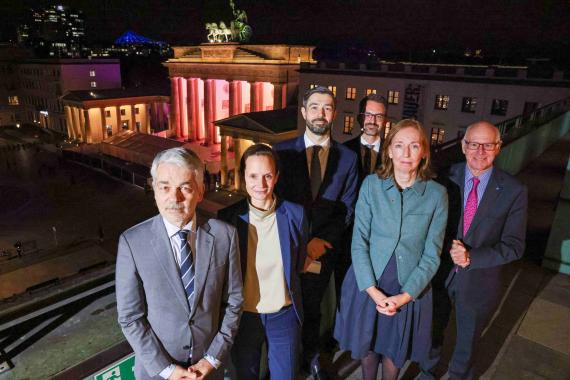
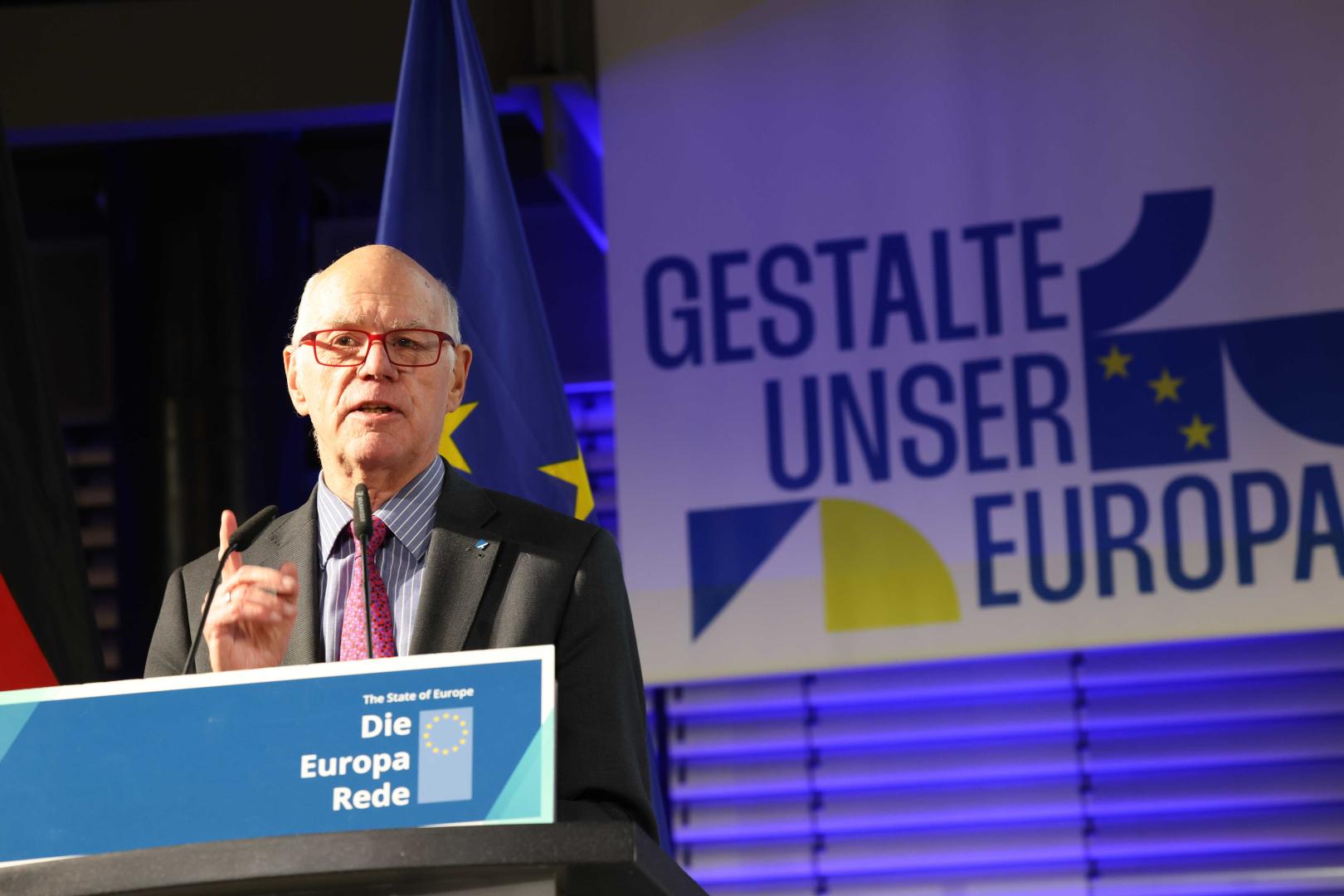
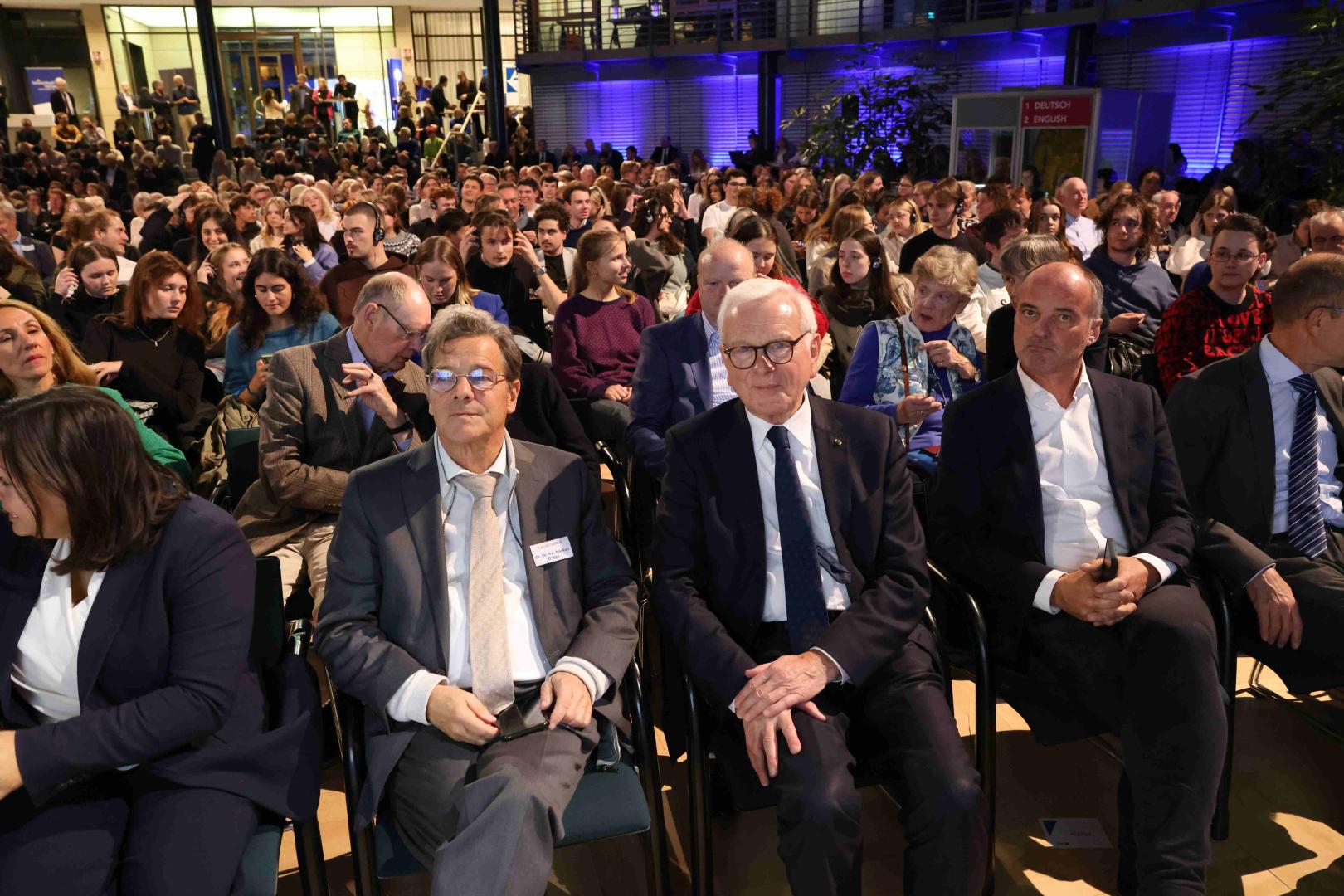
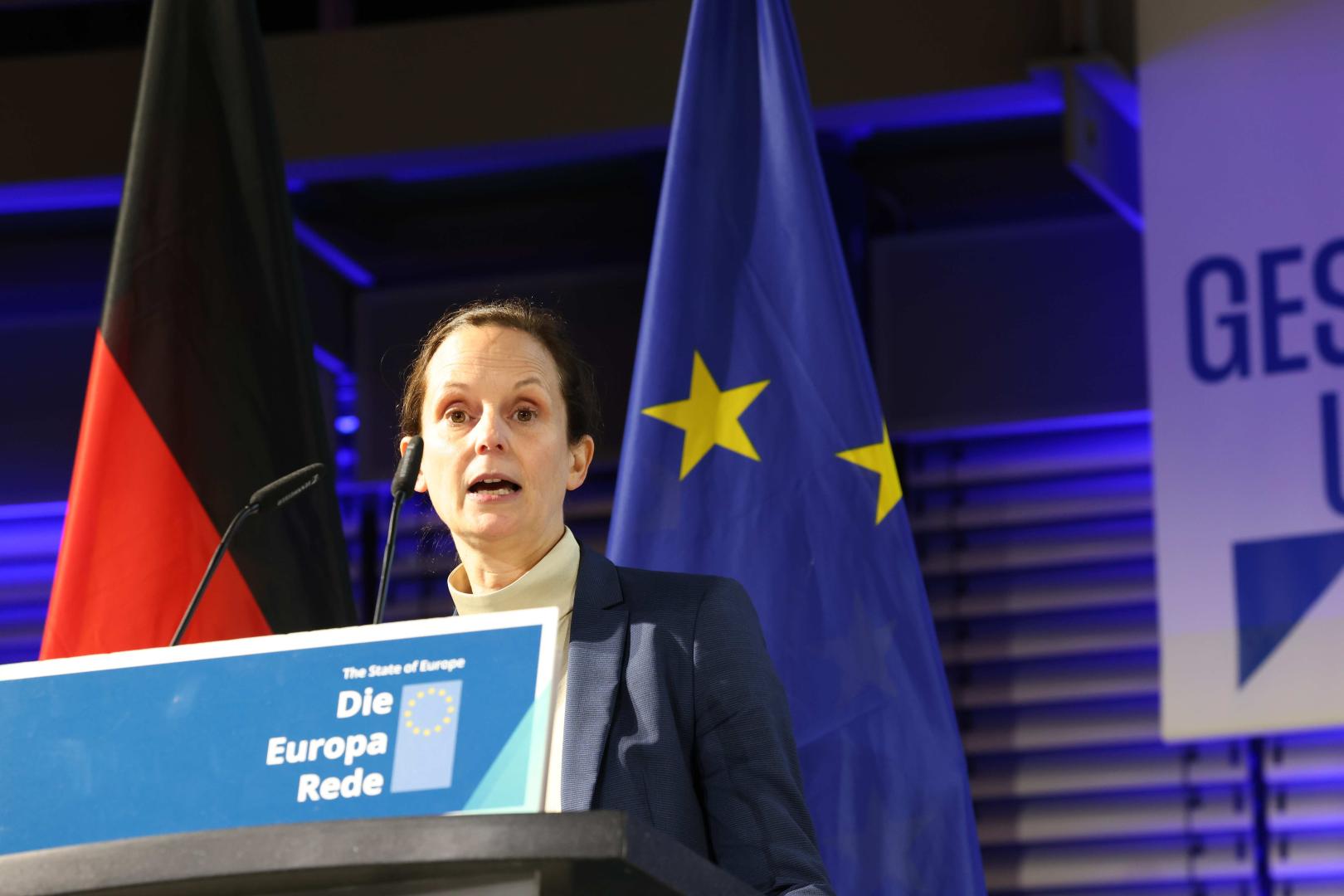
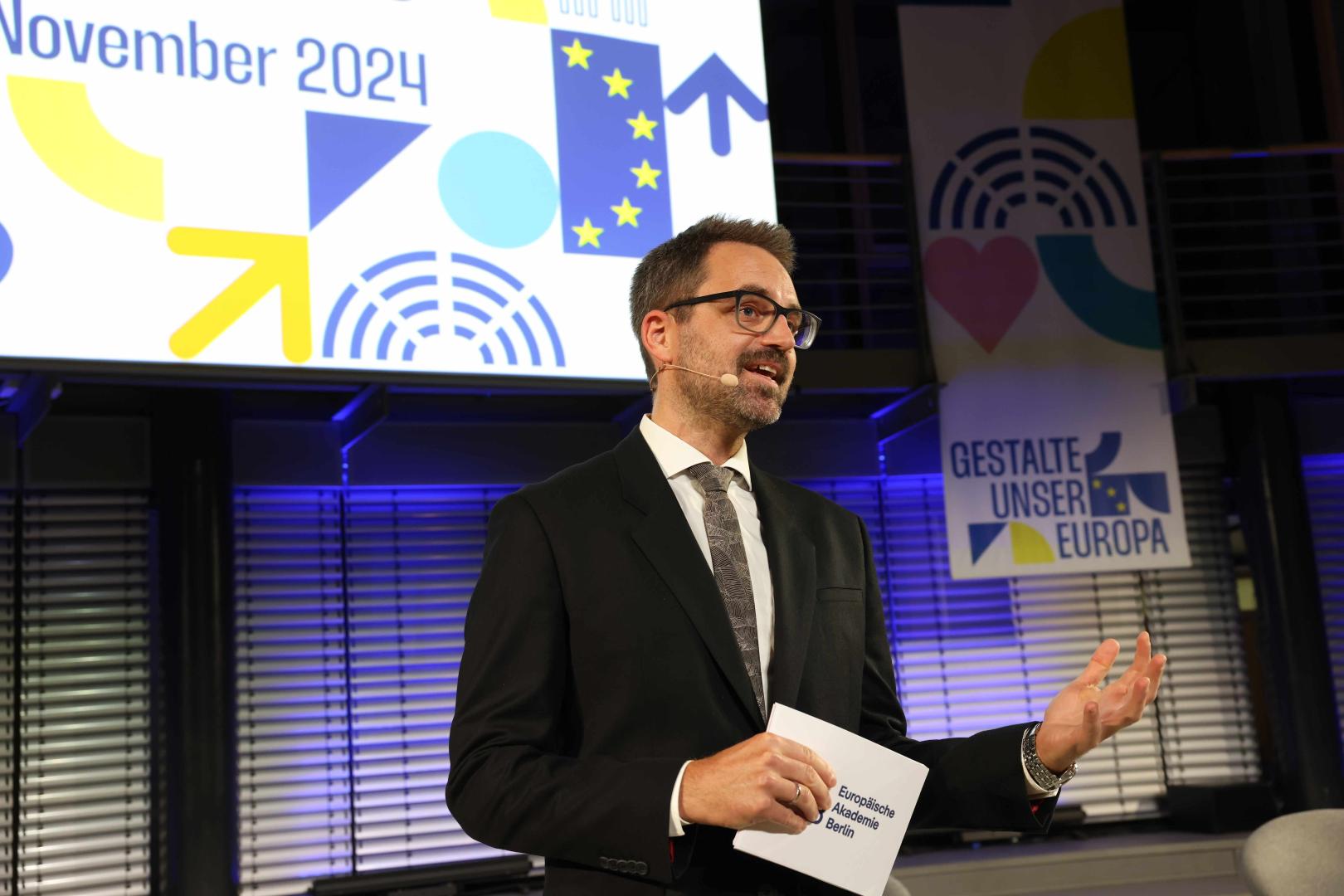
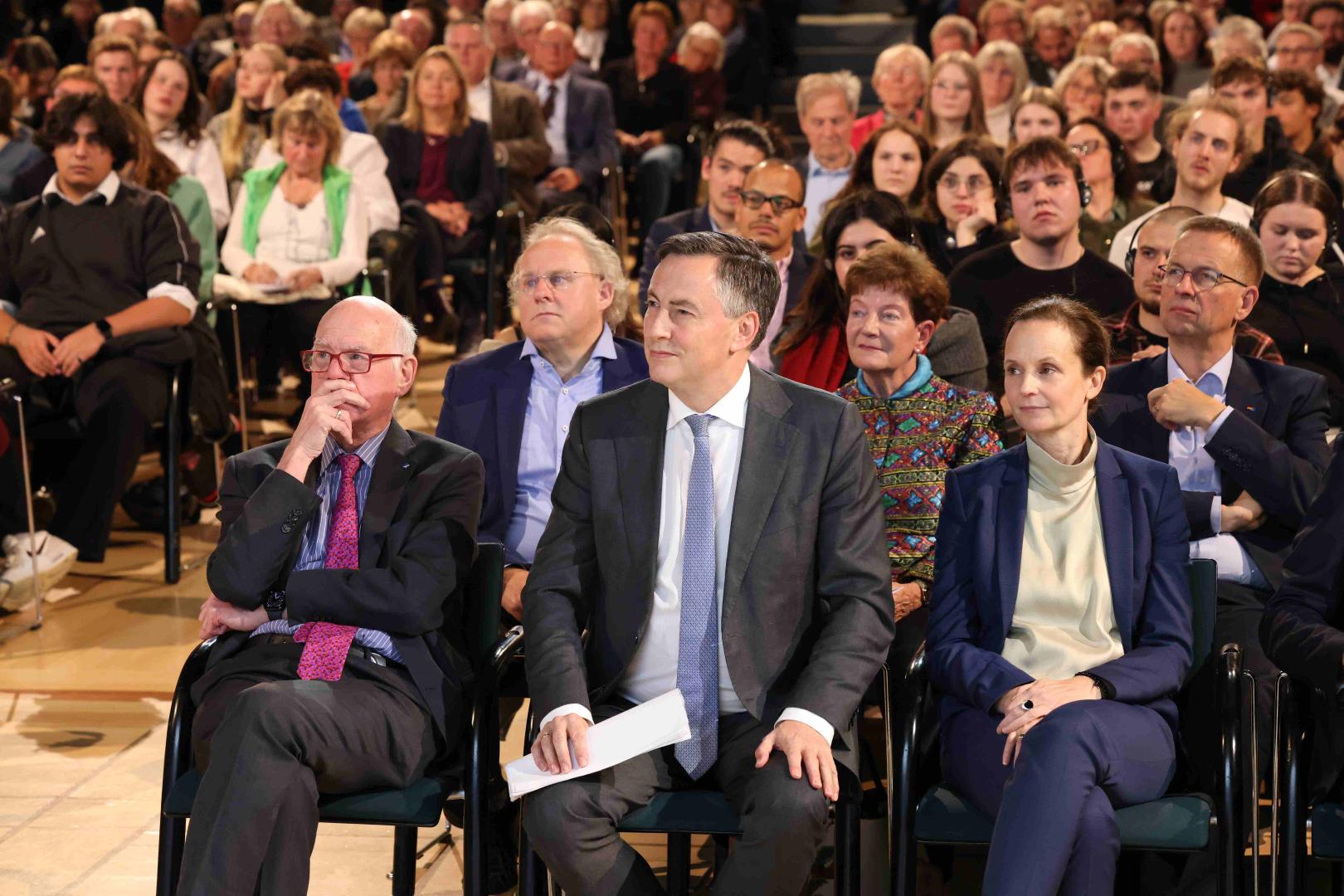
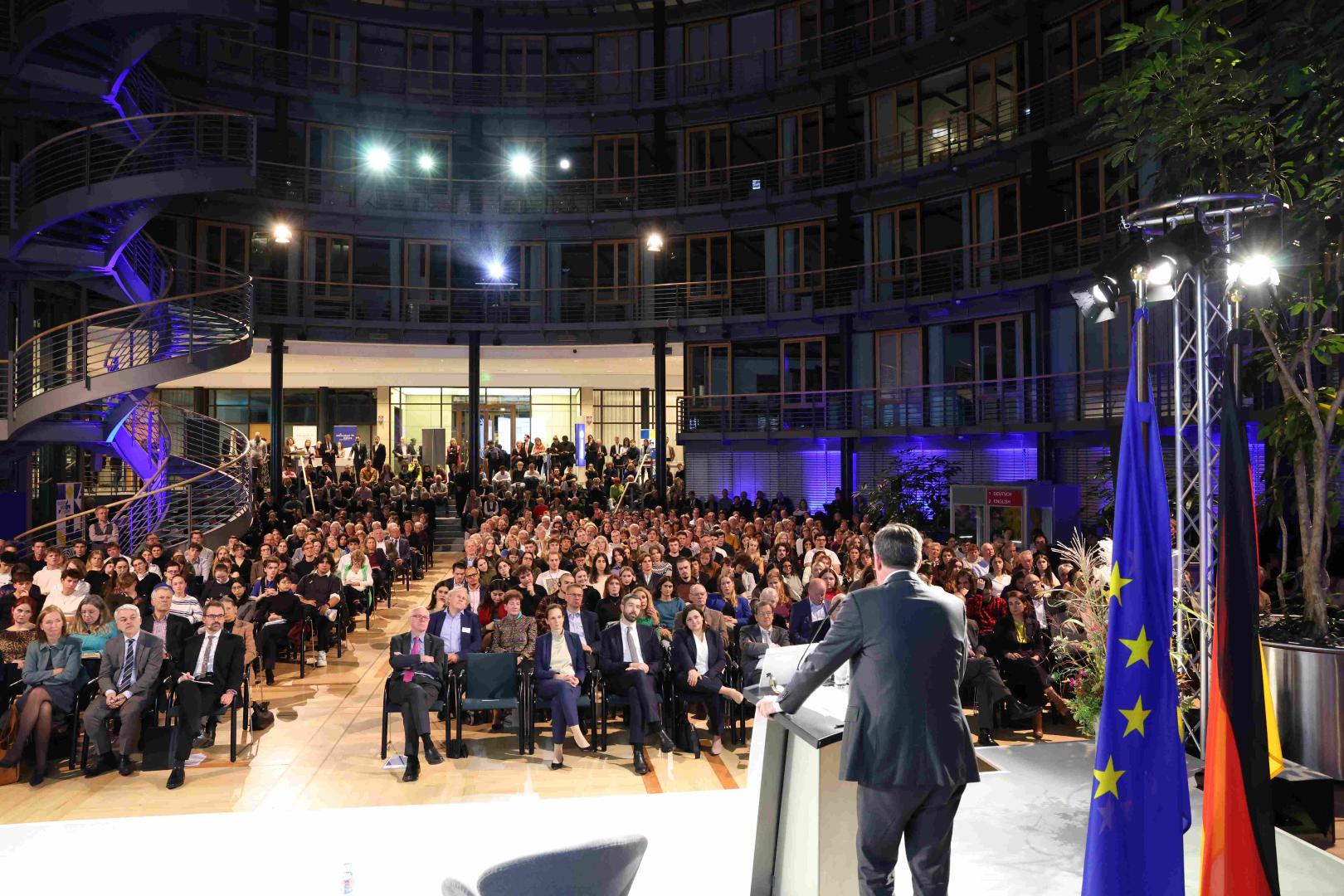
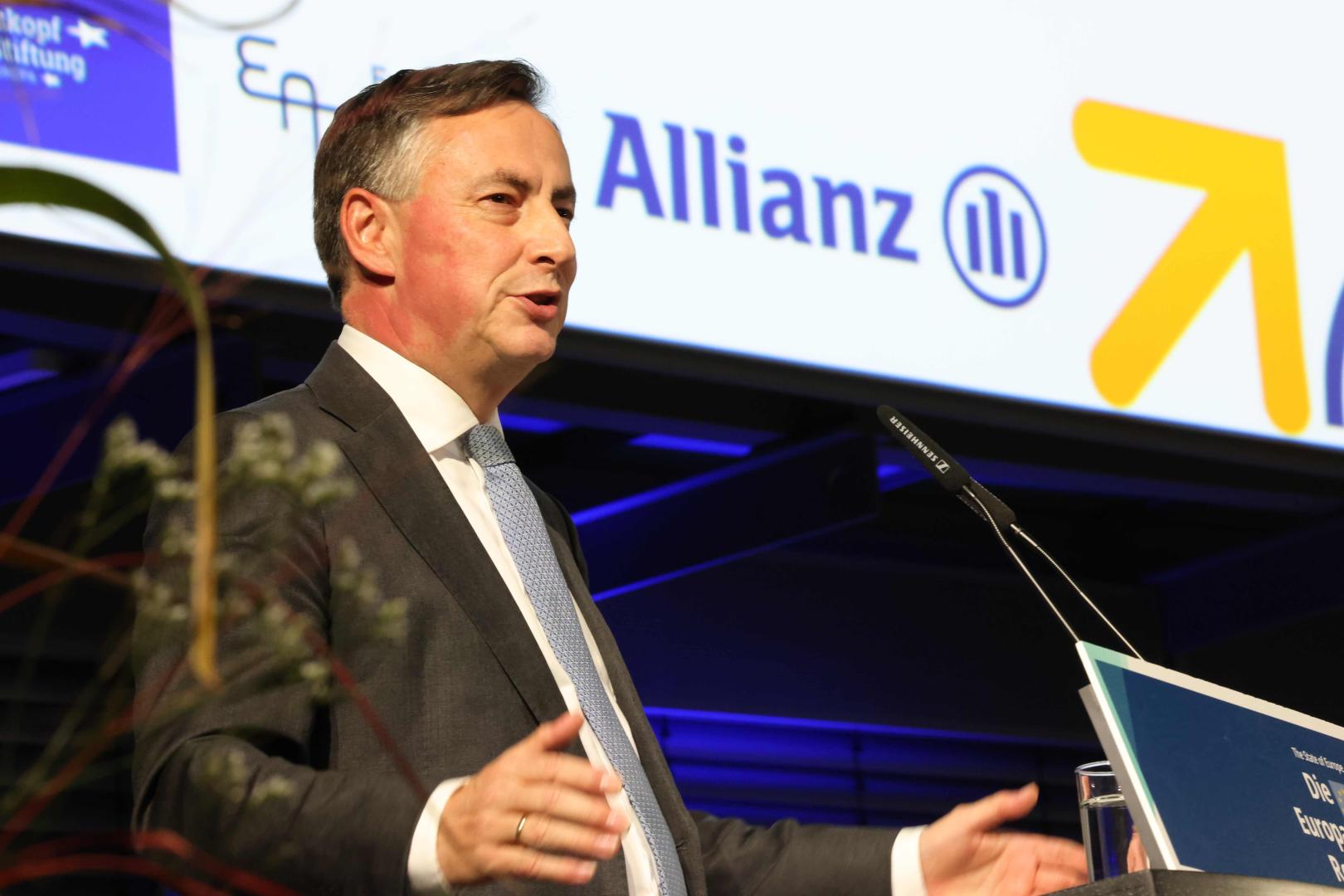
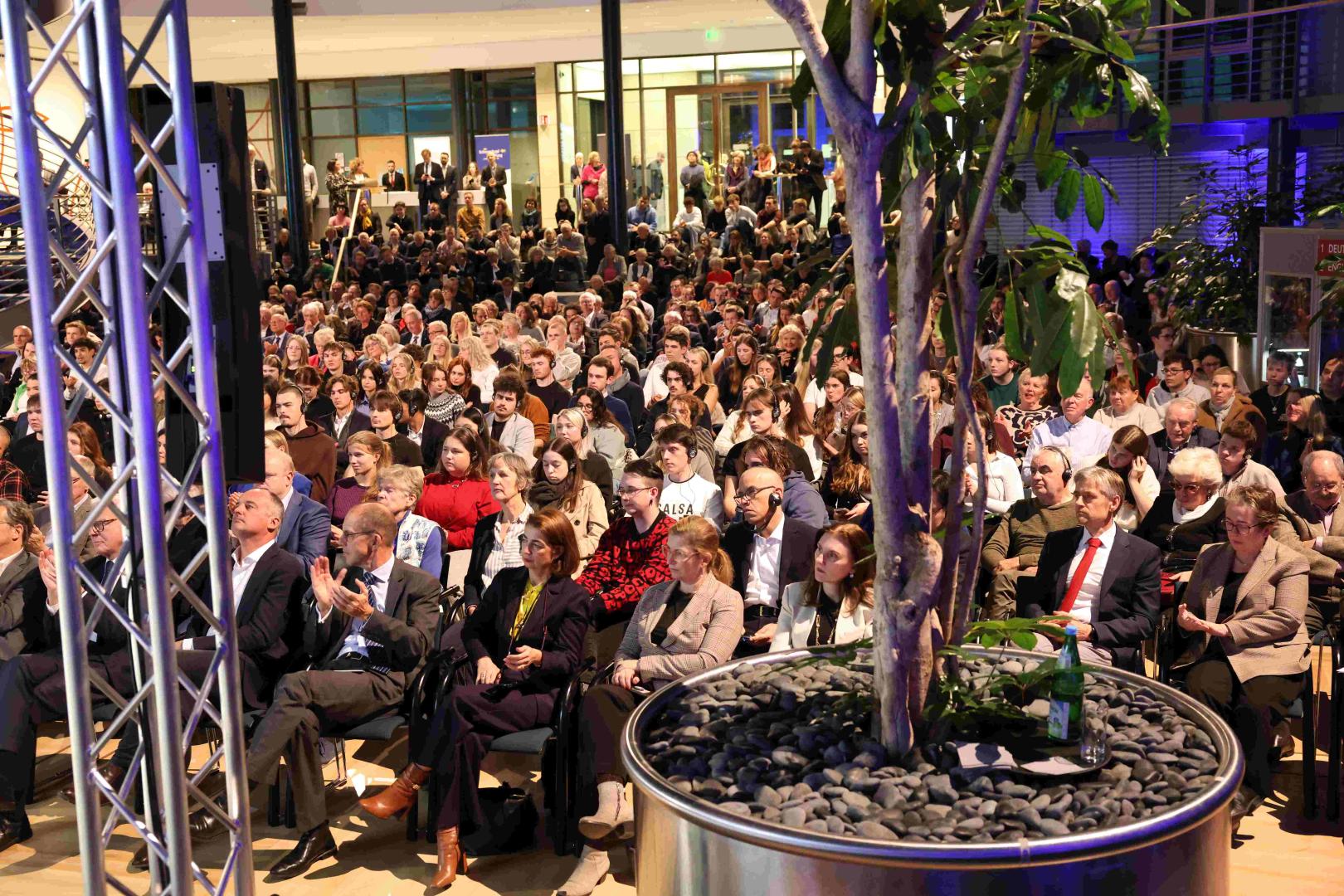
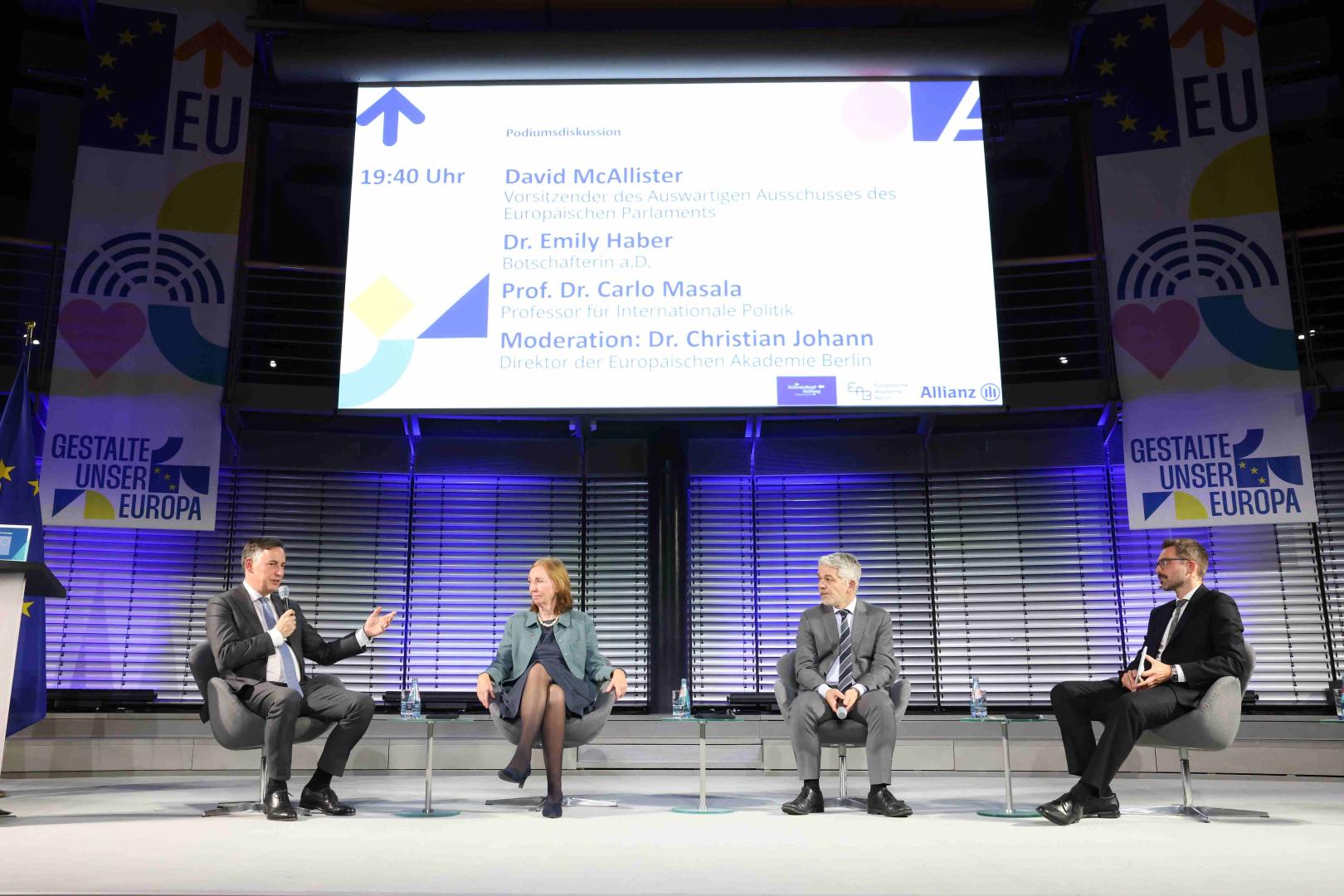
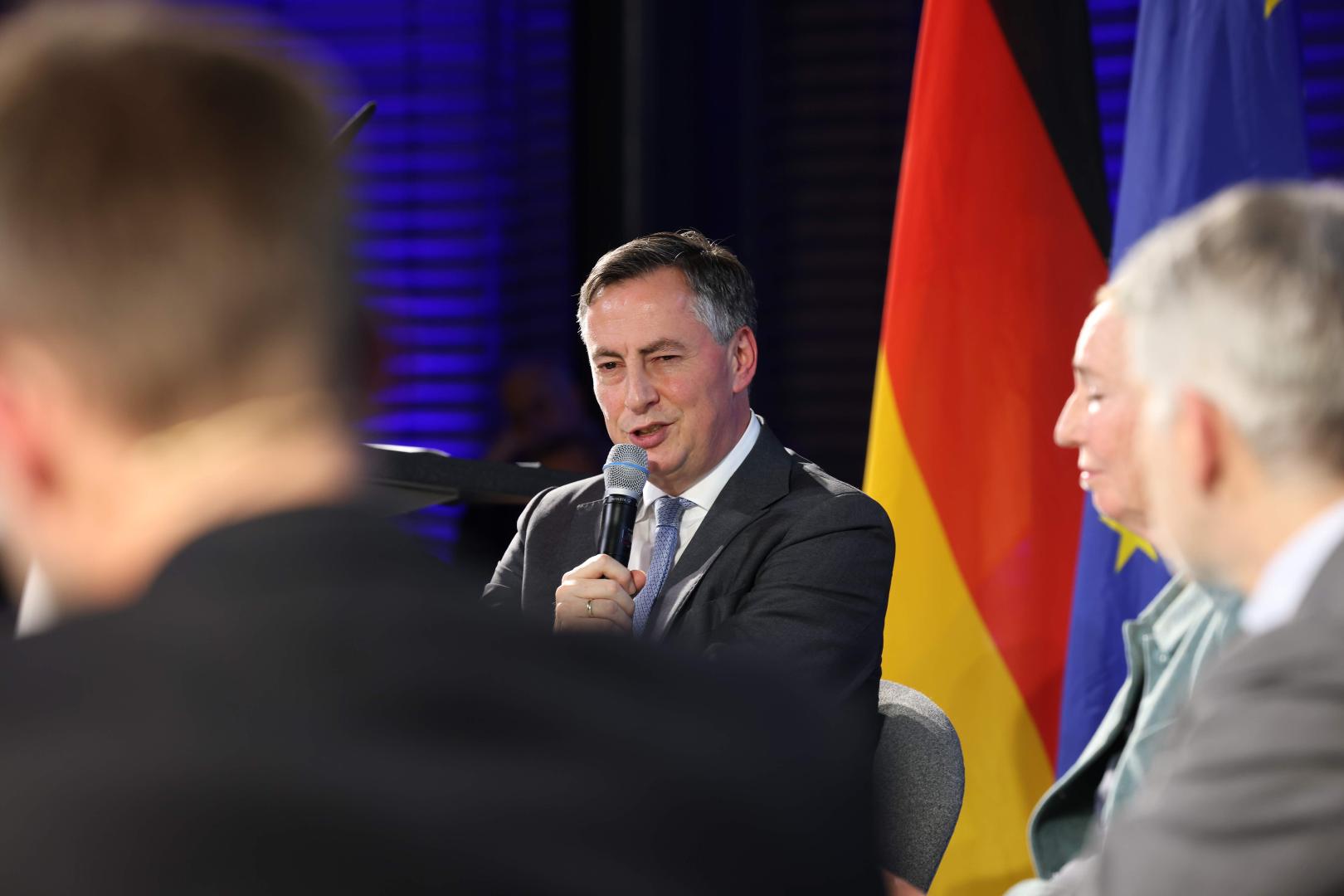
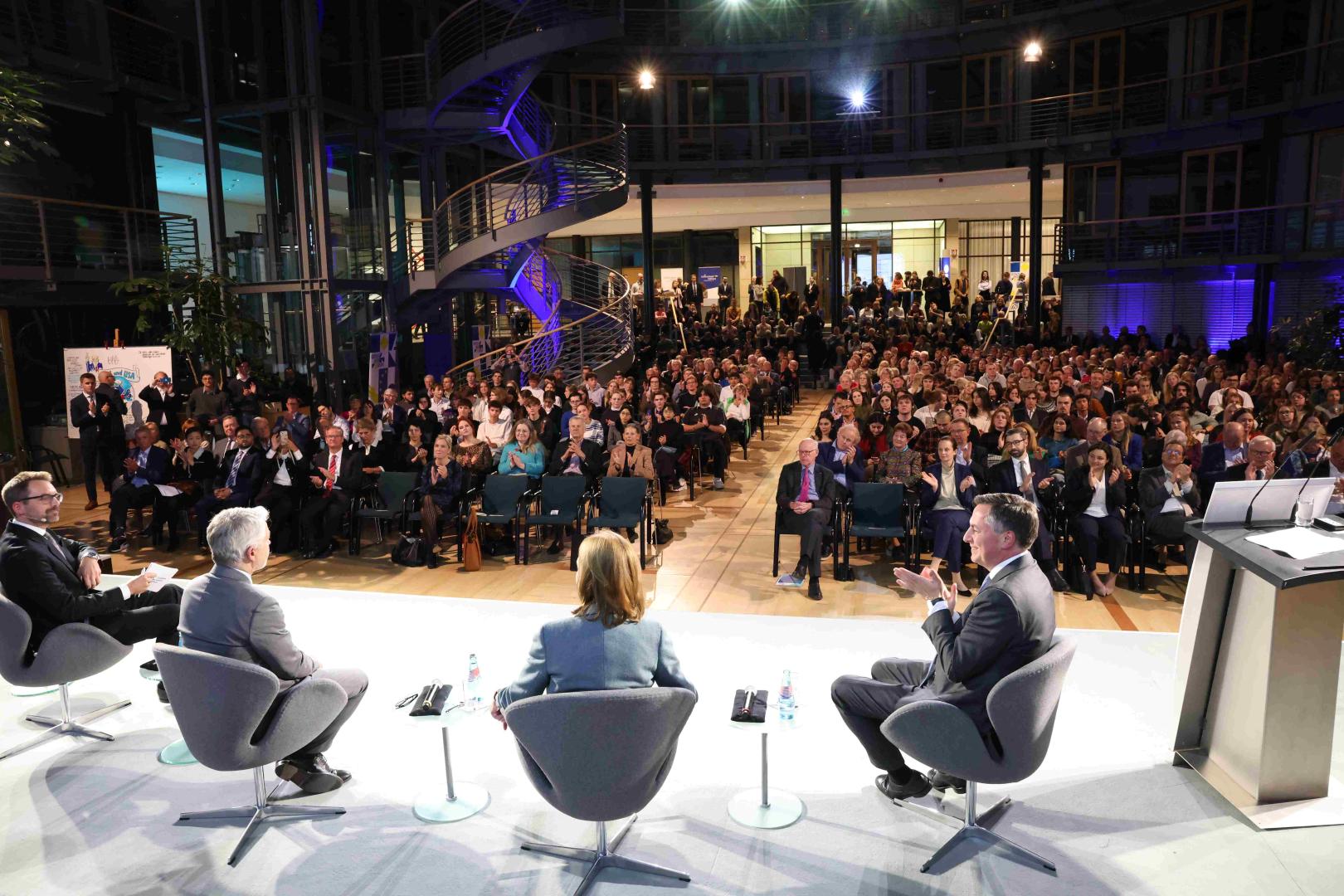
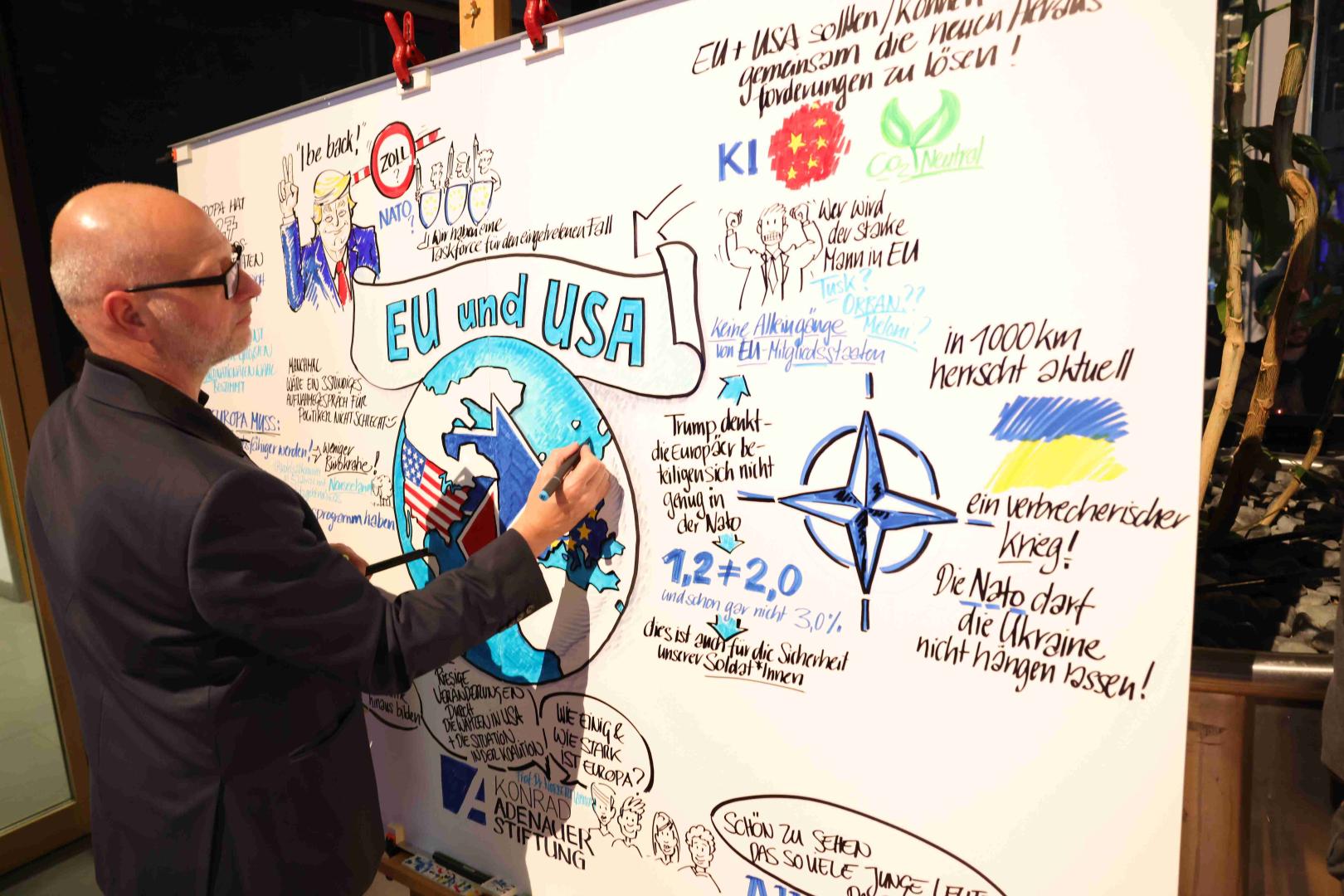
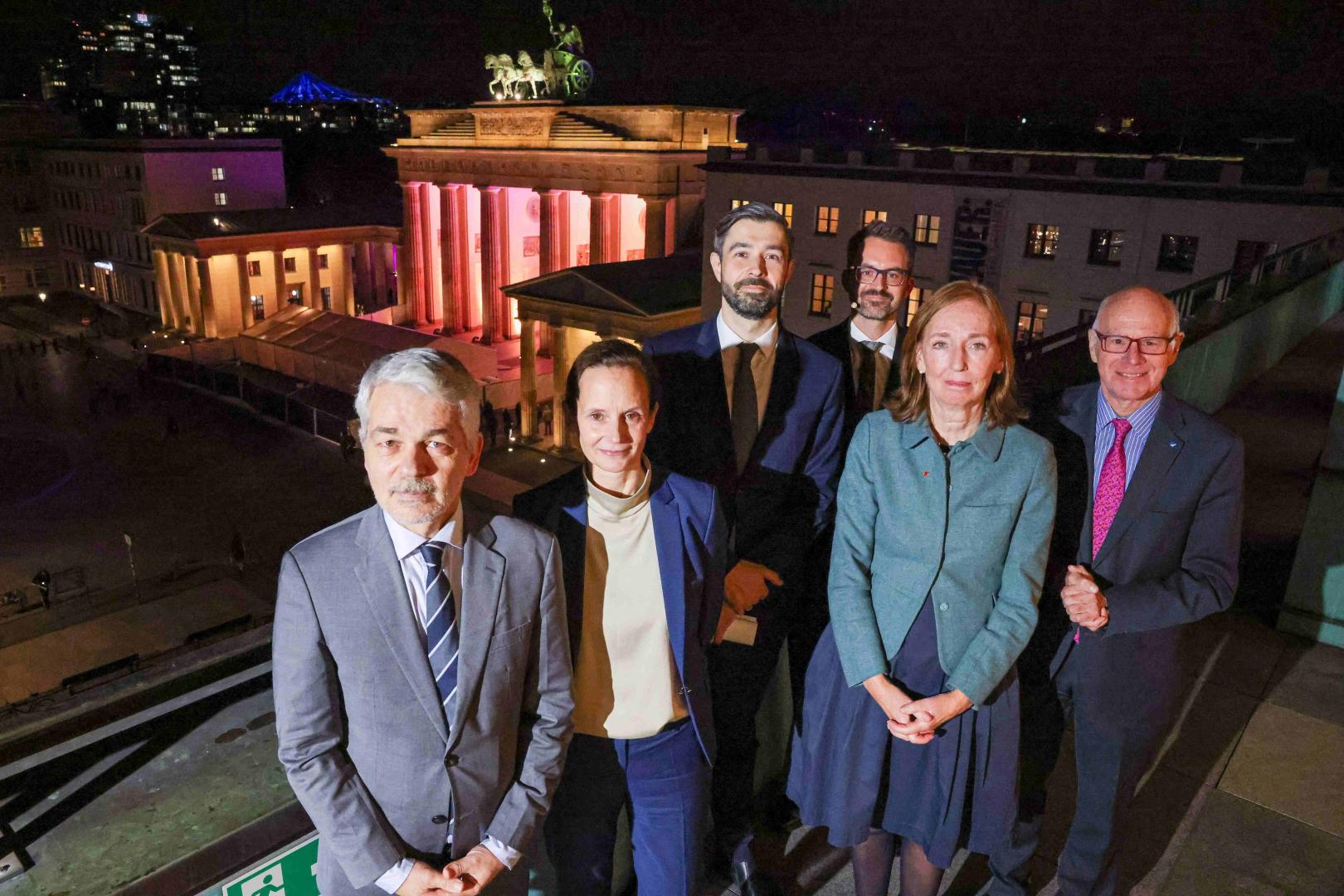
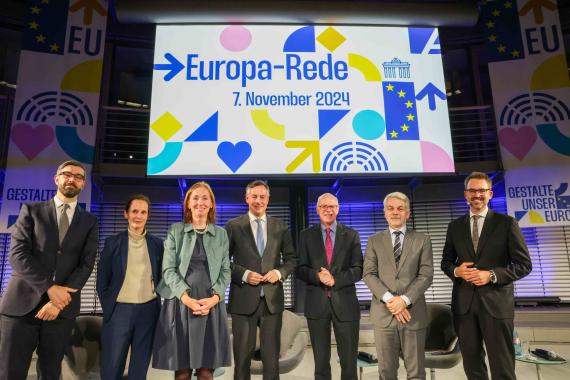
The 15th State of Europe focused on the US presidential elections and their impact on the future of the European-American partnership. David McAllister, Chair of the European Parliament's Foreign Affairs Committee, emphasised the need for unity, particularly with regard to a future-proof EU foreign and security policy.
‘Prosperity, security and freedom are not natural states’
In order to project strength externally, the EU must be united internally, McAllister declared: ‘We will not allow the radicals on the far right and far left to destroy our united Europe. Prosperity, security and freedom are not natural states, but must be defended anew every day.’ To this end, the EU must overcome challenges in the areas of competitiveness, climate policy, migration policy, security policy and the EU's institutional capacity to act with a view to enlargement. The US remains the most important security and trading partner.
‘We are seeing a real shift in the United States’
Dr Emily Haber, former German ambassador to the US, highlighted the fundamental political change taking place in the United States in the subsequent panel discussion: ‘We are in a completely new experimental setup. We are seeing a real shift in the United States.” Donald Trump is the voice of this change, according to Haber.
Prof. Dr. Carlo Masala, Professor of International Politics at the Faculty of Political and Social Sciences at the University of the Bundeswehr in Munich, emphasised in the discussion that ‘Europeans must put more money on the table to keep NATO alive. Trump will not keep the EU alive on security issues if there is nothing in return.’
2023
 KAS / Tina Flemming
 KAS / Tina Flemming
 KAS / Tina Flemming
 KAS / Tina Flemming
 KAS / Tina Flemming
 KAS / Tina Flemming
 KAS / Tina Flemming
 KAS / Tina Flemming
 KAS / Tina Flemming
 KAS / Tina Flemming
 KAS / Tina Flemming
 KAS / Tina Flemming
 KAS / Tina Flemming
 KAS / Tina Flemming
KAS / Tina Flemming
KAS / Tina Flemming
KAS / Tina Flemming
KAS / Tina Flemming
KAS / Tina Flemming
KAS / Tina Flemming
KAS / Tina Flemming
KAS / Tina Flemming
KAS / Tina Flemming
KAS / Tina Flemming
KAS / Tina Flemming
KAS / Tina Flemming
KAS / Tina Flemming
KAS / Tina Flemming
KAS / Tina Flemming
KAS / Tina Flemming
KAS / Tina Flemming
KAS / Tina Flemming
KAS / Tina Flemming
KAS / Tina Flemming
KAS / Tina Flemming
KAS / Tina Flemming
KAS / Tina Flemming
KAS / Tina Flemming
KAS / Tina Flemming
KAS / Tina Flemming
KAS / Tina Flemming
KAS / Tina Flemming
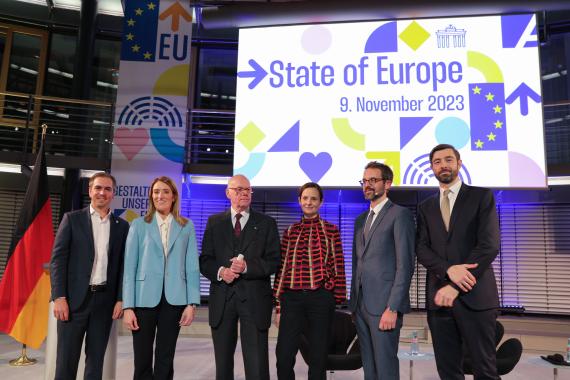
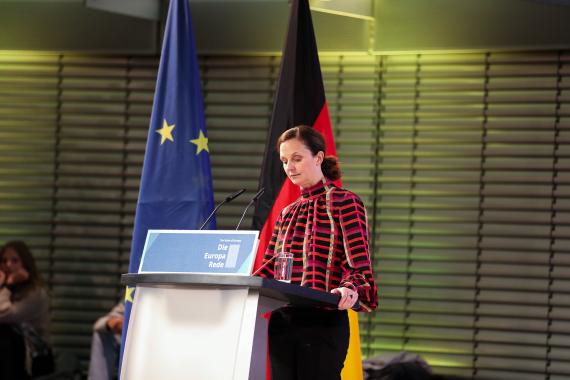
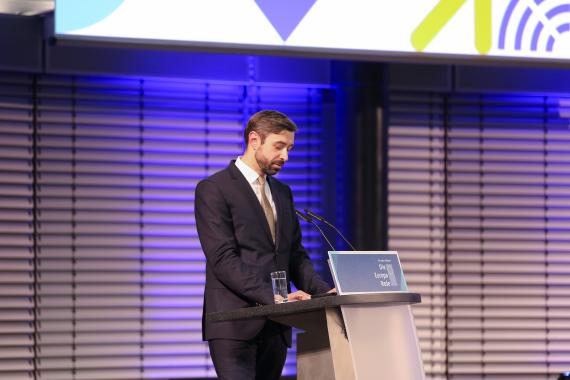
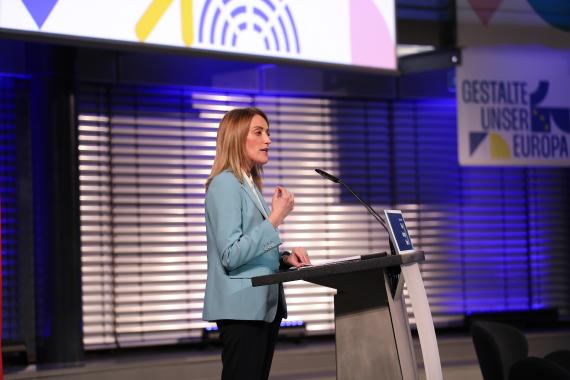
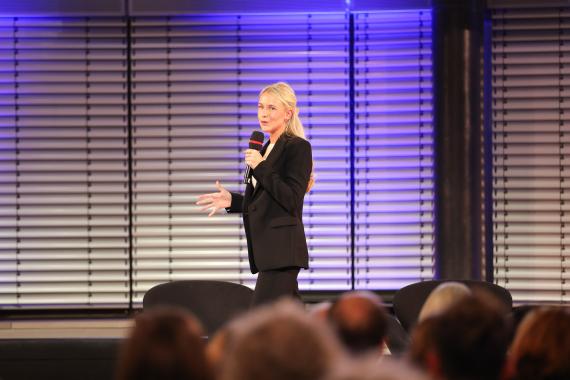
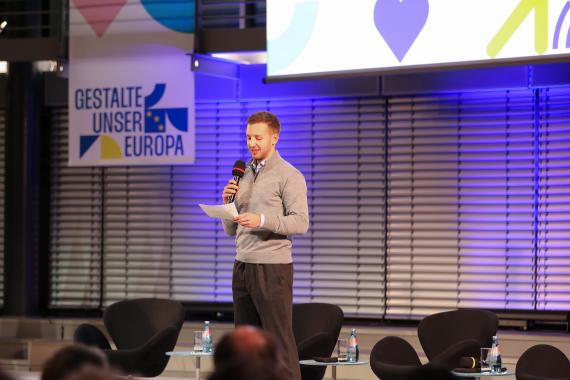
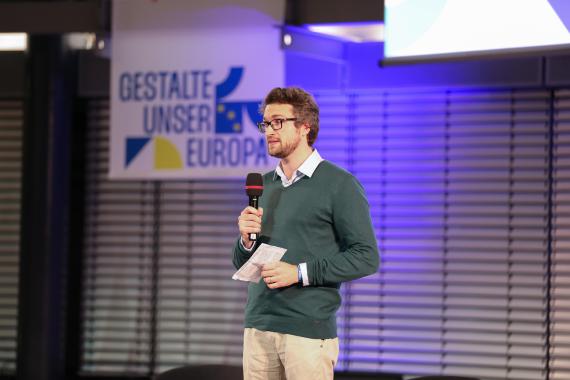
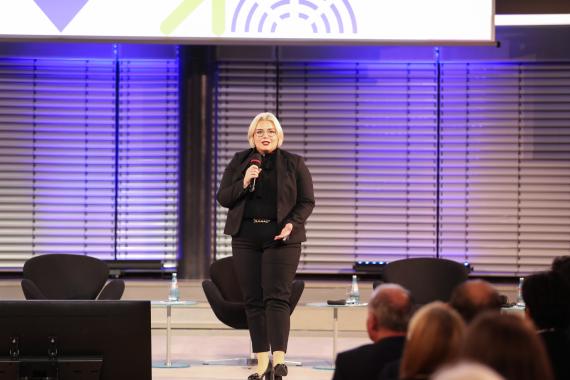
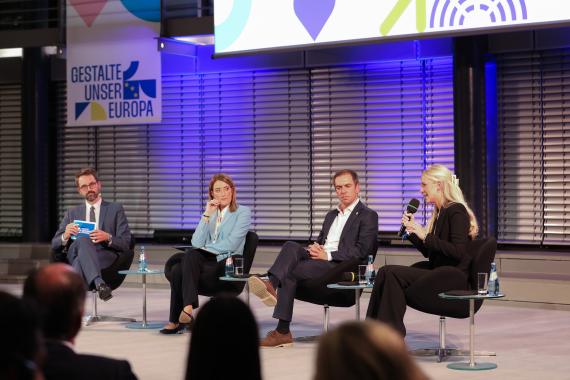
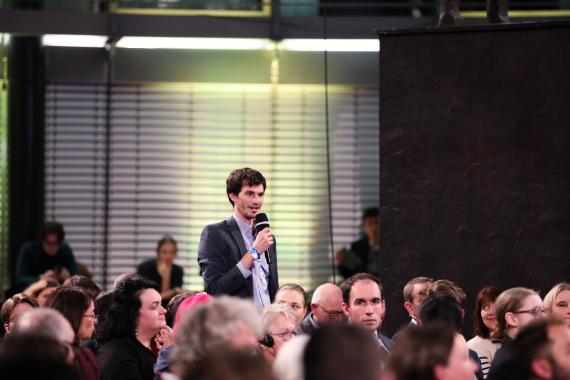
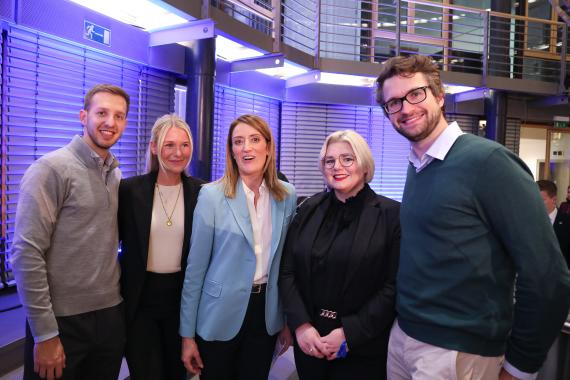
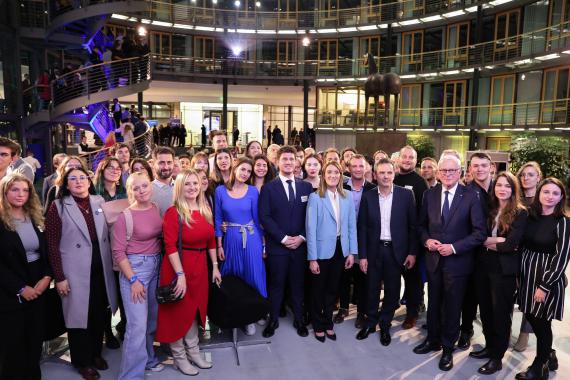
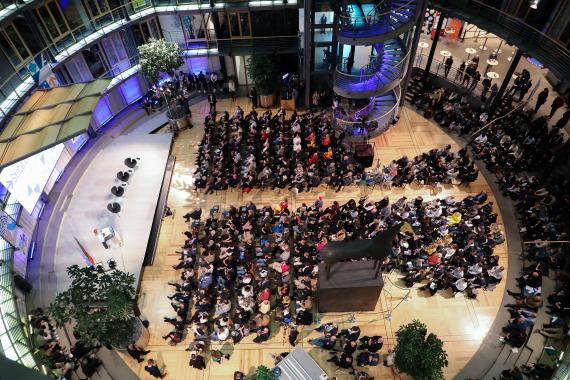
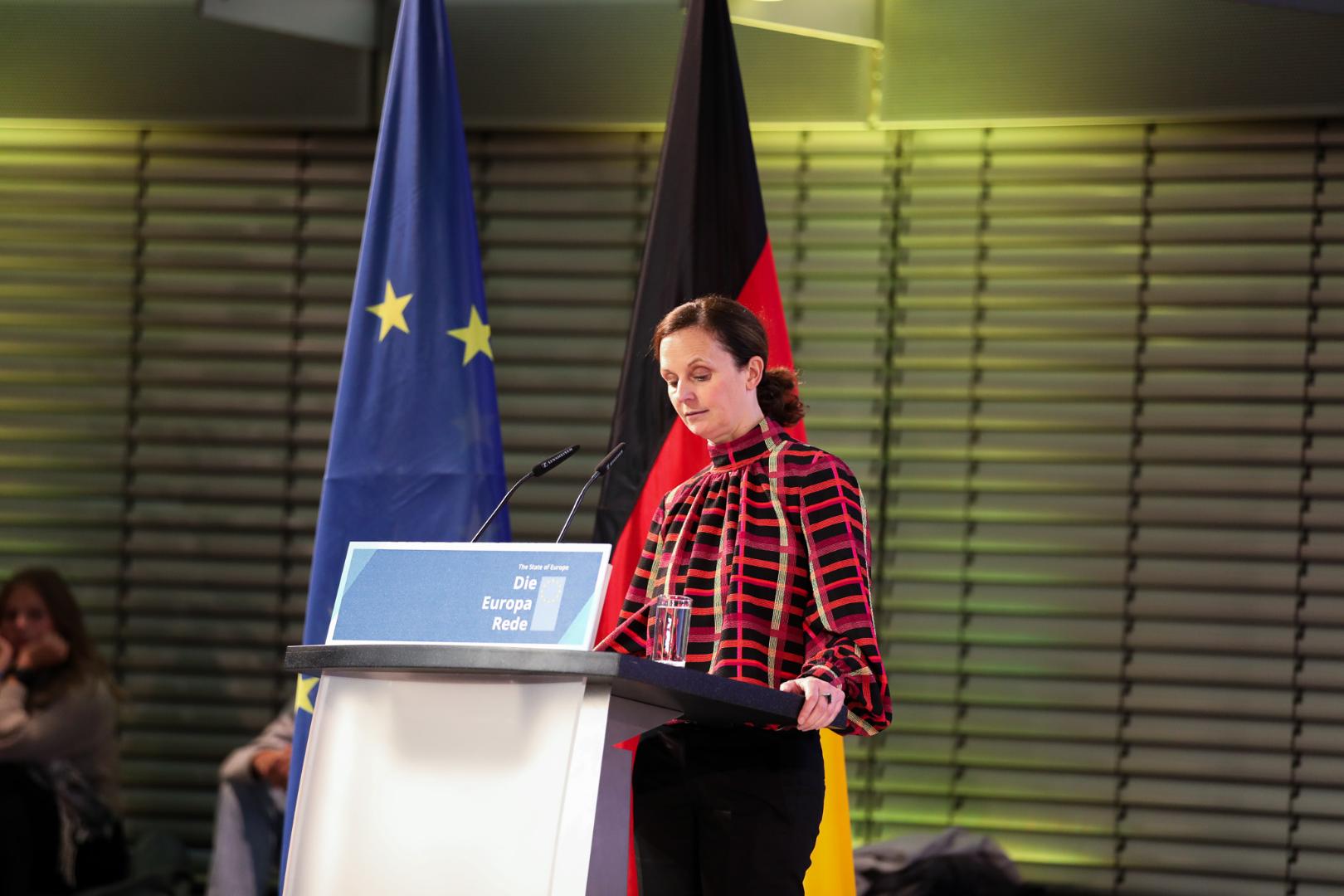
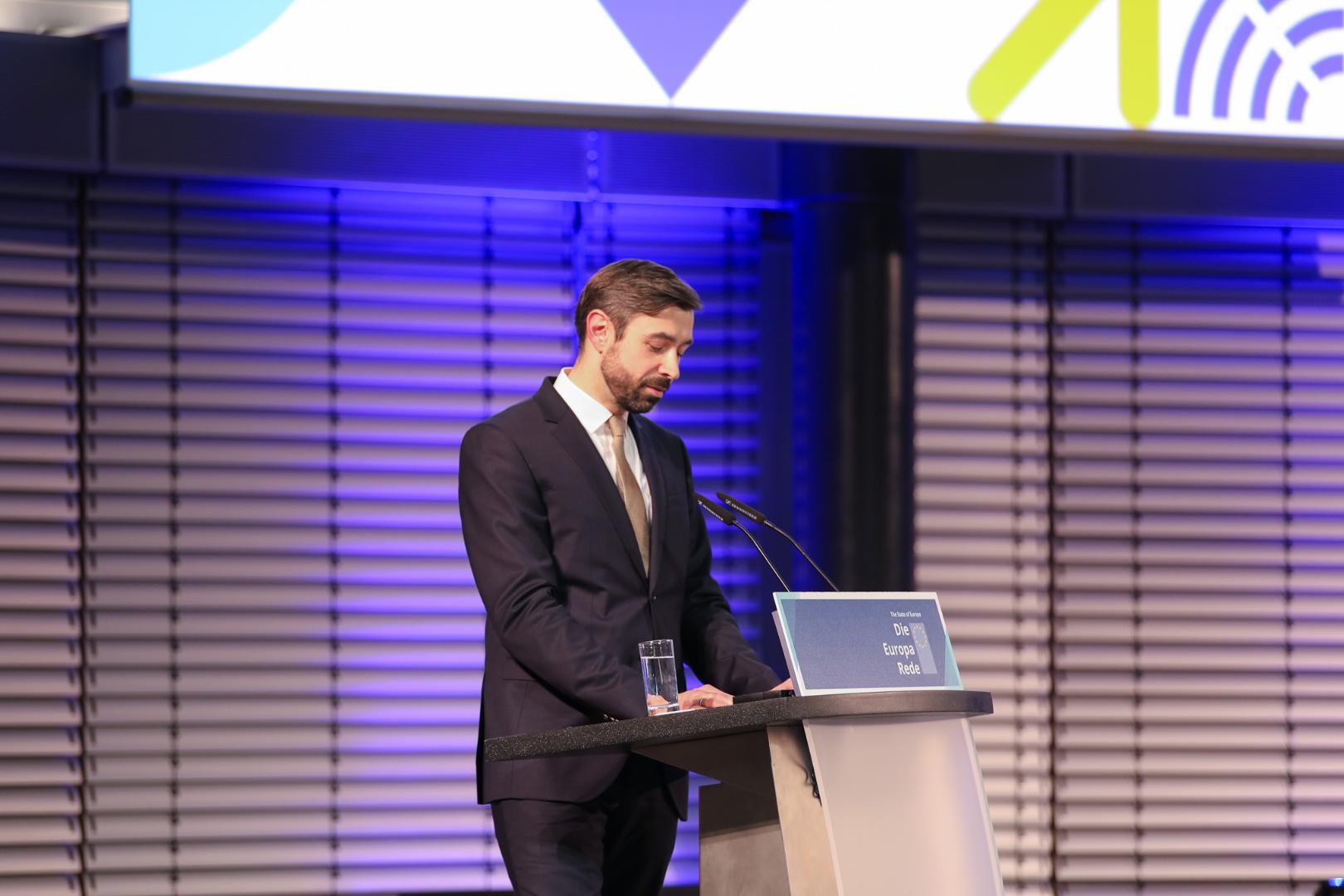
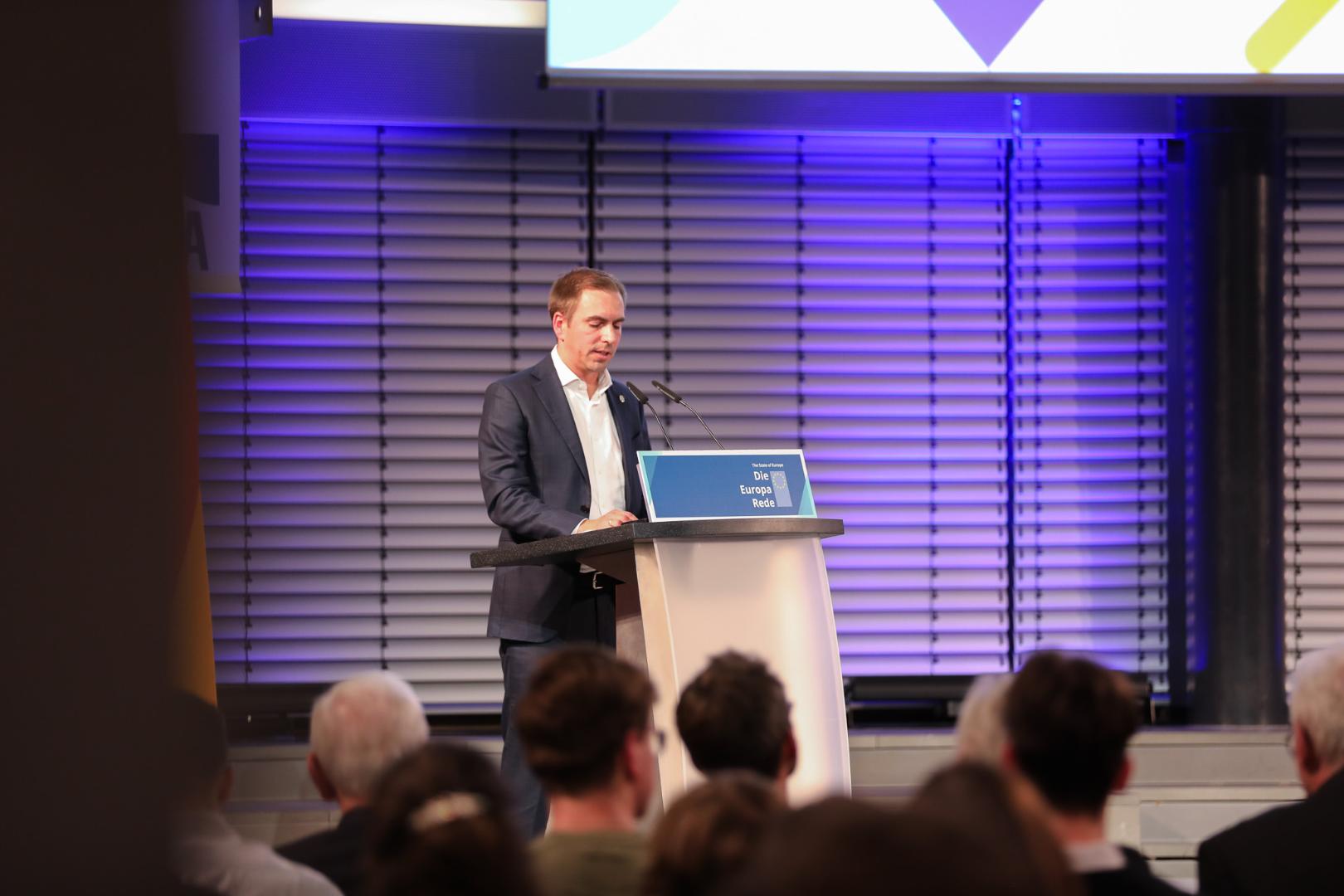
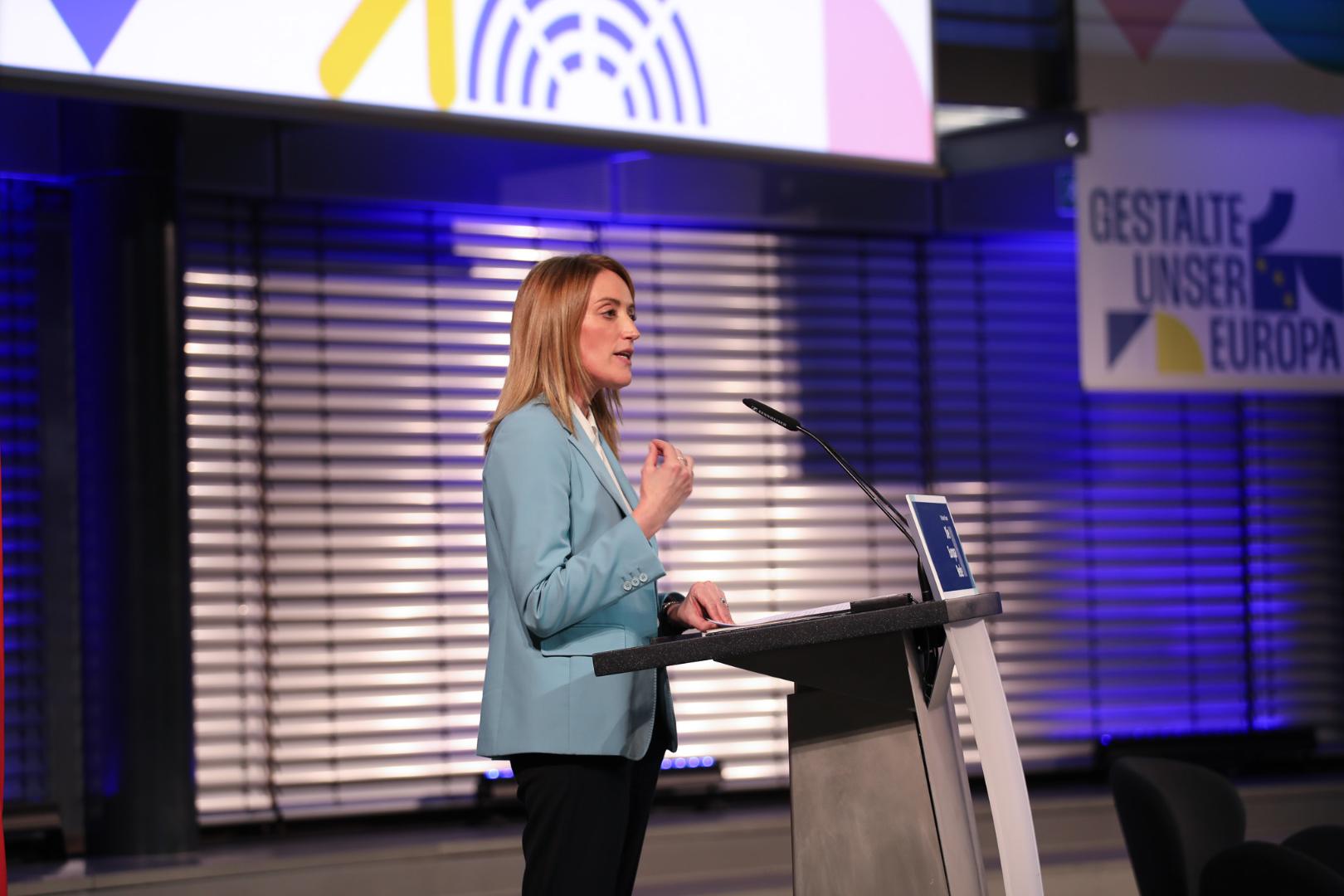
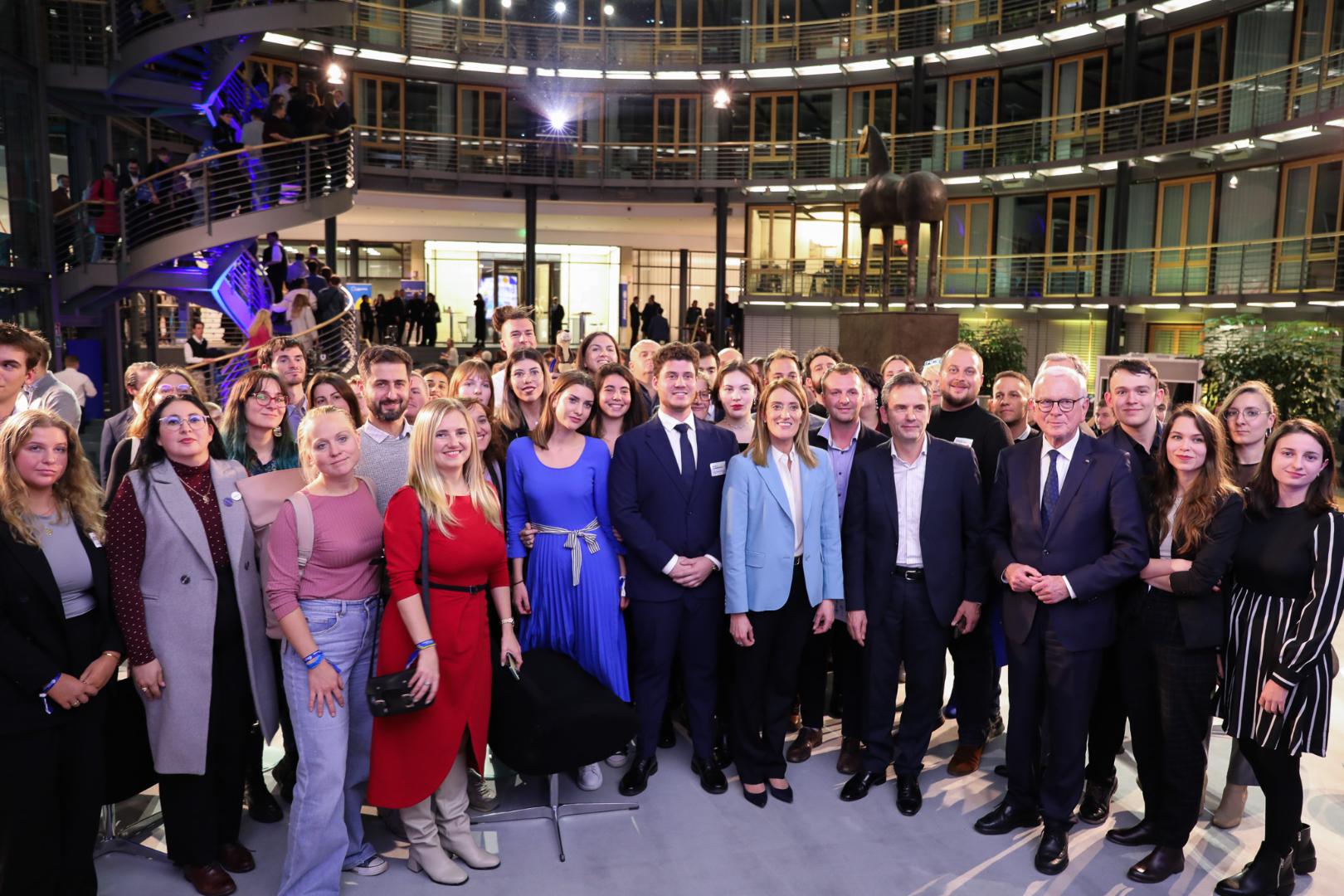
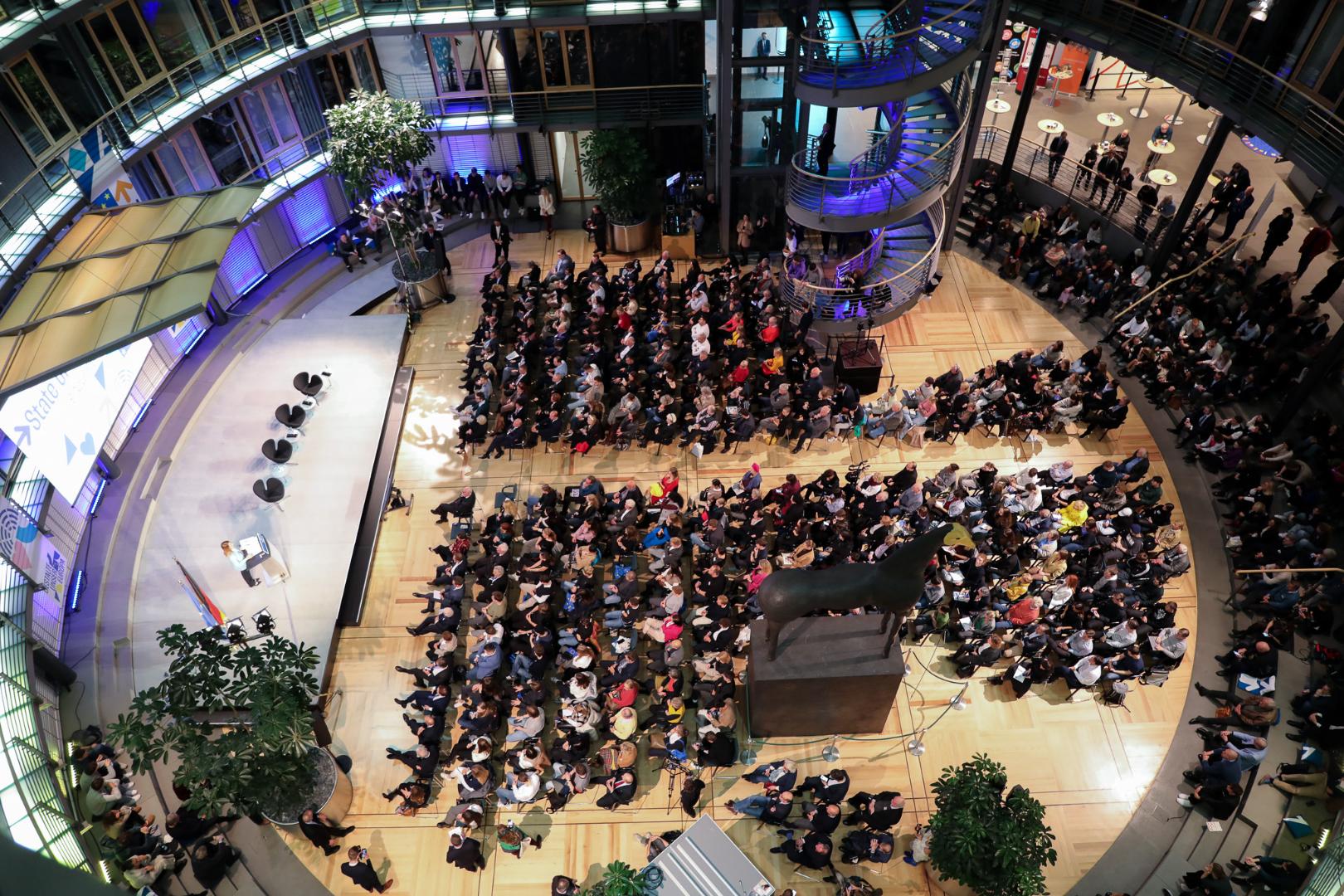
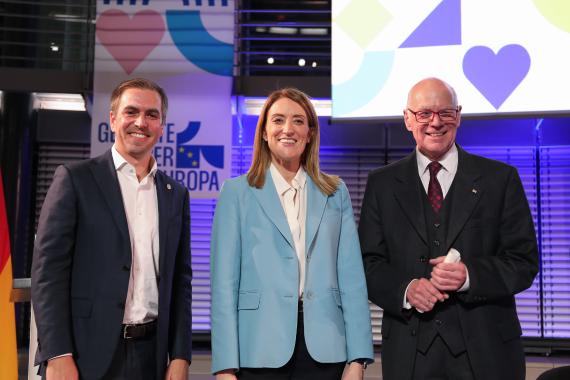
On 9 November 2023, Roberta Metsola, President of the European Parliament, delivered the 14th State of Europe and provided impetus for a future-proof Europe.
There can only be a ‘political solution’
In her speech, Metsola addressed the events in the Middle East and made it clear: ‘How we deal with this will determine the future of the region and the future of Europe.’ One thing is clear: ‘These terrible acts were committed by a terrorist organisation. We must be clear that Hamas does not represent the legitimate aspirations of the Palestinian people.’
‘Sports clubs are places where democracy is lived out’
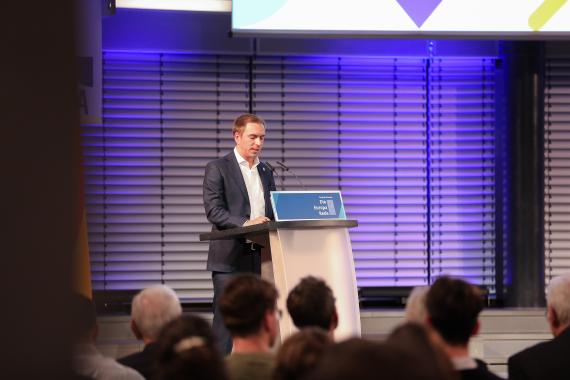
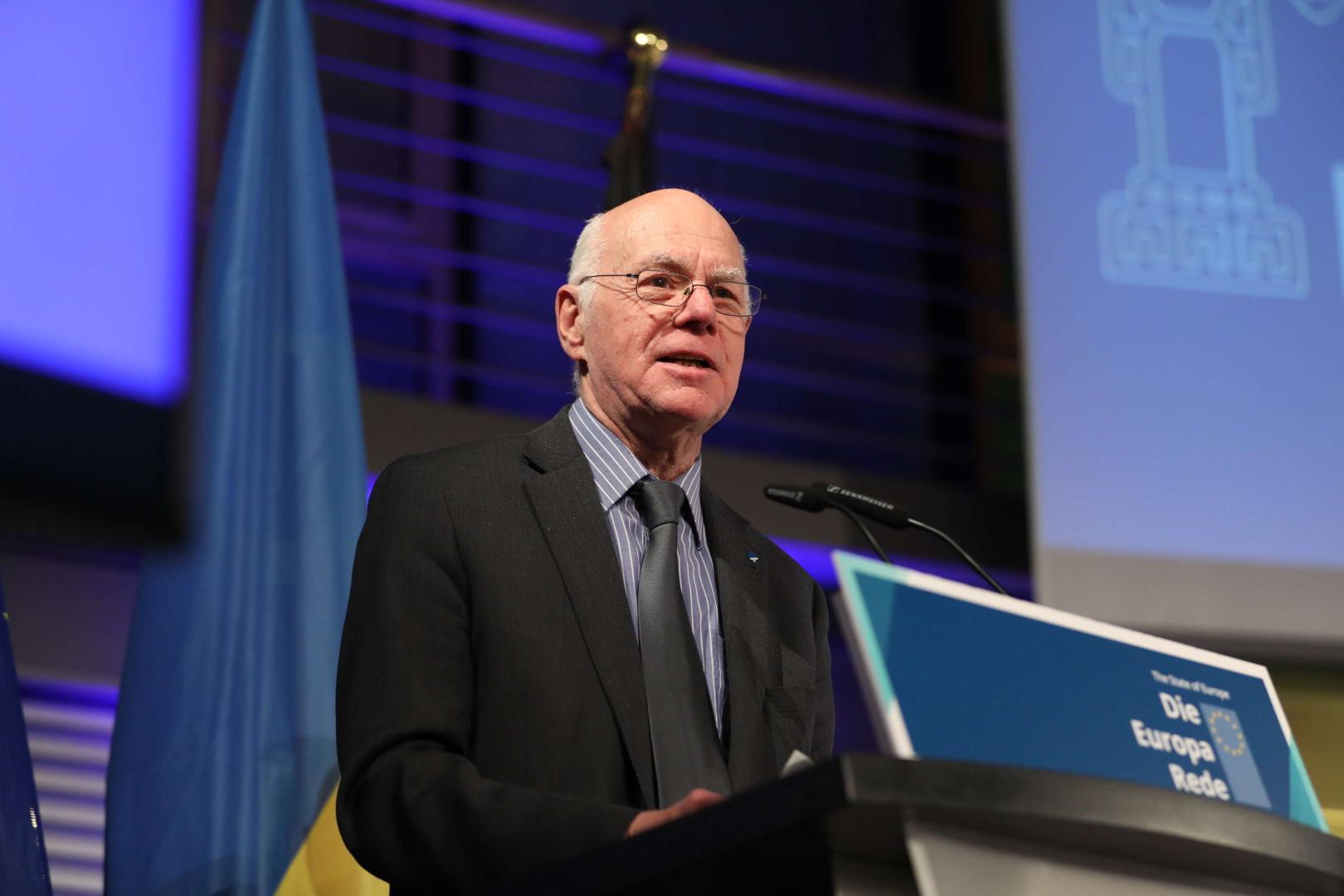
Foundation Chairman Prof. Dr Norbert Lammert explained that with the European Parliament elections and EURO 2024 next year, there will be two outstanding European events. Even though the two events are different, they are both associated with ‘expectations, hopes and perhaps also fears,’ as Philipp Lahm, tournament director of the 2024 European Football Championship, also mentioned in his welcoming address.
With 200,000 football clubs in Europe, Philipp Lahm sees the sport as a ‘connecting and mobilising element’. Europe is not a matter of course, but a destiny that can be determined by oneself.
KAS Makerthon Europe
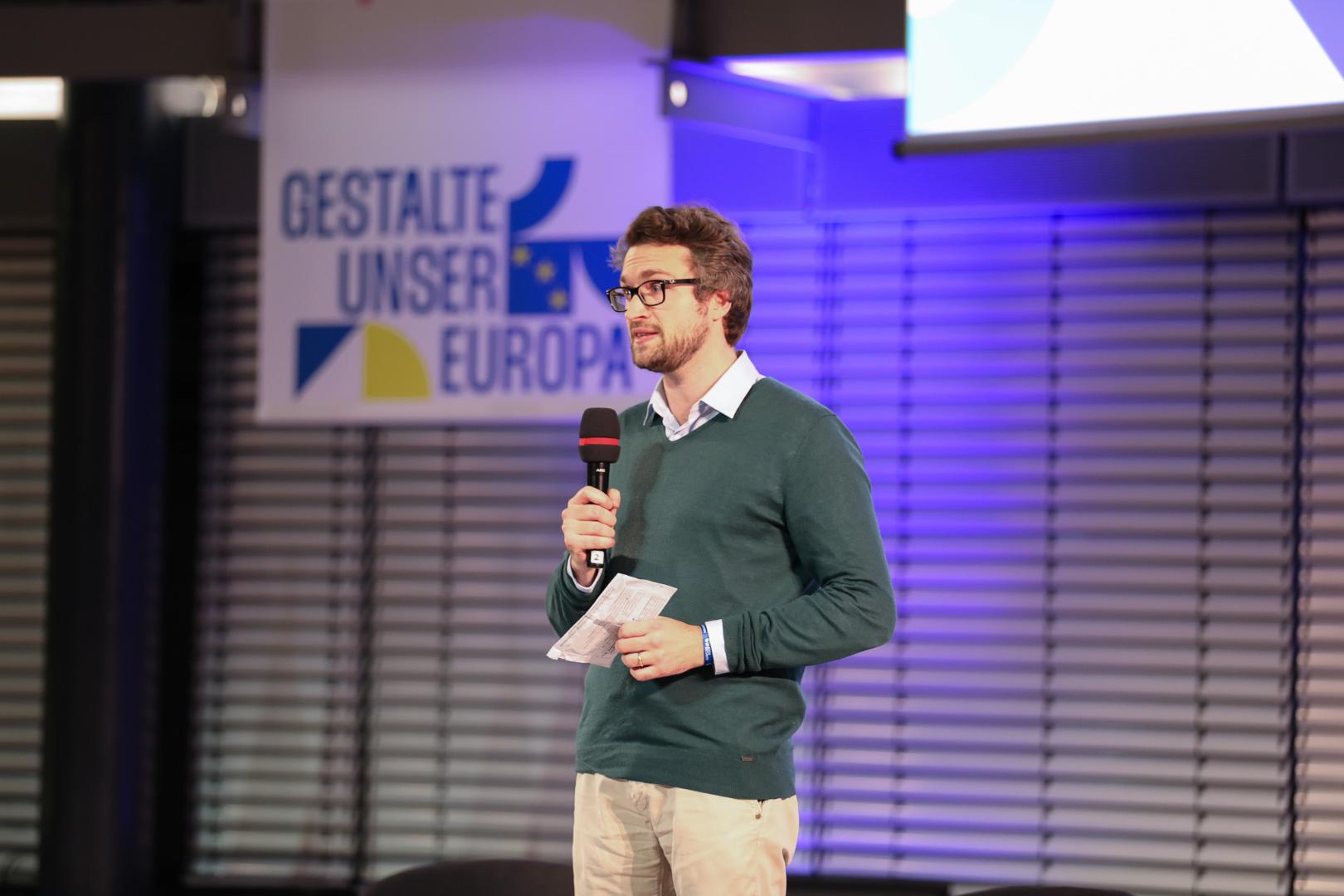
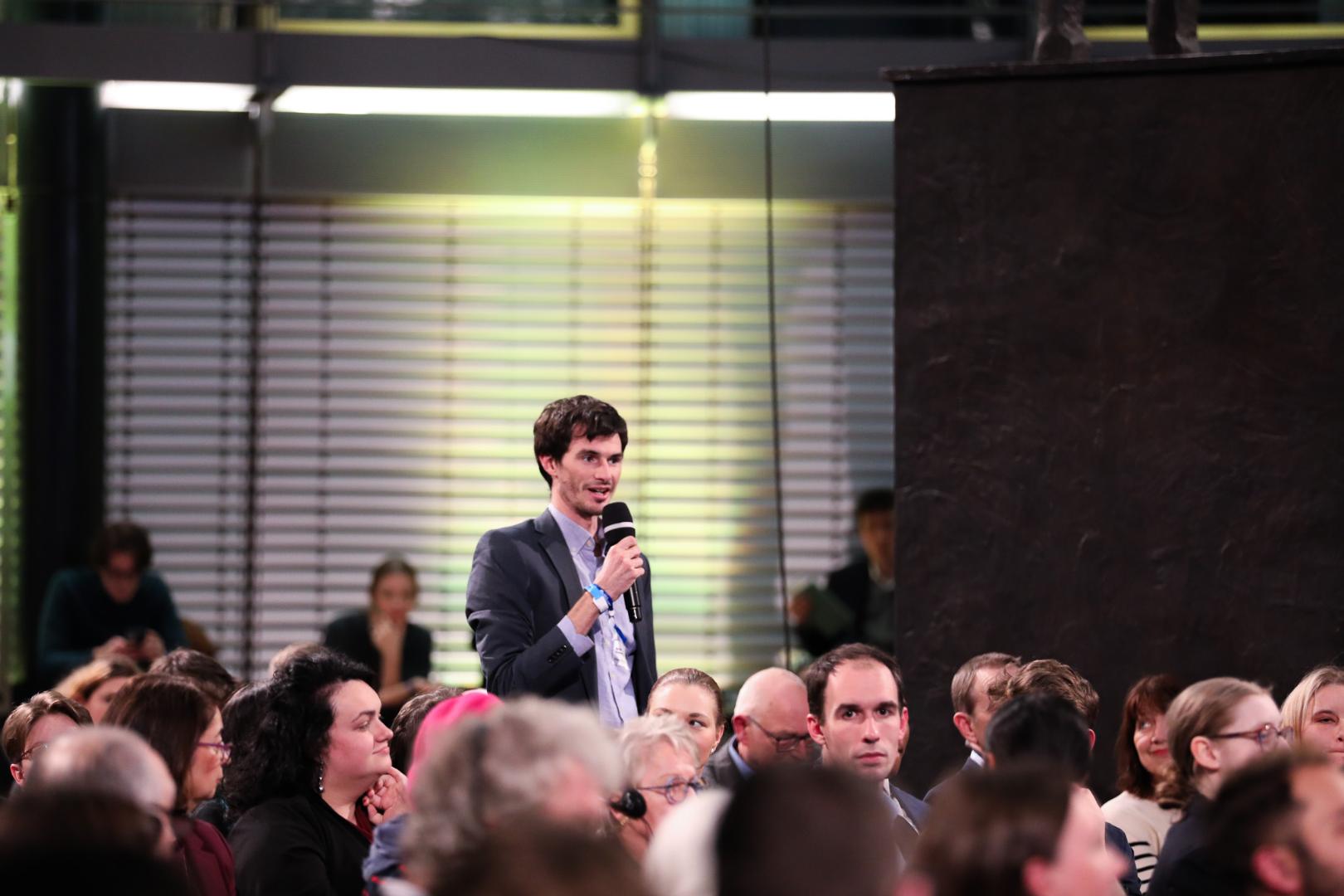
This was followed by four pitches from committed young Europeans on the challenges facing climate policy, competition, increasing polarisation and the role of the EU. Kim Prox advocated an EU buddy programme for networking and cultural exchange and won the vote with 39 percent.
2022
 Juliane Liebers
 Juliane Liebers
 Juliane Liebers
 Juliane Liebers
 Juliane Liebers
 Juliane Liebers
 Juliane Liebers
Juliane Liebers
Juliane Liebers
Juliane Liebers
Juliane Liebers
Juliane Liebers
Juliane Liebers
Juliane Liebers
Juliane Liebers
Juliane Liebers
Juliane Liebers
Juliane Liebers
Juliane Liebers
Juliane Liebers
Juliane Liebers
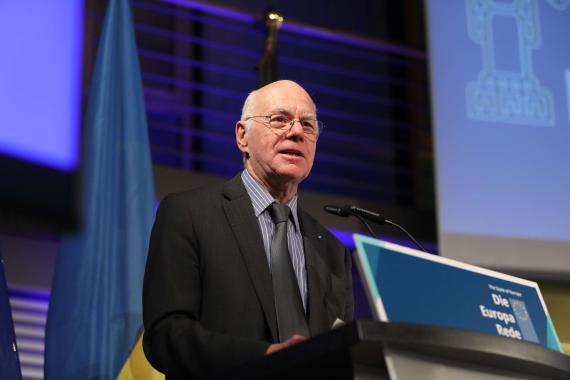
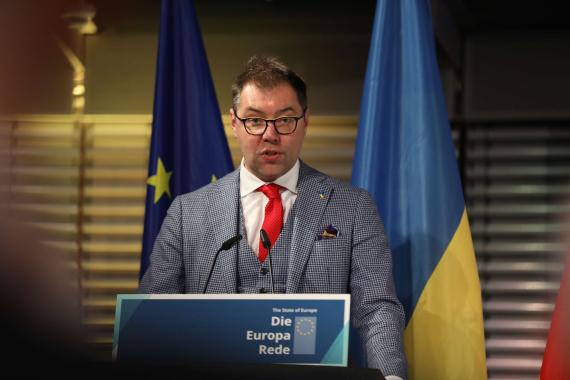
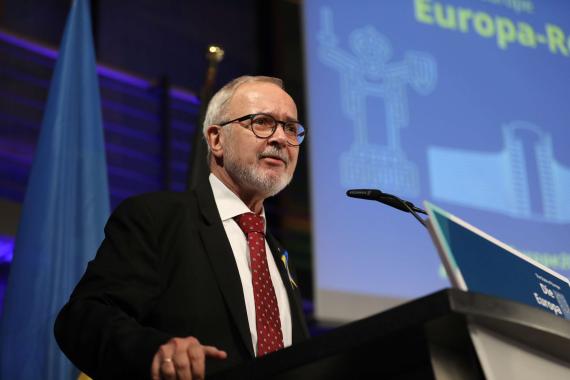
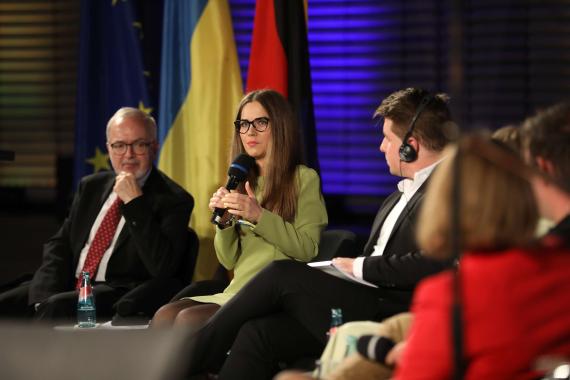
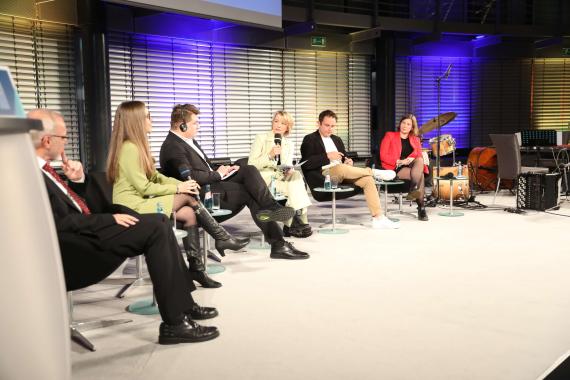
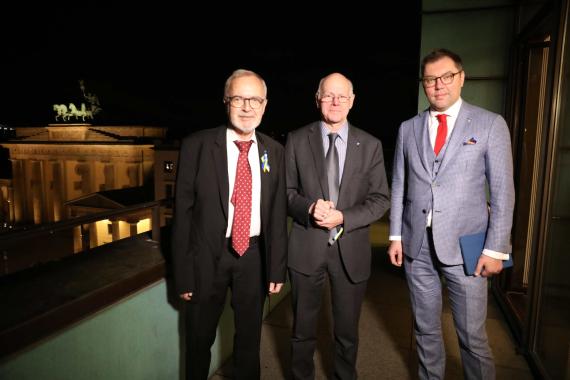
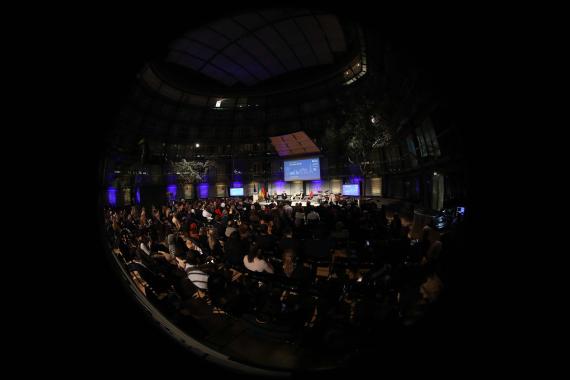
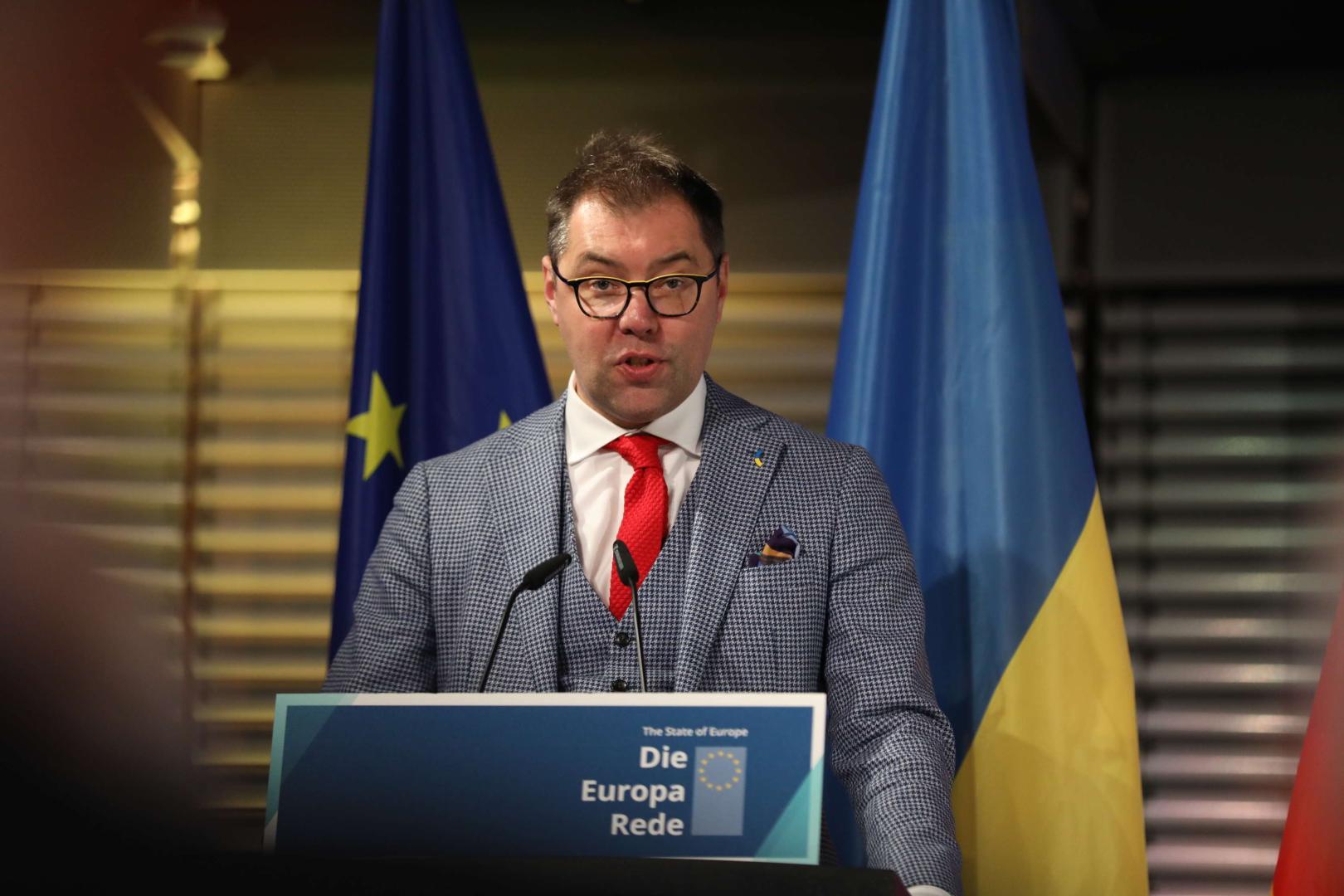
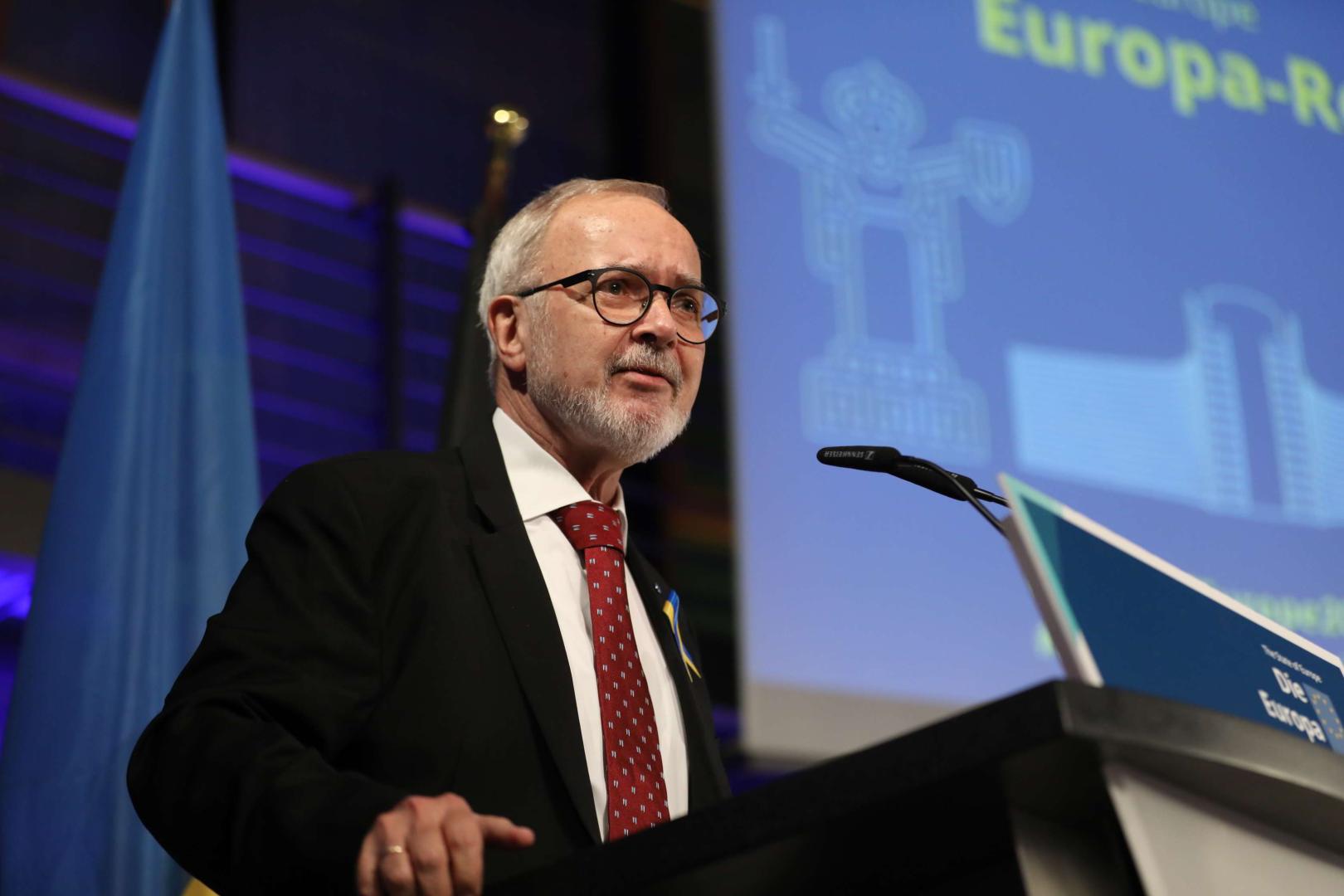
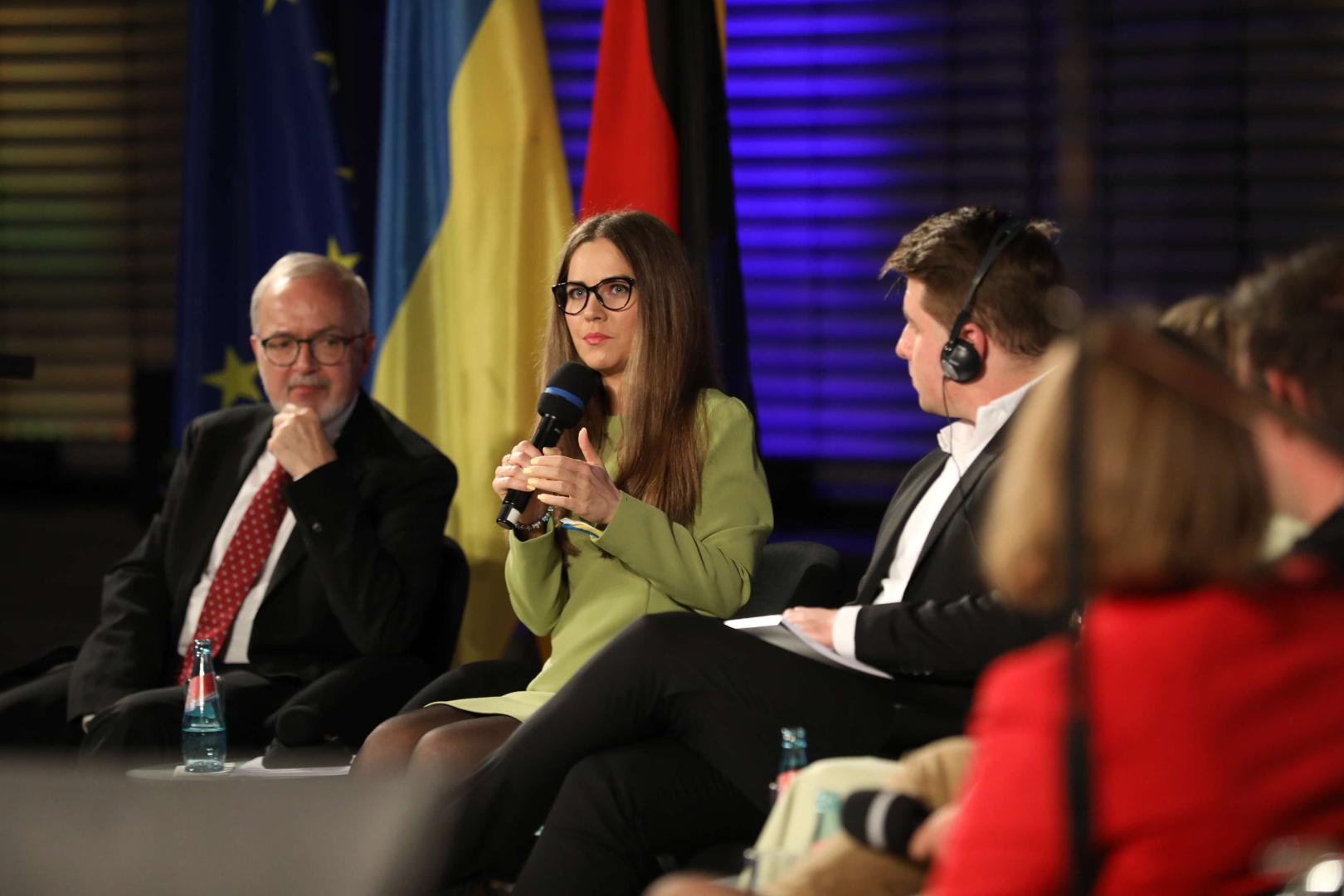
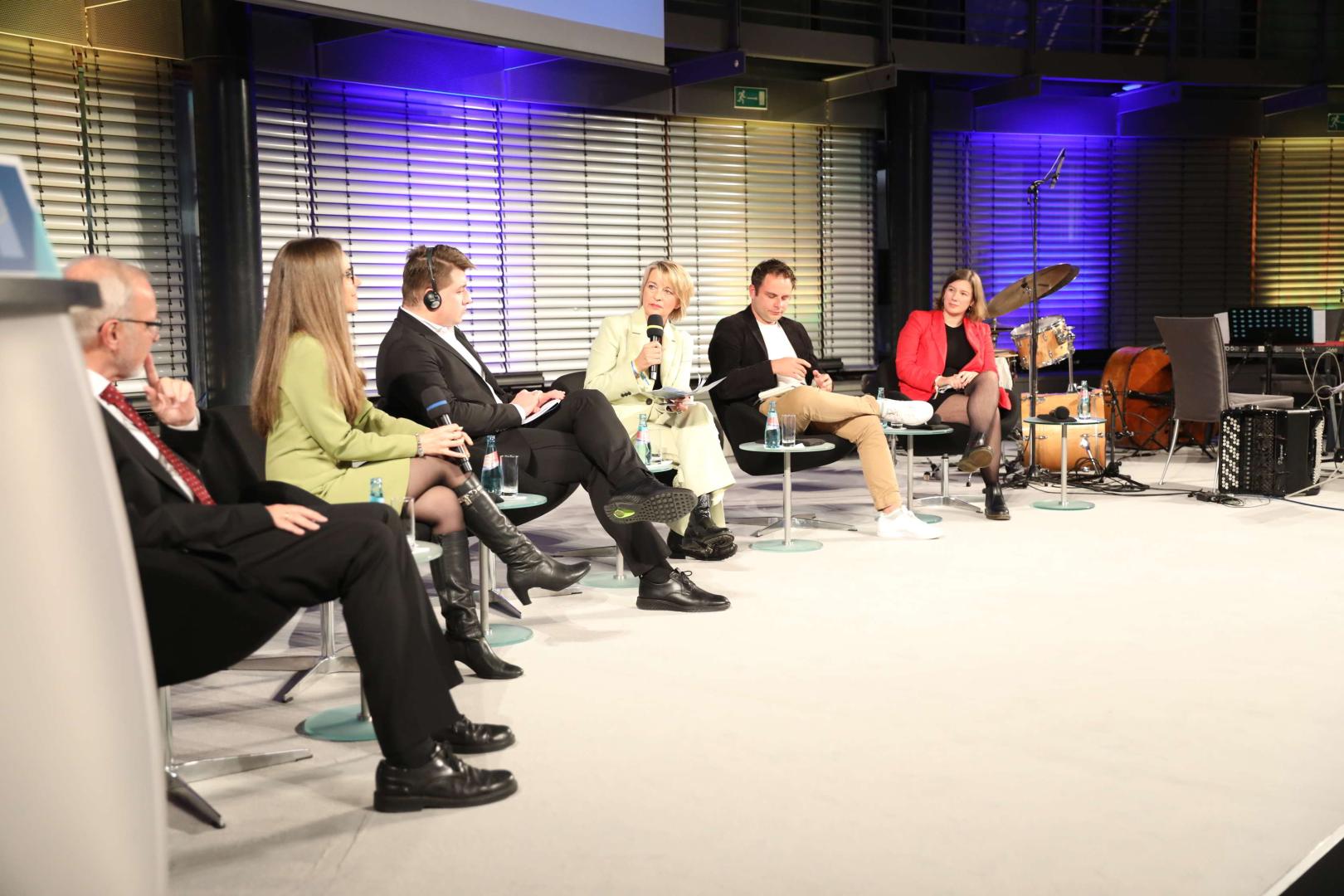
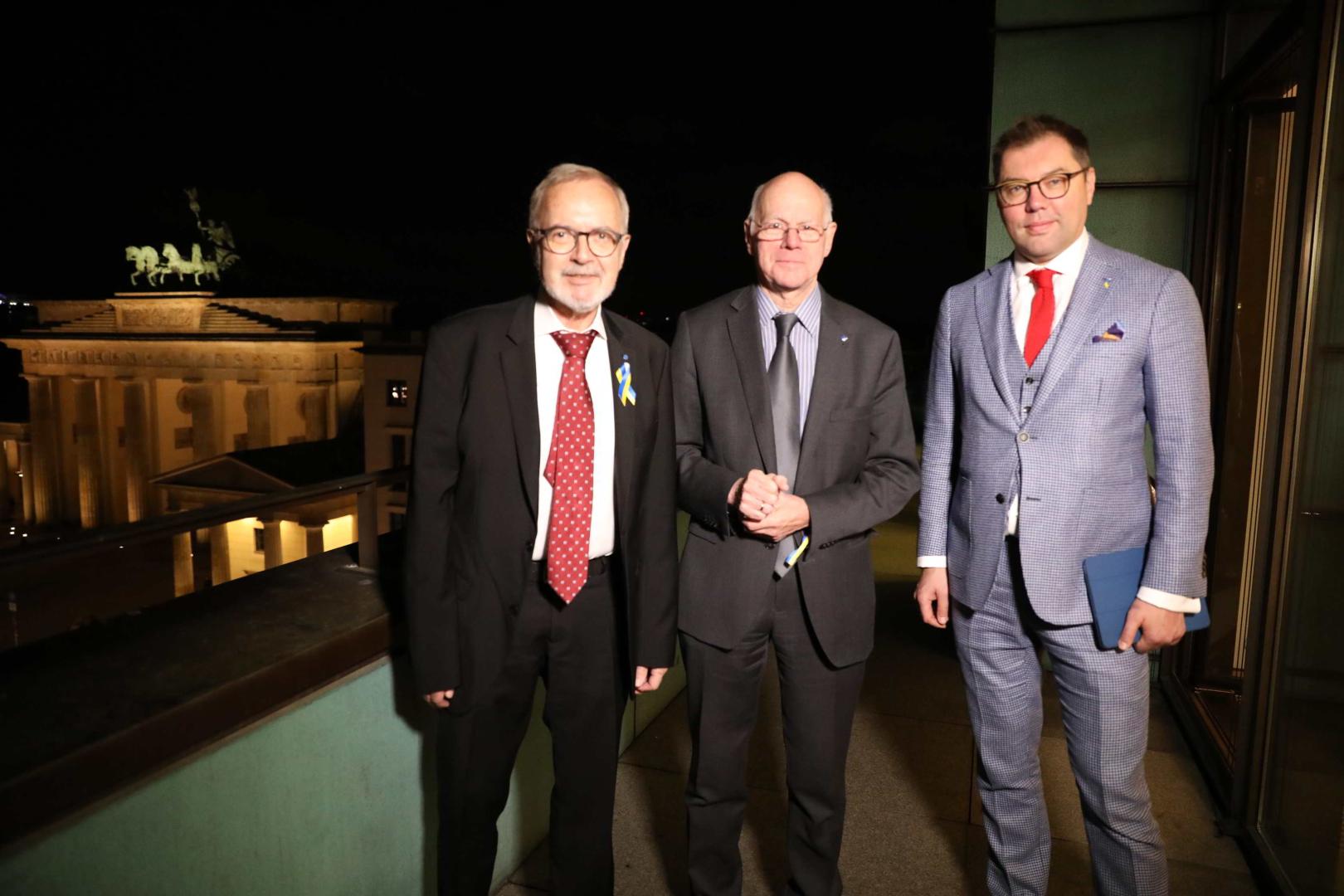
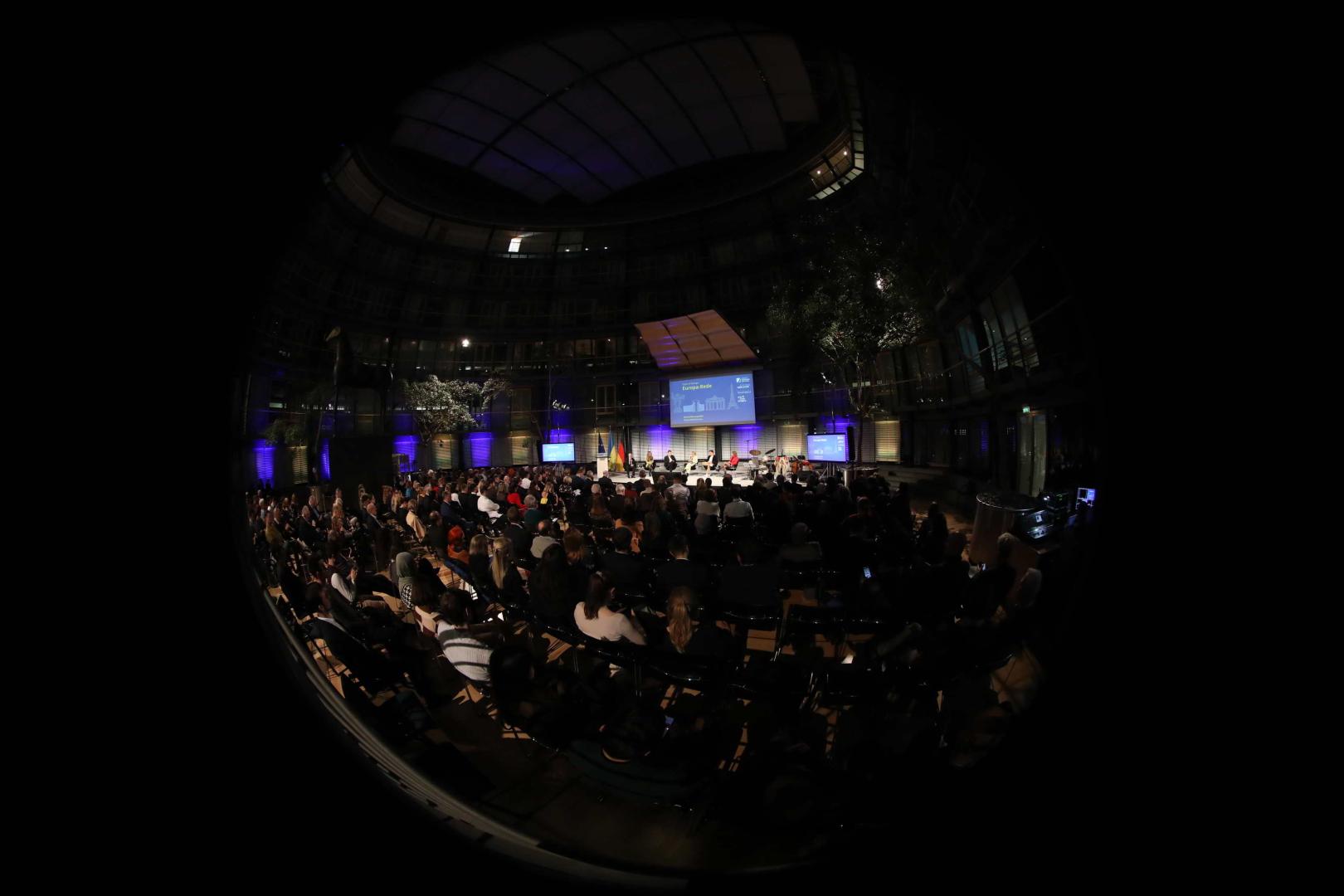
The State of Europe took place for the 13th time on 9 November 2022. This time, it was all about solidarity with the people of Ukraine.
‘Seeing the war through Ukrainian eyes’
In his speech, the Ukrainian Ambassador to Germany, Oleksij Makejew, emphasised that European solidarity had been reinvented in 2022. Ukrainians had been warmly welcomed in all EU countries. His wish was that one day a Ukrainian would head an EU institution.
‘Supporting reconstruction in all areas away from the front line’
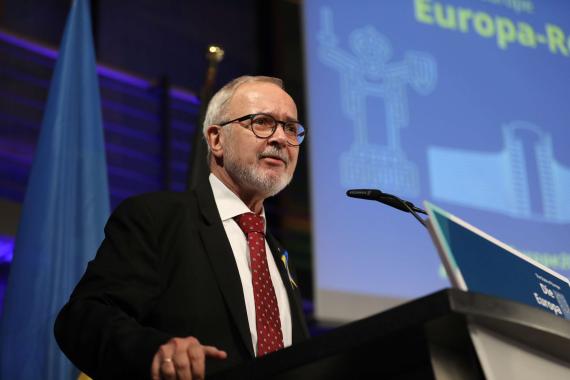
In his State of Europe Address, EIB President Dr Werner Hoyer emphasised that Russia's war of aggression threatens peace throughout Europe. Russia is deliberately using energy and hunger as weapons. For the EIB, as the financing arm of the European Union, it was only natural to support Ukraine as quickly as possible.
‘We stand on the side of freedom’
Following the EIB President's speech, Dr Almut Wieland-Karimi, member of the Advisory Board of the Mercator Foundation, emphasised that the event also served to express solidarity with people in other countries who are fighting for freedom and the rule of law, for example in Iran.
‘All European citizens share responsibility for the future of Europe’
In his closing remarks, Dr Markus Dröge, spokesperson for the board of the Zukunft Berlin Foundation, recalled that last year's State of Europe had taken place in a different Europe. Today, we live in a Europe where war is raging.
2021
 Juliane Liebers
 Juliane Liebers
 Juliane Liebers
 Juliane Liebers
Juliane Liebers
Juliane Liebers
Juliane Liebers
Juliane Liebers
Juliane Liebers
Juliane Liebers
Juliane Liebers
Juliane Liebers
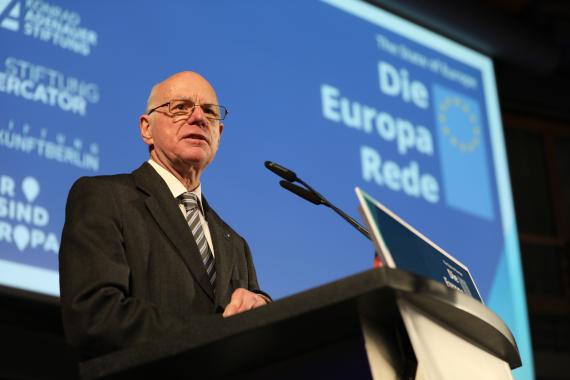
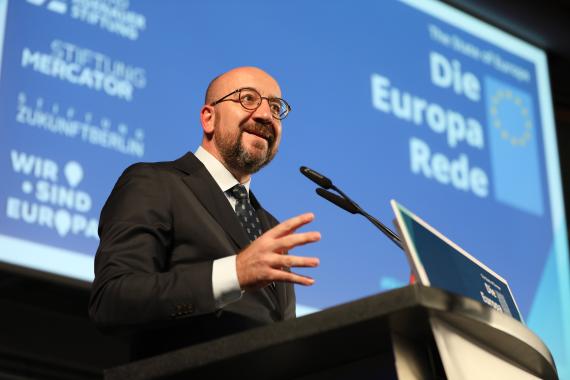
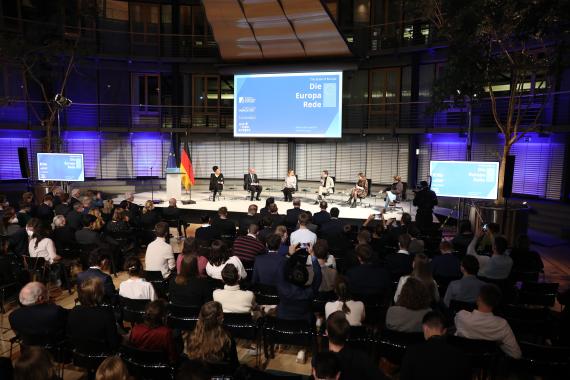
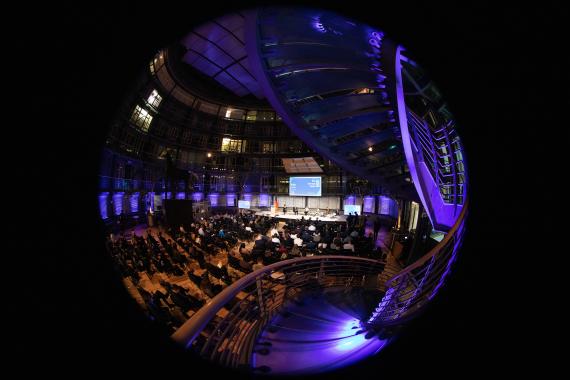
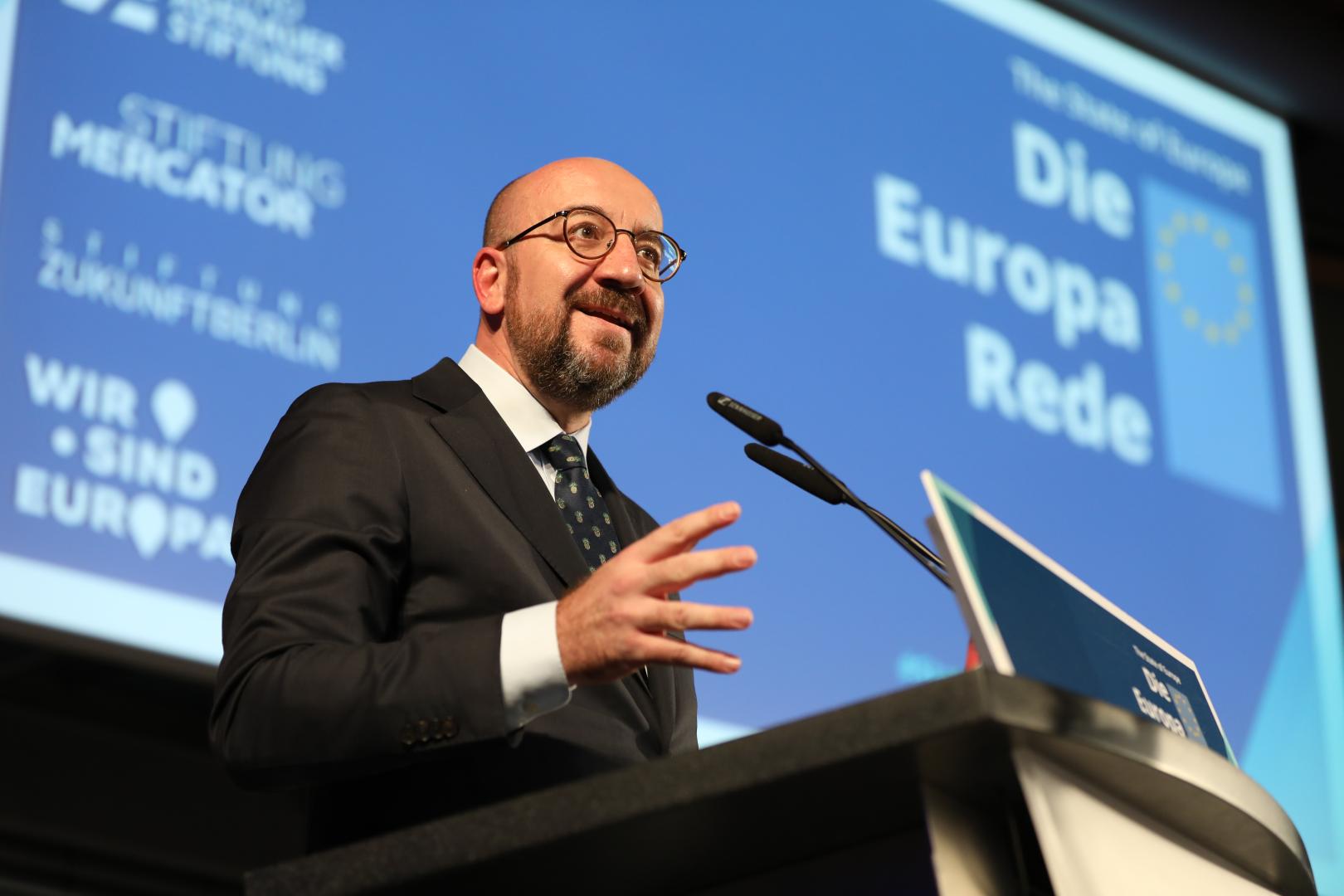
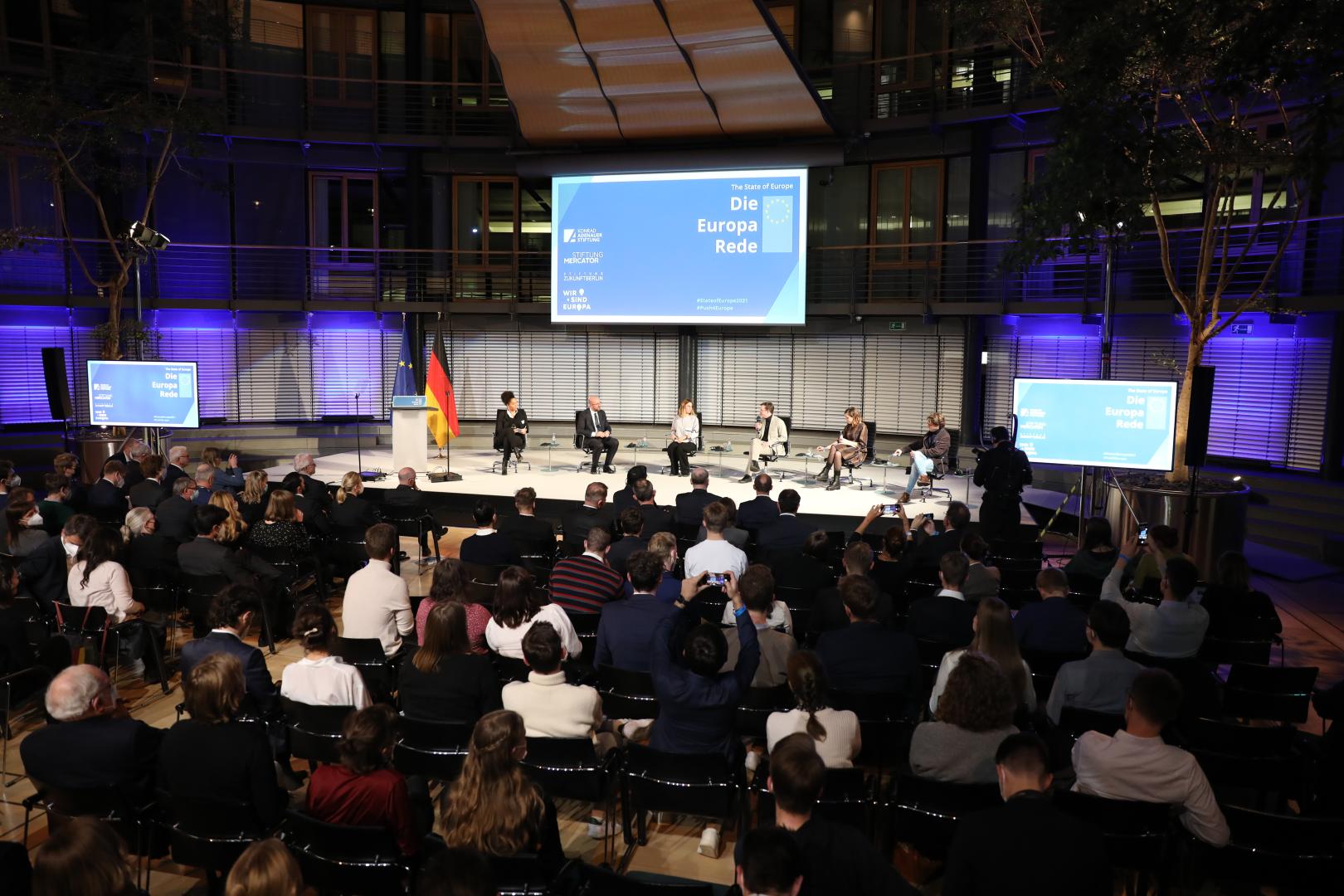
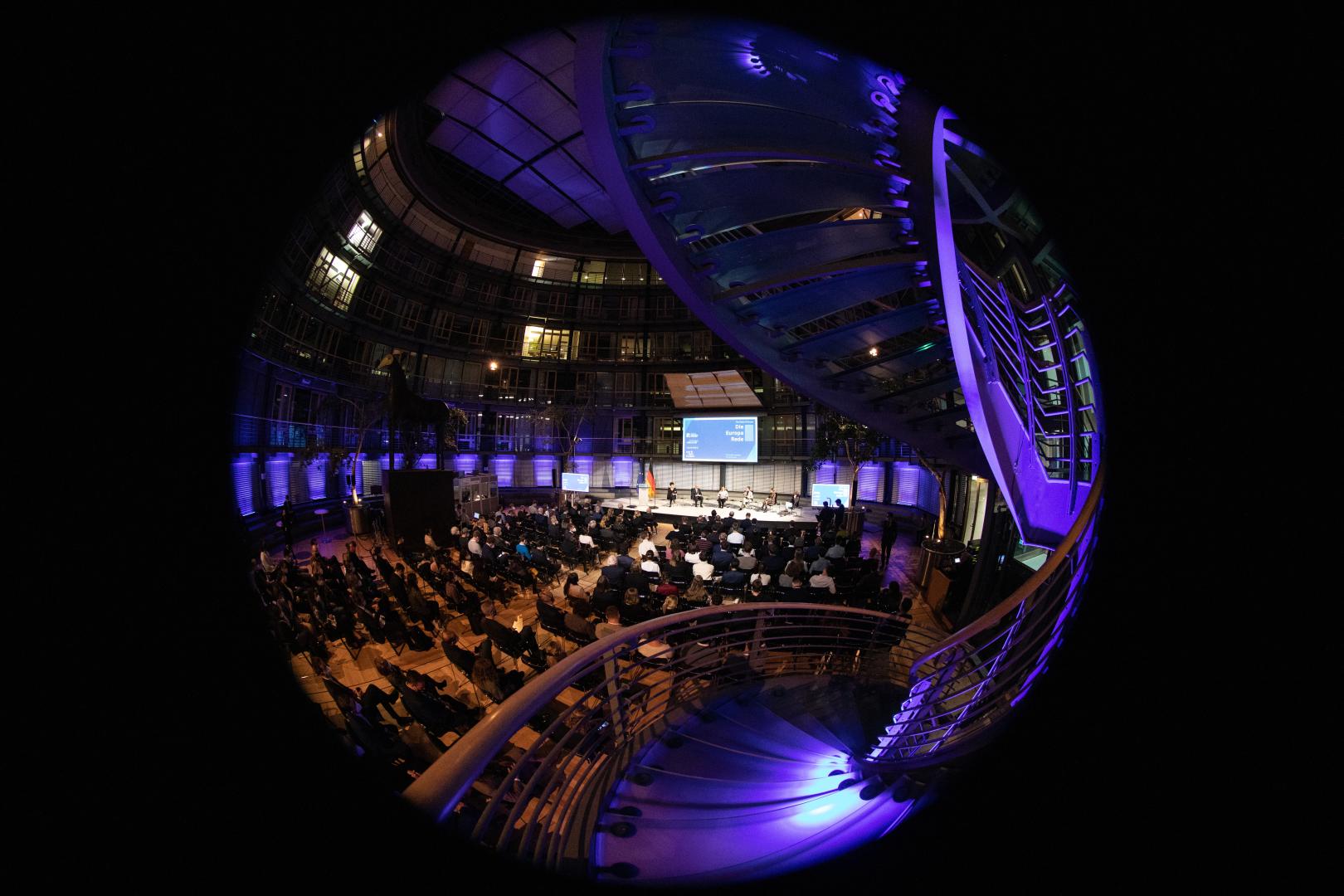
Right at the start of the 12th State of Europe, this year's guest of honour, Charles Michel, President of the European Council, praised the positive joint achievements during the pandemic.
‘Strong allies form strong alliances’
When the President of the Council turned to the subject of defence, he made it clear, based on the latest developments in Afghanistan and in the Indo-Pacific region, that Europe would have to take on more responsibility in the future and that excessive dependence on the USA would ‘not be healthy’ in the long term. In particular, Michel underlined the urgency of ‘creating defensive and deterrent cyber capabilities’ and ‘strengthening synergies between the civil, space and defence industries.’
‘The corona pandemic has relentlessly brought existing problems in the EU into focus.’
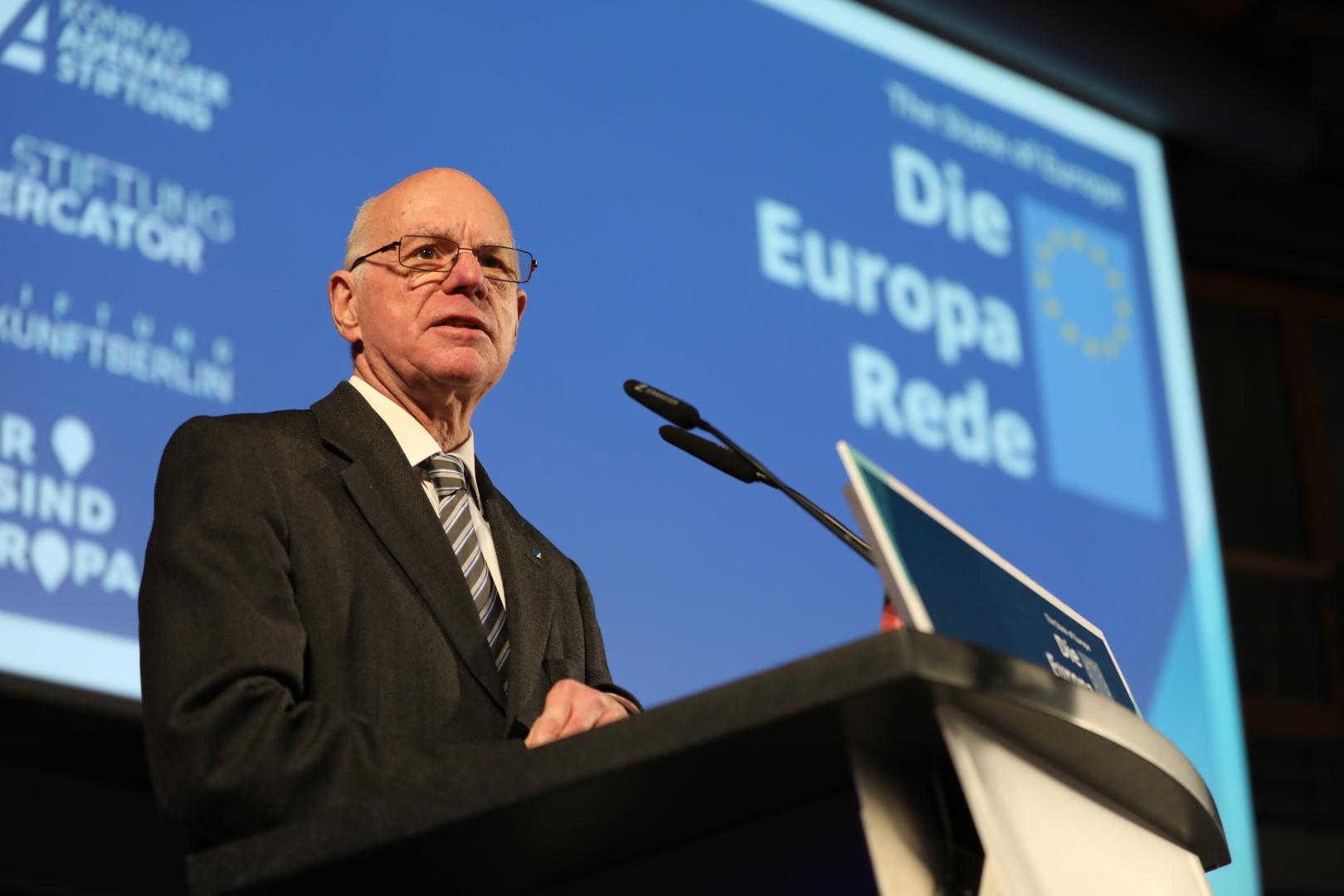
The foundation's chairman, Prof. Dr Norbert Lammert, underlined that the ‘social, political and economic model of the EU has competition’ and that its ‘ability to shape the outside world and its usefulness internally’ must be proven.
‘Europe Bottom-up’
President Michel concluded by quoting, Dr Volker Hassemer, chairman of the Stiftung Zukunft Berlin, who summed up that ‘Europe must take immediate and direct responsibility for its property.’ Despite all the successes, the EU has developed too ‘top-down’ in the past few decades. What Europe urgently needs now is the participation of the Europeans, who share responsibility from the bottom up.
2020

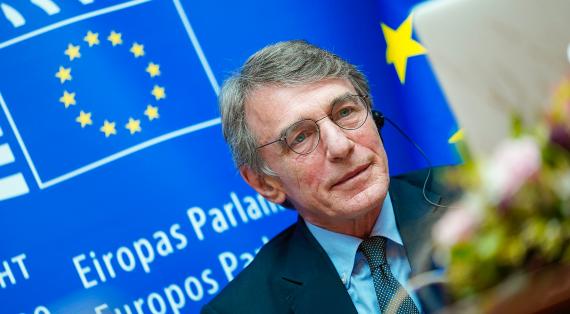
The 11th State of Europe was dominated by the COVID-19 crisis. For the President of the European Parliament and speaker, David Sassoli, it was the ‘deepest crisis in the history of the European Union’.
‘Cooperation in Europe must become much closer’
The Chairman of the Konrad-Adenauer-Stiftung, Prof. Dr Norbert Lammert, sees this as making much stronger European integration inevitable: ‘In view of the global balance of power, there can be no doubt that cooperation in Europe must become much closer.’
‘We need more European governance’
The current crisis shows all the more how quickly the world can change, according to Sassoli, and that means that European democracy must be strengthened: ‘We need more European governance, and we must all work towards this goal.’ After all, the coronavirus crisis is not the only challenge facing Europe.
‘Rediscovering the soul of the European project’ with the Conference on the Future of Europe
A functioning European democracy that can work with adequate resources and act effectively: according to Sassoli, this is what the Conference on the Future of Europe should achieve. In the discussion following Sassoli's speech, students lamented that this discourse had been neglected in recent months due to the restrictions imposed by the coronavirus pandemic. They expressed their desire for Member States to better communicate the EU's successes and for Europe to take a leading role in climate protection.
2019

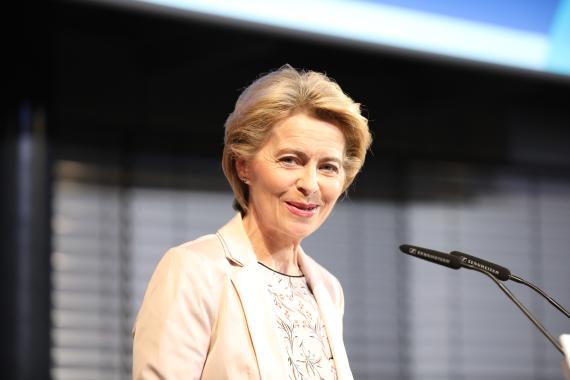
At the 10th State of Europe, Dr Ursula von der Leyen called for a Europe that defends its values and becomes an international role model in matters concerning the future. Right at the start of the Konrad-Adenauer-Stiftung's State of Europe Address, she made an unambiguous commitment to the North Atlantic defence pact, NATO: ‘The most powerful defence alliance in the world’ is Europe's ‘protective shield of freedom’.
German reunification would not have been possible ‘without consistent European unification,’ emphasised Federal Chancellor Dr Angela Merkel in her welcoming address: it was this ‘process of unification that made a life of peace and freedom possible’ and led to a community of shared destiny: ‘Germany will only prosper if Europe prospers.’
A united Europe that ‘engages with the world’
Von der Leyen proudly pointed to Europe's cohesion on the Brexit issue, saying that the regrettable loss of a member state did not herald the ‘beginning of a process of disintegration’: ‘The 27 EU countries are standing together in the Brexit negotiations,’ she said, adding that ‘the shock of Brexit has united us more strongly.’
Europe is ‘more attractive than we often believe’
For von der Leyen, Europe, with its 500 million people and a share of ‘40 percent of global gross domestic product’, is not only ‘the world's largest trading power,’ but could also be a global ‘trendsetter’ and ‘pioneer’.
2018
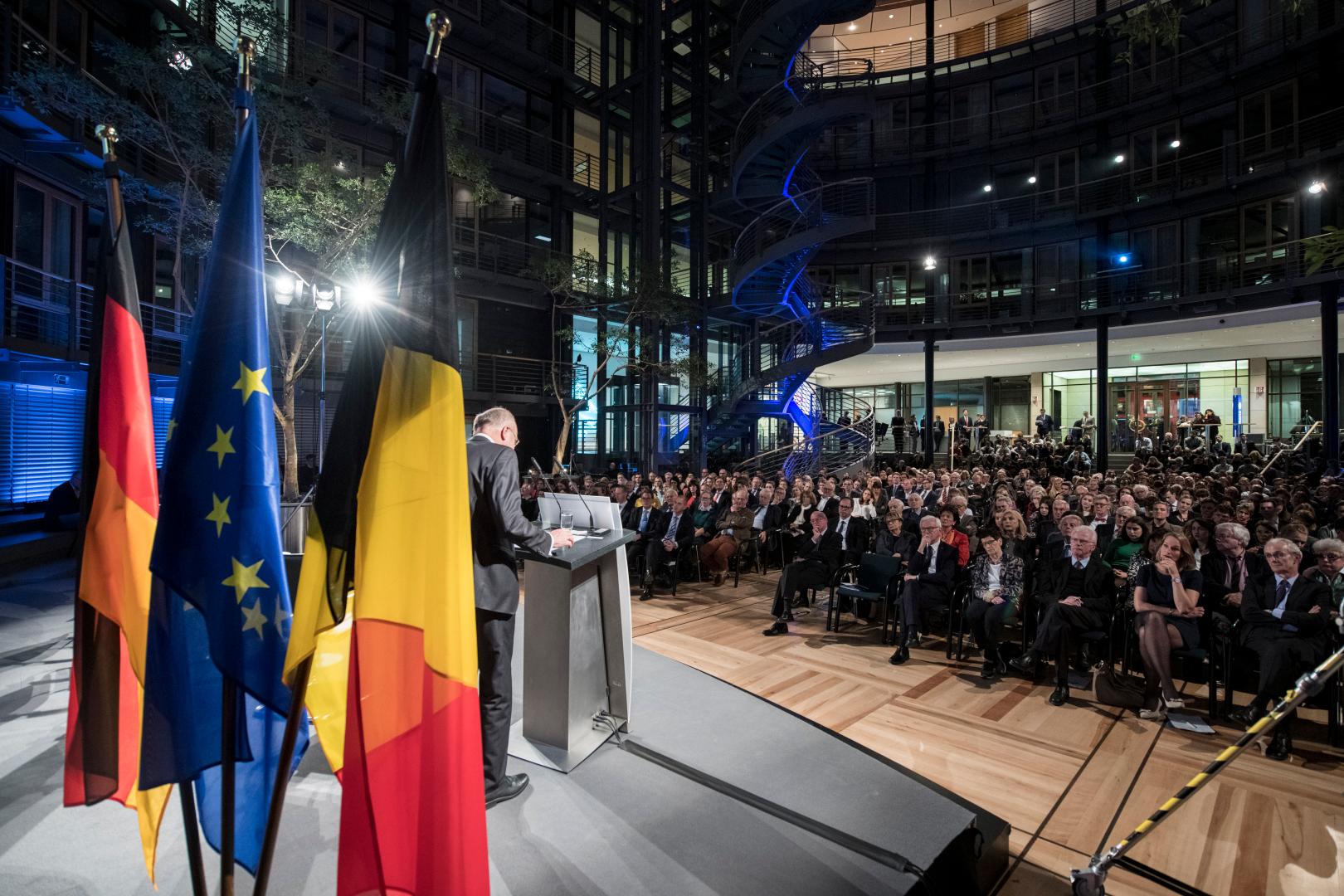
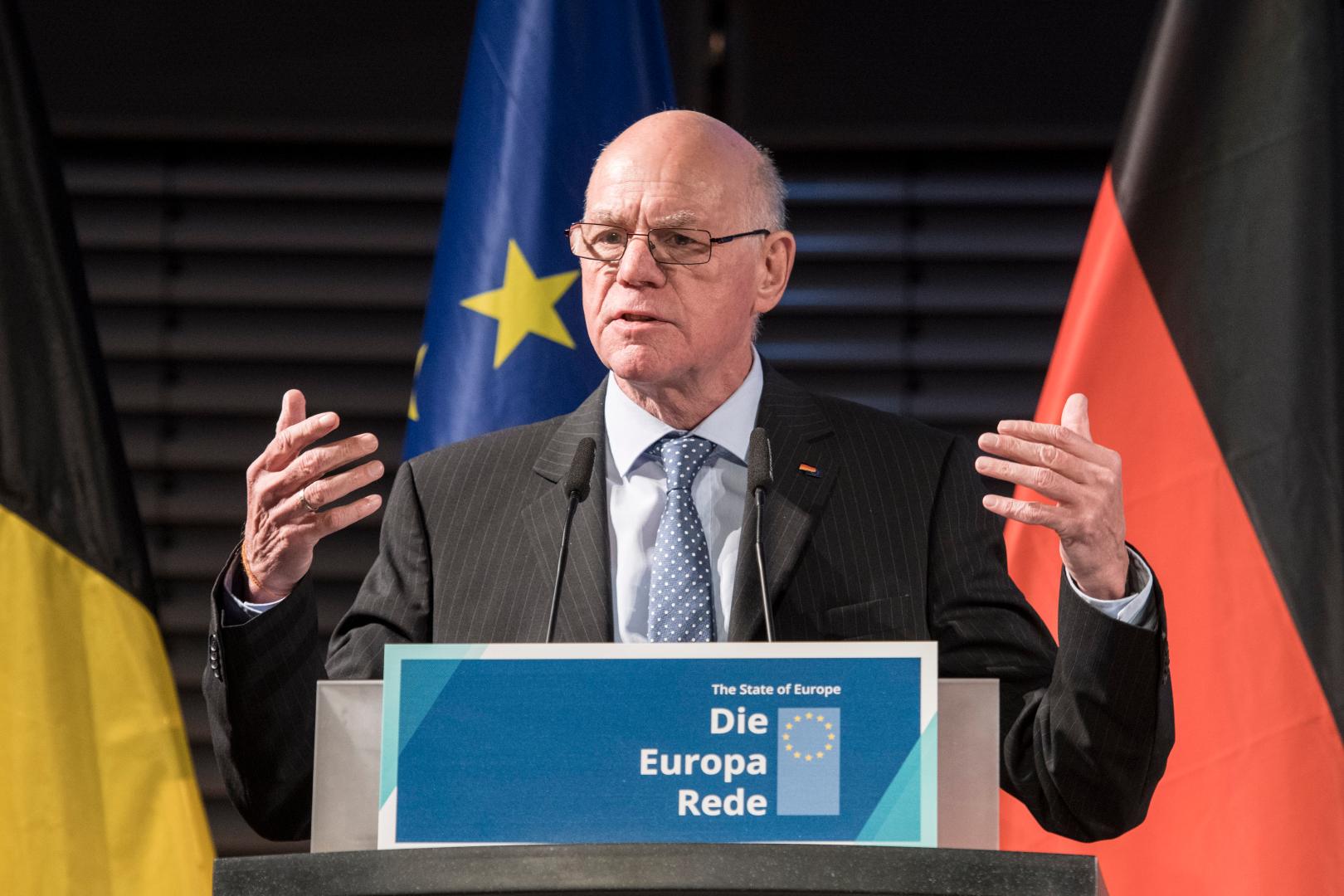
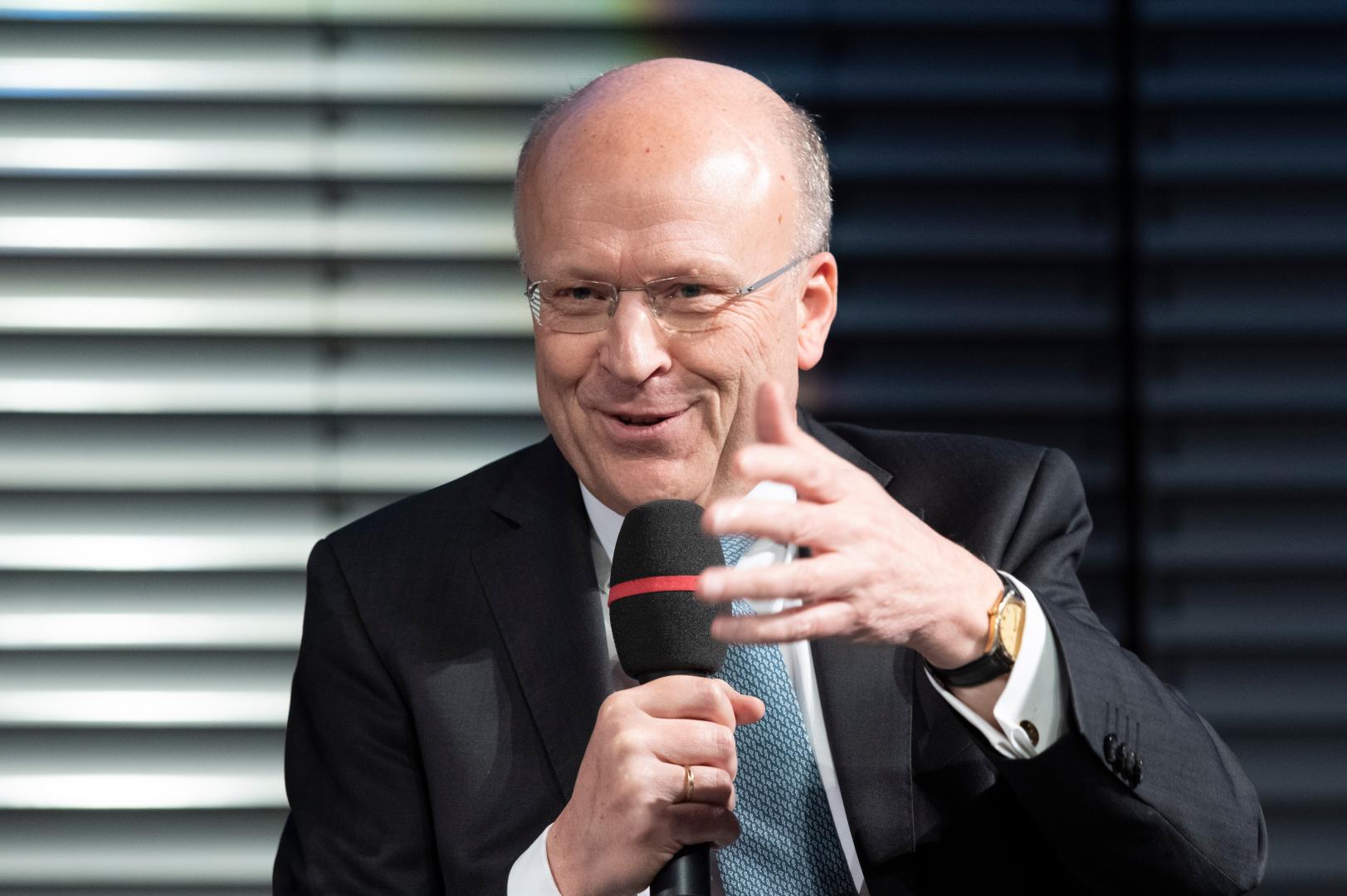
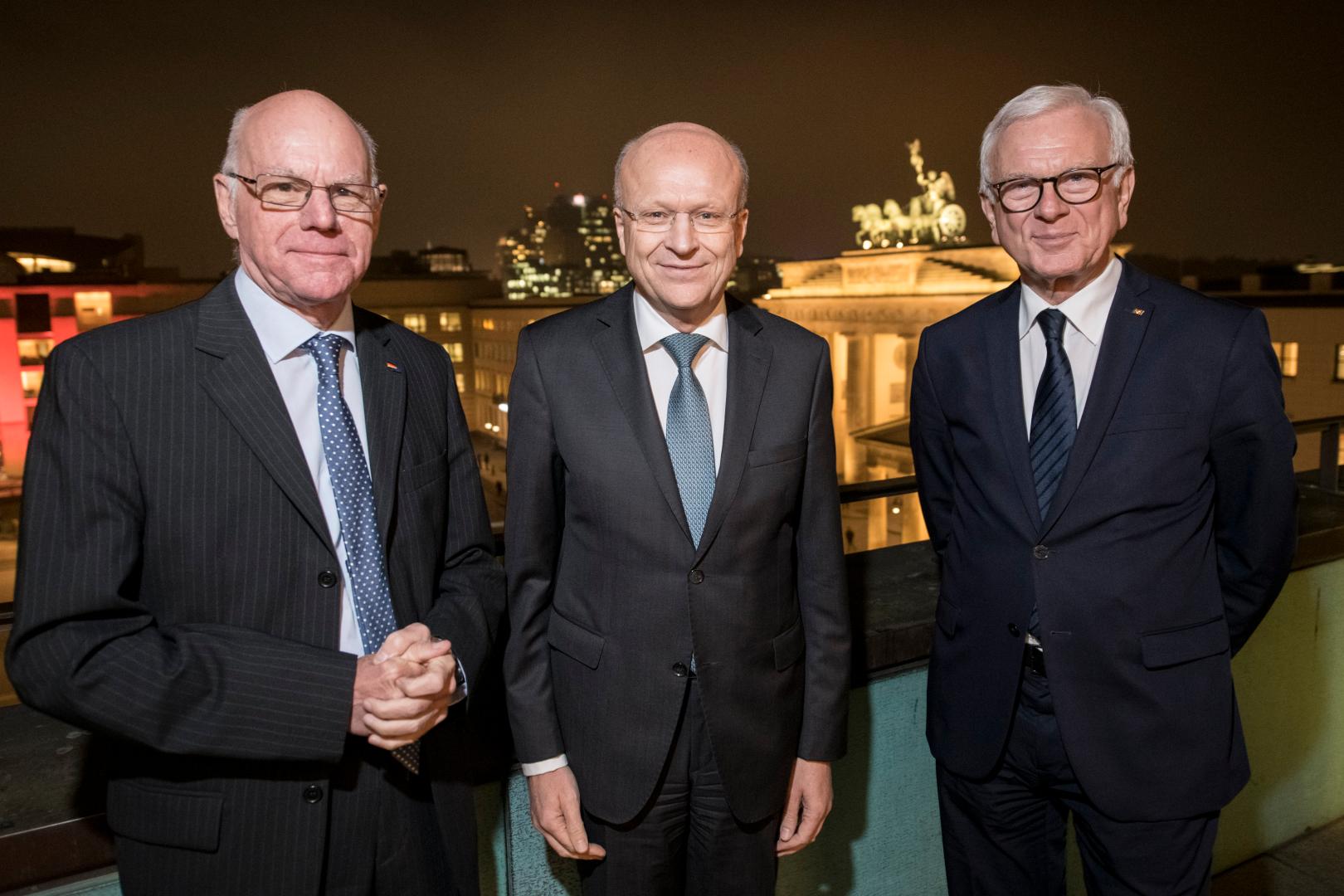 Marco Urban
Marco Urban
Marco Urban
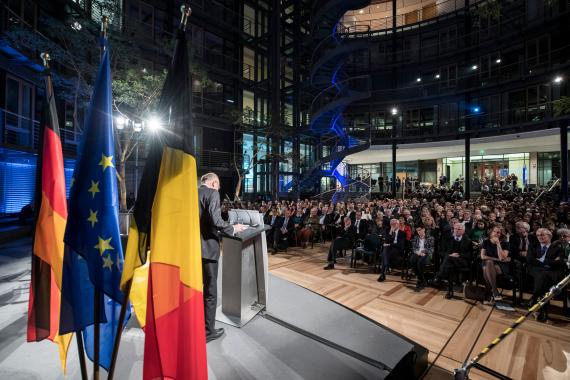
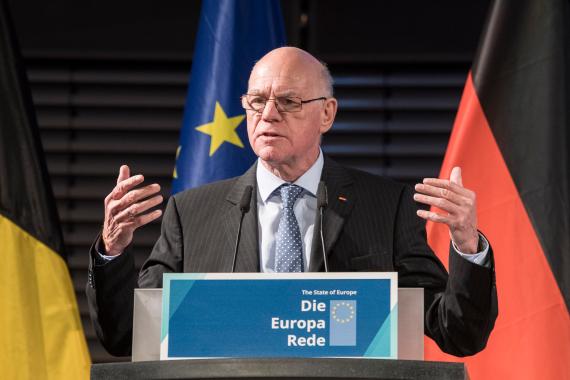
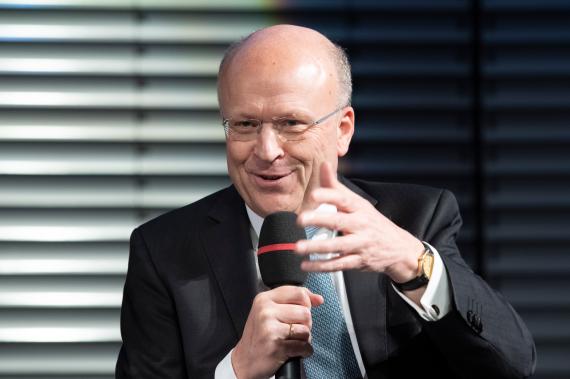
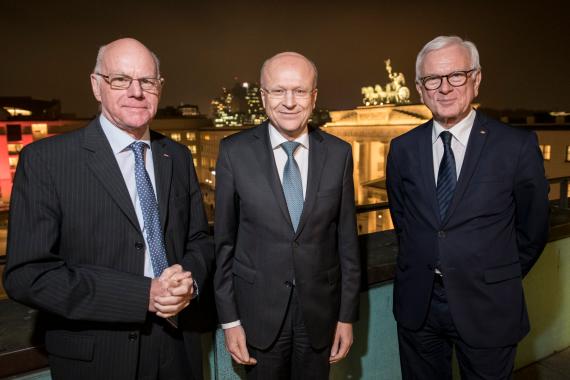
Koen Lenaerts, President of the European Court of Justice, delivered the 9th State of Europe of the Konrad-Adenauer-Stiftung. On the anniversary of the fall of the Berlin Wall, the President of the European Court of Justice warned against authoritarian and populist tendencies in Europe.
The ‘fascination with authoritarianism’ that is taking root throughout Europe must be countered by the rule of law in the Union, Lenaerts said in his State of Europe Address on Friday. The future of the EU depends on it. The ECJ would therefore continue to ‘stand up to the siren song of populism, which calls on us to resort to measures in response to social change that in reality threaten our common values’.
The challenge of safeguarding democracy
The aim of safeguarding democracy and the rule of law is to preserve the institutional framework of democratic orders so that minorities always have the opportunity to become the majority. Europe can only ever be as strong as the individual democracies of its Member States.
European elections: appeal to young people
He called on the youth of Europe to participate in the European Parliament elections in May 2019: ‘Go out and vote. You have it in your hands. The future of Europe lies in the hands of young people.’
2017
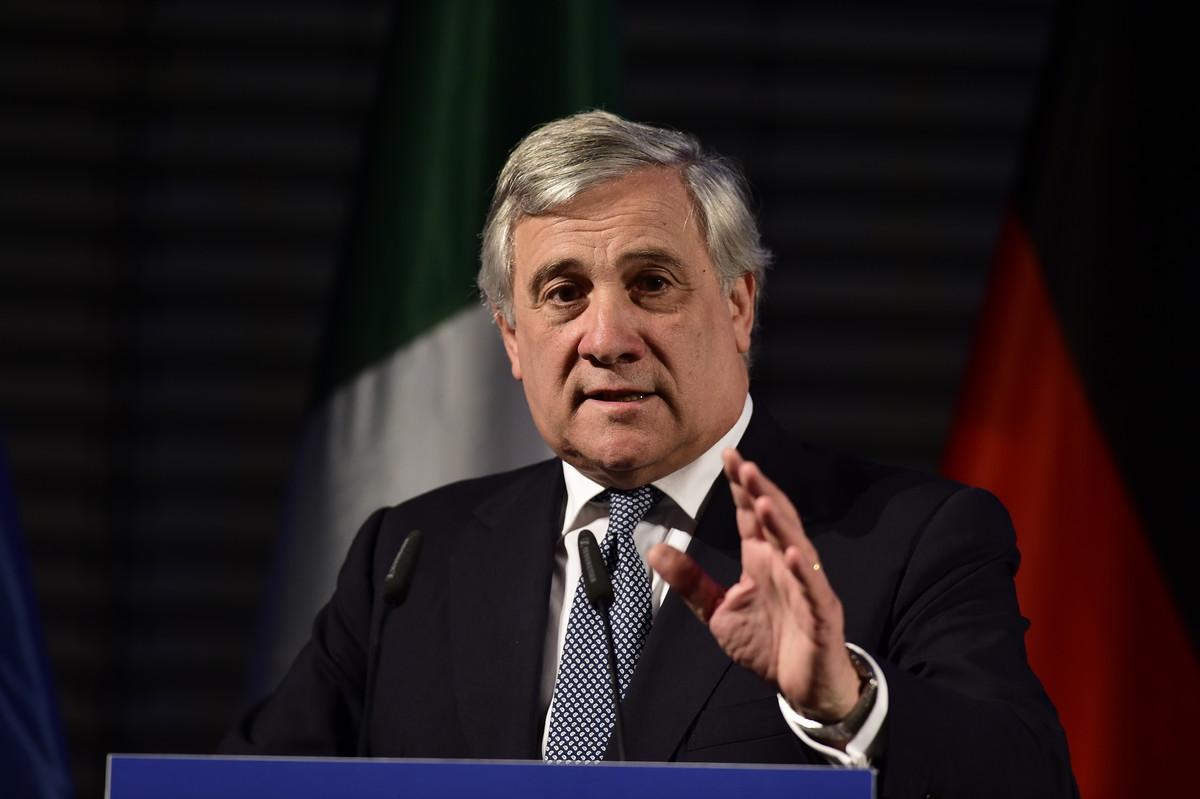
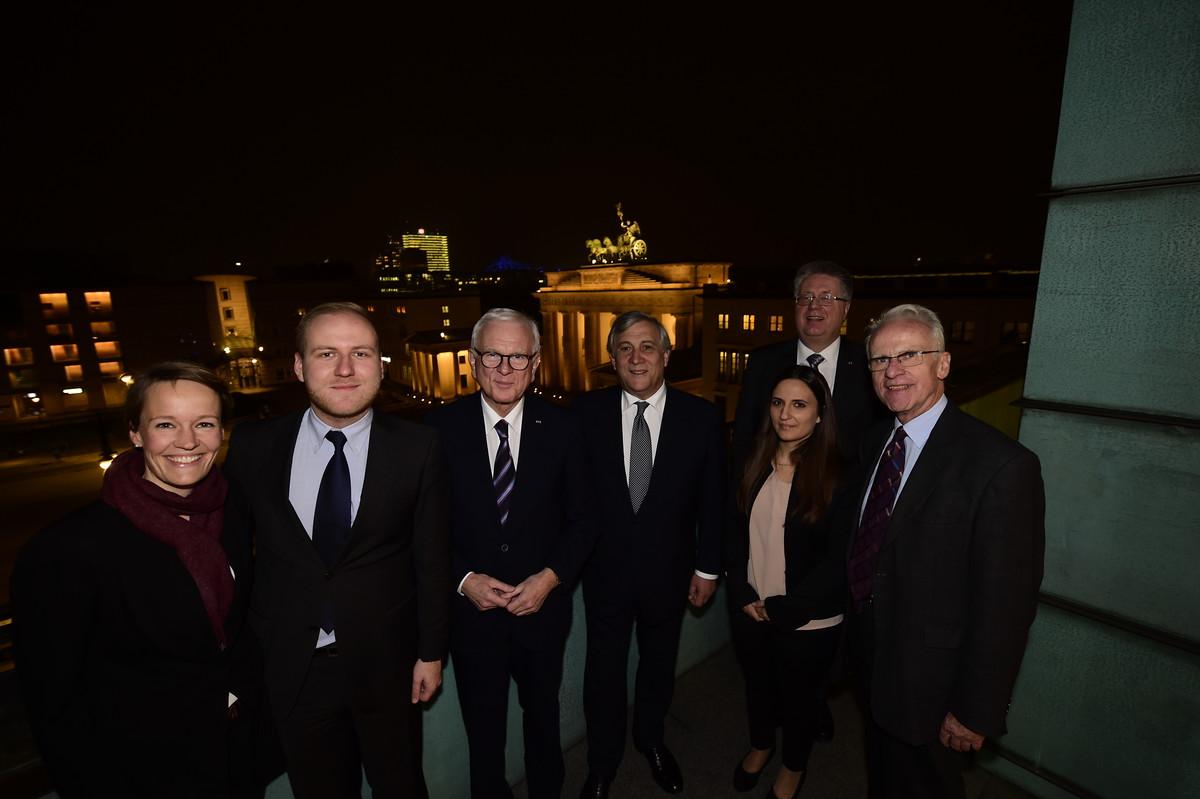
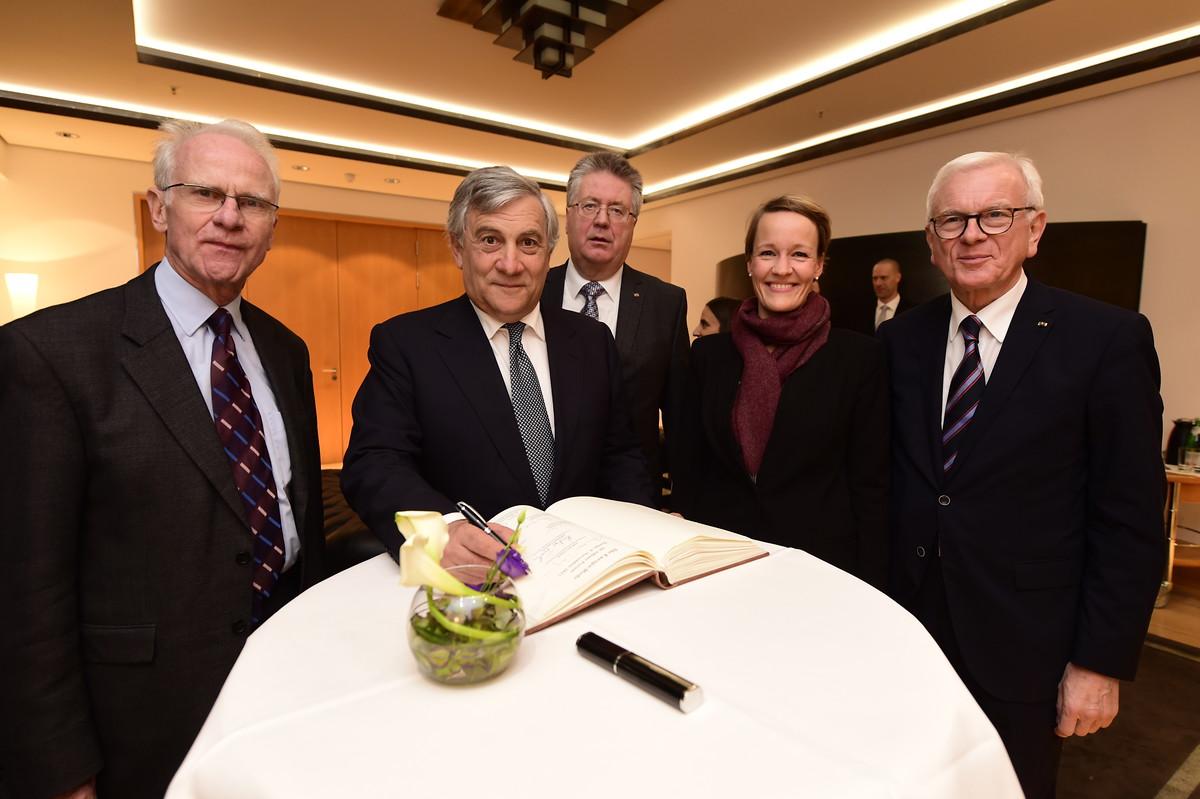
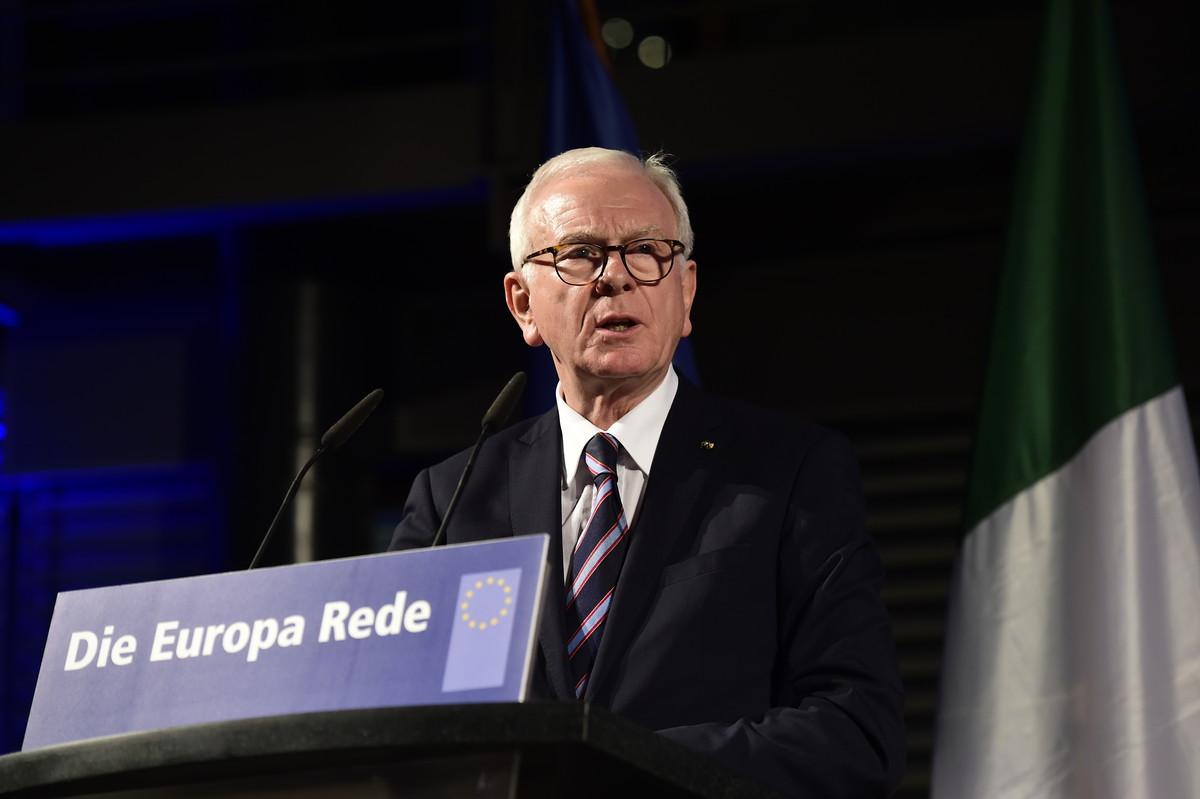
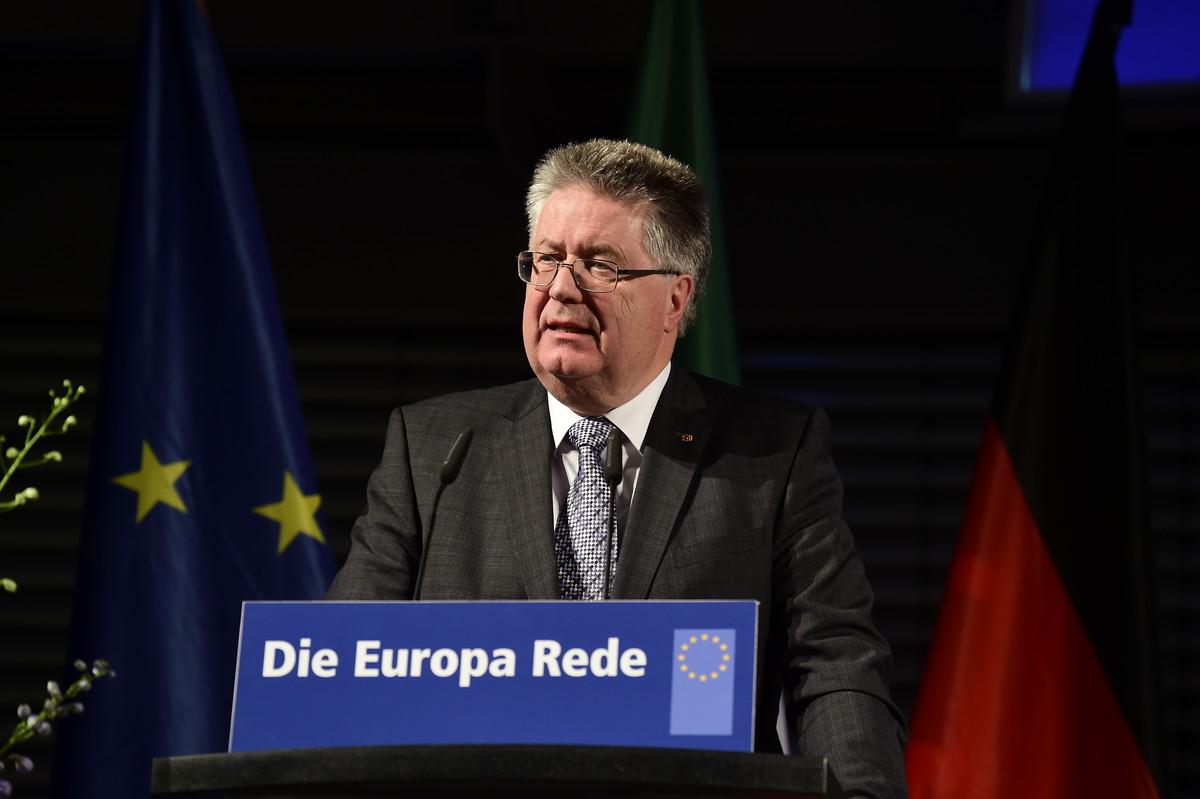
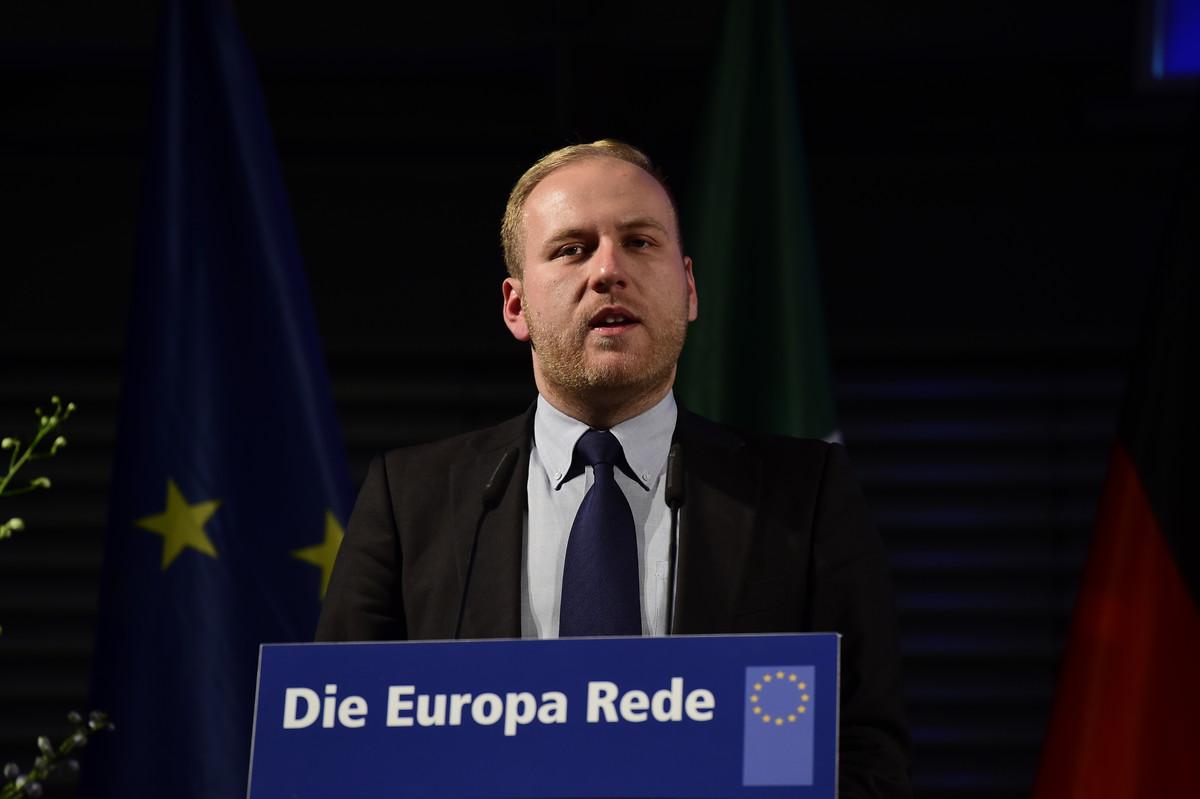
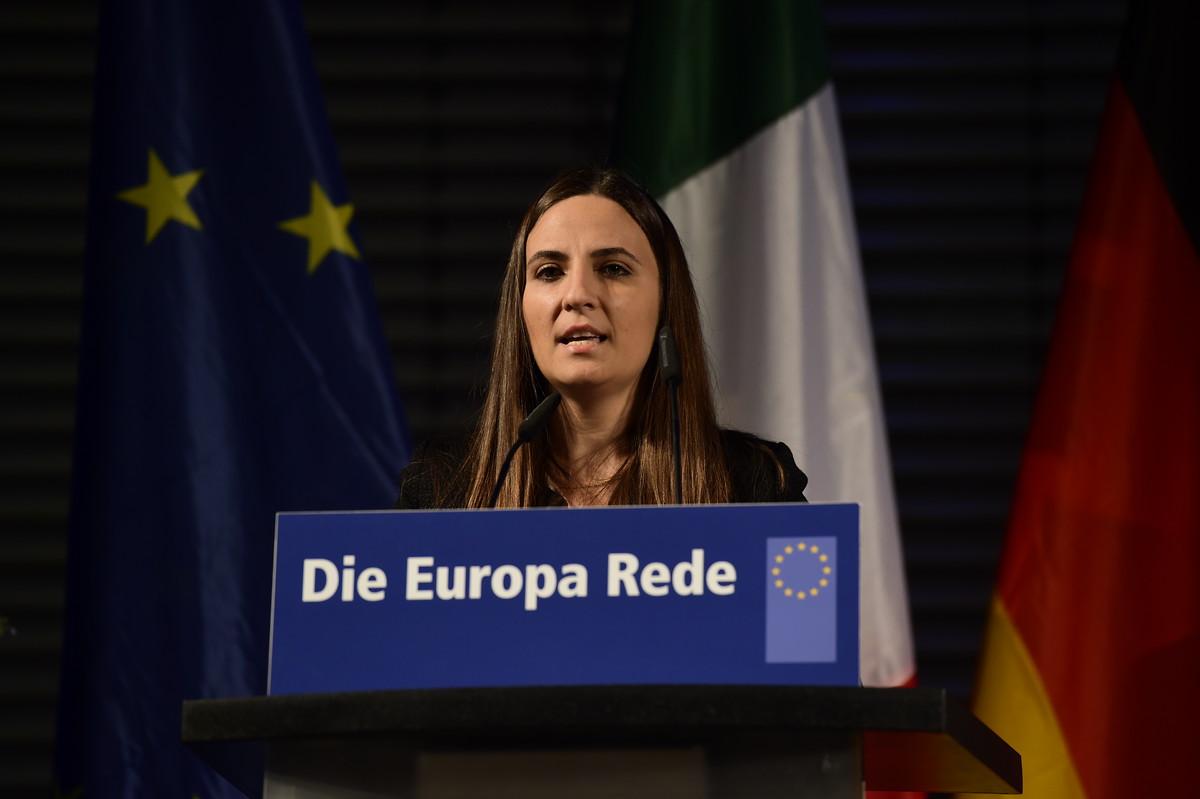
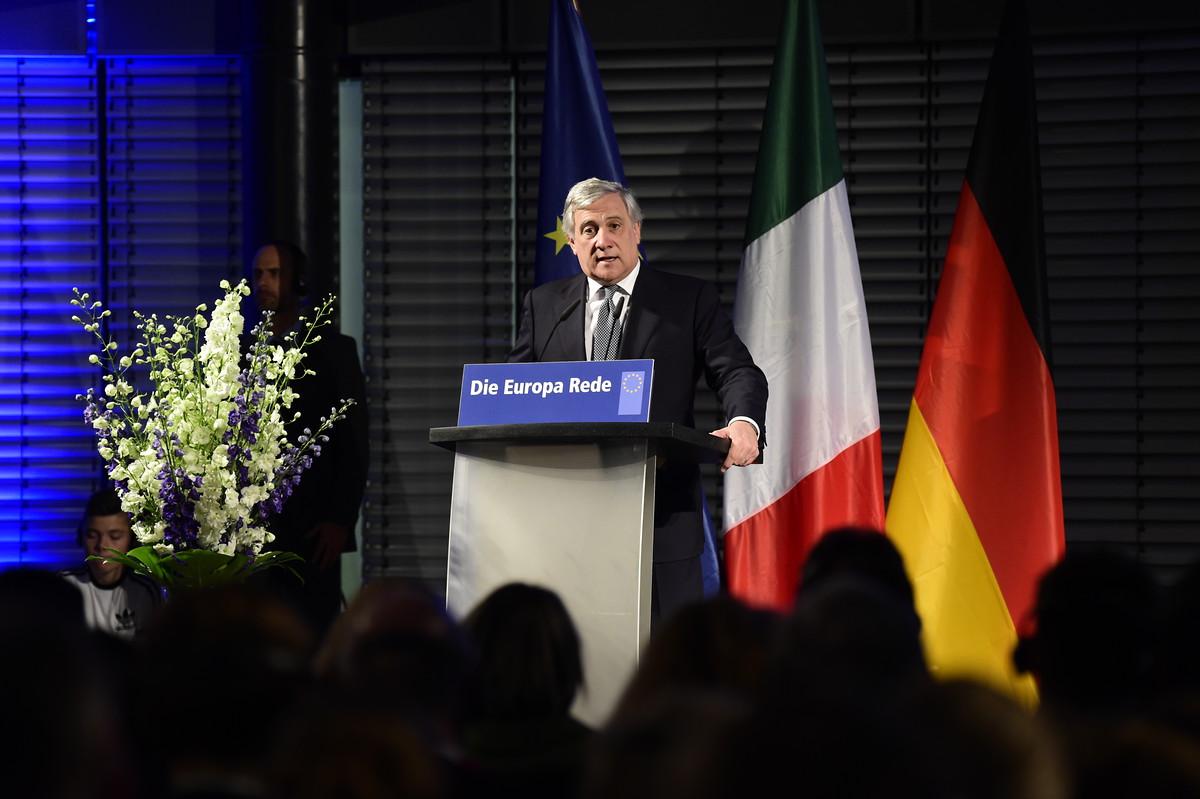

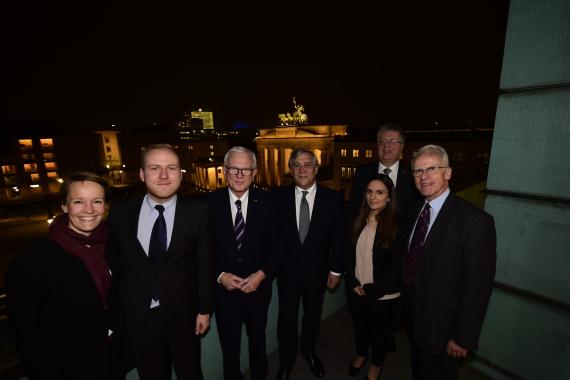
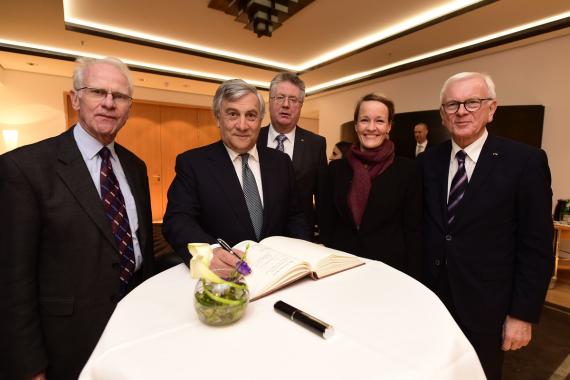
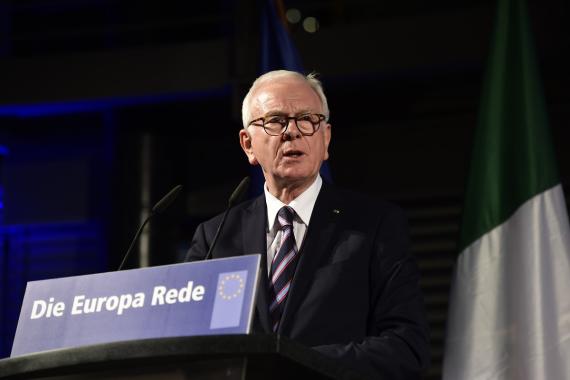



At the 8th State of Europe, European Parliament President Antonio Tajani issued a passionate appeal warning against leaving the definition of European identity to the far right.
Terrorism, youth unemployment and the refugee crisis
Tajani sees an urgent need for action in three policy areas in particular: the fight against terrorism and youth unemployment, and the refugee crisis. These problems must be brought under control permanently. Tajani repeated his proposal for a central security authority. This would bring forces together to improve cross-border cooperation. The Amri case showed how important this is. The attacker at the Berlin Christmas market fled to Italy last year, where he was discovered and shot dead.
Tajani also advocates increased cooperation between member states in the refugee crisis. He believes that a ‘European policy for Africa’ is needed, if only to curb Chinese interests on the continent.
To win the fight against youth unemployment, which remains far too high in many Member States, Tajani proposed a European economic policy that promotes companies capable of creating jobs and growth.
‘Europe must change,’ said Tajani. ‘It is worth staying together.’ The coming months offer an opportunity to follow up these words with further action.
2016
 KAS
KAS
 KAS
KAS
 KAS
KAS
 KAS
KAS
 KAS
KAS
 KAS
KAS
 KAS
KAS
 KAS
KAS
KAS
KAS
KAS
KAS
KAS
KAS
KAS
KAS
KAS
KAS
KAS
KAS
KAS
KAS
KAS
KAS
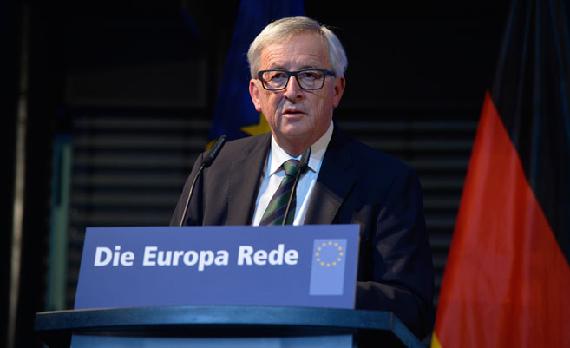
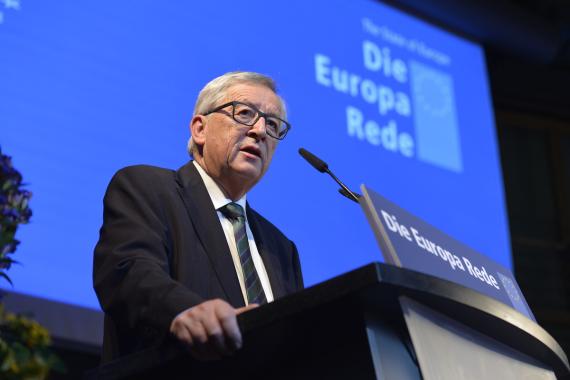
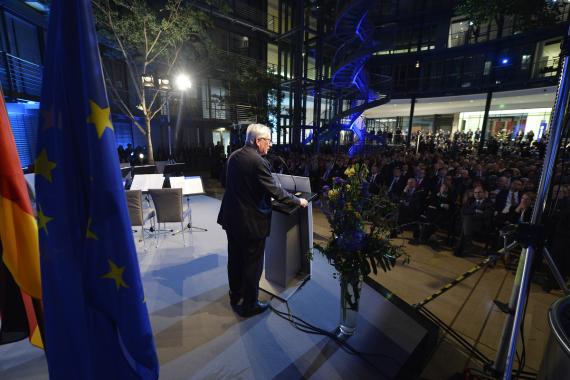

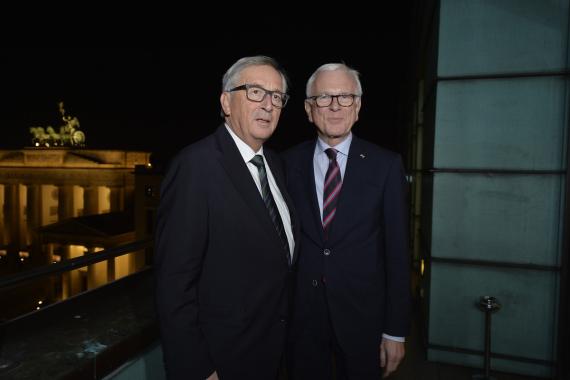

‘We remain partners’
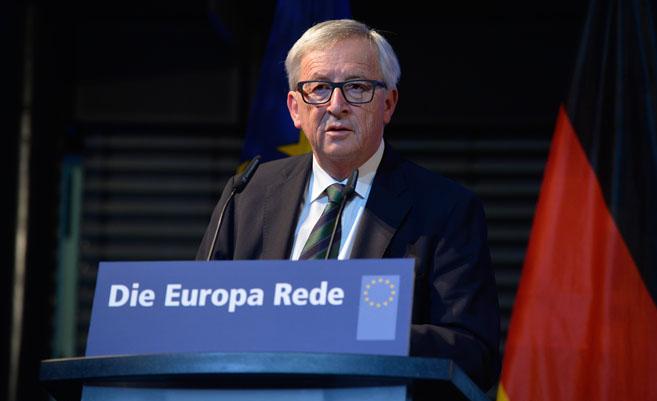
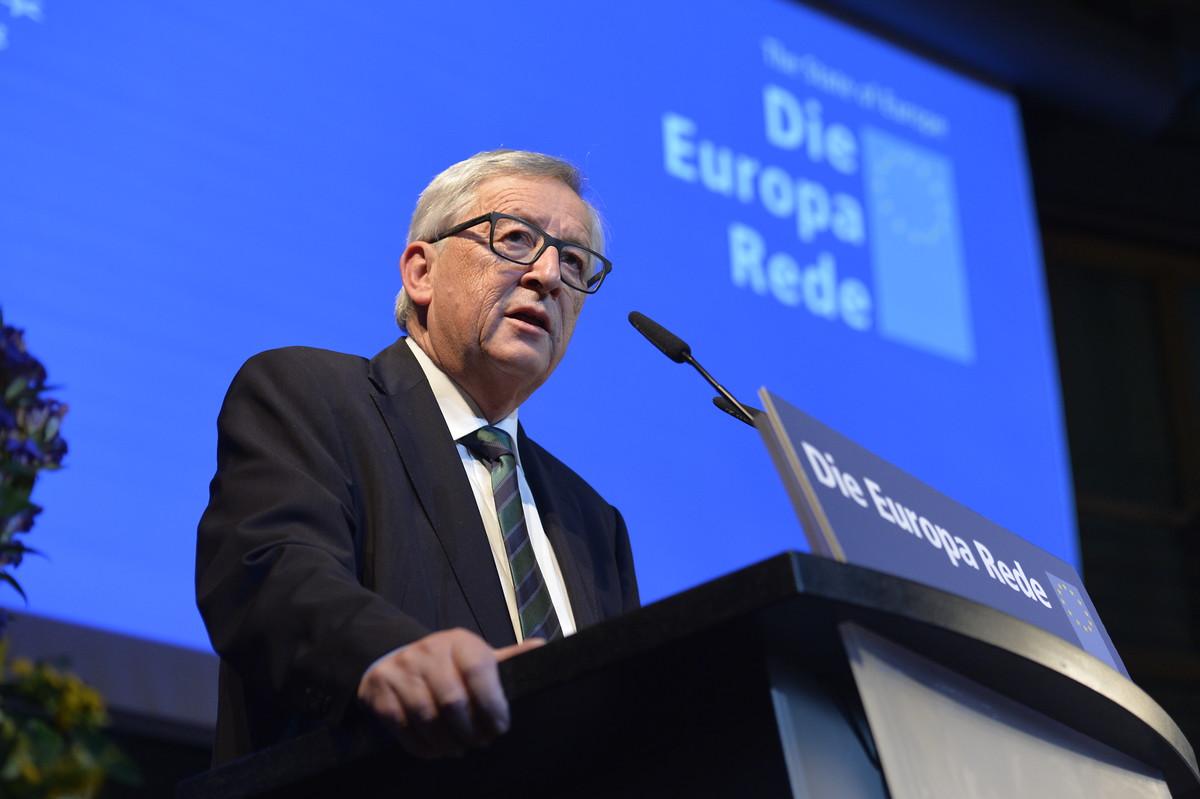
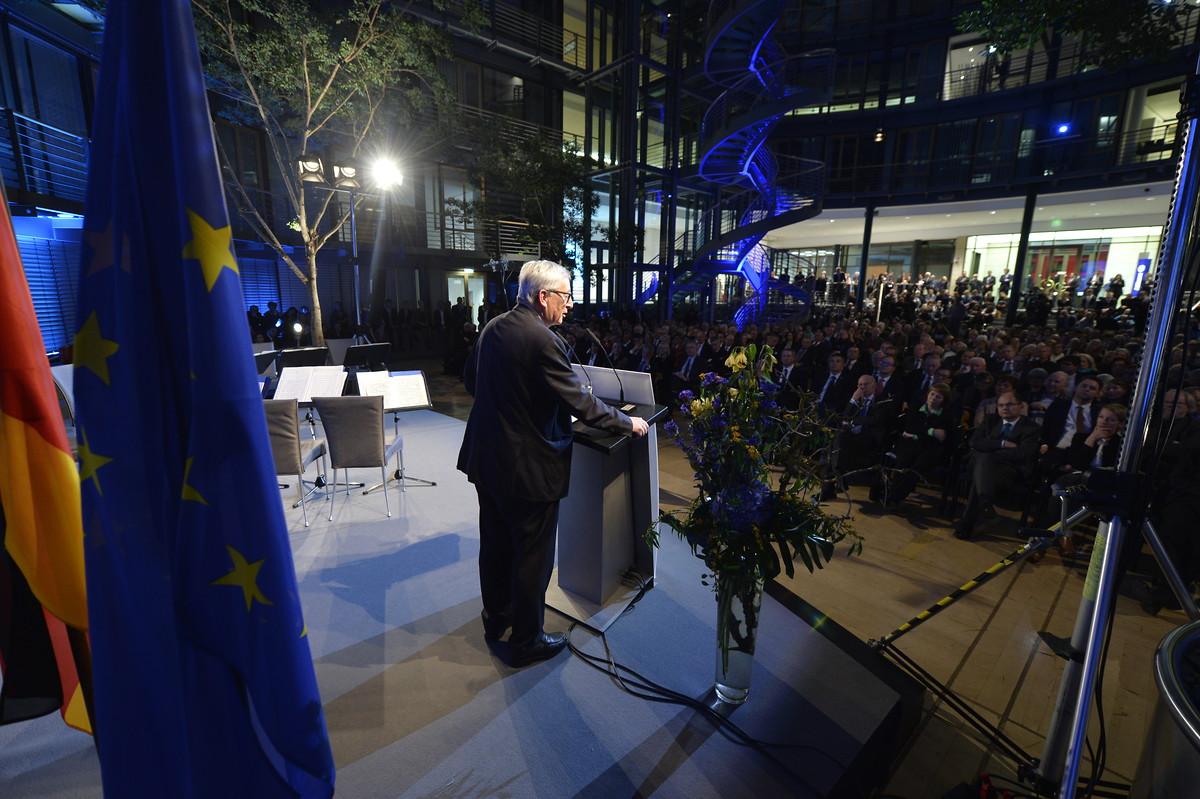
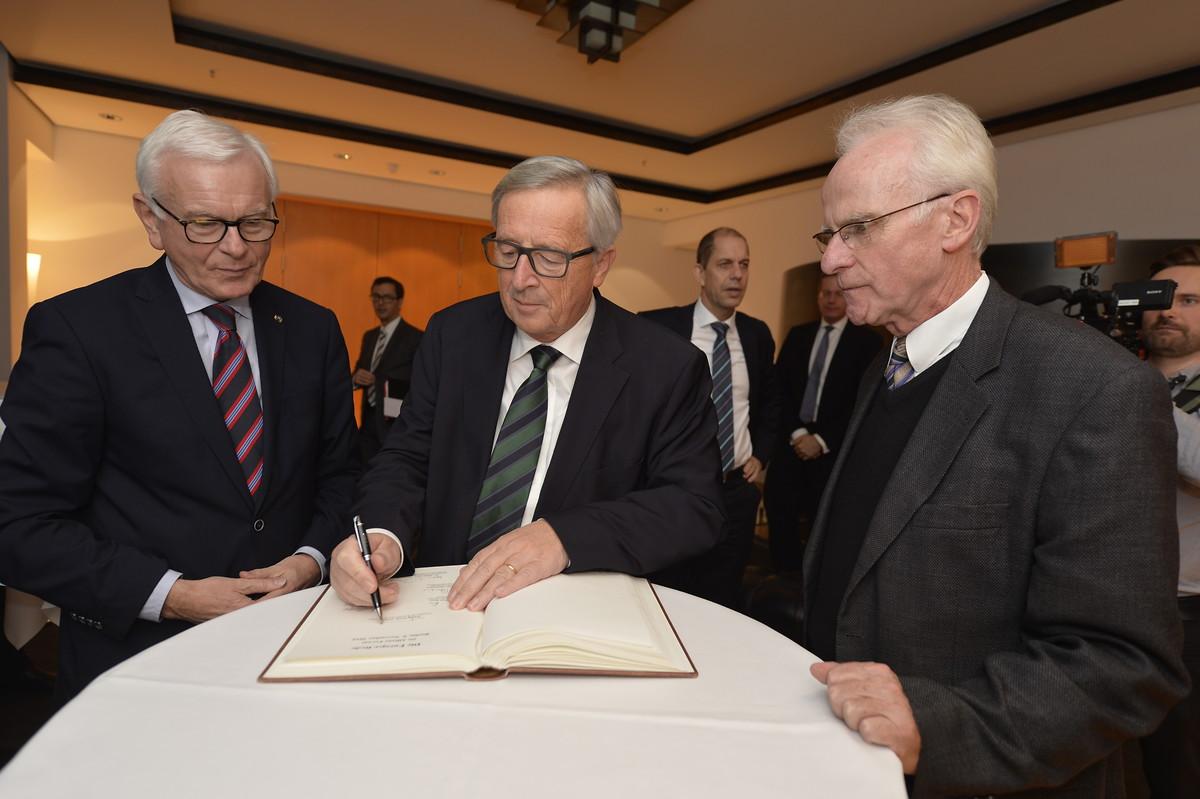
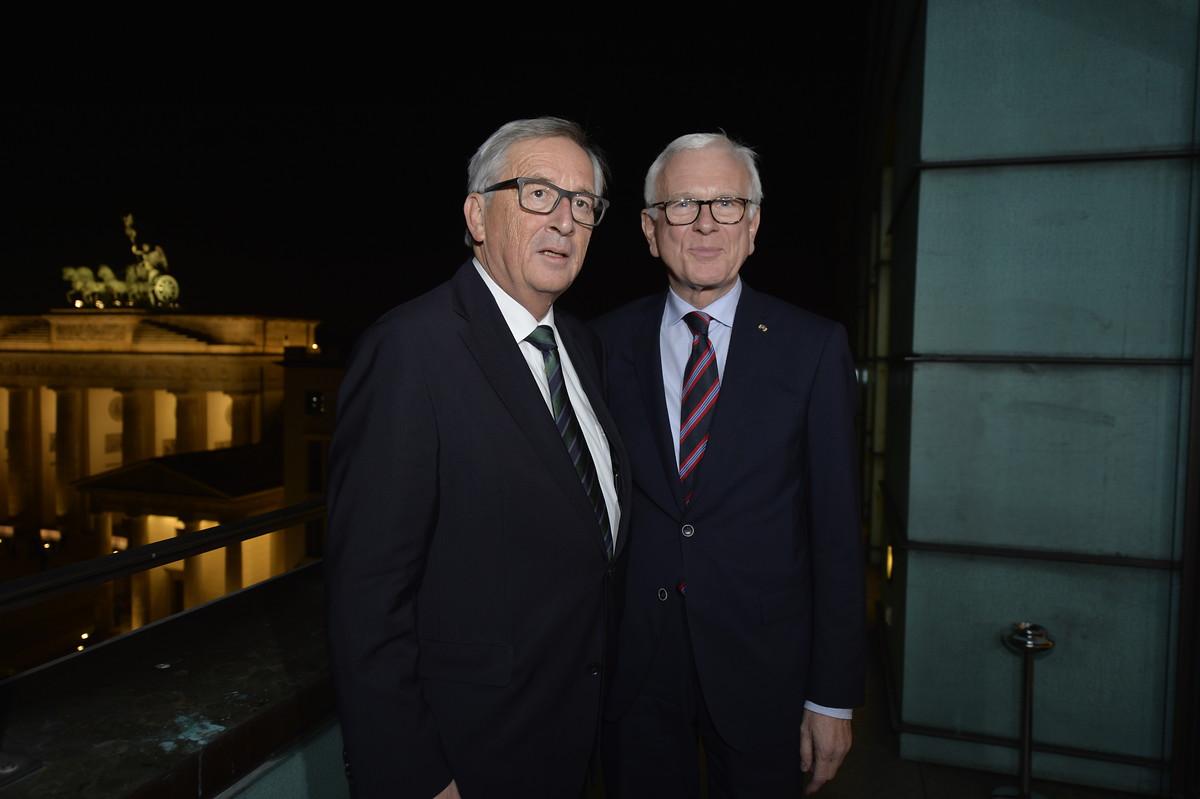
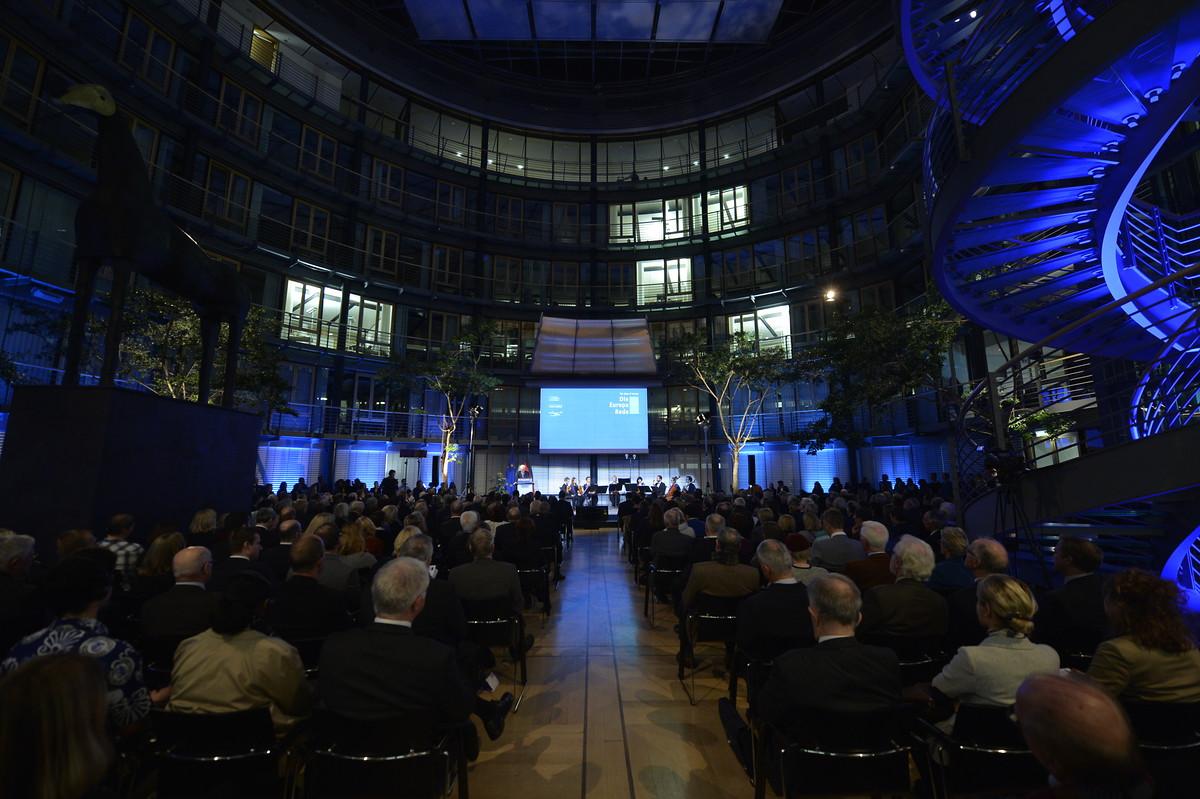
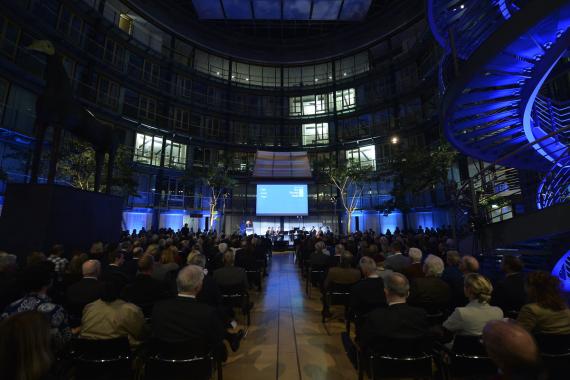
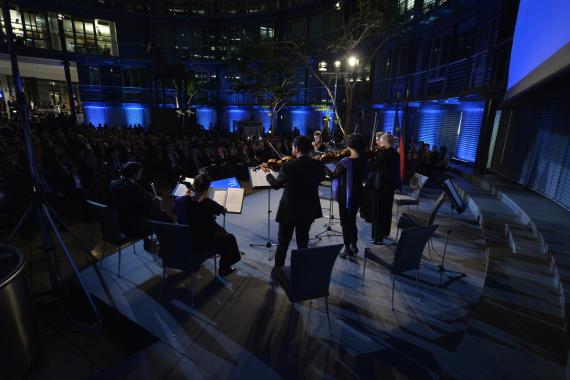
Jean-Claude Juncker, President of the European Commission, gave the 7th State of Europe of the Konrad-Adenauer-Stiftung. He emphasised that no country could cope with the refugee crisis alone, not even the largest member state of the EU.
Do not pit Europe against the nations
Whenever one talks about Europe, it is always a question of ‘emotion and reason,’ Juncker continued. It is wrong to give the impression that the EU is on the ‘path to nationalisation.’ ‘You cannot lead Europe to success if you pit Europe against the nations,’ said Juncker.
Maintaining good transatlantic relations
Just a few hours after it became clear that Donald Trump would be moving into the White House as the 45th President of the United States, Juncker emphasised Europe's interest in strong transatlantic relations. He said that there was therefore no need to rethink relations with the US at this point. ‘We should make every effort to maintain transatlantic relations. We remain partners. The world needs close cooperation between the US and Europe.’
Pöttering congratulates Trump and issues a warning
Hans-Gert Pöttering also referred to the US elections at the opening of the event. The Chairman of the Konrad-Adenauer-Stiftung congratulated Trump, but also reminded him of their shared values. ‘May freedom, democracy and justice continue to unite the US and Europe in the future,’ Pöttering said.
2015 and earlier
State of Europe 2015
Donald Tusk delivered the Konrad-Adenauer-Stiftung's 6th State of Europe Address. The President of the European Council called for Germany to take a strong leadership role in Europe in the refugee crisis.
‘Europe's future will depend to a large extent on Germany's stance in the refugee crisis,’ said Tusk in his speech. Germany must therefore make determined efforts to secure Europe's external borders without historical reservations.
State of Europe 2014
The President of the European Parliament, Martin Schulz, called for reforms in asylum and refugee policy during the 5th State of Europe in Berlin.
Schulz acknowledged that there would be no ‘easy solutions’ to this complex issue and that Europe would not be able to take in everyone. New rules were needed to help those who really needed protection, he said. ‘A drowning hand needs a helping hand,’ Schulz said.
State of Europe 2013
Speaking in Berlin at the 4th State of Europe, European Council President Herman Van Rompuy expressed his conviction that Europe will emerge stronger from the euro crisis.
He said that the euro crisis had served as a wake-up call. The countermeasures that had been introduced, such as the debt brake and the banking union, were important in order to protect Europe against future turmoil. ‘Together, we are shaping the “post-Wall Europe”,’ Van Rompuy told the 600 guests at the Allianz Forum.
State of Europe 2012
The President of the European Parliament, Martin Schulz, praised the initiative to hold a State of Europe Address in Berlin on 9 November, ‘this fateful date’. ‘This makes it clear that German and European history are inextricably linked.’
Particularly in view of the turbulent and difficult times Europe is currently experiencing, the awarding of the Nobel Peace Prize to the EU on 10 December in Oslo is ‘good news and a well-deserved honour’. On the one hand, it honours the historic achievements of European integration, but above all it should be ‘an incentive to continue fighting, especially now in the crisis, and to do everything possible to prevent the European Union from failing’.
State of Europe 2011
In the second State of Europe Address in Berlin, European Commission President José Manuel Barroso called for comprehensive reforms in Europe.
With regard to the eurozone's decision in October to establish its own structure with its own summit meetings, Barroso warned against a division of the EU into the eurozone and the ten non-euro countries. ‘A divided Union would not work,’ said Barroso. If Europe fails, the consequences would be serious, both economically and politically. This must be made clearer to citizens than has been the case to date.
State of Europe 2010
Herman Van Rompuy, President of the European Council, used the first State of Europe Address at Berlin's Pergamon Museum to promote a confident and strong Europe in front of an audience of 800 people.
‘What is decided in Athens affects Amsterdam. When Barcelona is doing well, Berlin flourishes,’ said Van Rompuy. Because of this mutual dependence, he called for a new sense of responsibility for one another. Van Rompuy rejected all Eurosceptics: ‘The belief that we can survive alone in a globalised world is not only a misconception, but a lie.’
Event Reports on the topic
 KAS / Tina Flemming
“While all of this is happening in the Middle East, our support for Ukraine will not waver”
Europa-Rede 2023
 Juliane Liebers
The 21st century will be the century of Europe
Charles Michel, President of the European Council, gave the Konrad Adenauer Foundation's twelfth State of Europe speech.
 European Union 2020 - European Parliament
„Die Seele des Europaprojekts neu entdecken“
David Sassoli, Präsident des Europäischen Parlaments, hielt die elfte Europa-Rede der Konrad-Adenauer-Stiftung
 Juliane Liebers / Konrad-Adenauer-Stiftung e.V.
„Ein Europa, das seine Zukunft beherzt in die Hand nimmt“
Dr. Ursula von der Leyen, gewählte Präsidentin der EU-Kommission, hielt die zehnte Europa-Rede der Konrad-Adenauer-Stiftung
Zukunft der EU abhängig von ihrer Rechtlichkeit
Koen Lenaerts, Präsident des EuGH, hielt die neunte Europa-Rede der Konrad-Adenauer-Stiftung
Media library
Juliane Liebers
Mitschnitt unseres Livestreams zur 12. Europa-Rede
Charles Michel, Präsident des Europäischen Rates, brachte in seiner Rede die Herausforderungen des 21. Jahrhunderts für Europa auf den Punkt.
Read now