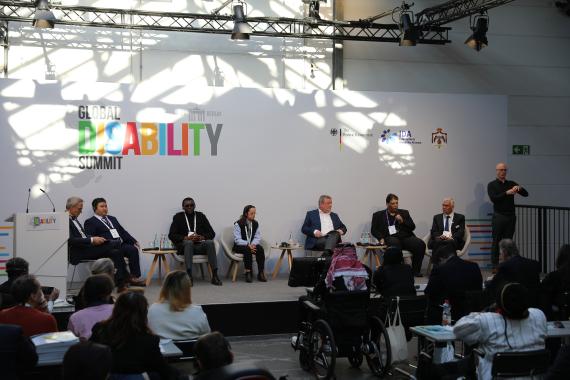
The unity of Europe was a dream of a few. It became the hope of many. Today, it is a necessity for all of us. It is [...] necessary for our security, our peace, our existence as a nation and as an intellectually creative international community.




At a glance
- As a European foundation, we promote understanding between EU Member States, reject nationalist and populist tendencies and actively counter them.
- The aim of our work is to strengthen the transatlantic partnership and the European Union’s Common Security and Defence Policy as a cornerstone of our security.
- We bring innovative practices from abroad to Germany. After all, we are convinced that in times of increasing systematic competition, our western democracies can only preserve their economic and political competitiveness against autocratic states through innovation.
- One focus of our work abroad lies in strengthening and networking decision-makers, experts, partner parties and their junior members, the military and selected civil society actors and groups. The goal is to promote democratic developments and stabilise fragile democratic systems.
Content
1. We bring european and international issues to the general public
2. Security is becoming more multifaceted and increasingly complex
3. Innovations determine competitiveness
4. Functioning parties support stable democracies
5. European unification – looking ahead
6. Liberal world order must be reformed
7. Our offers and projects on the topic
8. Publications, events and media contributions on the topic
At a time when the realignment of global power relations is becoming increasingly obvious, Germany and Europe must adapt and expand their concepts, strategies and instruments.
We bring european and international issues to the general public
In the areas of foreign and European policy, the Konrad-Adenauer-Stiftung has set itself the objective of strengthening political and academic awareness of new foreign policy challenges, drawing up analysis and consulting services and contributing towards a new foreign policy culture in Germany. We do this with the help of our more than 100 country offices and our experts in Germany. The Konrad-Adenauer-Stiftung uses its event series, its regularly published political reports and studies, podcasts, a stronger multi-media presence as well as the International Reports magazine to raise broad public awareness of European and international affairs. Which focal points and basic convictions guide us in this?
Security is becoming more multifaceted and increasingly complex
For us, the Transatlantic Partnership and the European Union’s Common Security and Defence Policy are the cornerstones of our security. We want to strengthen them through our work. We believe, on the one hand, that security entails the classic military capability of national and alliance defence. Yet we know that we have to think about the concept of security in a multi-faceted way, on the other. The fight against Islamist terrorism is therefore just as high on our agenda as the complex interactions between climate change and security, and global health policy and security.
Innovations determine competitiveness
First and foremost, we see new innovations as an opportunity, and have tasked our country offices with keeping a close eye on how other societies are using possibilities of digitalisation. This is how we bring best practice to Germany. We are convinced that only through innovation can Germany and Europe remain economically competitive and in the political race with authoritarian models of society, while at the same time redesigning their production in an environmentally sustainable manner and secure their prosperity. On the other hand, we are aware of the challenges of digitalisation and discuss possibilities to politically shape it in terms of protecting the private sphere and our liberal social order.
Functioning parties support stable democracies
Democracy cannot function without functioning political parties! This credo also guides our work abroad. We thus strengthen and connect our partner parties in the different regions around the world and especially their young professionals, both with regard to content and to modern and value-based political communication. At the same time, we know that representative democracy facilitated by parties can be usefully complemented by participatory elements. That is why we strengthen selected civil society actors – not least in countries where free party competition cannot take place. It is particularly interested in supporting those people and institutions that champion the peaceful transition to democracy.
European unification – looking ahead
We see ourselves as a European foundation. We would like to counter growing nationalist and populist tendencies in many European Union Member States. Therefore, our work in Europe fosters understanding between member states and looks to the future: What holds us together as Europeans and in what kind of Europe do we want to live together? How do we practice solidarity with our European neighbours without losing sight of the individual responsibility of each state?
Liberal world order must be reformed
Many crises in recent years not least the Corona pandemic, have illustrated how important functioning multilateral organisations are for a rules-based world order. We thus actively support the reform process of the United Nations, just like the World Trade Organisation and the World Health Organisation. For us, “multilateral world order” is always synonymous with liberal world order – both politically and economically. Today, this liberal word order is being challenged by authoritarian counter-models. That is why our work abroad is strengthening the ties with states, outside the North Atlantic region, which could be important allies in this conflict.
Country Offices and Regional Programmes
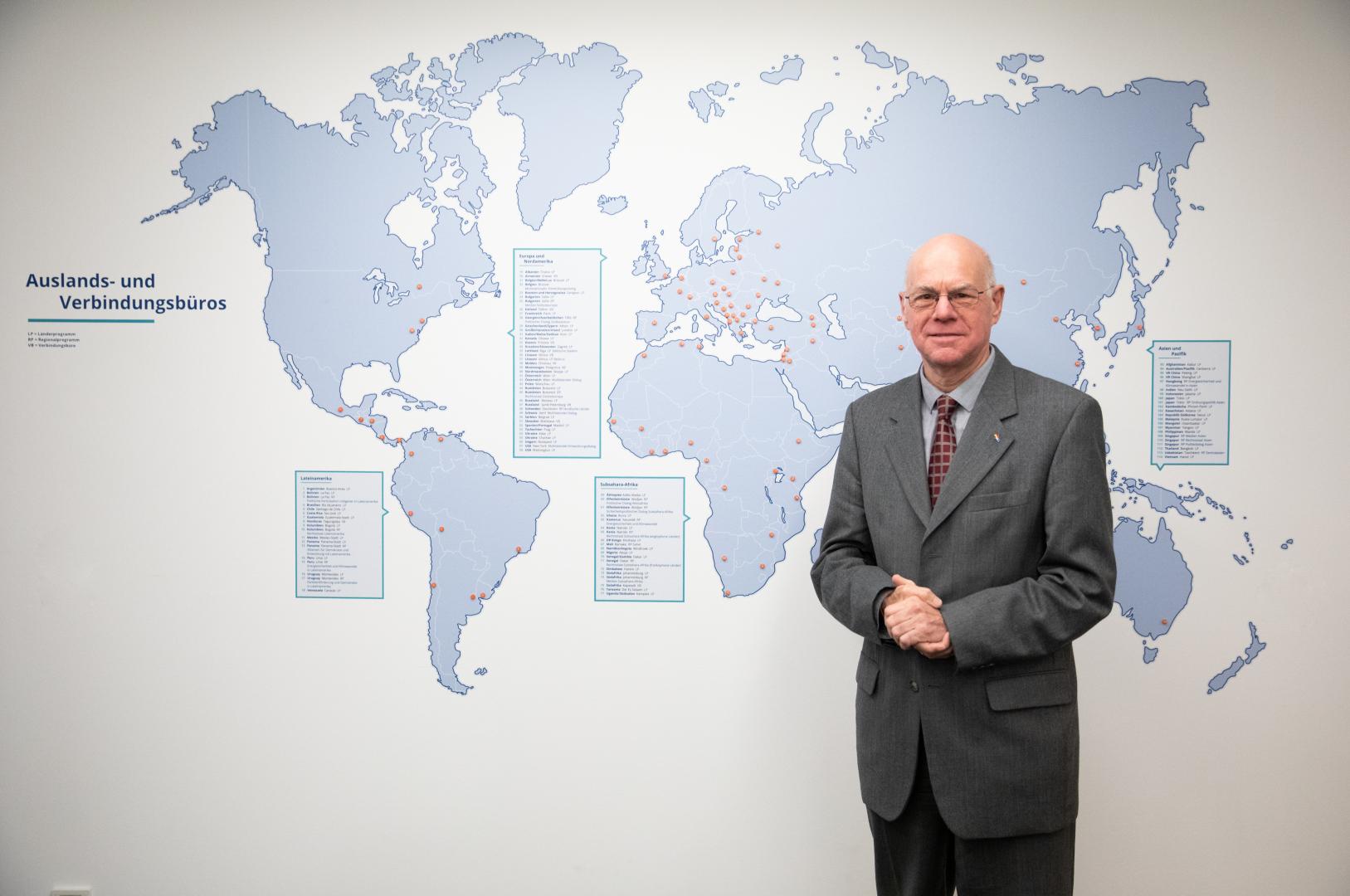
With more than 100 offices in over 80 countries, the Konrad-Adenauer-Stiftung pursues three main goals:
- contribute to improving political framework conditions in the countries of operation and resolving problems in line with the foundation’s goals and values;
- promoting the transfer of knowledge and a change of perspective between Germany and the countries of operation;
- creating public forums for the representation of German political, economic, security and social interests.
You can find an overview with all offices on our worldwide map
International Media Programme
A democracy only functions if freedom of the press and of expression are guaranteed. However, these basic conditions do not exist in many countries around the world. That is why our offices in Johannesburg, Singapore and Sofia support media in the respective region with accepting its political responsibility and with contributing towards the development of democracy and strengthening statutory framework conditions. This enables the emergence of an independent media landscape as well as establishing a basis for the free formation of opinions in politics and society.
International Rule of Law Programme
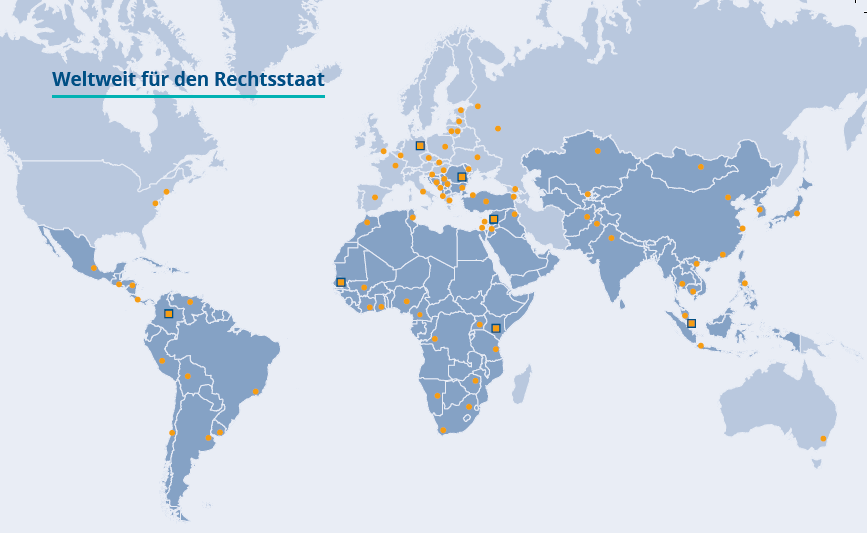
Since 1990, the foundation has complemented its international projects for democracy promotion and political dialogue with the transnational Global Rule of Law Programme. Locations of the five regional programmes are in Bogotá for Latin America, Singapore for Asia, Nairobi Dakar for Sub-Saharan Africa, Bucharest for South-East Europe and Beirut for the Middle East/North Africa. Global activities concerning the rule of law are coordinated from Berlin.
International Party and Political Dialogue
 KAS MDPD
 KAS MDPD
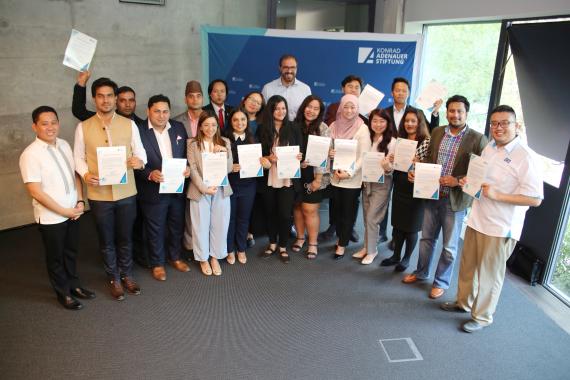
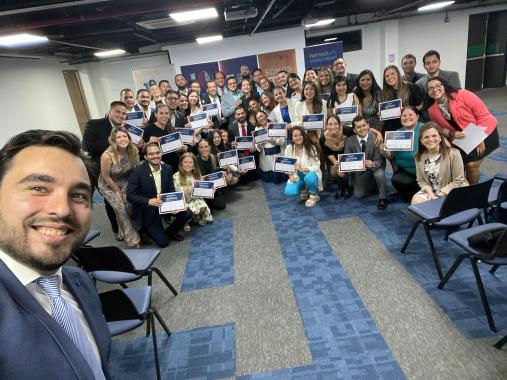
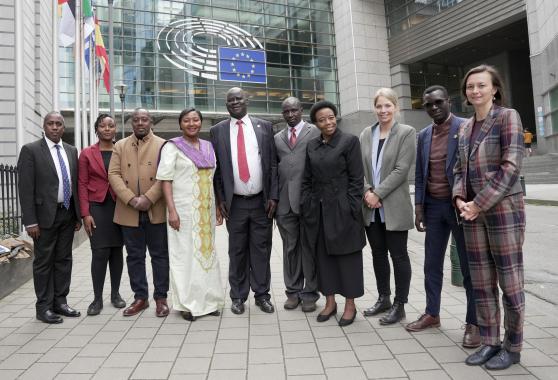
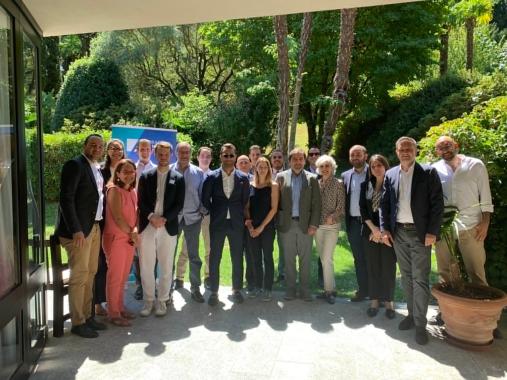
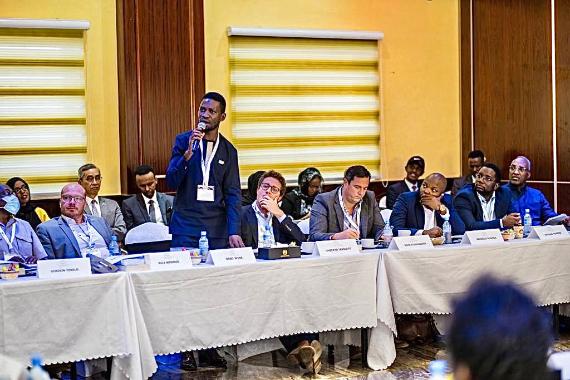
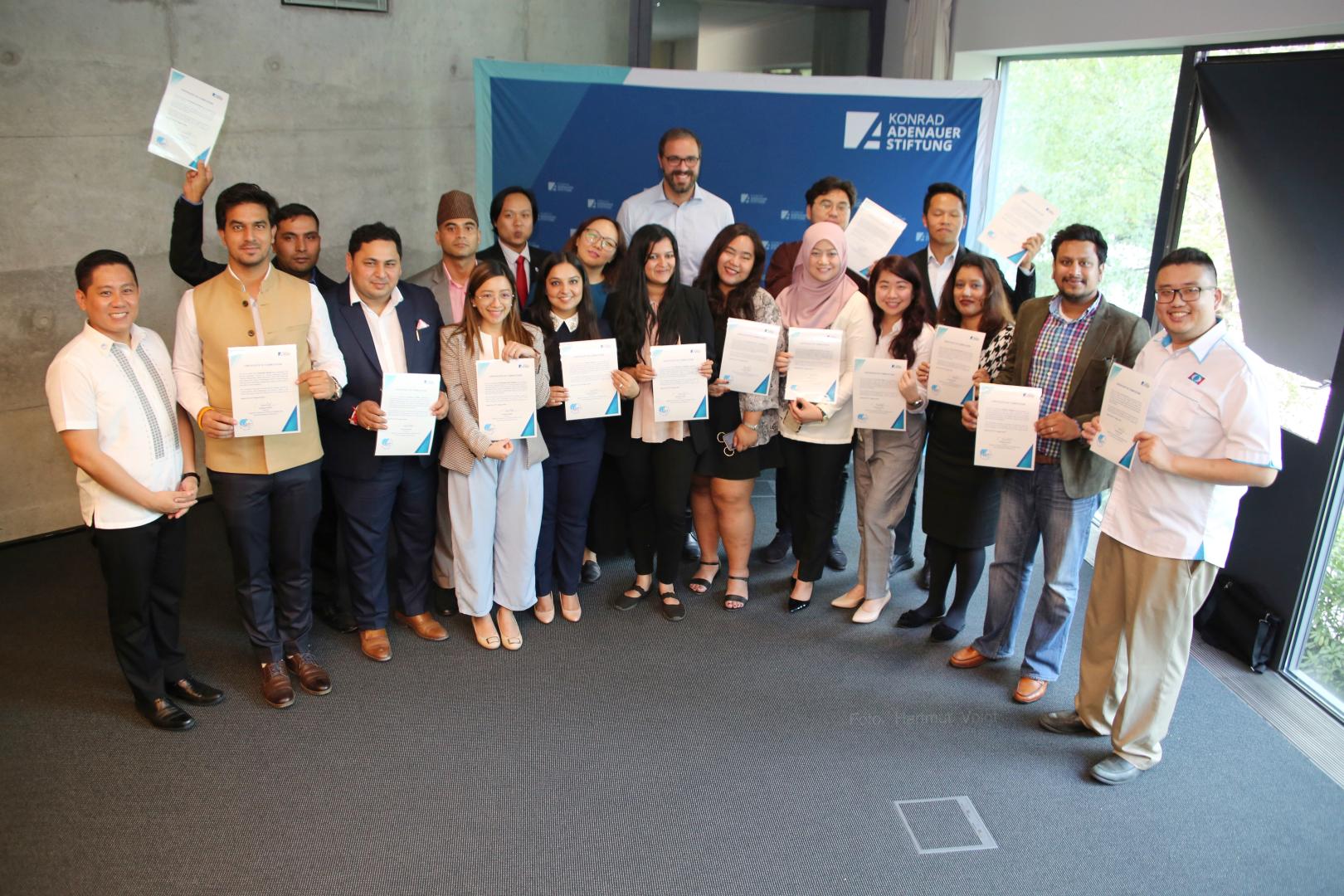
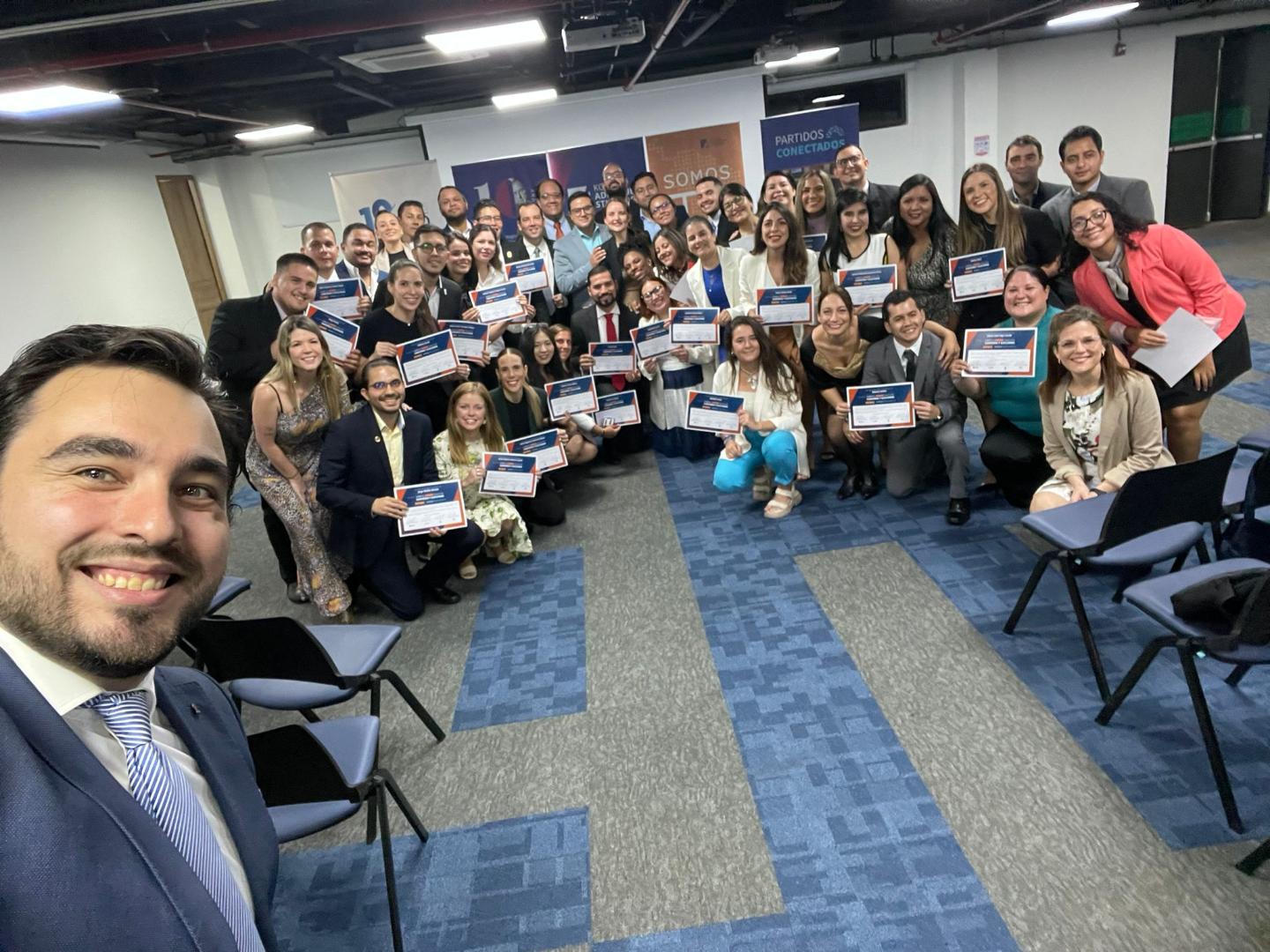
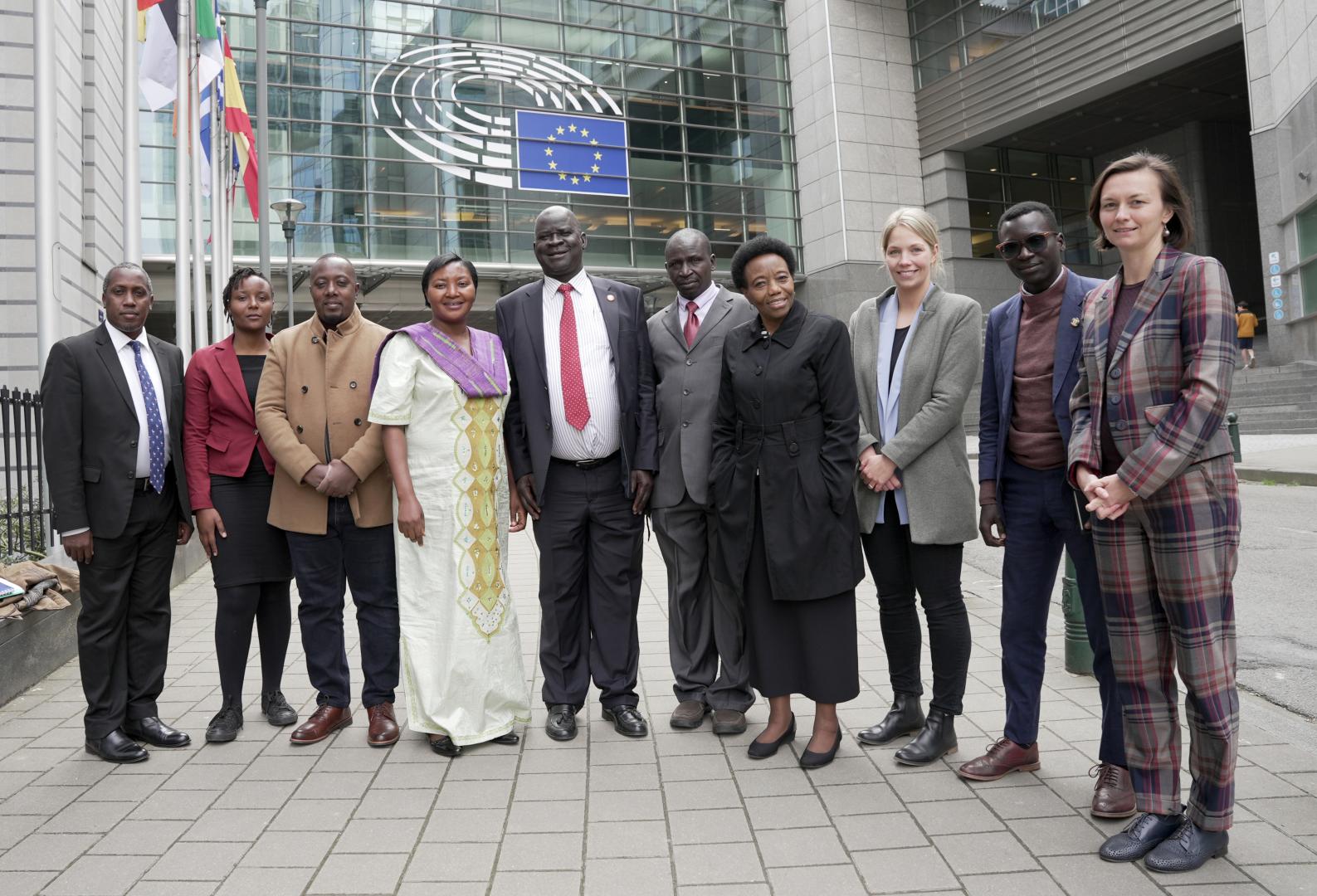
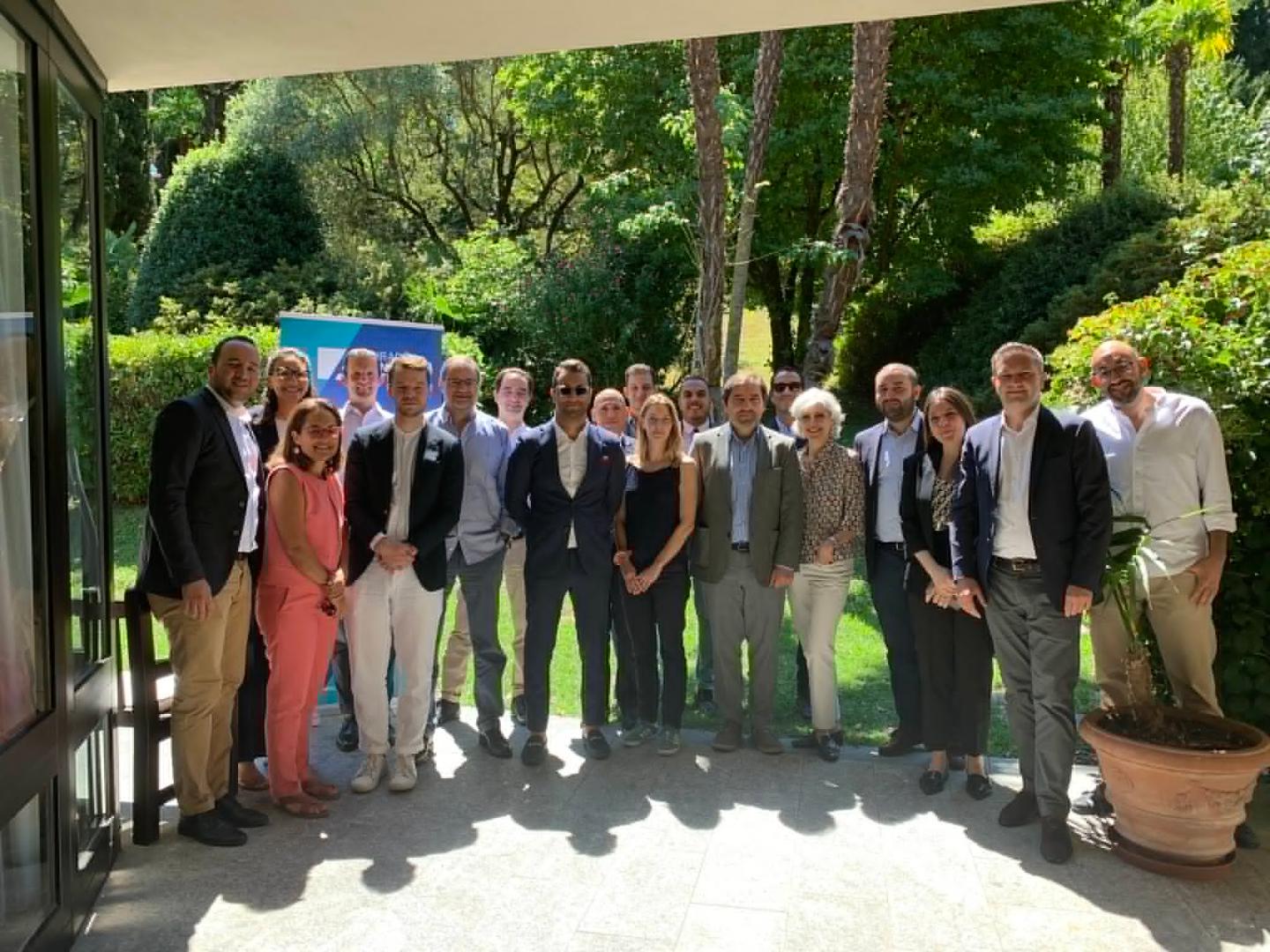
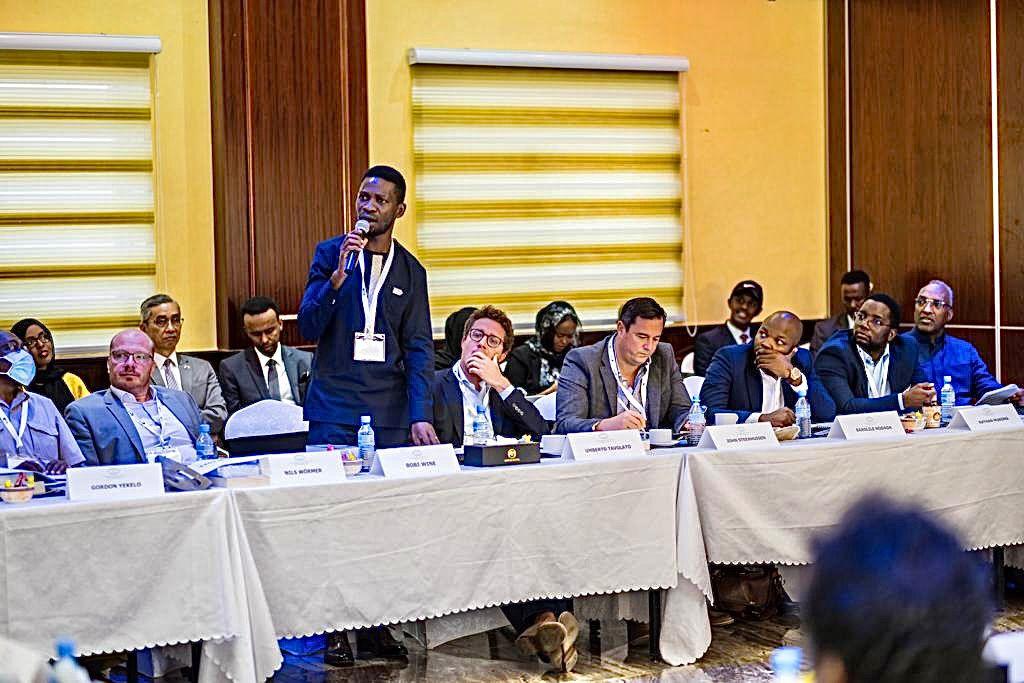
Democracy promotion is one of the Konrad-Adenauer-Stiftung’s primary objectives abroad, too. For us, parties are integral actors of a functioning and vibrant democracy. That is why we promote and take care of exchange and cooperation. We support democratic parties and politically active persons that share our values. Through our work both on the ground and at regional and international level, we provide a platform for political dialogue with and between parties and their target groups. Learn more on the pages of our Regional Programmes.
Multilateral Dialogue / Multinational Development Dialogue
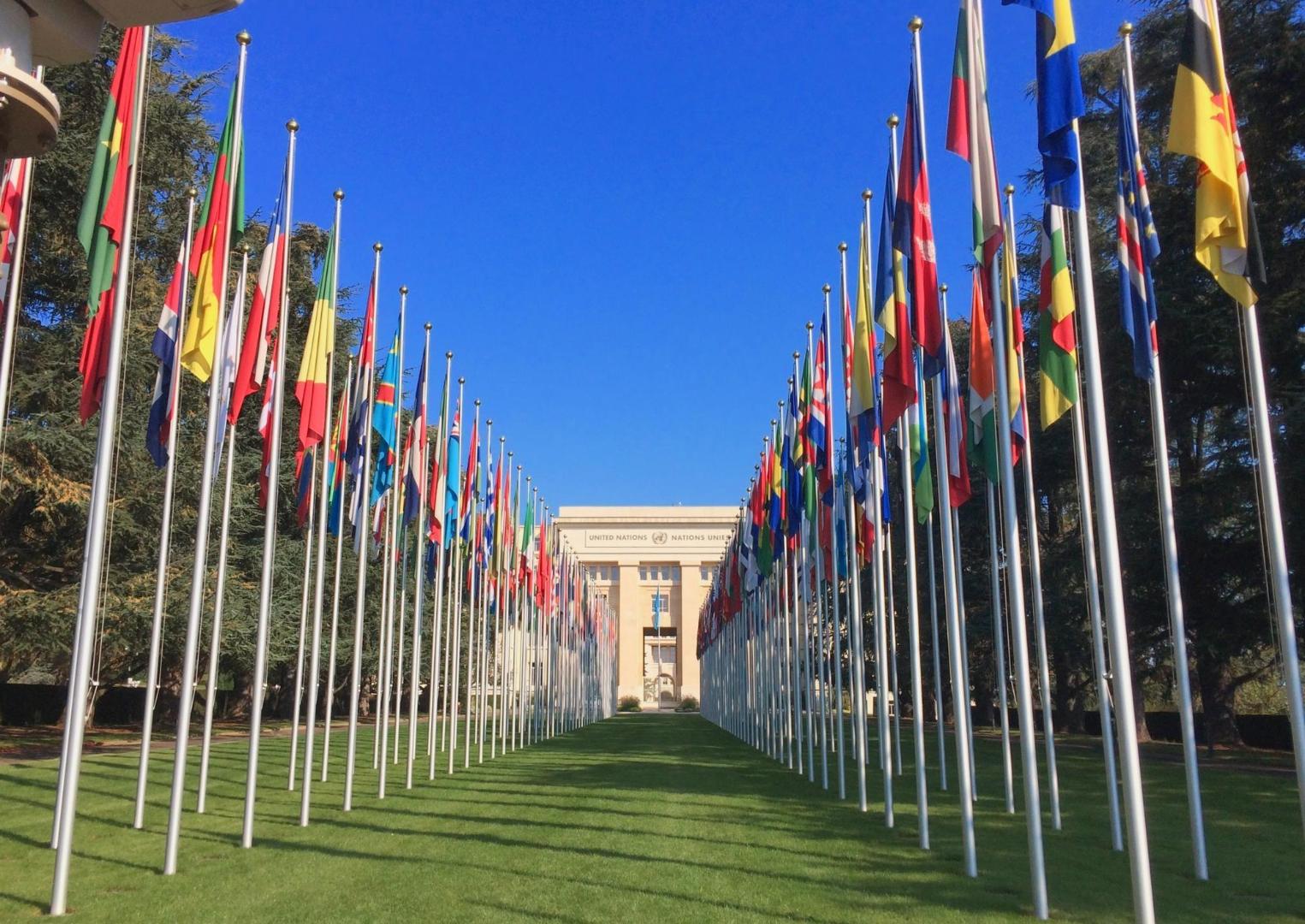
In New York, Geneva and Vienna - important main locations of the United Nations - our foundation offices deal with relevant and current discussions and debates conducted by the United Nations and its sub-organisations. At the Washington location, the office of the Konrad-Adenauer-Stiftung works, among other things, on the Bretton Woods Institutions such as the World Bank and the International Monetary Fund. In Brussels, the Foundation promotes dialogue with the Global South. The work of our offices is oriented towards our overarching priority themes: “Security needs freedom”; “Sustainability needs innovation” and “Democracy needs participation”.
Learn more about the Multilateral Dialogue / Multinational Development Dialogue
European Offices
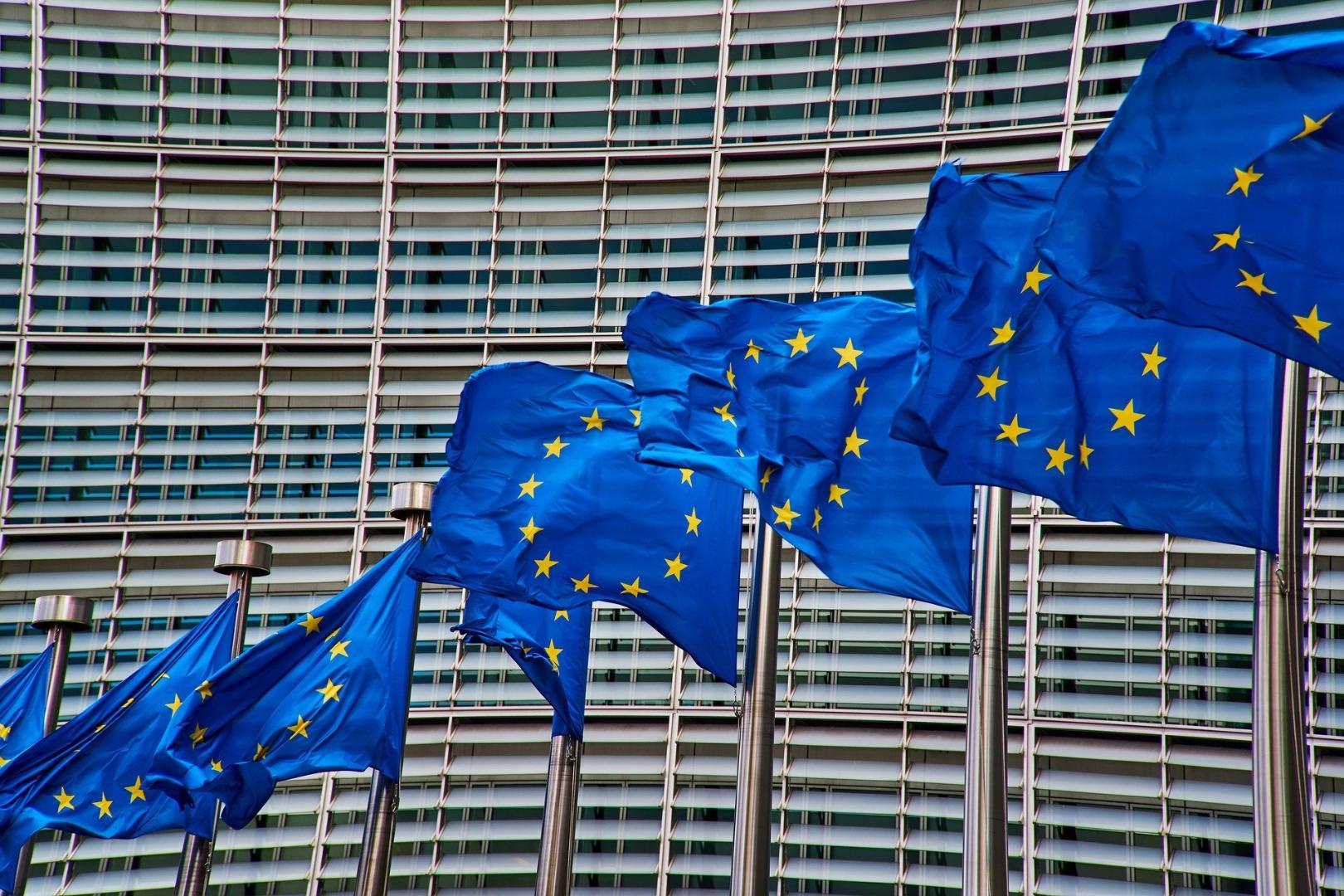
The European Office Brussels has been supporting the European Union’s development since 1978. What is more, it supervises projects in Belgium, the Netherlands and Luxembourg. The goal is to positively influence the European integration process in the spirit of Konrad Adenauer, with EU policy being particularly important for us in this regard. The European Office sees itself as a forum for Christian Democratic interests. It primarily aims to heighten understanding of basic motives behind the unification process.
The Konrad-Adenauer-Stiftung’s Multinational Development Policy Dialogue in Brussels shapes development policy dialogue with the European Union and NATO. In doing so, it contributes the experience and expertise of KAS’ global project work as well as the interests of German development policy to the consultation process of the European Union.
Selected event series
Strengthening the culture of debate and arousing interest in international political issues: that is the main focus of our regular event formats. This way, our foreign policy expertise reaches a broad public outside the political establishment in Berlin, and, in turn, obtains valuable insights.
F.A.Z.-KAS Debate on International Politics
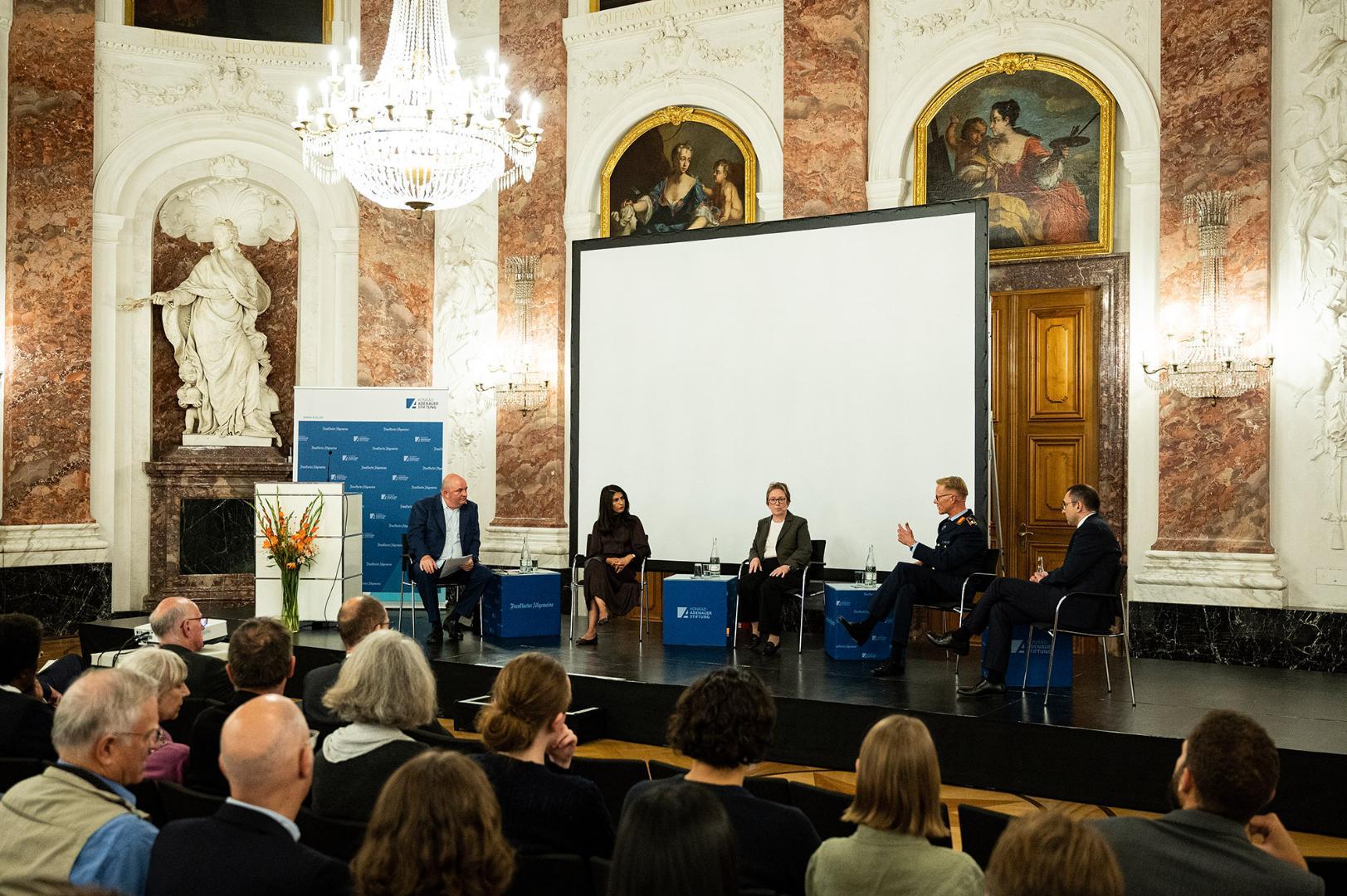
The annual F.A.Z.-KAS Debate on International Politics intends to play a part in reinforcing the important discussion on foreign policy issues in Germany. This debate brings together two partners with extensive experience and knowledge in international affairs: The Konrad-Adenauer-Stiftung with its 111 offices abroad and the Frankfurter Allgemeine Zeitung, which for many years has been analysing international politics with its recognised foreign policy expertise.
Learn more about the F.A.Z.-KAS Debate
Adenauer Conference
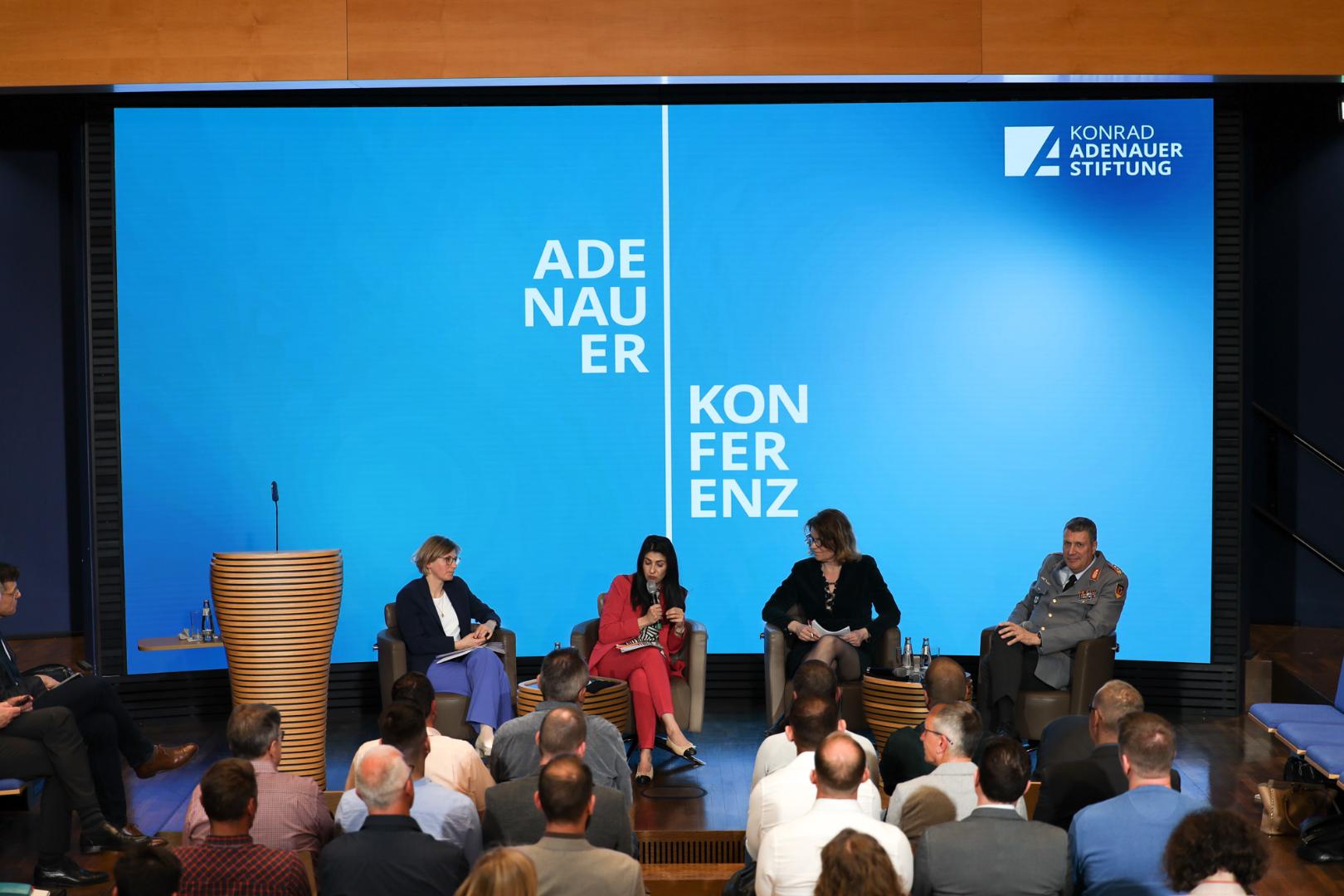
What role does NATO play? What is the Corona pandemic affecting security policy? Where is Europe in the system competition? At the annual Symposium on Germany’s Role in International Security Policy, high-ranking politicians and experts discuss strategic issues for the future.
Speech on Europe
The Speech on Europe is the annual statement by the highest representatives of Europe: The President of the Council of the European Union, the President of the European Parliament and the President of the European Commission takes it in turns to present their positions on the idea and state of Europe. The format is a cooperation of the Konrad-Adenauer-Stiftung, the Schwarzkopf-Stiftung Junges Europa and the Stiftung Zukunft Berlin.
GLOBSEC Bratislava Forum
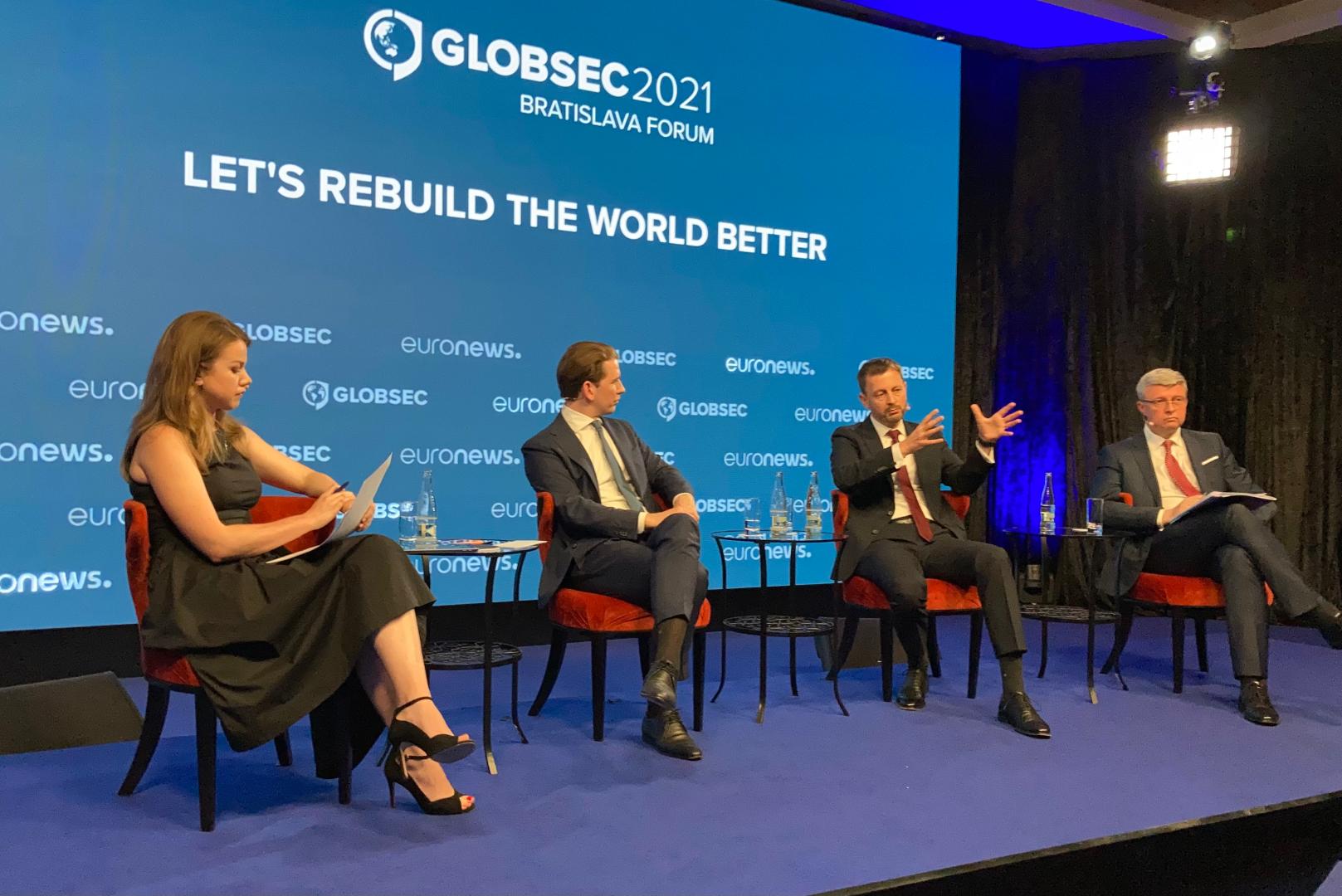
Since 2005, the Konrad Adenauer Foundation has been an important partner in the organisation of the annual GLOBSEC Bratislava Forum. The Forum is one of the most important strategic conferences in the field of security and international relations. The aim is to promote dialogue on current and future challenges in European and foreign policy.
Forte International Security Conference
Since 2003, the Konrad Adenauer Foundation in Brazil, in cooperation with the foreign policy think tank Brazilian Centre for International Relations (CEBRI) and the Delegation of the European Union, has organised the annual “Forte International Security Conference”. The main objectives of the conference are to discuss and exchange current international security issues of common interest to partners on both sides of the Atlantic.
Selected publication and website projects
We accompany current events analytically and use our expertise on the ground or take up interesting debates and look at them from different angles: The Konrad-Adenauer-Stiftung regularly produces exciting information pages, publications and website projects on various aspects of international issues, which we present to you below.
75 years of NATO
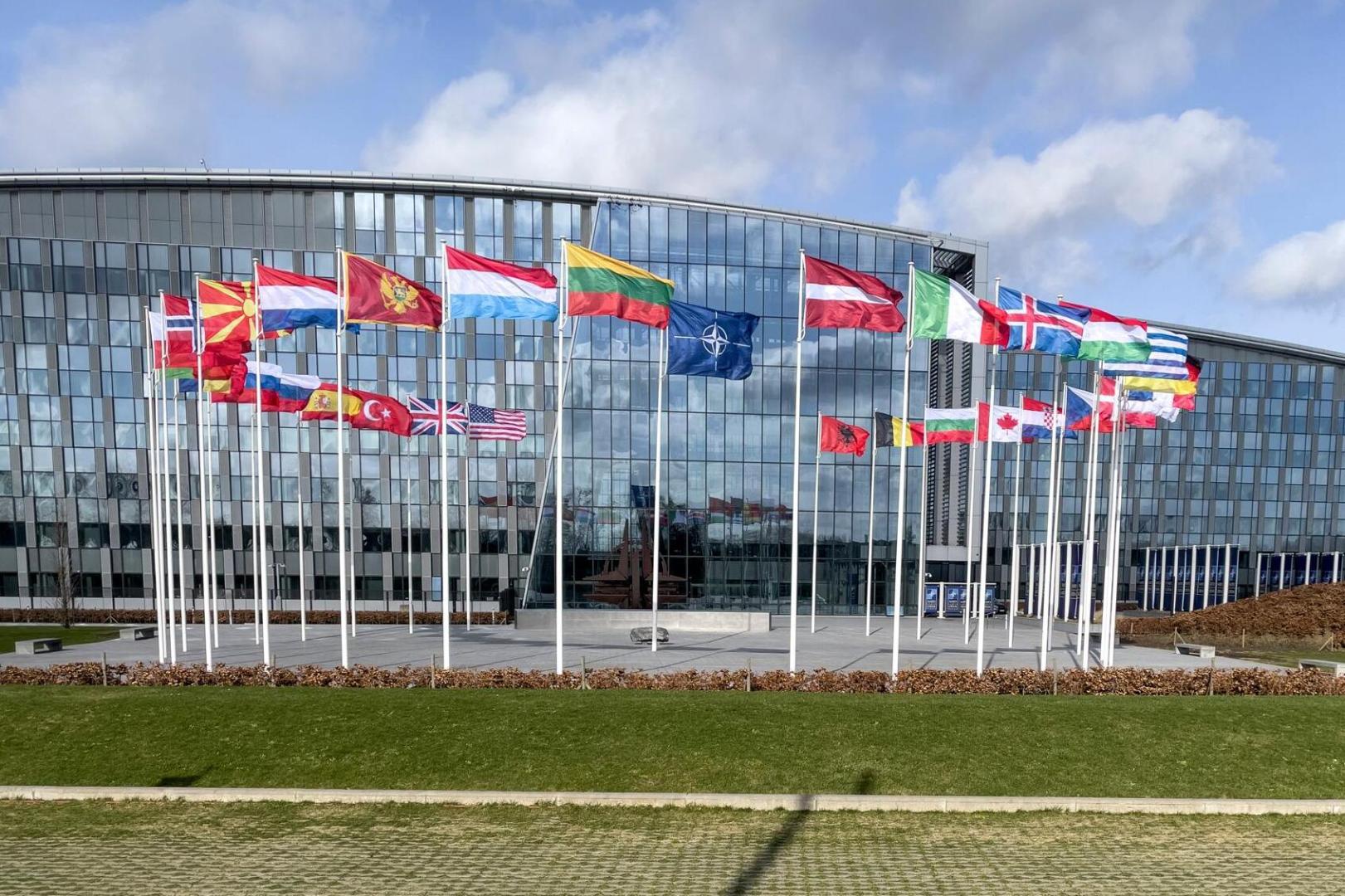
As an important pillar of European security, NATO has not lost its relevance in 75 years of its existence – quite the opposite. Russia's war of aggression against Ukraine has shown just how important the transatlantic alliance is for Europe. On our project page for the Alliance's 75th birthday, we take you on a journey through NATO's history and highlight current developments, challenges, and opportunities. So, come and take a look and discover our wide range of publications and other formats to mark NATO's 75th anniversary!
BRICS expansion
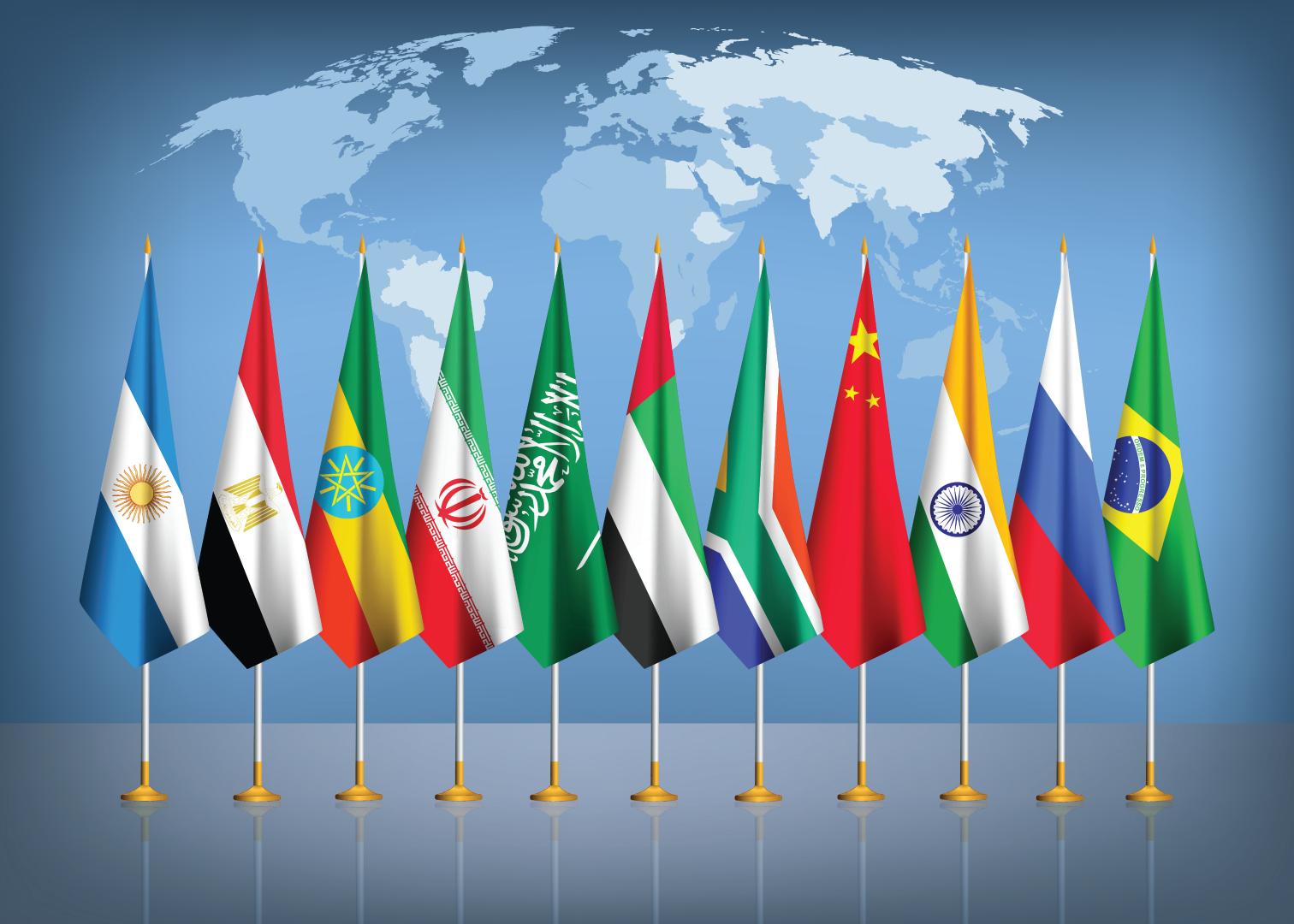
At its summit in August 2023, the BRICS alliance of Brazil, Russia, India, China and South Africa decided to expand by six countries from January 2024.
What does the inclusion of Iran, the United Arab Emirates, Saudi Arabia, Argentina, Egypt and Ethiopia mean for the alliance's cohesion, economic power and geopolitical significance? How is "BRICS+" viewed in the various regions? And above all: what conclusions should the EU and Germany draw from this?
Selected podcasts
Politics for on the Move: Accessible via any Smartphone, our podcasts provide exciting insights and background information on international topics. In discussions that are easy to understand by the general public, experts as well as KAS specialists explain foreign policy events and developments, international politics and place global debates in the forefront. Thanks to the audio format, conversation partners can be reached anywhere in the world.
Auslandsinfo.Spotlight
Background information in which there is no space in the news or topics underexposed in the media – the “Spotlight” podcast gives them the attention they deserve: Hence, scarcely addressed ongoing crises are examined, geopolitical shifts are explained and connections are established.
MultiPod
How does the United Nations Human Rights Council work? What multilateral alliances are there in Latin America? And why is arms control important? From New York to Brussels, Geneva and Vienna to Singapore - in the MultiPod, once a month we talk about current international and multilateral issues. Besides experts from international organisations, our colleagues from the Konrad-Adenauer-Stiftung’s worldwide network of country offices have their say. They classify processes in depth, explain connections and provide background information.
Rule of Law Rules
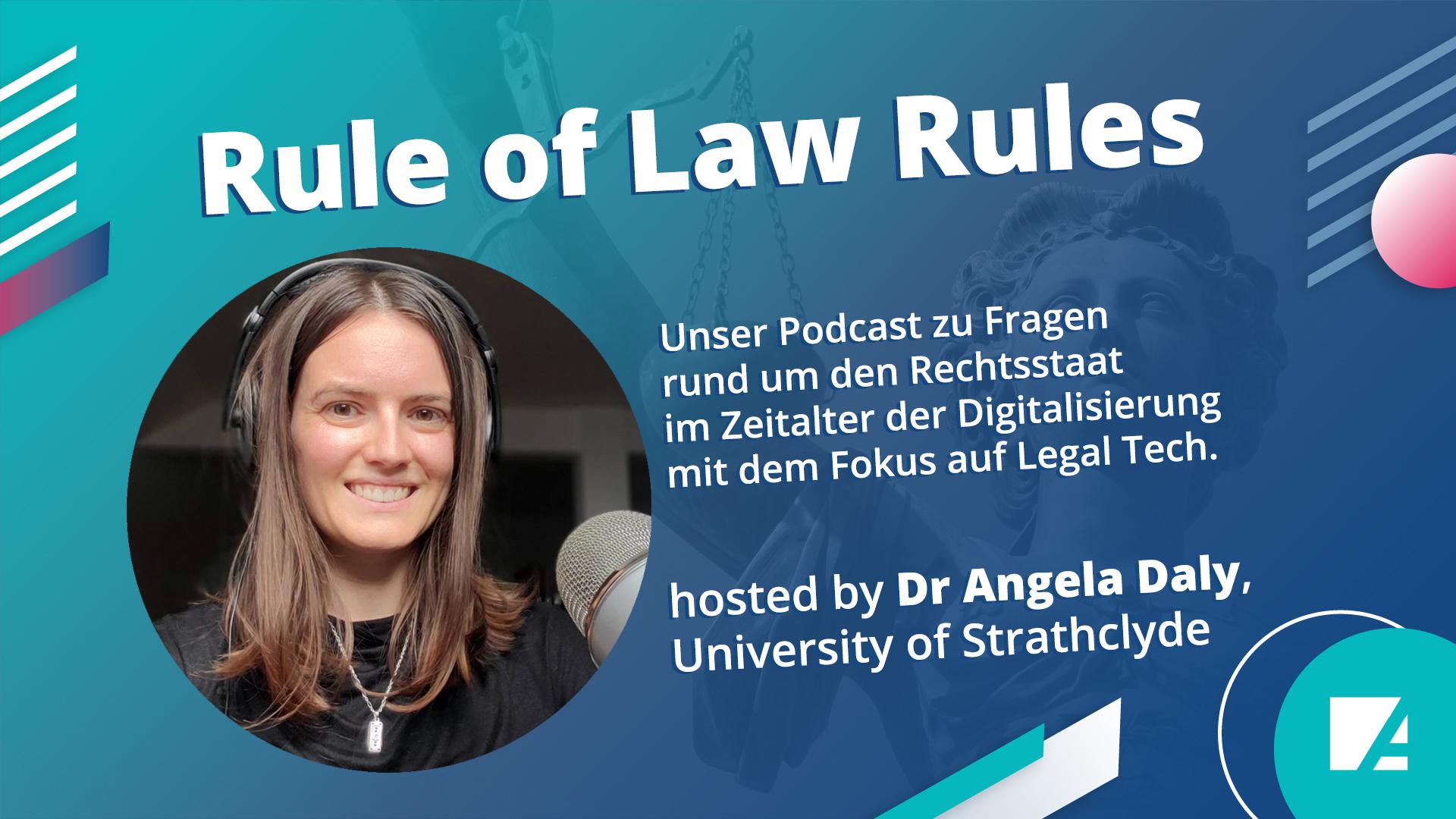
What value is accorded to human rights in the digital age? We speak to international experts about data protection, legal tech and the use of artificial intelligence.
Learn more about the Rule of Law Rules
Anniversary: 60 years of international work
Our international engagement began in the 1960s in Latin America. The Konrad-Adenauer-Stiftung is now represented on all continents with over 100 offices in more than 80 countries. With its projects, the Konrad-Adenauer-Stiftung campaigns worldwide for the rule of law, multilateralism, climate protection and social market economy.
On the Beginnings and Development of Work Abroad
The world has changed dramatically over the last 60 years. Yet the mission of realising a political, social and economic order based on human dignity in all parts of the world, has remained. Here you can read, see and hear all about the beginnings and development of our work abroad.
Learn more about the beginnings and developments of the work abroad

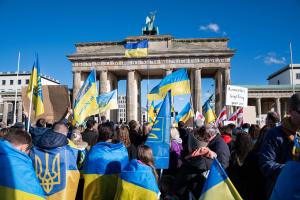
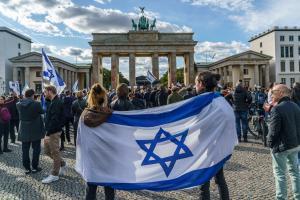
Publications on this topic
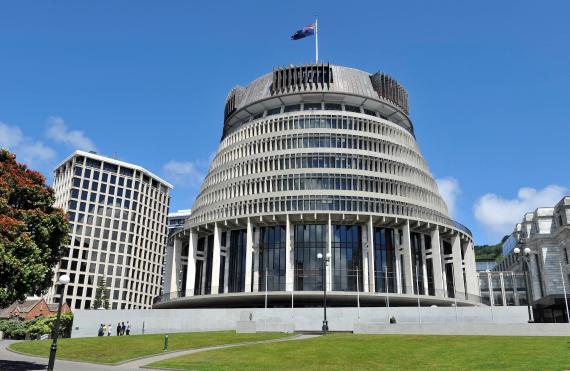 Richard Wareham
New Zealand Ahead of the 2026 Election
Political Fragmentation and Coalition Prospects
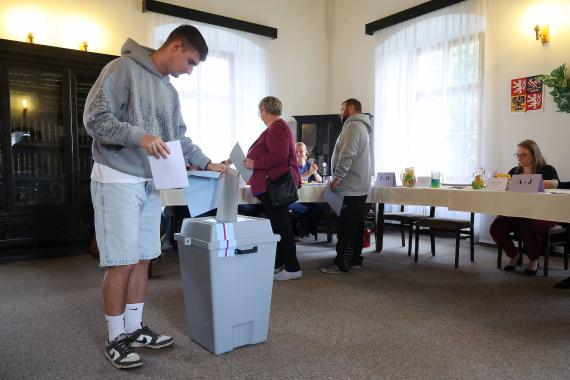 IMAGO / CTK Photo
Eelections in Czech
The municipal and Senate elections in the Czech Republic on October 9 - 10 and 16 - 17, 2026: a success for the centrist parties
 IMAGO / Winfried Rothermel
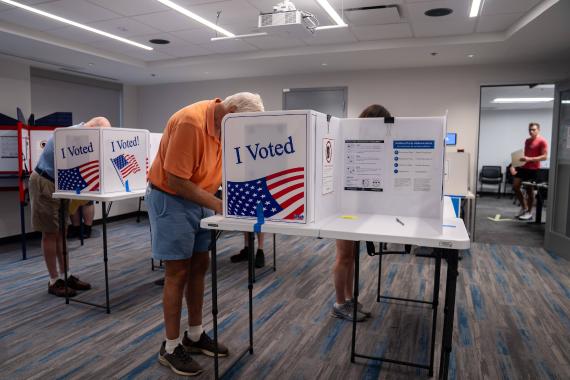
Where America Really Decides
The Political Geography of the 2026 U.S. Midterms

 Wikipedia CC BY-SA 3.0
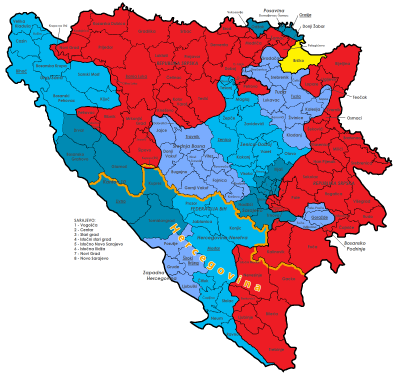
Bosnia and Herzegovina has voted and remains trapped in the status quo
The party-political power structure was confirmed, albeit with some shifts
 IMAGO / Pond5 Images
Mongolian President Khurelsukh To Visit Germany
An Attempt to Reinvigorate a Long-Distance Relationship
 IMAGO / Xinhua
China’s ‘Space Silk Road’ – Space Partnerships in Africa
Security Implications for Europe and Germany
 IMAGO / Xinhua
Parliamentary elections in Latvia 2026
Centre-right parties are given the mandate to govern, right-wing populists are strengthened
 IMAGO / MAXPPP
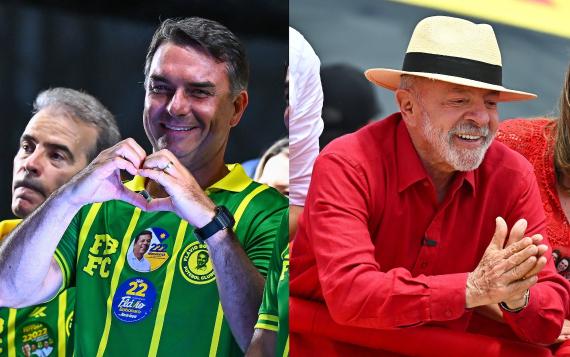
Brazil shifts to the right
Flávio Bolsonaro is narrowly ahead of President Lula in the first round of voting, whilst conservative forces in parliament and in the regions will be calling the shots
 CIS
CIS
African Vector of Global Politics: Interests of Key Actors and Opportunities for Ukraine
Strengthening Analytical Capacity for Foreign Policy Decision-Making
 CIS
CIS
South Caucasus in Focus of Global Rivalry: Challenges and Opportunities for Ukraine
Strengthening Analytical Capacity for Foreign Policy Decision-Making

Event Reports on the topic
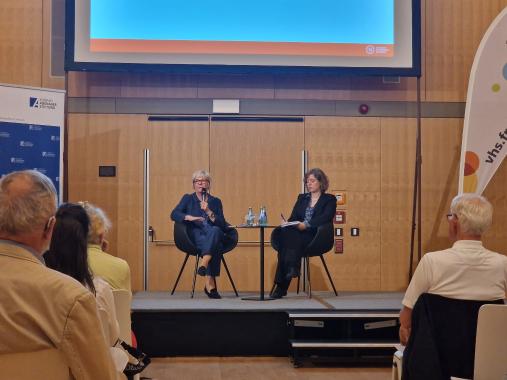
Ungarn nach Orbán – Kurs auf Europa?
Fünf Monate nach der Wahl: Wie gelingt der demokratische Neubeginn in Ungarn?

Die Zukunft der EU-Erweiterung: EU-Integration als geopolitische Notwendigkeit
Internationale Konferenz in Kooperation mit dem Zentrum Liberale Moderne

Jahrelanger Krieg in der Ukraine – Ein Blick auf den Krieg aus deutscher und aus spanischer Sicht
Kooperationsveranstaltung
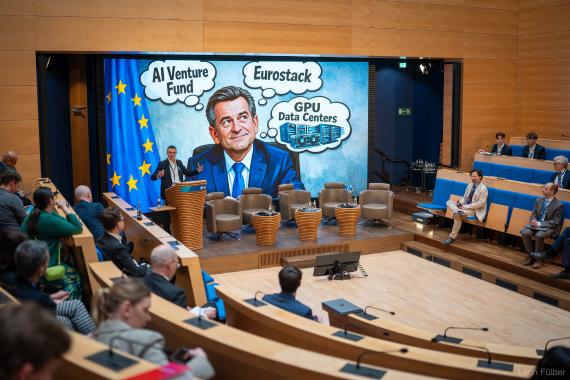 Leon Fülber
European Data Summit 2026 – Enforce. Simplify. Build.
Strengthening Europe’s Digital Economy Between Regulation and Sovereignty
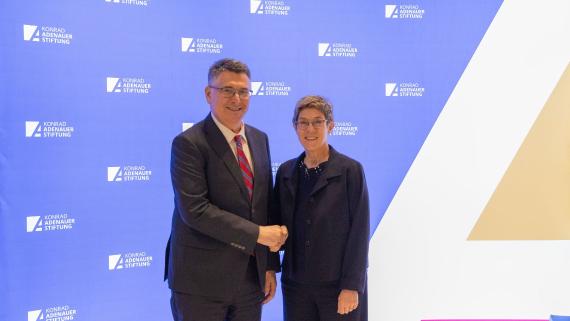
 KAS / Jens Jeske
„Unsere Europäische Union sturmfest und handlungsfähiger machen“
Grundsatzrede des Bundesaußenministers - Die XIII. Adenauer Konferenz zur Rolle Deutschlands in der internationalen Politik
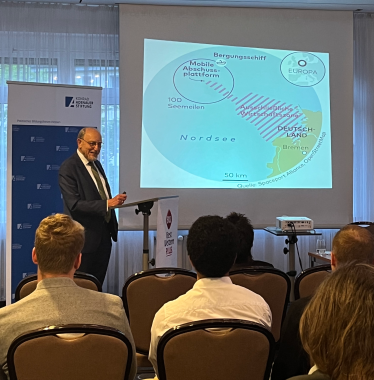
Weltraumsicherheit: Europa muss sich auch im Orbit verteidigen können
Eine Veranstaltung in Kooperation mit der Europa-Union Hessen
Interessen und Werte in der wirtschaftlichen Zusammenarbeit
Perspektiven für eine zukunftsfähige deutsche Entwicklungspolitik

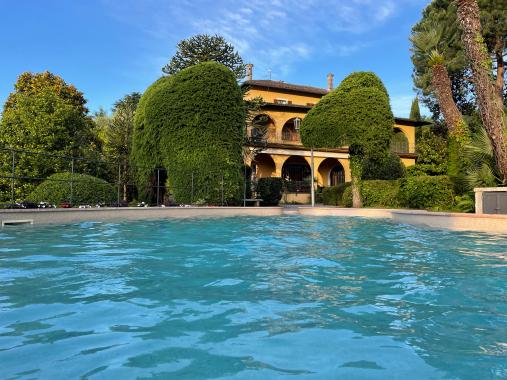
Quo vadis NATO? – Zeitenwende in den transatlantischen Beziehungen
Bericht vom Cadenabbia-Seminar in Kooperation mit der Deutschen Atlantischen Gesellschaft e.V. (29.03.-01.04.2026)
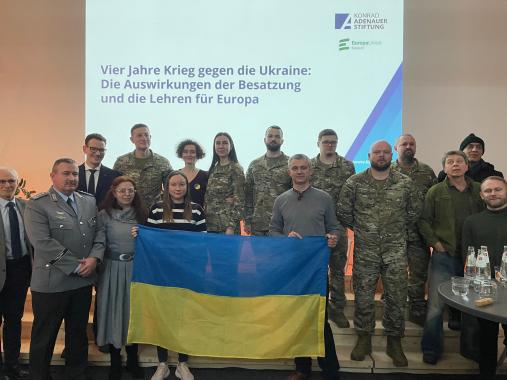
Vier Jahre Krieg gegen die Ukraine: Die Auswirkungen der Besatzung und die Lehren für Europa
Eine Veranstaltung in Kooperation mit der Europa-Union Kassel am 26.02.2026
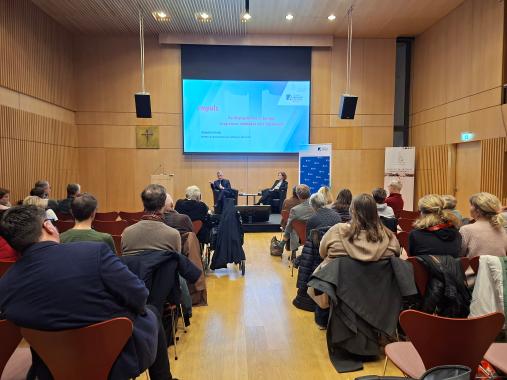
Rechtspopulismus in Europa: abgrenzen, einbinden oder tolerieren?
Eine Veranstaltung in Kooperation mit der Katholischen Akademie Frankfurt
 KAS/Jens Jeske
Europas Wettbewerbsfähigkeit sichern
Wie Deutschland und Europa international bestehen können
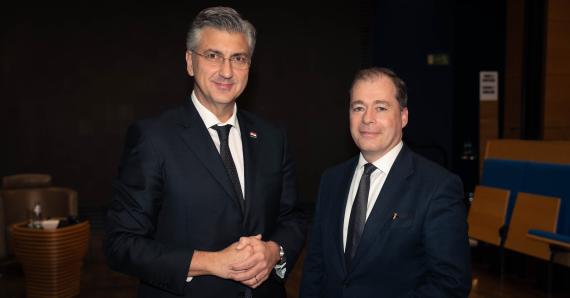
Deutschland und Kroatien: Gemeinsam für ein starkes und geeintes Europa
Europapolitische Rede des Ministerpräsidenten Kroatiens, Andrej Plenković, in der Konrad-Adenauer-Stiftung
 Liesa Johannssen/KAS WHS