






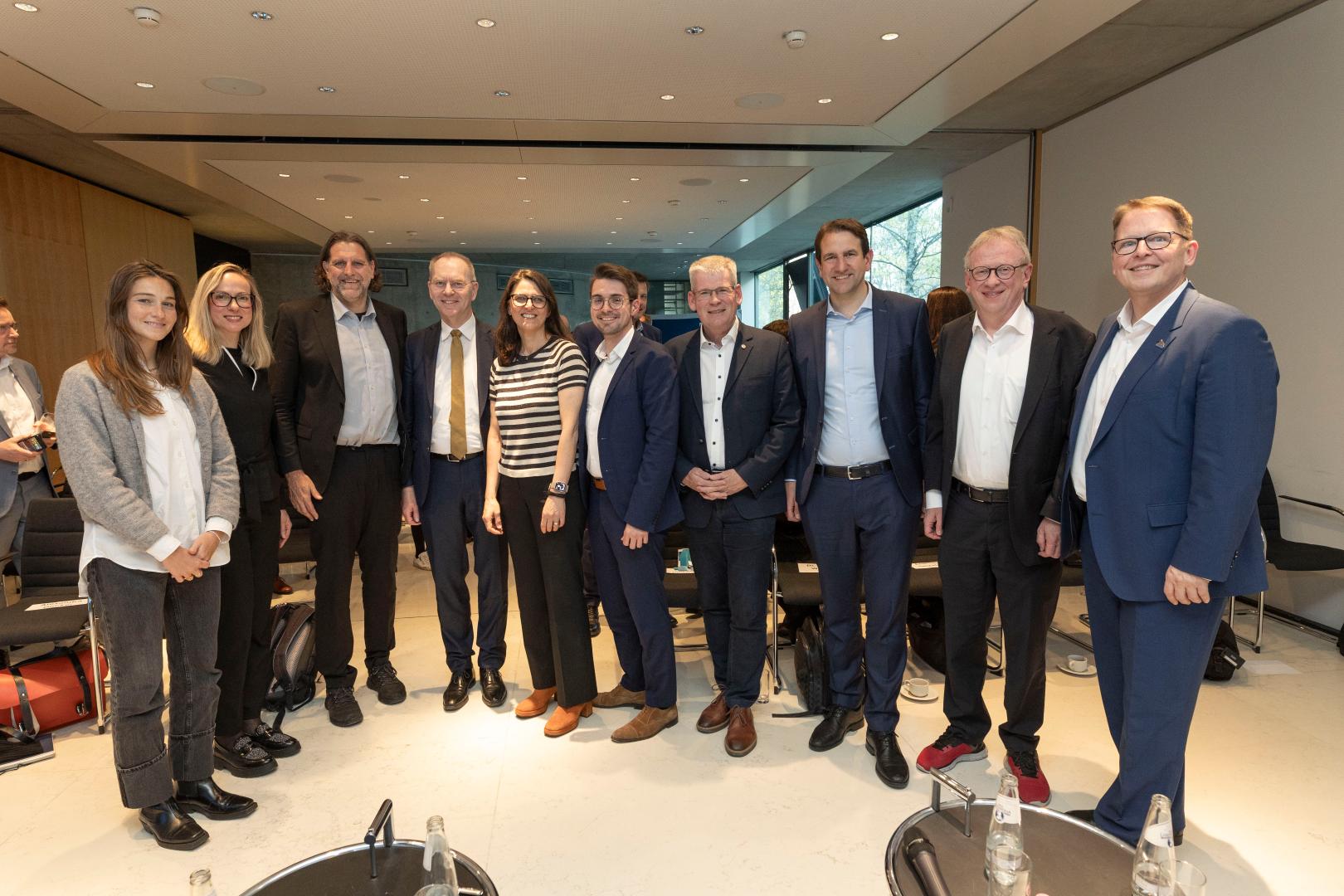
 Edgar Nemschok/KAS
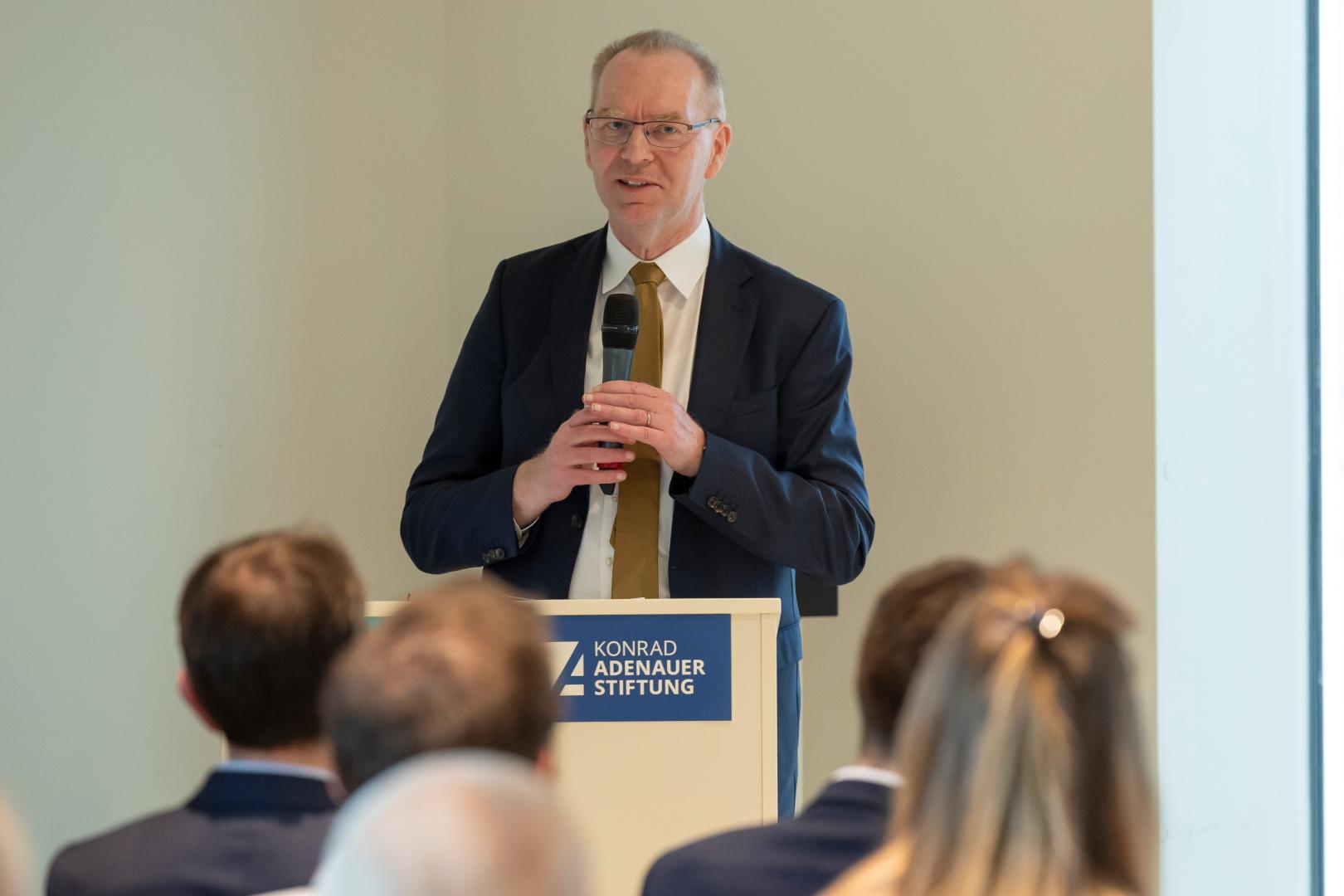 Edgar Nemschok/KAS
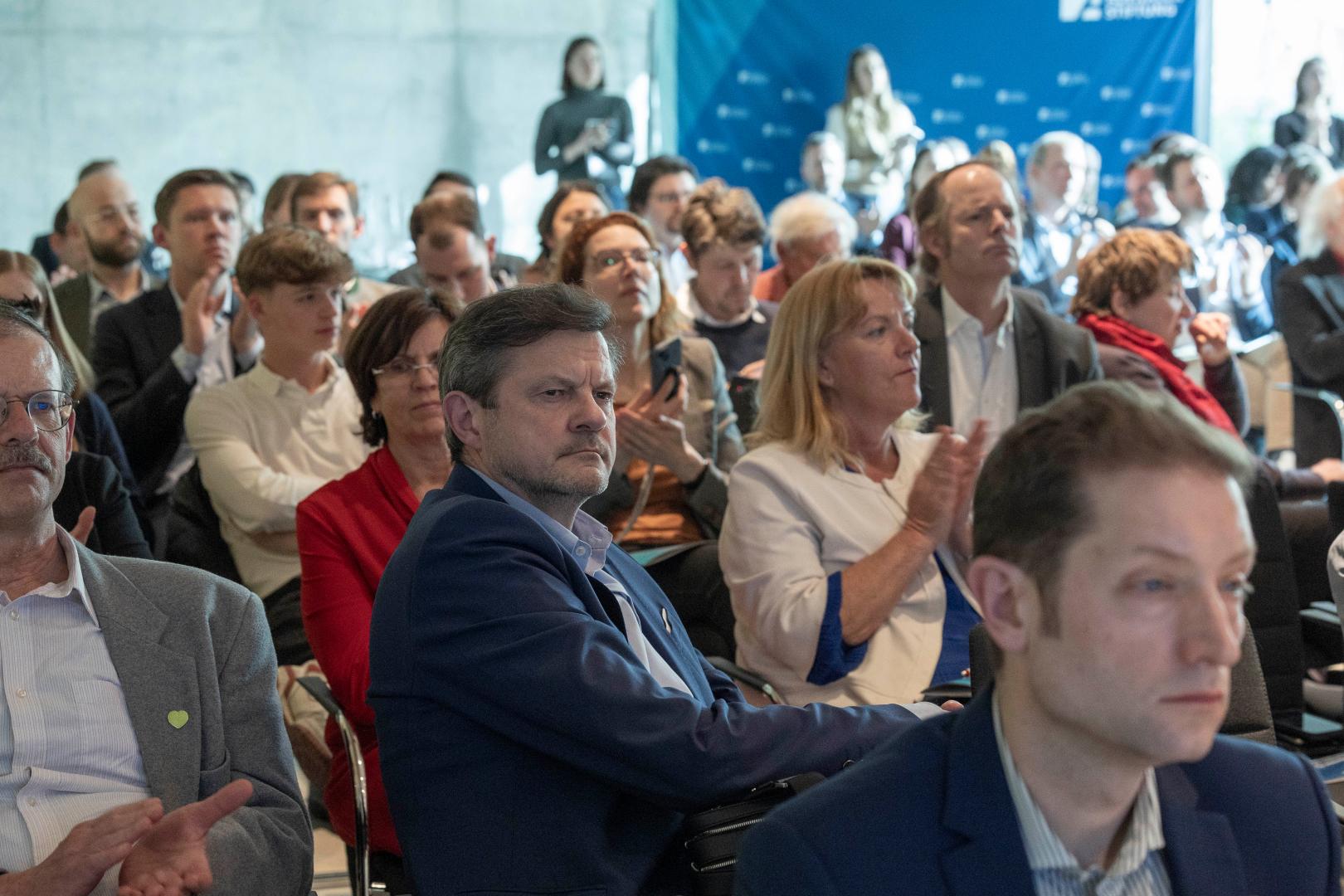 Edgar Nemschok/KAS
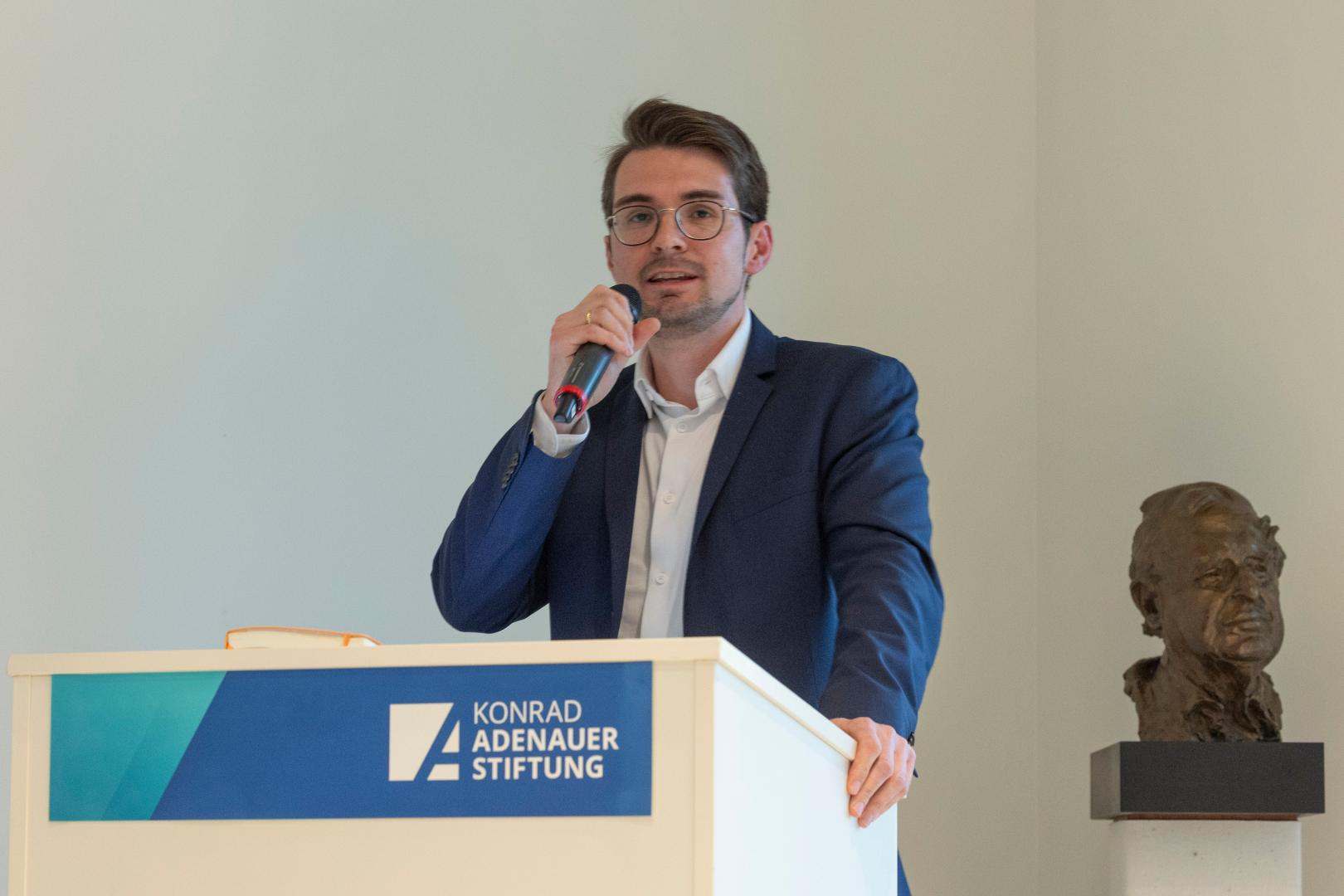 Edgar Nemschok/KAS
 Edgar Nemschok/KAS
 Edgar Nemschok/KAS
 Edgar Nemschok/KAS
 Edgar Nemschok/KAS
 Edgar Nemschok/KAS
 Edgar Nemschok/KAS
 Edgar Nemschok/KAS
 Edgar Nemschok/KAS
Edgar Nemschok/KAS
Edgar Nemschok/KAS
Edgar Nemschok/KAS
Edgar Nemschok/KAS
Edgar Nemschok/KAS
Edgar Nemschok/KAS
Edgar Nemschok/KAS
Edgar Nemschok/KAS
Edgar Nemschok/KAS
Edgar Nemschok/KAS
Edgar Nemschok/KAS
Edgar Nemschok/KAS
Edgar Nemschok/KAS
Edgar Nemschok/KAS
Edgar Nemschok/KAS
Edgar Nemschok/KAS
Edgar Nemschok/KAS
Edgar Nemschok/KAS
Edgar Nemschok/KAS
Edgar Nemschok/KAS
Edgar Nemschok/KAS
Edgar Nemschok/KAS
Edgar Nemschok/KAS
Edgar Nemschok/KAS


Missing Business Models and Infrastructure Deficits
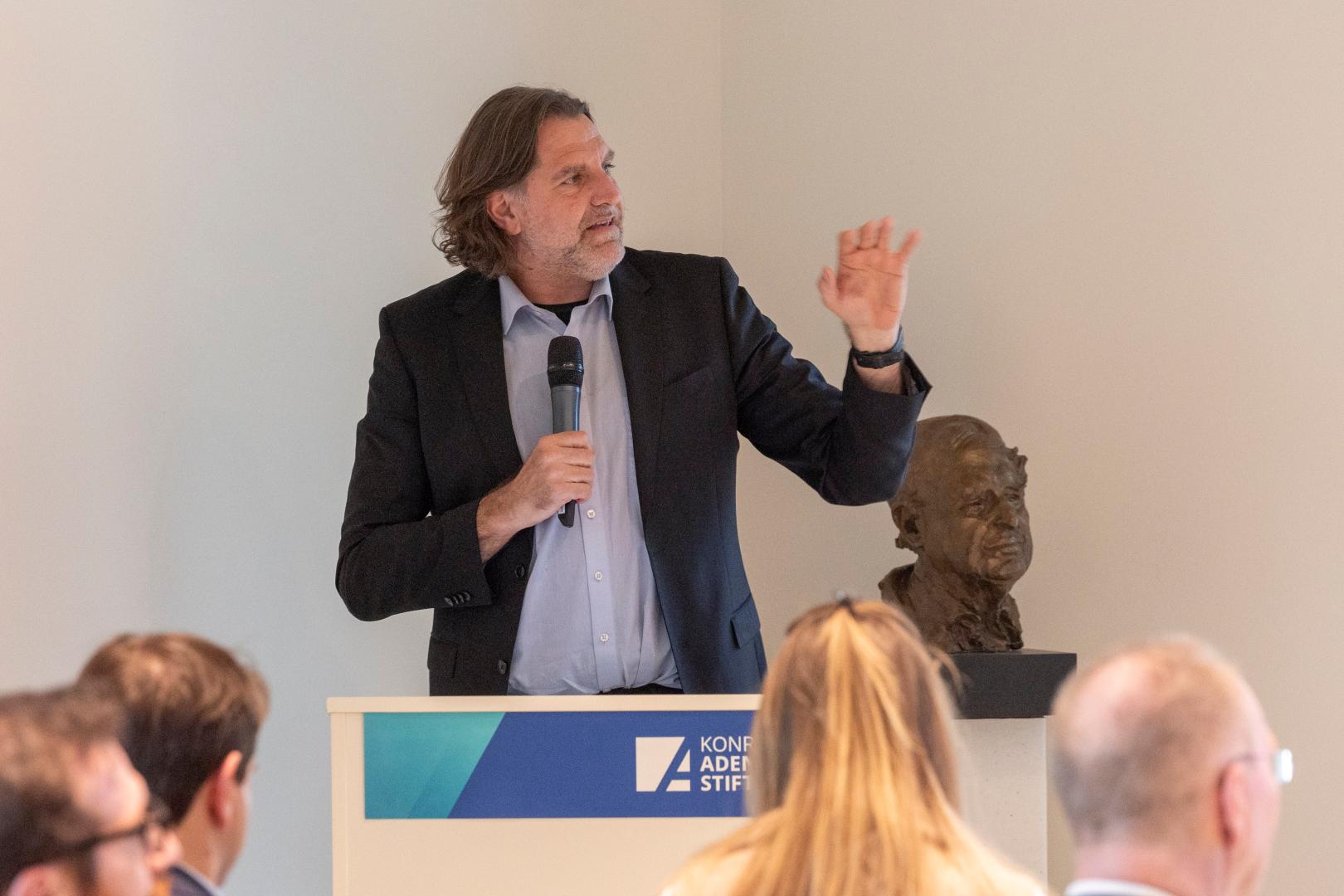
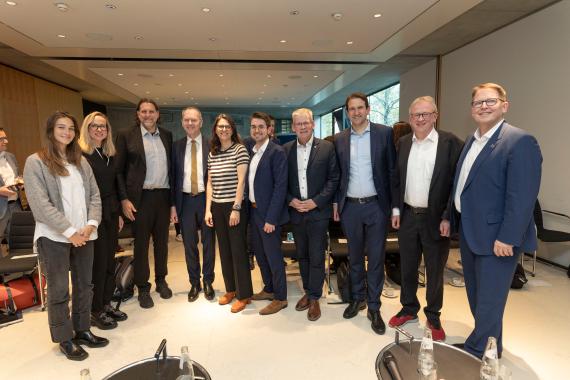
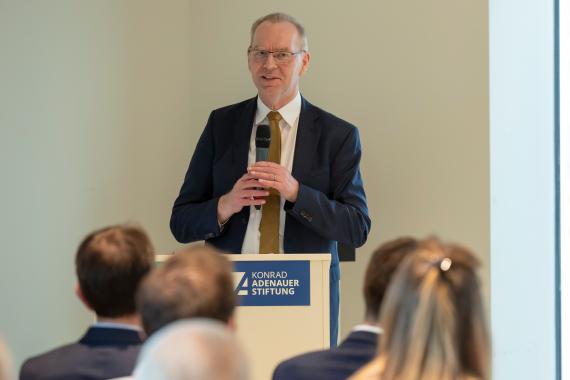
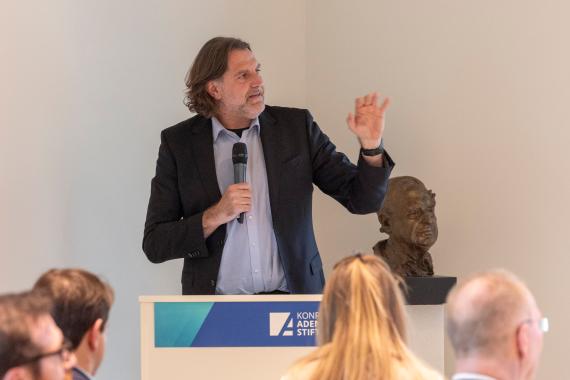
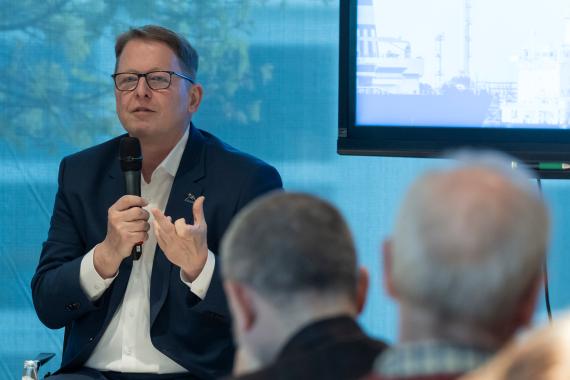
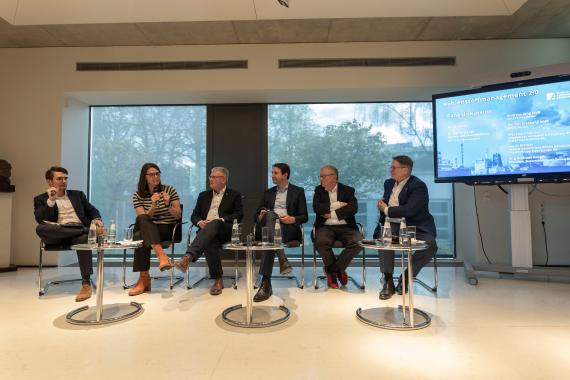
The event was opened by Dr. Peter Fischer-Bollin, Head of the Analysis and Consulting Department. He emphasized the importance of long-term, technology-based solutions for hard-to-avoid emissions and stressed that the goal of climate neutrality by 2045 can only be achieved with complementary instruments such as carbon capture and storage (CCS). However, challenges such as social acceptance, missing business models, and infrastructure deficits were also discussed. The founder and CEO of EPICO KlimaInnovation, Dr. Bernd Weber, highlighted the importance of planning security for companies and criticized the missed opportunities of the last legislative period. He also called for the continuation of climate protection contracts and emphasized that CCS is necessary as a complement to emission avoidance.
Löschel Calls for Integrated Planning and Differentiated Accounting
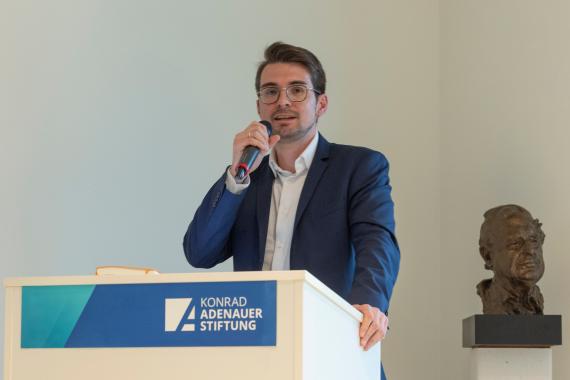
In his keynote speech, Prof. Dr. Andreas Löschel from Ruhr University Bochum emphasized that carbon management is an integral part of a consistent climate policy aiming for net-zero emissions by 2045 and negative emissions from 2050 onwards. He clearly distinguished between CO₂ utilization (CCU), capture and storage (CCS), and direct CO₂ removal (CDR) and pointed out that the regulatory framework for storage and transport in Germany is currently inadequate. Prof. Löschel identified CCS as the most important option in the medium term, especially for industrial residual emissions, and advocated for more openness towards onshore storage as well as integrated planning for electricity, hydrogen, natural gas, and CO₂ networks. He criticized the current ETS representation of CCU processes and called for differentiated accounting.
CCS as Key to Industrial Emission Reduction: Need for a Technology-Open and Innovative Approach
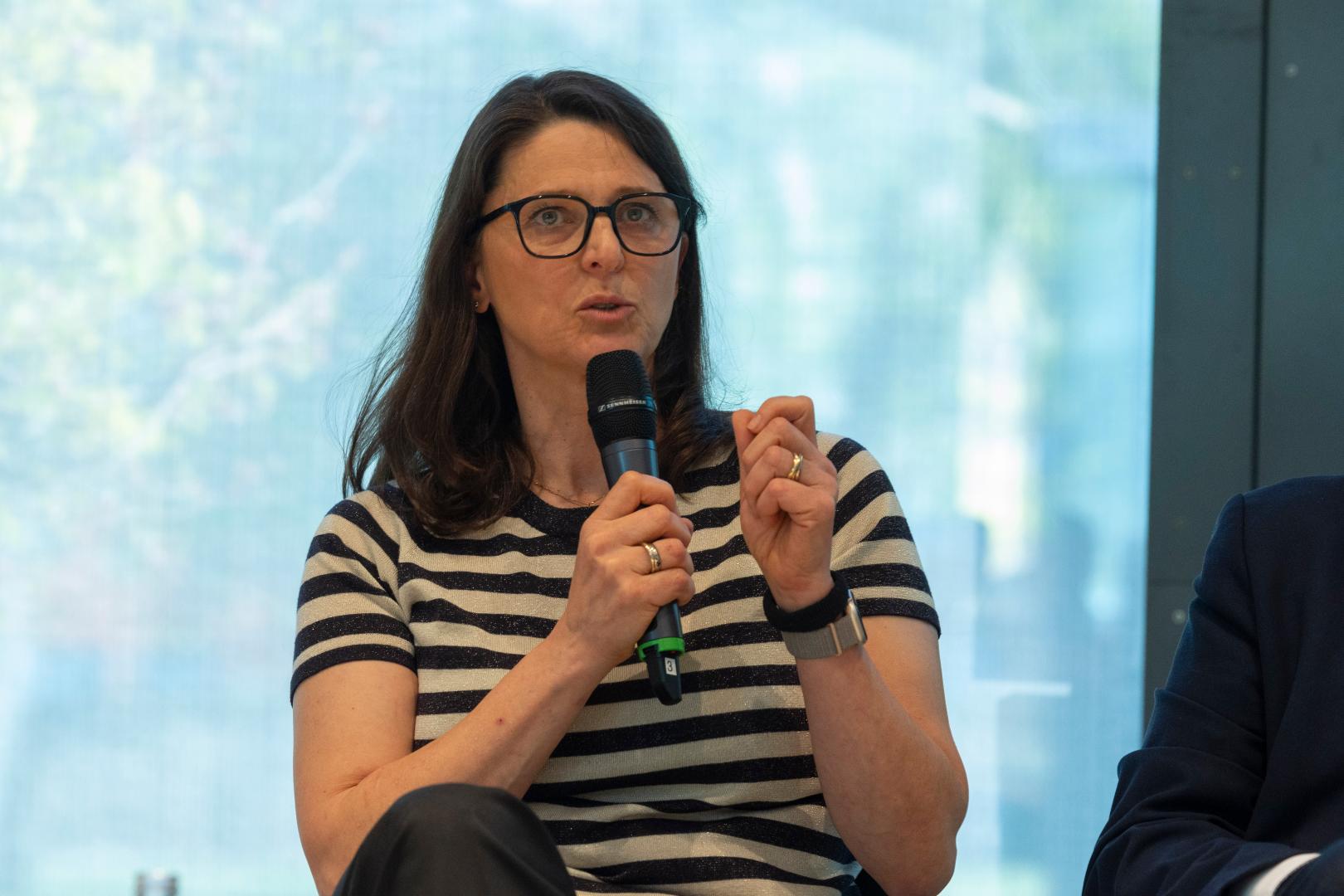
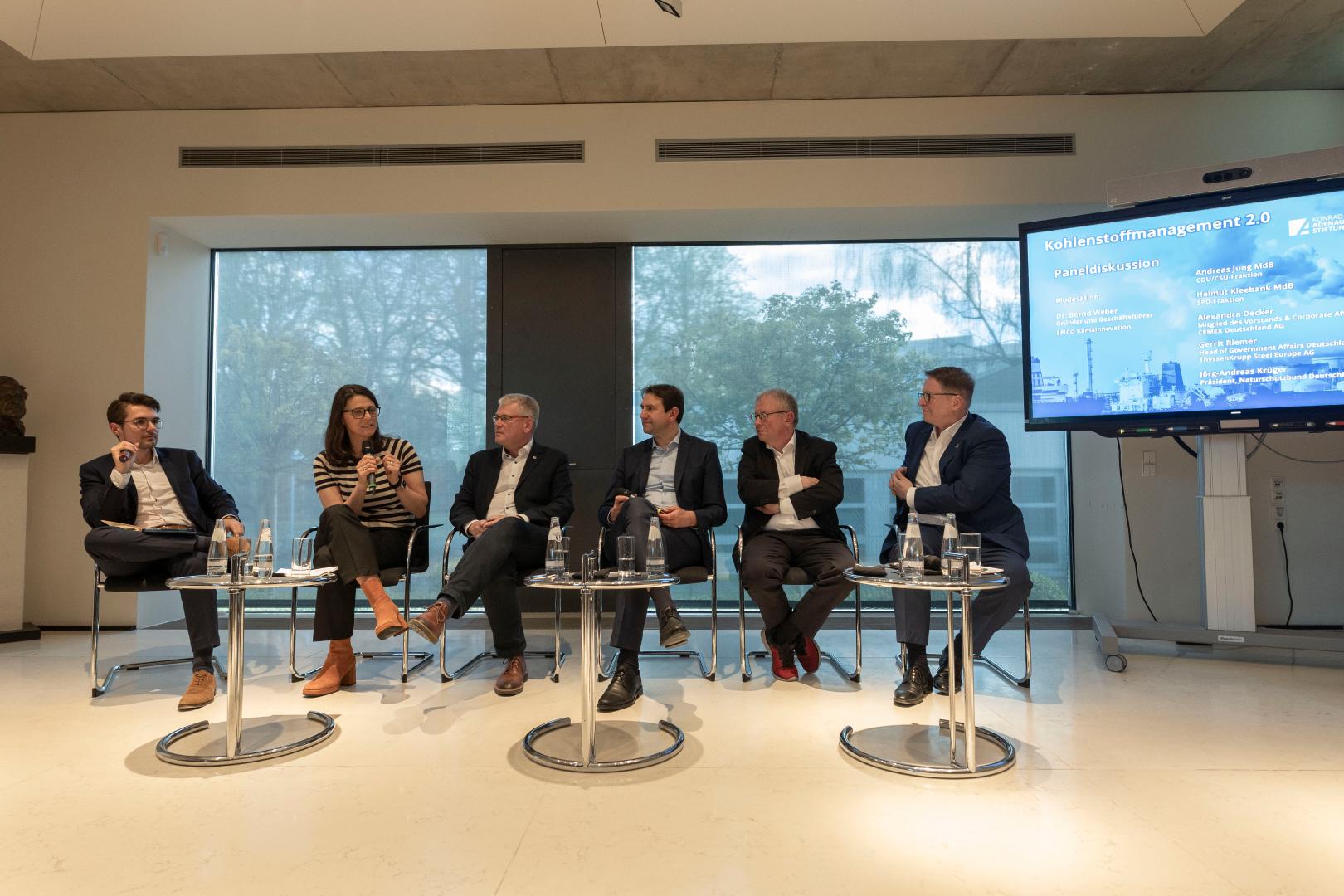
Alexandra Decker from CEMEX Germany and Gerrit Riemer from thyssenkrupp Steel Europe both emphasized the necessity of CCS as a complementary measure for emission reduction in industry. Decker reported that her plant in Rüdersdorf had already achieved significant emission reductions, but further reductions were only possible through CCS. She highlighted the economic challenges and risks in implementing climate protection contracts and advocated for green lead markets to make low-CO₂ products competitive. Riemer pointed to the importance of hydrogen projects at the Duisburg plant but emphasized that a residual 5 to 10% of emissions would remain even if all plants were operated with hydrogen. He expressed openness to CCS as a complementary option and called for integrated network planning to accommodate future CCS needs. Both industry representatives underscored the necessity of a technology-open and innovative approach to achieve climate goals.
Political Perspectives on CCS: Need for Technology-Open Promotion
The importance of CCS as a complementary measure for emission reduction was also emphasized by Andreas Jung (CDU) and Helmut Kleebank (SPD), albeit with different focuses: Jung reaffirmed the goal of CO₂ reduction and called for openness towards onshore CCS, as it is cheaper than exporting CO₂. He sees CCS as an opportunity to position Germany as a technology leader and advocated for private infrastructure models with a state framework, similar to the hydrogen core network model. Kleebank, on the other hand, focused more on the framework conditions and emphasized that CCS should not be an excuse for reduced innovation efforts or setbacks in natural climate protection. He expressed openness to onshore options with regional acceptance and supported state pre-financing from special funds to connect structurally weaker regions. Both politicians underscored the need for technology-open promotion, with Kleebank additionally pointing to the risks posed by high energy prices in Germany.
Prioritization of Emission Avoidance and Social Acceptance of CCS
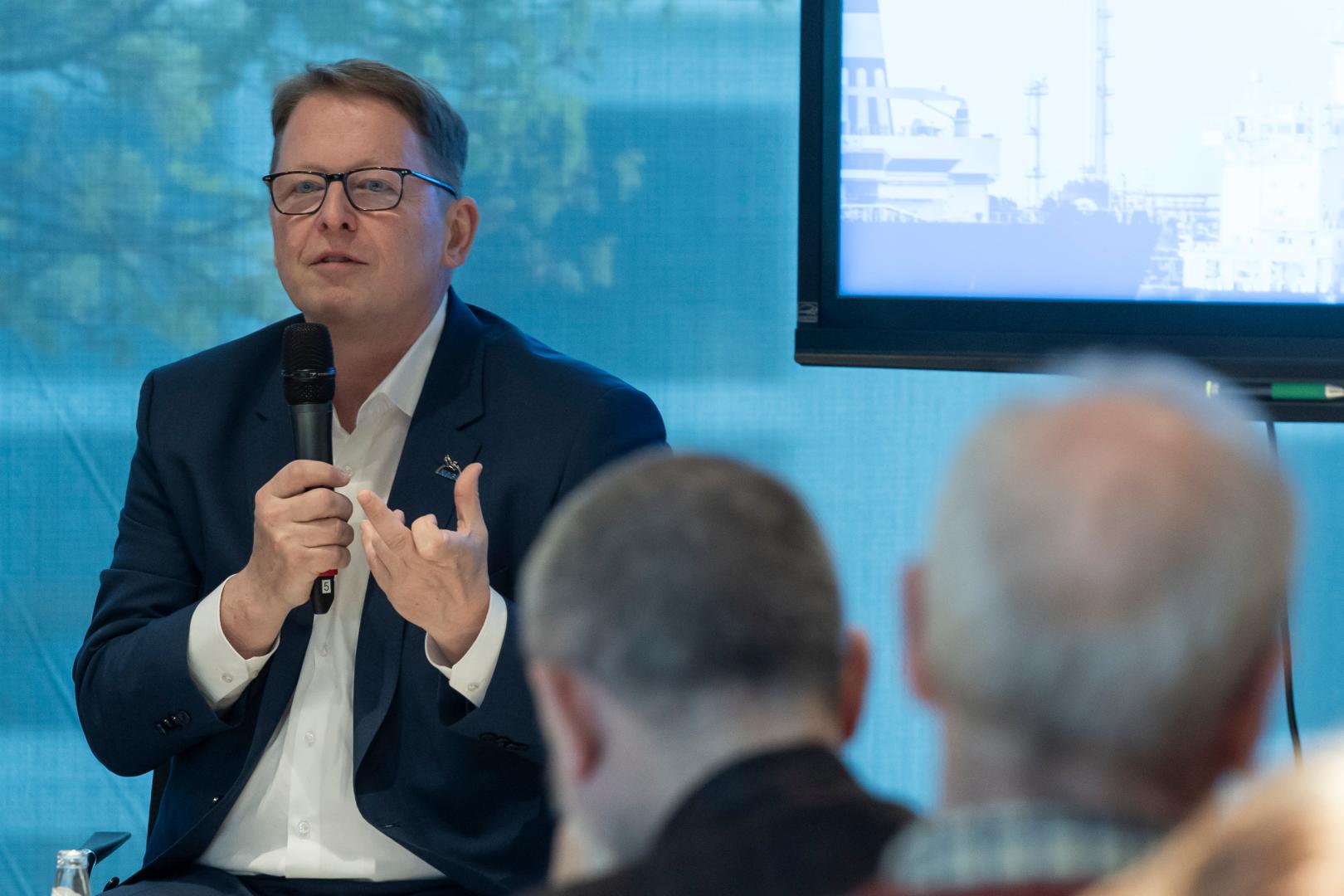
Jörg-Andreas Krüger, President of the Nature Conservation Union Germany e.V. (NABU), advocated in his speech for a strict primacy of emission avoidance. He warned against the so-called "lock-in effects" that could arise from early investments in CCS, particularly in the energy sector. Krüger emphasized that natural sinks such as peatland and forest protection could be more economically efficient. He described onshore CCS as a "highly sensitive topic" and underscored the necessity of actively working on social acceptance. For this, he advocated for dialogue formats at the local level, as people want to know how their homeland will look in the future. Krüger showed understanding for industrial policy constraints but called for prioritizing cheaper and more sustainable options.
Time to Act!
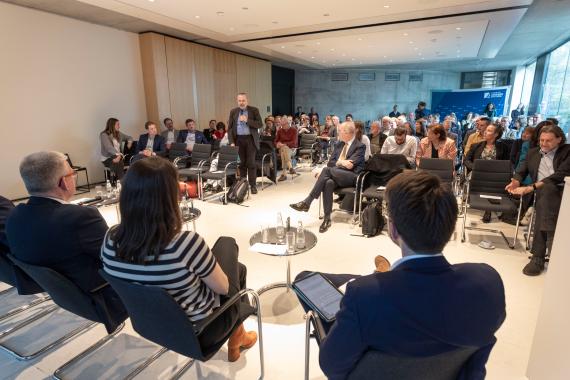
The event clearly demonstrated that CCS and CCU are important instruments for achieving climate neutrality. The discussions underscored the necessity of integrated planning and the challenges that need to be addressed to shape a sustainable and economically viable climate policy. It is now essential to pass the corresponding law to optimize the framework conditions for CCUS and fully exploit the potentials.
Topics
Provided by
Best Cooperation Partner 2024About this series
The Konrad-Adenauer-Stiftung, its educational institutions, centres and foreign offices, offer several thousand events on various subjects each year. We provide up to date and exclusive reports on selected conferences, events and symposia at www.kas.de. In addition to a summary of the contents, you can also find additional material such as pictures, speeches, videos or audio clips.