


In free self-determination, we complete the unity and freedom of Germany. We want to help create world peace in a united Europe. For our tasks, we are aware of our responsibility before God and mankind.




At a glance
- Despite the initial euphoria surrounding reunification, the process of domestic unity proved to be difficult and presented the country with major economic and socio-political challenges.
- Reforms were intended to pave the way towards an economically and financially stable future. The reorganisation of the labour market and the social and pension systems proved effective, but remained controversial.
- As regards foreign policy, the united Germany played a significant role in deepening European integration and finally overcoming the division of Europe.
- In security policy, Germany also assumed more military responsibility in order to live up to international expectations.
- Addressing history and remembrance is part of our mission. In the context of various projects and publication series, we are also explicitly devoted to Germany history after 1990.
Content
2. Reforms in state and society
3. European integration of unified Germany
4. New foreign and security policy challenges
5. Our offers and projects on the topic
6. Publications, events and media contributions on the topic
The path to internal unity
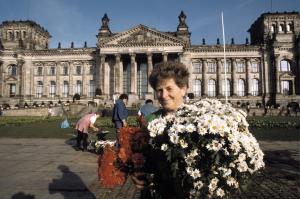
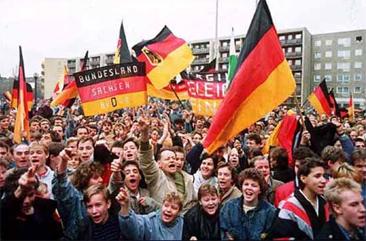
Following the initial collective euphoria about the reunification of Germany on 3 October 1990, the Federal Republic faced largely underestimated difficulties that were entailed with the necessary structural change in both parts of Germany. During the protracted and costly unification process, Germans in the East had to bear the social burdens of unification while those in the West shouldered the financial burdens.
What is more, alienation between East and West Germans that took place over time meant that the rapprochement of the societies was initially slow. Once the system change and institutional transfer had been largely completed in the second half of the 1990s, the success of rebuilding East Germany and an equalisation of living conditions gradually became clear.
Reforms in state and society
The economic burdens of unification, mass unemployment in the new federal states as well as demographic change presented the country with economic and socio-political challenges. Reforms to the social system and employment market introduced with Agenda 2010 proved effective, but remained controversial. The same was true for the step-by-step increase of the retirement age and the introduction of a privately financed and publicly subsidised parallel pension system. Despite the global financial crisis in 2008 and the euro crisis in 2009, it was thus possible to stabilise the country’s economic and fiscal situation.
The most important socio-political liberalisations of the Berlin Republic included the suspension of compulsory military service and the introduction of same-sex marriage. With a heightened awareness of climate change, an energy revolution in favour of clean and renewable energies was initiated with the coal and nuclear phase-out. Following the outbreak of the Russian war of aggression on Ukraine, this process has been accelerated accordingly.
European integration of unified Germany
The collapse of communism, the disintegration of the Soviet Union and the ensuing independence of numerous states in Eastern Europe along with the reunification of Germany, were fundamental changes that required a far-reaching reorganisation of Europe. In doing so, Germany continued European integration policy, which had comprised a key part of foreign policy in the Federal Republic since Konrad Adenauer.
The Treaty of Maastricht signed in 1992 realised the long sought-after economic and monetary union and advanced the political union. The enlargement of the European Union to the East represented another step towards permanently overcoming the division of Europe, which Germany had played a major role in shaping and from which the country had benefited.
New foreign and security policy challenges
In foreign and security policy, Germany initially remained cautious, which was due to its historical legacy and the population’s pacifist stance. Following the ruling of the Federal Constitutional Court in 1994, German Armed Forces were deployed in the Kosovo conflict against Serbia in 1999, and after attacks on 11 September 2001, in the fight against the Taliban and the Al-Qaeda network in Afghanistan.
In the Iraq war of 2003 and Libya conflict of 2011, the German Federal Government turned against its NATO allies, refused to let German soldiers participate and at the same time sought rapprochement with Russia and France. Although this stance placed a serious strain on German-American and German-British relations, NATO membership and the alliance with the USA and Great Britain were at no time called into question.
Even though Germany’s participation in international peace missions and stabilisation operations is the subject of controversy in domestic policy debate, Germany is attempting to live up to international expectations to assume responsibility in the new global political constellation.
Research and Sources on Contemporary History
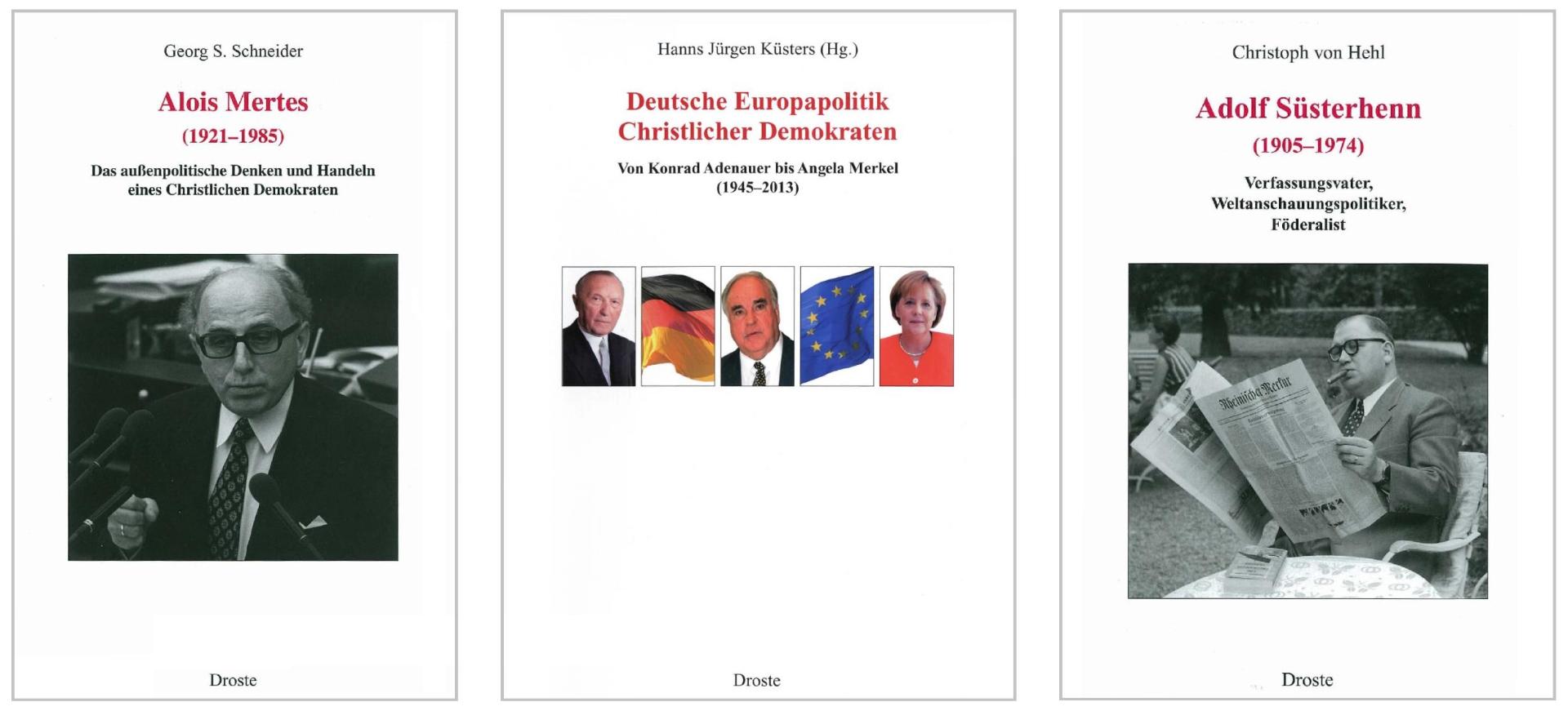
In the “Research and Sources on Contemporary History” series, the Archive for Christian Democratic Politics has been publishing academic studies on Christian Democracy, depictions on the history of the Federal Republic and the CDU, along with biographies of important representatives since 1980.
Learn more about the Research and Sources on Contemporary History
Essays on contemporary history
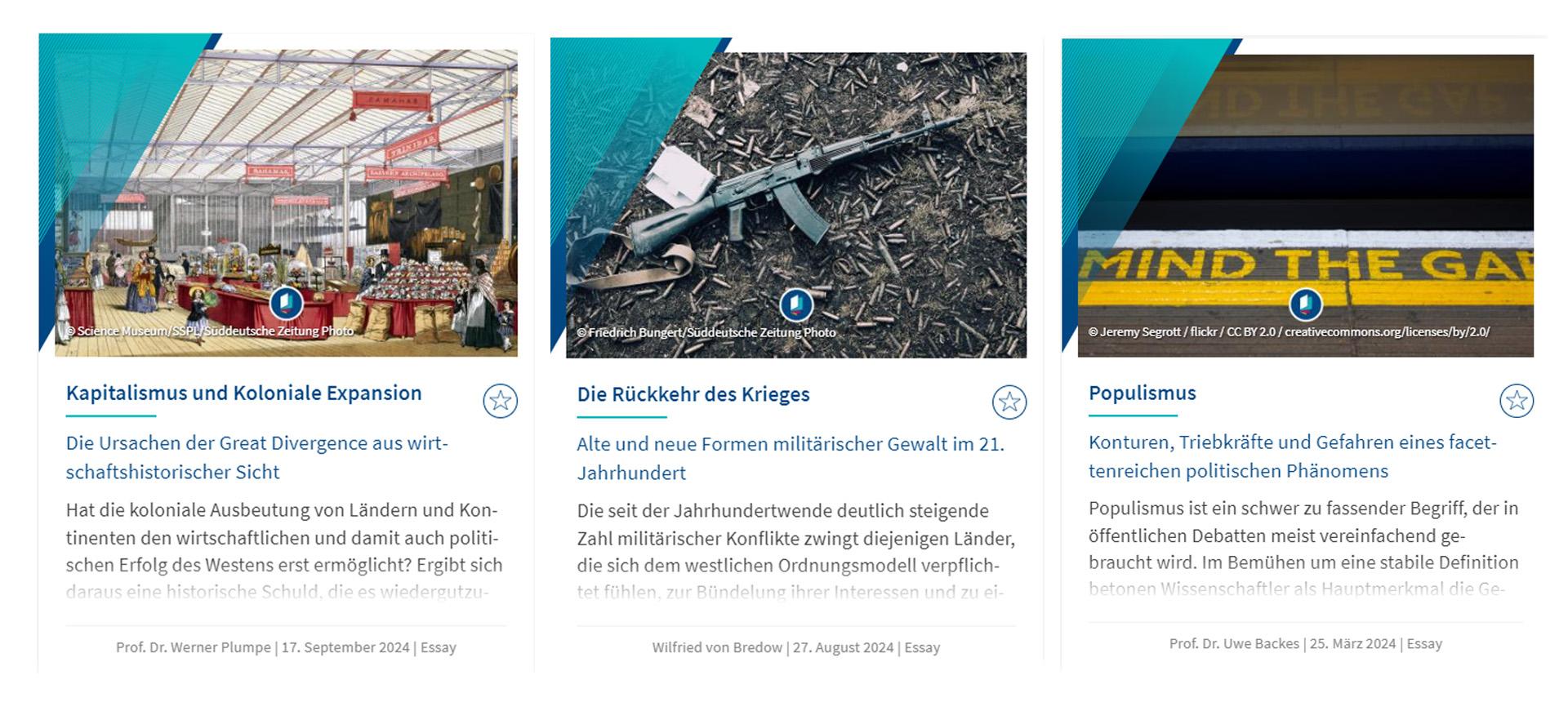
The essays published on the public history portal ‘Geschichtsbewusst’ deal with political and historical topics in a concise form and present academic and journalistic viewpoints for debate.
Historical-Political Communications
The Konrad-Adenauer-Stiftung’s “Historical-Political Communications”, published once each year, present a forum for research and depictions on the history of Christian Democratic movements and parties and their historical background in the context of intellectual, political and social developments of the 19th and 20th centuries. The thematic focus is on Germany and Europe.
Zeitgeschichte AKTUELL
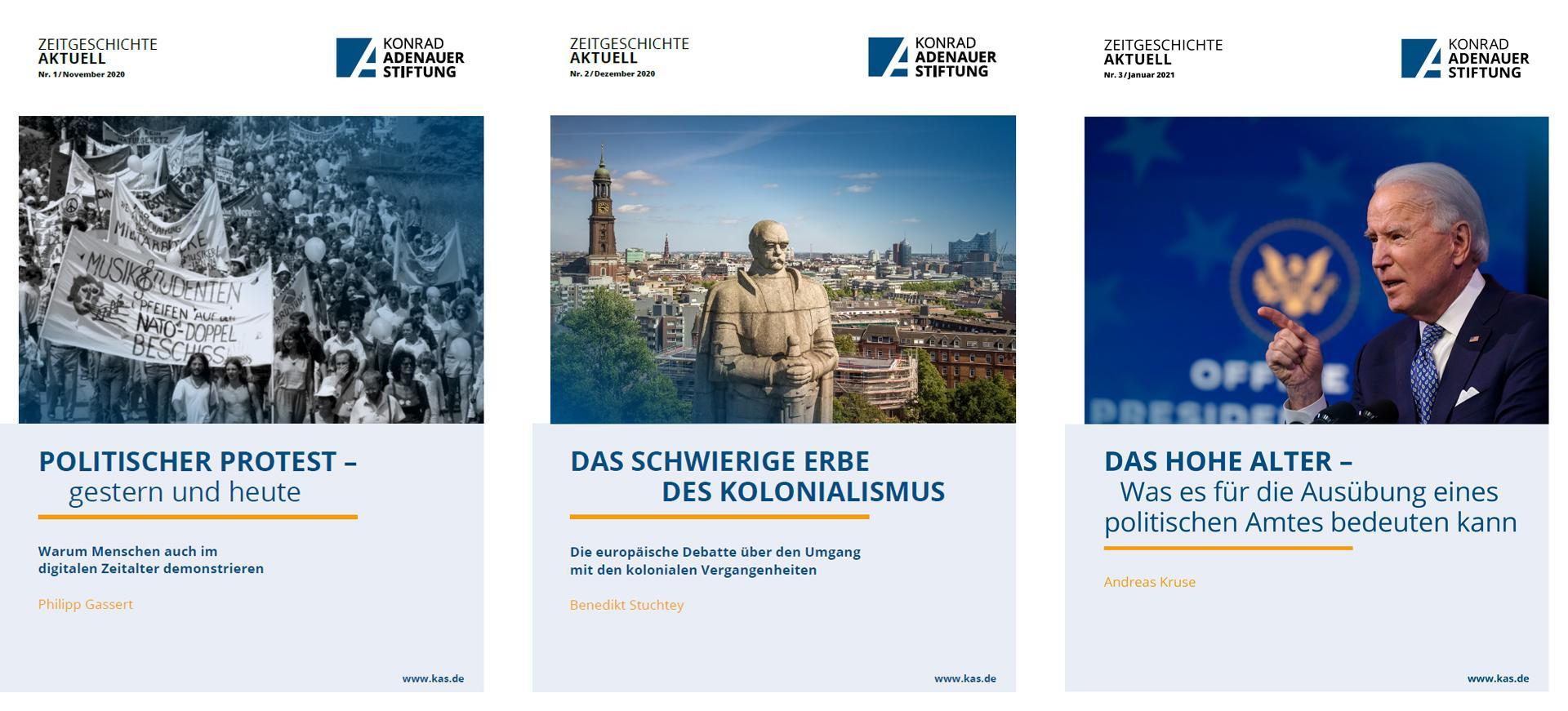
It is often that case that current debates require a foundation in contemporary history. Knowledge about the origins and background of conflicts also enables better evaluation and decision-making. Against this background, there is a great need for orientation, especially in politics. The Konrad-Adenauer-Stiftung would like to support this. The publication series “Zeitgeschichte AKTUELL” identifies current discourse and explains the historical background and contexts.
Website projects
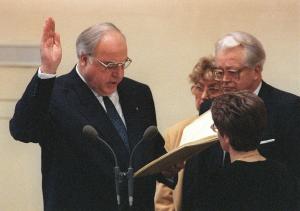
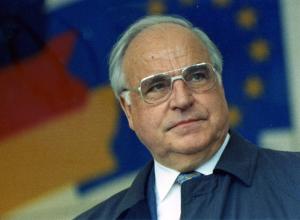
With the website project “Helmut Kohl”, we present you with an extensive collection of information, materials and sources on the first all-German Federal Chancellor, Helmut Kohl. What is more, interested parties can obtain in-depth information on the pages of our “History of the CDU” project about recent party developments since 1990.
Helmut Kohl
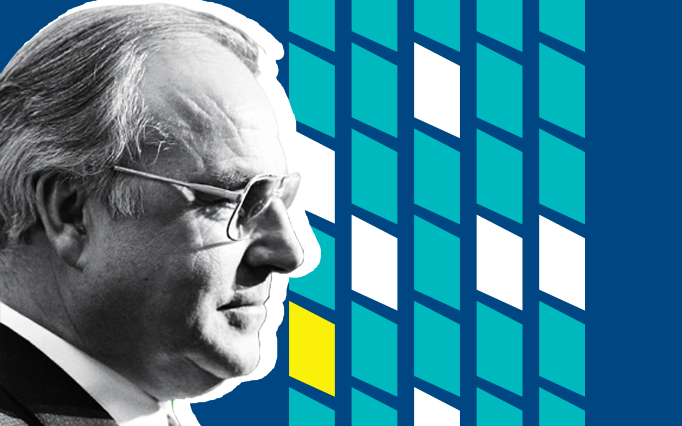
The online portal provides sources and information on the life and works of Helmut Kohl (1930 to 2017). Thematic articles are devoted to his political convictions and to individual policy fields. The portal is complemented by photo galleries keywords, biographical information on companions, documents and a bibliography.
Public history portal ‘Geschichtsbewusst’
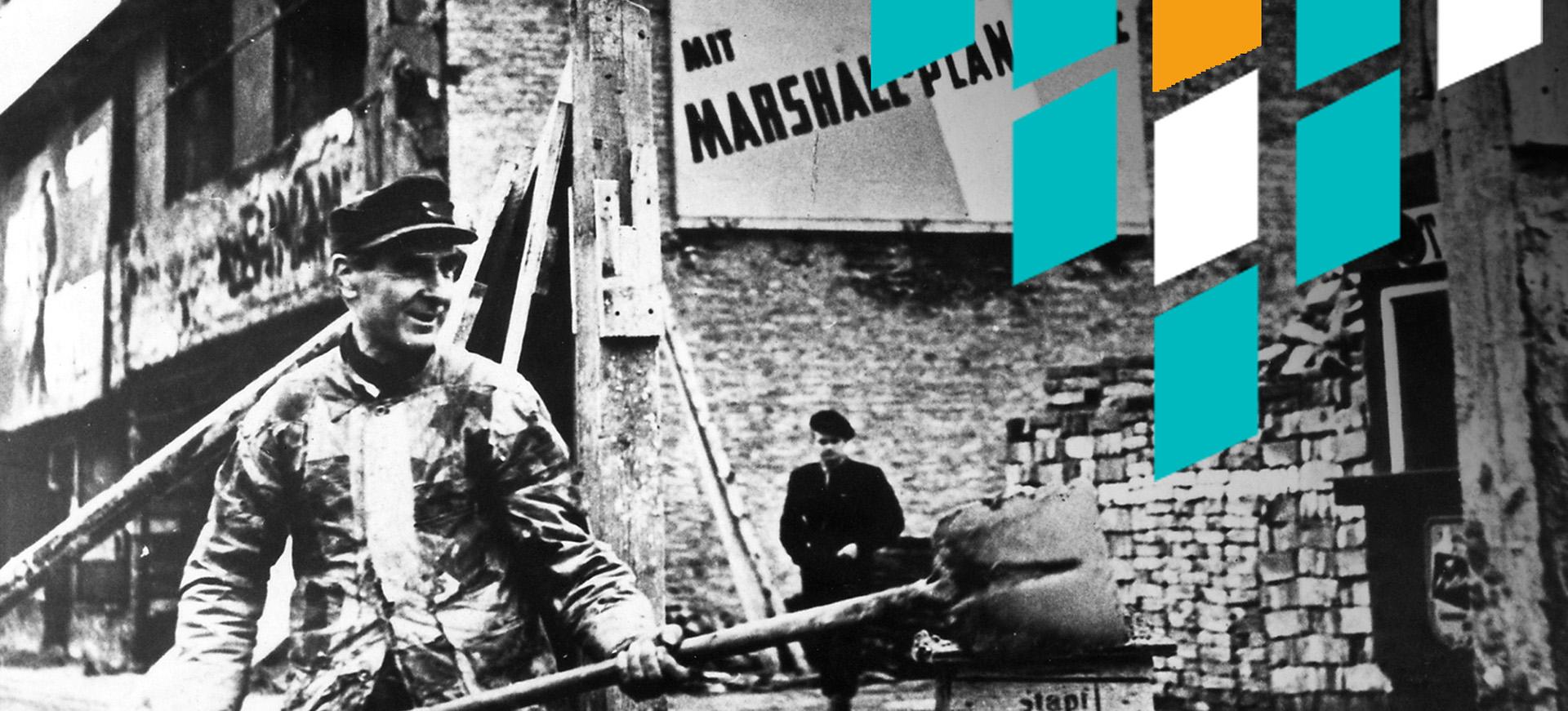
Well-founded and comprehensibly presented: On our public history portal Geschichtsbewusst, we regularly publish publications by experts (essays, Zeitgeschichte Aktuell and event reports) and videos on current contemporary historical topics and debates.
Event series
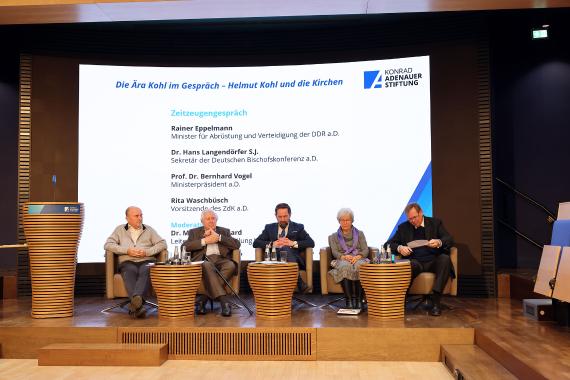
The Konrad-Adenauer-Stiftung presents numerous events dealing with various aspects and topics of German history after 1990. Particularly noteworthy are our annual event series “The Kohl Era Under Discussion” as well as the “Bonn Forum on Unity”.
The Kohl Era Under Discussion
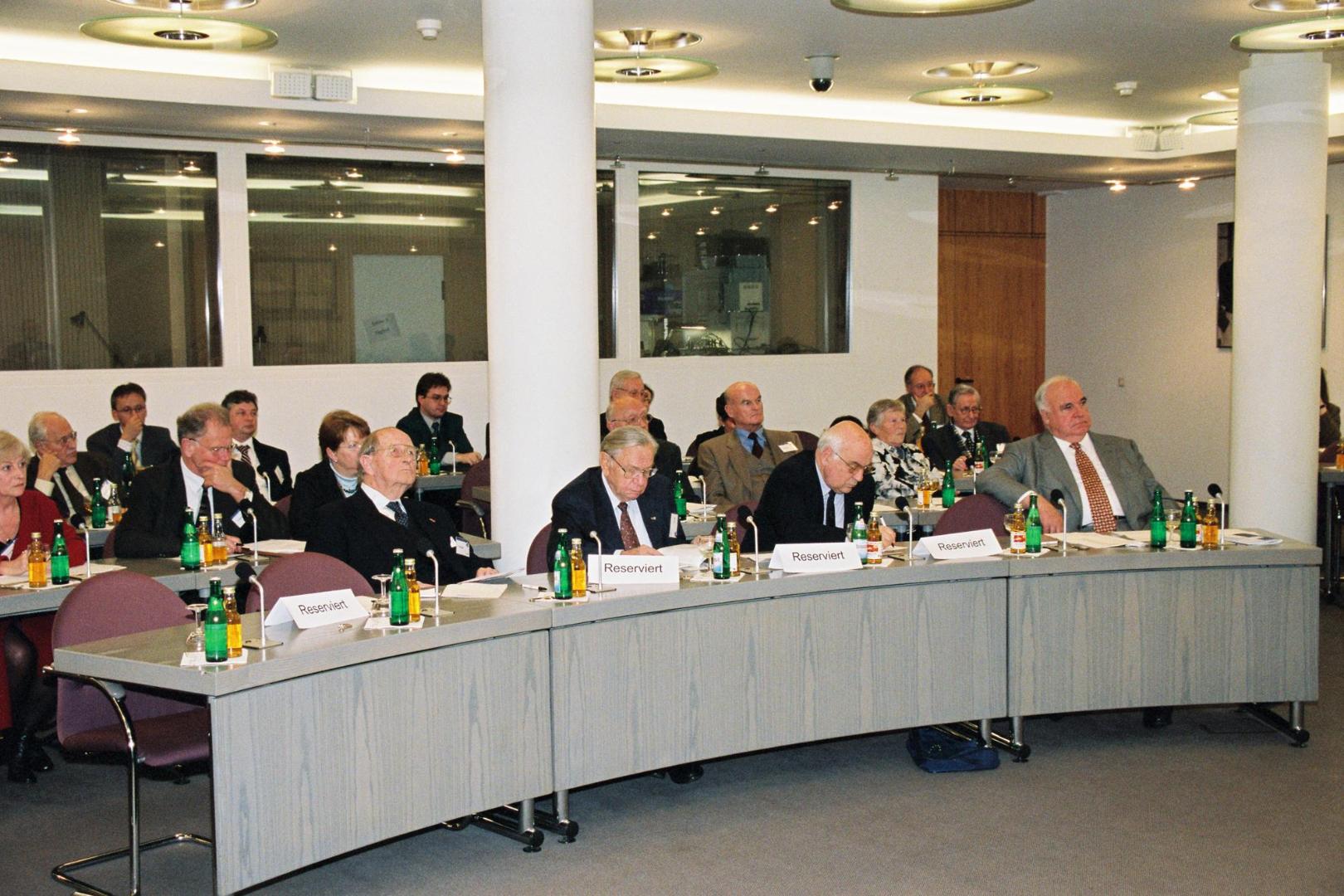
The goal of the event series that began in 2000 is to contribute towards research of the Kohl era and thus to a historicisation of the Federal Republic of Germany’s recent history, based on analysis of a clearly defined topic in each case. Here it is not about erecting a “monument” to the Chancellor of unity. Rather, the aim is to promote discourse on this epoch and, in addition to initial results, above all to illustrate questions and starting points for further historical research.
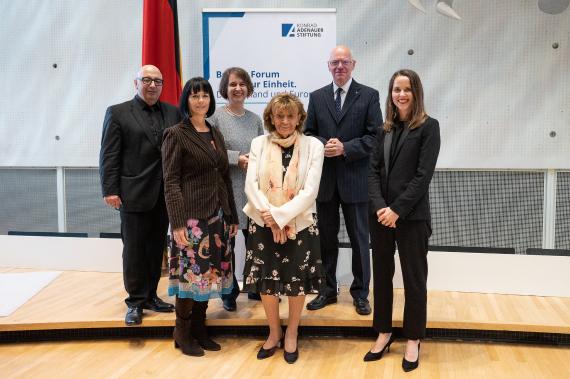
Bonn Forum on Unity
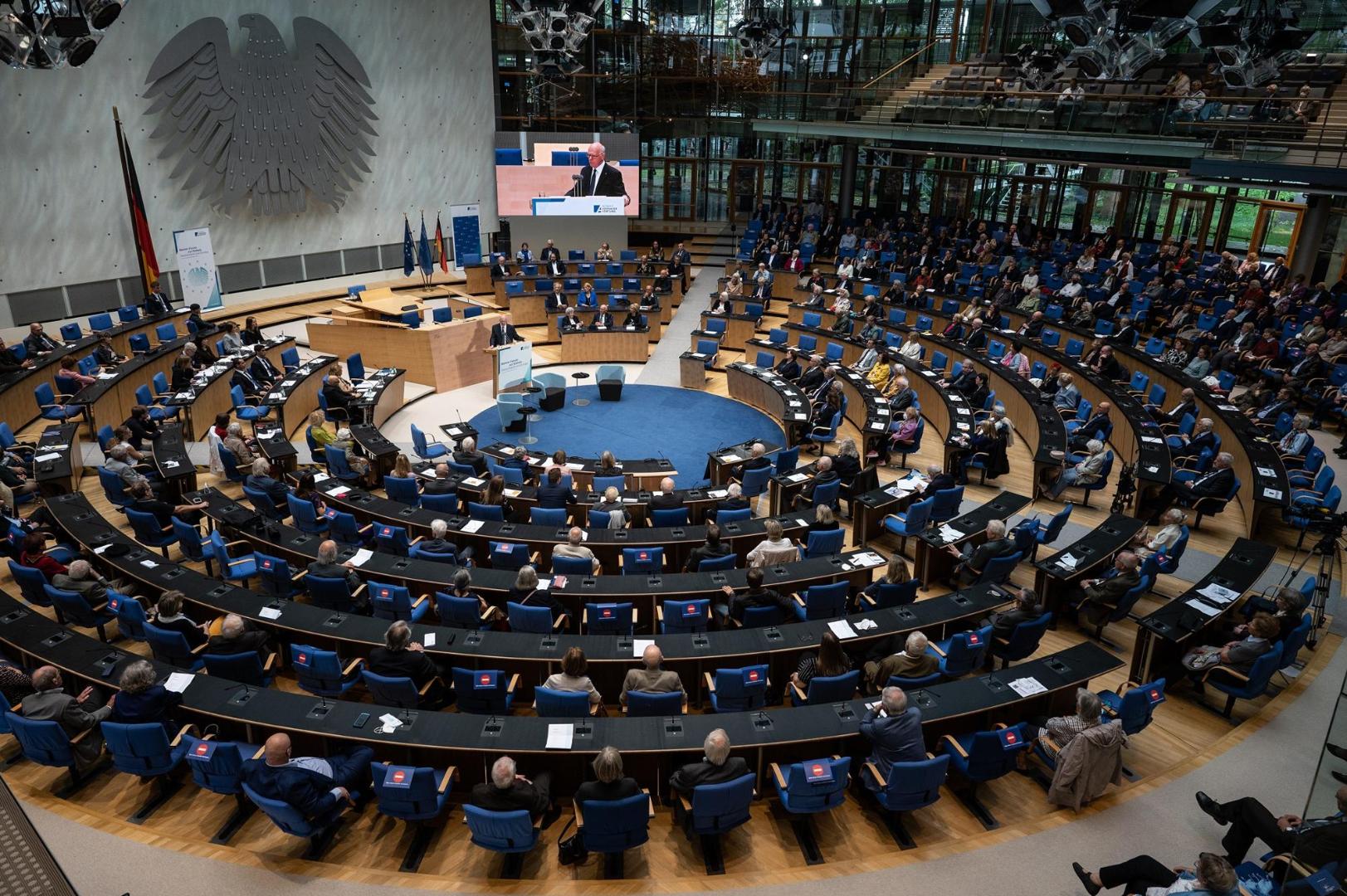
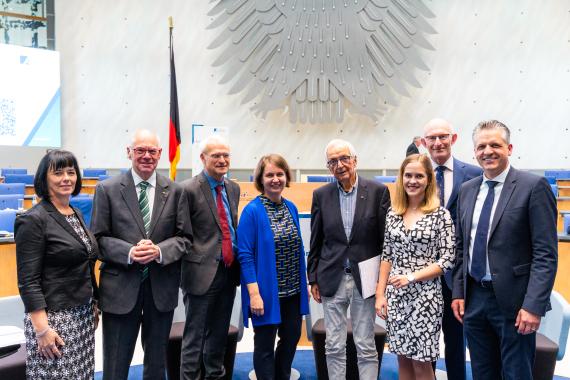
Each year on 3 October, the Day of German Unity, the Konrad-Adenauer-Stiftung holds a ceremony. This takes place in the former plenary hall of the German Bundestag in Bonn. The essence of the event, which, especially in the Rhineland, is one of the most important events of this day, is the exchange of ideas and discussion on central political and historical topics of the 21st century, among other things.

Publications on this topic
 picture alliance / akg-images | akg-images
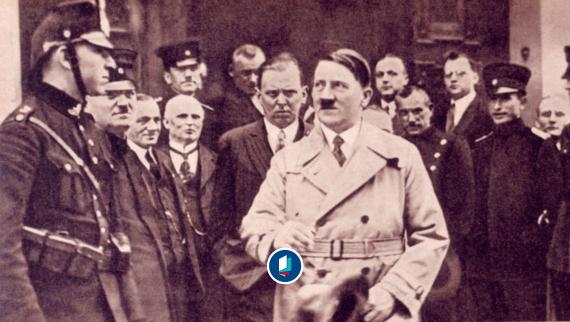
Als Weimar die NSDAP verbieten wollte: Parteiverbote von 1930 bis heute
Der Geschichtspodcast von Frankfurter Allgemeine Zeitung und Konrad-Adenauer-Stiftung – Folge #16
 EPA PHOTO APA/SCHLAGER ROLAND/RS-cl
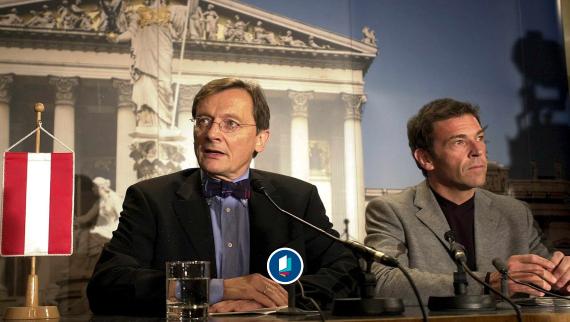
Entzaubert oder gestärkt? Als die Rechtspopulisten in Österreich in die Regierung kamen
Der Geschichtspodcast von Frankfurter Allgemeine Zeitung und Konrad-Adenauer-Stiftung – Folge #15
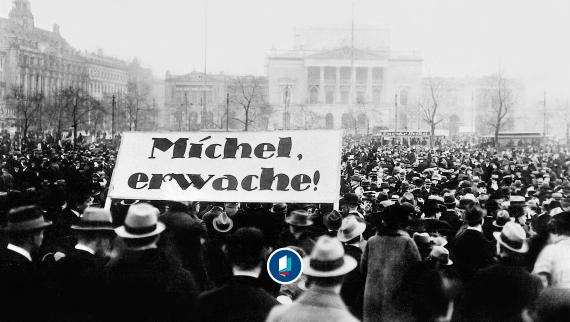 picture alliance / SZ Photo | Scherl
Das Erbe der extremen Rechten: Völkischer Nationalismus von Weimar bis heute
Der Geschichtspodcast von Frankfurter Allgemeine Zeitung und Konrad-Adenauer-Stiftung – Folge #14
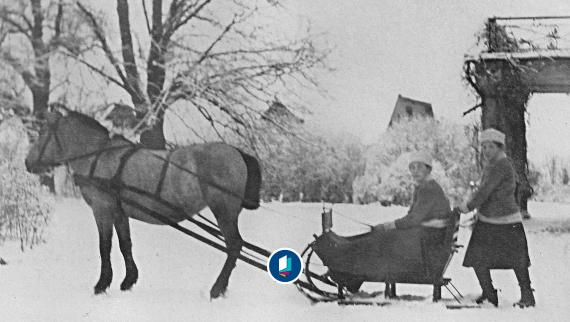 Privat
Rüdiger von Fritsch: Wie blickt man auf Geschichte, wenn die eigene Familie mittendrin ist?
Der Geschichtspodcast von Frankfurter Allgemeine Zeitung und Konrad-Adenauer-Stiftung - Folge #13
Populismus und Demokratie | Magnifica Humanitas | KI – Risiko und Chance | Geopolitische Spannungen
"In der Debatte" bietet einen scharfsinnigen Blick ins politisch-historische Feuilleton im Juni 2026 – analysiert, bewertet, ordnet ein und fasst zusammen.
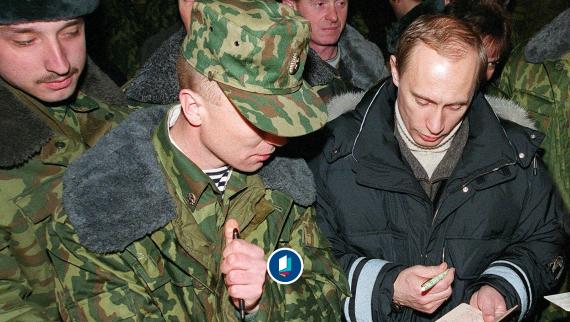 EPA FOTO EPA/AP POOL/-/IS/kr
Unser Blick auf Putin. Wie die Täuschung begann
Der Geschichtspodcast von Frankfurter Allgemeine Zeitung und Konrad-Adenauer-Stiftung - Folge #9
Gedenken und Erinnern | Europa und die Neuordnung der Welt | Demokratie und Meinungsfreiheit
"In der Debatte" bietet einen Blick ins politisch-historische Feuilleton im Februar 2026 – analysiert, bewertet, ordnet ein und fasst zusammen.
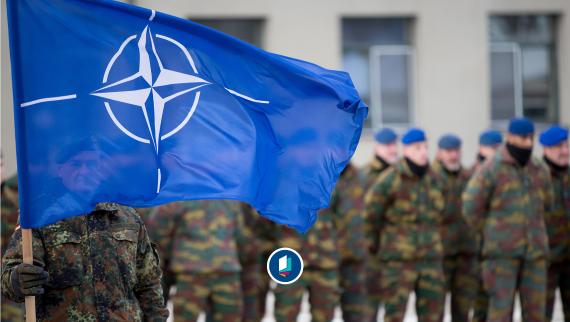 picture alliance / Kay Nietfeld/dpa | Kay Nietfeld
Probleme deutscher und europäischer Sicherheitspolitik
Die Bundeswehr zwischen nationalen Interessen und internationaler Verantwortung
Europa, USA und die Welt | Rechts, links und die politische Mitte | Gesellschaftliche Entwicklungen
"In der Debatte" bietet einen Blick ins politisch-historische Feuilleton im November 2025 – analysiert, bewertet, ordnet ein und fasst zusammen.
Die Lage Europas | Die Politische Mitte | Gesellschaftspolitik
"In der Debatte" bietet einen Blick ins politisch-historische Feuilleton im Oktober 2025 – analysiert, bewertet, ordnet ein und fasst zusammen.
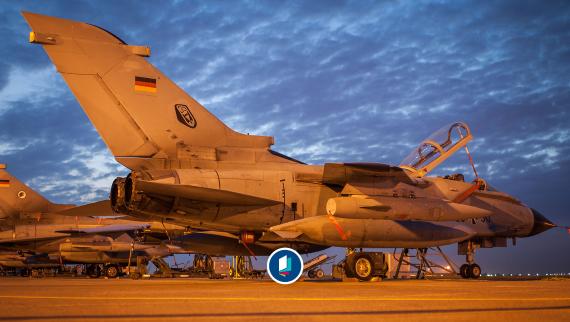 Bundeswehr
Deutschlands Position im westlichen System der nuklearen Abschreckung
Zur Bedeutung der nuklearen Teilhabe der Bundesrepublik seit der Ära Adenauer
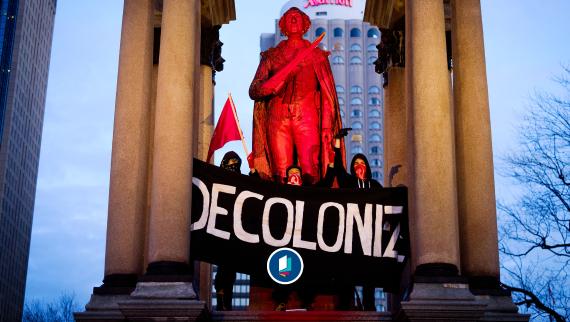 Jer Clarke / flickr / CC BY-NC-SA 2.0 / creativecommons.org/licenses/by-nc-sa/2.0/deed.de
Postkolonial und antiwestlich
Die Überwindung des Westens als Grundidee postkolonialer Theorien
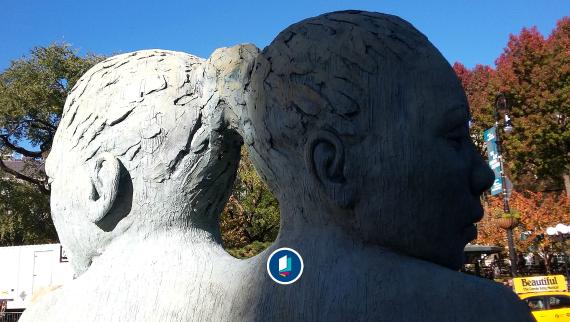 edenpictures / flickr / CC BY 2.0 / creativecommons.org/licenses/by/2.0/deed.en
(Post)Schuld und Postkolonialismus in Deutschland
Polarisierung, Identitätsbildung und Geschichtsbewusstsein: Deutsche, jüdisch-israelische und palästinensische Erinnerungsgemeinschaften im Konflikt
100 Tage Trump | Krieg & Frieden | Politische Mitte | Erinnerungskultur | Katholische Kirche
"In der Debatte" bietet einen scharfsinnigen Blick ins politisch-historische Feuilleton im Mai 2025 – analysiert, bewertet, ordnet ein und fasst zusammen.
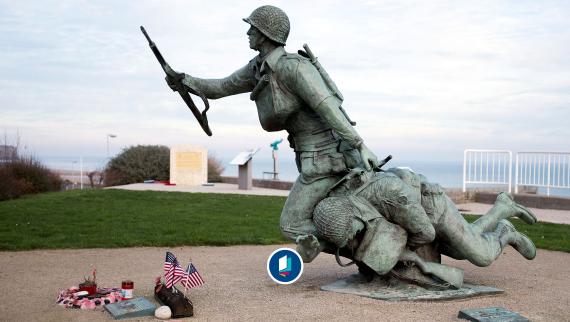 Stefan Boness/IPON/Süddeutsche Zeitung Photo
Der 8. Mai 1945
80 Jahre nach dem Kriegsende: Ein Aufbruch in Geschichte und Erinnerung
Deutschland & Europa | Trump 2.0 | Wissenschaft | Erinnerungskultur | Populismus – Liberalismus
"In der Debatte" bietet einen scharfsinnigen Blick ins politisch-historische Feuilleton im April 2025 – analysiert, bewertet, ordnet ein und fasst zusammen.
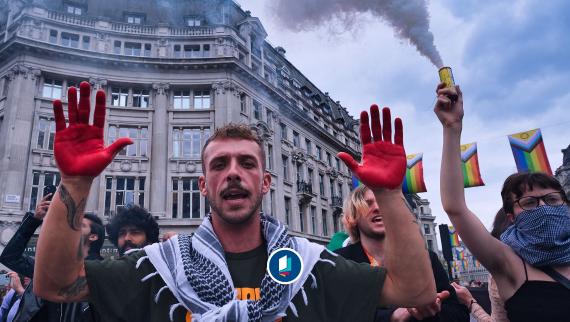 Alisdare Hickson / fickr / CC BY-NC-SA 2.0 / creativecommons.org/licenses/by-nc-sa/2.0/
From Rebellion to Hamas: Zur Symbiose von „wokem“ Linksextremismus und Islamismus
Antisemitismus, Antiimperialismus und (Anti-)Rassismus bei der postkolonialen Linken
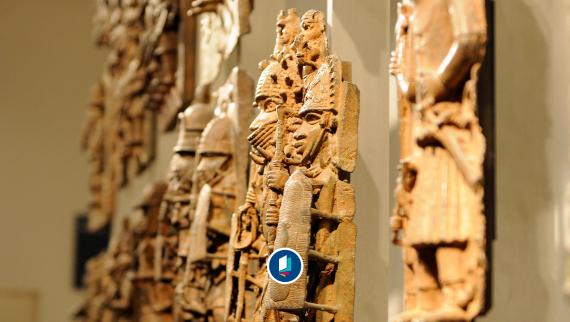 Son of Groucho / flickr / CC BY 2.0 / creativecommons.org/licenses/by/2.0/
Die Eindimensionalität der Kolonialismusdebatte und ihre Auswirkungen auf die deutsche Afrikapolitik
Ein Plädoyer für Unterstützung bei aktuellen Herausforderungen statt selbstbezogener, postkolonialer Vergangenheitsbewältigung
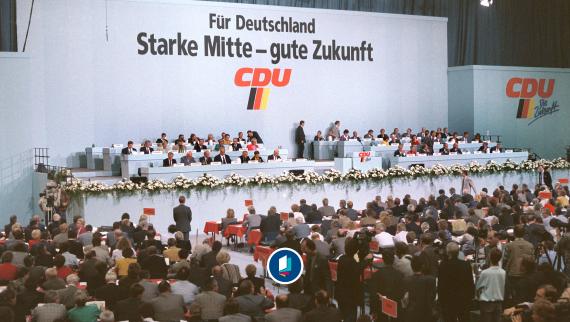
Event Reports on the topic
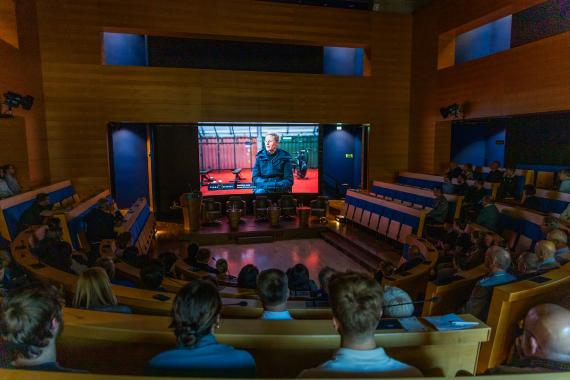 KAS/Wadim Lisovenko
Vorpremiere zur Dokumentation „Kriegstüchtig? 70 Jahre Bundeswehr“
„Die Soldaten schwören und legen einen Eid ab, bereit zu sein, alles zu geben – Leib und Leben. Dann muss die Politik auch bereit sein, ihr Bestes zu geben.“
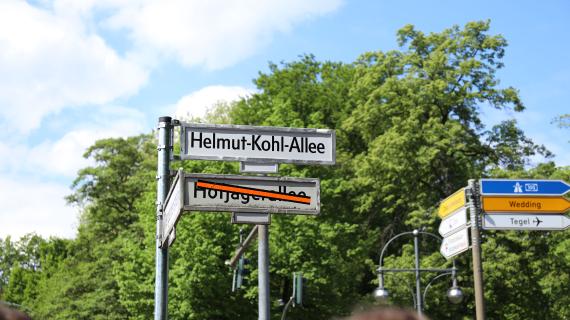 KAS/Christiane Stahr
„Europa, Deutschland und Berlin haben Helmut Kohl unendlich viel zu verdanken“
Festveranstaltung aus Anlass der Einweihung der „Helmut Kohl-Allee“

„Christliches Leben in der DDR hieß anders zu sein“
Expertengespräch zum Thema „Formen des Widerstands in der DDR. Von Belter bis Biermann“
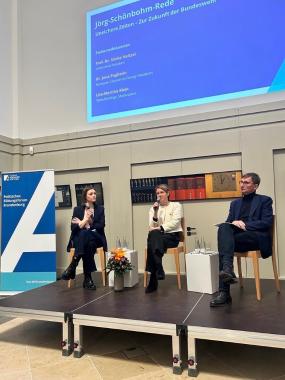

 Bundeswehr
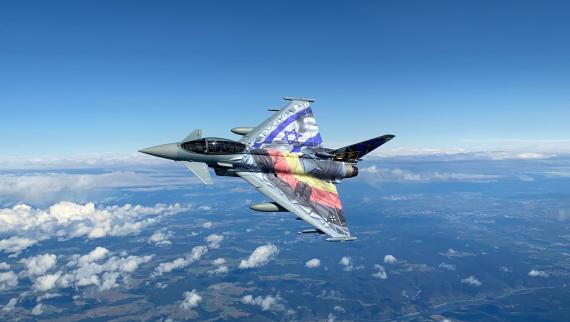
60 Jahre Deutsch-Israelische Beziehungen
Gemeinsame Sicherheitspolitik im Wandel der Zeit
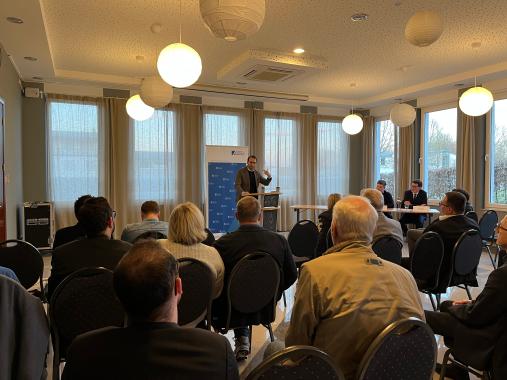
Bonn/Berlin – Moskau. Irrungen und Wirrungen.
Die Geschichte der deutschen Russlandpolitik seit 1990: Ein Rückblick beim ersten Wetzlarer Gespräch
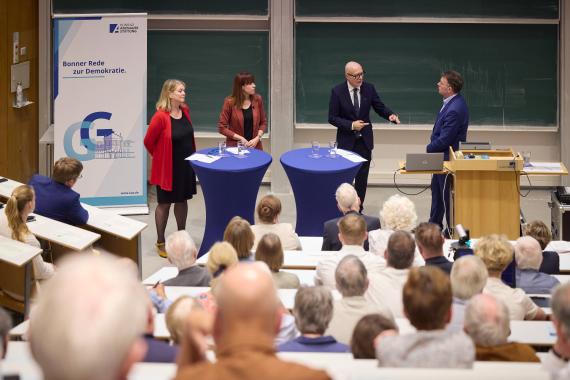
75 Jahre Grundgesetz – eine Würdigung in Wort und Klang
Feierstunde zum Tag der Deutschen Einheit in Kooperation mit dem Beethovenfest
 KAS/Marie-Lisa Noltenius
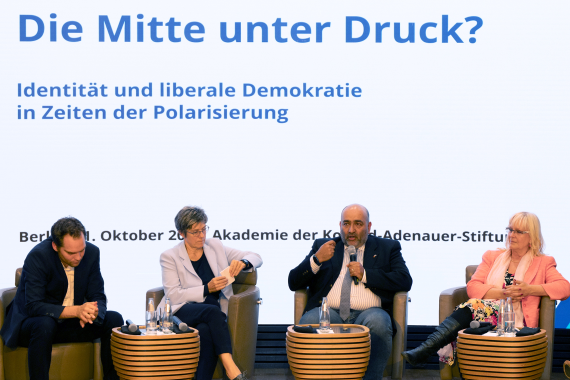
„Die Mitte muss sich als Vermittler behaupten“
Podiumsdiskussion über Ursachen für und Wege aus der Polarisierung

Media library
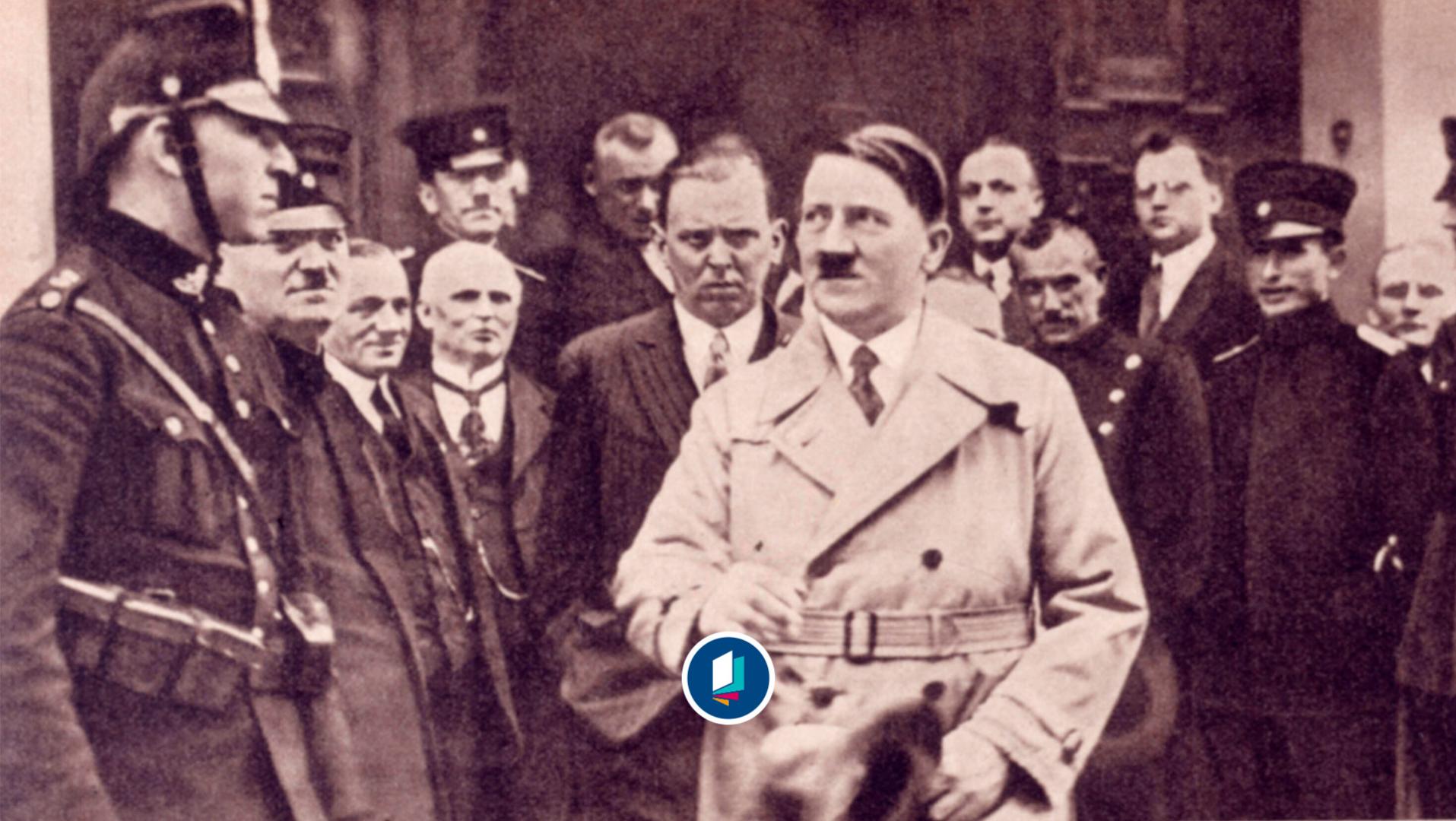 picture alliance / akg-images | akg-images
Als Weimar die NSDAP verbieten wollte: Parteiverbote von 1930 bis heute
Von der NSDAP in Weimar über die KPD in der Bundesrepublik bis zur AfD geht es um die Frage: Wann kann und darf eine Demokratie Parteien verbieten, um die Freiheit zu schützen?
Read now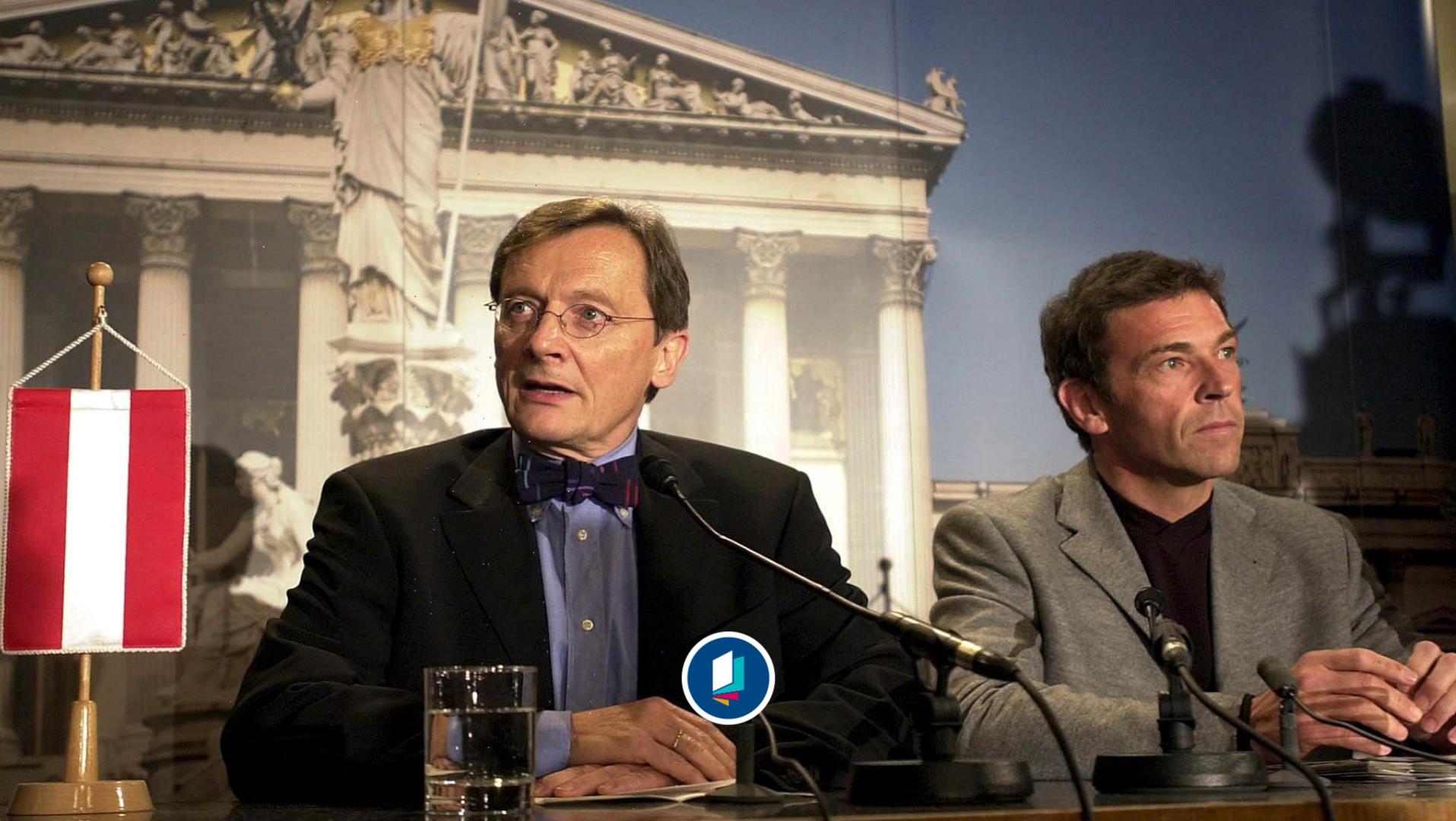 EPA PHOTO APA/SCHLAGER ROLAND/RS-cl
Entzaubert oder gestärkt? Als die Rechtspopulisten in Österreich in die Regierung kamen
Die schwarz-blaue Koalition 2000 in Österreich galt vielen als Tabubruch. Welche Folgen hatte die FPÖ-Regierungsbeteiligung und was lässt sich für Deutschland daraus lernen?
Read now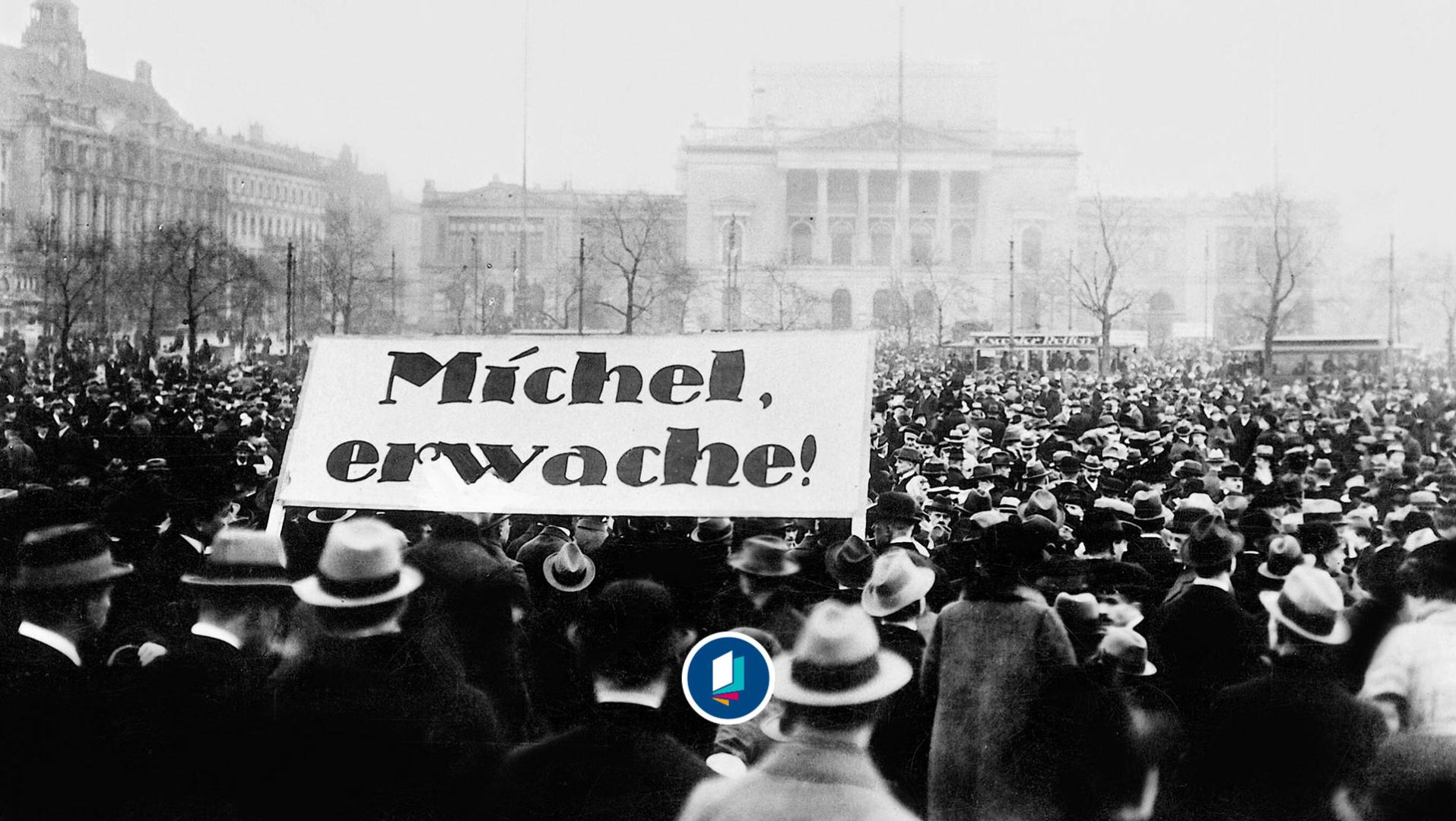 picture alliance / SZ Photo | Scherl
Das Erbe der extremen Rechten: Völkischer Nationalismus von Weimar bis heute
Die Spurensuche zeigt, wie völkisch-nationalistische und antiliberale Ideen seit Weimar in der extremen Rechten der Gegenwart weiterleben. Mit Historiker Volker Weiß.
Read now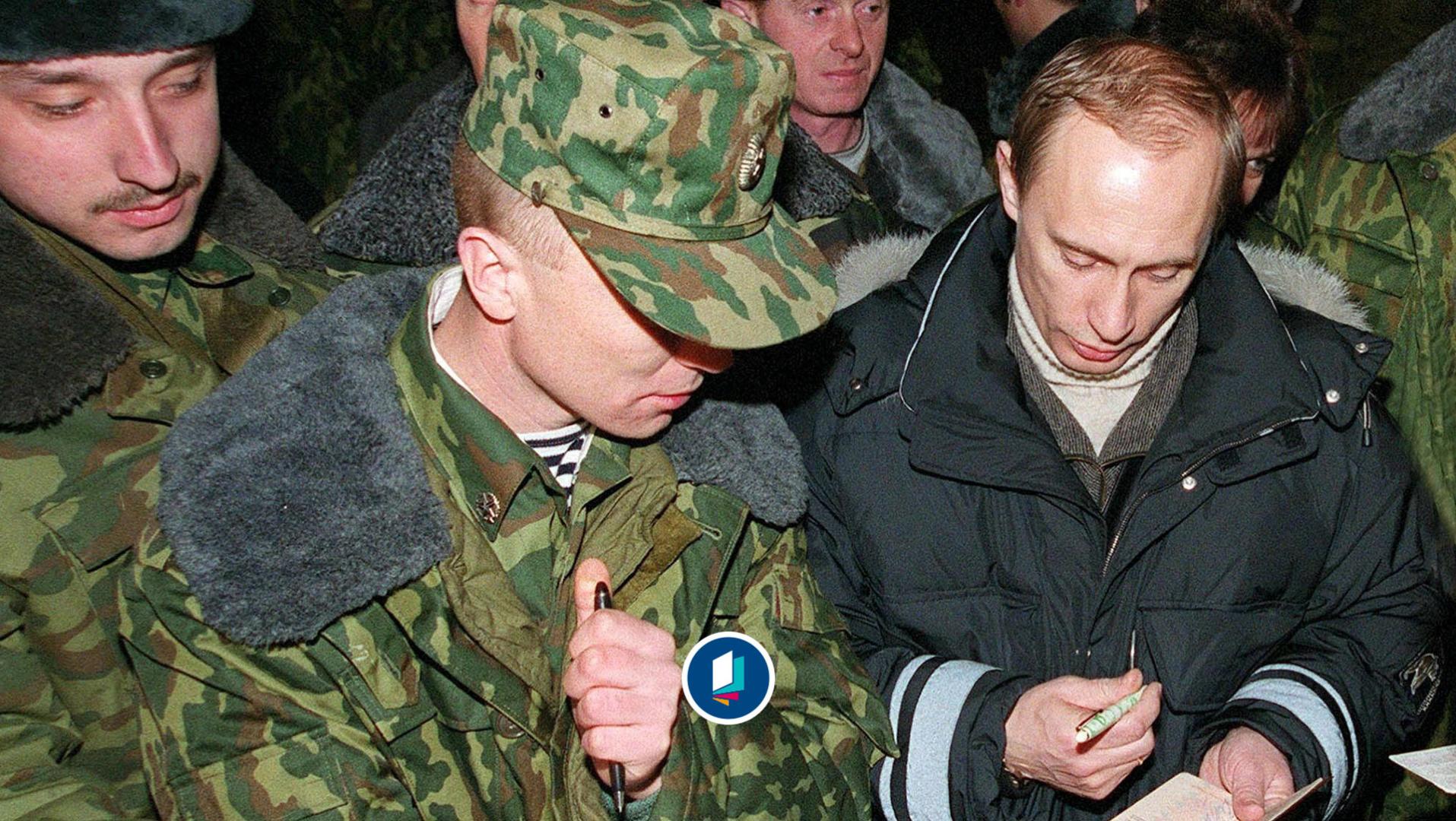 EPA FOTO EPA/AP POOL/-/IS/kr