


Precisely nothing is repeated in history. But still, facts and periods that resemble one another often repeat themselves in a certain sense, and history is and remains a teacher for responsible statesmen.




At a glance
- Following the appointment of Adolf Hitler as Reich Chancellor on 30 January 1933, the National Socialists established a totalitarian regime within a very short period of
- From the very beginning, the regime employed terror and persecution against Jews and political dissidents. This systematic approach culminated in the mass extermination of European Jews.
- The Second World War was planned by the National Socialists as a war of ideology and extermination, as manifested in the inconceivable radicalisation of the war.
- It was not until their unconditional surrender on 8 May 1945 that the National Socialists’ twelve-year reign of terror ended.
- The Konrad-Adenauer-Stiftung considers one of its central tasks to be the academic and political examination of Nazi tyranny and the history of resistance against National Socialism.
Content
1. The end of the Weimar democracy
2. Enforced social conformity and race mania in the Nazi state
4. Resistance against National Socialism
5. Our democracy is in distress
7. Our offers and projects on the topic
8. Publications, events and media contributions on the topic
It is the darkest chapter in German history: The end of the Weimar Republic gave way to the tyranny of the National Socialists. It brought terror, war and destruction.
The end of the Weimar democracy
On 30 January 1933, the Reich President Paul von Hindenburg appointed Adolf Hitler as Reich Chancellor. If those responsible across party lines had hoped that this would create political stability, it soon became clear that the concept of “taming” was destined to failure. Within a very short time, the National Socialists established a totalitarian regime under the smokescreen of a sham legitimacy: With the “Decree for the Protection of the People and State” dated 28 February 1933, the persecution of political opponents was legalised.
The Enabling Act adopted by the Reichstag on 23 March 1933 definitively rescinded the Weimar Constitution. Following prohibitions of the KPD and the SPD as well as dismantling of trade unions in May 1933, the remaining parties dissolved themselves over the coming weeks without putting up any significant resistance.
Enforced social conformity and race mania in the Nazi state
In conjunction with enforced political conformity, the National Socialists strived to achieve enforced social conformity from the very beginning, too. The entire society was to be covered by the NSDAP and its branches as well as sub-organisations. However, terror and persecution were not only directed against political dissidents, but also against all those who did not conform to the National Socialist “racial ideal”. Thus, the persecution of the Jews was also part of the terror regime from the outset. Systematic exclusion and disenfranchisement were followed by dehumanisation, which finally reached its climax in the factory-like extermination of European Jews.
Second World War
Ultimately, the “Final Solution to the Jewish Question” was closely linked to the violent capture of “living space in the East”: With the German invasion of Poland on 1 September 1939, Hitler had unleashed the Second World War. The campaign against the Soviet Union, which began in June 1941, was planned from the start as an ideological world view and racial-biological war of extermination, and led to an inconceivable radicalisation of the war. On 8 May 1945, the National Socialist’s regime of terror ended with the unconditional surrender of the Wehrmacht.
Resistance against National Socialism
Even though the vast majority of Germans went along with the establishment of tyranny, enforced social conformity, the persecution of Jews and the war – whether out of conviction or through fear of personal consequences – there were those who resisted the unjust regime. They came from various social classes and political camps and also had very different motives and ideas. They were all united, however, by the fact that they were prepared to risk their own life and that of their family for their convictions, which were in contradiction to the National Socialist regime.
Our democracy is in distress
Tyranny, terror, war, destruction – all this should never be repeated. Against the background of a twelve-year reign of terror by the National Socialists, which had cost millions of people their lives, liberal parliamentary democracy was re-established in the Western part of Allied-occupied Germany after 1945. For a long time, the history of the German Federal Republic was deemed to be a unique success story.
Today, some 80 years after the end of the war and more than 30 years after the fall of the Wall, cracks are appearing. It shows that democracy, freedom and human rights, peace and prosperity cannot be taken for granted. Left- and right-wing extremists are attempting to undermine the foundations of liberal society. Attacks on Jews, attacks on synagogues and Jewish cemeteries are on the rise. At the same time, a debate has flared up about the singularity of the Holocaust. AfD supporters above all downplay the dictatorship and relativise the crimes of the National Socialist terror regime.
Learning from history
All this shows that it is now more important than ever to know about history and learn from it. Only in this way is it possible to draw the right conclusions and counter new extremist dangers. The academic and political analysis of National Socialist tyranny belongs to the key tasks of the Konrad-Adenauer-Stiftung. Together with cooperation partners from society and academia, we pursue the relevant research questions.
Resistance Against National Socialism
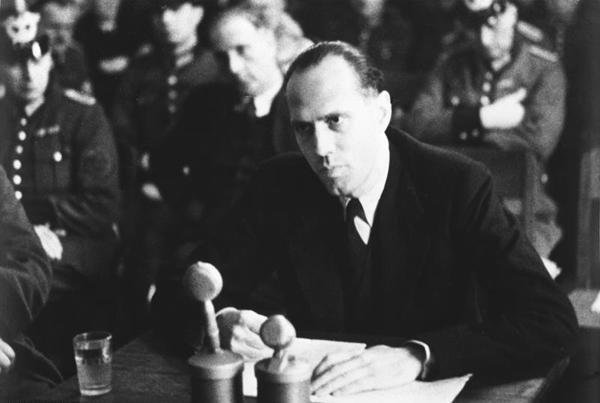
With their resistance, opposition members accepted great personal risks. The motives, goals and forms of resistance were diverse.
Event series
In the framework of events, seminars and competitions, we get into conversation with young people and hold discussions with academics and the last living contemporary witnesses. We thus build bridges between the past and the present – to ensure that our liberal democracy remains strong in future.
DenkTag
Since 1996, the 27 January has been an official day of remembrance for the victims of National Socialism in Germany. For many years, the Konrad-Adenauer-Stiftung has taken this day as on occasion to implement a series of Germany-wide projects and events. In numerous federal states, readings and talks with contemporary witnesses take place or exhibitions are organised.
Forum 20 July 1944 – Legacy and Future Mission

With the “20 July 1944 – Legacy and Future Mission” event series, the Konrad-Adenauer-Stiftung honours resistance fighters against National Socialism and keeps their memory alive.


Publications on this topic
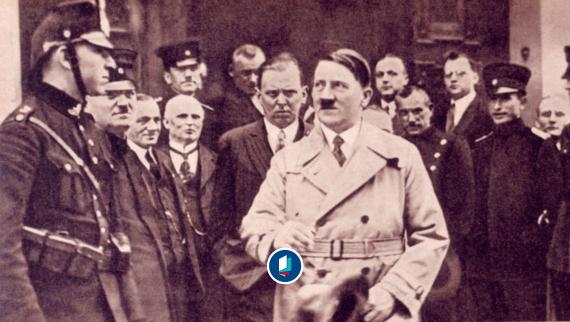 picture alliance / akg-images | akg-images
Als Weimar die NSDAP verbieten wollte: Parteiverbote von 1930 bis heute
Der Geschichtspodcast von Frankfurter Allgemeine Zeitung und Konrad-Adenauer-Stiftung – Folge #16
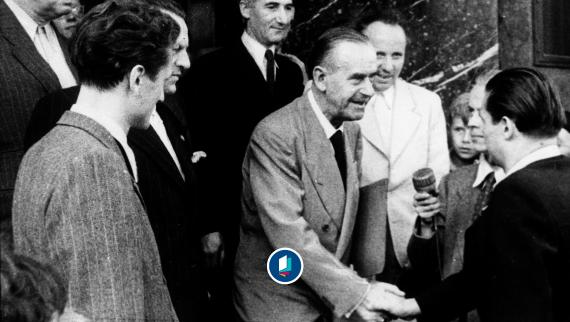 picture-alliance / akg-images | akg-images
Pawel Pawlikowskis Film „Vaterland“ (2026)
Politische Rückfragen an ein intimes Kino-Erlebnis
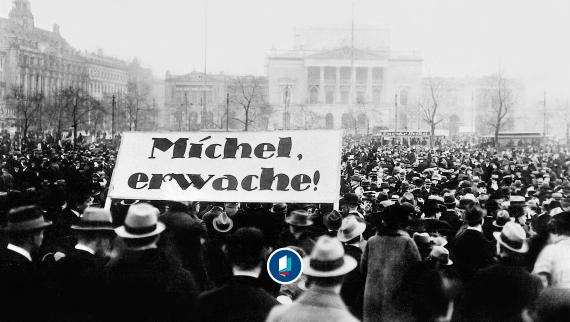 picture alliance / SZ Photo | Scherl
Das Erbe der extremen Rechten: Völkischer Nationalismus von Weimar bis heute
Der Geschichtspodcast von Frankfurter Allgemeine Zeitung und Konrad-Adenauer-Stiftung – Folge #14
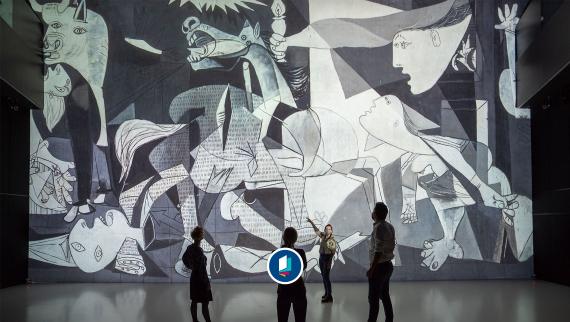 Ars Electronica - Robert Bauernhansl / flickr / CC BY-NC-ND 2.0 / creativecommons.org/licenses/by-nc-nd/2.0/deed.de
Hemingway, Orwell und der Kampf der totalitären Ideologien: Der Spanische Bürgerkrieg 1936–1939
Der Geschichtspodcast von Frankfurter Allgemeine Zeitung und Konrad-Adenauer-Stiftung – Folge #12
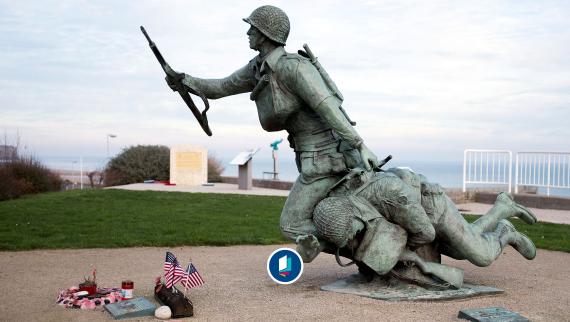 Stefan Boness/IPON/Süddeutsche Zeitung Photo
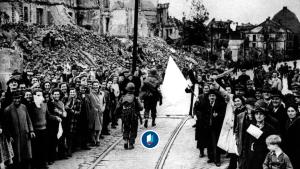
Der 8. Mai 1945
80 Jahre nach dem Kriegsende: Ein Aufbruch in Geschichte und Erinnerung
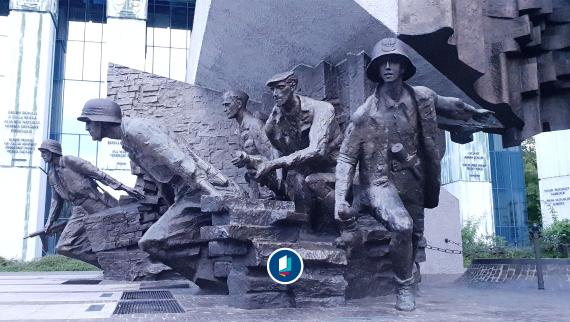 Ralf Peter Reimann / flickr / CC BY-SA 2.0 / creativecommons.org/licenses/by-sa/2.0/deed.de
Der Zweite Weltkrieg in Polen
Bilanz und Erinnerung an deutsche Besatzung und Verbrechen
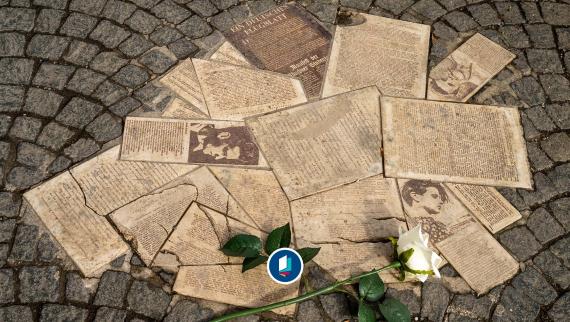 Catherina Hess/Süddeutsche Zeitung Photo
Der Widerstand der „Weißen Rose“ in der deutschen Erinnerungskultur
Zwischen Instrumentalisierung, Heroisierung und Kritik
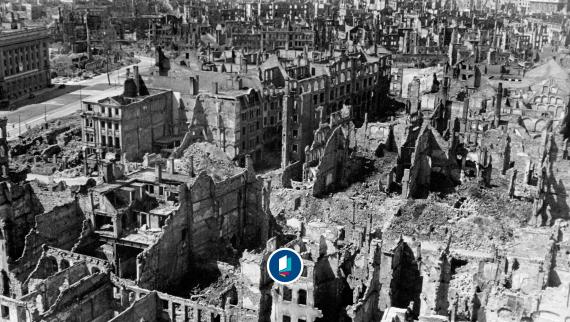 Fotoarchiv für Zeitgeschichte/Ar/Süddeutsche Zeitung Photo
Dresden und das Kriegsende in Europa
Vorgeschichte und Folgen der Bombenangriffe vom 13. und 14. Februar 1945
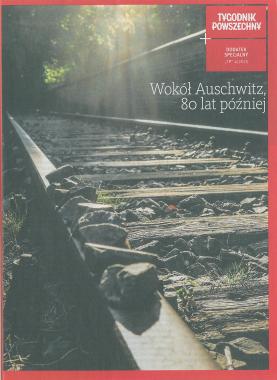
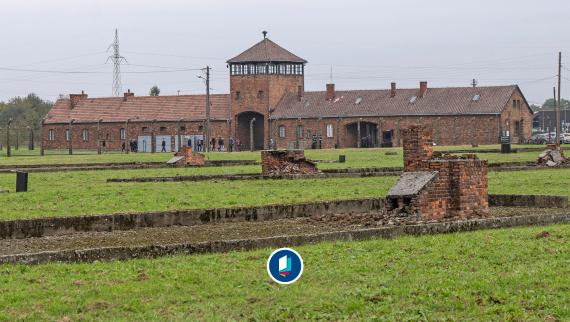 Jose Giribas / Süddeutsche Zeitung Photo
Gedenkstätten als Orte des Übergangsritus
Zur Bedeutung der Arbeit der Gedenkstätte Auschwitz-Birkenau 80 Jahre nach der Befreiung des Konzentrations- und Vernichtungslagers
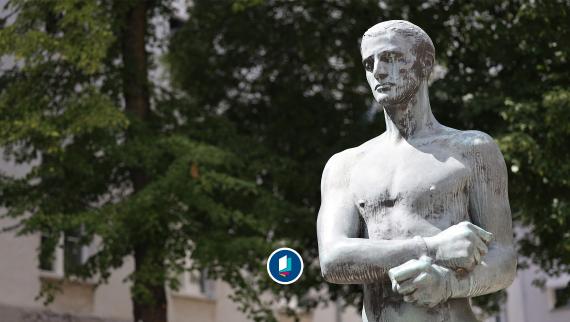 Stefan Stahlberg / Konrad-Adenauer-Stiftung e.V.
Gedenken an den Widerstand vom 20. Juli 1944: Einstehen für Freiheit, Menschlichkeit und Rechtsstaat
Wie sich die Anerkennung von Umsturzversuch und Stauffenberg-Attentat entwickelt hat und warum das Einschreiten der Widerstandskämpfer für unsere Demokratie so wertvoll sein kann
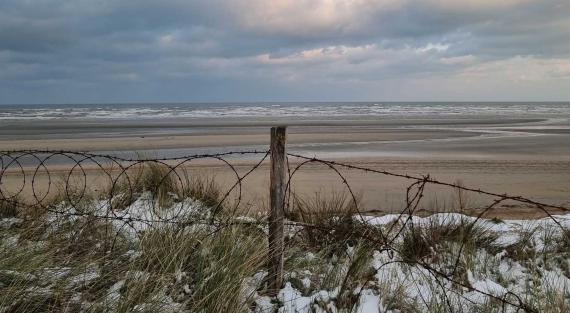 KAS Frankreich
80 years of D-Day
Looking backward and looking forward to French, European and Franco-German remembrance culture
 Leonine Studios
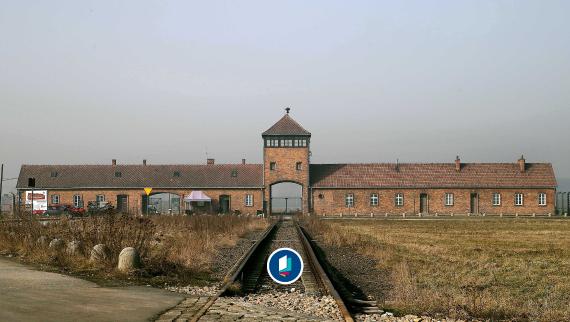
Auschwitz: Zum Nebeneinander von Verbrechen und "Normalität"
Wie Auschwitz zum Zentrum des Holocaust wurde und warum das vermeintlich idyllische Familienleben der Täter das Morden beförderte
 akg-images / WHA / World History ArchWHAi
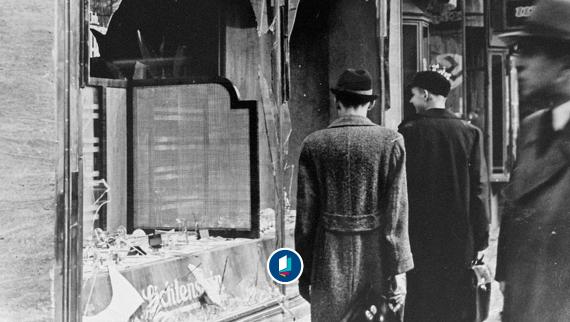
Eine neue Dimension der Judenverfolgung
Die Novemberpogrome 1938 im Deutschen Reich
Event Reports on the topic

„Ein eindrucksvolles Zeugnis menschlicher Würde und Selbstbehauptung.“
Forum 20. Juli 1944 – Vermächtnis und Zukunftsauftrag
„Diese Gleichgültigkeit ist wohl die größte Schuld, die wir wohl alle haben“
Exkursion in die Gedenkstätte Sandbostel
„Ach, Gussie!“ – Eine Frau zwischen Politik, Familie und Widerstand
Sonderaufführung des Theaterstücks „Ach, Gussie!“ zum 150. Geburtstag Konrad Adenauers im Pfefferberg-Theater Berlin
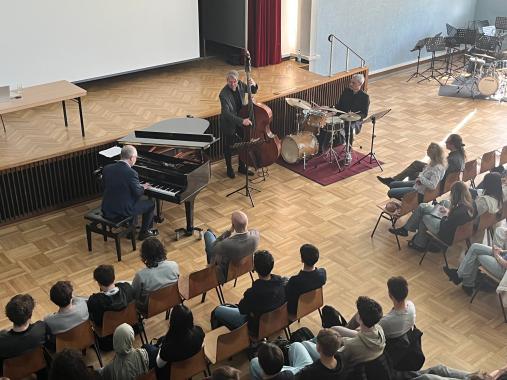
Nationalsozialismus und Holocaust in biographischer Perspektive
Künstlerische Zugänge zur historischen Verantwortung am Beispiel der Oper „Dear Erich“
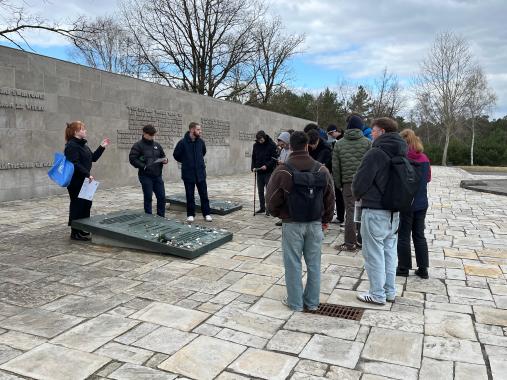
Vergessene Opfer? Antiziganismus im Nationalsozialismus
Eine Exkursion zur Gedenkstätte in Bergen-Belsen
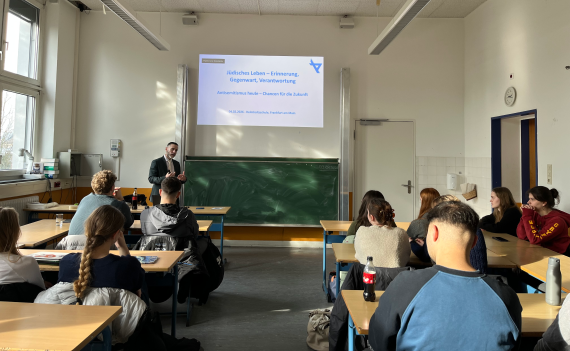
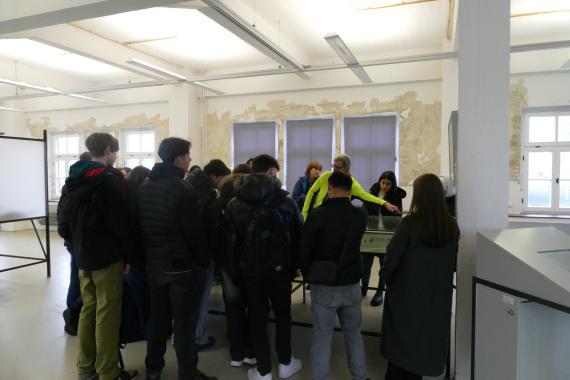

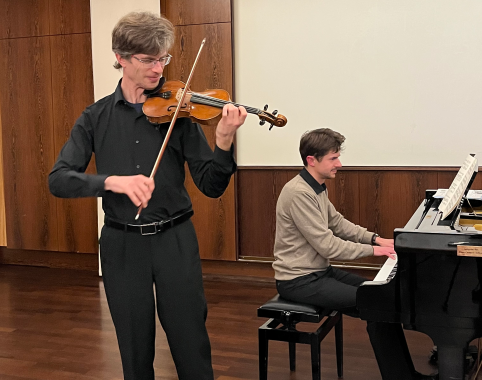
Von der Front ins Abseits – Deutsche Juden zwischen Patriotismus und Ausgrenzung
Ein musikalisch-historischer Abend über Identität, Brüche und das Ringen um Zugehörigkeit
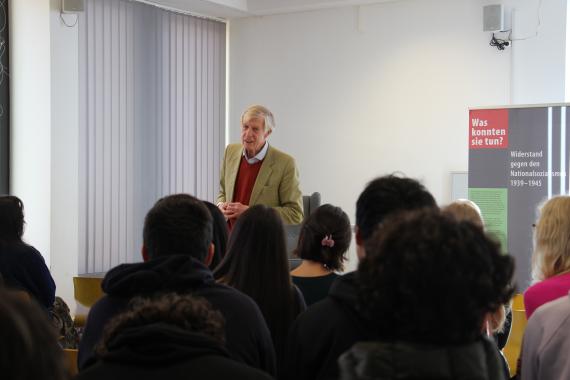 KAS/ Maximilian Haferburg
Verantwortung auch für andere übernehmen!
Ausstellungseröffnung "Was konnten sie tun?"
Unbeugsam - Dimensionen jüdischen Widerstands
Kooperationsveranstaltung mit dem Freundeskreis Yad Vashem e.V.
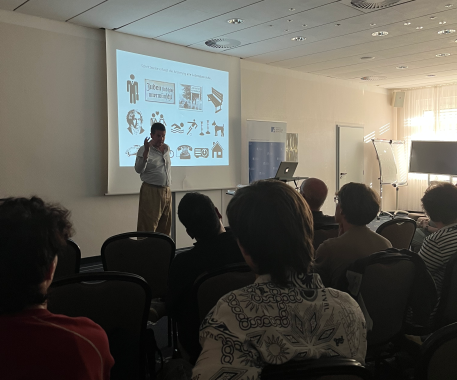
„Arisierung“ – Raub, Profit und Nachwirkungen bis heute
Enteignung im Nationalsozialismus und ihre Spuren in Gesellschaft, Unternehmen und Familiengeschichten
 KAS/Marie-Lisa Noltenius
Frauen im Kampf gegen den Nationalsozialismus: „Widerstand war so vielfältig wie sie selbst“
Veranstaltungsbericht vom 16. Juli 2025
Der 8. Mai 1945. Das Ende des Zweiten Weltkriegs und seine Lehren für die Gegenwart
Bericht zu Fachtagung und Podiumsdiskussion anlässlich des 80. Jahrestags des Endes des Zweiten Weltkriegs
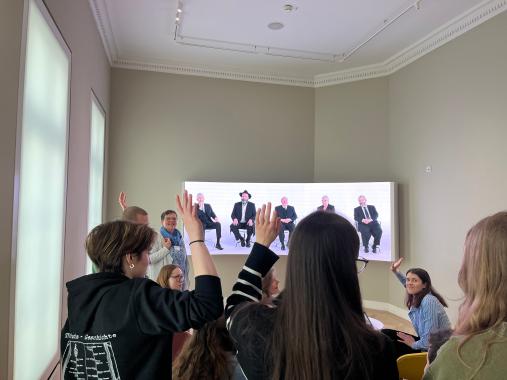
Erinnern, Verstehen, Begegnen – Jüdisches Leben in Vergangenheit und Gegenwart
Auf den Spuren jüdischen Lebens in Frankfurt
Auszeichnungen zum denkt@g 2024/25 verliehen
Schülergruppe der Internatsschule Schloss Hansenberg gewinnt den denkt@g-Wettbewerb
Media library
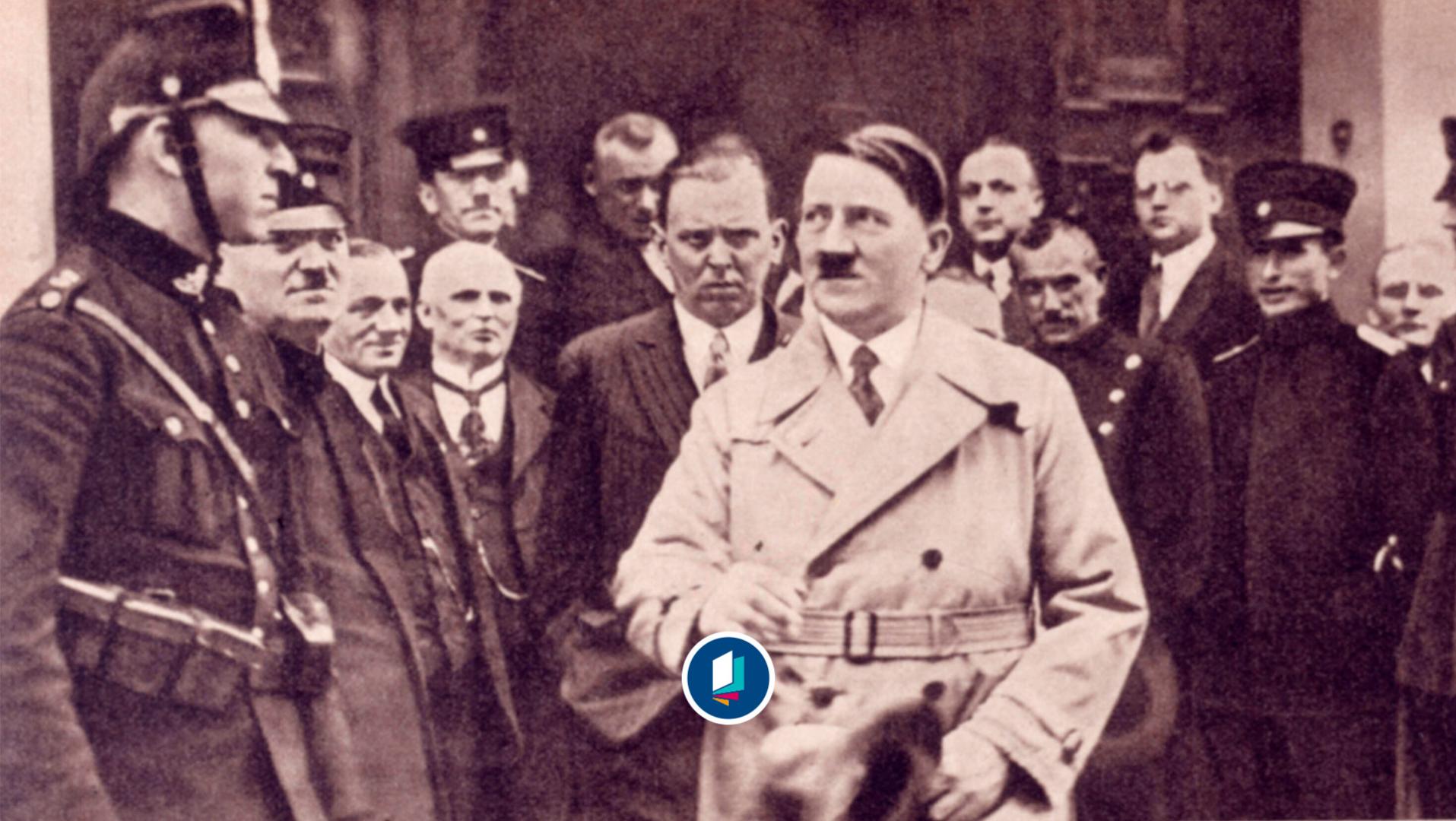 picture alliance / akg-images | akg-images
Als Weimar die NSDAP verbieten wollte: Parteiverbote von 1930 bis heute
Von der NSDAP in Weimar über die KPD in der Bundesrepublik bis zur AfD geht es um die Frage: Wann kann und darf eine Demokratie Parteien verbieten, um die Freiheit zu schützen?
Read now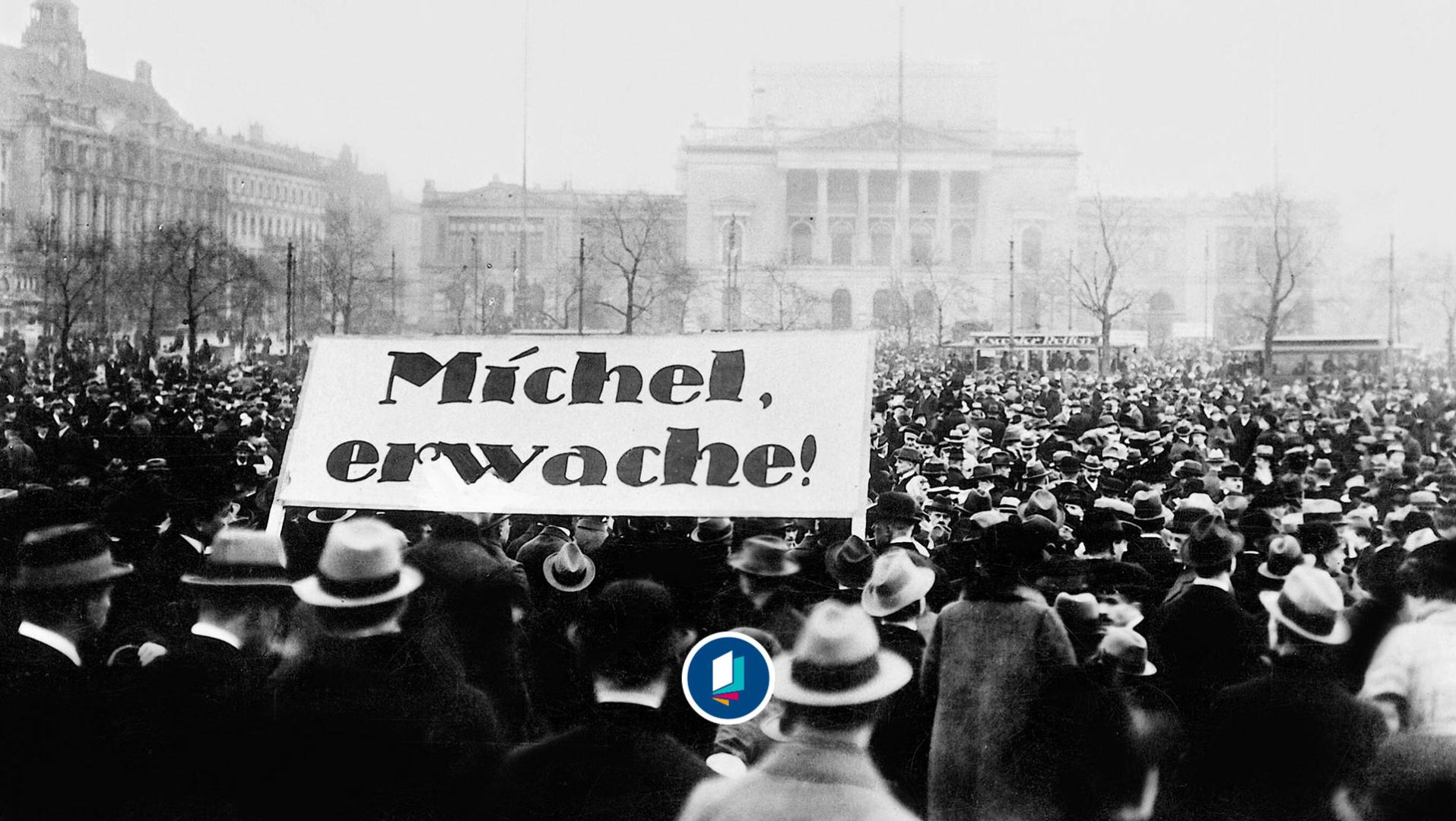 picture alliance / SZ Photo | Scherl
Das Erbe der extremen Rechten: Völkischer Nationalismus von Weimar bis heute
Die Spurensuche zeigt, wie völkisch-nationalistische und antiliberale Ideen seit Weimar in der extremen Rechten der Gegenwart weiterleben. Mit Historiker Volker Weiß.
Read now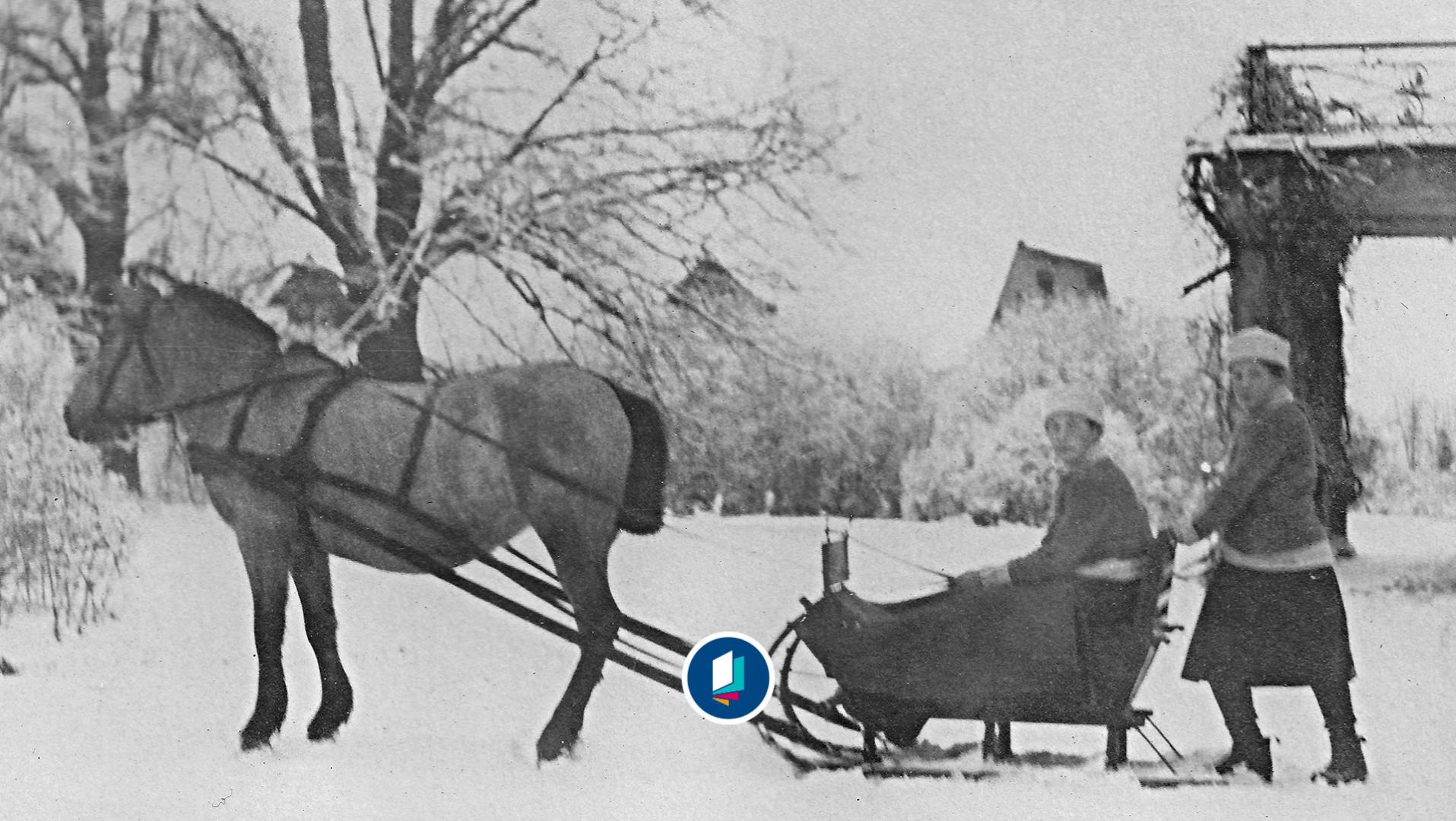 Privat
Rüdiger von Fritsch: Wie blickt man auf Geschichte, wenn die eigene Familie mittendrin ist?
In unserem Sommerinterview sprechen wir mit dem ehemaligen deutschen Botschafter in Polen und Russland, Rüdiger von Fritsch über Nationalsozialismus, Flucht und Vertreibung.
Read now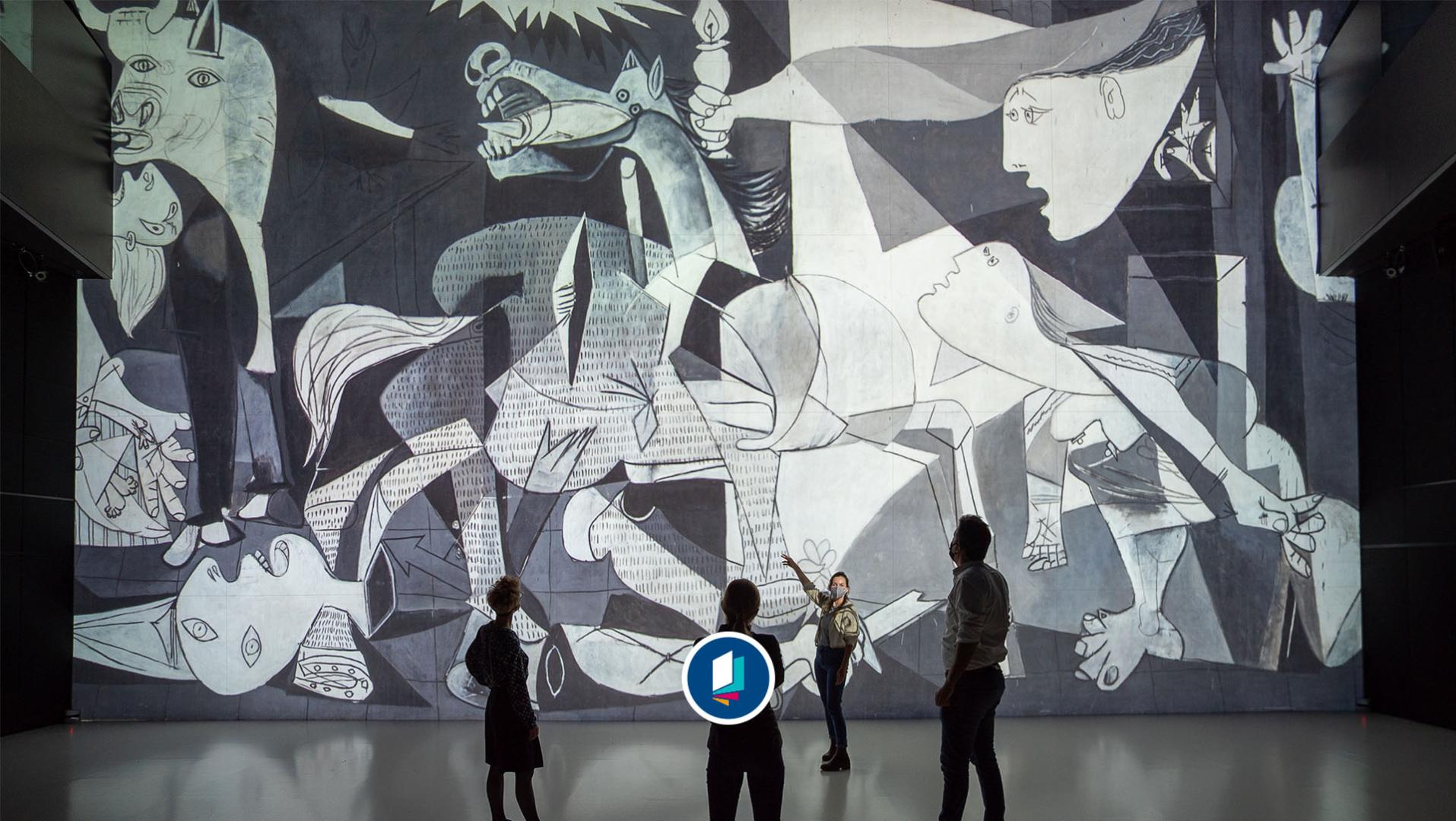 Ars Electronica - Robert Bauernhansl / flickr / CC BY-NC-ND 2.0 / creativecommons.org/licenses/by-nc-nd/2.0/deed.de
Hemingway, Orwell und der Kampf der totalitären Ideologien: Der Spanische Bürgerkrieg 1936–1939
Im Gespräch mit Paul Ingendaay über Europas Radikalisierung, den ausländischen Einfluss auf den Krieg – sowie den Kampf der Intellektuellen auf Seiten der Republik.
Read now Bundesarchiv, Bild 102-02373A / Georg Pahl