





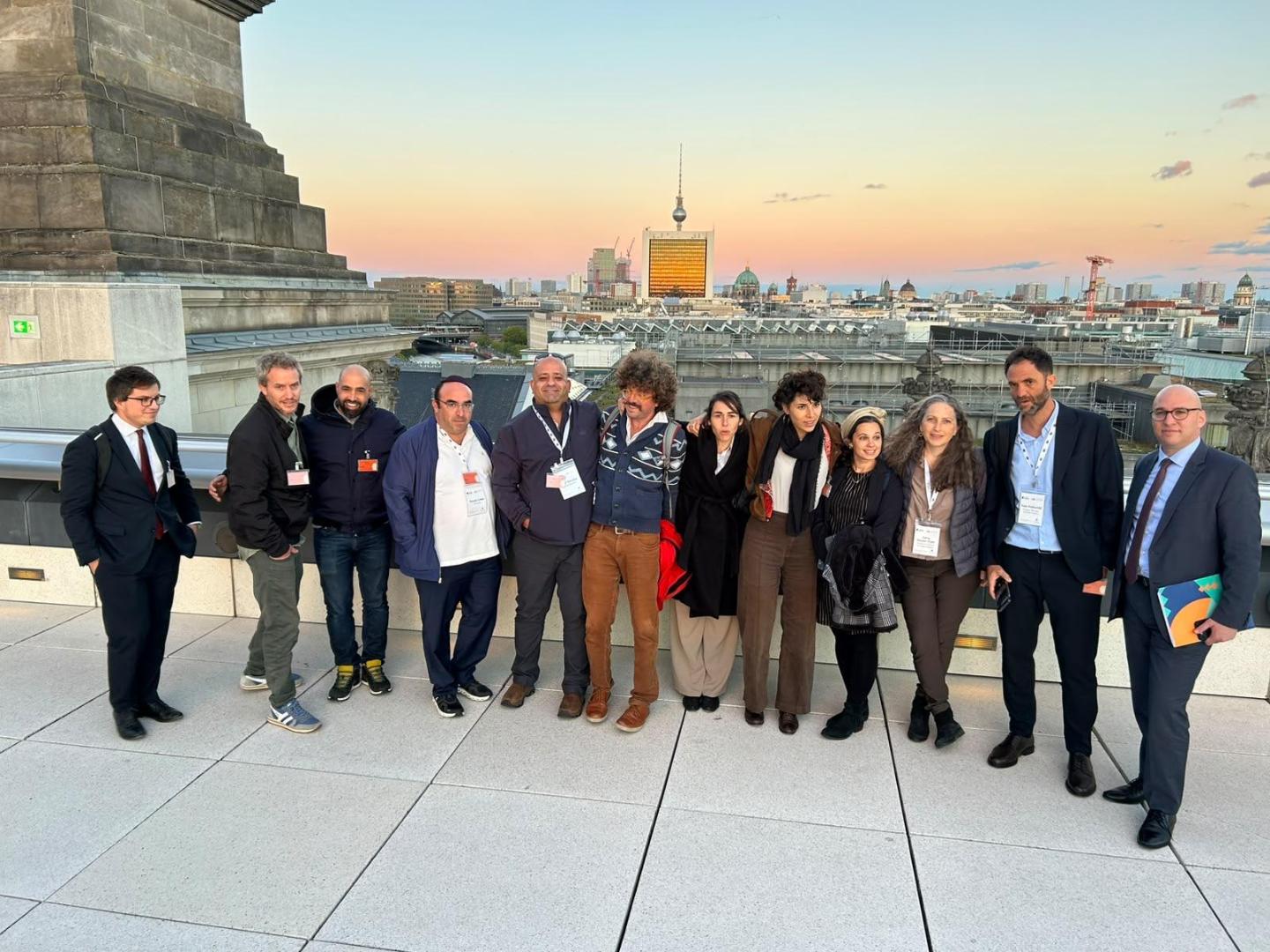

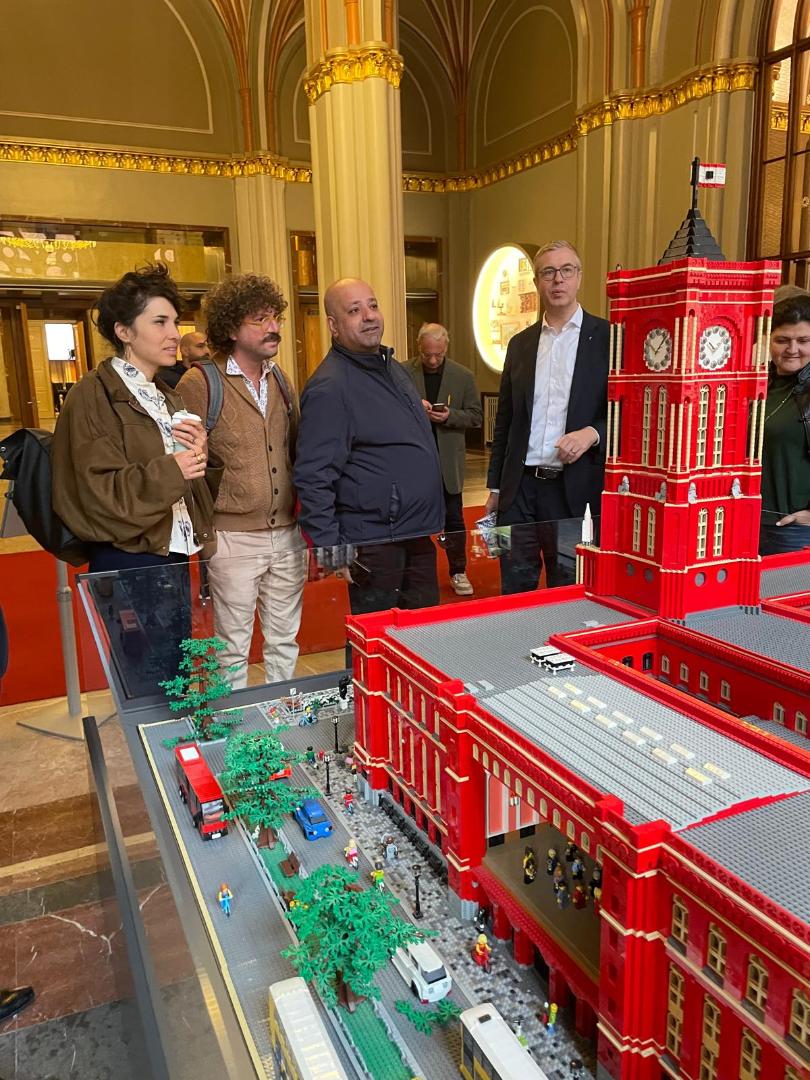
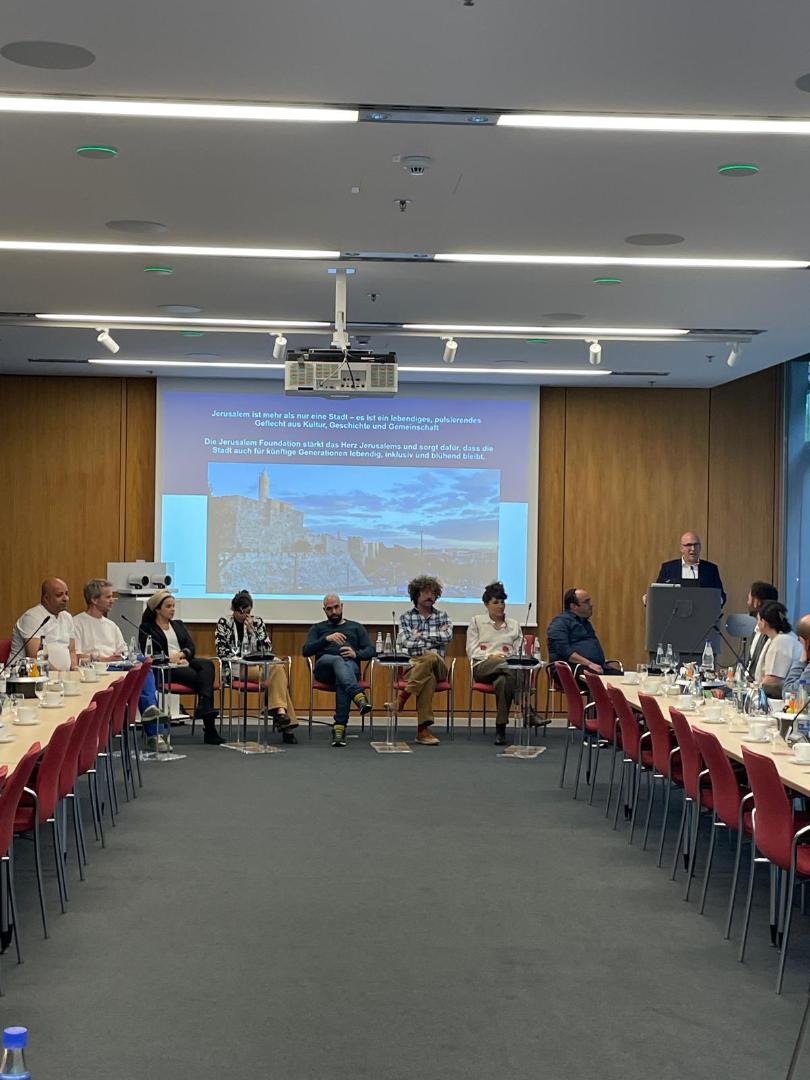
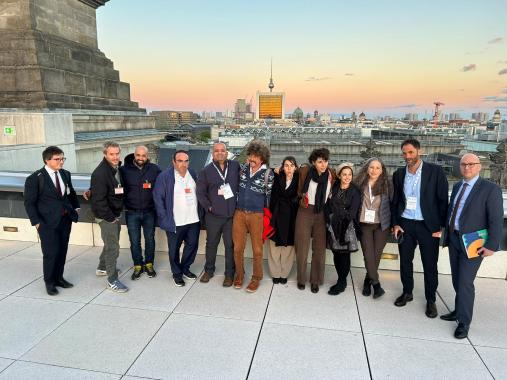
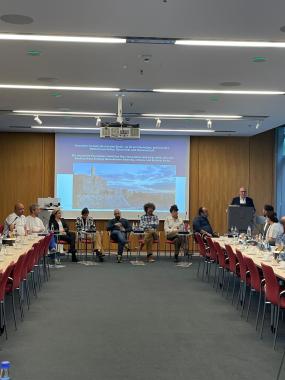
What does lived diversity look like in Jerusalem? And what can Germany and Israel learn from one another when it comes to social cohesion and local leadership? These questions were at the heart of a special delegation visit by participants of the Shai Doron Leadership Program, who traveled to Berlin at the invitation of KAS Israel.
The participants represent the diversity of Jerusalem itself: individuals from different communities, neighborhoods, and professional backgrounds who are committed to strengthening their city. In Berlin, the delegation met with political decision-makers, civil society actors, and partners engaged in German-Israeli cooperation to exchange perspectives on current challenges and future opportunities.
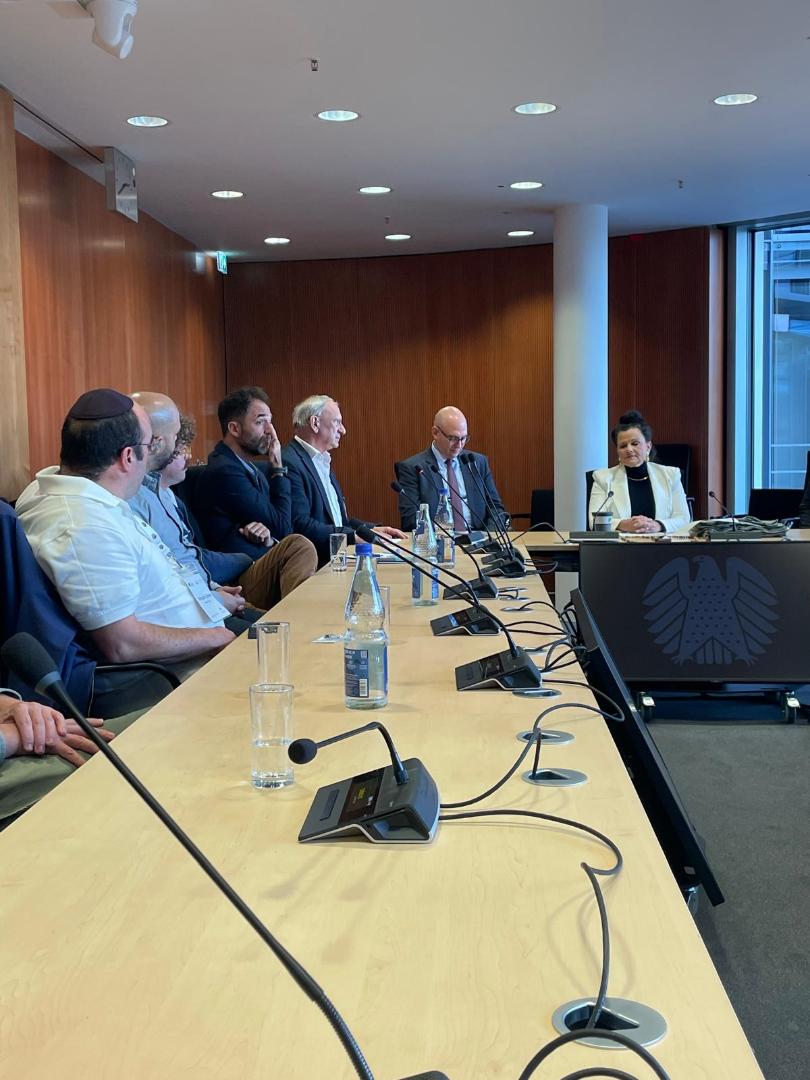
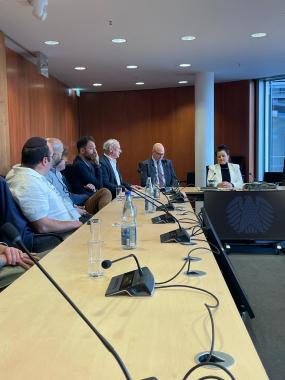
One focus of the visit was to gain a deeper understanding of Germany’s political and social developments. Meetings with Members of the German Bundestag and representatives of the Berlin city government provided participants with first-hand insights into current debates, political decision-making processes, and the work of public institutions. Particular attention was devoted to Berlin’s political landscape following recent elections and to ongoing discussions surrounding antisemitism.
At the same time, the visit served as a platform for exchanging experiences on the challenges facing diverse societies and the role of civil society in building bridges between different communities. Discussions with representatives of the Berlin administration, various civil society organizations, and Jewish communities in Berlin focused on social cohesion, civic engagement, and the future of German-Israeli relations.
The visit also pursued a broader objective: to present a more nuanced picture of Jerusalem. The city is often associated primarily with conflict, tension, and social divisions. Yet the members of the delegation reflected a different reality of Jerusalem: people from diverse religious, cultural, and social backgrounds working together, assuming shared responsibility, and developing practical solutions to common challenges. Through this visit, KAS Israel sought to demonstrate that Jerusalem is not defined solely by its conflicts, but can also serve as a model of dialogue, cooperation, and innovative approaches to managing diversity and strengthening social cohesion.
The delegation demonstrated the value of personal encounters in fostering mutual understanding and building long-term partnerships. The open exchange created new perspectives, strengthened existing relationships, and generated ideas for future cooperation.
Our sincere thanks go to the Jerusalem Foundation for its close partnership, as well as to all interlocutors who enriched this visit through their insights, engagement, and hospitality. Their contributions helped make this delegation a valuable and inspiring experience for all involved.