






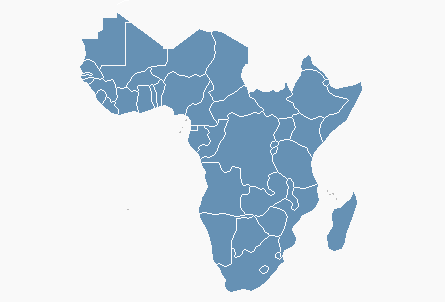




The key objective of the Konrad Adenauer Foundation (KAS) in Sub‑Saharan Africa is the establishment and consolidation of functioning democratic structures and processes. The foundation pursues this goal through its current network of 18 offices in the region, consisting of seven country programs, five multi‑country programs, and six thematically oriented regional programs.
The work of the KAS focuses on key areas of democratic development: cooperation with political parties, the promotion of sustainable economic development, the spread of rule‑of‑law institutions, support for independent media, and the facilitation of political and interreligious dialogue. The long‑term commitment to democracy, the rule of law, civil society, and the principles of social market economy forms a clear yet comprehensive field of action.
A core priority for KAS is to build trustworthy and long‑term relationships with political decision‑makers, institutions, and civil society actors. The thematic regional programs operate across national borders and help strengthen exchange, networking, and dialogue on the African continent.
The interactive map provides a detailed overview of the KAS programs’ locations throughout Sub-Saharan Africa.
Thematic Regional Programs in Sub‑Saharan Africa
The thematically aligned regional programs operate across national borders and implement activities on various priority topics in Sub‑Saharan Africa, or across the entire continent in the case of the Regional Programme Economy Africa. One of their key objectives is to strengthen regional exchange and dialogue as well as to promote network‑building across the continent.
Rule of Law
The Rule of Law Program for Sub‑Saharan Africa aims to support the development and strengthening of legal and judicial systems that anchor the principle of the rule of law as the foundation of a liberal democratic order. Its work is guided by international standards in the areas of constitutionalism, judicial independence, human rights, and good governance. Based in Nairobi, the program oversees projects in numerous countries across Sub‑Saharan Africa, both in the francophone and anglophone parts of the continent.
Political Party Dialogue and Democracy Promotion
In times of growing challenges to democratic systems, the Konrad Adenauer Foundation is committed to strengthen democratic parties as central pillars of a representative democracy. In the context of increasingly globalized politics and cross‑border challenges, interregional dialogue is gaining importance. This creates numerous new opportunities for the Foundation to serve as a platform for dialogue and exchange. KAS’s values‑based international cooperation with like‑minded political parties supports them in expanding their expertise, knowledge, and capacities in order to effectively address the diverse challenges arising on the local, national, and regional level. Since 2021, these tasks and objectives have been carried out by the Regional Program for Political Dialogue in Sub‑Saharan Africa (PolDiSSA) based in Johannesburg.
Media
The media landscape in Sub‑Saharan Africa is shaped by political pressure, structural change, and geopolitical influences. In many countries, press freedom is restricted, and independent reporting is particularly at risk in states with authoritarian governance. At the same time, external actors such as China and Russia use disinformation intentionally to influence public opinion and weaken democratic structures on the continent. Therefore, the KAS Media Program for Sub‑Saharan Africa based in Johannesburg has been working to strengthen independent journalism, increase media literacy, and help democratic opinion‑forming since 2002. It connects media professionals, promotes the exchange of experiences and best practices, and it supports efforts to counter disinformation. In doing so, it reinforces the media’s role as the guardian of democracy.
Security Policy
Sub‑Saharan Africa is increasingly integrated in global geopolitical dynamics. External actors such as China, Russia, Turkey, and the Gulf States are seeking greater influence, while regional conflicts — for example in the Sahel or the Horn of Africa — are aggravated by weak state structures and social tensions. This instability is increasingly spilling over into the states of the Gulf of Guinea, where Islamist groups are expanding and exploiting local political, economic, and societal shortcomings for recruitment. At the same time, it is evident that sustainable stability cannot be achieved through external interventions alone, but rather through functioning local structures, regional cooperation, and political accountability. The Security Policy Dialogue Program for Sub‑Saharan Africa (SIPODI), with regional offices in West and East Africa, makes a concrete contribution to this effort. It supports African partners in further developing security policy strategies, strengthening dialogue, and promoting regional cooperation.
Economy and Trade
After years of growth prior to the Covid‑19 pandemic, global crises — including Russia’s war of aggression against Ukraine, the war in Gaza, geopolitical tensions, and economic uncertainties — have had a severe impact on the African continent. In many instances, the consequences include high inflation rates, rising public debt, and an increasingly limited access to financial markets. Combined with persistently high population growth in many regions, blatantly high youth unemployment, and widening inequality, these factors intensify migration pressures both within the continent and toward Europe. Despite this, Sub‑Saharan Africa only plays a minor role in Germany’s foreign trade and direct investment. Many economies remain vulnerable to external shocks due to their dependence on raw material exports, limited diversification, and structural weaknesses. Innovation, technology, good governance, and international cooperation are therefore essential for sustainable development. The Regional Program on Economy in Africa, based in Nairobi, works with regional organizations, political decision‑makers, local partners, and the German Chambers of Commerce Abroad, focusing on entrepreneurship and regional integration.
Country and Multi‑Country Programs in Sub‑Saharan Africa
The thematic priorities of the country and multi‑country programs are tailored to the specific national needs. In close cooperation with local partners, activities are adapted to the specific conditions, challenges, and opportunities of each country of engagement.
West Africa
The political conditions in West Africa are highly heterogeneous and reflect the region’s diverse historical and societal developments. While some states are making democratic progress, others face significant institutional, economic, and security‑related challenges. At the same time, pressure for reforms and good governance is growing in many societies- this is a trend that increasingly shapes the region’s political landscape. The recent tensions within the Economic Community of West African States (ECOWAS), particularly the withdrawal of the three Sahel states Mali, Burkina Faso, and Niger in January 2025, highlight the deep political fractures in the region. These developments pose major challenges to regional integration and weaken the ability to formulate joint responses to economic, political, and security‑related issues.
Multi‑Country Program Senegal and The Gambia
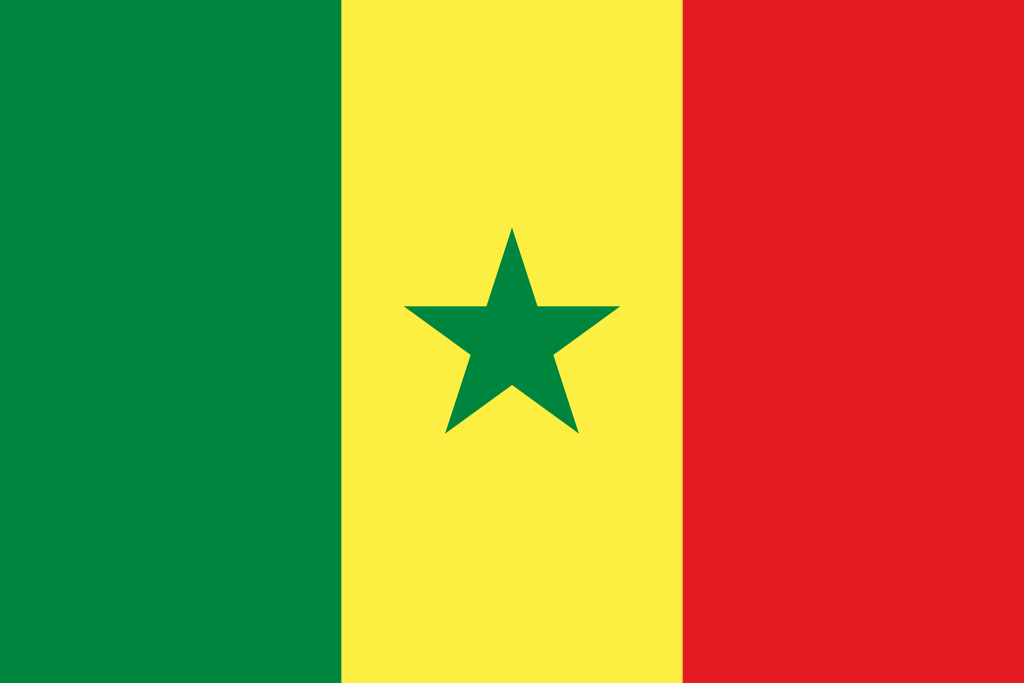
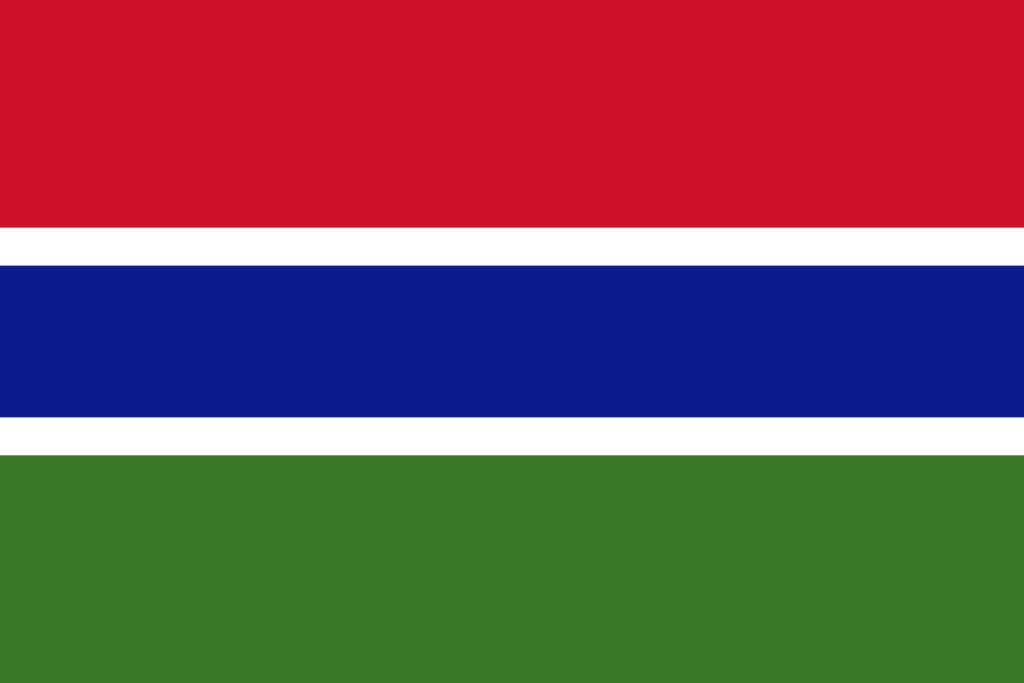
Senegal continues to be regarded as a political and economic anchor of stability in the region. The Multi‑Country Program Senegal and The Gambia focuses on strengthening and consolidating democratic development, supporting civil society organizations and the media, and promoting political and economic decentralization. Additionally, the Konrad Adenauer Foundation is also engaged in interreligious dialogue. The Gambia has been undergoing a democratization process since 2017, following decades of autocratic rule. Since 2018, KAS has been the first German political foundation represented in the country, encouraging democratic stabilization and the improvement of economic policy frameworks.
Multi‑Country Program Sahel
The erosion of state structures in the Sahel has created significant space for Islamist‑motivated violence. Groups such as JNIM are increasingly expanding their influence into the coastal states of the Gulf of Guinea, including Côte d’Ivoire, Ghana, Togo, and Benin. This dynamic is driven both by geopolitical interference from external actors — particularly China, Russia, and the Gulf States — and by internal considerations: weak institutions, social exclusion, a lack of state legitimacy, and high youth unemployment create an environment conducive to extremist mobilization. As part of the Multi‑Country Program Sahel, KAS has maintained an office in Mali, which, since 2014, implements projects in Mali itself as well as in Mauritania, Burkina Faso, Niger, and Chad. Its work makes an important contribution to promoting democracy, the rule of law, state institutions, political pluralism, civil society, and regional cooperation on governance and security issues.
Country Program Nigeria
As Africa’s most populous country, Nigeria is a central political and economic actor. Nevertheless, it faces a wide range of security and socio‑political challenges. The long‑standing fight against Boko Haram as well as IS and Al‑Qaeda splinter groups, ethnoreligious tensions, economic obstacles, and strained relations between citizens and state institutions all affect the stability of the wider region. The Country Program Nigeria supports security sector reform in close cooperation with political decision‑makers, security agencies, the judiciary, and civil society. In addition, the promotion of democratic values and processes, as well as the strengthening of the rule of law and subsidiarity, are crucial areas of the Foundation’s work in Nigeria.
Country Program Ghana
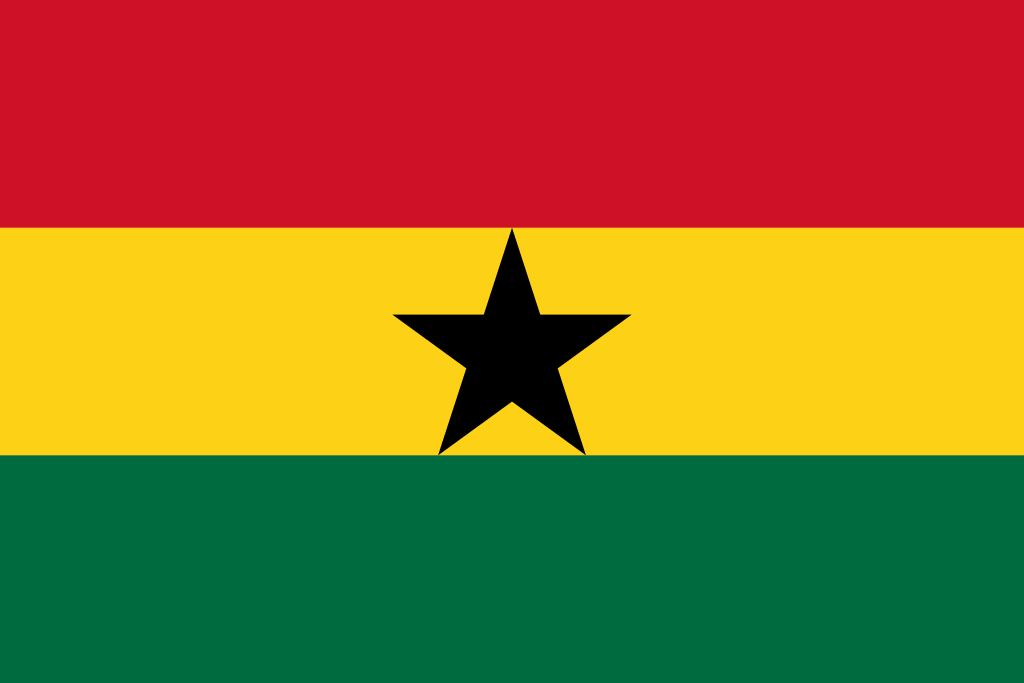
Ghana is recognized regionally for its political stability and economic dynamics. Simultaneously, challenges persist in vocational training and job creation for the predominantly young population. The Country Program Ghana supports young entrepreneurs through national networks and hubs while working to improve economic policy conditions. Political parties, traditional authorities, and church partners are also important actors in this cooperation.
Regional Program Political Dialogue West Africa (PDWA)
In the countries along the Gulf of Guinea, institutional weaknesses, eroding trust in state structures, and socioeconomic inequalities hinder democratic consolidation. In Sierra Leone and Liberia, the legacies of civil wars continue to influence political and societal processes. Côte d’Ivoire, Togo, and Benin also face deficits in political participation and civil society space. Polarization strains interreligious and interethnic dialogue. National parliaments face the task of strengthening their oversight and legislative functions. The Regional Program Political Dialogue West Africa therefore focuses on targeted support for democratic structures, political education, and regional exchange.
Central Africa
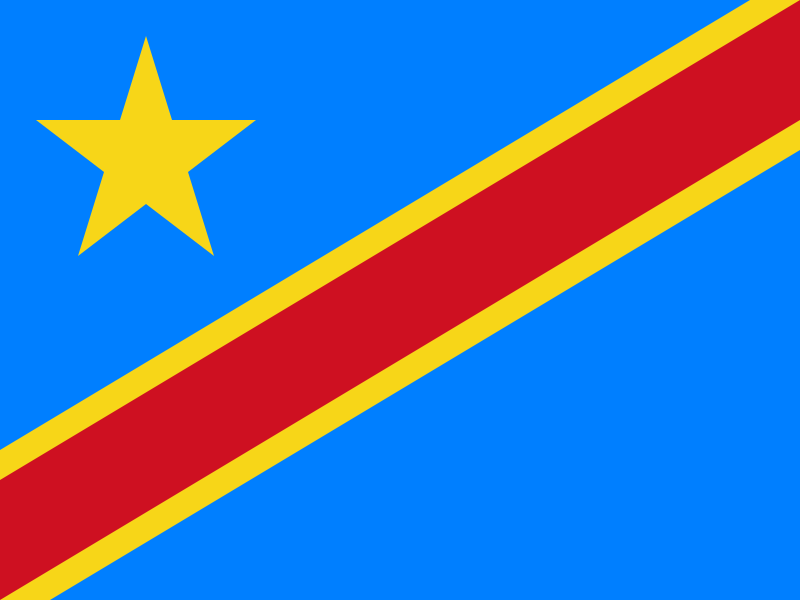
The Konrad Adenauer Foundation has been active in the Democratic Republic of the Congo for several decades. The government in Kinshasa has been noticeably weakened since the invasion of Rwandan troops and rebel groups in the east of the country. The suffering of the local population, particularly internally displaced persons, is immense. In this difficult environment, the Country Program Democratic Republic of the Congo focuses on the following priorities: promoting democracy, participation, and the strengthening of civil society, as well as establishing and sustainably anchoring national and regional dialogue forums to discuss global and regional challenges related to democracy, security, and development.
Eastern Africa
Key thematic priorities of the Konrad Adenauer Foundation’s work in East Africa include youth engagement, the promotion of principles of the social market economy, and the strengthening of institutions and actors with regulatory responsibilities in economic and foreign policy.
Country Program Uganda
In Uganda, democracy remains in crisis- a situation which could have long‑term implications for the country’s stability. Given these circumstances, the Country Program Uganda focuses primarily on consolidating political pluralism and democratic rule of law in response to the current democratic challenges (shrinking spaces). It also works on strengthening civil society participation by assisting civil society organizations in fulfilling their guardian, mediation, and political shaping functions.
Country Program Tanzania
In recent years, Tanzania has experienced a clear regression in democratic development. The main objective of the Country Program Tanzania is therefore to contribute to the establishment of a functioning democratic state. This includes developing an effective multiparty system, strengthening the legislature vis‑à‑vis the executive, promoting decentralized structures and local political decision‑making, and supporting rule‑of‑law‑based and transparent procedures. Another focus lies on political education to raise public awareness — particularly among women and young people — as well as on interreligious dialogue.
Country Program Kenya
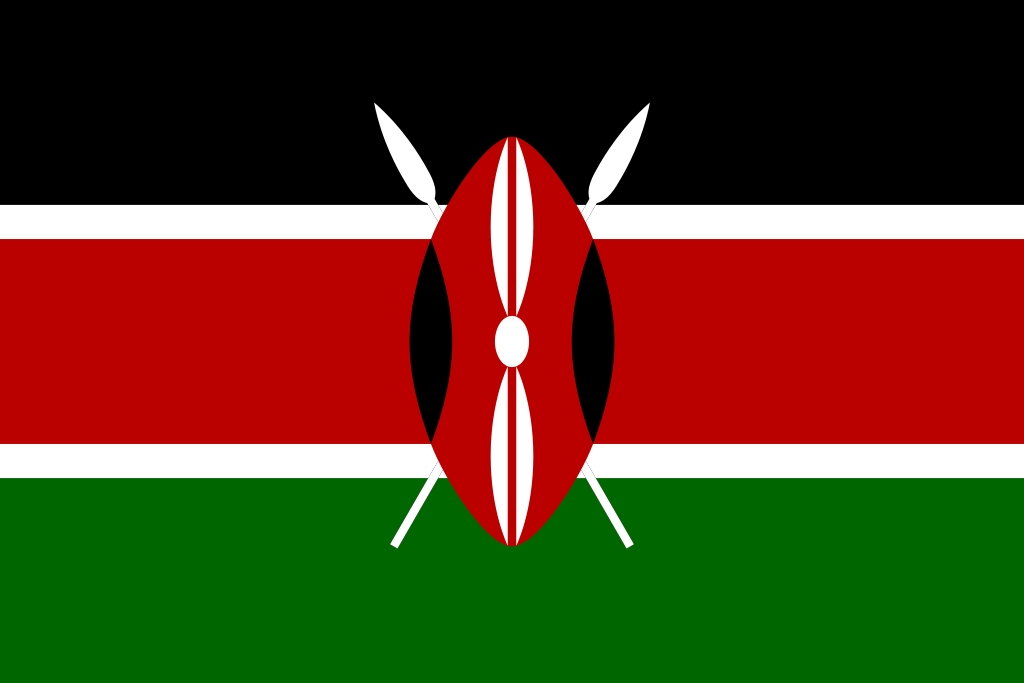
Kenya ranks ahead of Uganda and Tanzania in the Human Development Index (2024). However, corruption remains a challenge. Since the introduction of the decentralized system of government, both positive effects and significant challenges have become increasingly apparent. Improvements in daily life, expanded healthcare services, and the development of local infrastructure have contributed to strong public support for decentralization. At the same time, the security situation remains tense in several regions. In the border areas with Somalia, repeated attacks, terrorist incidents by militant groups, and military confrontations continue to occur. The Country Program Kenya focuses on promoting and consolidating democracy, supporting the decentralization process, and strengthening civil society. One of its key priorities is enhancing the political participation of young people.
Country Program Ethiopia / African Union
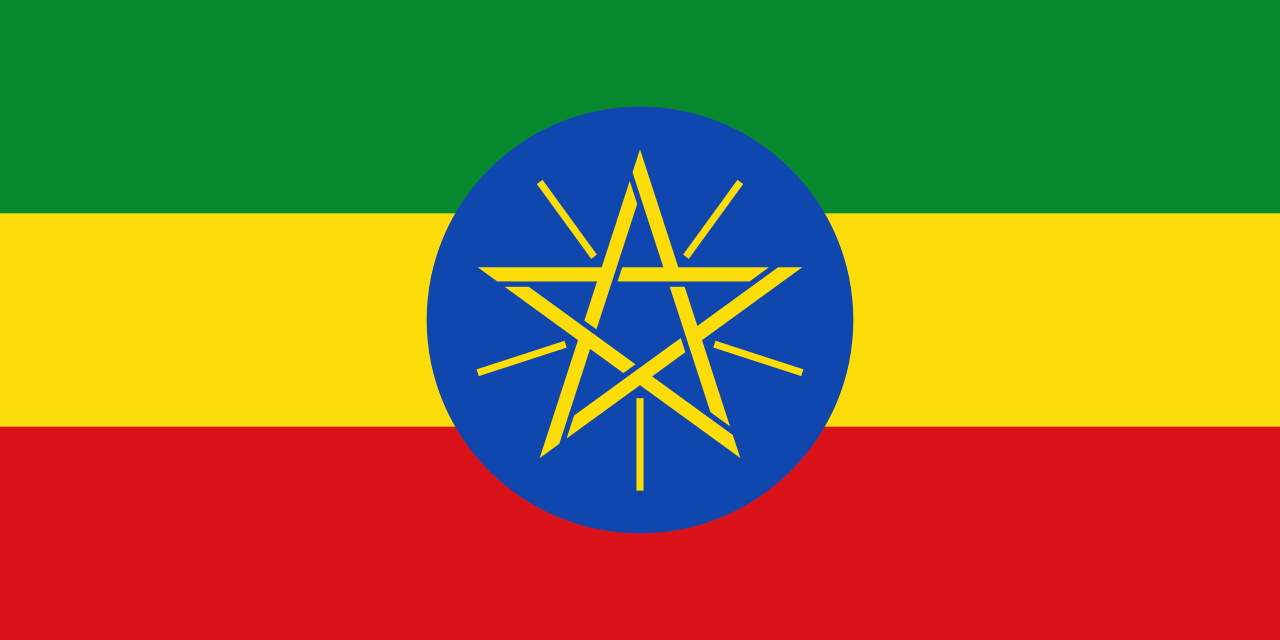
The reform process initiated in Ethiopia has stalled. Although some reforms have succeeded- such as the peace agreement with Eritrea- the government has not managed to overcome the many ethnic tensions within the multiethnic state. This repeatedly leads to political unrest and armed conflict. The violent escalation of conflicts, particularly in the Tigray and Amhara regions, continues to strain national unity. Consequently, the Country Program Ethiopia focuses on strengthening reform‑oriented political and societal actors and institutions, as well as promoting sustainable economic and social development.
Southern Africa
In many southern African countries, former liberation movements continue to dominate government. Simultaneously, societal and political pressure for renewal is growing; younger generations, emerging political forces, and an increasingly self‑confident civil society are calling for greater transparency, participation, and reform.
Multi‑Country Program Namibia and Angola
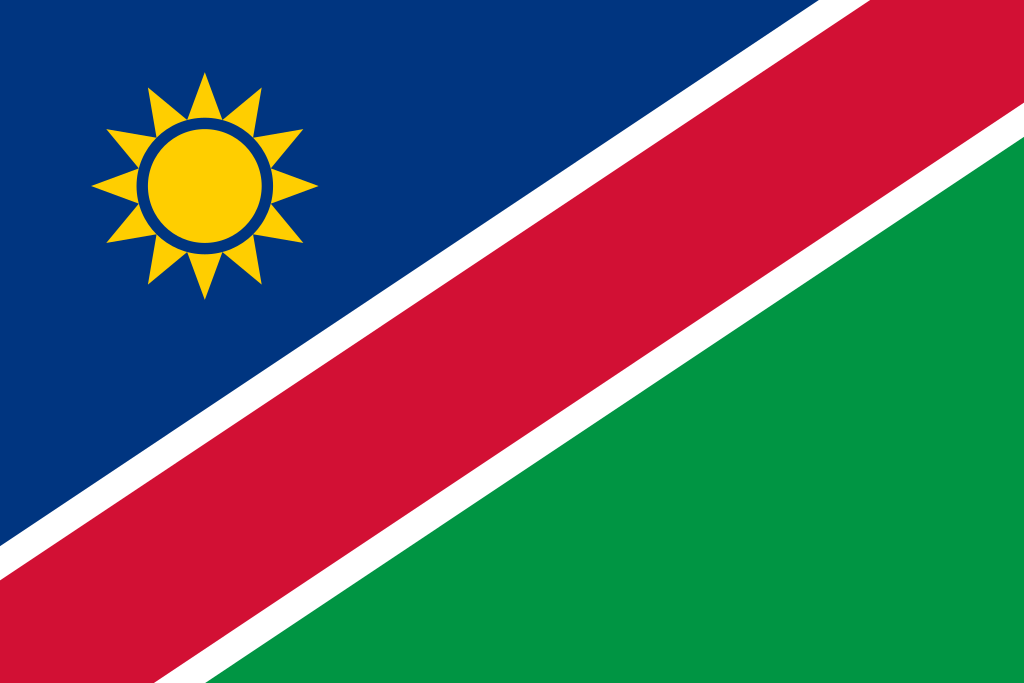
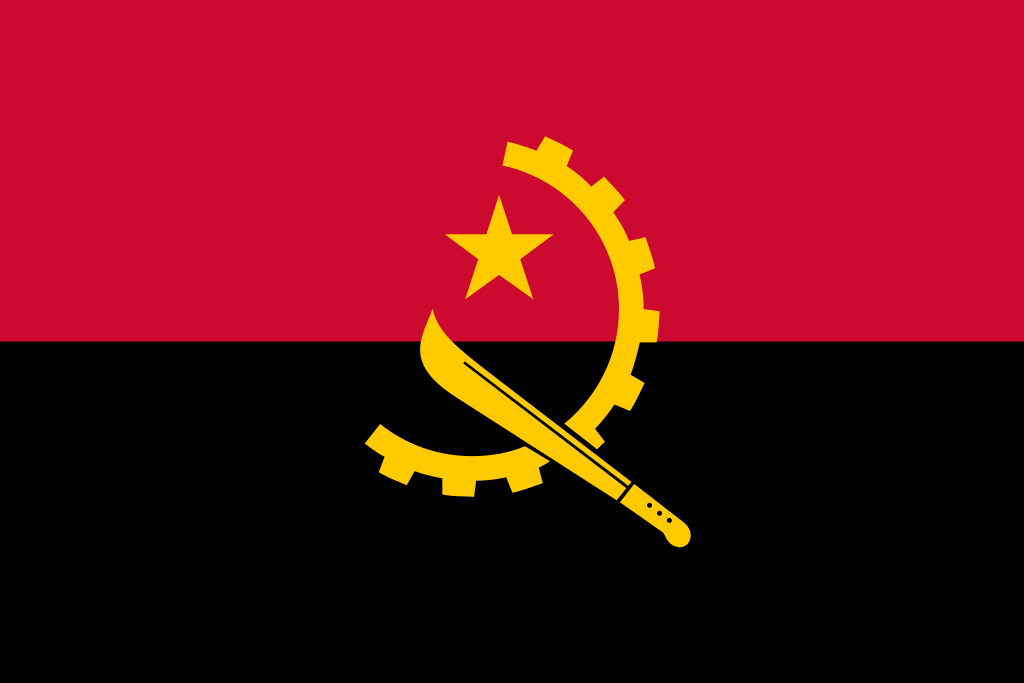
In Namibia, the liberation movement SWAPO continues to govern following the 2024 elections. Corruption, mismanagement, social inequality, unemployment, and unresolved issues surrounding unequal land distribution strain the political climate. The German‑Namibian reconciliation agreement also remains the subject of intense public debate. The Multi‑Country Program Namibia and Angola focuses its work in Namibia on parliamentary cooperation, the promotion of women, and the strengthening of market‑oriented reform policies. In Angola, political transformation has stalled. Despite announced reforms, democratic structures remain weak, key state institutions are closely intertwined with the ruling MPLA, and the judiciary and media possess only limited independence. Corruption remains widespread. In Angola, KAS therefore supports political education, civil society engagement, and decentralization.
Country Program South Africa
Despite economic and societal challenges, South Africa remains the continent’s strongest economy and an important political voice in the region. Domestically, high unemployment, weak economic growth, crime, and widespread mistrust in state institutions shape the political landscape. This is a direct consequence of years of mismanagement under the long‑standing ANC government. Since mid‑2024, a coalition government of “national unity” has been in power, which faces strong criticism from Western countries- particularly the United States. This development is partly due to South Africa’s BRICS membership. Building on these circumstances, the Country Program South Africa advances political education, strengthens parliament and the multiparty system, combats corruption, fosters social cohesion, and supports initiatives that drive entrepreneurship and economic modernization.




Publications on this topic
 Timo Roujean
The Democratic Republic of the Congo at a Turning Point
The Democratic Republic of the Congo at an Institutional Crossroads: How the Planned Constitutional Referendum is Pushing the Country to the Brink
 IMAGO / Anadolu Agency
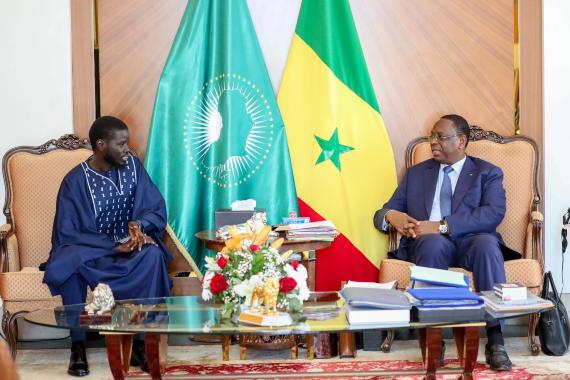
Senegal Between Vision 2050 and Political Reality
Stability Amid Transformation
 IMAGO / Anadolu Agency
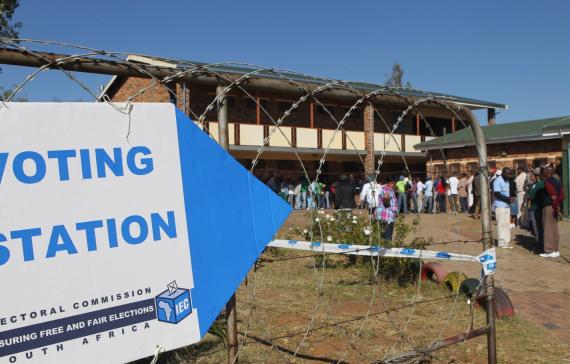
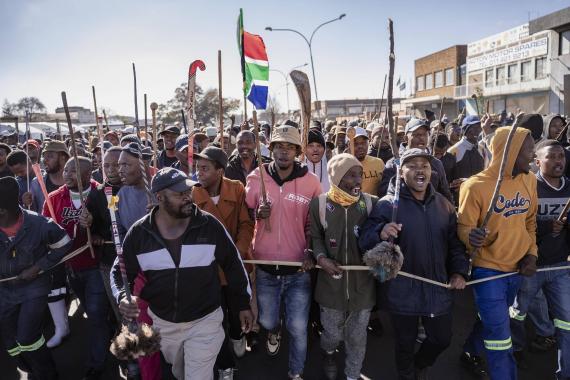
Charged climate ahead of the Local Government Elections: Xenophobic violence in South Africa is on th...
The xenophobic unrest in South Africa reflects a polarised debate on migration, which threatens to destabilise the country both domestically and internationally in the run-up to the...
 Grafik mit KI Copilot generiert / Konrad-Adenauer-Stiftung
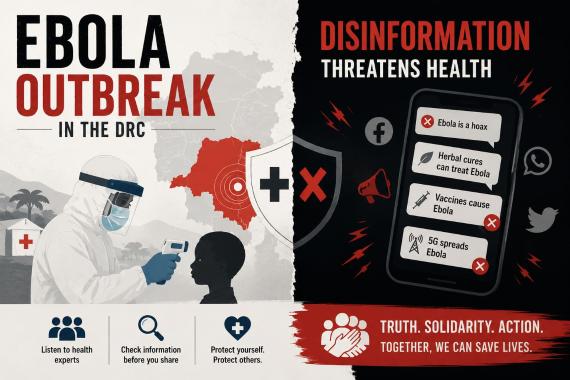
The Playbook of Health Disinformation and the Ebola Outbreak in the DRC and Uganda
Bioweapons, Big Pharma and Simple Remedies
 IMAGO / Xinhua
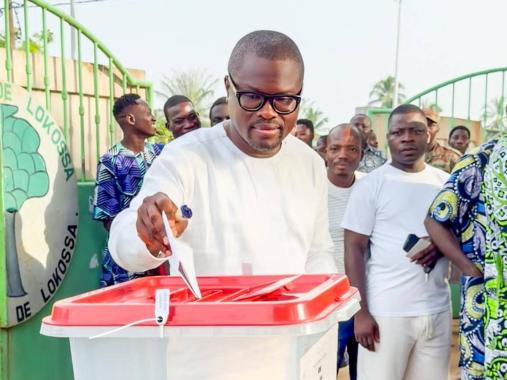
Presidential Election in Benin in the Context of Democratic Backsliding in West Africa
Government Candidate and Former Finance Minister Romuald Wadagni Wins the Election
 IMAGO / SNA
Congo-Brazzaville: Before the election remains after the election
The 2026 presidential elections in the Republic of Congo under the shadow of systemic competition
 IMAGO / ZUMA Press Wire
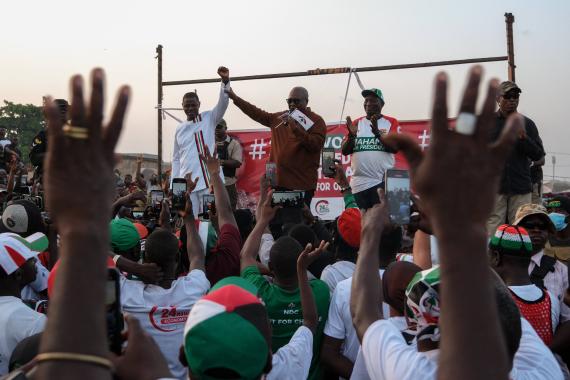
One year of Mahama and NDC government in Ghana
Between macroeconomic stabilisation and unresolved structural problems
Media library

Is there a future for local government?
It’s a measure of the state of South Africa’s municipal sphere that Treasury has cut off equitable share funding transfers from the fiscus to 69 municipalities in the run up to an e...
Read now
SAIIA-APRM: Mobilizing African Capital
Read now
Protests and Looting
A new wave of xenophobic violence is rocking South Africa, laying bare deep social and political divisions.
Read now
Meet our exceptional #KAS Scholars!
During the KAS Scholar Day 2026, our scholars engaged in a rich and interactive programme in Cape Town.
Read now
Meet our exceptional #KAS Scholars!
At KAS, we believe in fostering the next generation of leadership and innovation. We are absolutely delighted to introduce our exceptional scholars, Bongi Molefe and Kutloano Malahl...
Read nowTopic pages of the Konrad-Adenauer-Stiftung
We are significantly involved in the following KAS-wide thematic pages. Here you will regularly find various contributions (including publications and events) from our department.
Selected projects of our department
Exclusive and selected projects of our department (possibly in cooperation with other departments or external partners) are presented in the following overview.