






 Tobias Koch/KAS
 Anika Nowak/KAS
 Tobias Koch/KAS
 Tobias Koch/KAS
 Tobias Koch/KAS
 Tobias Koch/KAS
 Tobias Koch/KAS
 Anika Nowak/KAS
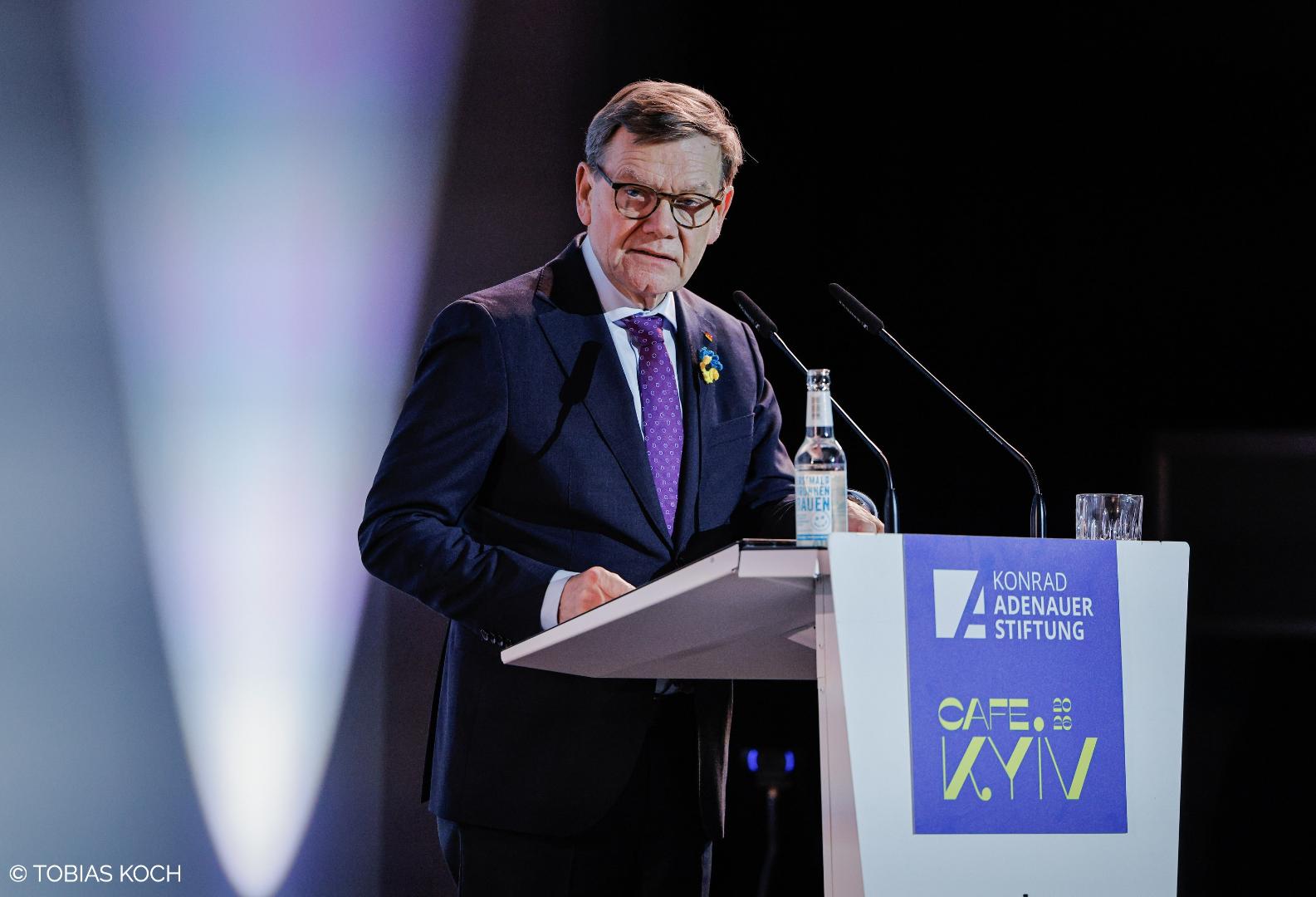 Tobias Koch/KAS
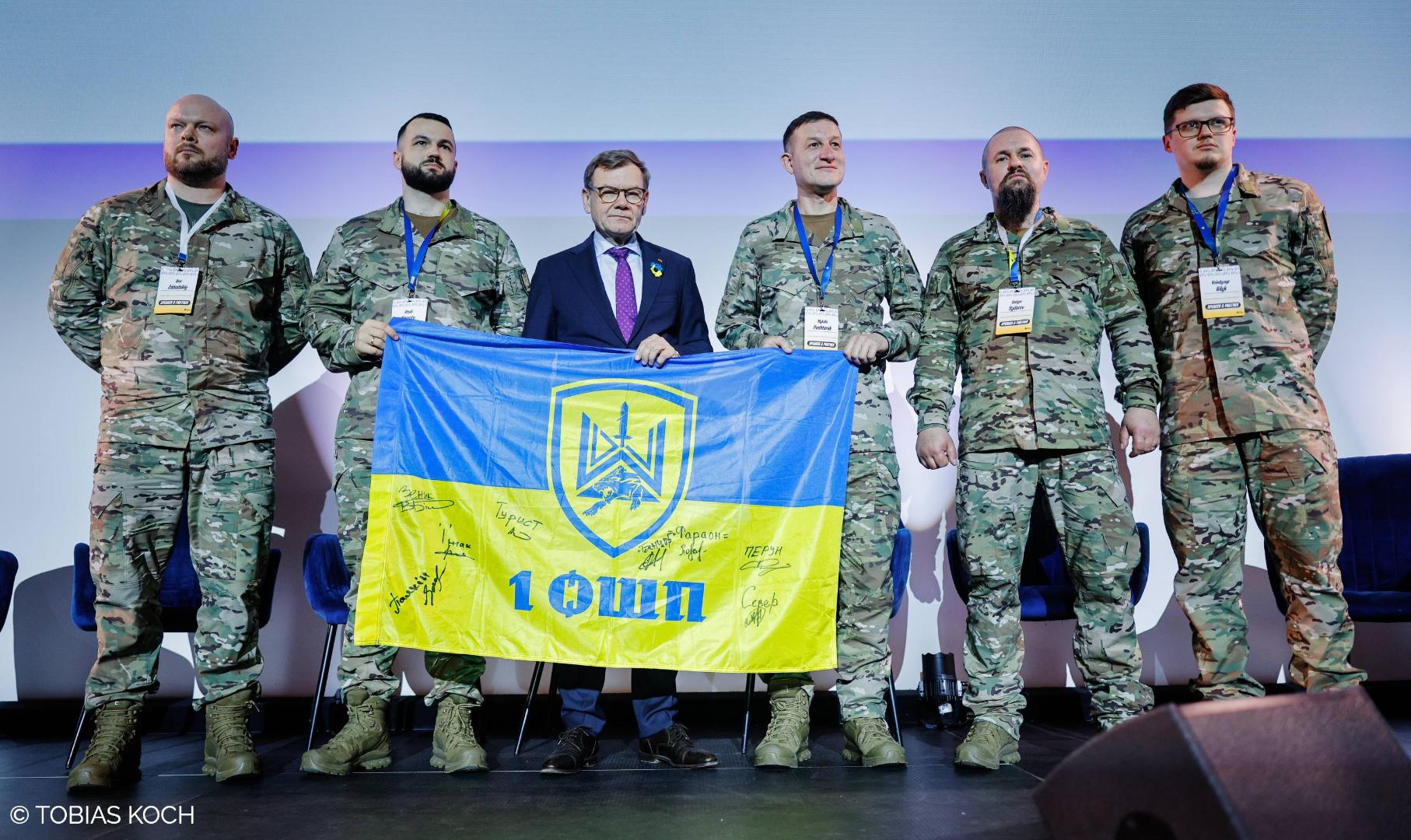 Tobias Koch/KAS
Anika Nowak/KAS
Tobias Koch/KAS
Tobias Koch/KAS
Tobias Koch/KAS
Tobias Koch/KAS
Tobias Koch/KAS
Anika Nowak/KAS
Tobias Koch/KAS
Tobias Koch/KAS
Tobias Koch/KAS
Tobias Koch/KAS
Anika Nowak/KAS
Tobias Koch/KAS
Tobias Koch/KAS
Tobias Koch/KAS
Tobias Koch/KAS
Tobias Koch/KAS
Anika Nowak/KAS
Tobias Koch/KAS
Tobias Koch/KAS
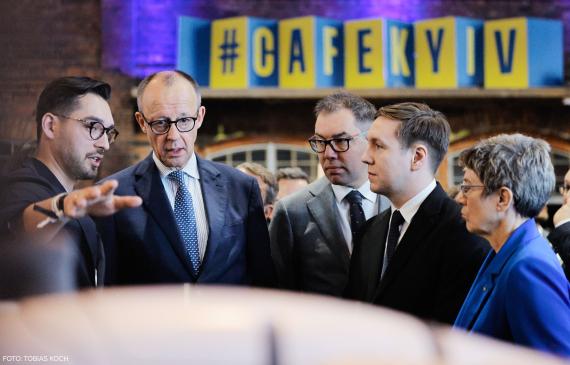
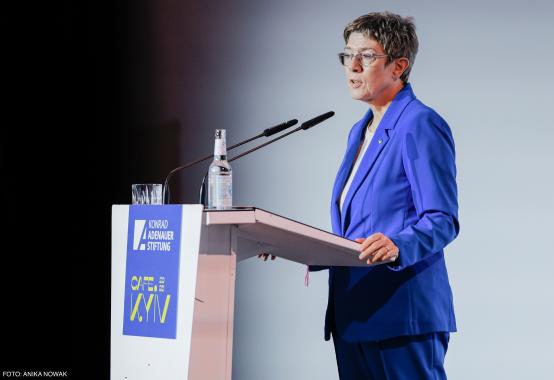
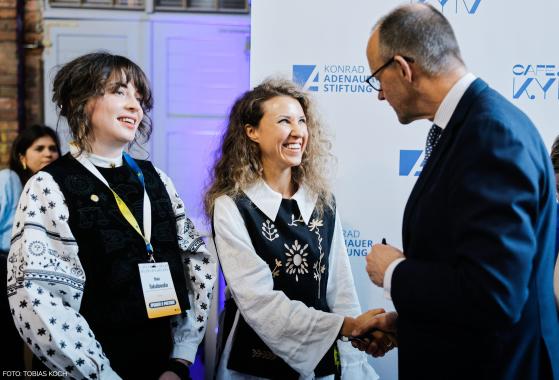
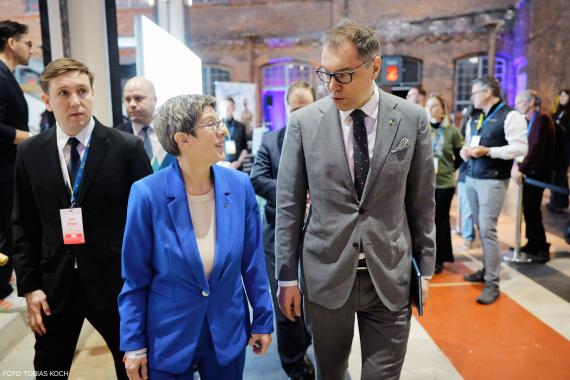
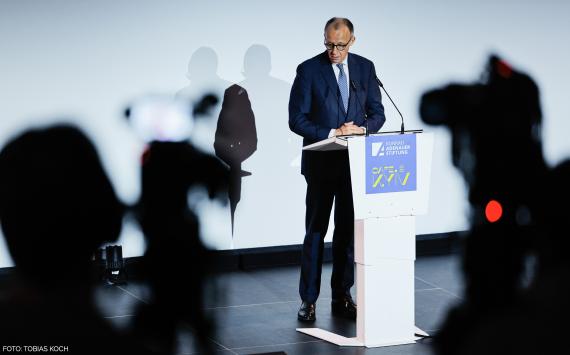
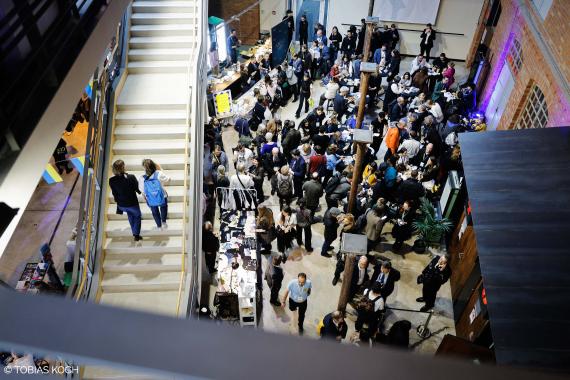
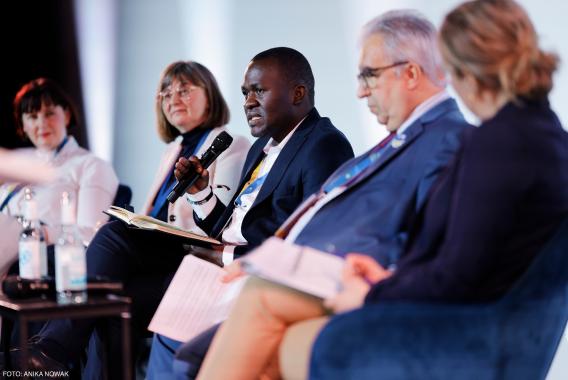
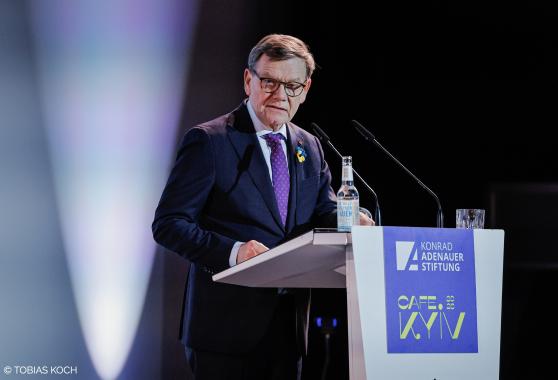
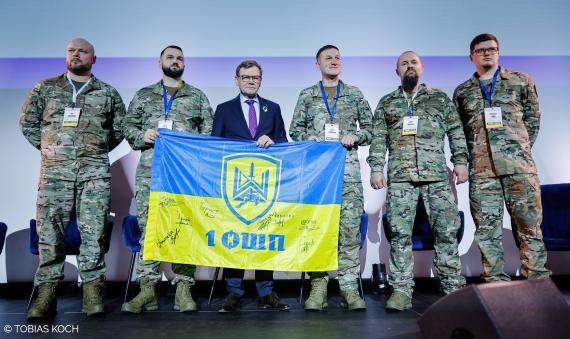
Since the beginning of Russia's war of aggression, the Konrad Adenauer Foundation (KAS) has been supporting Ukraine with a consistent political stance on the ground in Ukraine, in Germany, and around the world. In this context, Cafe Kyiv has become the best-known Ukraine event in Europe, where political strategies, social developments, security, and reconstruction are discussed. The fourth edition once again demonstrated that this format is not only a place for dialogue and Ukrainian culture, but also a symbol of European solidarity with Ukraine.
“Ukraine is freedom-loving, diverse, and European!” Opening by Federal Chancellor Friedrich Merz and Annegret Kramp-Karrenbauer
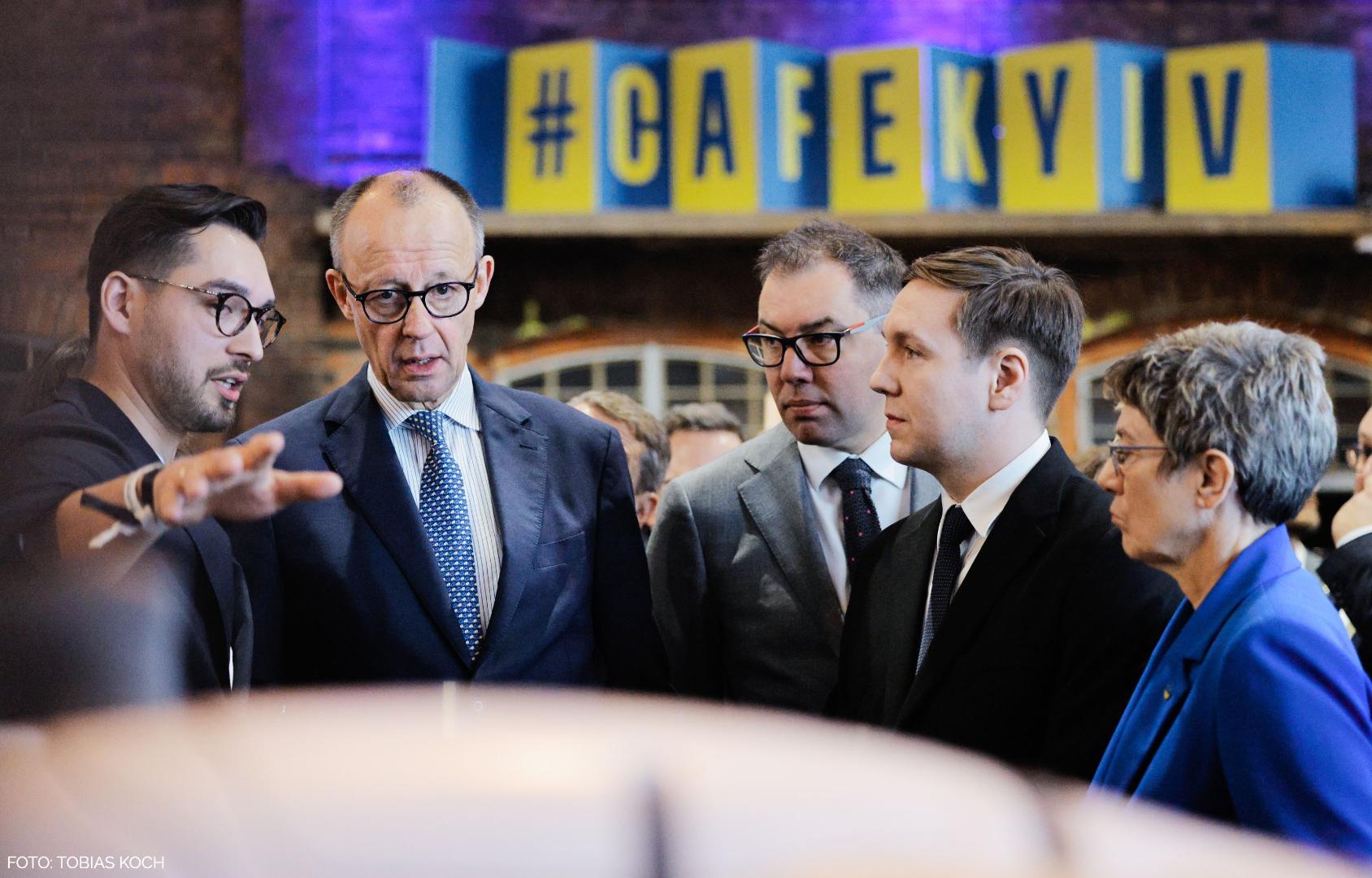
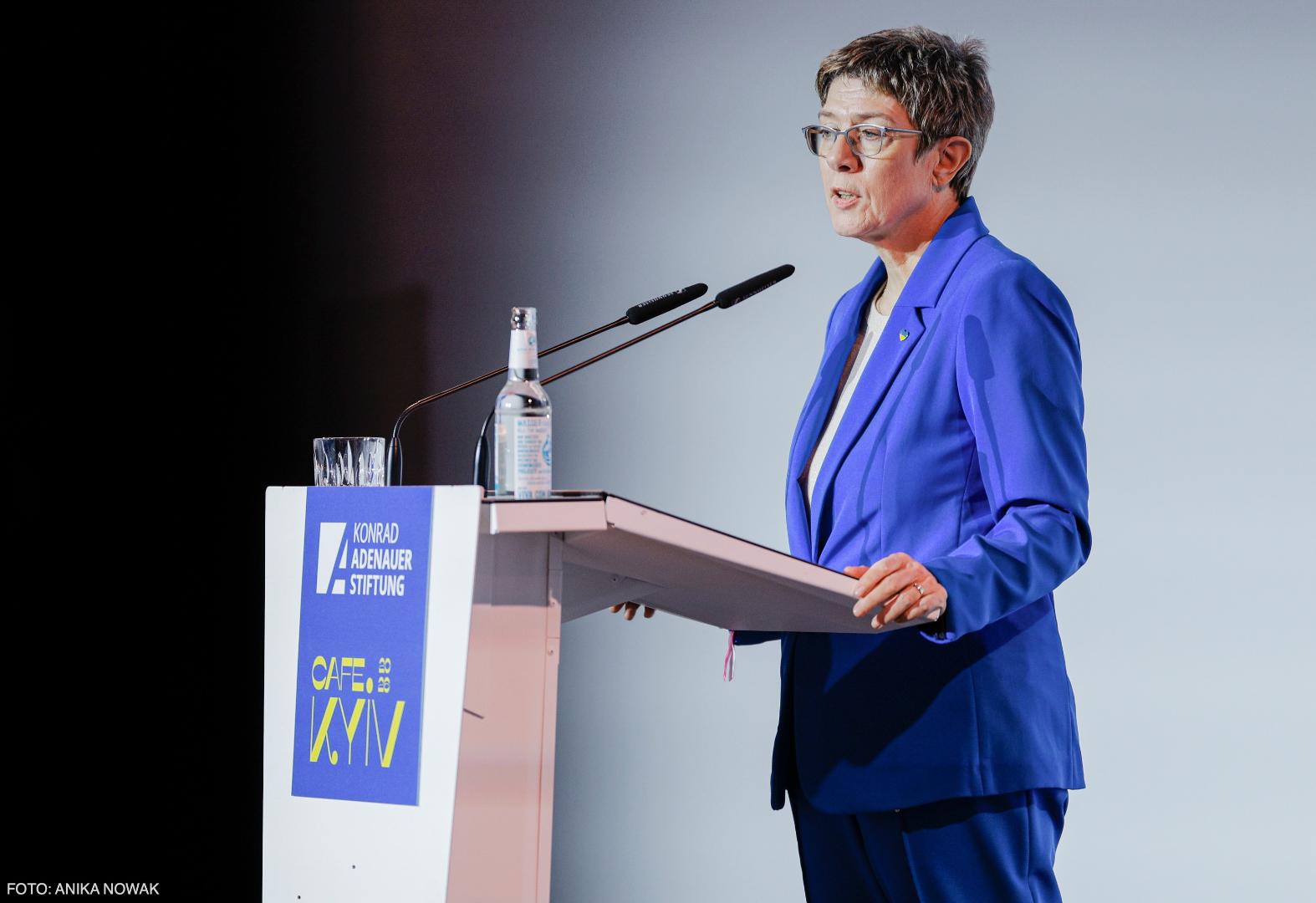
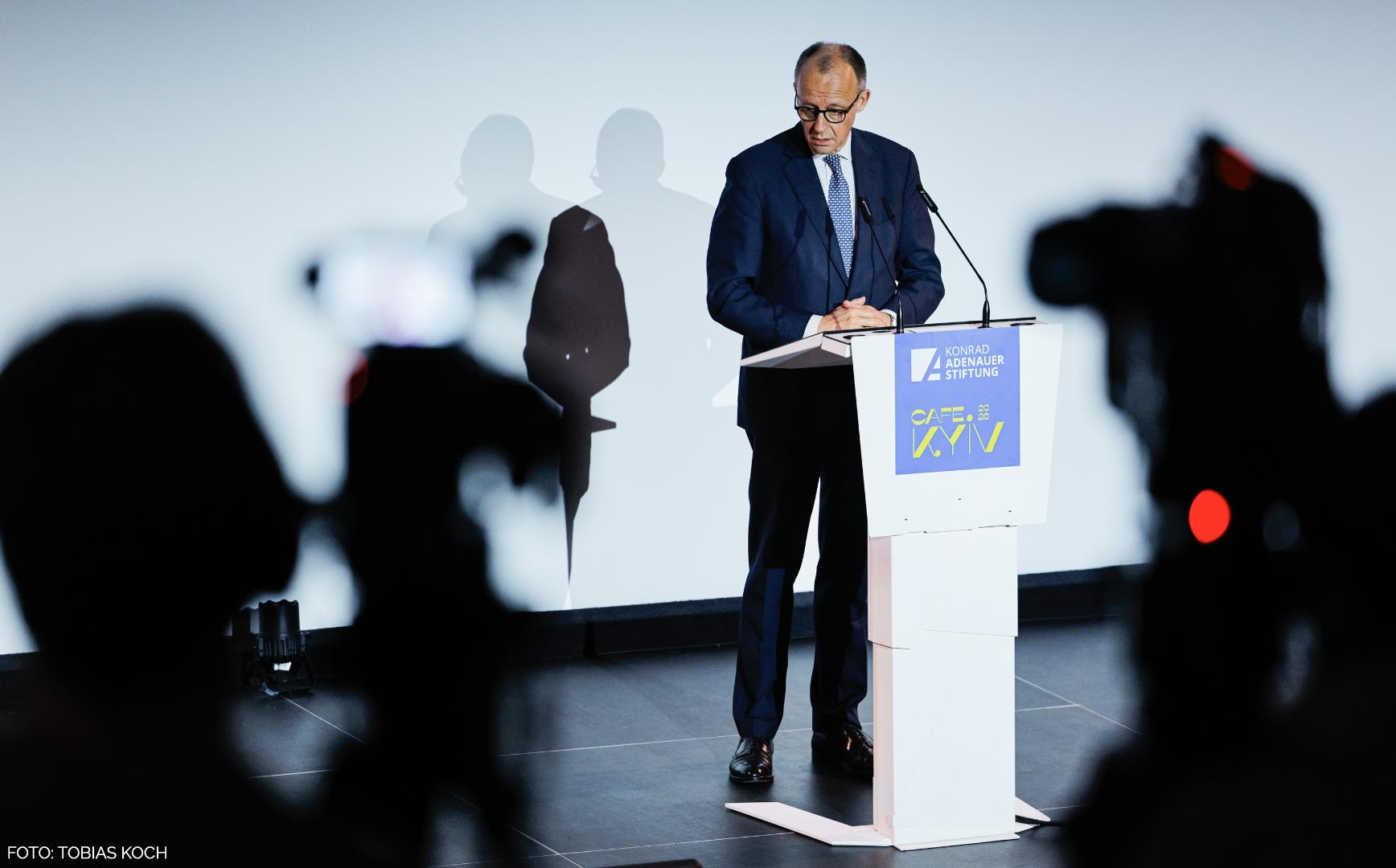
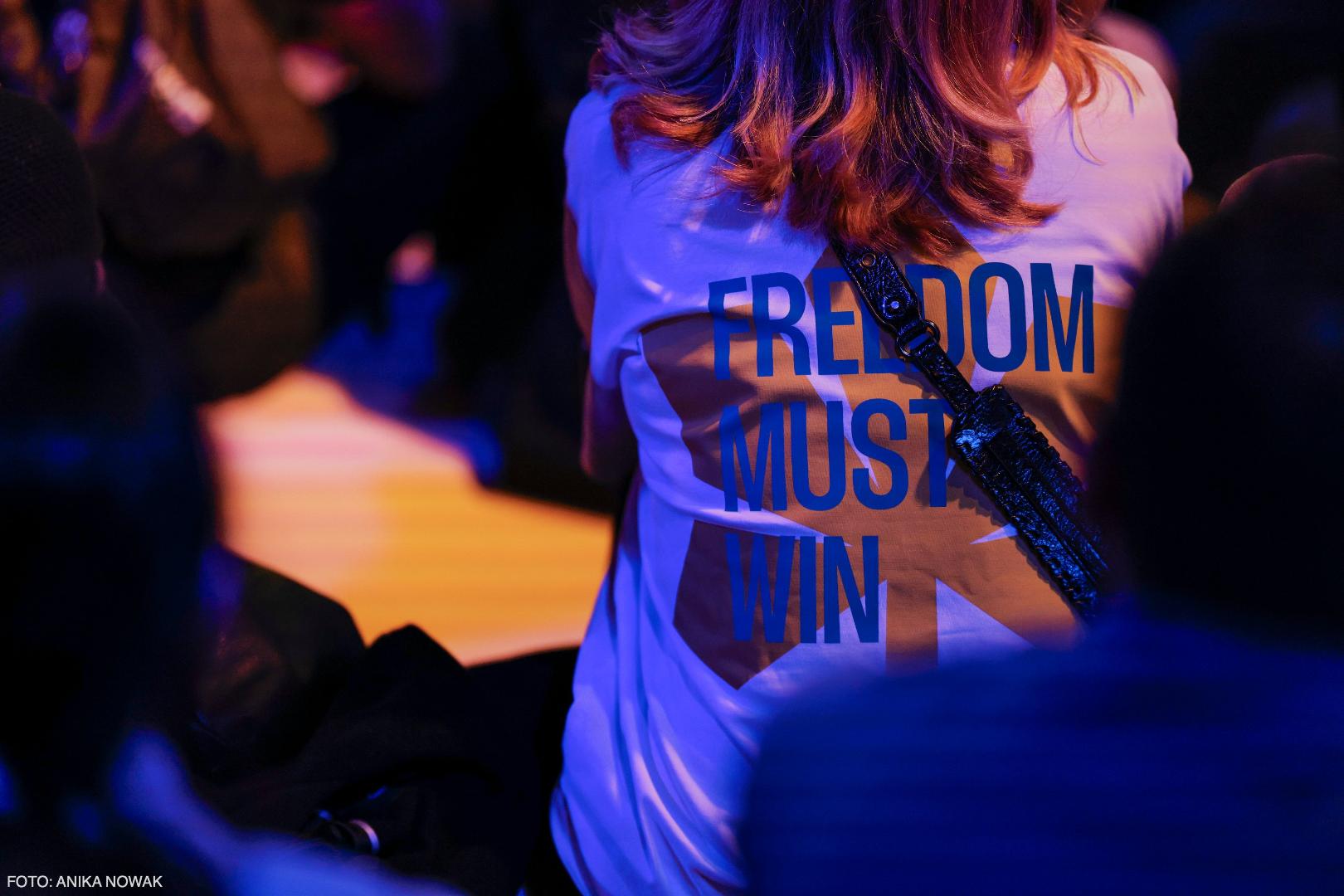
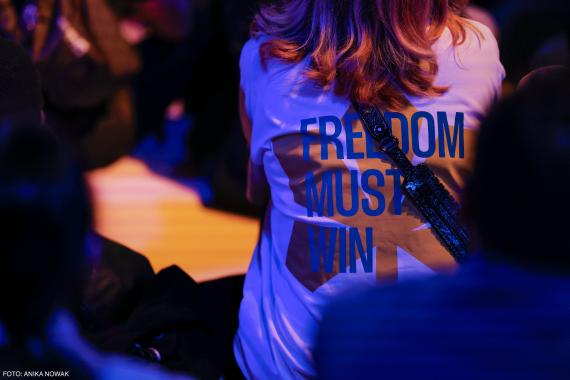
The event was opened by Annegret Kramp-Karrenbauer, Chairwoman of the KAS, and Federal Chancellor Friedrich Merz. Both made it clear that Europe's future and Ukraine's future are inextricably linked. Ukraine is not only defending its own territory, but also the cornerstones of a free European order. “Putin is waging a war of annihilation against Ukraine and terrorizing the population with attacks. Russia is currently waging war with even more brutality than four years ago,” Annegret Kramp-Karrenbauer summed up at the beginning. “If Ukraine wins, Europe wins, and freedom wins!”
“Russia shows no willingness to make peace,” the German Chancellor stated. “This war will only end when Russia can no longer finance it. That is why we must enable Ukraine to achieve a lasting and just peace.” This year's Cafe Kyiv once again impressively demonstrated that “Ukraine is freedom-loving, diverse, and European!”
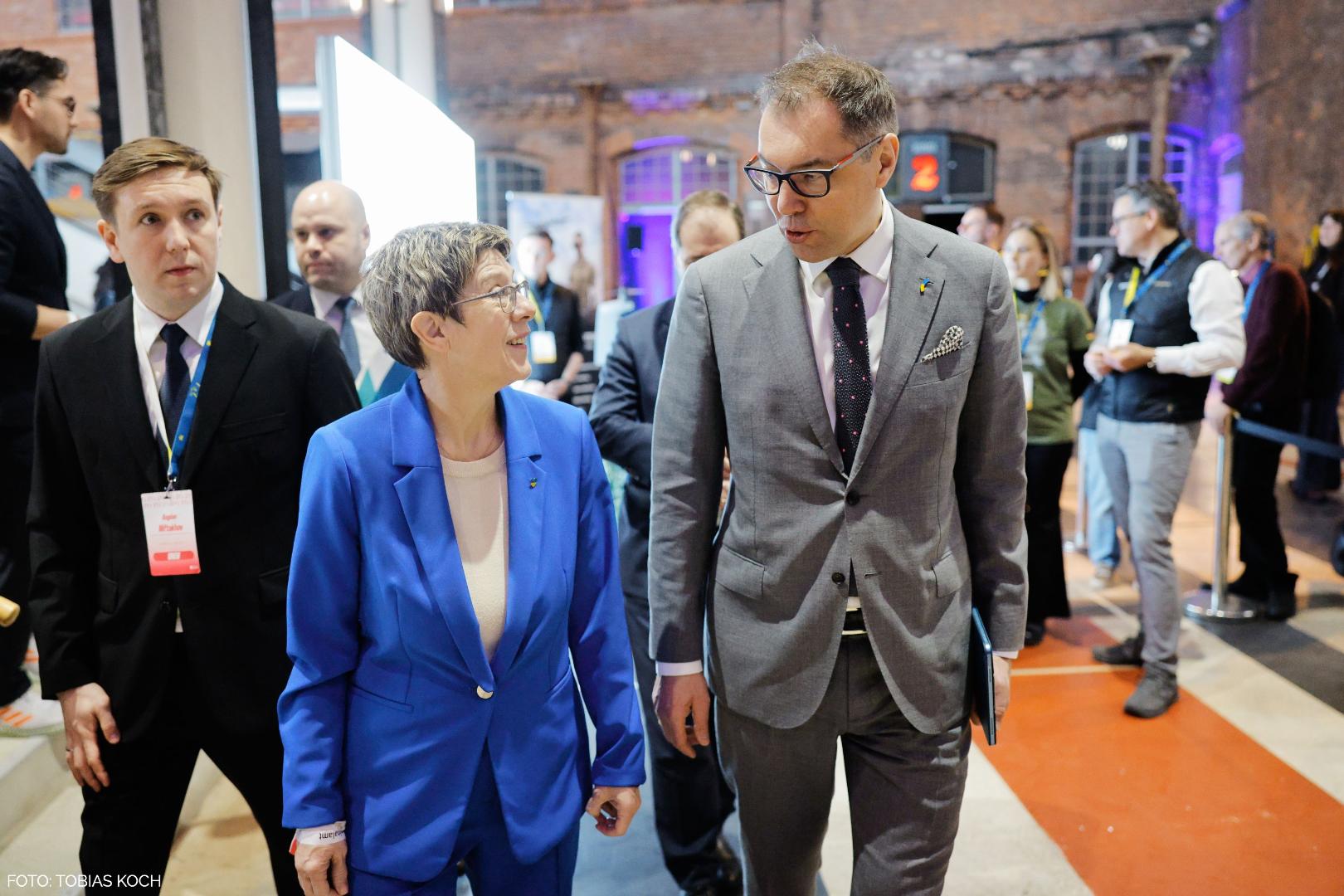
Ambassador Oleksii Makeiev paid tribute to Germany for accepting its new role in Europe and taking on a leadership position. “Cafe Kyiv has become an institution,” Makeiev said happily. “We Ukrainians have chosen freedom, and we will do everything we can to defend it.”
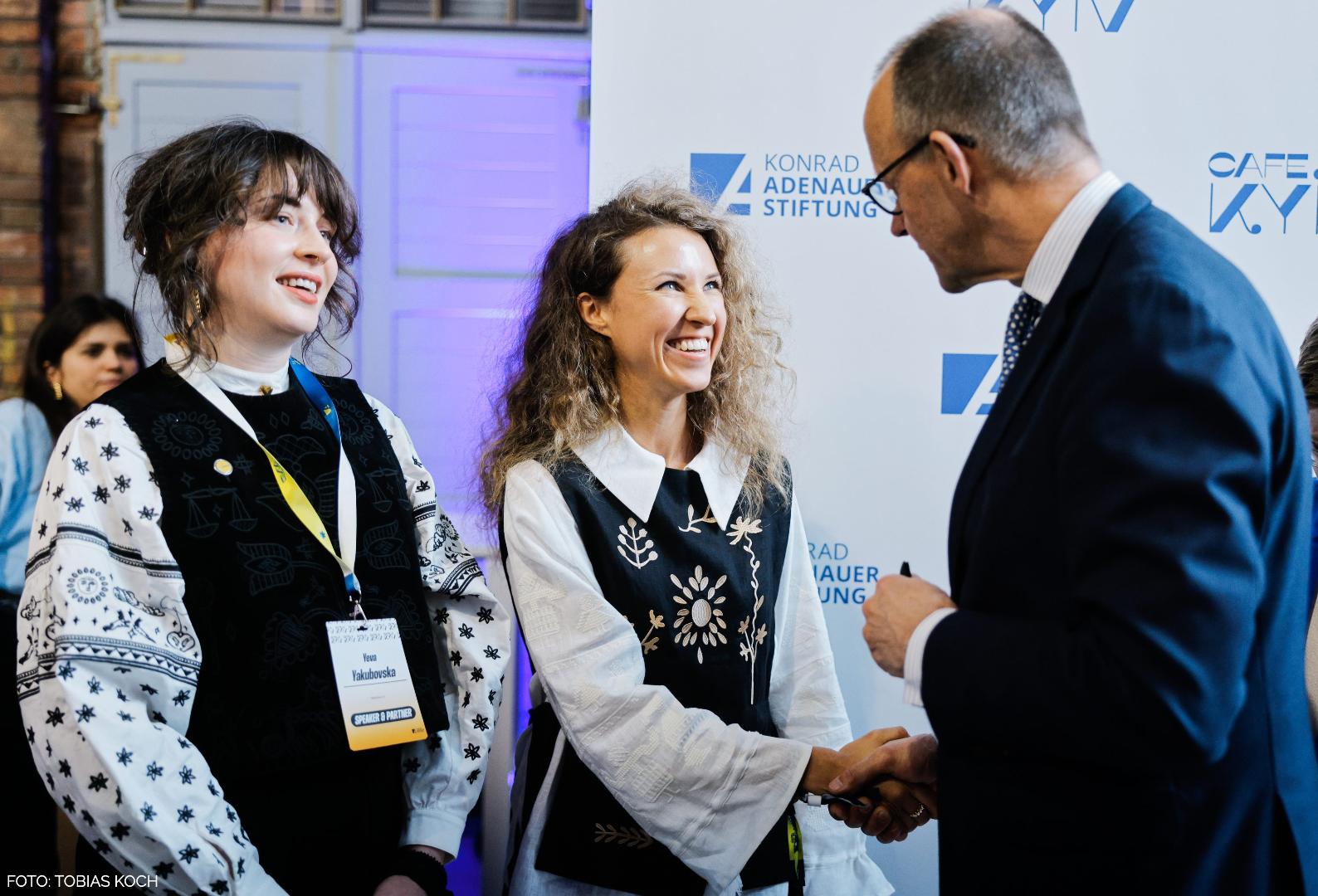
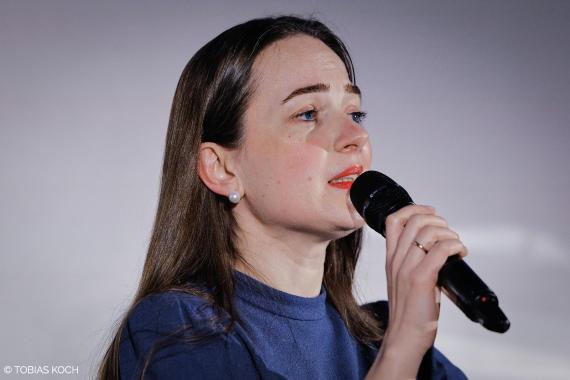
Eva Yakubovska, co-chair of the Ukrainian association Vitsche e.V., spoke of friends who had been killed. Nevertheless, Café Kyiv gives her hope: “Today we see the power that Café Kyiv unleashes when we come together here!”
Rebuilding Ukraine: expertise, fairness, and long-term responsibility
The panels on reconstruction made it clear that reconstruction does not begin after the war, but during it. Representatives from business, politics, and academia explained the opportunities for modernization in infrastructure, energy, and industry. European expertise—from digitized administration to resilient energy networks—was cited as a key factor.
Another clear demand of the day was that Russia must pay war reparations. The use of frozen Russian assets as a legitimate and necessary part of a just reconstruction was also discussed. Robin Wagener, a member of the German Bundestag for the Green Party, warned in this context: “Waiting for perfect legal conditions while facing a power that ignores international law is a recipe for failure.” It was emphasized several times that a democratic, economically strong reconstruction of Ukraine would be a long-term security gain for the whole of Europe.
European security architecture: Ukraine as part of a new security foundation
A key topic was the question of what a stable European security architecture might look like after Russia's war of aggression. Models for closer security policy integration between the EU, NATO, and Ukraine were discussed. There was agreement that common security can only be conceived of as a joint effort.
Scenarios in which the US reduces its European security guarantee were also openly discussed. “Europe can fill the gap left by the Americans in their support for Ukraine,” German Foreign Minister Johann Wadephul made clear. “Germany will not compromise on this.”
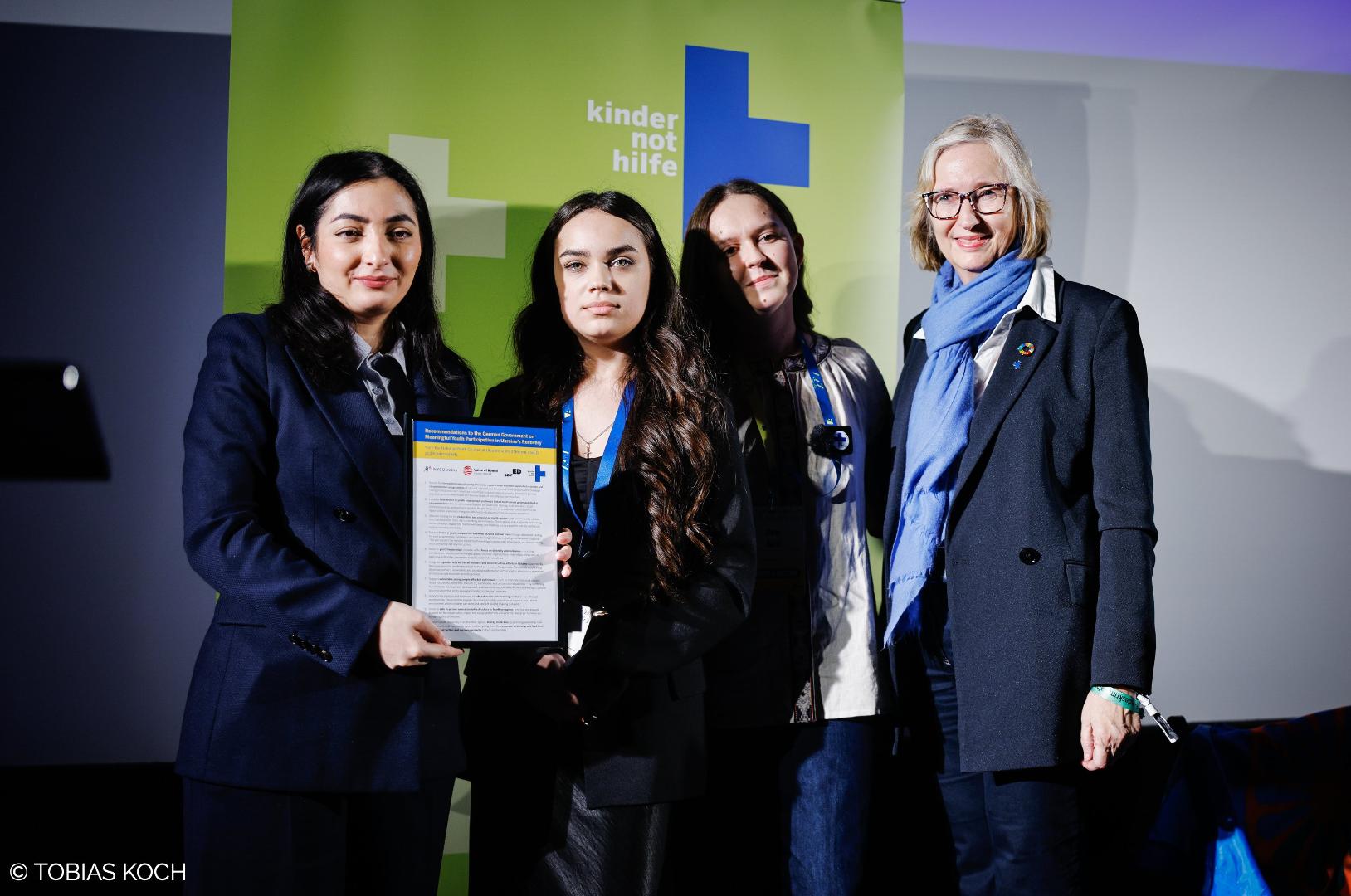 Tobias Koch/KAS
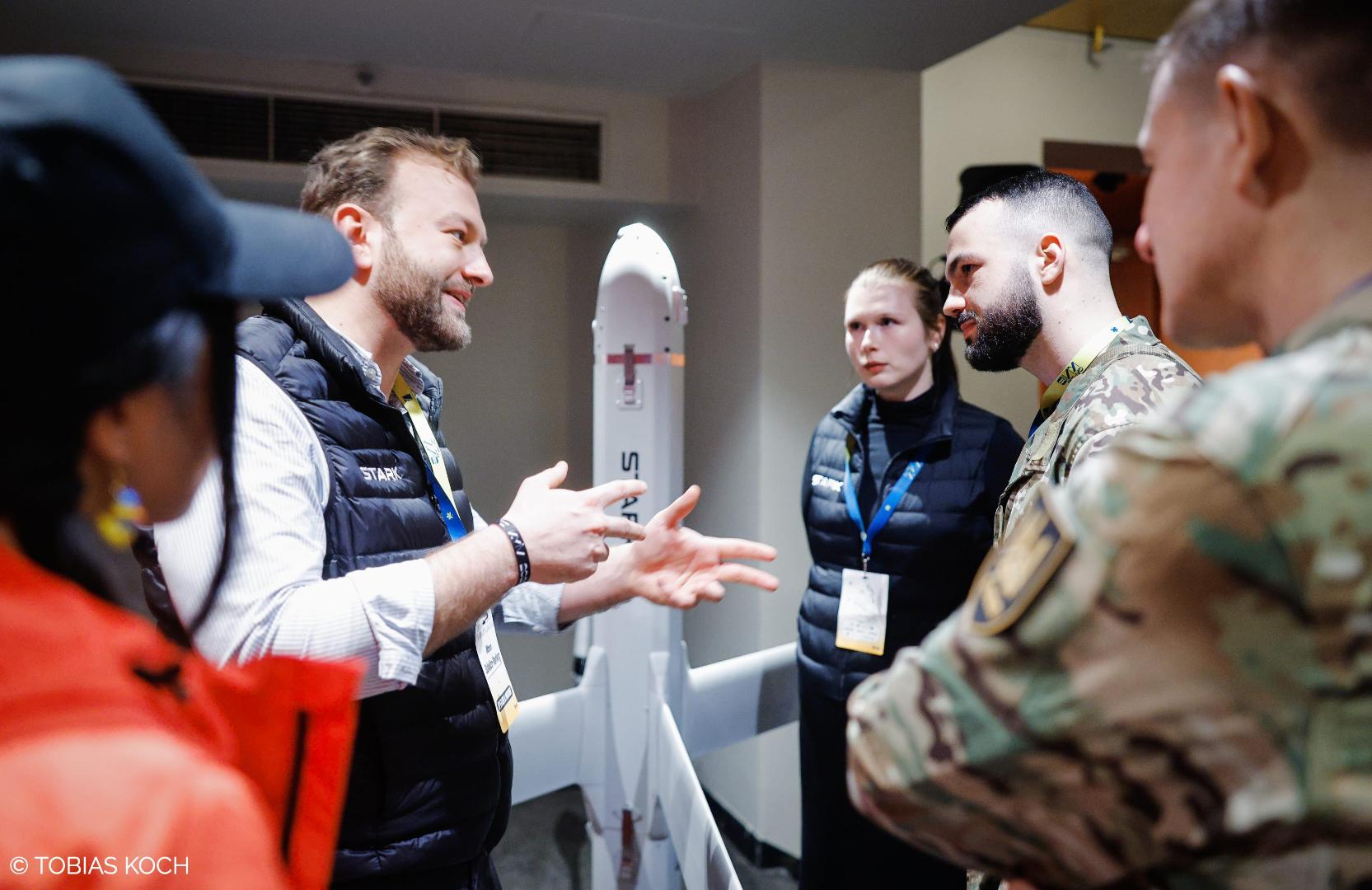 Tobias Koch/KAS
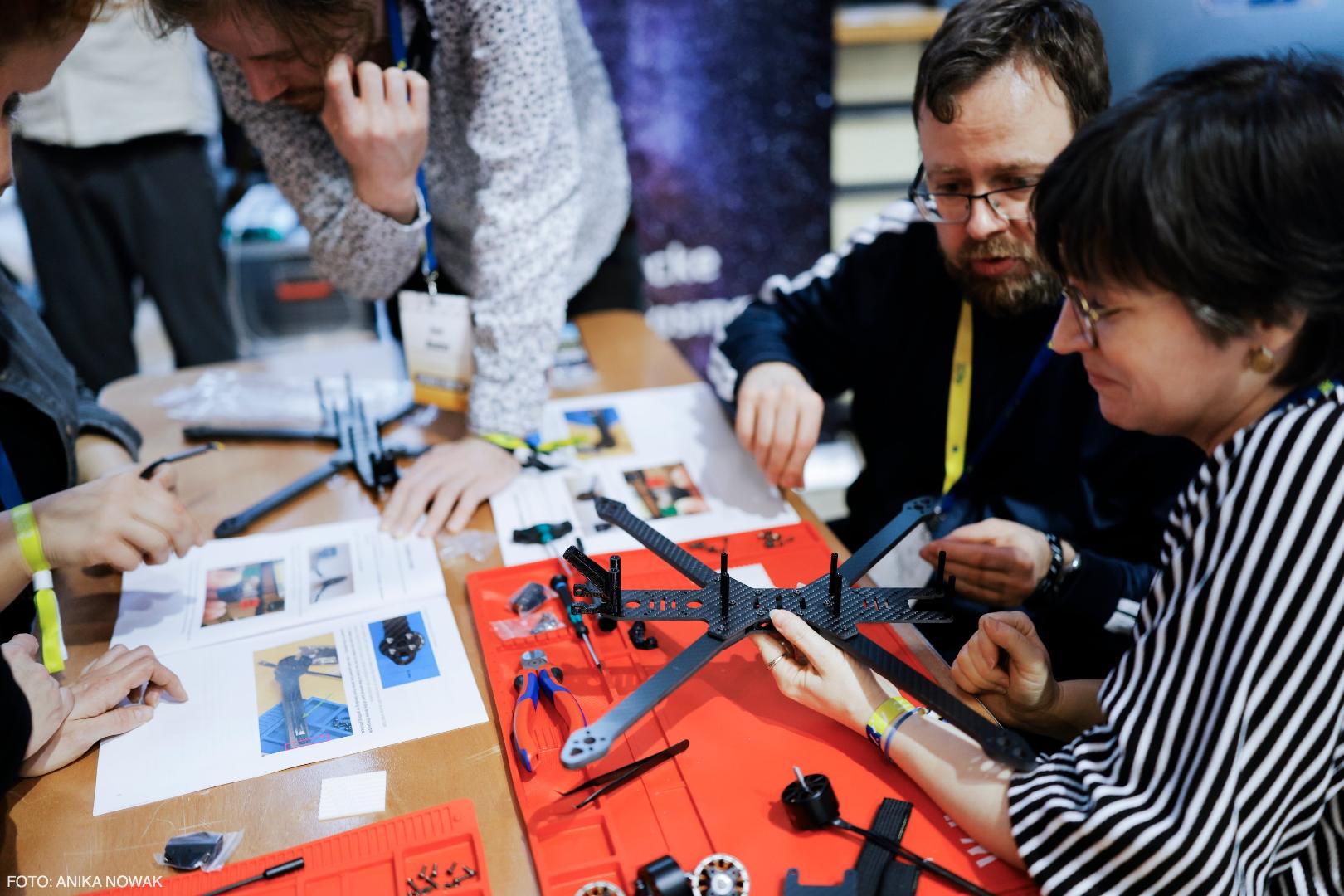 Anika Nowak/KAS
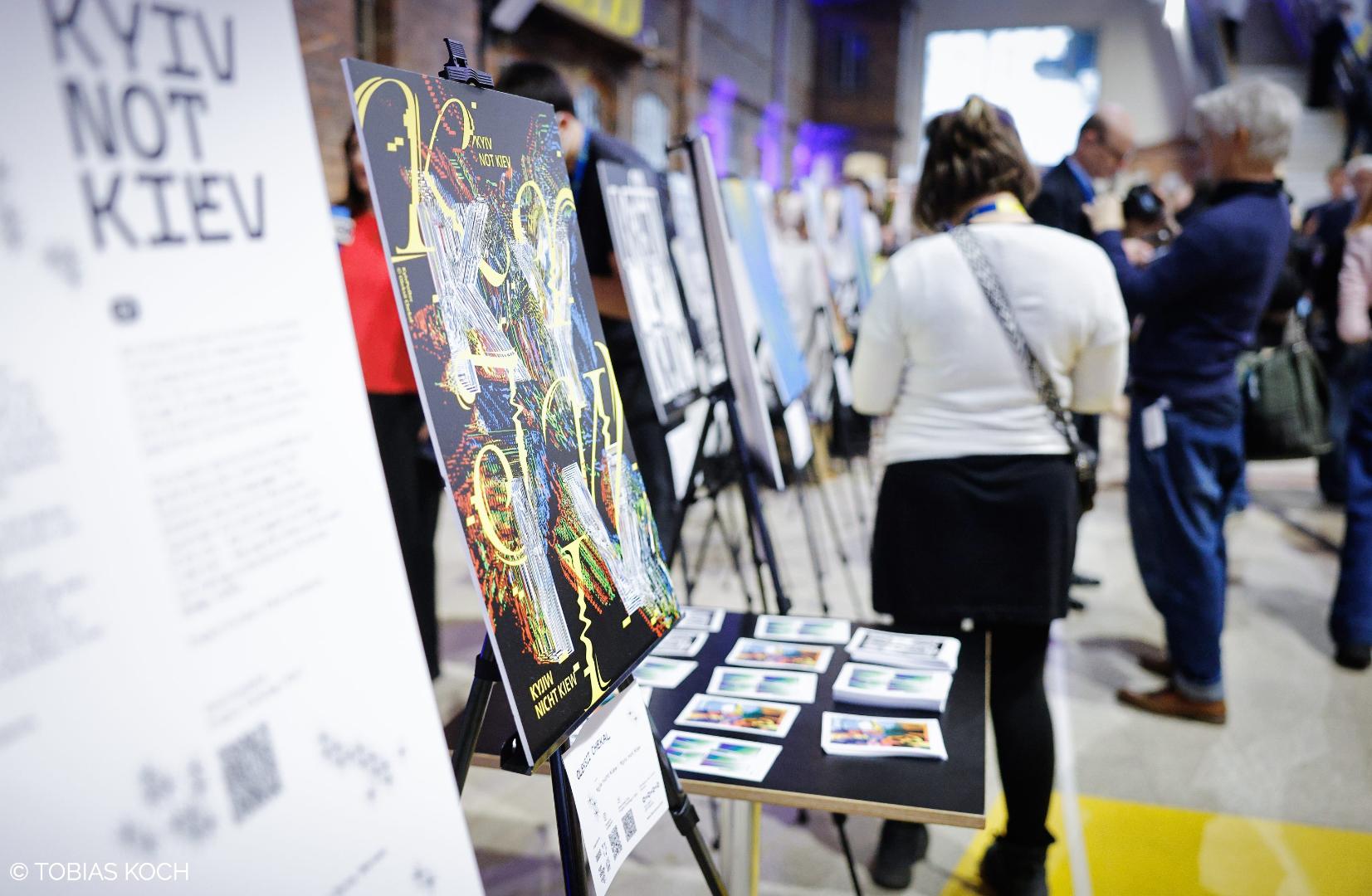 Tobias Koch/KAS
 Tobias Koch/KAS
 Tobias Koch/KAS
 Tobias Koch/KAS
 Anika Nowak/KAS
Tobias Koch/KAS
Tobias Koch/KAS
Anika Nowak/KAS
Tobias Koch/KAS
Tobias Koch/KAS
Tobias Koch/KAS
Tobias Koch/KAS
Anika Nowak/KAS
Anika Nowak/KAS
Tobias Koch/KAS
Tobias Koch/KAS
Anika Nowak/KAS
Tobias Koch/KAS
Tobias Koch/KAS
Tobias Koch/KAS
Tobias Koch/KAS
Anika Nowak/KAS
Life under Russian occupation: war crimes, oppression, and historical context
One particularly poignant item on the agenda was devoted to life in the Russian-occupied territories. Reports were given on documented war crimes, including torture, arbitrary detentions, targeted violence against civilians, and deportations of Ukrainian children. Added to this are forced recruitments, which violate international law and are intended to establish a system of oppression.
Representatives from the fields of history and civil society drew parallels between Tsarist expansion, Stalinist repression, and the Kremlin's current colonial narratives. The message was clear: the current war of aggression is not a historical exception, but rather an expression of a long-term imperial claim that can only be countered with strength and clarity. Chancellor Merz, Foreign Minister Wadephul, and KAS Chair Annegret Kramp-Karrenbauer all emphasized Germany's special responsibility, as hardly any other country suffered as much from the atrocities of the Nazis as today's Ukraine.
Modern warfare: drones, digital fronts, and cognitive attacks
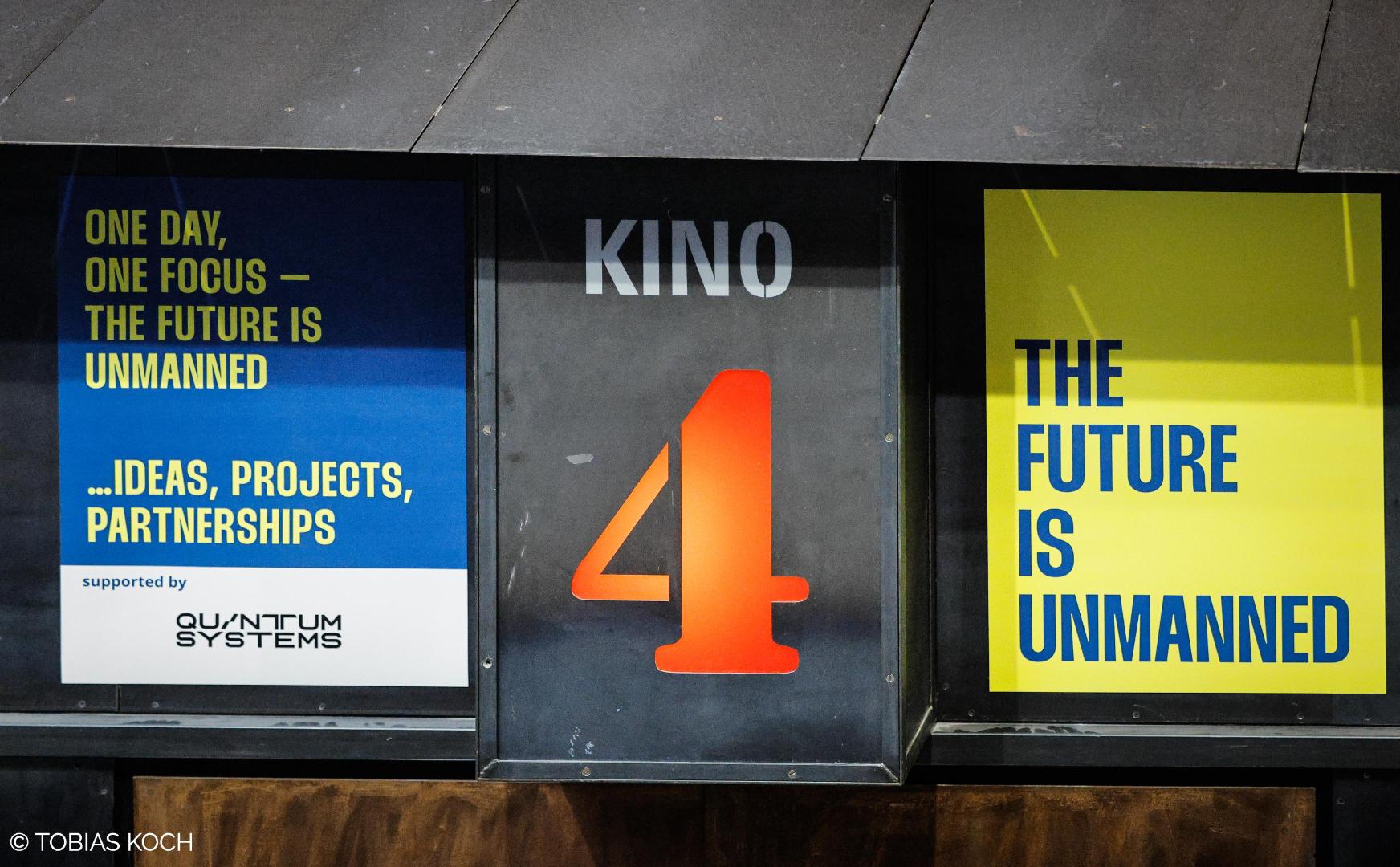
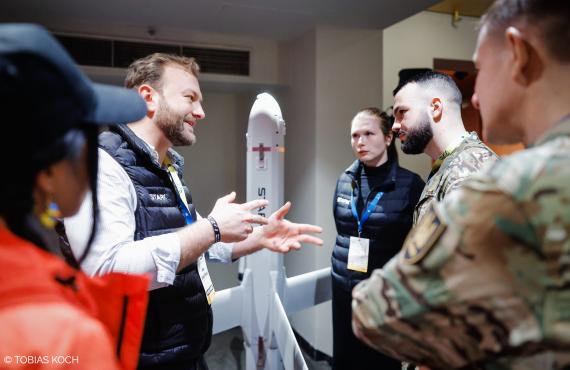
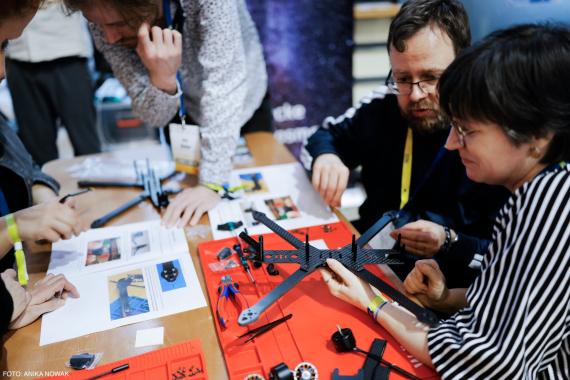
Ukraine is regarded globally as a laboratory for modern warfare. Accordingly, there has been intense discussion about new military realities. Drone warfare is fundamentally changing combat: tiny, inexpensive drones are decisive for reconnaissance, target identification, and protection. Ukraine has developed enormous innovative strength in this area, which is influencing Western military strategies.
Cognitive warfare was another focus: for years, Russia has been using targeted disinformation, propaganda, and psychological operations to destabilize European societies. Examples from the EU—ranging from election interference to orchestrated social media campaigns—made clear how serious the threat is. It was emphasized that cognitive attacks are not a supplement to modern warfare, but an integral part of it. Franziska Brantner, Federal Chair of the Green Party, underscored this point: “Hybrid attacks not only affect our infrastructure. They destabilize society and undermine trust in democracy.”
The situation of Ukrainians in Germany
A significant part of the program was devoted to the more than one million Ukrainian refugees in Germany. Discussions focused on their temporary protection status, which gives them access to the labor market, education, and social benefits, but at the same time causes uncertainty, as many do not know how long they can stay.
With regard to integration into the labor market, both barriers and opportunities were identified: complex recognition procedures, language barriers, and a lack of childcare are hindering entry into the workforce. At the same time, many success stories show how highly qualified and committed many Ukrainians are and how much they can enrich the German labor market.
Ukrainian culture: diversity, identity, and encounter
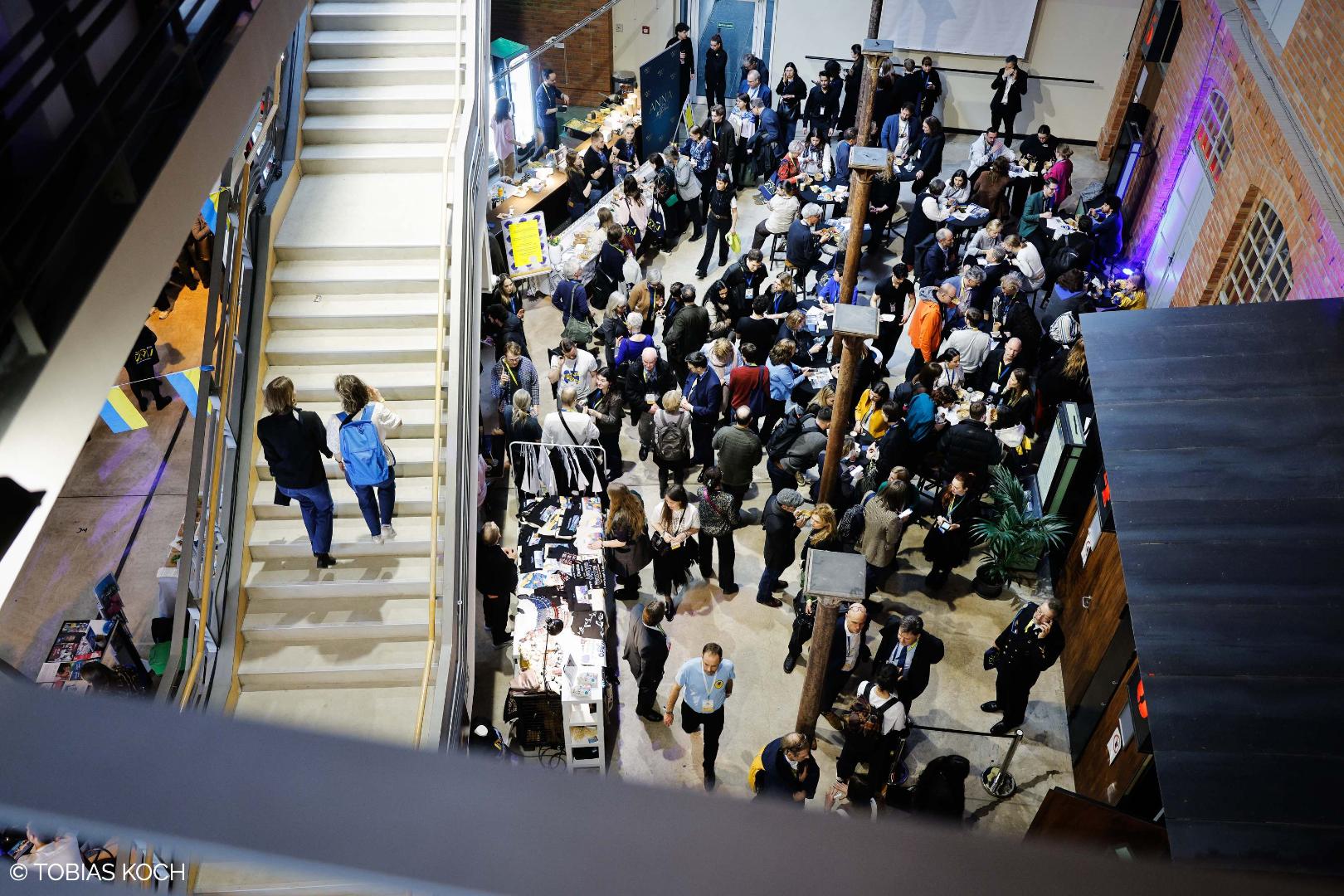
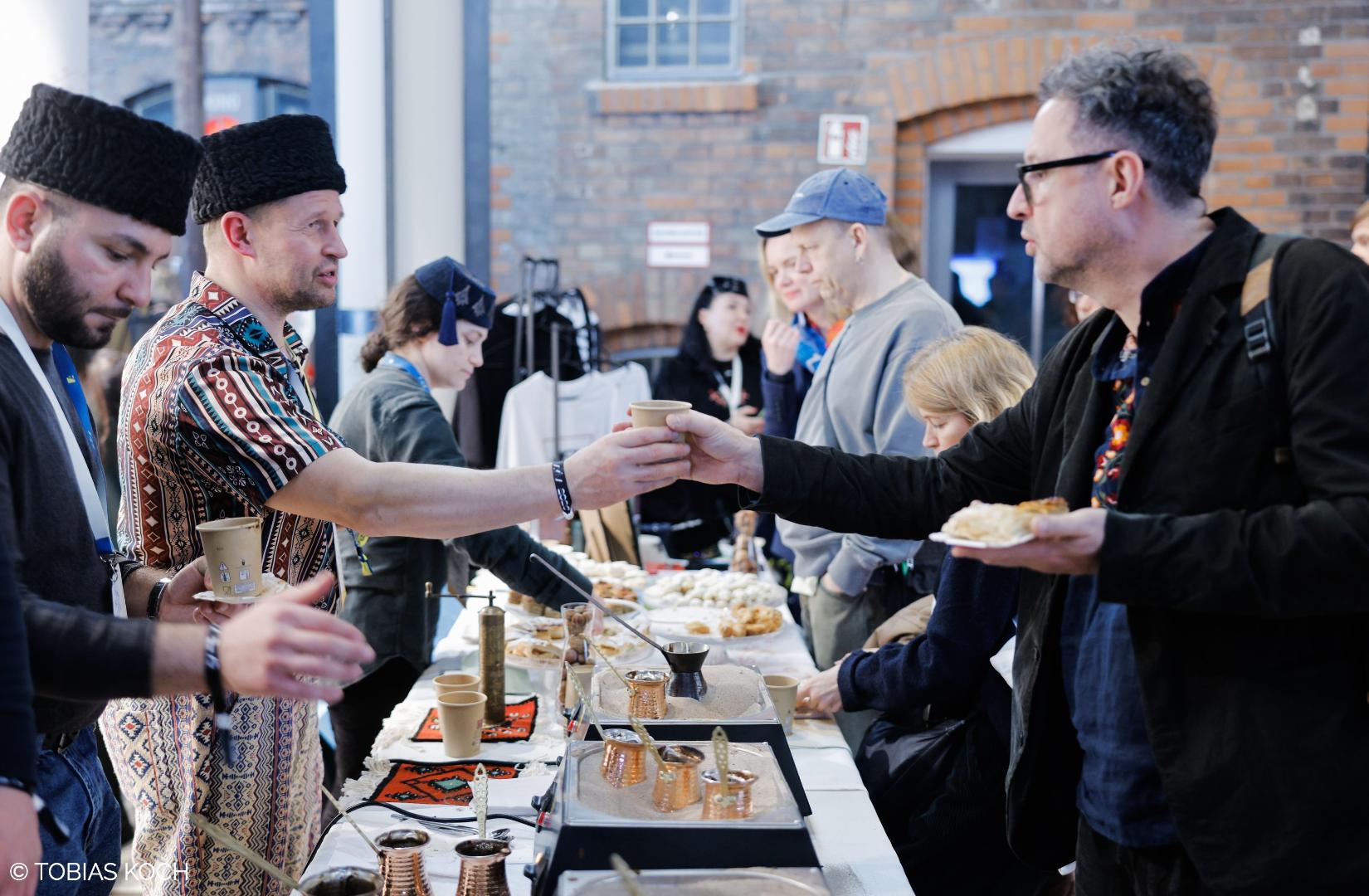
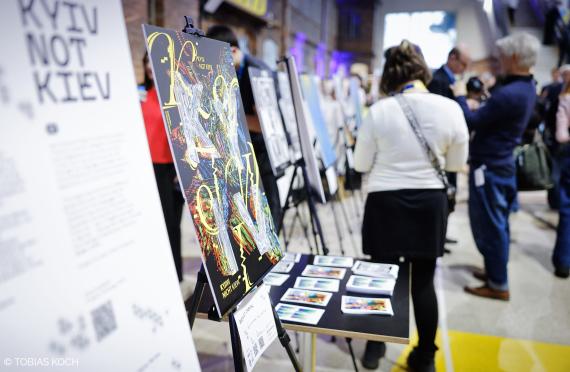
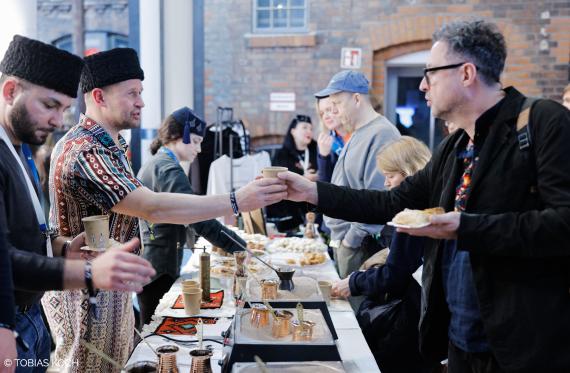
In addition to politics and security, culture was also a central theme at this year's Cafe Kyiv – a conscious statement against all forms of dehumanization. The pop-up market provided a platform for designers, artists, and craftspeople from Ukraine. Visitors were able to discover fashion, ceramics, illustrations, and innovative product ideas.
The culinary offerings were also a highlight: from traditional borscht to modern interpretations of Ukrainian dishes, a lively, creative, and open culture was on display that extends far beyond the often simplified images of everyday life during wartime.
Ukraine is fighting for our freedom
At the end of the day, one thing was clear: Europe's fate is tied to Ukraine's fate. What happens in Kyiv, Kharkiv, or Kherson will determine the future of European freedom. From the Ukrainian military, we are learning what modern warfare looks like; from Ukrainian society, we are learning what it means to stick together under extreme conditions, to develop resilience, and to defend democratic values. “Ukraine must win!” said Annegret Kramp-Karrenbauer.
Topics
Provided by
Civic Education Forum BerlinAbout this series
The Konrad-Adenauer-Stiftung, its educational institutions, centres and foreign offices, offer several thousand events on various subjects each year. We provide up to date and exclusive reports on selected conferences, events and symposia at www.kas.de. In addition to a summary of the contents, you can also find additional material such as pictures, speeches, videos or audio clips.