


The entire German people continues to be called upon to finalise the unity and liberty of Germany in free self-determination.




At a glance
- The Adoption of the Basic Law in May 1949 marked the founding of the Federal Republic of Germany.
- Members of the Parliamentary Council deliberately decided against a final constitution. In doing so, they wanted to emphasise the provisional character of the West German state.
- Federal Chancellor Konrad Adenauer played a defining role in the early years of the Federal Republic. With his policy of Western integration, he strongly determined West Germany’s foreign policy orientation.
- The longer the division of Germany went on, the more unrealistic reunification became. With the surprising collapse of the Socialist Unity Party of Germany (SED) regime, the fall of the Berlin Wall took place on 9 November 1989.
- One goal of our work is to research the history of the Federal Republic of Germany up until 1990, with a particular focus on the chancellorships of Konrad Adenauer and Helmut Kohl.
Content
1. Founding of the Federal Republic
2. Konrad Adenauer: politics of integration with the West
3. Keeping the German question open
4. Our offers and projects on the topic
5. Publications, events and media contributions on the topic
Founding of the Federal Republic
It was only with the accession of the GDR to the scope of the Basic Law on 3 October 1990 that the mandate enshrined in the preamble to the Basic Law for establishing German unity in free self-.determination, was fulfilled. Previously, between 1945 and 1949, the Federal Republic had existed as a West German federated state on the territory of the Western occupation zones.
Members of the Parliamentary Council, which had convened since September 1948 in order to draft a preliminary constitution for the West German state, wanted to emphasise the provisional character of the new state structure. After all, they fearful of deepening the German division. For that reason, on 8 May 1949 they refrained from adopting a constitution in favour of a “Basic Law”, which was announced on 23 May. That marked the birth of the Federal Republic.
Given that members of the Parliamentary Council wanted to avoid the mistakes of the Weimar Constitution and a new dictatorship, the fundamental rights of the citizen were accorded special importance in the Basic Law.
Konrad Adenauer: politics of integration with the West
Konrad Adenauer, who was elected as the first Federal Chancellor of the West German state on 15 September 1949, succeeded, by the end of his Chancellorship, in integrating the Federal Republic politically, economically, and militarily into the community of Western democracies.
An important milestone here was the entry into force of the Paris Agreements on 5 May 1955, which put an end to the Federal Republic’s Occupation Statute and contractually agreed its accession to NATO and the Western European Union. The foundations for the policy of European integration, one of most important features of German foreign policy to this day, were laid during his term of office.
On the domestic front, the development of a democratic constitutional state and the establishment of the “social market economy” economic model, proved to be successful.
Keeping the German question open
With its ruling on the Basic Treaty between the Federal Republic of Germany and the GDR dated 31 July 1973, the German Constitutional Court kept the German question open, since it once again obliged the constitutional bodies to adhere to the Reunification Clause underpinning the Basic Law. However, two decades following the Second World War, the gap between constitutional aspirations and the constitutional reality on the German question was increasingly widening.
In October 1982, upon the inauguration of Helmut Kohl as Federal Chancellor, only a minority of Germans still deemed the achievement of German unity to be a realistic goal. Yet autumn 1989 witnessed an event that scarcely anyone had thought possible. The SED regime in East Germany collapsed, and those who had revolted against the regime for weeks forced the fall of the Wall on 9 November 1989.
Exploring and depicting the history of the Federal Republic until 1990 is an important objective of the Konrad-Adenauer-Stiftung. Our event series and publications are primarily dedicated to the era of Konrad-Adenauer’s Chancellorship (1949-1963) and that of Helmut Kohl (1982-1998).
Our offers and projects on the topic
Website projects
The Konrad-Adenauer-Stiftung’s website projects, in particular those on Konrad Adenauer, Helmut Kohl and the history of the CDU include a comprehensive collection of sources, materials and information on selected historical topics and personalities.
History of the CDU
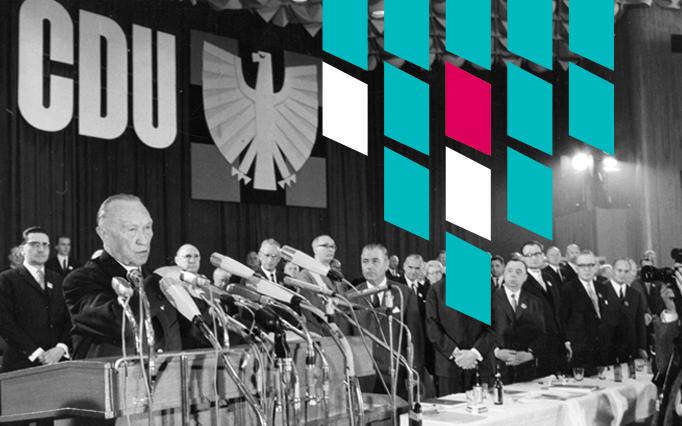
The online portal on the history of the CDU presents a number of articles, essays and sources on everything to do with the history of the CDU as part of general German and European history. In addition to the history of ideas of Christian Democracy as well as the predecessor parties of the CDU and CSU, information is provided on the development and on key representatives of Christian Democracy. We also participate in current debates with essays on contemporary history.
Konrad Adenauer
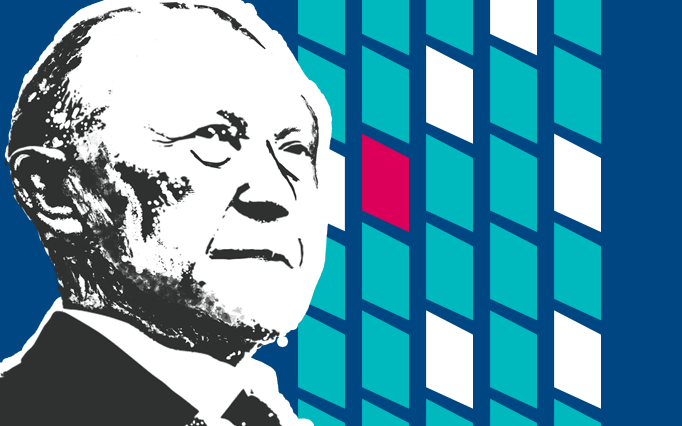
The online portal “Konrad Adenauer”, jointly created with the Stiftung Bundeskanzler-Adenauer-Haus in Rhöndorf, is an extensive internet platform on the biography of the first German Chancellor. On the pages presented here, you will find phases in life and overviews that show and portray Adenauer’s life and explain his political convictions. You will also be in introduced to a photo gallery, a genealogical table and compilation of Adenauer’s inventions and patents as well as an extensive collection of proven quotations. This range is rounded off with explanatory keywords, short biographies of comrades, detailed calendars as well as guides on well-known and new sources.
Helmut Kohl
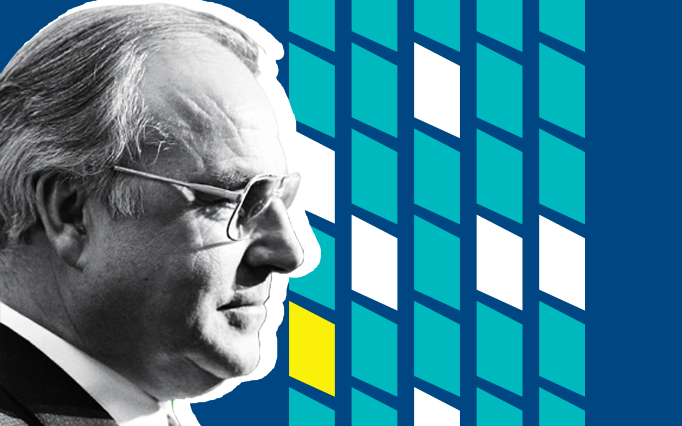
Our offerings on the online portal on Helmut Kohl encompass sources and information on the left and works of Helmut Kohl (1930-2017). Various subject-specific articles are devoted to his political convictions and individual policy fields. Furthermore, the website presents photo galleries, keywords, biographical information on comrades, documents, and a rich biography.
150 years of Konrad Adenauer – “We choose freedom!”
Experience how Konrad Adenauer – 150 years after his birth – continues to provide guidance to this day. Under the motto “We choose freedom!”, over 150 events await you worldwide. Immerse yourself in his ideas on democracy, European unity, security, and the social market economy – and discover why his legacy is more relevant than ever in our complex times.
75 years of the Federal Republic of Germany
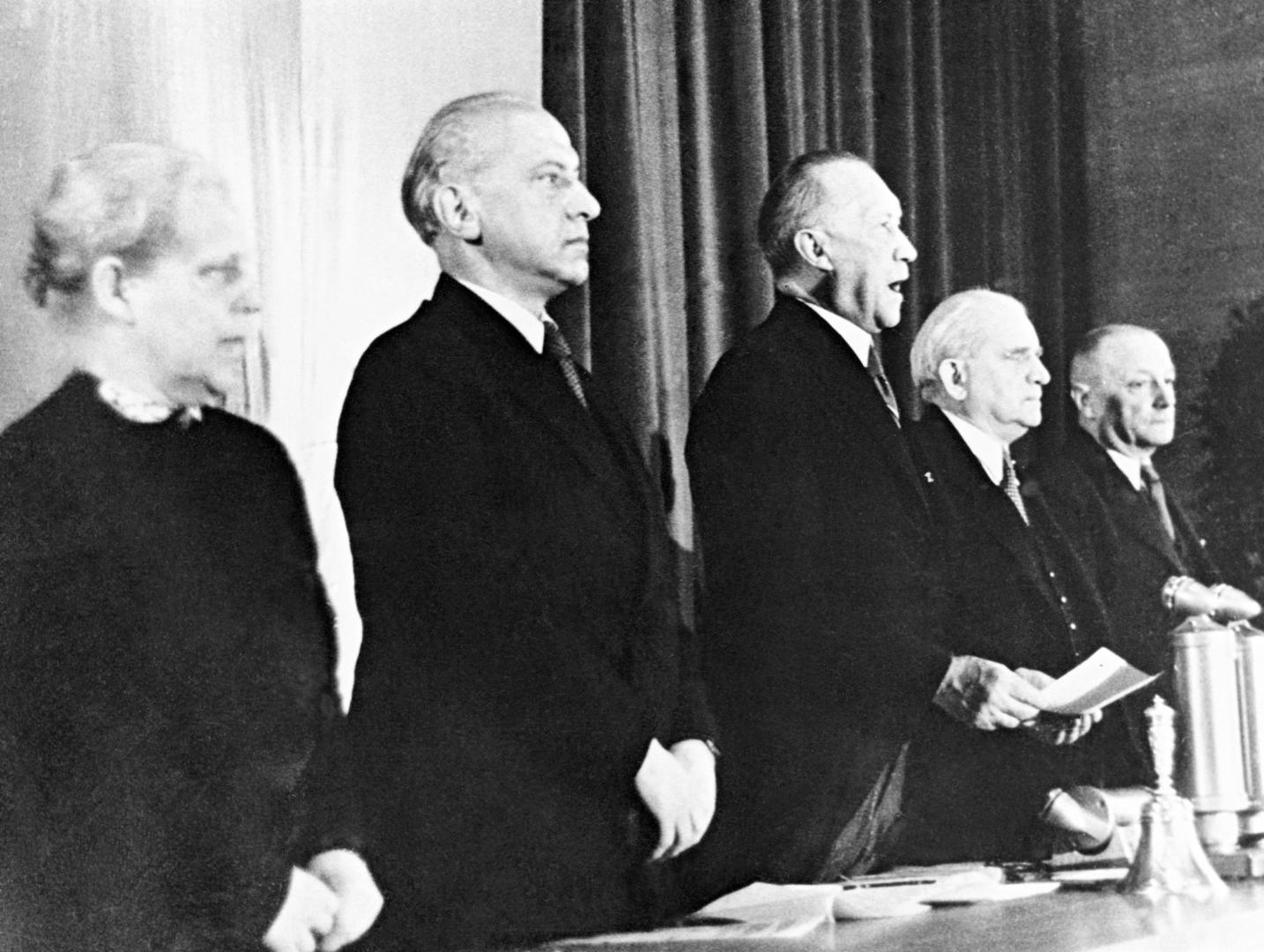
75 years ago, the Federal Republic of Germany was founded as a liberal, parliamentary democracy and as a federal and social constitutional state. As a defensive democracy, the political system has proven to be flexible enough to react to new challenges. This success story is still closely associated with the name of the first Federal Chancellor Konrad Adenauer.
Learn more about “75 years of the Federal Republic of Germany”
Publication series
The Konrad-Adenauer-Stiftung publishes several publication series which also deal with themes on the history of the Federal Republic of Germany. In this context, particular focus is placed on examining Christian Democratic politics.
Research and Sources on Contemporary History
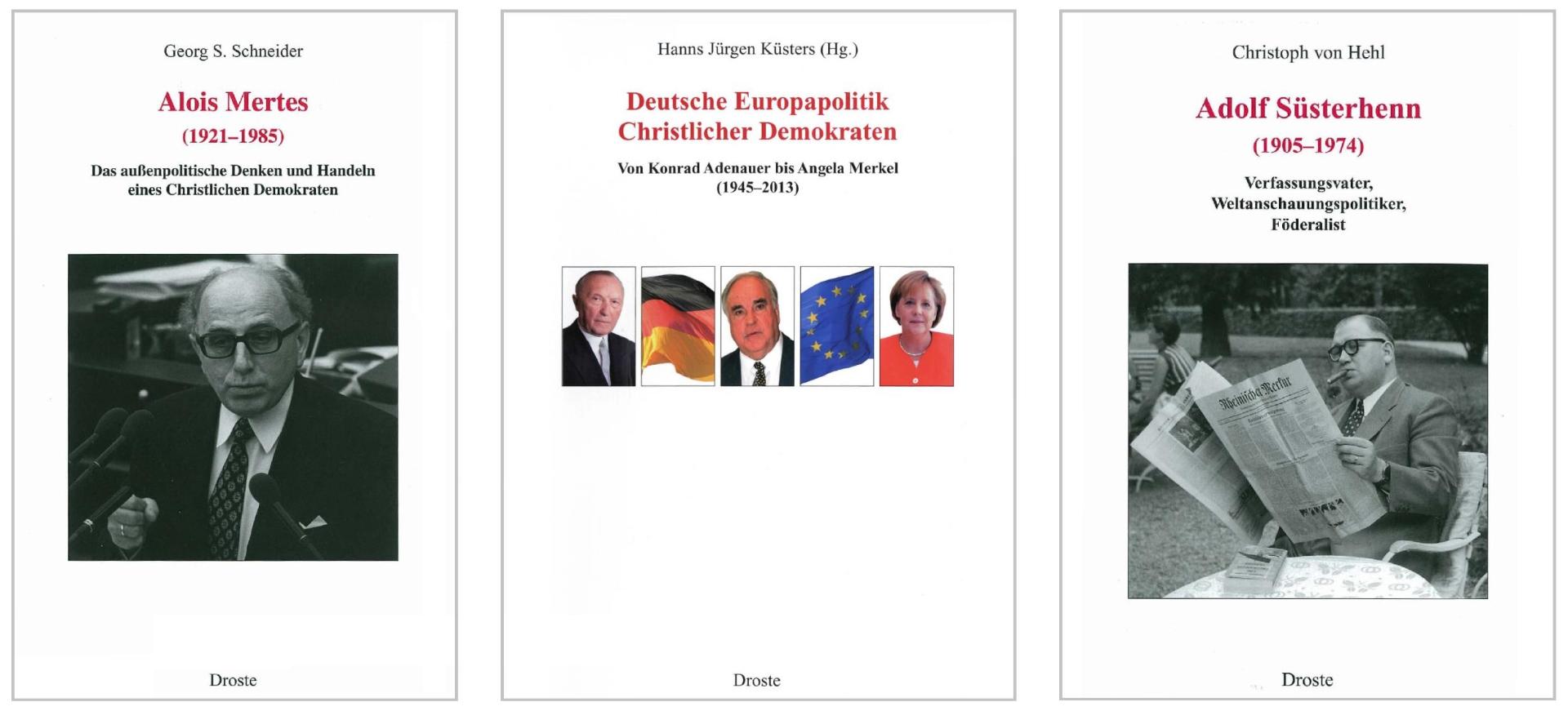
In the “Research and Sources on Contemporary History” publication series, the Archive for Christian Democratic Politics has been publishing academic studies on Christian Democracy, depictions on the history of the Federal Republic and the CDU, along with biographies of important representatives since 1980.
Learn more about the Research and Sources on Contemporary History
Historical-Political Communications
The “Historical-Political Communications”, published once each year, present a forum for research and depictions on the history of Christian Democratic movements and parties and their historical background in the context of intellectual, political and social developments of the 19th and 20th centuries. The thematic focus is on Germany and Europe.
Minutes of the CDU Federal Executive Committee Since 1950
The minutes of the CDU Federal Executive Committee are a key source on the history of the Federal Republic of Germany. The academically edited and annotated volumes of the period from 1950 to 1973 are available online.
Learn more about the minutes of the CDU Federal Executive Committee
Event series
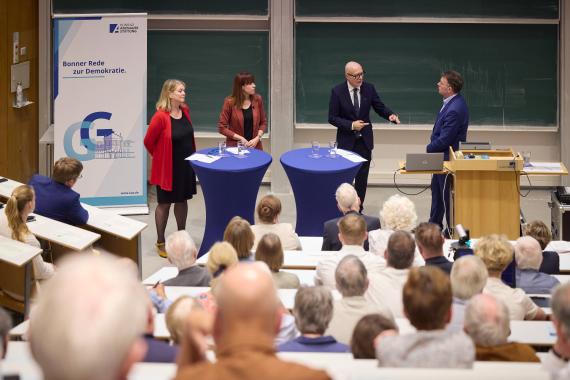
Our events dedicated to historical topics are numerous and wide-ranging. Special highlights are our recurring flagship events, which deal with various aspects of contemporary history such as the history of the Federal Republic.
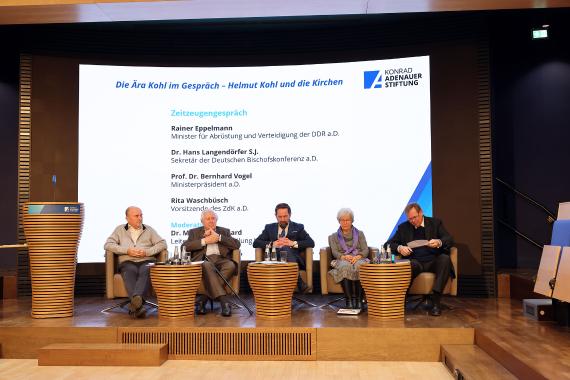
The Kohl Era Under Discussion
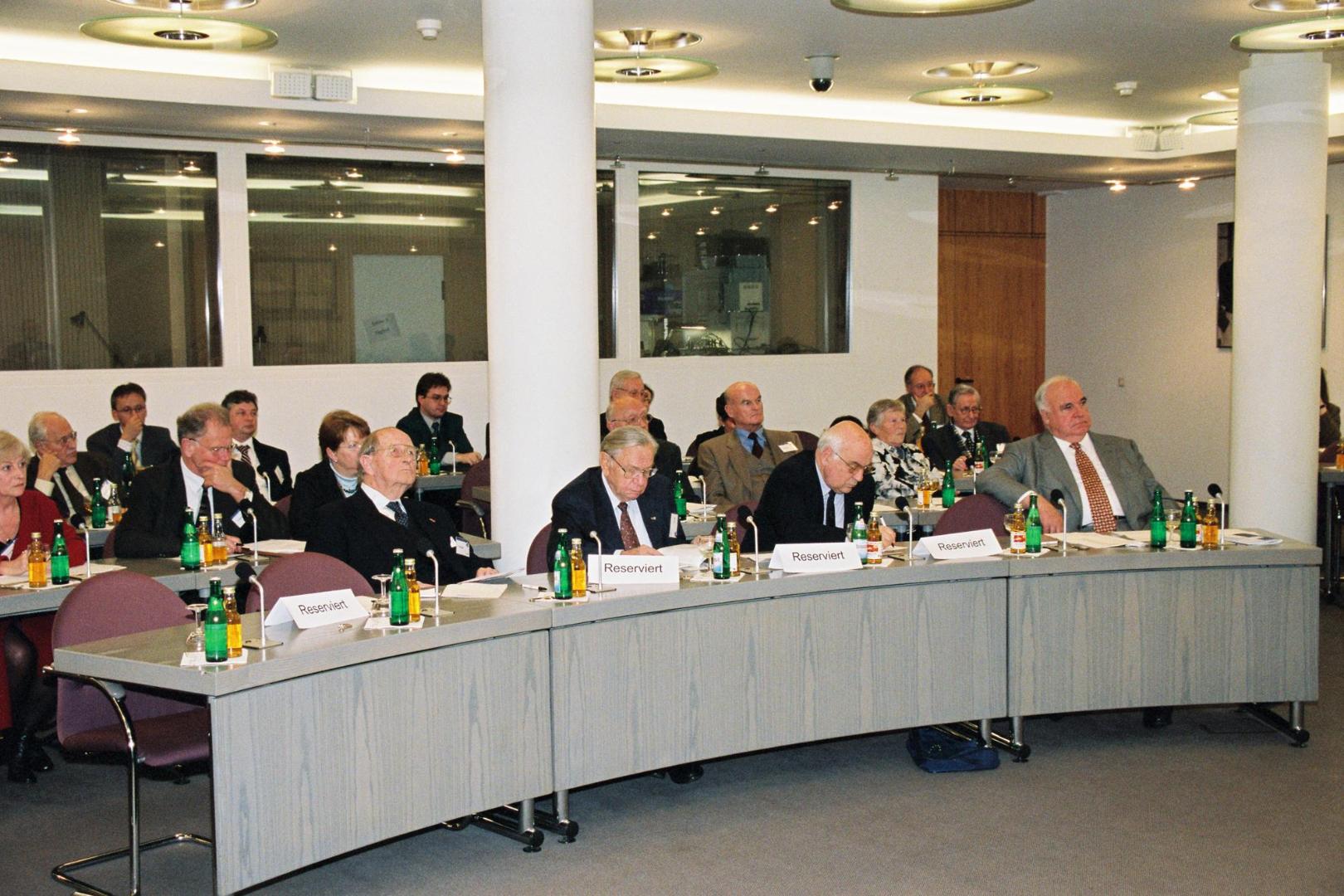
The event series “The Kohl Era Under Discussion”, offers a platform for discussion between contemporary witnesses and academics. The goal of the annual series is to historicise Helmut Kohl’s chancellorship and to inspire questions, debates and research.
Ludwig-Erhard Colloquium
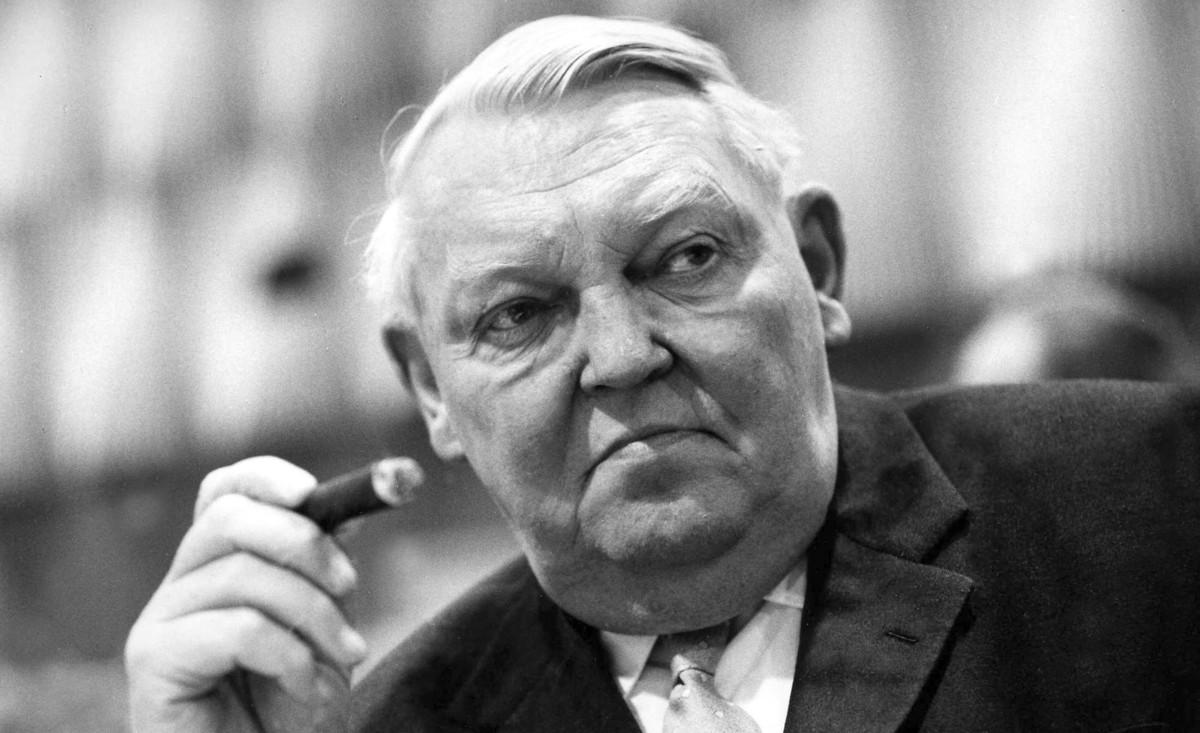
Together with the Ludwig-Erhard-Stiftung, the Konrad-Adenauer-Stiftung presents, with the Ludwig-Erhard-Colloquium, a format that is devoted not only to the memory of the first Federal German Minister for Economic Affairs, but above all discusses aspects of economic history with a view to current regulatory policy debates. The aim is to draw connecting lines between the past and the present, heightening perceptions on current problems and potential. We want to use this approach to contribute to the design and further development of the social market economy.
Exhibitions
The Konrad-Adenauer-Stiftung designs touring exhibitions on various anniversaries and historical themes, which can be used to supplement school teaching but also support events, for instance.
Unity Only in Freedom – Konrad Adenauer and the German Question
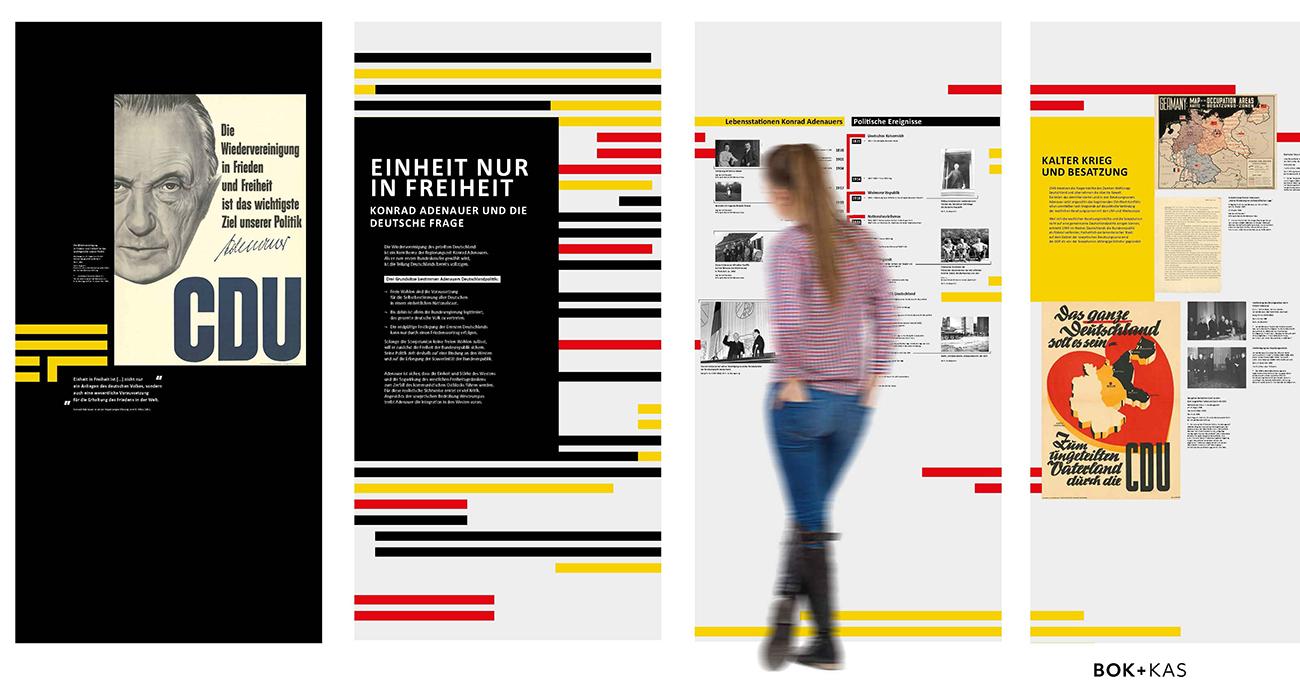
The “Unity only in Freedom – Konrad-Adenauer and the German question” exhibition was created to mark the 50th anniversary of the death of Konrad Adenauer on 19 April 2017. It deals with the essence of Adenauer’s policy towards Germany – the pursuit of German unity as part of a connection to the free democracies of the West. The underlying themes of the exhibition are Adenauer’s political principles, the concrete design of a policy to bind with the West, his eastern policy as well as the domestic policy controversies that emerged in the Federal Republic in this context. It consists of 13 roll-up panels (100cm x 220cm). All rooms with lots of public exposure such as foyers, auditoriums, conference rooms are suitable for the presentation. The exhibition can be borrowed for a maximum of 14 days. For schools, it is recommended from middle school onwards.
Konrad Adenauer and European integration
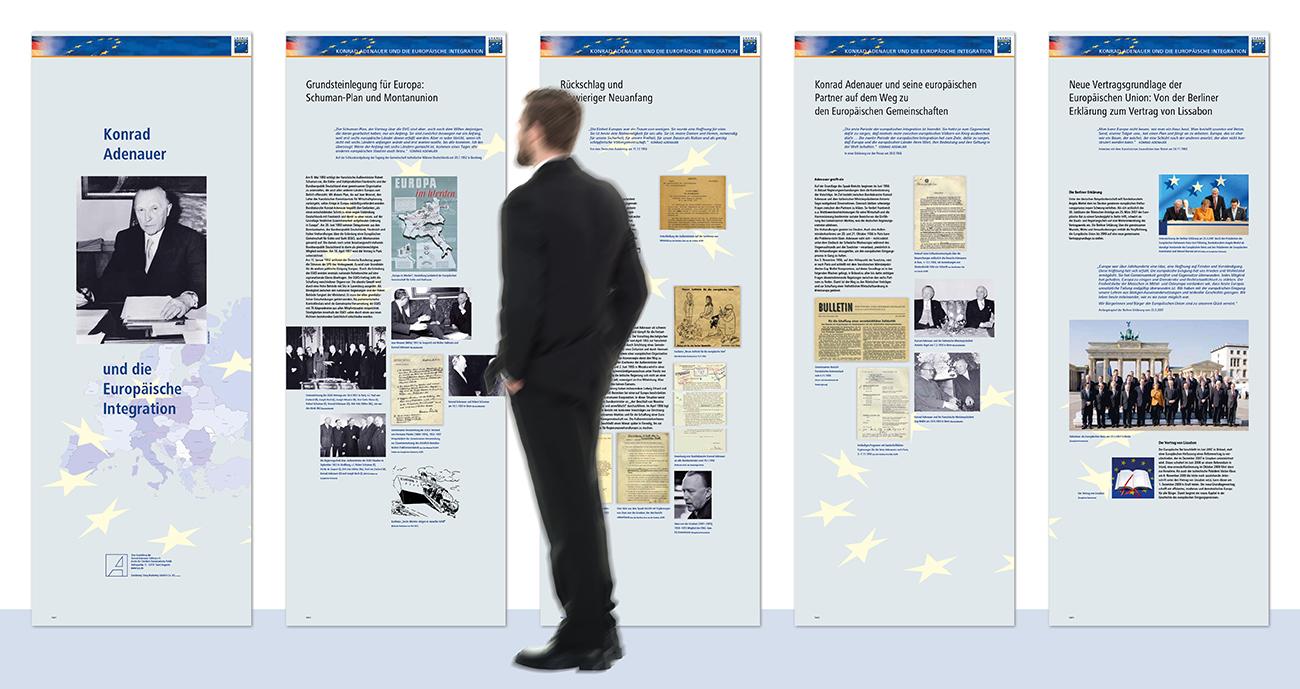
With the “Konrad Adenauer and European Integration” exhibition, we want to demonstrate the success of economic integration through the founding of the European Coal and Steel Community (ECSC) and the signing of the Treaty of Rome. Together with other founding fathers, Adenauer’s policy of binding Germany to the West laid the cornerstone for deeper cooperation and the Community’s subsequent enlargement to become the European Union. The exhibition therefore not only shows the developments at the time of Konrad Adenauer, but also later important milestones up until the Treaty of Lisbon. The touring exhibition is recommended for schools from grade 9. It comprises a total of nine roll-up panels and can be rented for a maximum of 14 days.

Publications on this topic
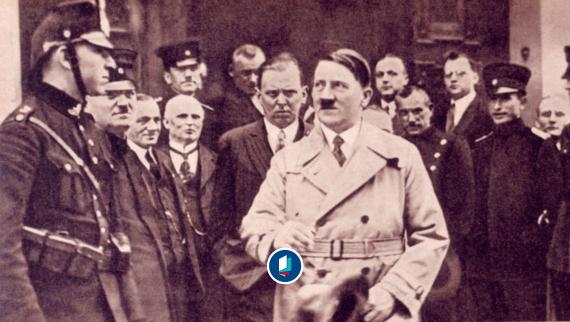 picture alliance / akg-images | akg-images
Als Weimar die NSDAP verbieten wollte: Parteiverbote von 1930 bis heute
Der Geschichtspodcast von Frankfurter Allgemeine Zeitung und Konrad-Adenauer-Stiftung – Folge #16
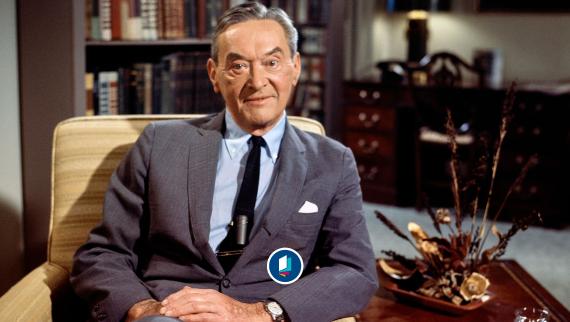 CBS Photo Archive / Kontributor
Walter Lippmann: Journalist und Medienkritiker
Biografie, Werk und Bedeutung
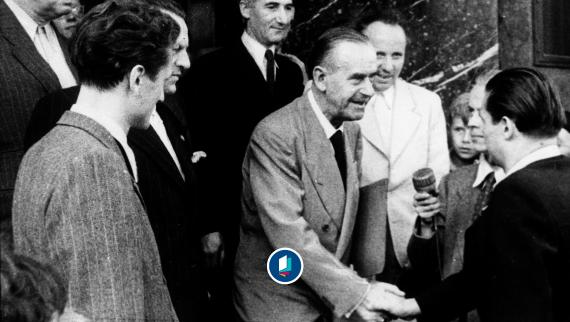 picture-alliance / akg-images | akg-images
Pawel Pawlikowskis Film „Vaterland“ (2026)
Politische Rückfragen an ein intimes Kino-Erlebnis
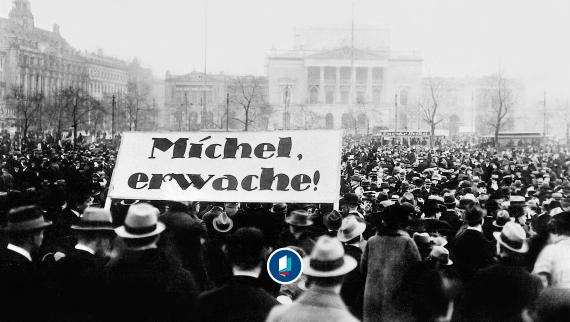 picture alliance / SZ Photo | Scherl
Das Erbe der extremen Rechten: Völkischer Nationalismus von Weimar bis heute
Der Geschichtspodcast von Frankfurter Allgemeine Zeitung und Konrad-Adenauer-Stiftung – Folge #14
 Privat
Rüdiger von Fritsch: Wie blickt man auf Geschichte, wenn die eigene Familie mittendrin ist?
Der Geschichtspodcast von Frankfurter Allgemeine Zeitung und Konrad-Adenauer-Stiftung - Folge #13

Adenauer auf der Wolke. Himmlische Karikaturen zum 150. Geburtstag
hrsg. von der Konrad-Adenauer-Stiftung e. V., kuratiert und bearb. von Matthias Krüger
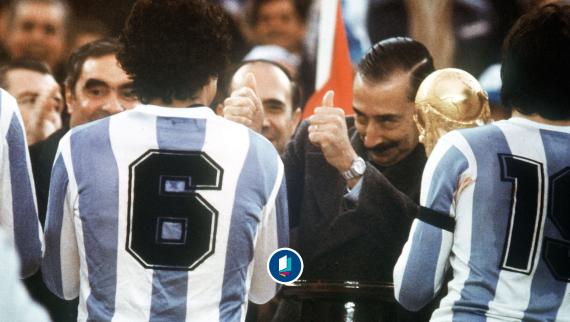 picture-alliance/ dpa
WM in Argentinien 1978: Kann Fußball unpolitisch sein?
Der Geschichtspodcast von Frankfurter Allgemeine Zeitung und Konrad-Adenauer-Stiftung - Folge #10
 picture alliance
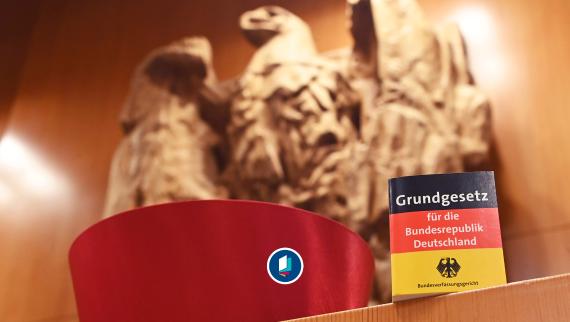
Streitbare Demokratie
Historisch-politische Betrachtungen zu einem bundesdeutschen Leitkonzept
 IMAGO / Jürgen Ritter
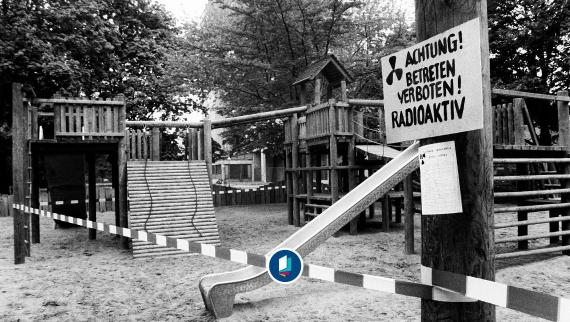
Der Super-GAU von Tschernobyl und die deutsche Atomangst
Der Geschichtspodcast von Frankfurter Allgemeine Zeitung und Konrad-Adenauer-Stiftung - Folge #7
Vordenker der Neuen Rechten: Armin Mohler und der antiliberale Konservatismus in der Bundesrepublik
„Maik Tändler liefert mit seiner Arbeit über Mohler ein dicht geschriebenes Buch, das sich wie eine historische Kartierung der ideellen Landschaft der Bundesrepublik rechts der Mitt...
 picture-alliance / akg-images | akg-images
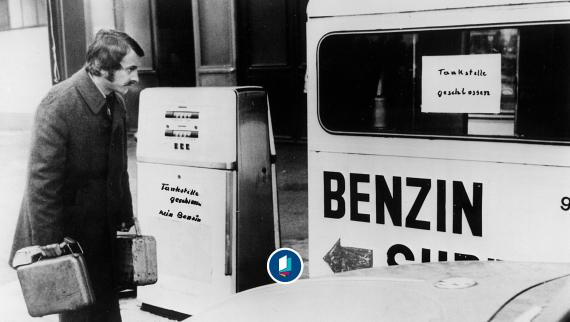
Ölpreiskrise 1973: Am Tag, als es kein Benzin mehr gab
Der Geschichtspodcast von Frankfurter Allgemeine Zeitung und Konrad-Adenauer-Stiftung - Folge #6
 Institut für Stadtgeschichte Frankfurt am Main (ISG FFM), S7Wer Nr. 260: -, Inge Werth / CC BY-SA 4.0 / creativecommons.org/licenses/by-sa/4.0/deed.en
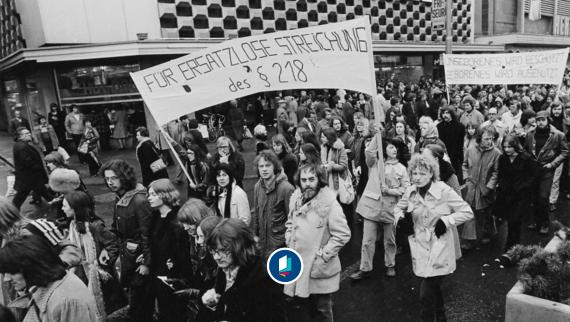
Kulturkampf (4/4): Abtreibung – Warum der Streit nie endet
Der Geschichtspodcast von Frankfurter Allgemeine Zeitung und Konrad-Adenauer-Stiftung - Folge #4
 F.A.Z.-Foto / Wolfgang Haut
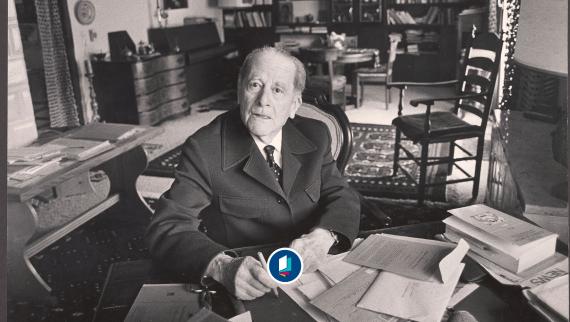
Liberalismus und Demokratie
Zur Revision der Verhältnisbestimmungen von Carl Schmitt, Ernst-Wolfgang Böckenförde und Jürgen Habermas. Eine aktualisierende Skizze.
 picture alliance / Kay Nietfeld/dpa | Kay Nietfeld
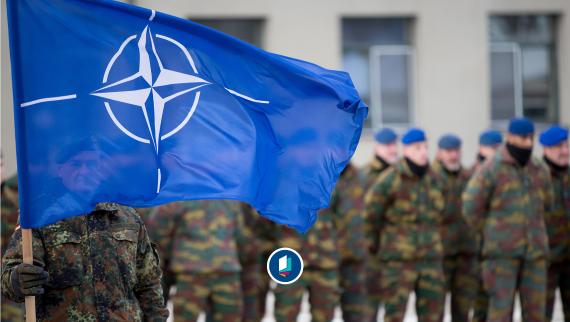
Probleme deutscher und europäischer Sicherheitspolitik
Die Bundeswehr zwischen nationalen Interessen und internationaler Verantwortung
 Henning Schacht | HSS Hauptstadtbüro Berlin
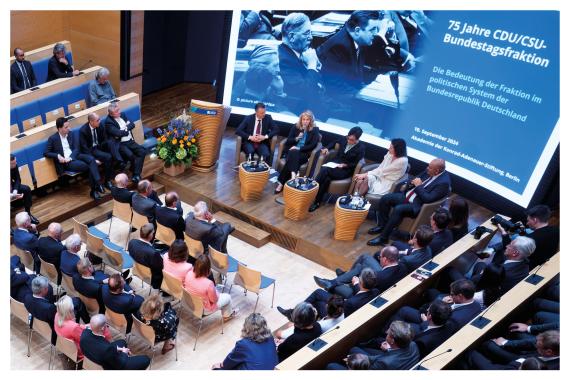
75 Jahre CDU·CSU-Bundestagsfraktion
Die Bedeutung der Fraktion im politischen System der Bundesrepublik Deutschland

Event Reports on the topic
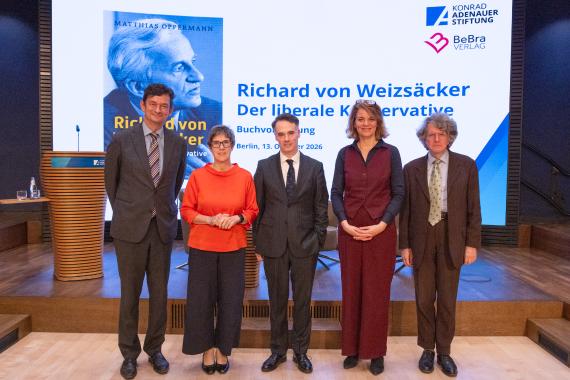 KAS/Marie-Lisa Noltenius
Der Denker als Staatsmann
Buchvorstellung von „Richard von Weizsäcker. Der liberale Konservative“
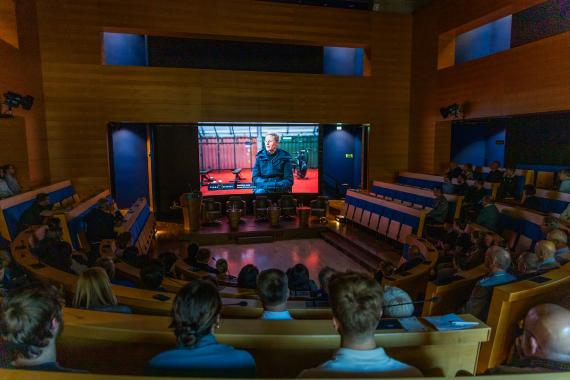 KAS/Wadim Lisovenko
Vorpremiere zur Dokumentation „Kriegstüchtig? 70 Jahre Bundeswehr“
„Die Soldaten schwören und legen einen Eid ab, bereit zu sein, alles zu geben – Leib und Leben. Dann muss die Politik auch bereit sein, ihr Bestes zu geben.“
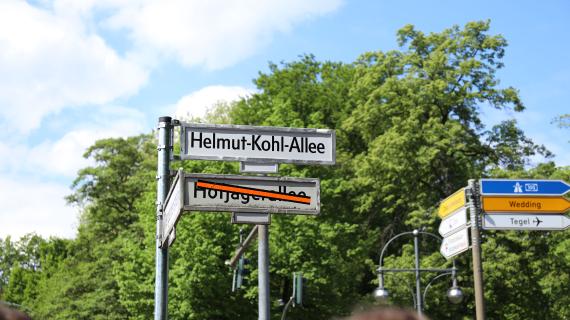 KAS/Christiane Stahr
„Europa, Deutschland und Berlin haben Helmut Kohl unendlich viel zu verdanken“
Festveranstaltung aus Anlass der Einweihung der „Helmut Kohl-Allee“
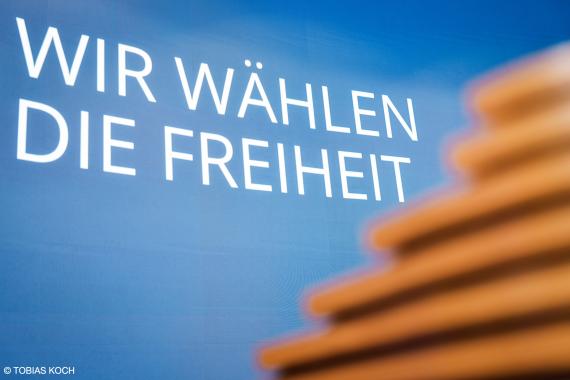
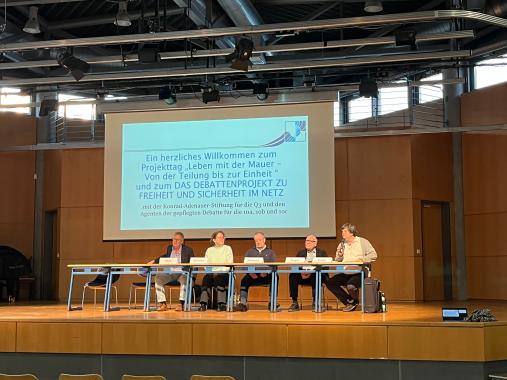
Wir wählen die Freiheit
Von der wertebasierten Sicherheitspolitik Adenauers zur nationalen Sicherheitsstrategie
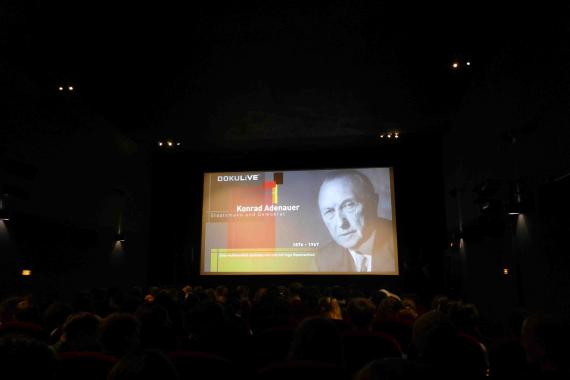 KAS-Bremen
DOKULIVE-Format „Konrad Adenauer: Staatsmann. Demokrat. Europäer“
150. Geburtstag Konrad Adenauer
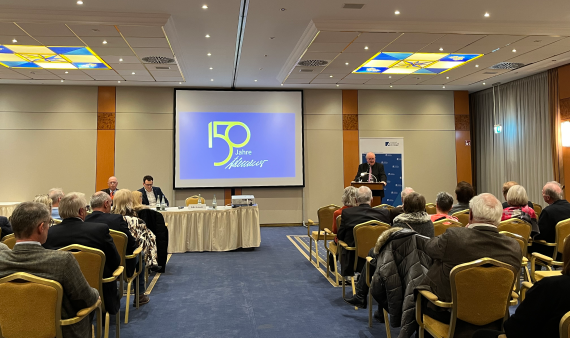
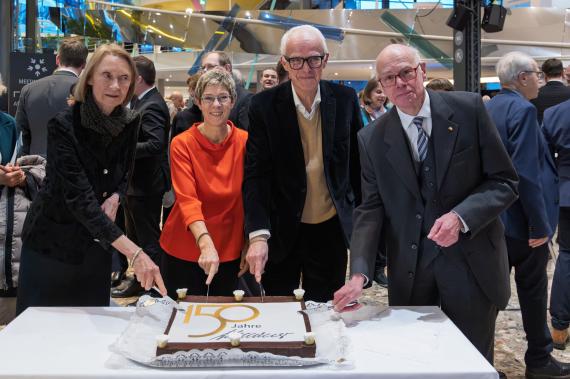 KAS / Frank Homann
„Seinem Vermächtnis bleiben wir verpflichtet!“
Gedenkveranstaltung zum 150. Geburtstag Konrad Adenauers
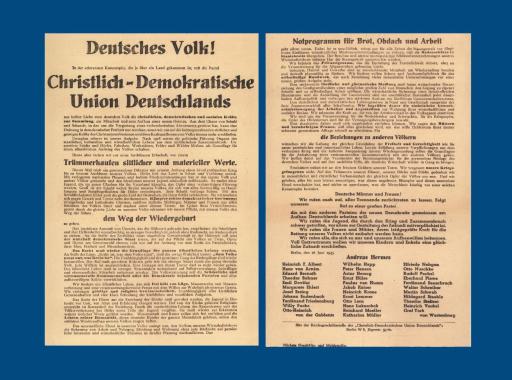
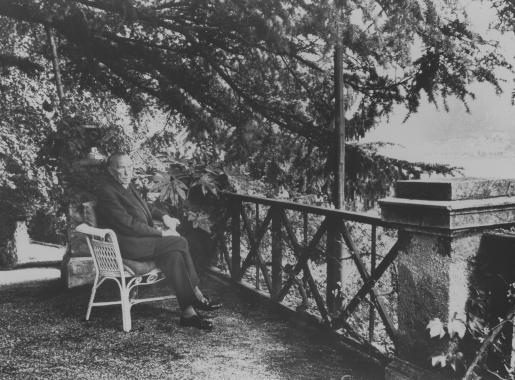
"Adenauers Cadenabbia"
Geschichte, Inspiration und politische Reflexion“ vom 14. bis 17. September 2025
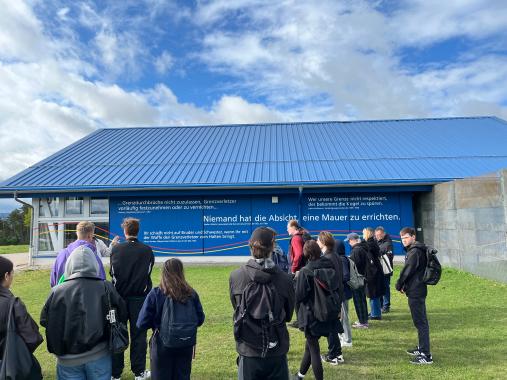
Ein Meilenstein der deutsch-französischen Aussöhnung
Zeithistorische Filmreihe: An einem Tag im September
Auf den Spuren Konrad Adenauers am Comer See
Feierliche Einweihung des digitalen Stelenrundgangs in Cadenabbia

 Bundeswehr
60 Jahre Deutsch-Israelische Beziehungen
Gemeinsame Sicherheitspolitik im Wandel der Zeit
Der 8. Mai 1945. Das Ende des Zweiten Weltkriegs und seine Lehren für die Gegenwart
Bericht zu Fachtagung und Podiumsdiskussion anlässlich des 80. Jahrestags des Endes des Zweiten Weltkriegs
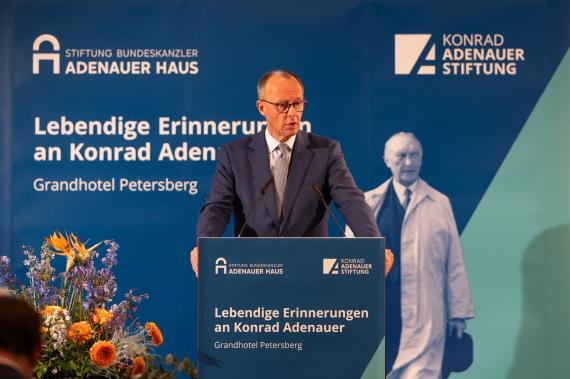
Media library
 picture alliance / akg-images | akg-images
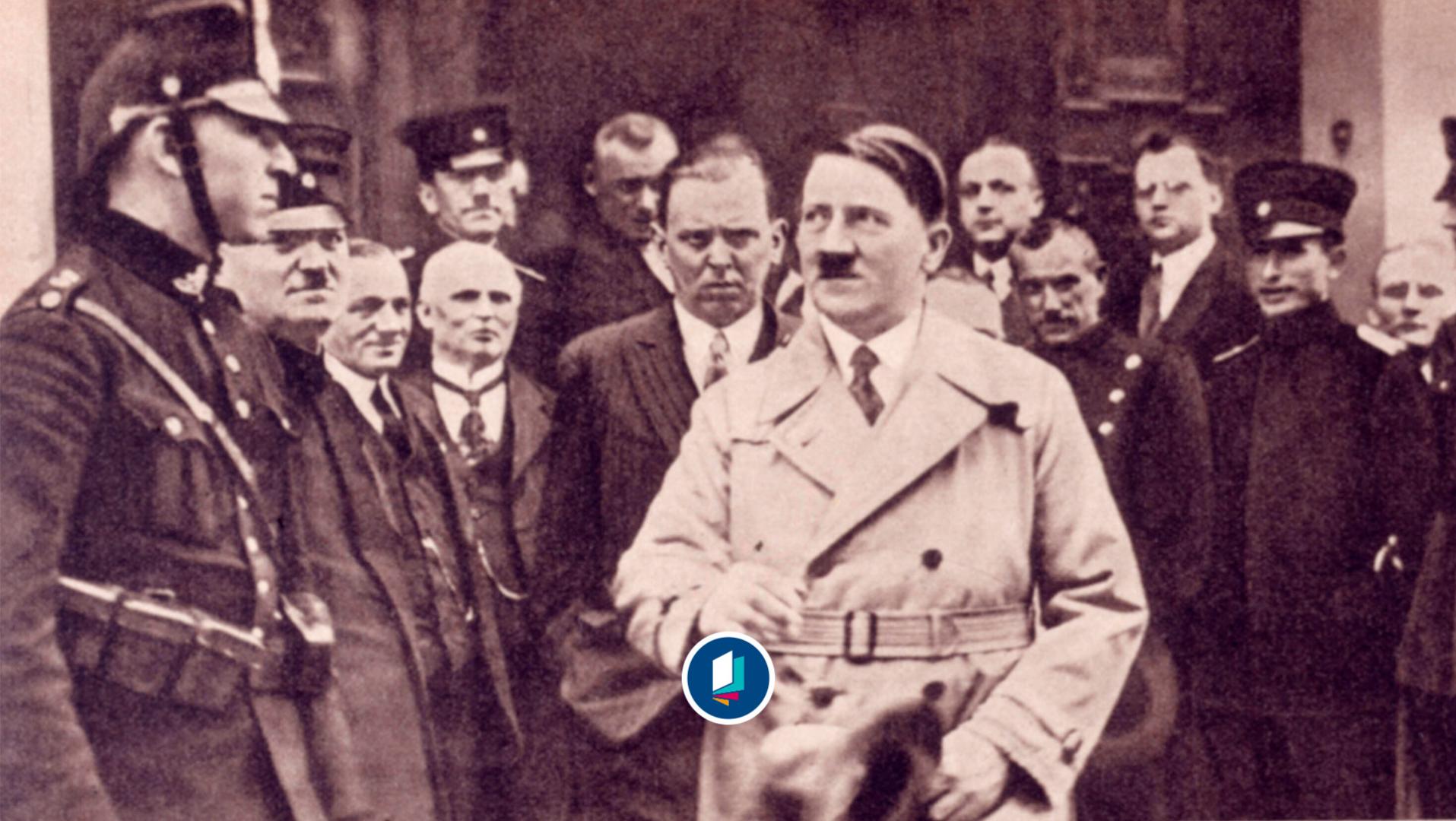
Als Weimar die NSDAP verbieten wollte: Parteiverbote von 1930 bis heute
Von der NSDAP in Weimar über die KPD in der Bundesrepublik bis zur AfD geht es um die Frage: Wann kann und darf eine Demokratie Parteien verbieten, um die Freiheit zu schützen?
Read now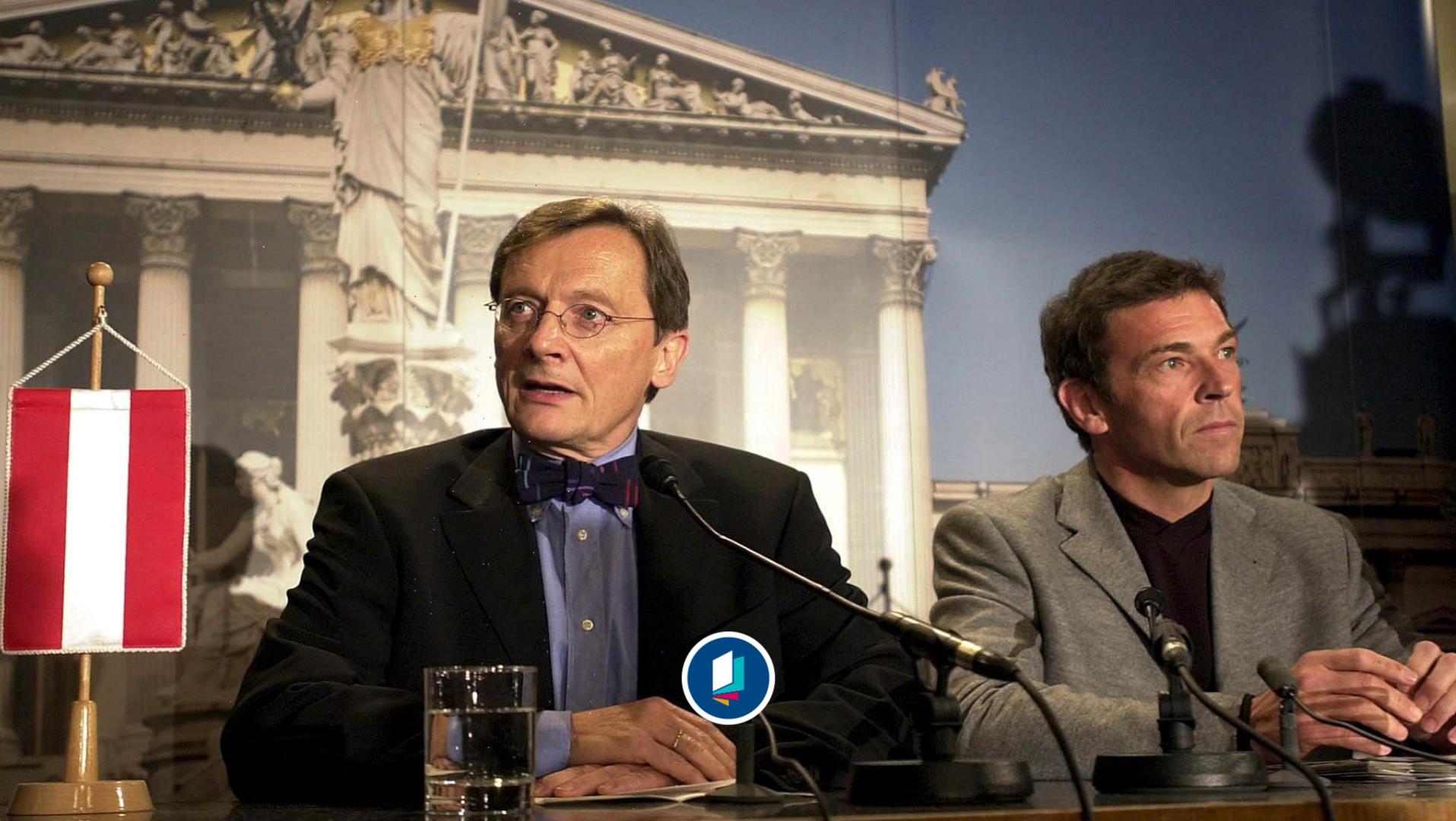 EPA PHOTO APA/SCHLAGER ROLAND/RS-cl
Entzaubert oder gestärkt? Als die Rechtspopulisten in Österreich in die Regierung kamen
Die schwarz-blaue Koalition 2000 in Österreich galt vielen als Tabubruch. Welche Folgen hatte die FPÖ-Regierungsbeteiligung und was lässt sich für Deutschland daraus lernen?
Read now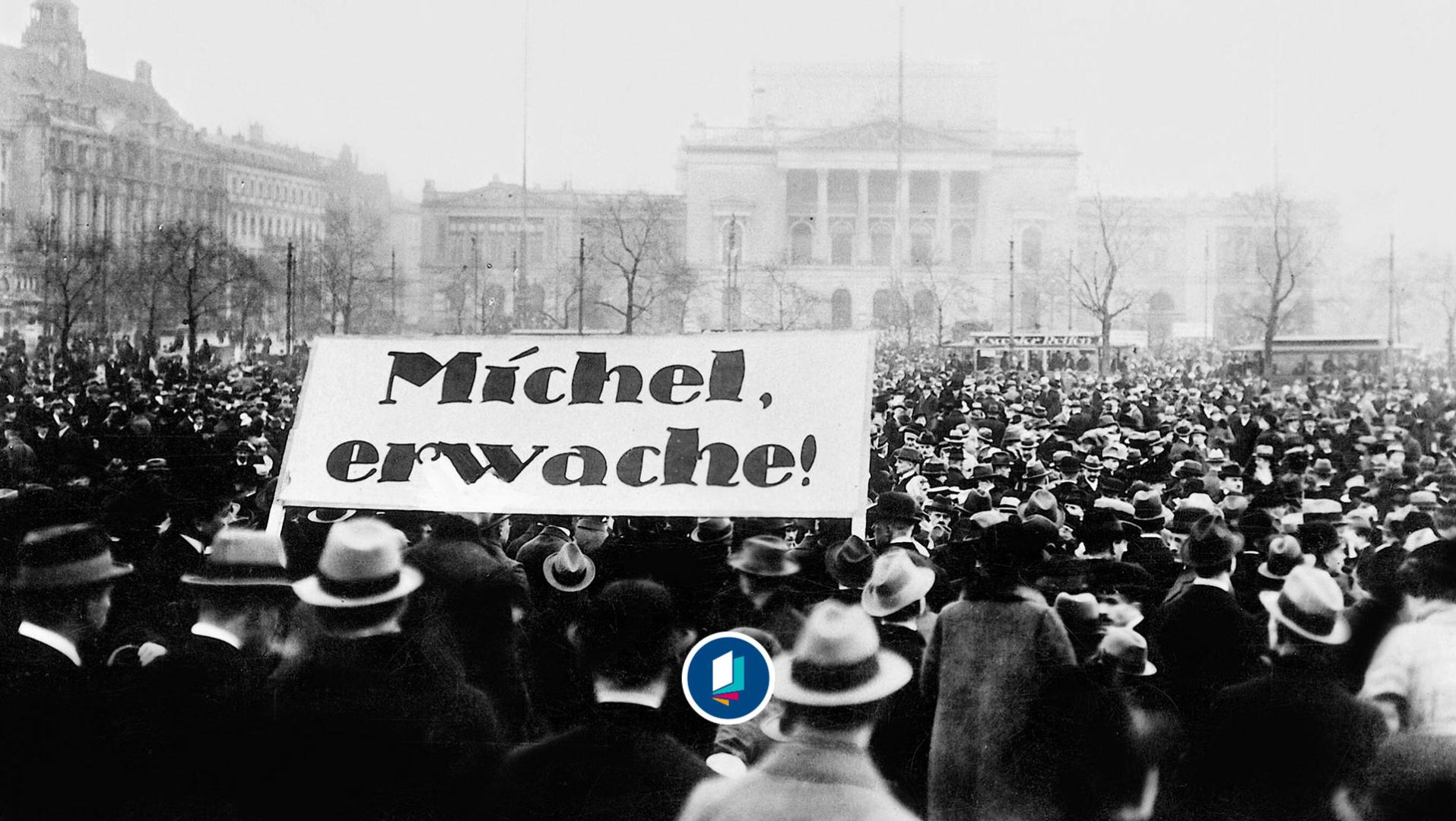 picture alliance / SZ Photo | Scherl
Das Erbe der extremen Rechten: Völkischer Nationalismus von Weimar bis heute
Die Spurensuche zeigt, wie völkisch-nationalistische und antiliberale Ideen seit Weimar in der extremen Rechten der Gegenwart weiterleben. Mit Historiker Volker Weiß.
Read now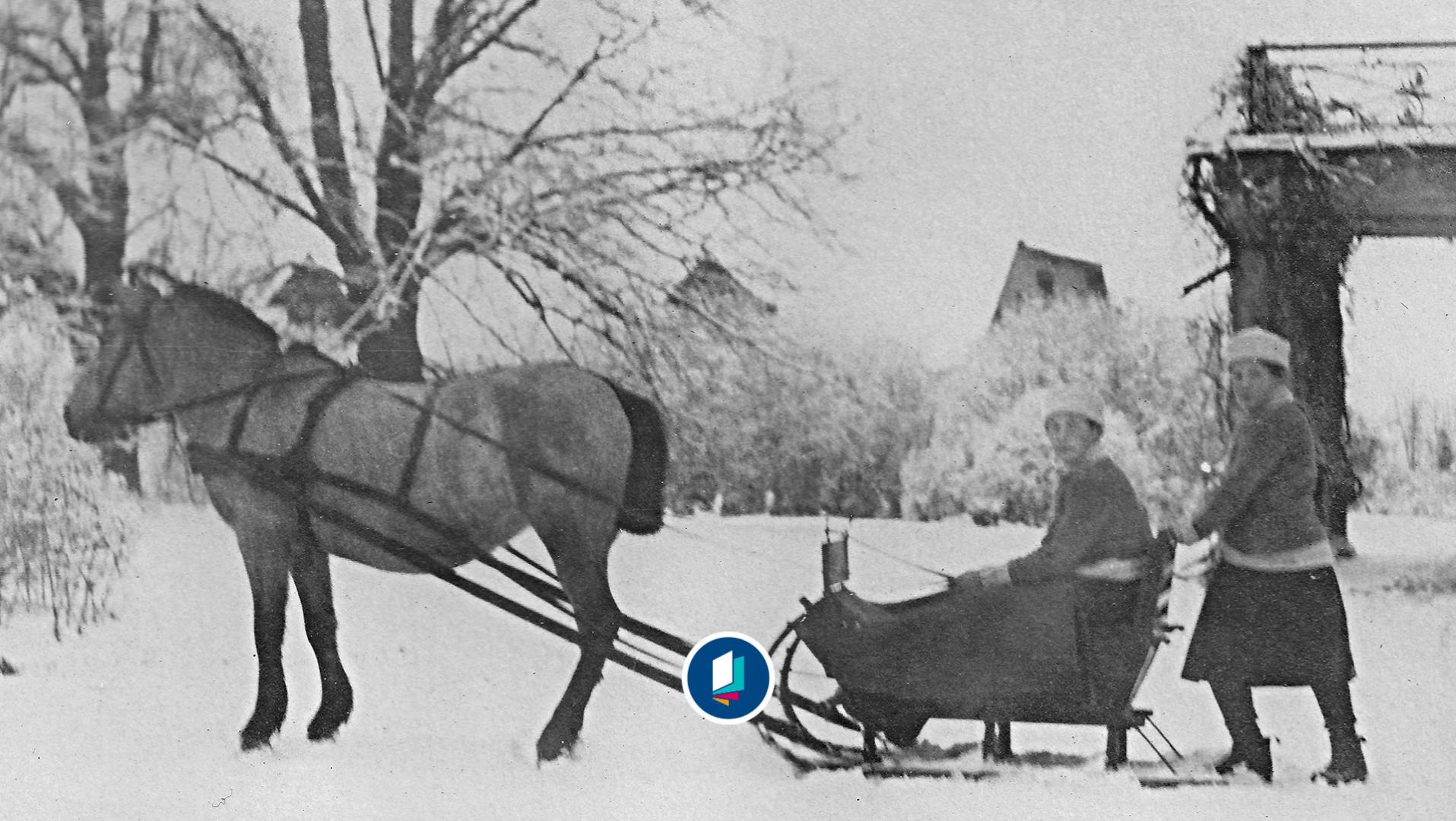 Privat
Rüdiger von Fritsch: Wie blickt man auf Geschichte, wenn die eigene Familie mittendrin ist?
In unserem Sommerinterview sprechen wir mit dem ehemaligen deutschen Botschafter in Polen und Russland, Rüdiger von Fritsch über Nationalsozialismus, Flucht und Vertreibung.
Read now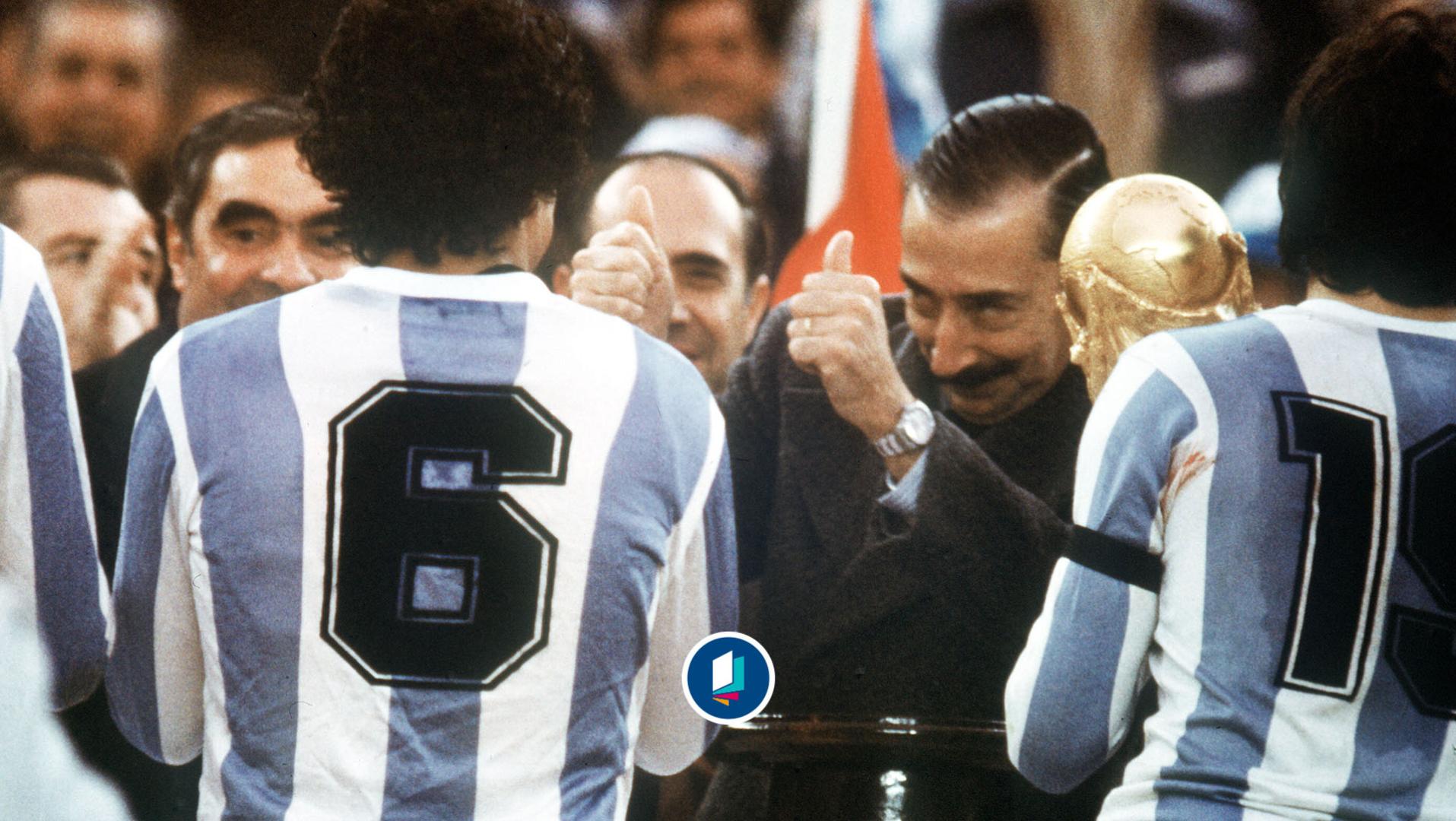 picture-alliance/ dpa
WM in Argentinien 1978: Kann Fußball unpolitisch sein?
Die Weltmeisterschaft 1978 in Argentinien zeigt, wie die Militärdiktatur das Sportspektakel ausnutzte und wie Funktionäre die politische Dimension des Großereignisses ausblendeten.
Read now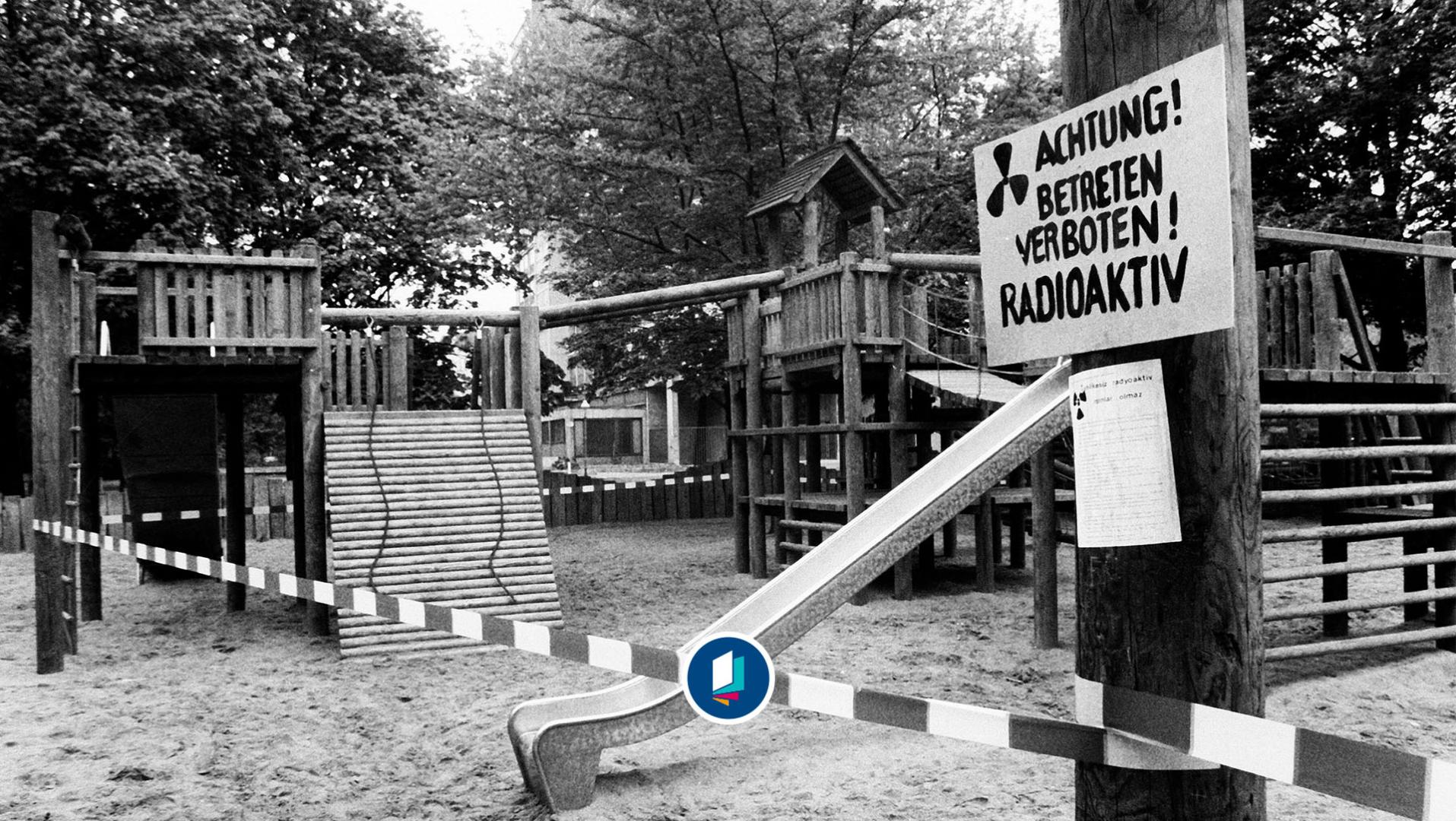 IMAGO / Jürgen Ritter
26. April 1986: Der Super-GAU von Tschernobyl und die deutsche Atomangst
Mit den Historikern Frank Uekötter und Frank Biess gehen wir in Folge #7 den langfristigen Folgen des Reaktorunfalls für Deutschland und Europa nach.
Read now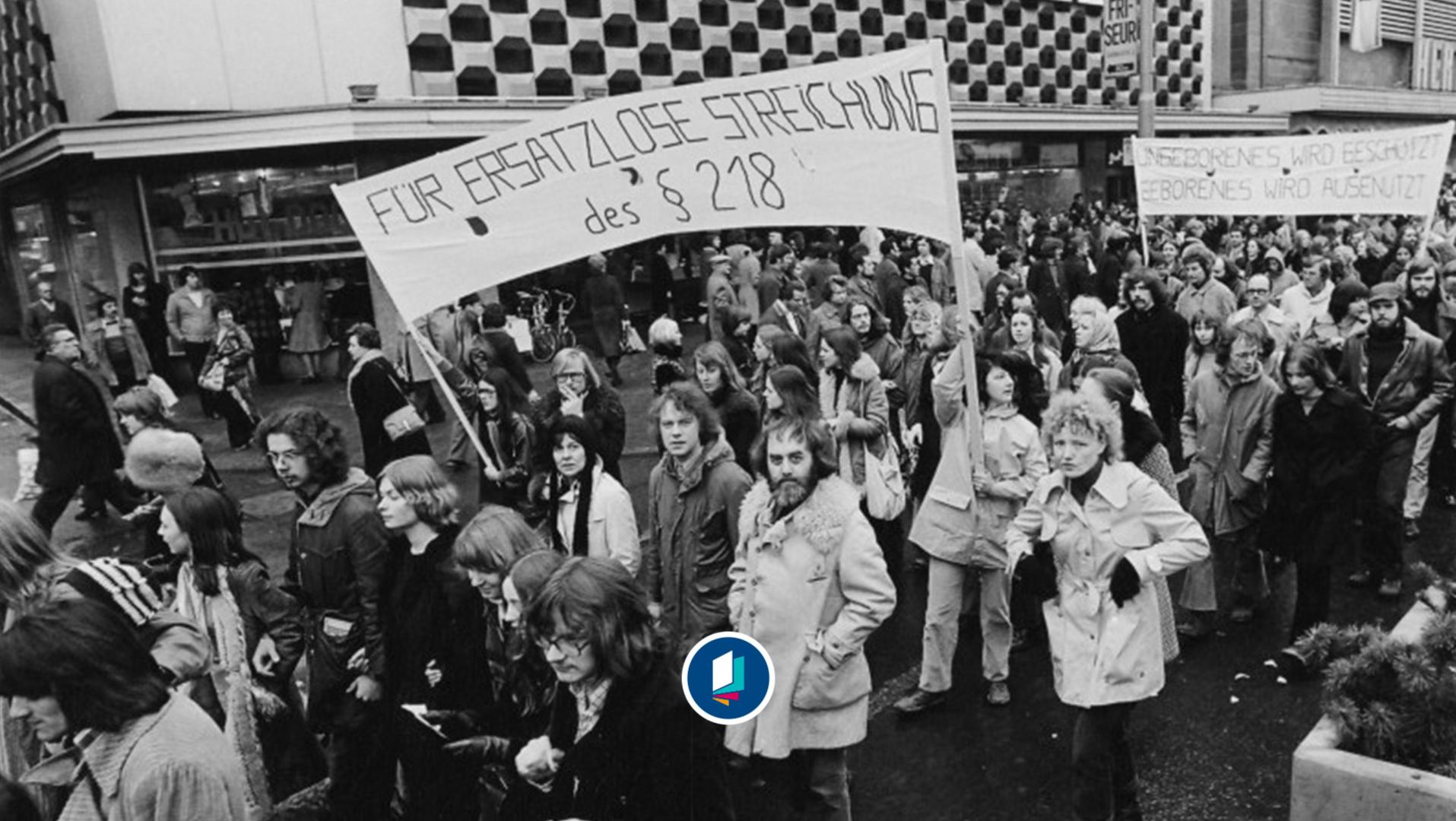 Institut für Stadtgeschichte Frankfurt am Main (ISG FFM), S7Wer Nr. 260: -, Inge Werth / CC BY-SA 4.0 / creativecommons.org/licenses/by-sa/4.0/deed.en
Kulturkampf (4/4): Abtreibung – Warum der Streit nie endet
Die Folge zeichnet nach, wie sich der Streit um § 218 seit den 1970er-Jahren entwickelt hat: von Reformversuchen und Verfassungsurteilen bis hin zur Kompromissformel.
Read now Bundesarchiv, Bild 183-1987-0618-301 / CC-BY-SA 3.0 / creativecommons.org/licenses/by-sa/3.0/de/deed.en